
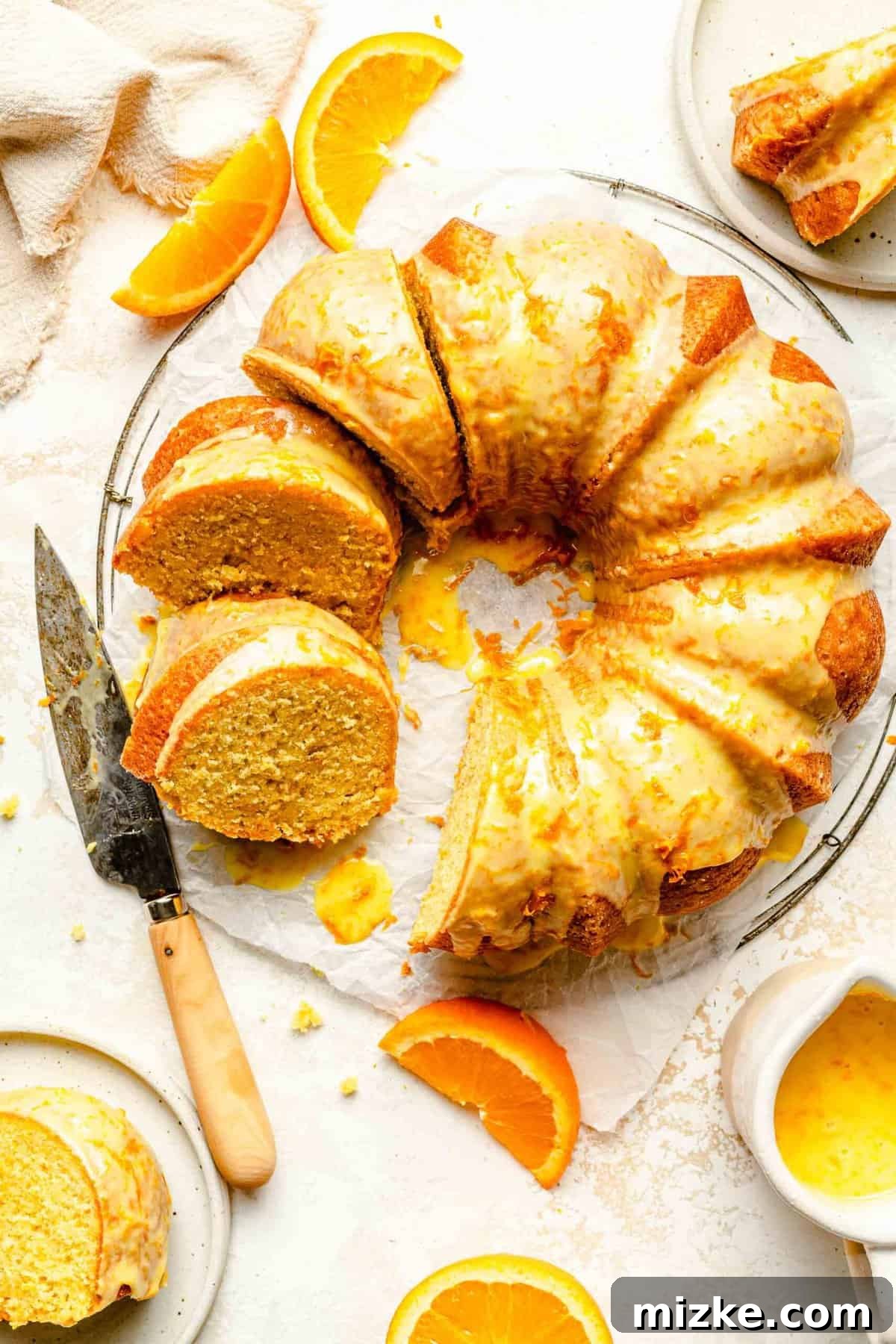
Prepare to be captivated by the delicate yet intensely flavorful Glazed Orange Pound Cake, a true masterpiece of home baking. This recipe is a vibrant celebration of fresh citrus, featuring the brilliant zest and tangy juice of multiple oranges infused into both the tender, buttery cake and its luscious, sweet glaze. Each slice promises a burst of sunshine, making it an utterly irresistible treat perfect for any season or gathering.
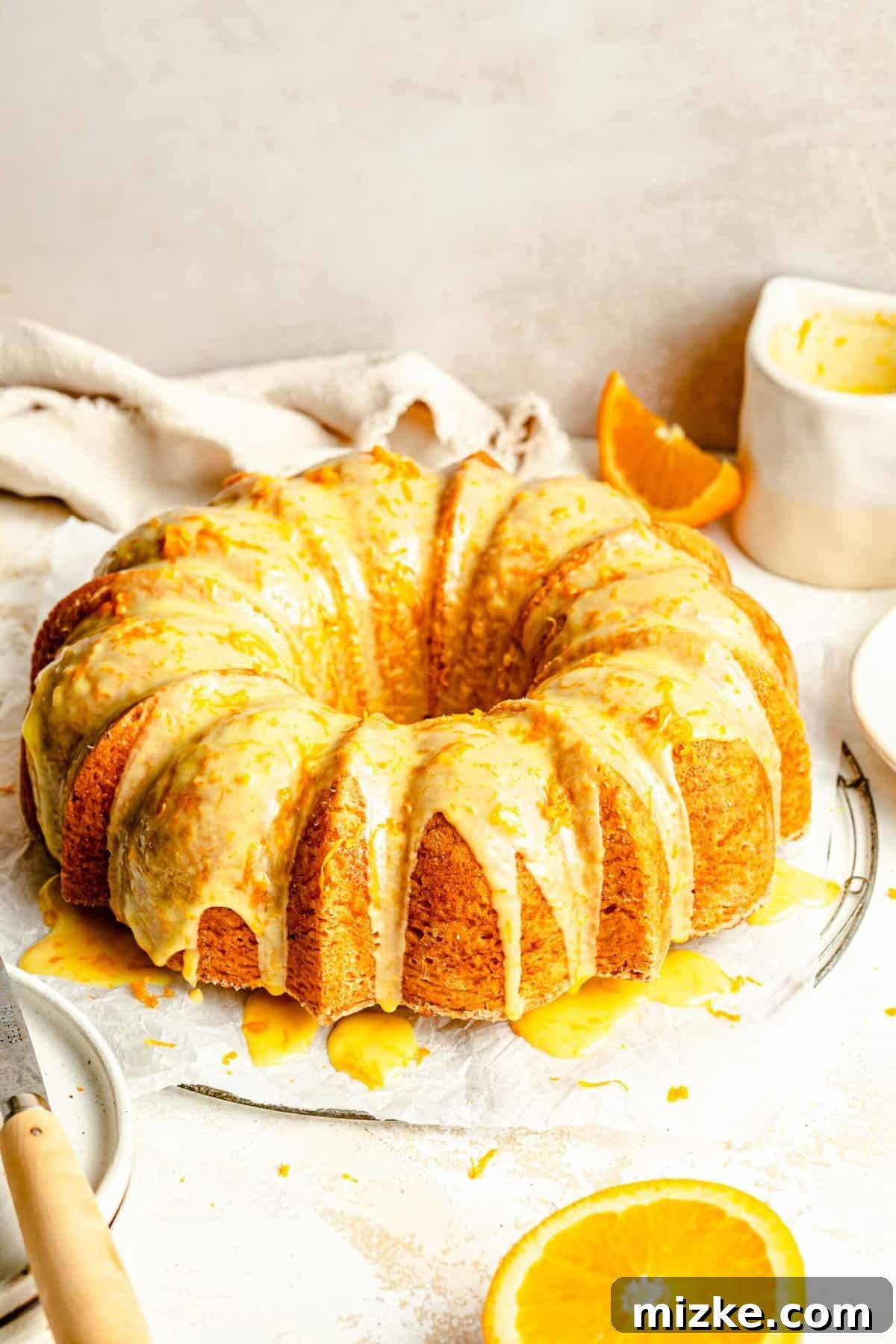
There’s nothing quite like a perfectly baked pound cake—its comforting density, rich buttery flavor, and exquisitely moist texture. This particular orange pound cake elevates the classic to new heights, weaving in an abundance of fresh orange zest and juice from a total of seven oranges. The result is a cake with a wonderfully tender crumb that practically melts in your mouth, crowned with a delicate, orange-infused glaze that you’ll be tempted to savor straight from the whisk. It’s more than just a cake; it’s an experience, a delightful indulgence that embodies warmth and homemade goodness, ideal for breakfast, dessert, or a lovely afternoon tea.
Why This Glazed Orange Pound Cake Will Become Your Go-To Recipe
After years of seeking the ultimate orange cake, I can confidently say this recipe is a true game-changer. It consistently delivers an unparalleled experience that is utterly compelling and delicious, quickly becoming a household favorite. Here’s a closer look at what makes this orange pound cake so remarkably special and why you’ll find it completely irresistible:
- Unforgettable Fresh Orange Flavor: This recipe doesn’t just hint at orange; it truly celebrates it. We meticulously incorporate a generous amount of freshly squeezed orange juice and finely grated orange zest into both the cake batter and the glaze. This commitment to using real, fresh citrus ensures that every bite is bursting with authentic, bright, and invigorating notes that are far superior to any artificial flavorings. You’ll taste the genuine essence of sunshine in every mouthful.
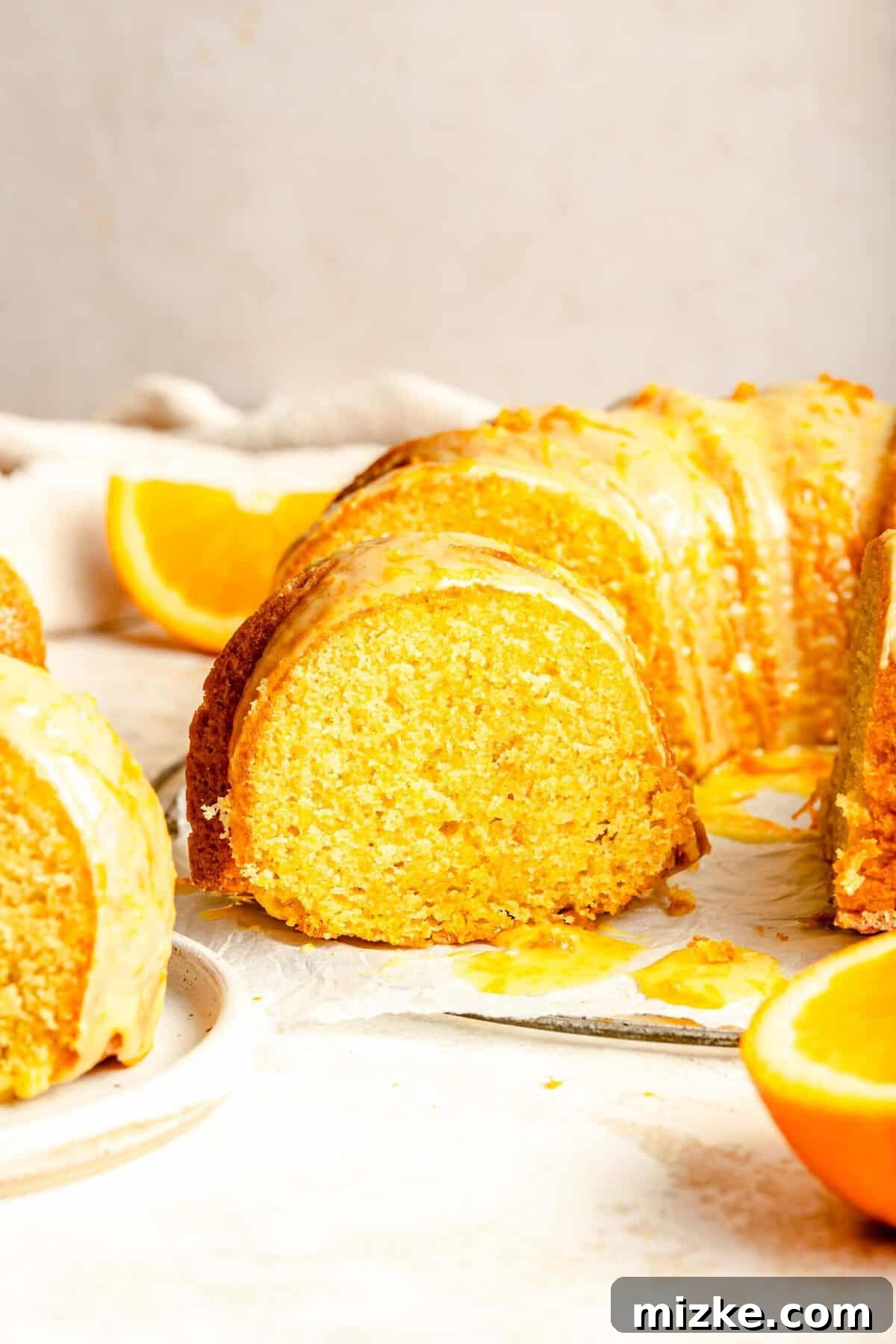
- Perfectly Balanced Texture: One of the hallmarks of an exceptional pound cake is its texture, and this recipe absolutely nails it. It achieves a sublime balance between being pleasantly dense—as a traditional pound cake should be—and wonderfully tender. This exquisite texture is largely attributed to two key factors: the inclusion of buttermilk, which tenderizes the crumb and adds moisture, and the crucial step of thoroughly creaming the butter and sugar, which incorporates air and creates a fine, even structure. The result is a cake that is substantial yet delicate, with a satisfying chew.
- Incredibly Moist with a Flawless Crumb: Say goodbye to dry, crumbly cakes. This orange pound cake is anything but. It boasts an incredible moistness that lingers, making each mouthful a pure delight. The buttermilk contributes significantly to this moisture, while careful measurement of ingredients and proper mixing techniques ensure a perfect crumb that isn’t too heavy or too light. It’s a cake that stays fresh and delectable for days, promising a satisfyingly rich and buttery experience from the first slice to the last.
- Visually Stunning Presentation: The vibrant hue of the fresh orange zest flecks throughout the cake and the inviting sheen of the citrus glaze make this pound cake as beautiful to behold as it is delicious to eat. Whether baked in an elegant Bundt pan or a simple loaf, its golden crust and glistening topping make it a true showstopper dessert that’s perfect for impressing guests at dinner parties, holiday brunches, or simply brightening up your own kitchen table.
- Straightforward and Rewarding Baking Process: Despite its gourmet taste and elegant appearance, this orange pound cake recipe is surprisingly simple to follow. With clear, detailed instructions and readily available ingredients, even novice bakers can achieve spectacular results. The process itself is therapeutic and rewarding, culminating in a dessert that tastes like it came from a high-end bakery.
Understanding the Classic: What Defines a Pound Cake?
The pound cake is a revered classic in the world of baking, a testament to simplicity, richness, and enduring flavor. Its intriguing name dates back to the 18th century, a time when recipes were often straightforward and proportional. Traditionally, a pound cake was aptly named because it literally called for one pound each of four key ingredients: butter, sugar, eggs, and flour. This simple, equal-part ratio made it incredibly easy to remember and prepare, even for cooks without sophisticated measuring tools, making it a staple in many households.
Over the centuries, the pound cake recipe has evolved considerably. While the core concept of a rich, buttery cake remains, modern adaptations have introduced different measurements and additional ingredients, such as leavening agents (baking soda, baking powder) and liquids (like buttermilk or milk). These changes aim to refine the texture, enhance the flavor profile, and achieve a more appealing, less overwhelmingly dense result without sacrificing its characteristic richness. Contemporary pound cakes are now cherished for their distinctive characteristics: a relatively dense yet wonderfully moist texture, a fine, even crumb, and an undeniably rich, buttery flavor that forms the perfect canvas for countless variations, like our delightful orange rendition.
Unlike lighter, airier sponge cakes or chiffon cakes, pound cakes are known for their substantial feel and satisfying chew. They are often baked in loaf pans or elegant Bundt pans, which contribute to their iconic appearance and promote even baking. The beauty of a pound cake lies in its versatility—it can be enjoyed plain, dusted with powdered sugar, or, as in this recipe, adorned with a vibrant and flavorful glaze that complements its inherent richness. It truly is a timeless dessert that continues to charm palates worldwide, offering comfort and indulgence in every bite.
Essential Ingredients for Your Zesty Orange Pound Cake
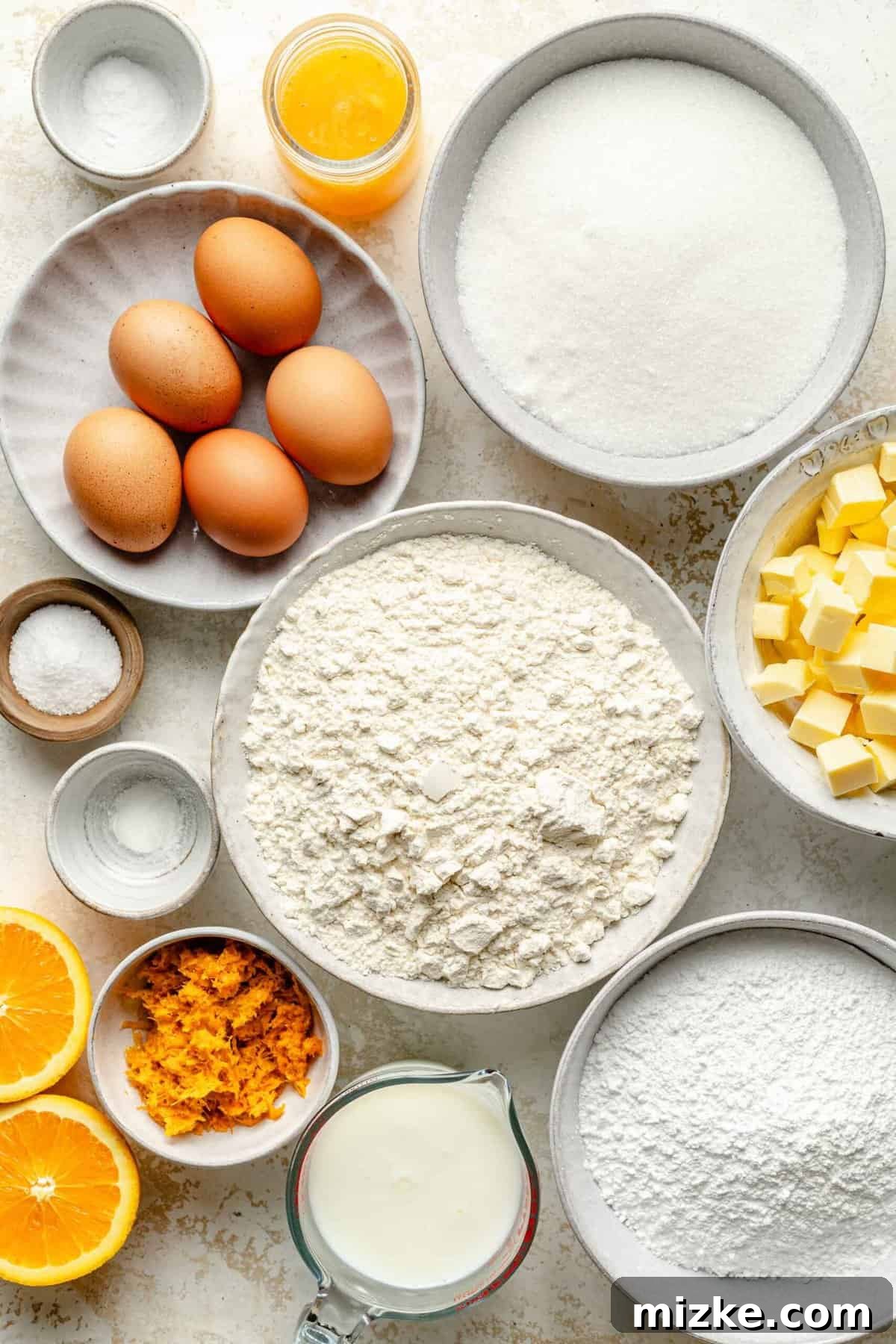
To embark on your journey to baking this fabulous orange cake, gathering all your ingredients beforehand is a crucial step for a smooth and enjoyable process. This “mise en place” approach ensures you have everything at hand when you need it. Please refer to the detailed recipe card further below for the precise measurements of each component. Using high-quality, fresh ingredients will undoubtedly elevate the flavor of your final cake, making every bite count.
For the Moist Orange Pound Cake:
- Buttermilk: This unsung hero is crucial for achieving the pound cake’s signature tender and moist crumb. Its acidity reacts with the baking soda to provide lift, while also tenderizing the gluten strands, resulting in a delightfully soft texture. Do not try to substitute with regular milk or other dairy products, as the unique tang and specific tenderizing properties of buttermilk are indispensable for these superior results.
- Oranges: You’ll need fresh, ripe oranges for both the intensely aromatic zest and the bright, tangy juice. The zest, in particular, carries the concentrated essential oils of the orange peel, delivering a profound and authentic orange flavor directly into the cake batter. Aim for organic oranges if possible to ensure the zest is free from pesticides.
- Fresh Orange Juice: While bottled orange juice is convenient, freshly squeezed juice makes an undeniable difference in the vibrancy, purity, and authenticity of the orange flavor. If time permits, taking a few extra minutes to squeeze your own will be richly rewarded in the superior taste of your cake.
- All-Purpose Flour: The structural backbone of our cake. Ensure you measure it correctly by spooning it into your measuring cup and leveling it off with a straight edge, rather than scooping directly from the bag (which can lead to too much flour). For those with dietary restrictions, a 1:1 gluten-free baking flour blend can often be used as a suitable alternative, though results may vary slightly.
- Salt: A small but mighty ingredient that balances the sweetness, enhances all the other flavors in the cake, and provides a subtle counterpoint to the citrus.
- Baking Soda: Works in conjunction with the acidity of the buttermilk to provide lift and contribute to the cake’s tender texture, creating those desirable air pockets.
- Baking Powder: An additional chemical leavening agent that helps the cake rise beautifully and evenly, ensuring a light yet dense crumb. Always ensure your baking powder is fresh for optimal rise.
- Unsalted Butter: Essential for that rich, characteristic buttery flavor and moist texture that defines a pound cake. It must be softened to room temperature—not melted, not cold—to properly cream with the sugar, creating an airy, stable foundation for the cake.
- Granulated Sugar: Provides essential sweetness, contributes significantly to the cake’s moisture retention, and also assists in tenderizing the cake structure when creamed with the butter.
- Eggs: Act as binders, provide structure, add essential moisture, and contribute to the overall richness and golden hue of the cake. Using room-temperature eggs is vital as they emulsify more effectively with the creamed butter and sugar, leading to a smoother, more homogenous batter and a finer, more consistent crumb.
For the Bright Orange Glaze:
- Oranges: Again, fresh oranges are needed to produce fragrant zest for an extra pop of intense citrus flavor in the glaze, ensuring it perfectly complements the cake.
- Powdered Sugar (Confectioners’ Sugar): Forms the fine, silky-smooth base of our glaze. It dissolves easily and quickly, ensuring a lump-free, pourable consistency that adheres beautifully to the cake.
- Fresh Orange Juice: Just like with the cake batter, freshly squeezed orange juice for the glaze delivers an unparalleled bright, natural citrus taste that cannot be matched by store-bought alternatives. It creates a vibrant, refreshing finish that perfectly balances the sweetness.
Mastering the Art of Making This Delicious Orange Pound Cake
Creating this exquisite orange pound cake is a rewarding process that yields truly spectacular results. With a little care and attention to detail, you’ll achieve a dessert that looks and tastes professionally made. Here’s a detailed, step-by-step guide to help you achieve perfection. Remember to consult the recipe card further below for precise measurements and timings. Adhering to these steps will ensure a beautifully moist, tender, and intensely flavorful cake.
- Step 1: Prepare Your Workspace and Pan. Begin by preheating your oven to a consistent 350°F (177°C). Next, prepare your Bundt pan with meticulous care, as proper pan preparation is crucial for easy release. Liberally grease every crevice, curve, and design of the pan with softened butter, solid shortening, or a high-quality baking spray that contains flour. Once greased, dust the entire interior thoroughly with all-purpose flour, tapping out any excess. This dual-action approach creates a non-stick barrier that is essential for ensuring your beautiful cake releases effortlessly after baking. Set the prepared pan aside.
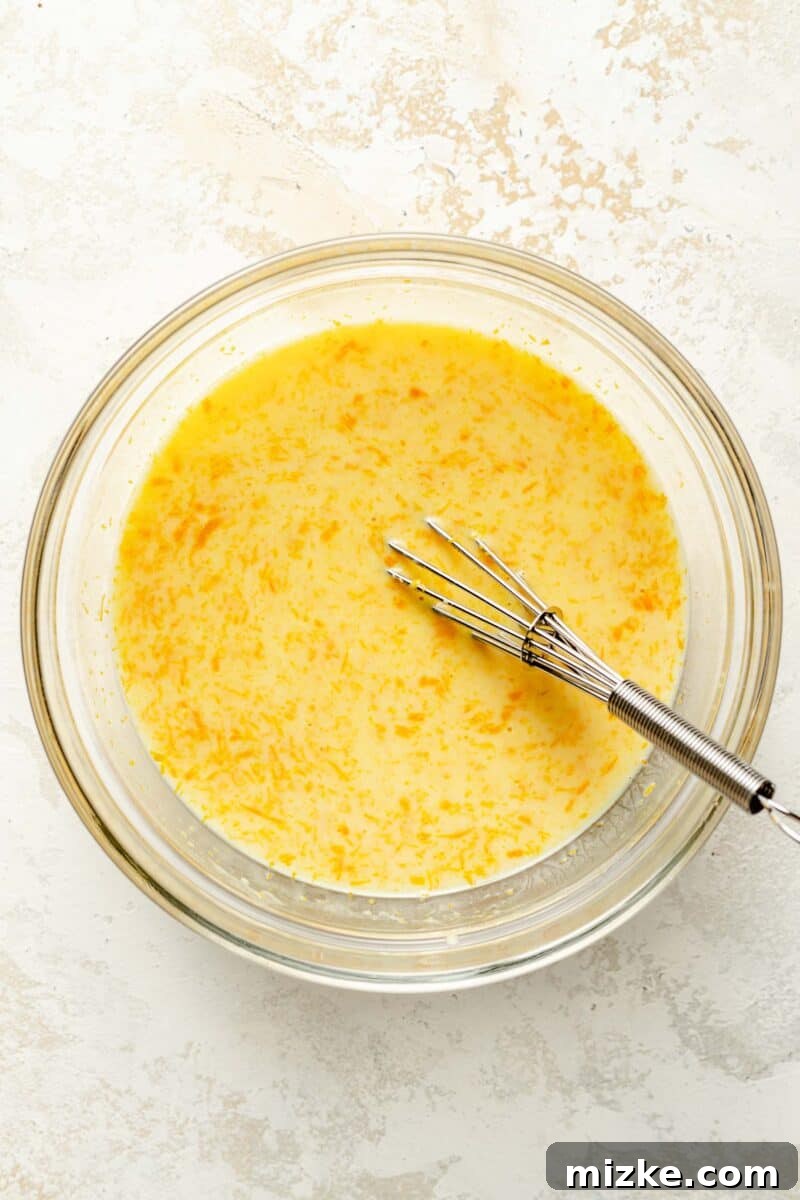
- Step 2: Combine the Wet Ingredients. In a small to medium bowl, gently whisk together the creamy buttermilk, the finely grated, aromatic orange zest, and the freshly squeezed orange juice until all components are well combined. The vibrant aroma of citrus will already begin to fill your kitchen. Set this fragrant mixture aside; it will be added to the main batter in a later step.
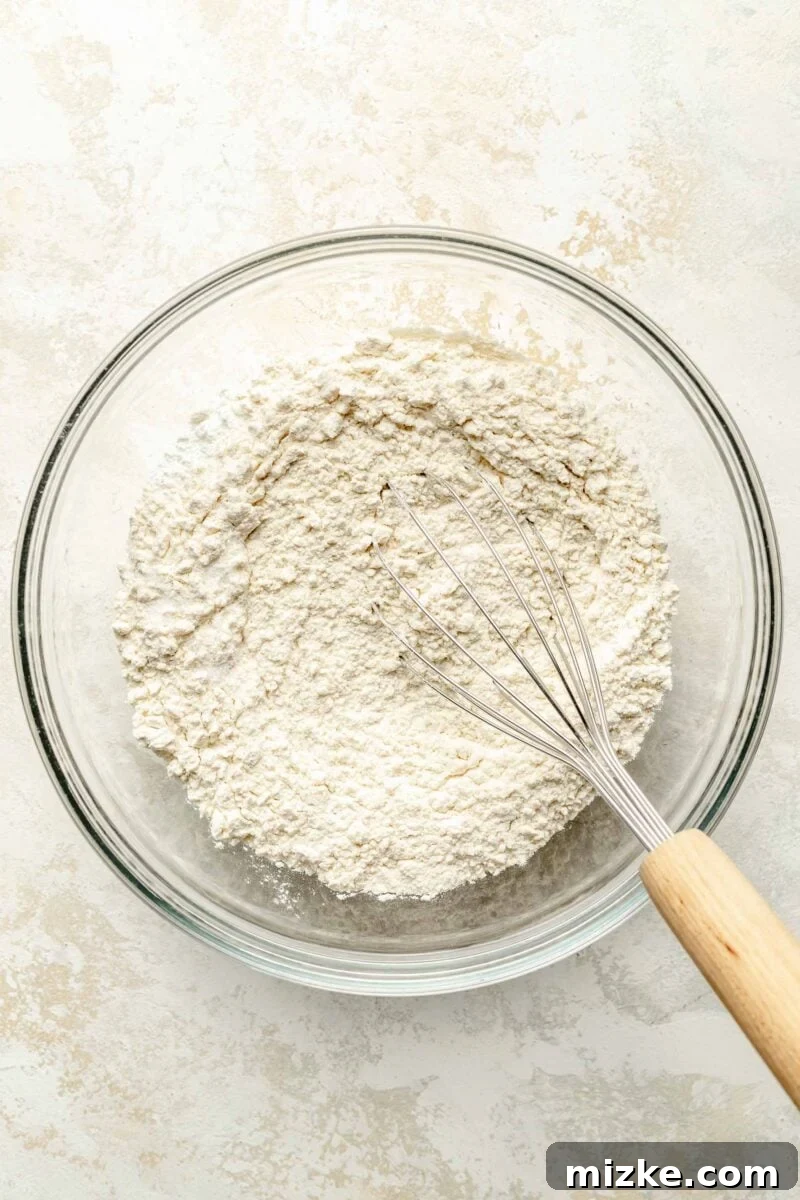
- Step 3: Prepare the Dry Ingredients. In a separate, larger bowl, whisk together the measured all-purpose flour, salt, baking soda, and baking powder. It’s important to ensure these dry ingredients are thoroughly combined and sifted (if desired) to distribute the leavening agents evenly throughout the flour, guaranteeing a consistent rise and texture in your cake. Set this bowl aside.
- Step 4: Cream Butter and Sugar. In the bowl of a stand mixer fitted with the paddle attachment (or using a powerful hand mixer if you don’t have a stand mixer), beat the softened unsalted butter and granulated sugar together on medium-high speed. Continue creaming for a full 2-3 minutes, or even a bit longer, until the mixture becomes visibly light, fluffy, and significantly pale in color. This process is crucial for incorporating essential air, which contributes significantly to the cake’s tender texture and helps prevent it from becoming overly dense.
- Step 5: Incorporate the Eggs. With the mixer still running on medium speed, add the room-temperature large eggs one at a time. Beat well after each addition, allowing each egg to fully incorporate into the butter-sugar mixture before adding the next. Scrape down the sides of the bowl as needed to ensure everything is thoroughly combined, resulting in a smooth, emulsified batter.
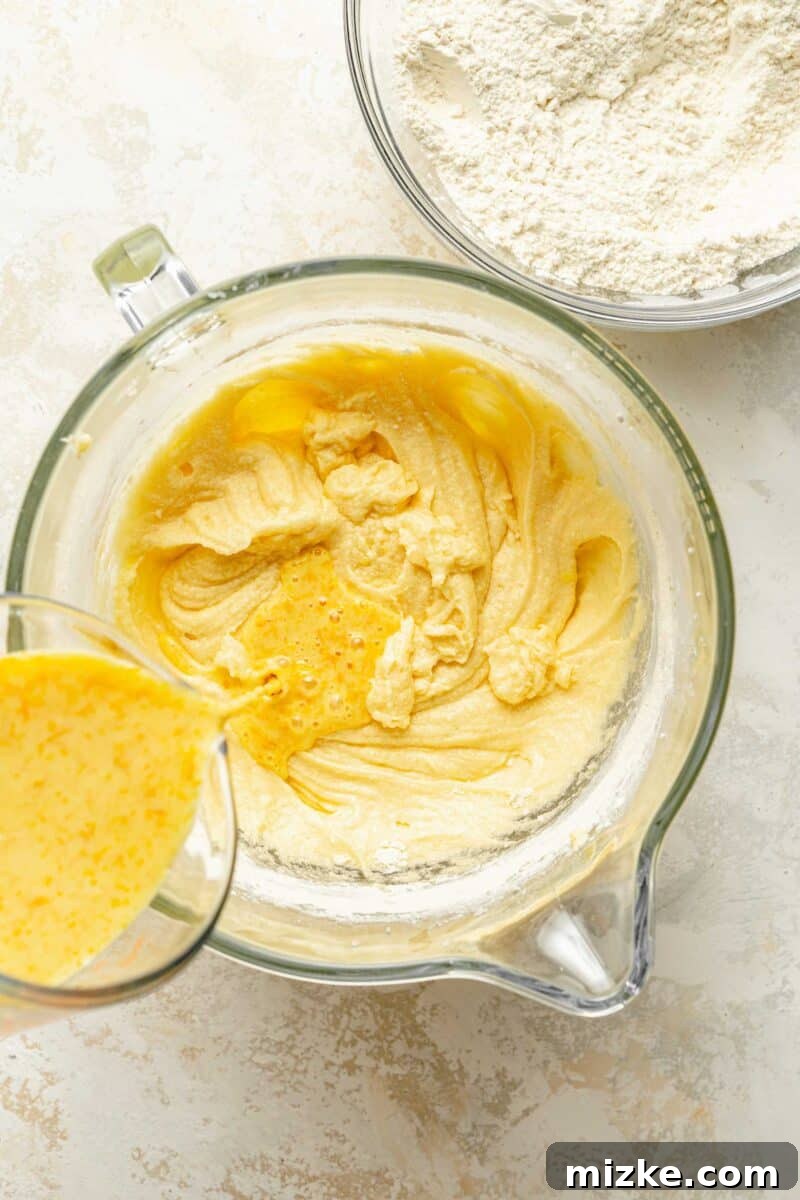
- Step 6: Combine Wet and Dry Mixtures. Reduce the mixer speed to low. This step requires a delicate touch. Gradually begin adding the buttermilk mixture and the flour mixture to the creamed butter-sugar-egg mixture, alternating between the two. Always start and end with the flour mixture, adding it in three parts, and the buttermilk mixture in two parts. Mix only until just combined after each addition; over-mixing at this stage can lead to a tough, dry cake. Stop mixing as soon as no dry streaks of flour are visible.
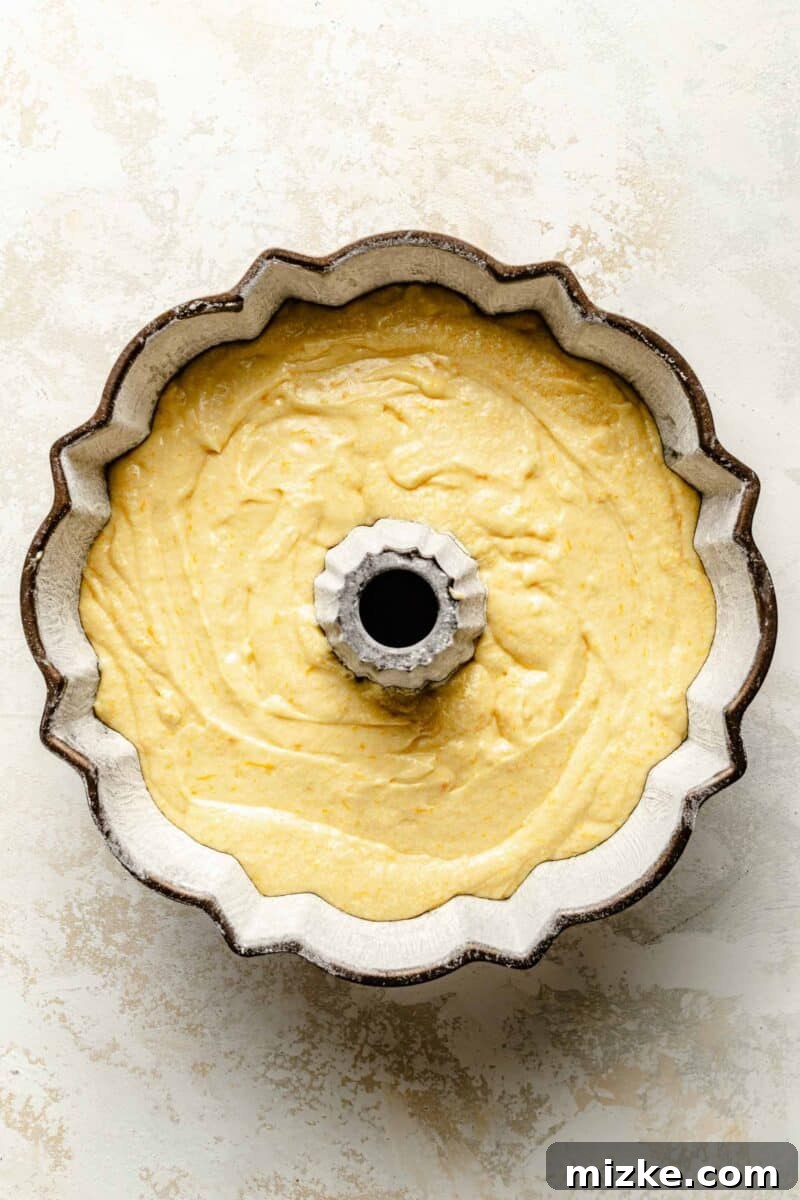
- Step 7: Bake to Perfection. Pour the beautifully aromatic batter evenly into your meticulously prepared Bundt pan. Gently smooth the top with a spatula if needed. Place the pan into the preheated oven and bake for approximately 50-60 minutes. The cake is done when a wooden skewer or toothpick inserted into the thickest part of the cake comes out clean or with only a few moist crumbs attached. If you notice the top browning too quickly during baking, loosely tent the pan with aluminum foil to prevent over-browning while allowing the interior to finish cooking.
- Step 8: Cool with Patience. Once baked, remove the cake from the oven and let it cool in the Bundt pan on a wire rack for at least 15-20 minutes. This crucial initial cooling period allows the cake to set and firm up, preventing it from breaking or crumbling when inverted. After this, carefully invert the cake onto the wire rack and let it cool completely for an additional 30 minutes to an hour. Ensuring the cake is fully cool before glazing is absolutely crucial to prevent the glaze from melting and running off.
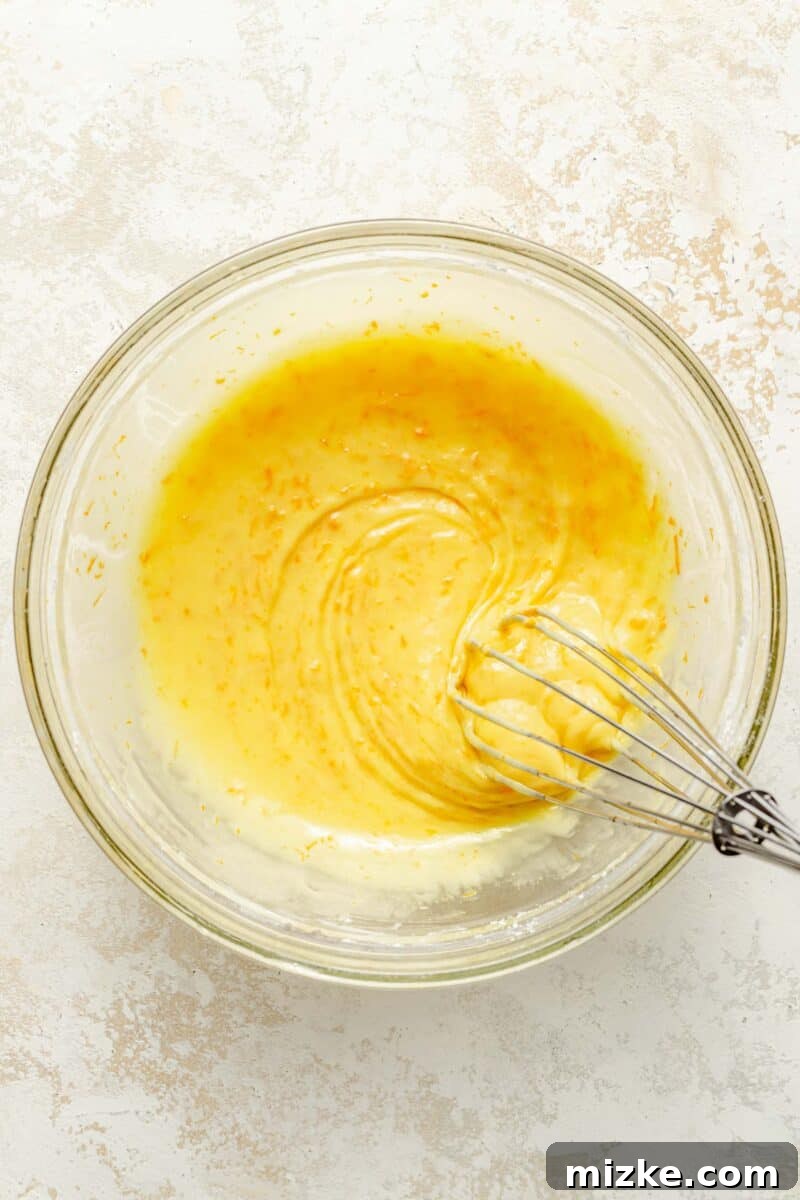
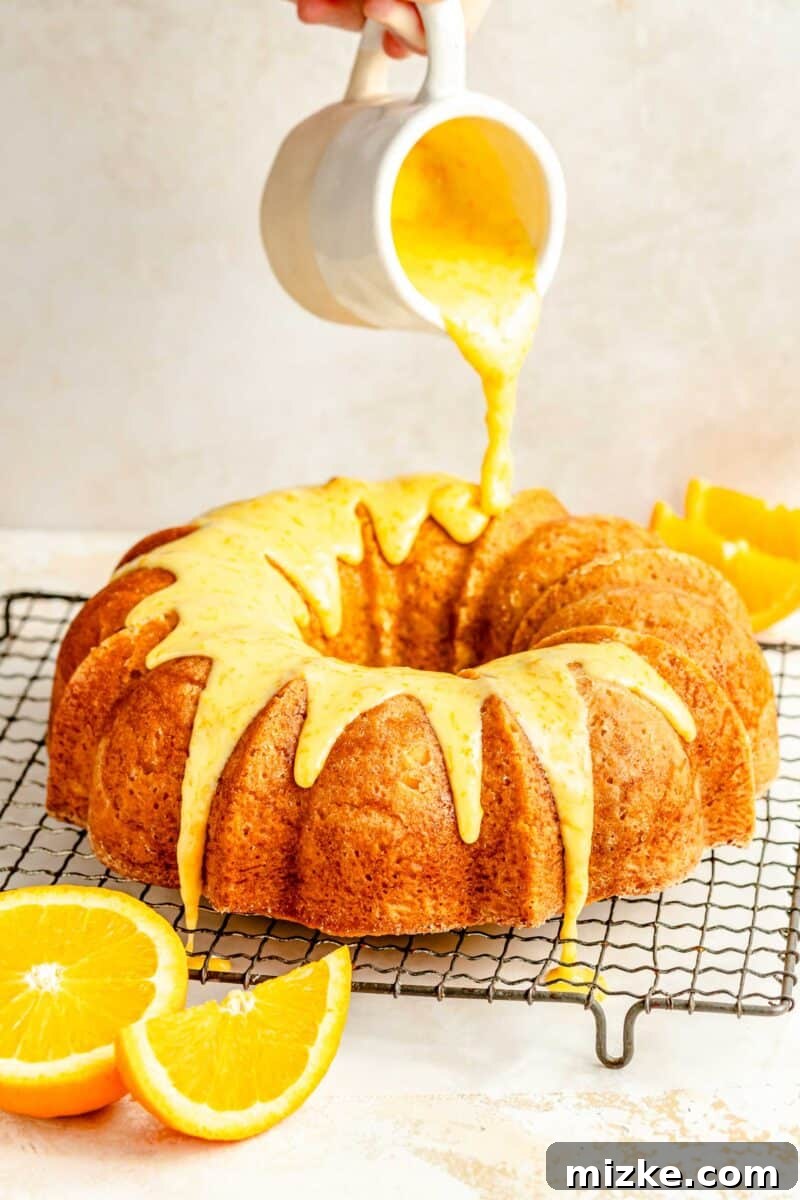
- Step 9: Create the Irresistible Orange Glaze. While the cake finishes cooling, prepare your bright and tangy orange glaze. In a small bowl, whisk together the fresh orange zest, powdered sugar, and freshly squeezed orange juice until a smooth, pourable consistency is achieved. The glaze should be thick enough to coat a spoon but thin enough to drip. If you prefer a slightly looser, thinner glaze that drips more elegantly down the sides of the cake, gradually add a tiny bit more orange juice, about 1 teaspoon at a time, whisking well after each addition until it reaches your desired consistency.
- Step 10: Glaze and Serve. Once the cake is completely cool to the touch, place it on a serving platter or back on the wire rack (with parchment paper underneath to catch any drips). Generously pour the prepared orange glaze evenly over the entire top of the cake, allowing it to cascade beautifully down the sides and into the flutes of the Bundt pan. Let the glaze set for a few minutes until it is slightly firm before slicing and serving this magnificent Glazed Orange Pound Cake. Enjoy!
Expert Tips for a Flawless Glazed Orange Pound Cake Every Time
Achieving a perfect pound cake doesn’t have to be a daunting task. After extensive testing and countless batches, I’ve compiled these invaluable tips and tricks to ensure your orange pound cake turns out wonderfully on your first attempt, and consistently thereafter. Pay close attention to these details, and you’ll be rewarded with baking success and a truly exquisite dessert!
- Master the Bundt Pan Preparation: Bundt cakes are famously challenging to unmold cleanly, often leading to frustration. To avoid heartbreak, be incredibly generous and meticulous with your greasing and flouring. Use a solid shortening (like Crisco), softened butter, or a high-quality baking spray that contains flour (such as Baker’s Joy or Pam Baking). Ensure you get into every single nook, cranny, and intricate design of the pan. After greasing, dust with a thin, even layer of all-purpose flour, rotating the pan and tapping out any excess. This dual-action approach creates a robust non-stick barrier that is absolutely essential for a clean and intact release.
- Don’t Rush the Creaming Process: The creaming of butter and sugar is far more than just mixing; it’s a critical aeration step. This process incorporates tiny air pockets into your batter, which are vital for contributing to a lighter, more tender crumb and preventing the cake from being overly dense or heavy. Beat the softened butter and granulated sugar together for a full 2-3 minutes, until the mixture becomes visibly lighter in both color and texture, appearing genuinely fluffy and almost marshmallow-like. Patience here pays off immensely in the final cake’s structure and lightness.
- Alternate Wet and Dry Ingredients Carefully: This technique is paramount for developing the right amount of gluten and achieving a tender crumb in your pound cake. Instead of adding all wet ingredients and then all dry ingredients, alternate additions. Begin and end with the dry ingredients (flour mixture), adding them in three parts, and the wet ingredients (buttermilk mixture) in two parts. Mix on low speed, only until *just* combined after each addition. This gentle approach prevents over-mixing and over-developing the gluten, which is the nemesis of tender pound cakes.
- Avoid Over-Mixing the Batter: Once you’ve started adding flour, mixing should be minimal. Over-mixing develops the gluten in the flour too much, leading to a tough, rubbery, and overly dense pound cake—the exact opposite of the tender, moist texture we are striving for. Mix only until the streaks of flour just disappear, then stop. A few small lumps in the batter are perfectly acceptable and actually preferable to an over-mixed, smooth batter.
- Prevent Over-Browning: Some ovens can bake unevenly or run hotter than their set temperature. If you notice the top of your pound cake (or any exposed edges) browning a little too quickly while the center is still baking, don’t hesitate to tent it loosely with aluminum foil. This acts as a shield, protecting the exterior from further browning and potential burning, while allowing the interior to finish cooking perfectly without drying out.
- Customize Your Glaze Consistency: The beauty of a homemade glaze is its adaptability to your preferences. The recipe provides a perfect pourable consistency, but if you prefer a thinner, more translucent glaze that gently drizzles rather than thickly coats, you can easily adjust it. Simply add a bit more fresh orange juice, but do so gradually—1 teaspoon at a time—whisking well after each addition until you achieve your desired flow and thickness. Taste as you go to ensure the flavor remains balanced.
- Ensure Room Temperature Ingredients: For both the butter and eggs, ensuring they are at proper room temperature is non-negotiable for success. Room temperature butter creams much better with sugar, incorporating more air for a lighter texture. Room temperature eggs emulsify more easily and smoothly into the batter, preventing curdling and resulting in a homogenous mixture and a finer, more consistent crumb. Take them out of the fridge at least an hour before you plan to bake.
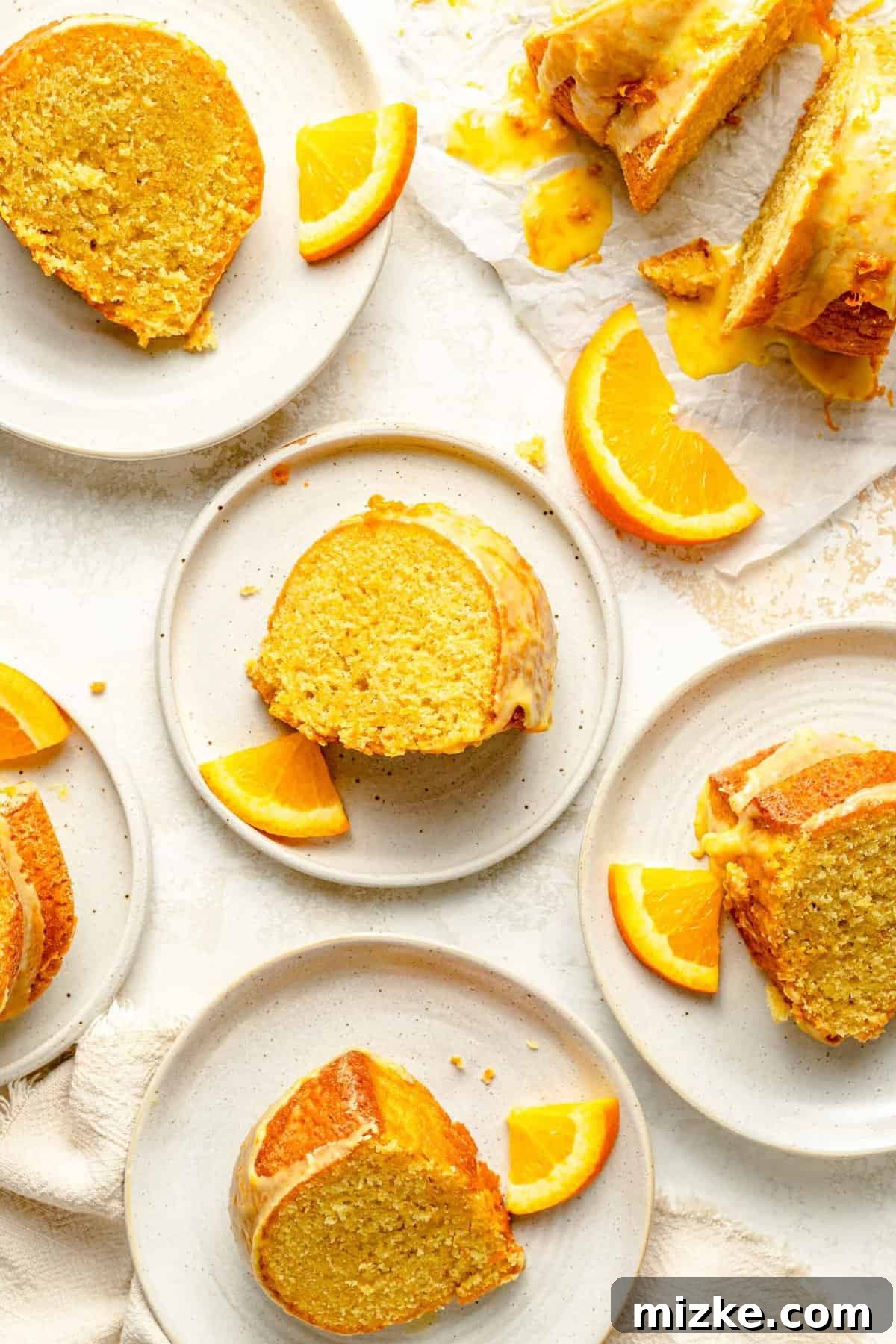
Delightful Ways to Serve Your Glazed Orange Pound Cake
While this magnificent Glazed Orange Pound Cake is absolutely divine on its own—a true standalone star—a thoughtful accompaniment can elevate the experience even further. Its rich, buttery flavor and bright citrus notes make it wonderfully versatile for pairing with a variety of sweet additions. Here are some of my favorite serving suggestions to complement this exceptional dessert, transforming it into an even more memorable treat:
- Classic Ice Cream Pairing: A scoop of creamy vanilla bean ice cream is a timeless and always welcome partner to the warmth and zest of orange pound cake. The cool, melting ice cream creates a delightful contrast. For those looking to venture beyond the classic, consider adding a scoop of a more unique flavor like my Fig and Honey Mascarpone Ice Cream for a sophisticated touch, or the nutty richness of Pistachio Ice Cream.
- Pillowy Whipped Cream: A generous dollop of freshly whipped cream adds a luxurious lightness and subtle sweetness that beautifully contrasts the pound cake’s density. You can easily pick up a tub from the store, or for an extra special homemade touch, try whipping up the fragrant honey cream from my Boozy Peaches and Honey Cream Shortcakes recipe. A sprinkle of fresh orange zest on top of the cream would also be delightful.
- Fresh Seasonal Fruit: Embrace the natural synergy of fresh fruit with this citrusy cake. I adore serving slices of orange pound cake with vibrant fresh raspberries and/or sweet blueberries. The slight tartness of the berries provides a lovely counterpoint to the cake’s sweetness, and their vibrant colors add wonderful visual appeal. Sliced fresh strawberries, segments of juicy blood oranges, or even a medley of mixed berries would also be truly delightful and refreshing.
- Decadent Fruit Sauces: Take your dessert to the next level with a luscious fruit sauce. The bright and tangy raspberry sauce from my Instant Pot White Chocolate Cheesecake recipe would be a fantastic choice, adding another layer of complex flavor and a beautiful presentation. Alternatively, a spoonful of my sweet and slightly chunky Strawberry Cake Filling ladled generously over a warm slice of orange pound cake creates a truly indulgent and comforting experience.
- Aromatic Coffee or Tea: For a simpler, yet equally satisfying experience, enjoy a slice of this pound cake with a freshly brewed cup of robust coffee, a comforting cup of herbal tea, or an elegant Earl Grey tea. The subtle bitterness of the coffee or the floral notes of the tea complement the cake’s rich flavor profile beautifully, making for a perfect afternoon treat or an after-dinner delight.
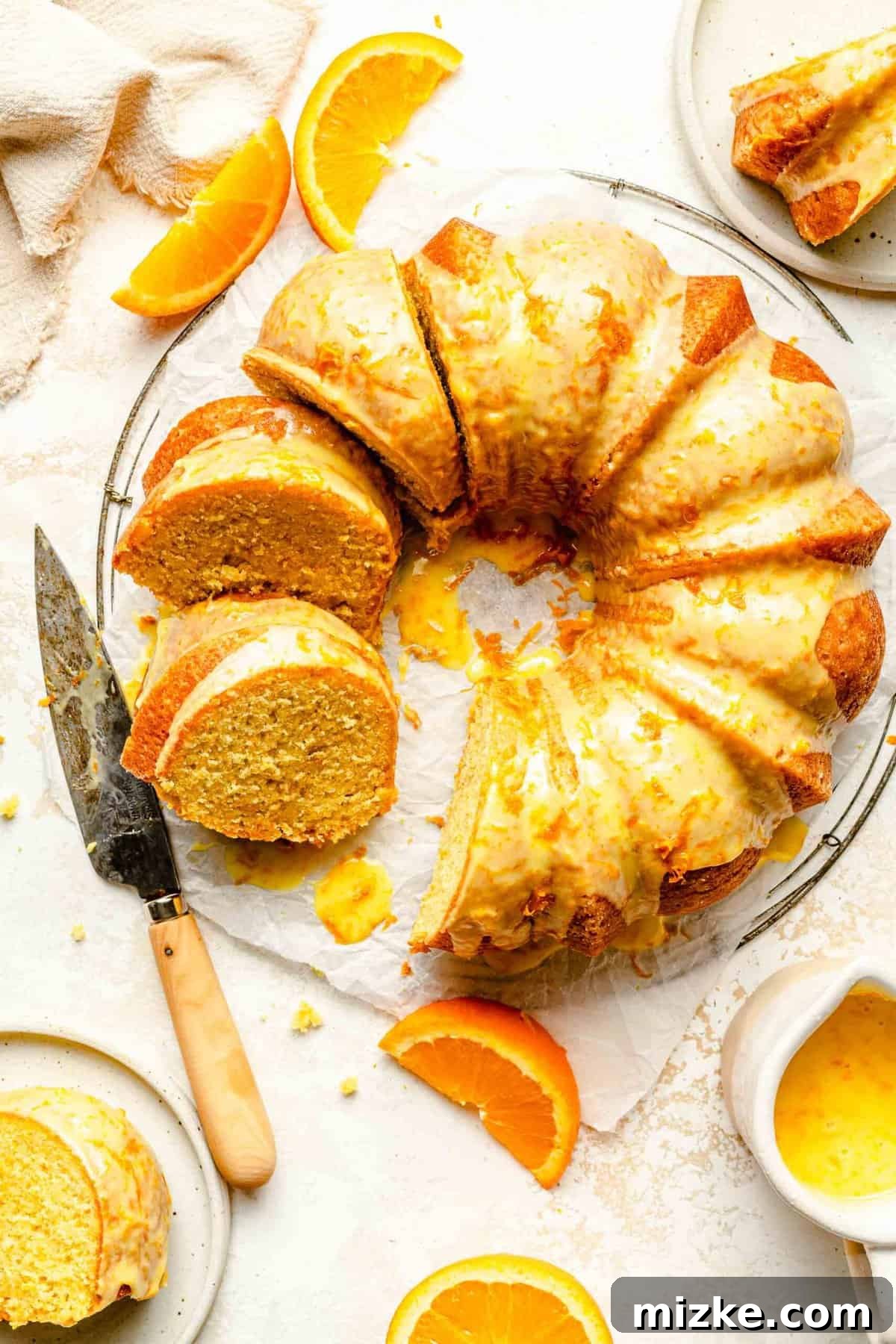
Storing Your Glazed Orange Pound Cake for Lasting Freshness
To ensure your delicious Glazed Orange Pound Cake remains wonderfully moist and flavorful for as long as possible, proper storage is absolutely key. Following these guidelines will help preserve its exquisite texture and taste, whether you plan to enjoy it over a few days or save it for a later treat.
- Countertop Storage (Up to 5 Days): Once your pound cake has completely cooled to room temperature (this is critical to prevent condensation, which can lead to sogginess and a sticky exterior), it can be stored at room temperature. The best method is to seal it securely in an airtight cake carrier or under a cake dome. Alternatively, you can wrap the entire cake in a double layer of plastic wrap, ensuring no air can get in to dry it out. If you’ve already sliced the cake, store individual slices in an airtight container, perhaps separated by parchment paper to prevent sticking. This method will keep your orange pound cake fresh, tender, and wonderfully delicious for up to 5 days. Keeping it whole until you’re ready to slice also significantly helps to retain its moisture.
- Freezer Storage (Up to 3 Months): Pound cake freezes beautifully, making it an excellent candidate for meal prep or for saving a portion for unexpected guests! For best results, allow the fully baked and cooled cake to firm up in the freezer for a couple of hours first (this makes it much easier to wrap without smudging or damaging the glaze). Once slightly firm, wrap the entire cake tightly in a double layer of plastic wrap, followed by a layer of heavy-duty aluminum foil, or place it in a large, freezer-safe, airtight bag. If you prefer, slice the cake first and store individual slices in an airtight, freezer-safe container, separated by small squares of parchment paper. Your orange pound cake will maintain its excellent quality in the freezer for up to 3 months. When you’re ready to indulge, simply allow it to thaw at room temperature for several hours (or overnight in the fridge, then an hour on the counter) before serving.
A Note on Refrigeration: While refrigerating leftover pound cake might seem like a logical way to extend its shelf life, I generally do not recommend it. The cold temperatures of the refrigerator tend to draw moisture out of pound cakes, making them dense, tough, and less enjoyable. For optimal taste and texture, sticking to countertop or freezer storage will yield far superior results for maintaining that signature moist, tender crumb.
Explore More Delicious & Easy Cake Recipes
If this delightful Glazed Orange Pound Cake has ignited your passion for baking, you’re in for a treat! There’s a whole world of truly spectacular and wonderfully easy cake recipes waiting for you to try. From light and airy creations to rich and indulgent delights, these recipes are perfect for expanding your baking repertoire, impressing your loved ones, and satisfying your sweet tooth:
- Strawberry Angel Food Cake: A light, airy, and fruity delight perfect for spring and summer gatherings.
- Slow Cooker Chocolate Cake: Indulgent, rich chocolate goodness with minimal effort, made conveniently right in your slow cooker.
- Homemade Strawberry Sheet Cake: A crowd-pleasing, tender sheet cake bursting with fresh strawberry flavor, ideal for potlucks and parties.
- Better Than Sex Cake: A decadent, incredibly moist layered chocolate cake that truly lives up to its playful and intriguing name.
- Apple Almond Cake: A wonderfully moist and sophisticated cake featuring the complementary flavors of sweet apples and nutty almonds.
- Lemon Pound Cake: For another delightful citrus experience, this classic lemon pound cake is equally zesty, moist, and tender.

Glazed Orange Pound Cake
Print Recipe
Equipment
- Bundt pan
- Stand mixer
- Hand mixer
Ingredients
For the pound cake:
- ¾ cup (177 ml) buttermilk
- Zest of 5 oranges, finely grated (adjust to your preferred intensity of orange flavor)
- ⅓ cup (79 ml) fresh orange juice
- 3 cups (375 g) all-purpose flour
- 1 ½ teaspoon salt
- ½ teaspoon baking soda
- ½ teaspoon baking powder
- 1 cup (227 g) unsalted butter, softened
- 2 cups (400 g) granulated sugar
- 5 large eggs
For the orange glaze:
- Zest of 2 oranges
- 2 cups (240 g) powdered sugar
- 2 tablespoon fresh orange juice (plus more if desired for thinner glaze)
Instructions
- Preheat oven to 350 °F (177 °C). Generously grease and flour your Bundt pan; set aside.
- In a small bowl, combine buttermilk, orange zest, and orange juice. Whisk until blended and set aside.
- In a separate medium bowl, whisk together all-purpose flour, salt, baking soda, and baking powder. Set aside.
- In the bowl of a stand mixer fitted with the paddle attachment, cream the softened unsalted butter and granulated sugar together on medium-high speed for about 2-3 minutes, until light and fluffy. Add room-temperature eggs, one at a time, beating thoroughly after each addition until fully incorporated.
- With the mixer on low speed, alternate adding the buttermilk mixture and the flour mixture to the butter-sugar-egg mixture. Begin and end with the flour mixture (adding flour in three parts, buttermilk in two). Mix only until just combined after each addition, being careful not to over-mix the batter.
- Pour the prepared batter evenly into the greased and floured Bundt pan. Bake for 50-60 minutes, or until a wooden skewer or toothpick inserted into the center of the cake comes out clean. If the top begins to brown too quickly, loosely tent the pan with a piece of aluminum foil.
- Once baked, remove the cake from the oven and allow it to cool in the Bundt pan on a wire rack for 15-20 minutes. Then, carefully invert the cake onto the wire rack to cool completely for an additional 30 minutes to 1 hour before glazing.
- In the meantime, prepare the orange glaze. In a small bowl, whisk together the fresh orange zest, powdered sugar, and fresh orange juice until smooth. If you desire a looser, thinner glaze, gradually add more orange juice, 1 teaspoon at a time, until it reaches your preferred consistency.
- Once the cake is completely cool, place it on a serving platter or back on the wire rack over parchment paper. Pour the orange glaze evenly over the top of the Bundt cake, allowing it to drip down the sides. Let the glaze set for a few minutes before slicing and serving.
- Store any leftover cake in an airtight container at room temperature for up to 5 days, or freeze for longer storage.
Notes
This recipe can also be made in two standard loaf pans if a Bundt pan is unavailable. The ingredients, directions, and cook times will remain the same, though slight adjustments to baking time may be needed (check for doneness earlier).
Nutrition Information (Approximate)
Serving: 1 slice
- Calories: 480 kcal
- Carbohydrates: 74g
- Protein: 6g
- Fat: 18g
- Fiber: 1g
- Sugar: 51g
This information is provided as a courtesy and an approximation only. Nutritional values can vary based on specific ingredients and preparation methods. For precise nutritional data, please use a trusted nutrition calculator with the exact ingredients you use.
There you have it – a truly exceptional Glazed Orange Pound Cake recipe, meticulously crafted to bring joy and vibrant flavor to your kitchen. Whether you’re a seasoned baker or just starting your culinary journey, this recipe offers a straightforward and rewarding path to creating a dessert that’s not only incredibly delicious but also visually stunning. Its moist crumb, rich buttery notes, and brilliant burst of fresh orange are sure to make it a cherished favorite for family gatherings, holiday tables, or simply as a comforting treat with your afternoon coffee or tea. Don’t hesitate to dive in and experience the pure delight of homemade baking!