
A Comprehensive Guide to Oyster Mushrooms: Varieties, Benefits, and How to Cook Them
Having previously explored the fascinating realms of Lion’s Mane mushrooms and Shiitake mushrooms, our culinary journey now brings us to the elegant and incredibly versatile oyster mushroom. Often sought after for its delicate texture and rich, umami flavor, the oyster mushroom is a true superstar in any kitchen. As a cooking website, our primary goal is to empower you with the knowledge of how to cook oyster mushrooms effectively, transforming them into a delectable dish that will impress and satisfy. You’ll soon discover that preparing oyster mushrooms is far less daunting than it might appear, offering a multitude of easy and incredibly flavorful cooking methods. Let’s embark on this flavorful exploration.
What Are Oyster Mushrooms?
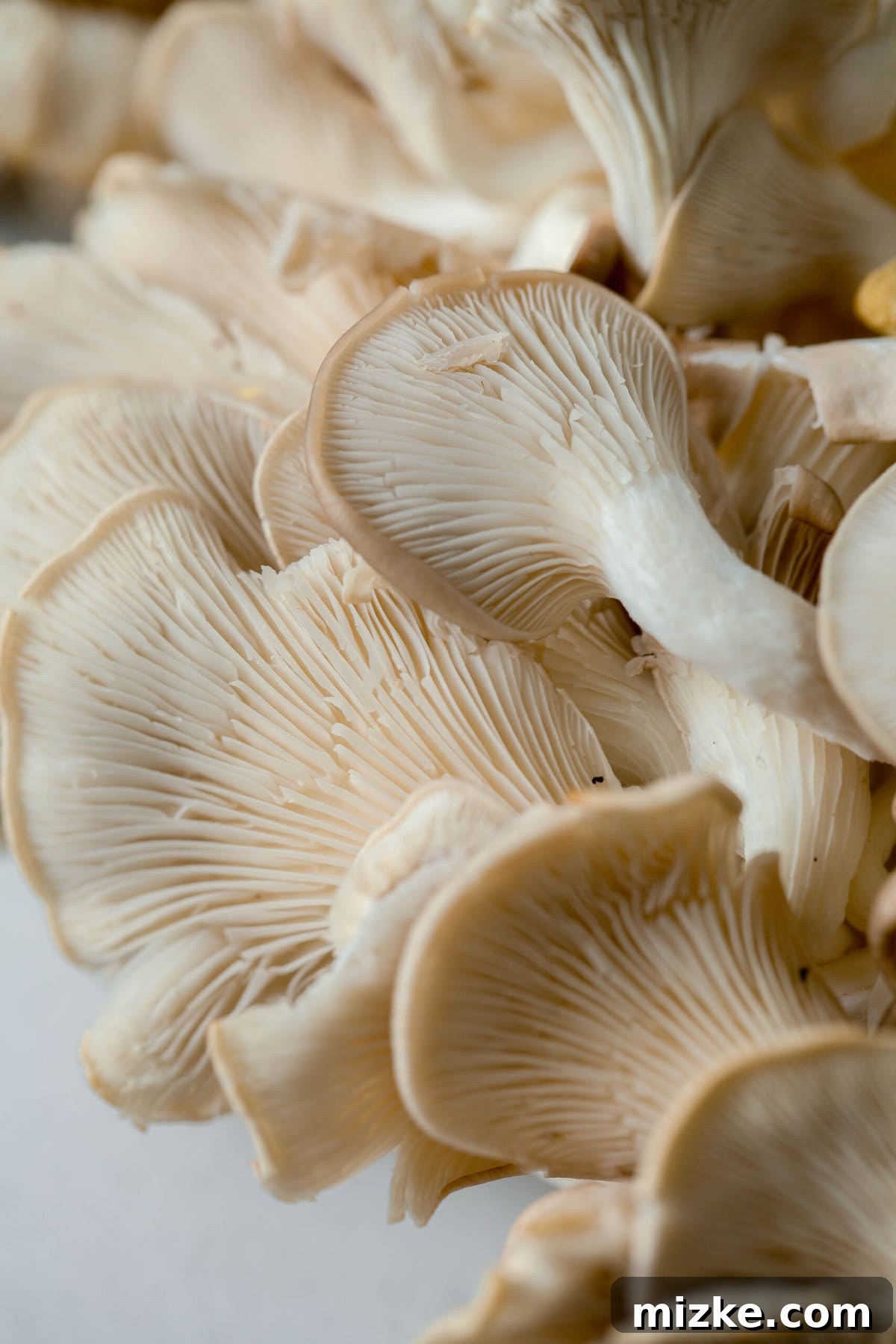
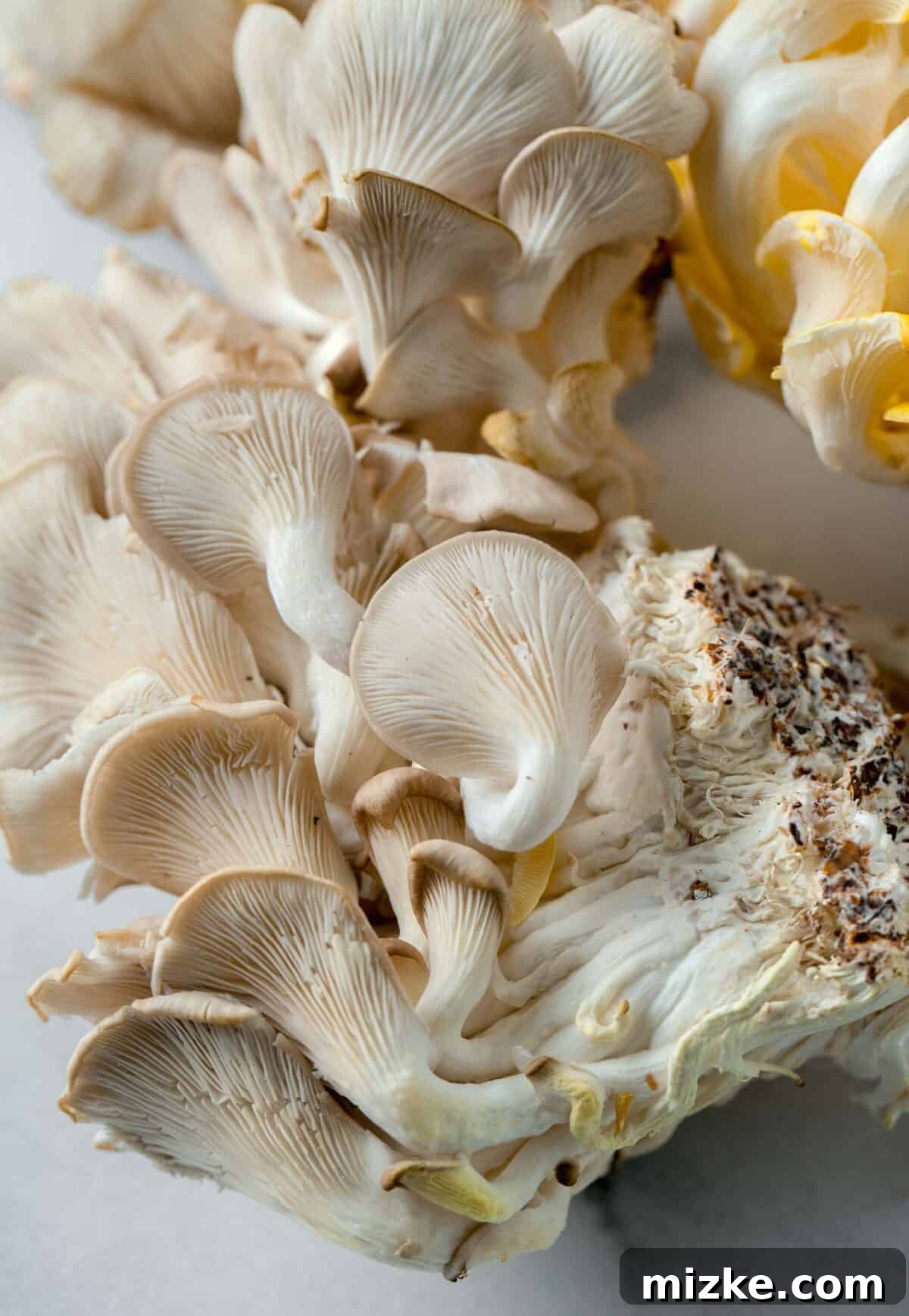
Oyster mushrooms are a diverse group of edible fungi belonging to the genus Pleurotus, with Pleurotus ostreatus being one of the most common species. Their name is derived from their distinctive shape, which often resembles an oyster shell, complete with fan-like caps and delicate, gill-like structures underneath. These captivating fungi come in an impressive array of shapes, colors, and sizes, ranging from subtle grey and white to vibrant gold and even striking pink and blue varieties, though the latter two are indeed quite rare and a treat to find.
Unlike many common mushrooms such, as portobello or white button mushrooms, which are typically cultivated in soil or compost, oyster mushrooms naturally thrive on trees. They are saprophytic, meaning they feed on decaying wood, playing a vital role in forest ecosystems by breaking down organic matter. This unique growth habit not only contributes to their clean appearance but also influences their slightly woody, earthy flavor profile, making them a fascinating subject for both mycologists and home cooks alike.
Popular Oyster Mushroom Varieties
The world of oyster mushrooms is rich with diversity, each variety offering its own unique characteristics in terms of flavor, texture, and appearance. Here are some of the most commonly encountered and celebrated types:
- Pearl Oyster (Pleurotus ostreatus): This is arguably the most recognized and widely cultivated variety, easily found in most grocery stores and farmers’ markets. Pearl oyster mushrooms typically have a pale grey to off-white cap with a relatively short stem. They boast a mild, slightly peppery flavor and a tender, yet satisfyingly chewy texture, making them incredibly versatile for a wide range of dishes.
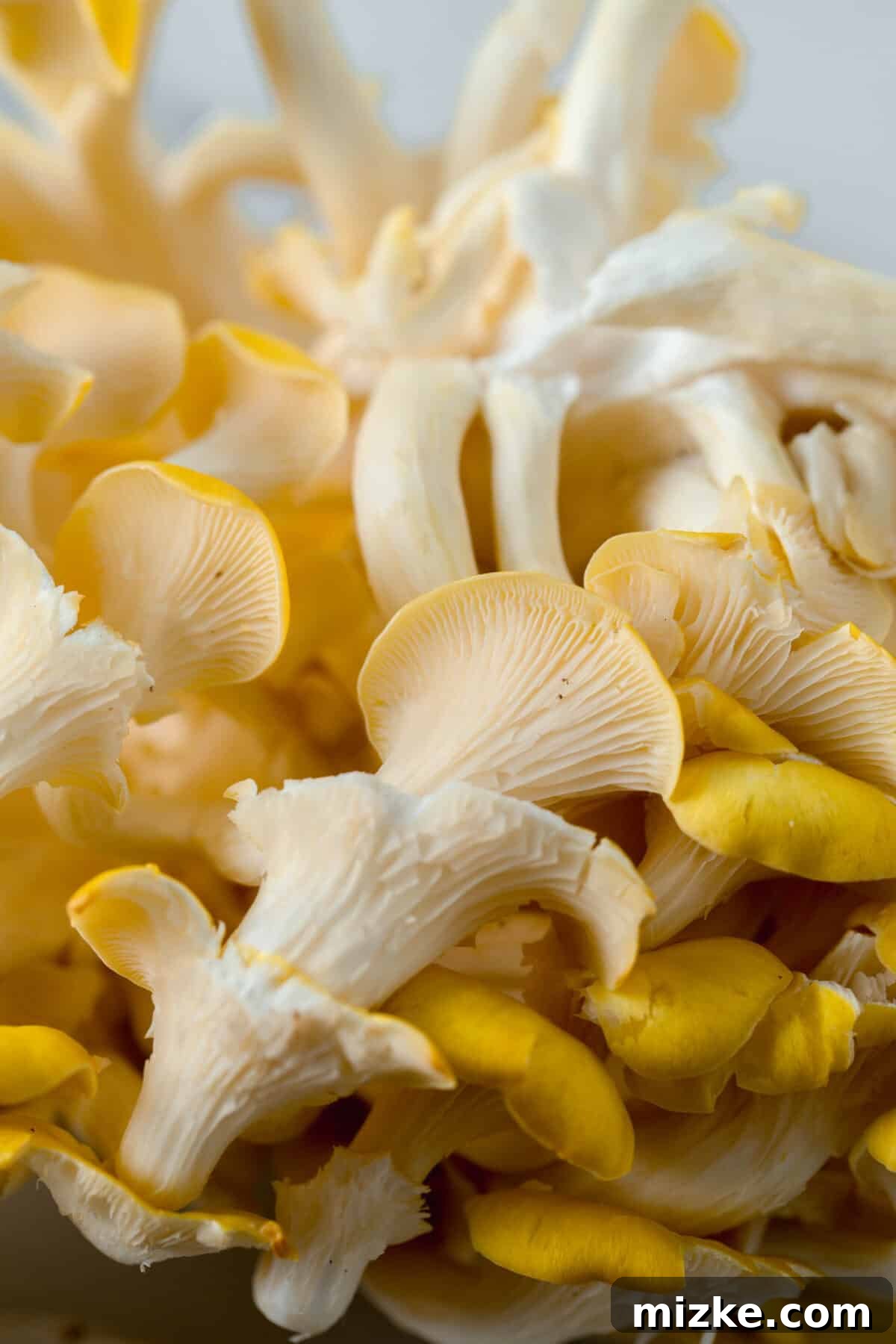
- Golden Oyster (Pleurotus citrinopileatus): As their name suggests, these mushrooms are a stunning deep golden yellow. While perhaps not as ubiquitous as their pearl counterparts, golden oysters are increasingly found at specialty markets and local farmers’ markets. They offer a slightly nuttier and sweeter flavor profile, along with a delicate, almost velvety texture when cooked. Their vibrant color also adds a beautiful visual appeal to any dish.
- King Oyster (Pleurotus eryngii): Standing apart from the more traditional fan-shaped oysters, King Oyster mushrooms are truly unique. They feature a thick, robust stem with a relatively small, flat cap on top. What truly sets them apart is their incredibly firm and meaty texture, which makes them a favorite for plant-based cooking. Many chefs and home cooks shred or slice King Oysters to mimic “pulled pork,” “scallops,” or even “steaks” due to their impressive ability to absorb flavors and retain a satisfying chew. Their flavor is distinctly umami-rich and savory.
- Pink Oyster (Pleurotus djamor): A visually striking variety with bright pink caps. These mushrooms are known for their slightly tougher texture, which softens beautifully when cooked, and a subtle seafood-like flavor. They are best cooked quickly at high heat to maintain their vibrant color and unique taste.
- Blue Oyster (Pleurotus ostreatus var. columbinus): Bearing a darker, often bluish-grey cap, Blue Oysters share many characteristics with Pearl Oysters but can sometimes be slightly firmer. They are another excellent all-rounder for general cooking.
Beyond Taste: The Health Benefits of Oyster Mushrooms
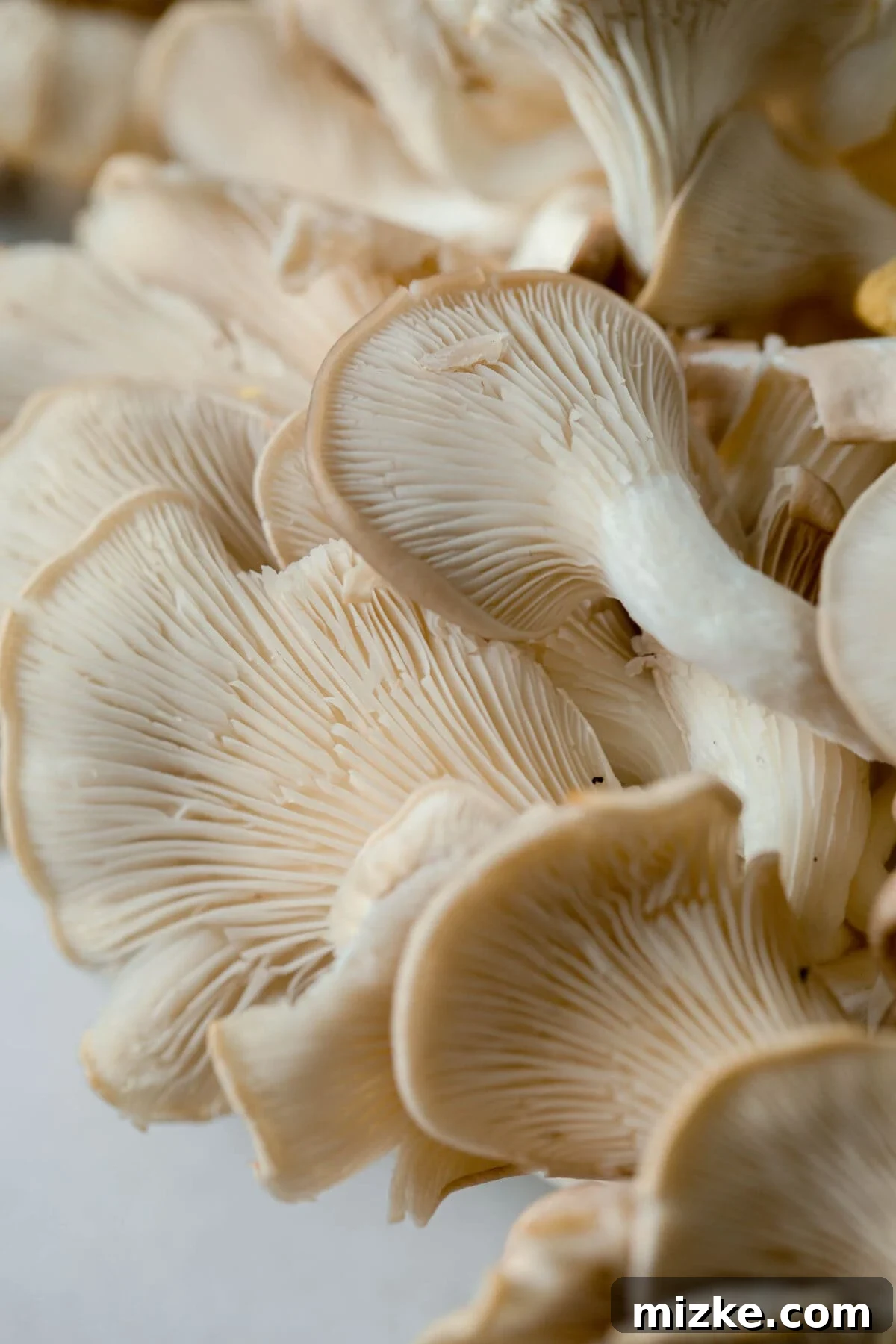
Oyster mushrooms are not just a treat for the palate; they are also packed with nutritional benefits that contribute to overall well-being. These fungi are a fantastic source of essential vitamins and minerals, making them a smart addition to any diet.
- Rich in Nutrients: Oyster mushrooms provide a good amount of B vitamins (B3, B5, B2), which are crucial for energy metabolism and nervous system health. They also contain vitamin D, essential for bone health and immune function.
- Minerals Galore: You’ll find important minerals like potassium, copper, iron, selenium, and zinc in oyster mushrooms. These play roles in everything from maintaining blood pressure to antioxidant defense.
- Antioxidant Properties: Like many other mushrooms, oyster mushrooms contain powerful antioxidants, such as ergothioneine, which help protect the body’s cells from damage caused by free radicals, potentially reducing the risk of chronic diseases.
- Immune Support: Compounds found in oyster mushrooms have been studied for their potential to modulate the immune system, helping the body fight off infections and maintain optimal health.
- Fiber Content: They are a good source of dietary fiber, which aids in digestion, promotes gut health, and can contribute to feelings of fullness, assisting with weight management.
- Low Calorie and High Protein: For those looking for nutrient-dense, low-calorie options, oyster mushrooms are ideal. They offer a decent amount of plant-based protein, making them an excellent choice for vegetarian and vegan diets.
Selecting and Storing Oyster Mushrooms
To ensure the best culinary experience, knowing how to select and properly store your oyster mushrooms is key.
Selecting Fresh Oyster Mushrooms
When choosing oyster mushrooms, look for firm, plump caps that appear fresh and unblemished. Avoid any mushrooms that look slimy, shriveled, or have dark, soft spots. The edges of the caps should not be dried out or broken. The clusters should feel light but substantial, and the gills underneath should be intact and clean.
Storing Oyster Mushrooms for Freshness
Proper storage is crucial for extending the shelf life and maintaining the quality of your oyster mushrooms. The best method is to store them in a paper bag in the main compartment of your refrigerator. A paper bag allows the mushrooms to breathe, preventing moisture buildup that can lead to sliminess and spoilage. Avoid storing them in plastic bags or airtight containers, as this traps moisture and accelerates deterioration. Fresh oyster mushrooms, when stored correctly, can last for 5-7 days.
How to Cook Oyster Mushrooms: A Step-by-Step Guide
Cooking oyster mushrooms to perfection is surprisingly simple, yielding incredibly delicious results. The key is to highlight their unique texture and absorb flavors. Here’s how to master their preparation:
Step 1: Preparation and Cleaning
First and foremost, approach mushroom cleaning with care. Unlike many vegetables, mushrooms are like sponges and will absorb water, becoming soggy if rinsed under a tap. This will prevent them from browning properly and achieving that desirable crispy texture. Instead, take a slightly damp paper towel or a soft brush and gently wipe away any visible dirt or debris. Thankfully, oyster mushrooms, especially those commercially grown, are usually quite clean since they grow on trees and are rarely exposed to soil.
Once cleaned, prepare your mushrooms by trimming the tough, woody base of the cluster with a sharp knife. You can then gently separate the individual caps and stems. For many recipes, I prefer to keep the oyster mushrooms whole or tear them into larger pieces to preserve their unique shape and meaty texture. However, depending on your chosen dish, you can certainly chop them into smaller, more uniform pieces if needed.
Step 2: Choosing Your Cooking Method
While pan-frying is a classic and highly recommended method, oyster mushrooms are incredibly versatile and lend themselves to various cooking techniques. The goal for many methods is to achieve a beautiful golden-brown sear, which enhances their flavor and texture.
Pan-Frying/Sautéing (The Best Way to Cook Oyster Mushrooms!)
This method truly brings out the best in oyster mushrooms, creating a rich, savory, and slightly crispy texture.
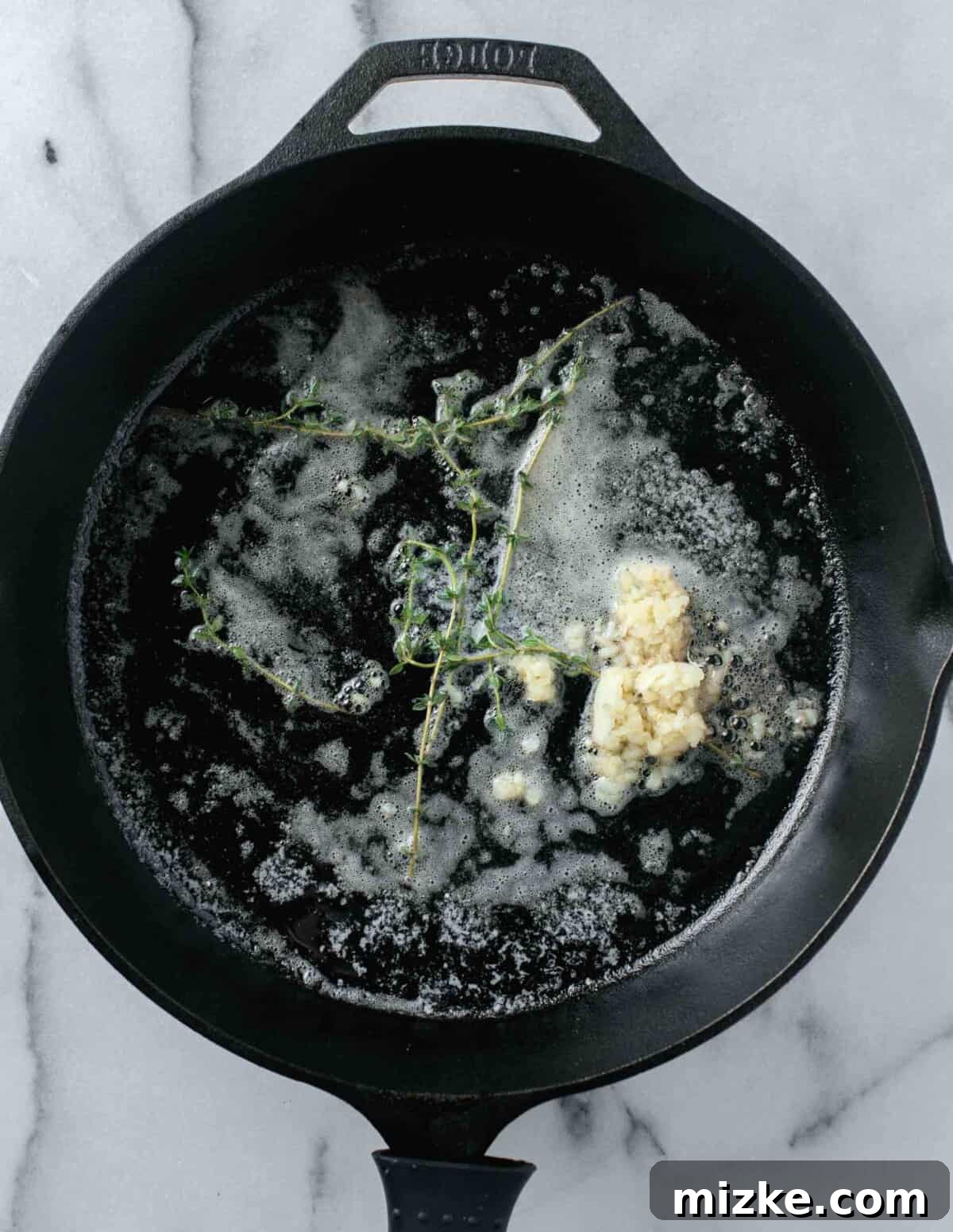
- Heat the Pan: Start with a large skillet or cast-iron pan over medium-high heat. A hot pan is crucial for achieving a good sear without overcrowding.
- Add Fat: Once the pan is hot, add your chosen cooking fat. Butter provides a wonderfully rich flavor, while olive oil or a combination of both works beautifully. Don’t be shy with the fat; mushrooms love it!
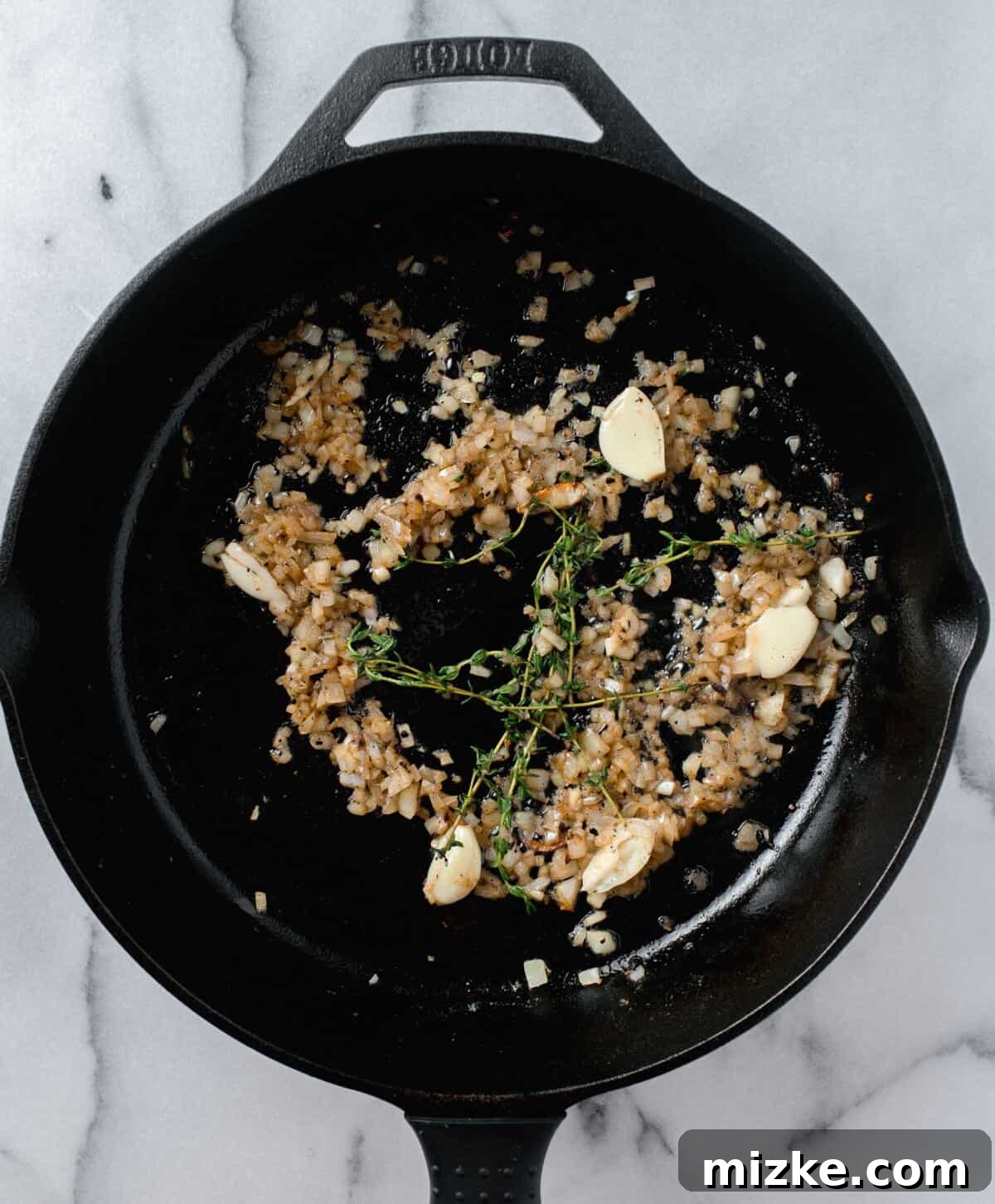
- Sauté Aromatics (Optional): If desired, add finely minced garlic, sliced shallots, or chopped onions to the pan and sauté for about 30 seconds until fragrant.
- Cook in a Single Layer: Add the oyster mushrooms to the pan in a single layer. This is vital to ensure they brown and caramelize rather than steam. If your pan is too crowded, work in batches.
- Sear Without Stirring: Allow the mushrooms to cook undisturbed for 3-5 minutes, or until they develop a beautiful golden-brown color on one side. This patience is key to creating that desirable crispiness.
- Flip and Continue: Flip the mushrooms and continue cooking for another 3-5 minutes until evenly browned and tender.
- Season and Flavor: Season generously with salt and freshly ground black pepper. Now is also the perfect time to add fresh herbs like thyme, rosemary, or parsley. The flavors of the herbs, butter, and garlic will absorb into the meaty oyster mushrooms, creating an incredibly rich and tasty experience.
- Serve Immediately: Sautéed oyster mushrooms are best enjoyed fresh off the pan.
Other Delicious Cooking Methods for Oyster Mushrooms
- Roasting: Toss oyster mushrooms with olive oil, salt, pepper, and your favorite herbs (like rosemary or oregano). Roast at 400°F (200°C) for 15-20 minutes, or until tender and beautifully caramelized. Roasting concentrates their flavor and provides a lovely chew.
- Grilling: For a smoky flavor, marinate larger pieces or whole King Oyster mushroom stems in a mixture of soy sauce, garlic, and olive oil. Grill over medium-high heat until tender and charred, about 3-4 minutes per side. They’re fantastic on skewers or as a grilled “steak.”
- Deep-Frying or Air-Frying: For a crispy treat, oyster mushrooms can be battered and deep-fried or air-fried until golden brown and crunchy. This method is particularly popular for creating “fried chicken” style mushroom dishes, especially with larger King Oyster varieties.
- Adding to Soups & Stews: While not a primary cooking method, oyster mushrooms are an excellent addition to broths, soups, and stews. Add them towards the end of the cooking process to retain some of their texture and infuse the liquid with their earthy umami.
Creative Ways to Use Oyster Mushrooms in Your Kitchen
The versatility of oyster mushrooms extends far beyond just a simple side dish. Their unique texture and flavor make them a fantastic ingredient in a wide array of culinary creations:
- Savory Side Dish: A simple preparation of sautéed oyster mushrooms, perhaps with a squeeze of lemon juice or a dash of balsamic glaze, makes for a sophisticated and hearty accompaniment to almost any main course. They pair wonderfully with roasted chicken, grilled fish, or a robust steak. Try combining them with this simple Lion’s Mane mushroom recipe for a mixed mushroom medley.
- Elevate Grain Dishes: Incorporate cooked oyster mushrooms into your favorite grain-based meals. They are a magnificent addition to a creamy risotto (or this flavorful vegan version), a hearty farro salad, or this comforting leek and farro dish. Their earthy notes complement the richness of grains beautifully.
- Pasta Perfection: Oyster mushrooms are a natural fit for pasta dishes. Their meaty texture holds up well in creamy sauces, tomato-based concoctions, or even light olive oil and garlic preparations. This creamy Lion’s Mane mushroom pasta would be absolutely divine with the addition of pan-fried oyster mushrooms to add more depth and “beef” up the dish.
- Soups and Stews: Add a layer of umami to your homemade soups, stews, and broths. They’re particularly good in ramen, miso soup, or a hearty vegetable stew, lending both flavor and substance.
- Stir-Fries: Oyster mushrooms shine in Asian-inspired stir-fries. Their quick cooking time and ability to absorb bold flavors make them an ideal vegetable component.
- Tacos, Sandwiches, and Wraps: Especially King Oyster mushrooms, when shredded and seasoned, can make a fantastic plant-based filling for tacos, sliders, or wraps, offering a satisfying “pulled” texture.
- Breakfast Boost: Sautéed oyster mushrooms are a delightful addition to scrambled eggs, omelets, or even as a savory side to avocado toast.
- Pizza Topping: For a gourmet touch, arrange thinly sliced or torn oyster mushrooms on your pizza before baking. They cook down beautifully and add an earthy depth to your favorite pie.
Common Questions About Oyster Mushrooms
Do you need to wash oyster mushrooms?
No, it’s generally recommended to avoid washing oyster mushrooms directly under water. They act like sponges and will absorb excess moisture, leading to a soggy texture when cooked. Instead, gently wipe them clean with a damp paper towel or use a soft mushroom brush to remove any dirt or debris.
How long do oyster mushrooms last?
When stored properly in a paper bag in the refrigerator, fresh oyster mushrooms can last for about 5 to 7 days. Look for any signs of sliminess, strong odors, or dark spots, which indicate spoilage.
What do oyster mushrooms taste like?
Oyster mushrooms typically have a mild, delicate, and slightly earthy flavor with subtle hints of sweetness or pepperiness, depending on the variety. They are known for their distinct umami taste, which is a savory depth that enhances many dishes. When cooked, they develop a wonderfully meaty yet tender texture.
Are oyster mushrooms good for you?
Absolutely! Oyster mushrooms are highly nutritious. They are low in calories and fat, rich in dietary fiber, and a good source of protein, B vitamins (niacin, riboflavin, pantothenic acid), and minerals like potassium, copper, iron, and selenium. They also contain antioxidants and compounds that may support immune health.
Can you eat the stem of oyster mushrooms?
For most oyster mushroom varieties, the stems are edible and can be cooked along with the caps, especially if they are tender. However, the very base of the cluster, where they attach to the growing medium, can sometimes be tough and woody, so it’s best to trim that part off. King Oyster mushrooms, in particular, have thick, meaty stems that are highly prized and often used as the primary edible part.
Conclusion: Embrace the Versatility of Oyster Mushrooms
Oyster mushrooms are a culinary gem, offering a delightful combination of delicate flavor, satisfying texture, and impressive nutritional benefits. From their diverse varieties, each with its unique character, to the myriad of ways they can be prepared, these fungi are a true testament to the wonders of the natural world. Whether you’re pan-frying them to crispy perfection with garlic and thyme, roasting them for a simple side, or incorporating them into complex grain and pasta dishes, oyster mushrooms are guaranteed to elevate your cooking. Their ease of preparation makes them accessible to even novice cooks, while their versatility ensures they remain a favorite for seasoned chefs. So, step into your kitchen, grab a bunch of these beautiful fungi, and start experimenting. Your taste buds will thank you!
Learn More About Other Mushroom Varieties
- Discover the Benefits and Uses of Lion’s Mane Mushrooms
- Explore the Culinary World of Shiitake Mushrooms