
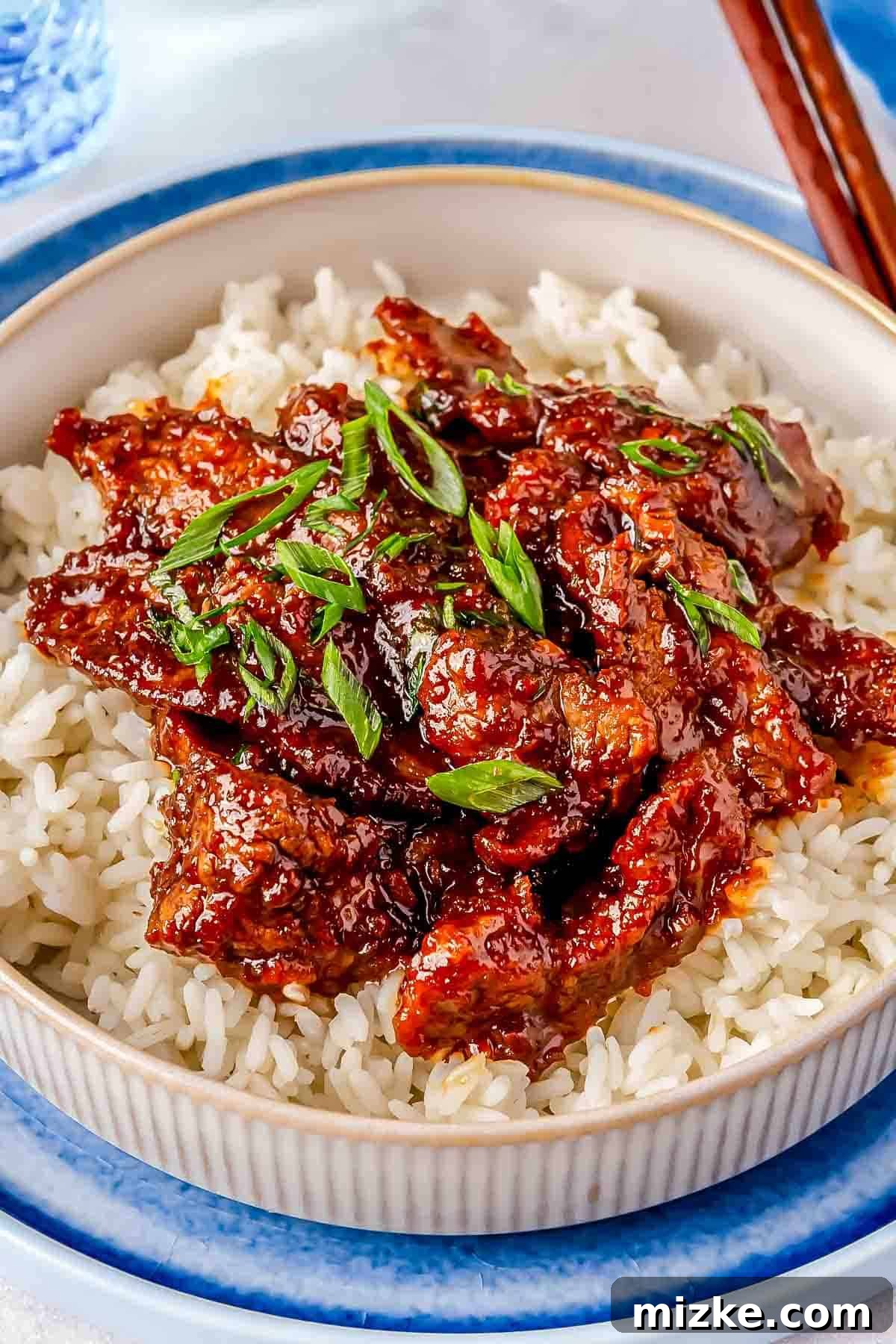
Better-Than-Takeout Mongolian Beef: Your New Favorite 30-Minute Dinner
Imagine the irresistible sizzle of a hot pan, the intoxicating aroma of a sweet and savory sauce filling your kitchen, and the delightful crunch of perfectly crisped, yet incredibly tender beef. This isn’t just a fantasy; it’s the reality you can create with our ultimate Mongolian Beef recipe. Forget waiting for takeout – this homemade version brings the authentic flavors of your favorite Chinese restaurant right to your dining table, all within a speedy 30 minutes.
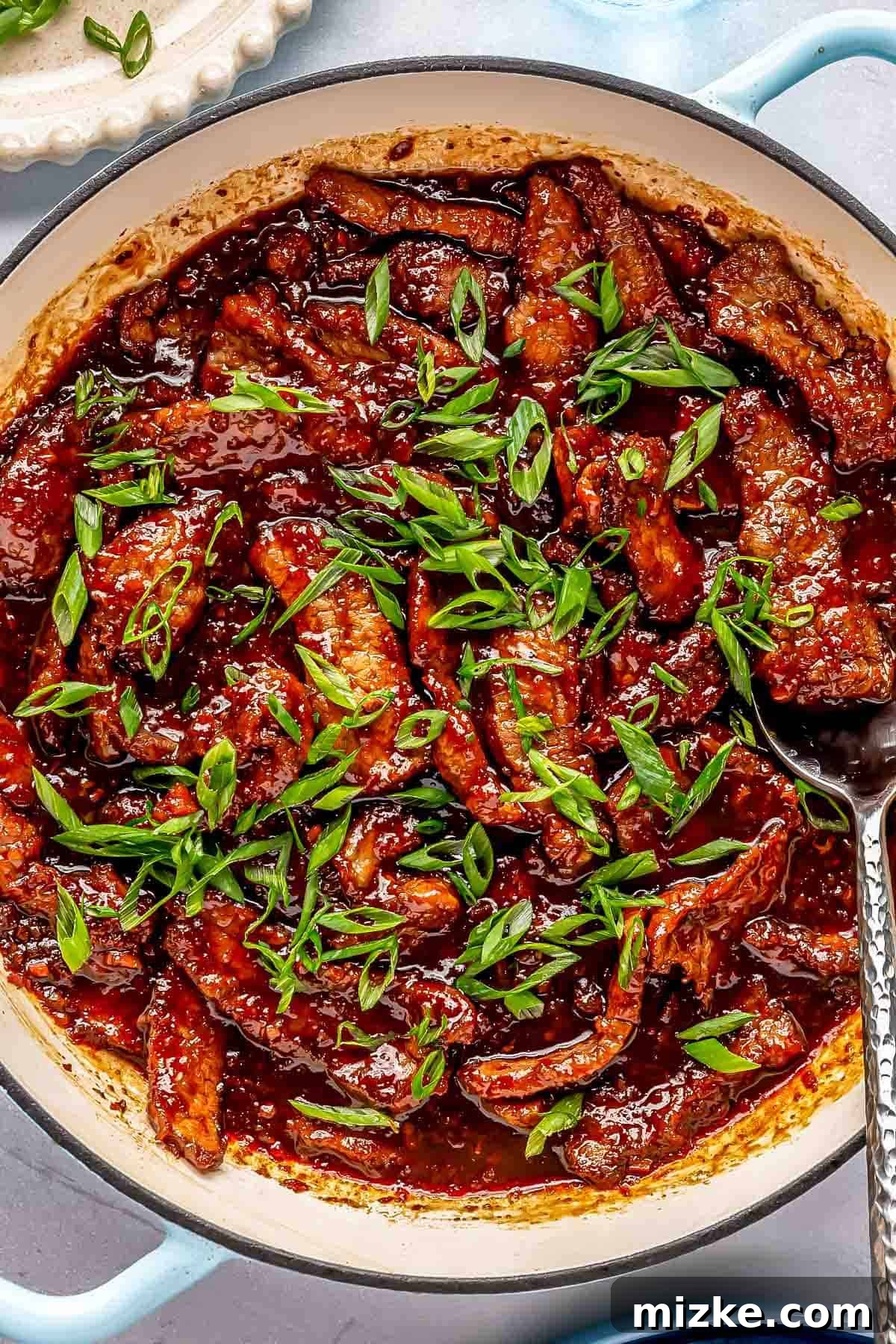
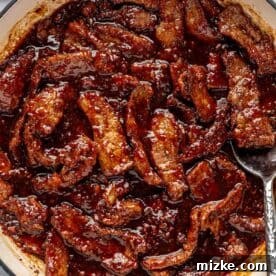
This recipe transforms thin slices of succulent beef into a culinary masterpiece, crisped to golden perfection and then generously coated in a luscious, velvety sauce. Each bite bursts with the vibrant flavors of fresh ginger, aromatic garlic, and the deep sweetness of brown sugar. A sprinkle of bright green scallions adds a final flourish of color and freshness, making this dish as visually appealing as it is delicious. Prepare to impress yourself and your family with this surprisingly simple, incredibly satisfying, and truly better-than-takeout classic.
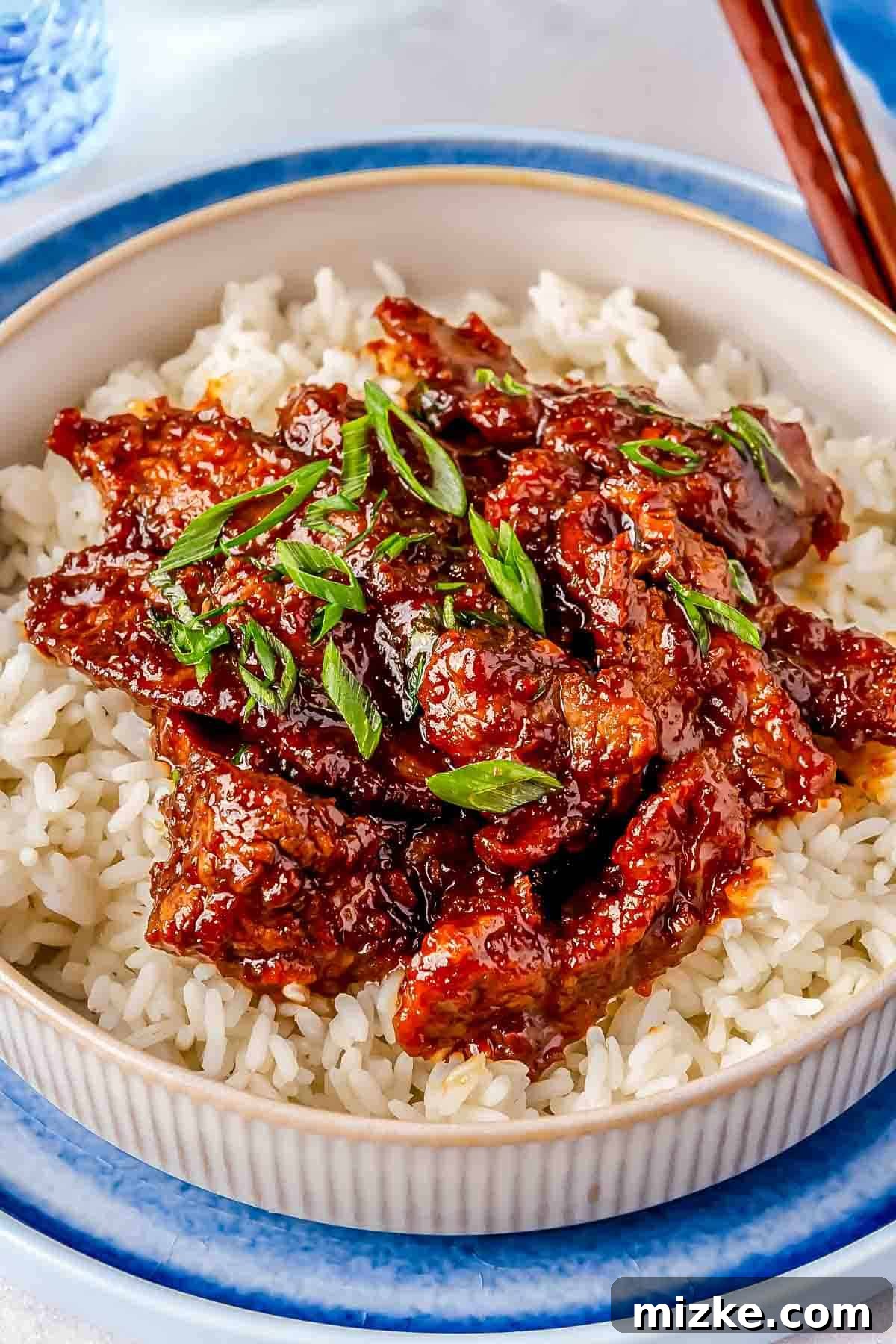
Why This Homemade Mongolian Beef Will Be Your New Go-To
This particular Mongolian Beef recipe stands out as a household favorite for a multitude of compelling reasons. Allow us to elaborate on why it’s poised to become a staple in your meal rotation:
- Unbelievably Quick and Easy: Craving that classic takeout taste on a busy weeknight? This recipe is your answer. From start to finish, you can have a restaurant-quality meal on the table in just 30 minutes. It’s designed for efficiency without compromising on flavor, making it perfect for those evenings when time is of the essence but you still want something extraordinary.
- Fully Customizable to Your Taste: One of the greatest advantages of cooking at home is the ability to tailor dishes to your exact preferences. With this recipe, you’re in complete control. Adjust the spice level with a touch of chili flakes, add extra vegetables for a more wholesome meal, or experiment with different sweeteners. You can also be mindful of ingredients, ensuring you use quality cuts of beef and control the amount of oil for a healthier version than most restaurant offerings.
- The Ultimate Crispy and Flavorful Experience: The textural contrast in this dish is simply divine. The beef is expertly crisped on the exterior, creating a satisfying bite, while remaining wonderfully tender and juicy on the inside. This perfect texture is enveloped in a rich, sweet, and savory sauce that boasts layers of ginger, garlic, and brown sugar. It’s a symphony of flavors and textures that will have you reaching for seconds, guaranteed.
- A Healthier, Wholesome Alternative: When you prepare Mongolian Beef at home, you bypass the excessive oil and unknown ingredients often found in commercial takeout. You choose fresh, high-quality ingredients, allowing you to create a dish that’s not only delicious but also a more mindful choice for your family.
- Impressive Yet Effortless: Looking to impress dinner guests or simply elevate your weeknight dinner? This Mongolian Beef delivers. Its vibrant appearance and complex flavors suggest hours of effort, yet it comes together with surprising ease. It’s a dish that looks and tastes sophisticated but is perfectly approachable for home cooks of all skill levels.
- Budget-Friendly Dining: Enjoying your favorite Chinese takeout can quickly add up. Making Mongolian Beef at home is a significantly more economical option, allowing you to enjoy generous portions of this beloved dish without breaking the bank. It’s smart cooking that tastes luxurious.
What Exactly is Mongolian Beef? Unpacking a Culinary Classic
Despite its evocative name, Mongolian Beef is a culinary classic that actually originated in Taiwan, not Mongolia. It’s a quintessential dish found in countless American-Chinese restaurants, celebrated for its unique balance of sweet and savory flavors and its delightful texture. Typically, it features thinly sliced beef, most commonly flank steak, stir-fried rapidly in a high-heat wok. The beef is then coated in a rich, dark sauce composed primarily of soy sauce, brown sugar, ginger, and garlic, often finished with a generous scattering of fresh green onions.
While the name might conjure images of traditional Mongolian barbecue, the dish as we know it is a fusion creation, a testament to the dynamic evolution of Chinese cuisine in diaspora. Its widespread popularity is a testament to its universally appealing flavor profile and satisfying experience.
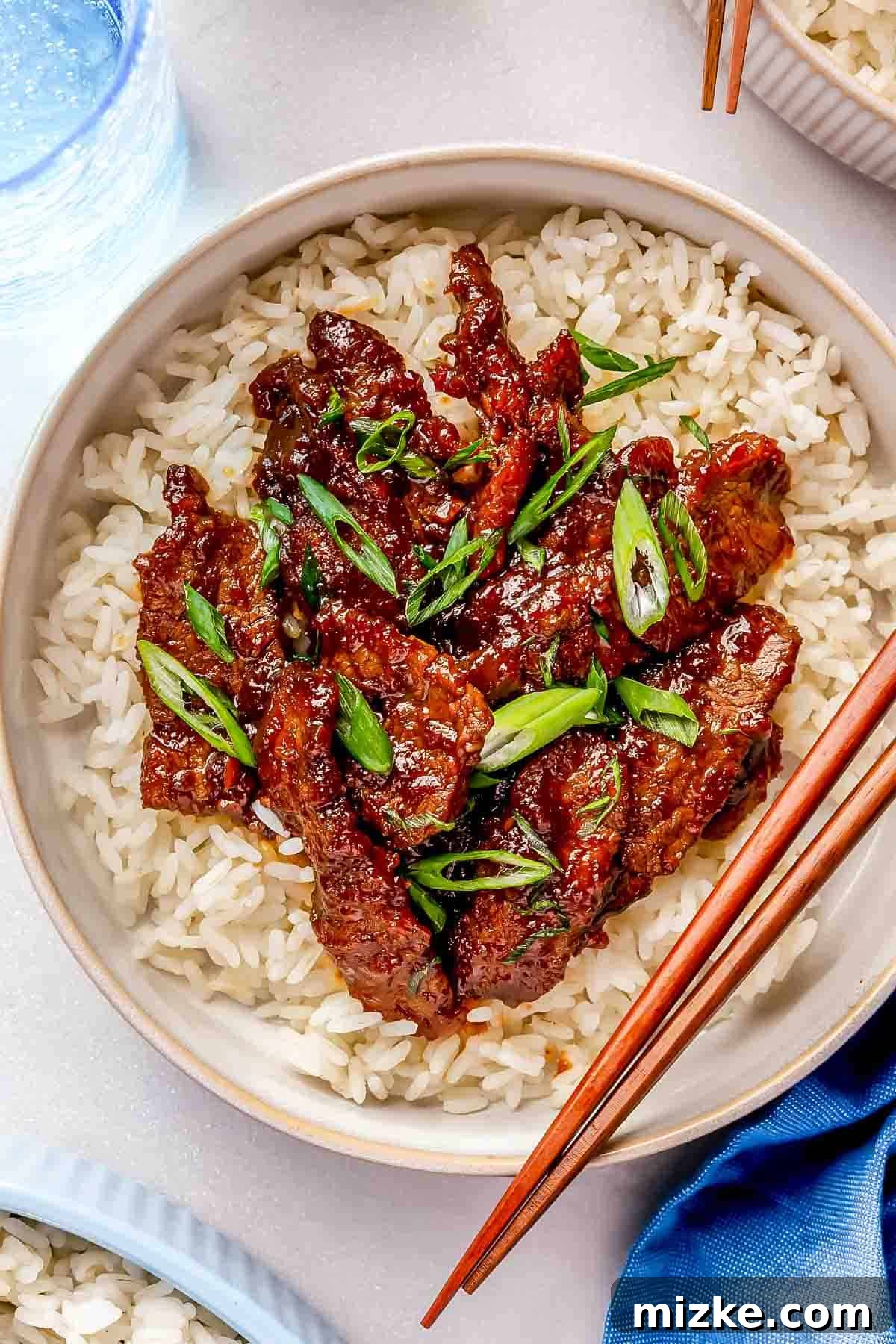
Selecting the Perfect Beef Cut for Mongolian Beef
While flank steak is consistently my top recommendation for Mongolian Beef due to its robust flavor and texture when thinly sliced, you’re not limited to just one option. You can achieve similarly delicious results with other cuts, such as skirt steak, known for its rich beefy flavor and tenderness, or thinly sliced chuck roast, which offers a melt-in-your-mouth quality similar to what you’d find in dishes like Vietnamese Bo Luc Lac (Shaking Beef). Regardless of your choice, the key is to select a cut that has a good amount of marbling or inherent fat. This fat is crucial; it not only enhances the overall flavor of the dish but also contributes significantly to a more tender, succulent, and truly melt-in-your-mouth eating experience.
The Art of Slicing Beef for Tenderness
Achieving tender beef is paramount in Mongolian Beef. Always slice your chosen beef cut against the grain. This shortens the muscle fibers, making the beef much more tender and easier to chew. Aim for thin, even slices (about ¼ inch thick) to ensure quick and uniform cooking, which is essential for that perfect crispy exterior and tender interior.
Mastering Mongolian Beef: Essential Tips for Culinary Success
Ready to elevate your homemade Mongolian Beef from good to absolutely phenomenal? These tried-and-true tips and tricks are designed to guide you toward a consistently perfect outcome, ensuring every batch is a resounding success.
- Never Skip the Cornstarch – It’s Your Secret Weapon: Cornstarch plays an indispensable, dual role in this recipe. Firstly, it forms a light, crisp coating on the beef slices when seared, contributing to that highly desirable crunchy exterior. Secondly, and equally important, it acts as the primary thickening agent for the sauce, transforming it from a thin liquid into a rich, glossy, and velvety coating that clings beautifully to every piece of beef. Forgetting this step will result in a less crispy beef and a watery sauce.
- Mind the Cornstarch Coating Time: While cornstarch is crucial, timing is everything. Aim to toss your thinly sliced beef in cornstarch approximately 10 minutes before you plan to cook it. This short resting period allows the cornstarch to adhere properly to the beef. If the beef sits coated for too long (e.g., more than 20-30 minutes), the moisture from the meat can cause the cornstarch to become gooey and mushy, hindering the crisping process and leading to an undesirable texture.
- Embrace High Heat: Attempting to sear the beef in a pan that isn’t sufficiently hot is a common pitfall. Low heat causes the beef to steam rather than sear, releasing its natural juices, which leads to tough, grey meat instead of beautifully caramelized, crispy edges. Furthermore, high heat is necessary to properly activate the cornstarch and allow the sauce to thicken efficiently. Ensure your pan is smoking slightly before adding the beef.
- Sear in Small Batches: Resist the urge to overcrowd your pan. Packing too much beef into the skillet at once will drastically lower the pan’s temperature. This again leads to steaming instead of searing, preventing the beef from developing that coveted crispy crust. Cook the beef in batches, ensuring there’s enough space between each piece for proper heat circulation. This allows each slice to sear quickly, locking in juices and achieving maximum crispiness.
- Adjust Sauce Thickness with a Slurry: The recipe provides a great base for the sauce, but sometimes, based on your stove, pan, or specific ingredients, you might find the sauce isn’t quite as thick as you prefer. If you desire a thicker, more luxurious sauce, simply whisk together 1 tablespoon of cornstarch with 2 tablespoons of cold water to create a smooth slurry. Gradually stir this into the simmering sauce at the end of cooking until it reaches your desired consistency.
The Magic of Velveting: How Cornstarch Transforms Beef
In the realm of Chinese cooking, the technique of coating meat in cornstarch is known as “velveting.” This seemingly simple step is, in fact, the secret weapon behind achieving incredibly moist, remarkably tender, and wonderfully crispy beef in classic dishes like Mongolian Beef. When meat is cooked without a coating, it tends to release its natural liquids, often resulting in dry and tough textures. Cornstarch, however, creates a protective barrier around each piece of beef. As the beef cooks, this barrier locks in the natural juices, ensuring the interior remains succulent and tender. Simultaneously, when exposed to high heat, the cornstarch coating crisps up beautifully, providing a delightful textural contrast that defines truly exceptional Mongolian Beef.
Perfect Pairings: What to Serve with Your Mongolian Beef
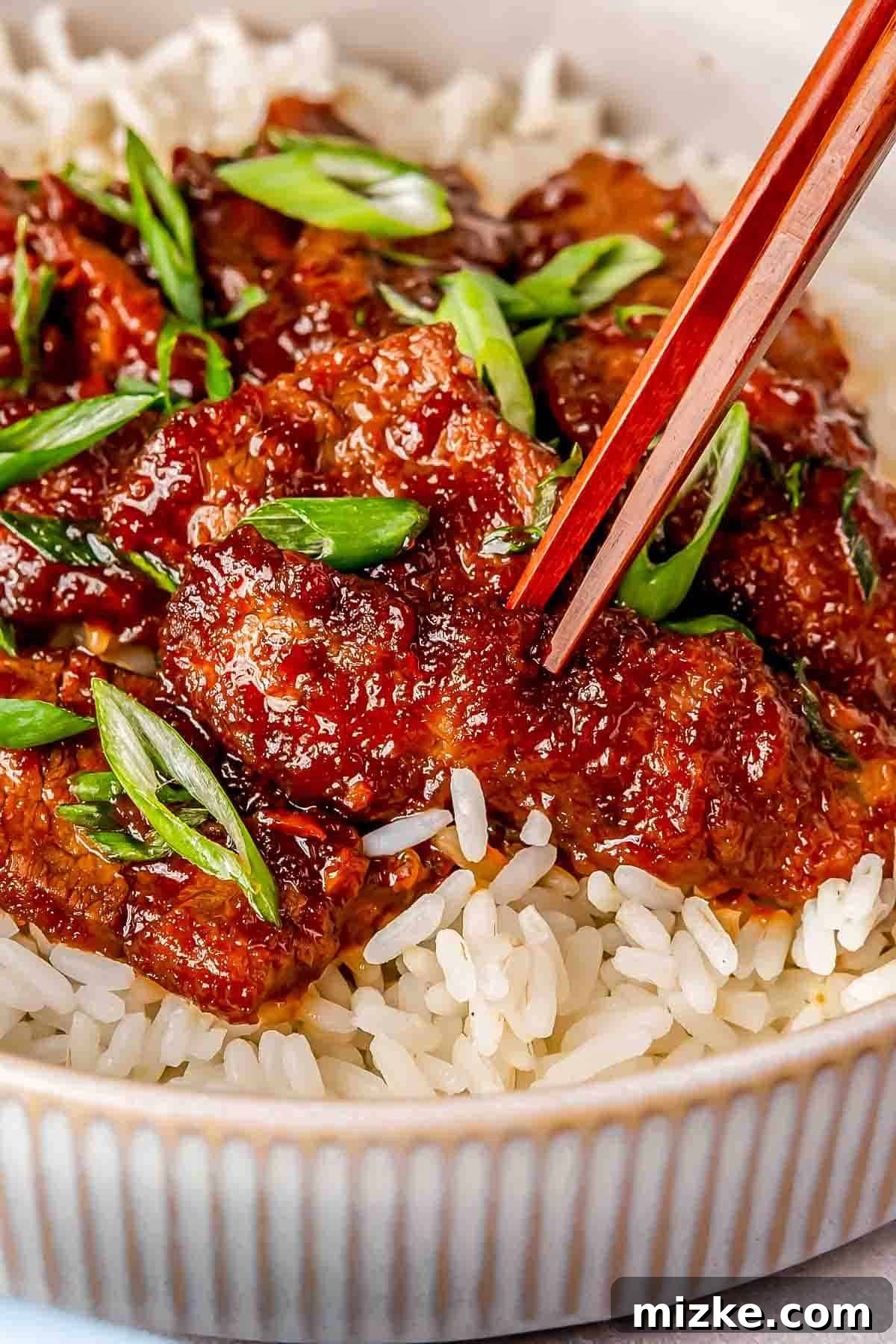
Mongolian Beef is a star dish on its own, but pairing it with the right side dishes can elevate your meal into a truly complete and satisfying experience. While traditionally served over fluffy steamed white rice to soak up every drop of that incredible sauce, there are many other delicious options to explore. Here are some of our favorite easy and complementary side dishes:
- Classic Rice Varieties:
- Steamed White Rice: The simplest and most classic pairing, its neutral flavor perfectly complements the rich beef.
- Brown Rice: A healthier, nuttier alternative that adds substance and fiber to your meal.
- Take-Out Style Fried Rice: For a true restaurant experience, try making your own Chicken Fried Rice or vegetable fried rice. The savory grains make an excellent foundation.
- Refreshing Salads: Cut through the richness of the beef with a crisp, vibrant salad.
- Asian Ramen Salad: This Ridiculously Amazing Asian Ramen Salad offers a delightful crunch and tangy dressing.
- Spicy Chinese Cucumber Salad: A Spicy Chinese Cucumber Salad provides a cool, refreshing, and slightly zesty counterpoint.
- Traditional Buns & Noodles:
- Chinese Steamed Buns (Mantou 饅頭): Soft, fluffy, and slightly sweet, homemade Mantou are a comforting and classic Chinese accompaniment, perfect for absorbing the sauce.
- Lo Mein or Chow Mein Noodles: Stir-fried noodles offer another excellent carb option, adding more texture and flavor to the meal.
- Simple Vegetable Sides: Add more greens and nutrients to your plate.
- Chinese Cabbage Stir Fry: A quick and easy Chinese Cabbage Stir Fry provides a light, flavorful vegetable element.
- Garlic Roasted Green Beans: Garlic Roasted Green Beans are simple, savory, and pair beautifully with Asian flavors.
- Steamed Broccoli or Bok Choy: Lightly steamed vegetables with a drizzle of soy sauce offer a healthy and quick side.
Storing and Reheating Your Delicious Leftovers
One of the best parts about making a fantastic meal like this homemade Mongolian Beef is the joy of enjoying leftovers. It tastes just as good, if not better, the next day! Consider making a double batch to ensure you have some extra for quick meals throughout the week. Here’s how to properly store and reheat your Mongolian Beef to maintain its incredible flavor and texture:
- Storing:
First, allow the Mongolian Beef to cool completely to room temperature. This is crucial for food safety and preventing condensation that can make the beef soggy. Once cooled, transfer the beef and sauce into an airtight container. It can be safely stored in the refrigerator for up to 3 days. For longer storage, you can freeze it for up to 2 months. When freezing, ensure the container is freezer-safe and ideally, use smaller portions for easier thawing and reheating.
- Reheating:
- Stovetop Method (Recommended for Best Texture): For the crispiest results, heat a small amount of neutral oil (like vegetable or canola) in a pan or wok over medium-high heat. Add the thawed Mongolian Beef and sauté, stirring frequently, until it is thoroughly warmed through and any sauce has re-thickened and coated the beef. This method helps restore some of the initial crispiness.
- Microwave Method (Quick & Easy): If you’re in a hurry, place the Mongolian Beef in a microwave-safe dish. Cover loosely and heat on medium power, stirring every minute or so, until hot. Be aware that the beef might not retain its original crispiness with this method, but it will still be delicious.
- From Frozen: If reheating from frozen, it’s best to allow the dish to thaw overnight in the refrigerator first. Then, proceed with either the stovetop or microwave method as described above. If reheating directly from frozen, use a lower heat setting and cook for longer, stirring frequently, to ensure even heating.
Rate this recipe:
⭐️⭐️⭐️⭐️⭐️ (5 from 3 votes)
Print Recipe
Mongolian Beef
This better-than-take-out Mongolian beef recipe features thinly sliced beef crisped to perfection and finished in a velvety, sweet, and savory sauce.
By: Julie Chiou
Prep Time: 15 minutes
Cook Time: 15 minutes
Total Time: 30 minutes
Servings: 4
Equipment
- Wok or large heavy-bottomed skillet
Ingredients
- Vegetable oil, divided
- 1 teaspoon fresh ginger, minced
- 4 garlic cloves, minced
- 1 ½ cup (237 ml) low sodium soy sauce
- 2 tablespoons dark soy sauce
- ¾ cup (237 ml) water
- ⅓ cup (73 g) dark brown sugar
- 2 pounds (907 g) flank steak, thinly sliced against the grain
- ½ cup (64 g) cornstarch
- Green onions, sliced, for garnish
Instructions
-
In a small saucepot, over medium heat, add 2 teaspoons of vegetable oil and sauté the minced ginger and garlic until fragrant, typically about 2 minutes.

-
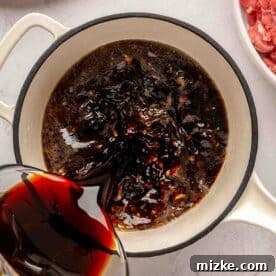
Add the low sodium soy sauce, dark soy sauce, water, and dark brown sugar to the pot. Stir well to combine all ingredients. Bring the mixture to a boil and let it simmer for 3 minutes to allow the flavors to meld. Remove the sauce from heat and set it aside.
-
In a large bowl, toss the thinly sliced flank steak with the ½ cup of cornstarch, ensuring each piece is lightly coated. Shake off any excess cornstarch. Place the coated beef in the refrigerator for about 10 minutes; this allows the cornstarch to adhere better and prevents it from getting mushy during cooking.
-
After 10 minutes, heat ½ cup of vegetable oil in a heavy-bottomed saucepan or wok over medium-high heat until shimmering. Carefully add the beef to the pan in batches, ensuring not to overcrowd it. Sear the beef on all sides until crispy and lightly browned on the outside, but still slightly pink in the middle. Cook in batches to maintain high heat and achieve proper searing.
-
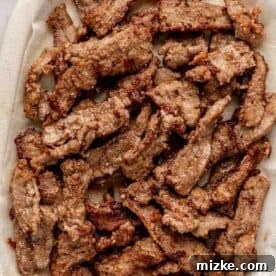
Once seared, remove the cooked beef and place it on a plate lined with paper towels to drain any excess oil. Continue with the remaining batches of beef until all pieces are cooked. Once all beef is seared, carefully pour out any excess oil from the saucepan, leaving only a thin film.
-
Return the saucepan to the burner over medium heat. Pour in the reserved sauce mixture from earlier. It should come to a boil almost immediately. Add the seared steak back into the pan and toss to thoroughly coat with the thickening sauce. Continue cooking the beef and sauce at a boil for approximately 2 minutes, stirring constantly. The sauce will gradually thicken to a beautiful, velvety consistency.
Pro Tip: If the sauce isn’t thickening to your desired consistency, you can create a quick cornstarch slurry by dissolving 1 tablespoon of cornstarch in 2 tablespoons of cold water. Add this slurry gradually to the simmering sauce, stirring constantly, until it reaches your preferred thickness. Finally, stir in the sliced green onions.
-
Serve your hot, delicious Mongolian Beef immediately over steamed white rice, brown rice, or your favorite noodle dish. Garnish with extra fresh green onions if desired.



Nutrition Information (Approximate per serving)
Serving: 1 serving, Calories: 506kcal, Carbohydrates: 40g, Protein: 58g, Fat: 12g, Saturated Fat: 5g, Polyunsaturated Fat: 1g, Monounsaturated Fat: 5g, Cholesterol: 136mg, Sodium: 4075mg, Potassium: 1168mg, Fiber: 1g, Sugar: 18g
This website provides approximate nutrition information for convenience and as a courtesy only. Nutrition information can vary for a variety of reasons. For the most precise nutritional data use your preferred nutrition calculator based on the actual ingredients you used in the recipe.
The default measuring system for this website is US Customary. Unit conversions are provided for convenience and as a courtesy only. While we strive to provide accurate unit conversions, please be aware that there may be some discrepancies.