
Unforgettable Golden Circle Adventure: Discovering Iceland’s Iconic Landscapes
Our journey from the vibrant capital of Reykjavik led us deep into the heart of Iceland on the renowned Golden Circle drive. While the origin of its name remains a charming mystery, this expansive loop gracefully guides travelers from Reykjavik into central Iceland’s breathtaking landscapes and back again. It stands as one of the country’s most celebrated routes, drawing thousands of visitors annually. Yet, what truly sets Iceland apart is the profound sense of solitude one can still experience even on such popular trails. During our early June visit, despite the circle’s fame, the vastness of the Icelandic wilderness meant we rarely encountered significant crowds. The landscape felt desolate and pristine, allowing us to fully immerse ourselves in its raw beauty.
This picturesque drive easily consumed six to seven hours of our day, primarily because the ever-changing scenery compelled us to stop almost every mile. One moment, towering mountains dominated the horizon, only to swiftly transition into expansive flatlands or the serene expanse of a glacial lake. The dynamic shifts in topography are a constant source of wonder, making every turn a new discovery.
Essential Tips for Your Golden Circle Journey
Before embarking on this epic road trip, a crucial piece of advice: ensure your fuel tank is full. We topped up in Reykjavik and were pleasantly surprised to find that we only used approximately a quarter of a tank for the entire loop. Iceland’s open roads, with minimal traffic lights or stop-and-go conditions, allow for sustained high-speed driving, which is remarkably fuel-efficient. This efficiency helps make your adventure smoother and more economical.
Our Detailed Golden Circle Itinerary: A Day of Discovery
- Departure from Reykjavik: Our first destination was the historic Þingvellir National Park.
- Geysir, Gullfoss, and Kerið: From Þingvellir, our route continued to the powerful geothermal area of Geysir, followed by the majestic Gullfoss waterfall, and concluding at the striking Kerið volcanic crater.
- Lunch Stop at Friðheimar Farm: En route to Kerið, we indulged in a unique farm-to-table lunch experience at Friðheimar Farm, a must-visit for fresh, local cuisine.
- Return via Nesjavallaleið: For our return to Reykjavik, we opted for the scenic, off-the-beaten-path route via Nesjavallaleið. It’s important to note that this alternative route, while incredibly rewarding, is best suited for fair weather conditions, typically from late spring to early autumn. Travelers visiting in winter or during inclement weather should stick to the main roads back to Reykjavik after Kerið.
- Navigating Nesjavallaleið: Our decision to explore Nesjavallaleið was driven by a desire for an otherworldly experience, and it delivered spectacularly. This route truly felt like stepping onto another planet. To follow this adventurous path from Kerið, continue on Road 35 until you see a sign for Road 36. Turn onto Road 36, drive until you reach Road 360, which then connects to Road 435. Road 435 transitions into Road 431, eventually merging with Route 1, which will guide you back into Reykjavik.
Þingvellir National Park: Where Continents Meet History
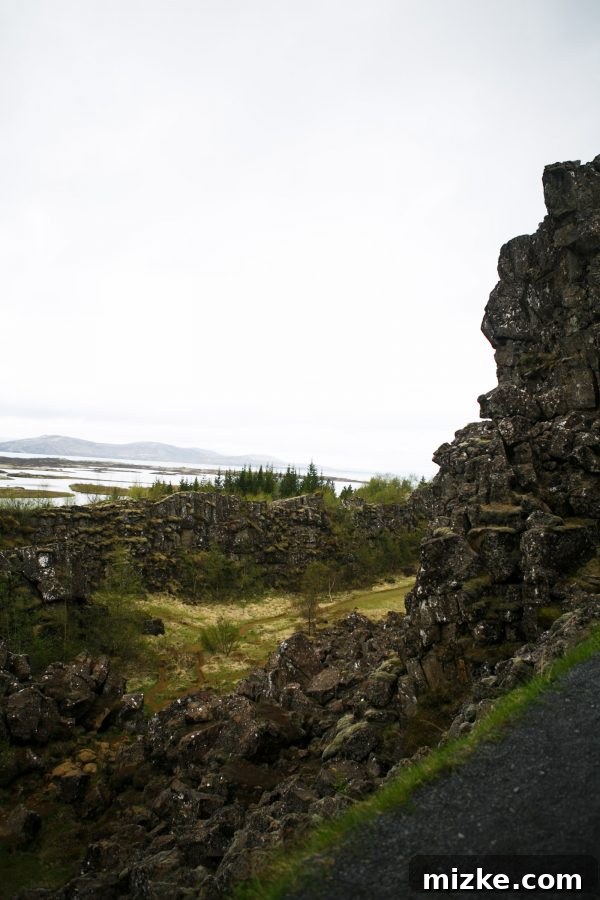
Þingvellir National Park, a UNESCO World Heritage site, is a vast expanse of natural and historical significance. We spent hours traversing miles of its rugged terrain, walking literally between the tectonic plates of North America and Eurasia. This dramatic rift valley offers a vivid, tangible representation of continental drift, a geological marvel that truly captivates the imagination. Beyond its geological wonders, Þingvellir holds immense historical importance as the site of Iceland’s ancient parliament, the Althing, founded in 930 AD. Standing in this hallowed ground, surrounded by such profound natural beauty, evokes a powerful sense of connection to both the Earth’s forces and human history.
Every vista in Þingvellir is a feast for the eyes, from the crystal-clear waters of Silfra fissure (popular for snorkeling and diving) to the sweeping panoramas of lava fields and verdant valleys. This wasn’t merely a sightseeing stop; it was an immersive appreciation of nature’s grandeur, making us realize just how much Iceland encourages a deeper connection with the environment. Indeed, for us, this trip was fundamentally about nature, with culinary delights playing a secondary, albeit still wonderful, role.
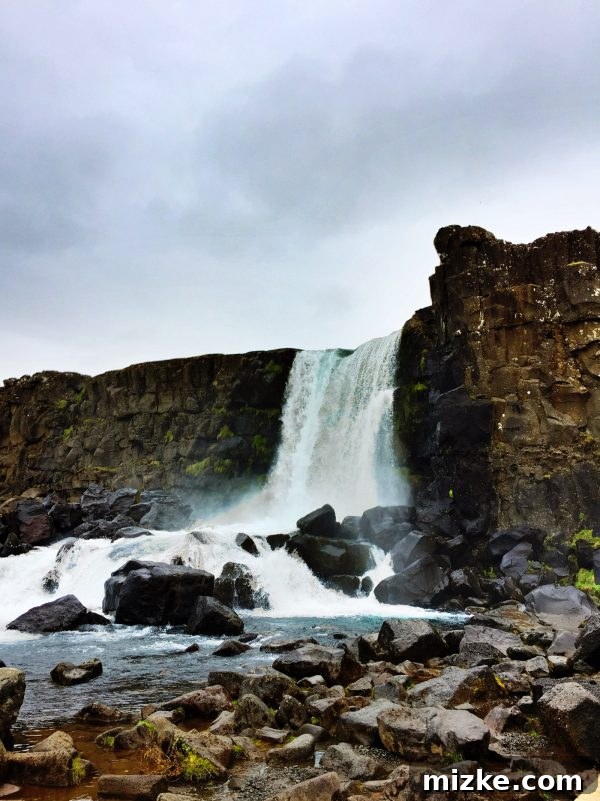
Geysir Geothermal Area: Witnessing Nature’s Power
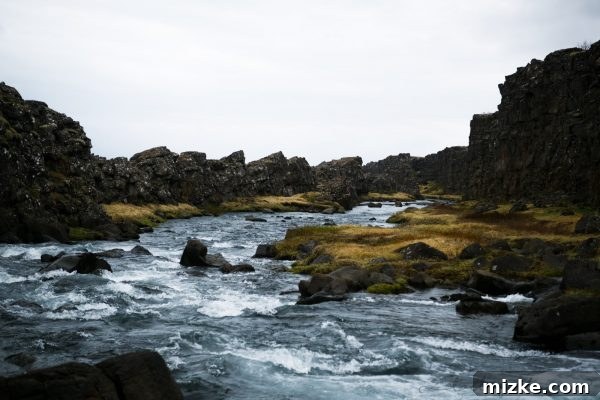
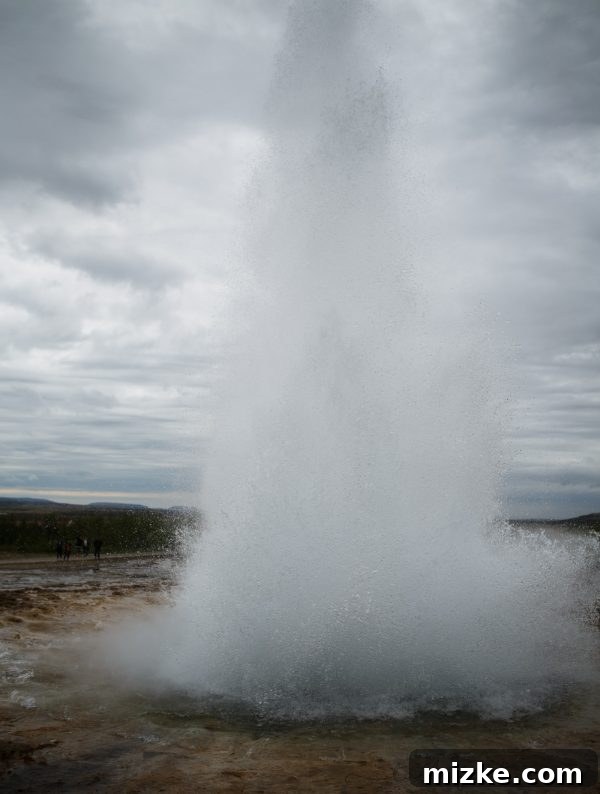
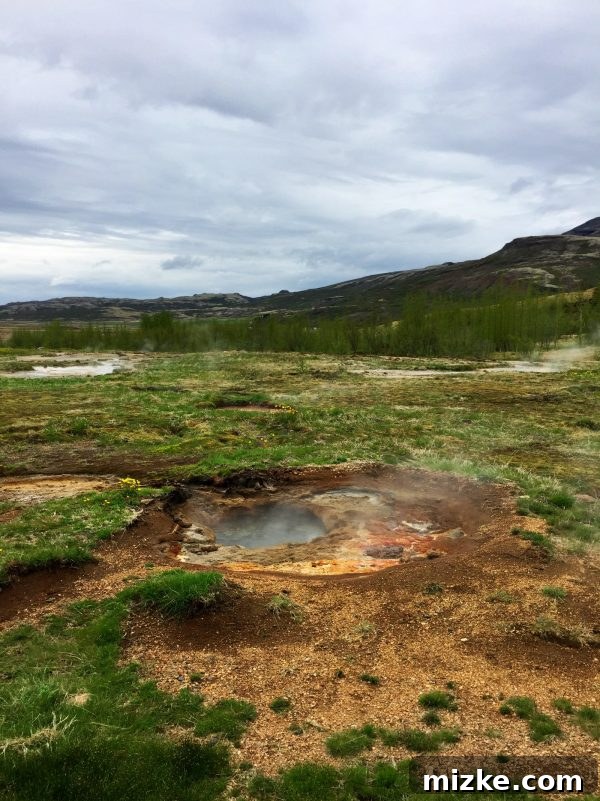
Our journey from Þingvellir continued north to the active geothermal area of Geysir, home to the magnificent Strokkur geyser. Along the scenic drive, we couldn’t resist pausing to capture the numerous breathtaking views that unfolded around us. It’s truly astonishing what natural wonders one encounters simply driving through the Icelandic landscape; every corner reveals another magical tableau.
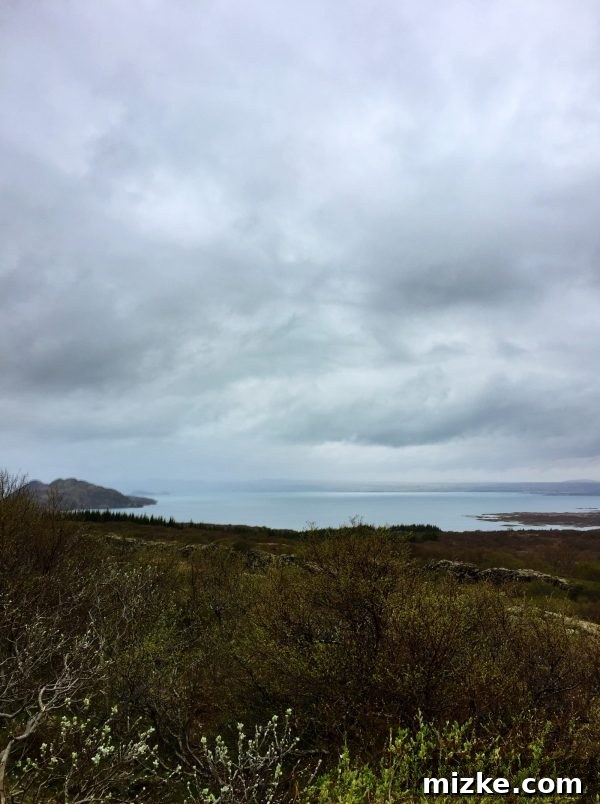
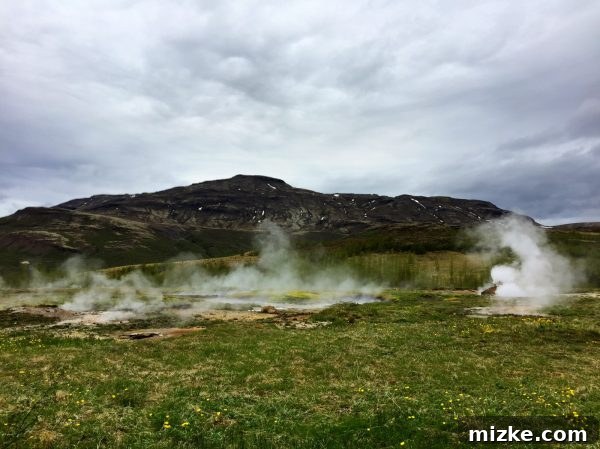
The Geysir geothermal area is a vibrant showcase of Iceland’s volcanic activity. While the Great Geysir itself rarely erupts these days, its more active neighbor, Strokkur, provides a spectacular show every few minutes. Standing in anticipation, eyes fixed on the bubbling pool, the sudden surge of boiling water shooting dozens of meters into the air is a thrilling experience. The air is thick with the scent of sulfur, and the ground hums with geothermal energy, reminding visitors of the immense power lying just beneath the Earth’s surface. It’s a humbling and truly unforgettable display of raw natural force.
Gullfoss Waterfall: The Golden Falls’ Roaring Majesty
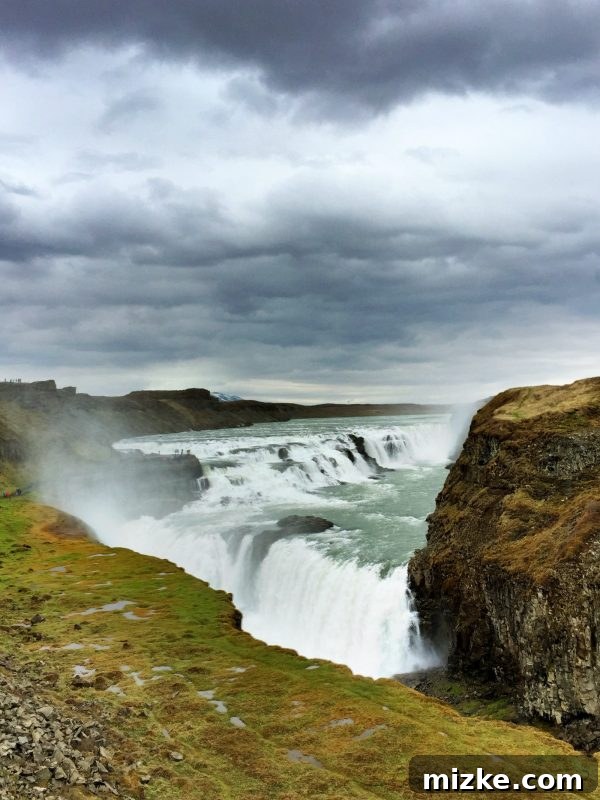
Our next stop brought us to the magnificent Gullfoss Waterfall, affectionately known as the “Golden Falls.” This is an incredibly powerful and awe-inspiring sight. The Hvítá river plunges down a dramatic, two-tiered drop into a narrow canyon, creating a thunderous roar and a constant, swirling mist that often produces dazzling rainbows on sunny days. Multiple viewing platforms allow visitors to experience its grandeur from various perspectives. There’s even a path that takes you remarkably close to the waterfall’s edge, allowing you to feel the spray and witness its immense power firsthand.
However, on the day of our visit, the weather was fiercely cold and exceptionally windy. Opting for comfort and health over extreme proximity, we decided against venturing onto the lowest, most exposed path. Getting drenched and chilled in such conditions would have been a sure path to illness. Despite the distance, Gullfoss retained every bit of its breathtaking beauty, its sheer scale and raw energy captivating us from the safety of higher vantage points. It truly lives up to its reputation as one of Iceland’s most iconic natural wonders.
Friðheimar Farm: A Taste of Icelandic Innovation
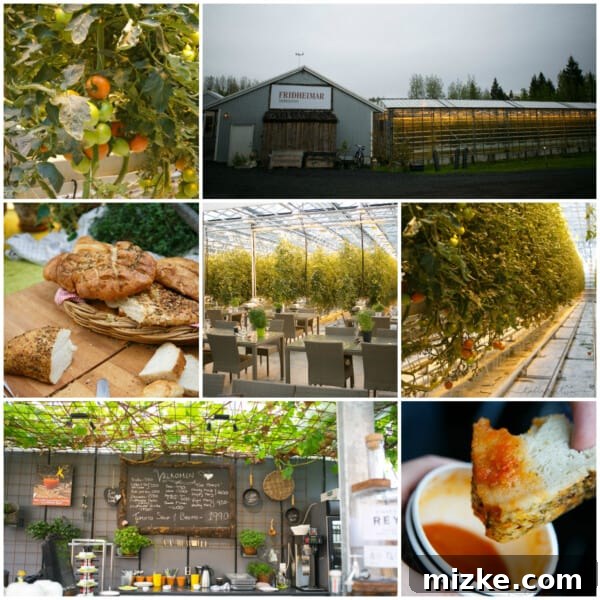
Our journey then led us to the unique and innovative Friðheimar Farm, a family-owned operation specializing in greenhouse cultivation of tomatoes and cucumbers. What makes Friðheimar truly special is its commitment to sustainability, utilizing Iceland’s abundant geothermal energy to heat its greenhouses year-round. Visitors can take a tour to learn about their cultivation methods, witnessing how they harness natural resources to grow produce in an otherwise challenging climate.
The highlight of Friðheimar is undoubtedly its restaurant, where you dine directly within the warm, fragrant greenhouse amidst the tomato plants. Each table is thoughtfully adorned with a small basil plant and shears, inviting guests to snip their own fresh basil to complement their meal. Their menu prominently features tomato-centric dishes, with the star being their renowned tomato soup – an all-you-can-eat delight served with freshly baked bread that you slice yourself. Although we arrived just as the kitchen was closing, the staff, sensing our disappointment, graciously offered us piping hot tomato soup to go in cups, accompanied by as much fresh bread as we desired. This simple gesture of warmth and hospitality, coupled with the incredibly fresh and flavorful soup, was a perfect antidote to the chilly Icelandic day. It was, without exaggeration, the freshest and most comforting tomato soup I’ve ever tasted.
Kerið: The Vibrant Volcanic Crater Lake
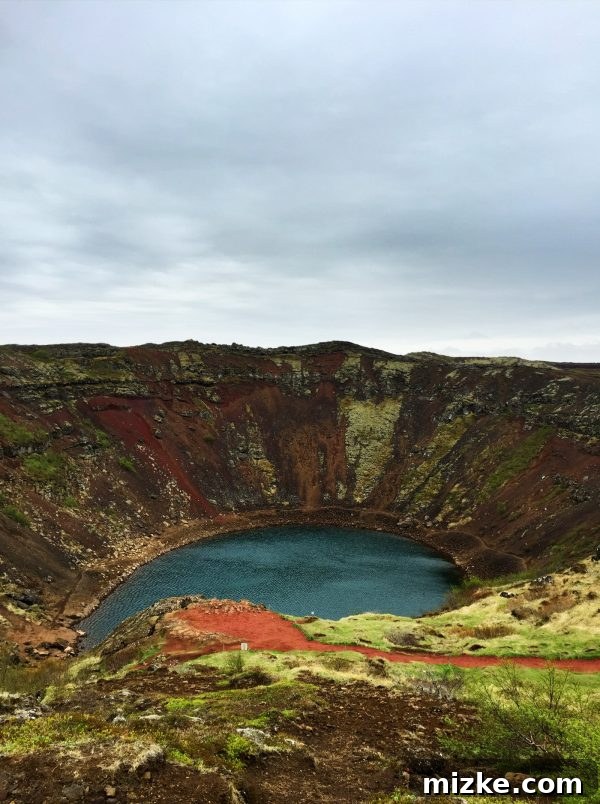
After a wonderfully warming lunch, our Golden Circle exploration continued to Kerið, a distinctive volcanic crater lake. This natural marvel, which recently introduced a modest entrance fee (approximately 200 ISK per person), is a testament to Iceland’s dramatic geological history. Scientists believe Kerið was once a cone volcano that erupted and subsequently emptied its magma chamber. The enormous weight of the remaining cone then caused it to collapse inwards, creating the striking crater we see today.
Standing at the rim of Kerið, my legs felt like jelly, a sensation brought on by the sheer height and depth of the crater, intensified by the incredibly powerful winds. It was an almost comical battle against the elements, making me genuinely fear being swept right into the crater! On a bright, sunny day, the caldera walls, a striking mix of red and orange volcanic rock, beautifully contrast with the vibrant aquamarine water at the bottom, creating a truly spectacular palette. Unfortunately, our visit coincided with a cloudy day, which, while still beautiful, couldn’t quite capture the full, radiant spectacle of those contrasting colors. Nevertheless, the scale and unique formation of Kerið left an indelible impression.
Nesjavallaleið: An Otherworldly Return to Reykjavik
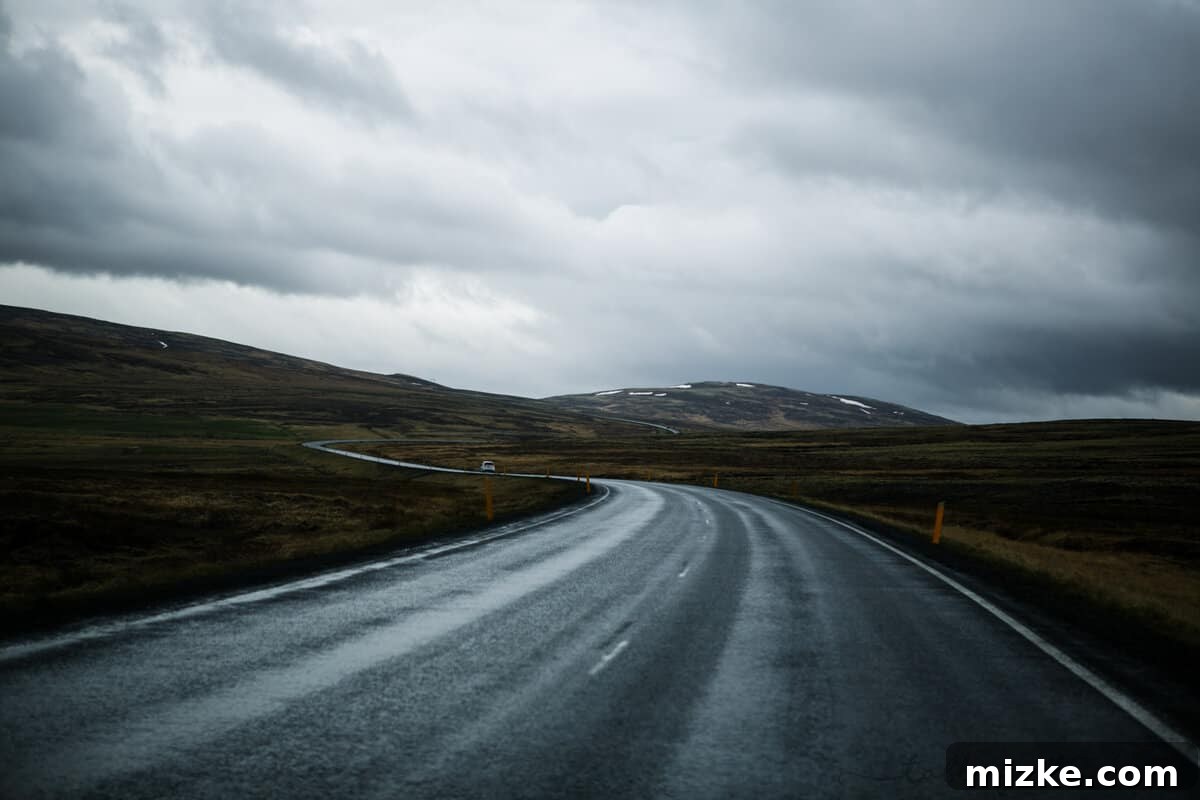
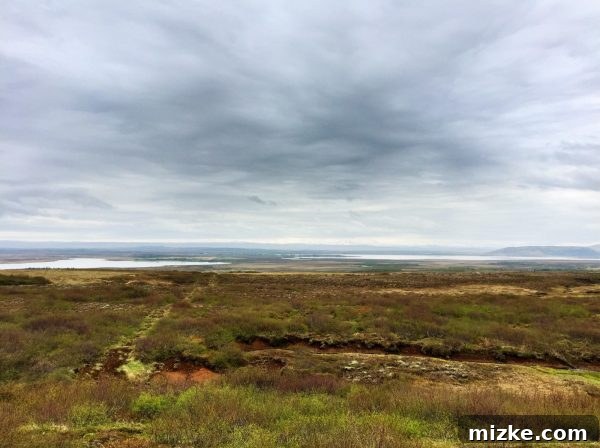
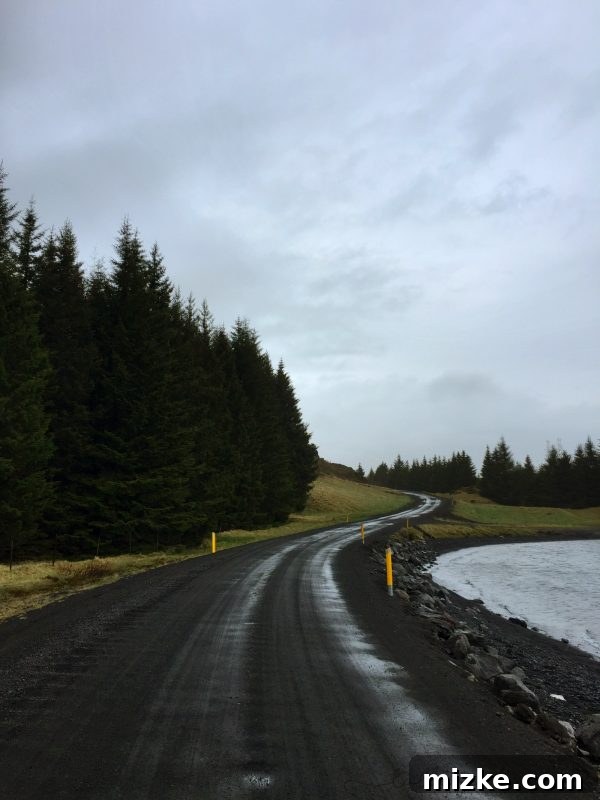
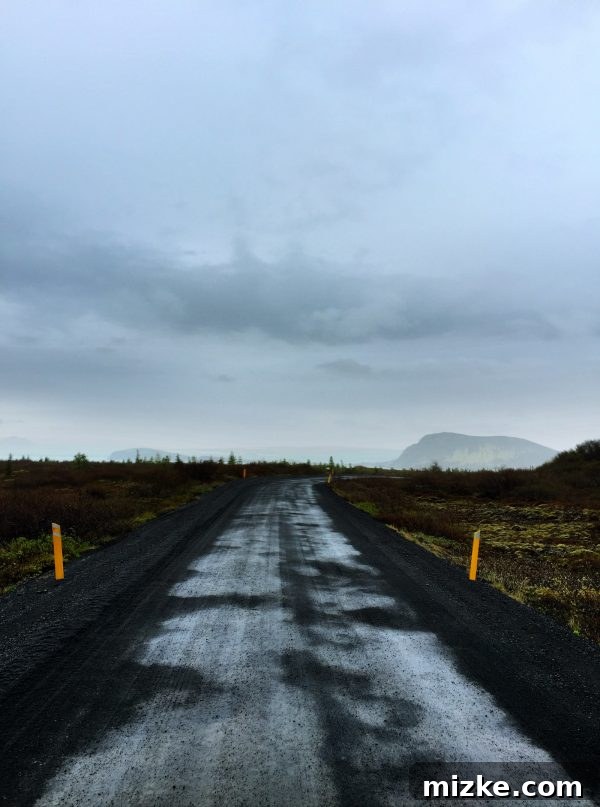
As detailed earlier, our journey back to Reykjavik took an exhilarating detour along Nesjavallaleið, a route truly off the beaten path. The series of photographs below capture the raw, untamed beauty of this drive. We encountered no other vehicles, reinforcing the feeling of being explorers in a pristine wilderness. It is imperative to emphasize that this route is strongly discouraged during winter months. The roads are often unmaintained and can become treacherously slippery or impassable, with narrow, winding sections that hug steep cliffs. While our drive in relatively good weather was perfectly safe, the experience was punctuated by nervous excitement due to the blustery winds and intermittent rain. However, the reward was landscapes unlike anything we had ever witnessed.
Nesjavallaleið truly felt like a voyage to another planet. One moment, we were surrounded by majestic mountains, and the next, the landscape transformed into an expansive, barren field of ancient moss-covered rocks, seemingly stretching into infinity. The stark, minimalist beauty, with its muted greens, grays, and occasional volcanic black, created an almost surreal atmosphere. It was an unparalleled display of Iceland’s geological diversity, showcasing how rapidly the scenery can shift from one striking tableau to another.
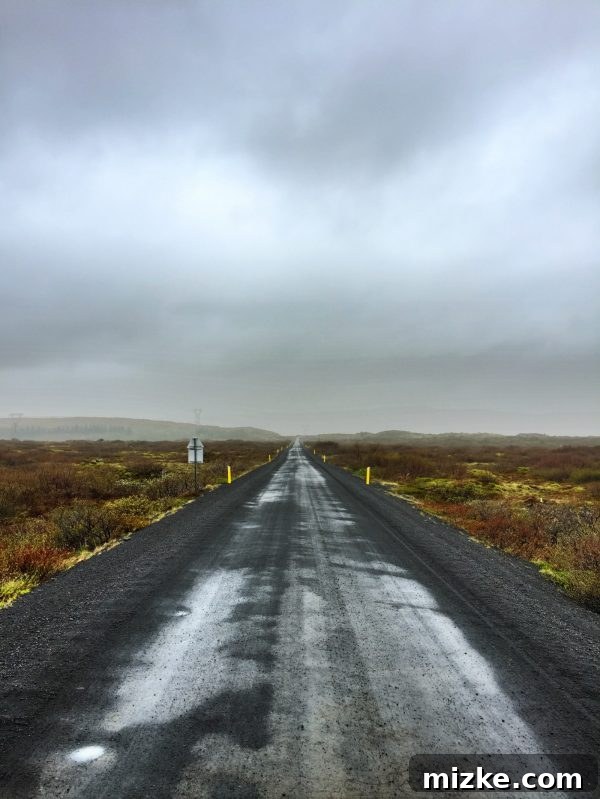
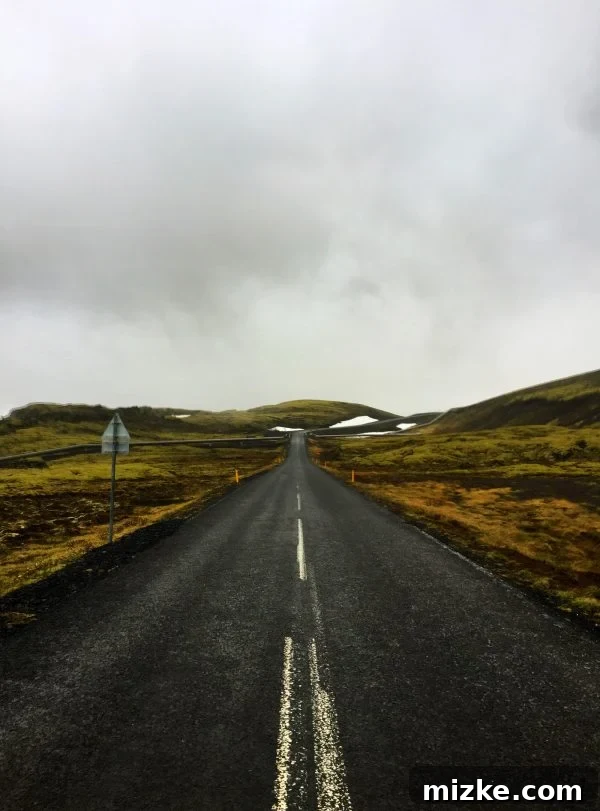
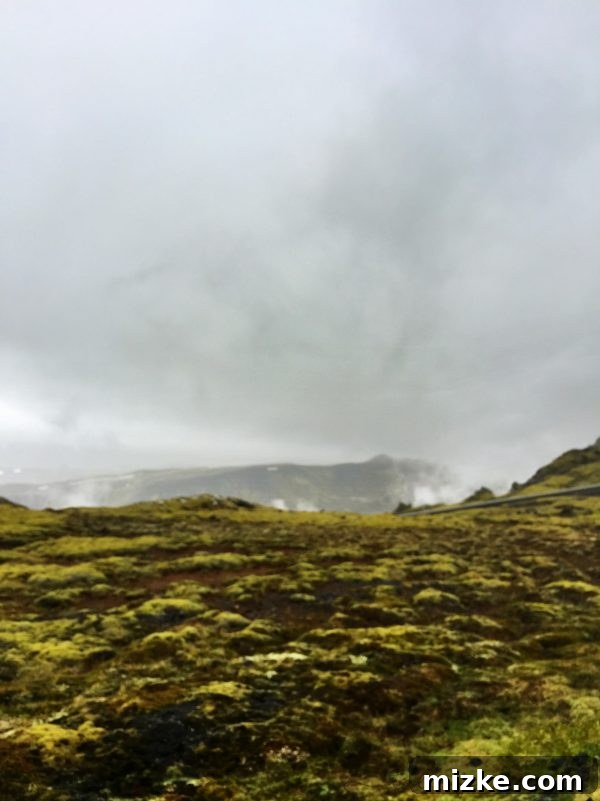
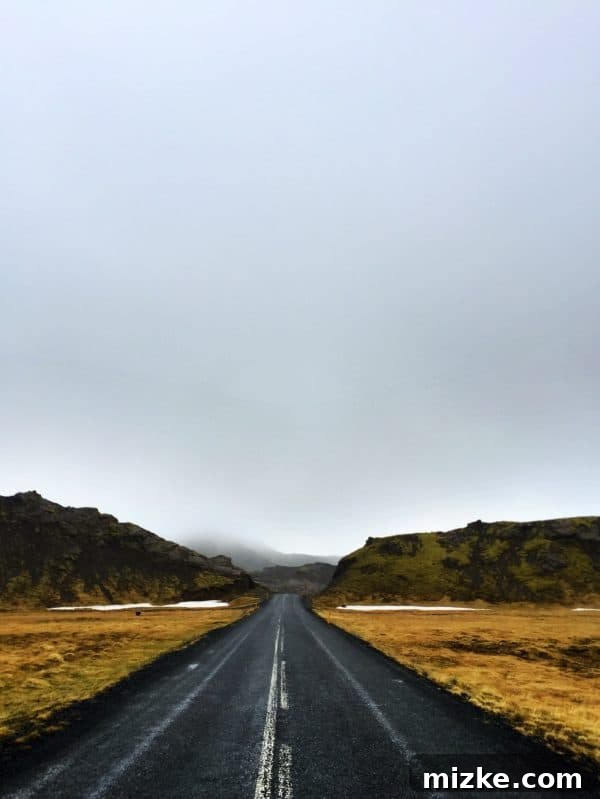
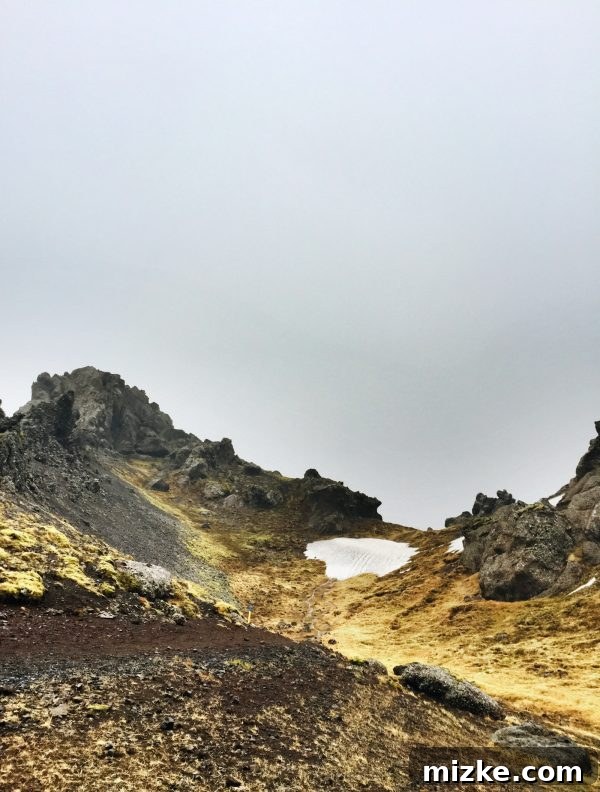
This particular photograph below captures the essence of the otherworldly feeling perfectly. It evokes images from science fiction films, as if one has crash-landed on an uncharted celestial body. The stark beauty and raw desolation of this landscape are simply astounding.
Culinary Delights in Reykjavik: Dining at Ostabudin
Upon our return to Reykjavik, we capped off an incredible day with an exceptional dining experience at Ostabudin, a restaurant highly recommended by a local Snapchat friend. Located in downtown Reykjavik, it proved to be one of the culinary highlights of our entire trip. Ostabudin is an intimate, cozy establishment, making reservations highly advisable. Even on a Tuesday evening at 8 PM, the restaurant was bustling, yet we were fortunate to only wait ten minutes for a table. On a weekend, the wait would undoubtedly be much longer.
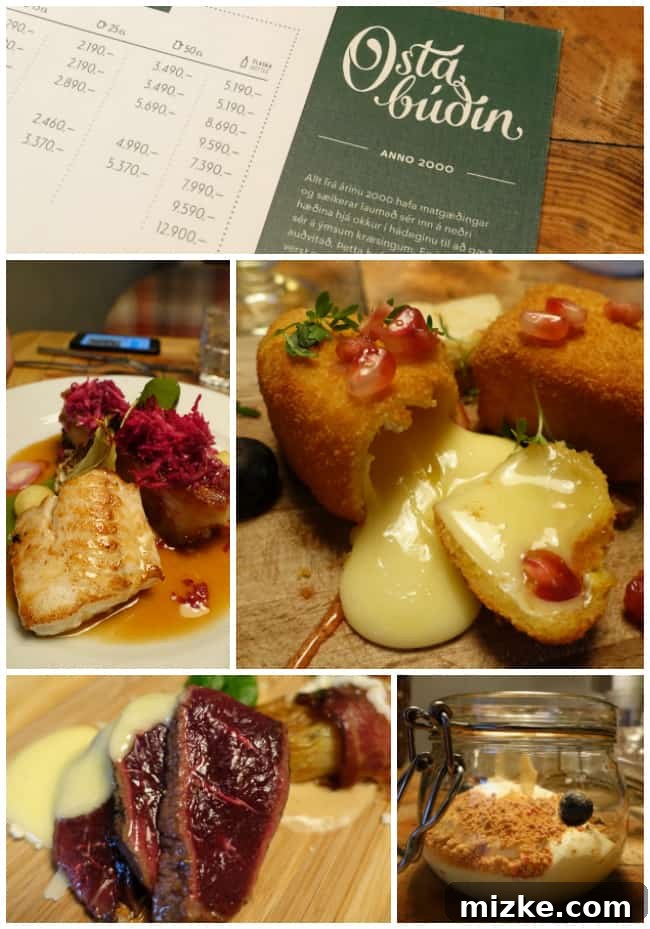
Every dish we sampled at Ostabudin was nothing short of extraordinary. We began with the fried Camembert cheese, an appetizer that was ridiculously good – perfectly crispy on the outside, molten and rich within. Our main courses included delicately prepared whale, exquisitely salted cod, a flavorful ocean catfish, and succulent pork belly. We both agreed that the salted cod was the finest we had ever tasted, showcasing a perfect balance of saltiness and a tender, flaky texture. The pork belly, similarly, was a revelation, melting in the mouth with rich, savory notes. To conclude our meal, we each enjoyed a Skyr mousse, a light and refreshing dessert that felt perfectly balanced after the savory dishes, a welcome contrast to heavier American desserts.
The True Taste of Iceland: Authentic Skyr
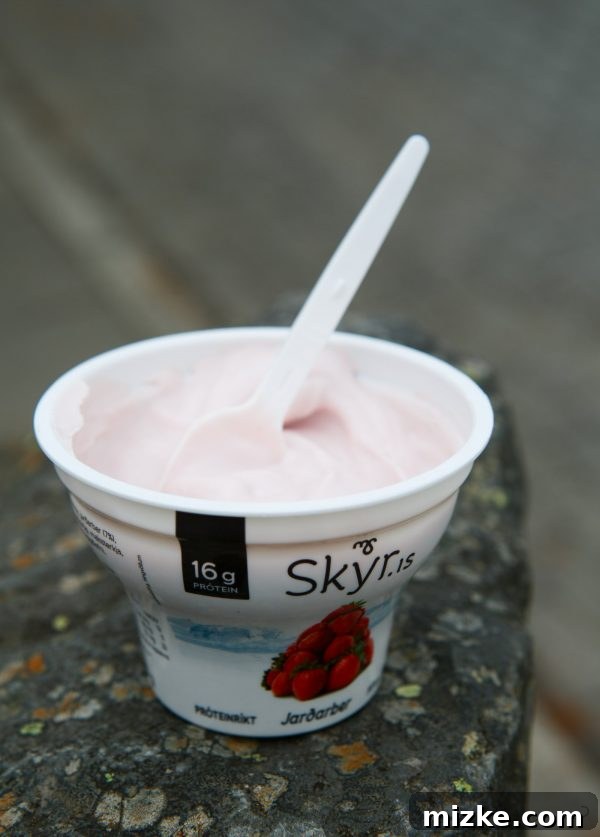
If there is one culinary item I would emphatically insist you try in Iceland, it is their authentic Skyr. While you might have encountered brands like Siggi’s in the United States, let me assure you, they simply do not compare to the real Icelandic Skyr. Despite their marketing claims of being “authentic,” the difference is stark. My initial experience with Siggi’s in the States left me so unimpressed that I couldn’t finish it, making me skeptical about trying Skyr once we arrived in Iceland. However, adhering to the travel adage that you must try a food in its place of origin, I decided to give it a shot.
And I am so glad I did. Icelandic Skyr is truly a revelation – the creamiest, perfectly thick, and delightfully tangy dairy product you’ll ever taste. It’s often likened to yogurt, but technically, it’s a cultured dairy product that is closer to a soft, fresh cheese. We made it a point to enjoy Skyr every morning, savoring its rich texture and wholesome goodness. My two cents? The popularity of imitation Skyr brands is largely a triumph of marketing; the genuine article in Iceland is an unparalleled experience that captures the true essence of this incredible land.
For more insights and adventures from our five-day Icelandic journey, be sure to explore the rest of our Iceland series here!