
Mastering the Art of Preservation: Freezing Fresh Herbs and Citrus for Year-Round Flavor
Welcome to one of our most highly anticipated guides, a culinary secret weapon for preserving the vibrant essence of summer’s bounty! As the seasons shift and we bring our precious plants indoors, or simply find ourselves with an abundance of fresh produce, the desire to capture and extend that peak freshness becomes paramount. This comprehensive post delves into the remarkably simple yet incredibly effective methods for freezing fresh herbs and citrus, ensuring you have a steady supply of garden-fresh flavors at your fingertips, no matter the time of year.
During the warm months, our gardens and local markets overflow with aromatic herbs and juicy citrus. It’s a delightful problem to have, but often, the sheer volume can lead to waste as these perishable ingredients quickly lose their vitality. Freezing offers an elegant solution, transforming a potential culinary dilemma into an opportunity for consistent flavor and reduced food waste. Imagine reaching into your freezer on a chilly winter day and pulling out a cube of bright basil or zesty lemon juice – it’s like a burst of sunshine for your cooking, bringing life to even the simplest dishes!
Why Freeze Fresh Herbs? A Culinary Game Changer
Freezing fresh herbs is more than just a method of preservation; it’s a strategic move for any home cook looking to enhance their culinary efficiency and significantly reduce kitchen waste. Just like the flash-frozen vegetables found in your grocery store, which are quickly frozen at their peak to lock in nutrients and flavor, you can replicate this professional technique at home with your herbs. This simple act unlocks a myriad of benefits that will revolutionize your cooking habits and ensure you always have access to garden-fresh taste.
One of the primary advantages is the immediate availability of specific herbs, precisely when you need them. How often have you embarked on a new recipe, only to realize you’re missing a key ingredient like fresh cilantro for tacos or a specific variety of basil for a delicious basil beef stir fry? Instead of making an impromptu trip to the store for a single item, a well-stocked freezer of herb cubes means you’re always prepared. This not only saves precious time and fuel but also reduces the stress of last-minute grocery runs, allowing you to focus on the joy and creativity of cooking without interruption.
Furthermore, freezing is an excellent strategy for managing abundance and preventing food spoilage. Picture this: you purchase a generous bunch of fragrant dill for a fish dish, but you only use a fraction of it. Rather than watching the remaining delicate leaves wilt and turn brown in your refrigerator, freezing them ensures that not a single flavorful leaf goes to waste. It’s an environmentally conscious approach that extends the life cycle of your produce, contributing to a more sustainable kitchen. Freezing herbs preserves their vibrant taste, aromatic compounds, and often their color, making them a fantastic, ready-to-use addition to soups, stews, sauces, marinades, dressings, and countless other dishes throughout the entire year.
Why Freeze Citrus Juice? The Secret to Zesty Convenience
For many home cooks, managing a consistent supply of fresh citrus can be surprisingly challenging. We often find ourselves in one of two common scenarios: either we completely forget to purchase lemons or limes, leaving us scrambling when a recipe calls for fresh juice, or we buy a handful only to use one or two, and the rest succumb to spoilage before we have a chance to incorporate them into other dishes. Freezing citrus juice brilliantly solves both these dilemmas, offering an unparalleled level of convenience and guaranteed freshness.
Having perfectly portioned, frozen cubes of freshly squeezed lemon, lime, or even orange juice on hand means you’ll never again be caught without that essential bright, acidic kick. Unlike store-bought bottled juices, which often contain preservatives and lack the lively, nuanced flavor of freshly pressed fruit, your homemade frozen cubes retain the authentic, vibrant taste and aroma of recently squeezed citrus. This makes a significant difference in the quality of your cooking, from brightening up a delicate fish sauce to adding zing to a homemade salad dressing, an invigorating smoothie, or a perfectly balanced cocktail. The purity of fresh juice truly elevates any recipe.
Beyond the undeniable convenience, freezing citrus juice is an excellent way to prevent food waste and ultimately save money. You can take advantage of seasonal sales or bulk purchases of citrus, juice it all at once, and freeze the portions for later use. This ensures you’re maximizing your investment and getting the most out of every single fruit. Whether you’re planning a large batch of homemade lemonade for a summer gathering, preparing a flavorful marinade for chicken or fish, adding a refreshing splash to your daily water intake, or baking a tangy lemon meringue pie, having these ready-to-go, pre-portioned cubes simplifies your kitchen routine and consistently elevates your culinary creations. It’s a simple, smart kitchen hack that pays dividends in both exquisite flavor and invaluable efficiency.
What Kind of Herbs Can You Freeze? A Comprehensive Guide
The good news for home cooks and garden enthusiasts alike is that nearly any herb can be successfully frozen, making this preservation method incredibly versatile! While basil is perhaps the most popular choice due to its delicate leaves and tendency to wilt quickly, a wide array of other herbs also freeze beautifully, allowing you to enjoy their unique, fresh flavors throughout the year. Understanding which herbs perform best with specific preparation methods can significantly maximize your freezing success and culinary enjoyment.
Tender Herbs: These are typically herbs characterized by their soft, delicate leaves and pliable stems. They benefit immensely from being chopped and then submerged in oil before freezing. The oil acts as a protective barrier, preventing oxidation and preserving their vibrant color and fresh taste. Excellent examples include:
- Basil: The undisputed star of pesto and essential for countless Italian and Southeast Asian dishes. Basil freezes exceptionally well when covered in olive or avocado oil to prevent it from turning black and losing its signature sweet-peppery notes.
- Cilantro: A staple in Mexican, Thai, and Indian cuisine, chopped cilantro maintains its distinctive, bright flavor beautifully when frozen in oil, ready for your next salsa or curry.
- Parsley: Both flat-leaf (Italian) and curly parsley can be frozen using this method. They add fresh green notes and a clean, slightly peppery flavor to virtually countless savory dishes, from soups to garnishes.
- Mint: While often enjoyed fresh, frozen mint cubes can be a delightful and refreshing addition to teas, smoothies, cold beverages, or even specific savory dishes like lamb or peas.
- Dill: Essential for fish, potatoes, creamy sauces, and pickling, frozen dill retains its delicate, slightly anisy flavor, ensuring you always have it for gravlax or tzatziki.
- Chives: Their mild, delicate oniony flavor and attractive green color are well-preserved through freezing, making them great for garnishes, scrambled eggs, or baked potatoes.
Woody Herbs: Herbs with tougher, more fibrous stems and robust leaves, like rosemary and thyme, also freeze exceptionally well. They can often be frozen chopped with or without oil, or even whole on the stem, then stripped of their leaves when needed. Their structure makes them less susceptible to discoloration.
- Rosemary: Its piney, robust, and slightly lemony flavor holds up wonderfully in the freezer, making it ideal for roasted meats (especially lamb or chicken), potatoes, or infusing oils.
- Thyme: Delicate but durable, thyme leaves can be easily stripped from their woody stems and frozen. They are perfect for enriching the flavor of stews, soups, poultry dishes, or vegetable roasts.
- Sage: Earthy, savory, and slightly peppery, frozen sage is excellent for poultry stuffings, pork dishes, brown butter sauces for pasta, or adding depth to root vegetables.
- Oregano: A cornerstone in Mediterranean and Italian cooking, oregano freezes effectively, providing its pungent, slightly bitter, and herbaceous notes to pizzas, tomato sauces, and grilled meats.
Don’t hesitate to experiment with your favorite herbs! The key is always proper preparation, ensuring they are clean, dry, and correctly handled to best preserve their flavor and texture for all your future culinary adventures.
How Do You Freeze Herbs? A Step-by-Step Guide to Preservation
Freezing herbs with oil is a straightforward process that yields incredibly convenient and flavorful results. This method is particularly effective for tender herbs, creating ready-to-use flavor bombs. Follow these simple steps to ensure your herbs are perfectly preserved, maintaining their vibrant taste and appearance:
- Wash and Dry Thoroughly: Begin by washing your herbs under cool running water to remove any dirt, soil, or debris. This step is absolutely crucial for both cleanliness and successful freezing. After washing, lay them out on several layers of paper towels or a clean kitchen towel to air dry completely. For tender leafy herbs like basil, cilantro, or parsley, you can also gently spin them in a salad spinner to remove excess water. It is paramount that the herbs are bone-dry before you proceed, as any residual moisture can lead to freezer burn and a noticeable degradation in texture and flavor.
- Chop Your Herbs: Once thoroughly dried, gather your herbs into a neat bunch and chop them finely. The fineness of the chop can be adjusted based on your typical culinary needs. For general cooking where the herbs will melt into a sauce or stew, a fine chop works best as it allows the herbs to release their flavor easily and disperse evenly throughout dishes. If you prefer a more rustic texture or want slightly larger pieces for specific garnishes after thawing, you can opt for a coarser chop. Ensure your knife is sharp for clean cuts, minimizing bruising of the delicate leaves.
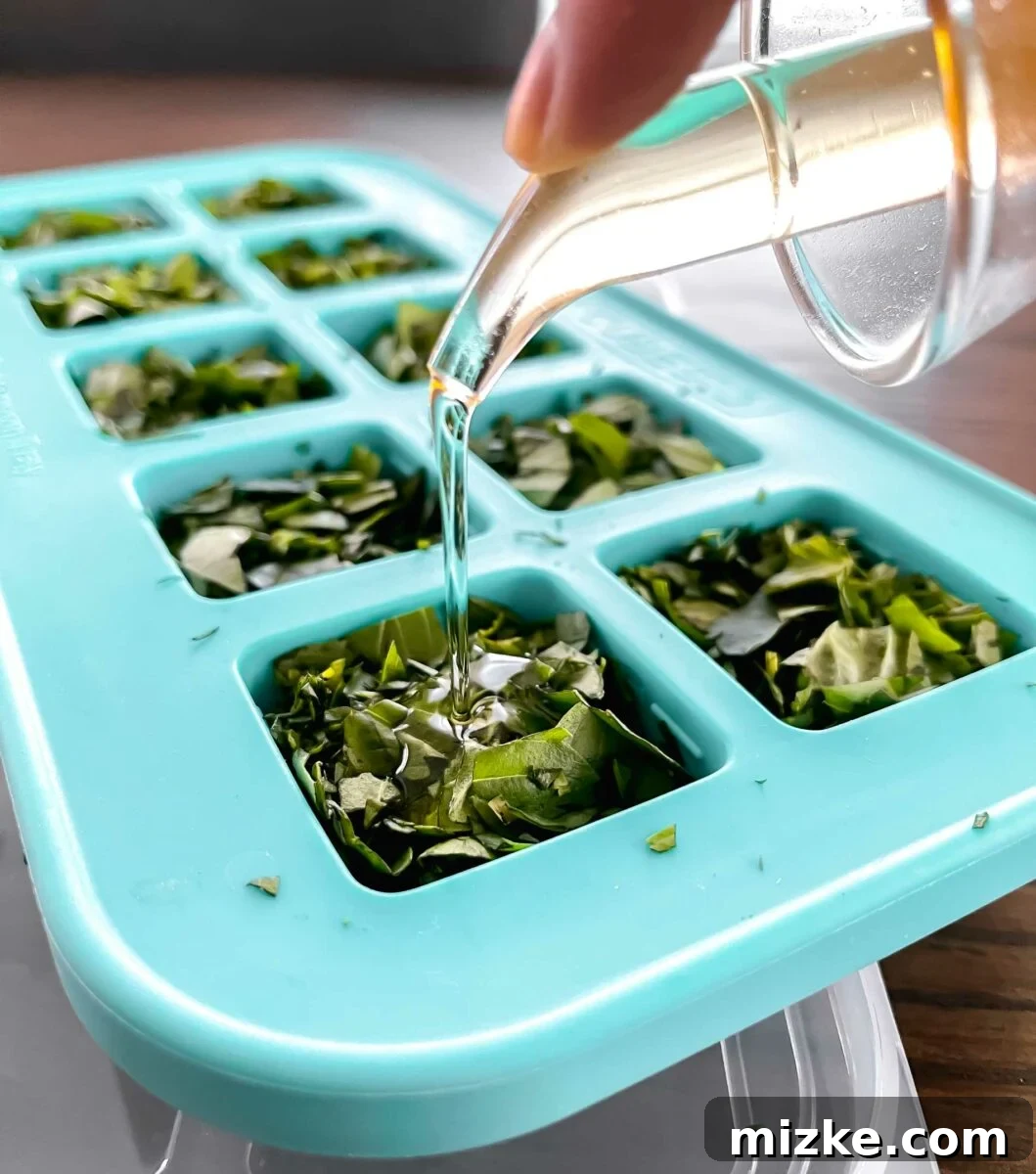
- Pack into Trays: Transfer the finely chopped herbs into the individual compartments of your chosen freezing tray. Standard ice cube trays work well, but specialized silicone trays like Souper Cubes (which we’ll discuss in detail later) are exceptionally convenient due to their easy release and often pre-measured capacities. Fill each cavity about two-thirds to three-quarters full with the chopped herbs, leaving a little room for the oil and expansion during freezing.
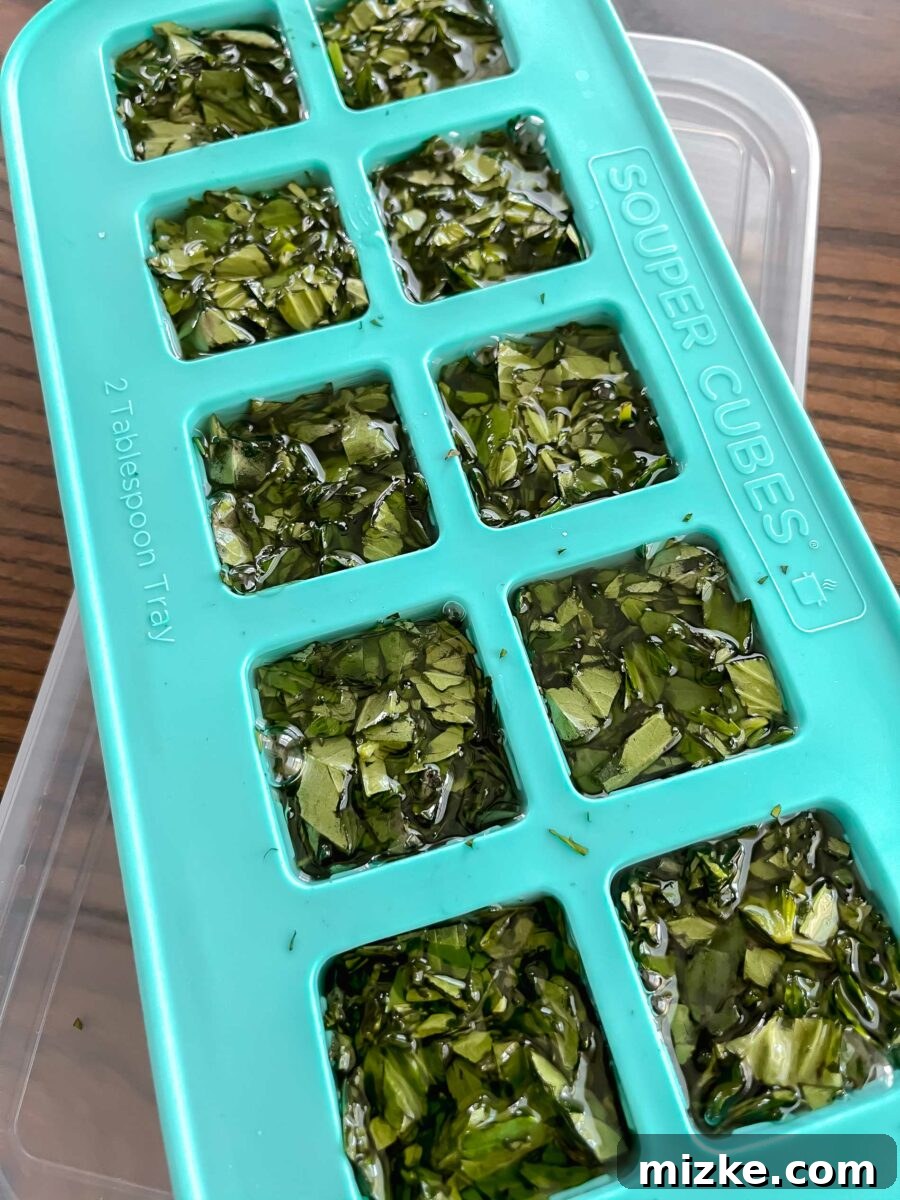
- Add Oil: Now, pour your chosen oil over the packed herbs, ensuring they are fully submerged. Olive oil is a highly popular choice for its complementary flavor profile, especially for Mediterranean-style herbs such as basil, oregano, and rosemary. For more neutral-flavored herbs, or when you prefer a less assertive oil, avocado oil, grapeseed oil, or even a light vegetable oil works wonderfully. The oil acts as a vital protective barrier, minimizing the herbs’ exposure to oxygen and shielding them from freezer burn. This crucial step helps to maintain the herb’s vibrant color, delicate texture, and, most importantly, its fresh, aromatic flavor.
- Freeze Solid: Carefully transfer the filled trays to your freezer, placing them on a level surface to prevent spillage. Allow them to freeze completely solid, which typically takes a minimum of 4 hours, but ideally, leaving them overnight ensures they are thoroughly frozen and ready for the next stage of storage.
Once frozen, you’ll have perfectly portioned herb cubes ready to add directly to your cooking, offering instant flavor and unparalleled convenience!
Why Do You Freeze Herbs with Oil? Preserving Color and Flavor
The practice of freezing herbs with oil isn’t merely a suggestion; it’s a critical step, especially for delicate, leafy herbs like basil. If you’ve ever experimented with freezing basil without the protective embrace of oil, you’ve likely witnessed a disheartening transformation: the once vibrant green leaves turn an unappealing, almost black color. While these discolored herbs are still perfectly edible and safe to consume, their appearance can be quite off-putting in dishes where visual appeal and a fresh look are important, significantly diminishing the overall aesthetic of your meal.
The scientific reason behind this undesirable discoloration is primarily oxidation and cell damage. When plant cells are broken during the chopping process, enzymes within the plant tissue are exposed to oxygen. This exposure, especially in the harsh environment of a freezer where ice crystals can further damage cell walls, initiates enzymatic browning, leading to the rapid blackening of the leaves. Water-based freezing methods (like freezing herbs in just water) exacerbate this, as water expands more dramatically than oil, forming sharper ice crystals that cause more structural damage to the herb cells, thereby accelerating both oxidation and freezer burn.
By submerging herbs in oil, you create an effective, impermeable barrier that significantly minimizes their exposure to oxygen. The oil essentially encapsulates each herb piece, protecting it from the air that causes oxidation and from the harsh, dehydrating effects of freezer burn. This protective layer is instrumental in preserving the herb’s natural pigments, ensuring they retain their fresh, vibrant green color. More importantly, it also locks in their delicate flavors and aromatic compounds, preventing them from dissipating or becoming muted over time in the freezer. The oil acts as a superior medium for preserving the essential oils and volatile compounds that give herbs their distinctive taste and smell, making your frozen herb cubes not just visually appealing, but also incredibly flavorful, ready to enhance your meals with garden-fresh zest when thawed and incorporated.
What Kind of Citrus Juice Can You Freeze? Expanding Your Zesty Options
Just like with herbs, the world of citrus freezing is wonderfully expansive and incredibly versatile. You are by no means limited to just one type of citrus; virtually any citrus fruit can be expertly juiced and frozen, allowing you to capture its unique flavor profile for future culinary endeavors. The most commonly frozen citrus juices are undoubtedly lemon and lime, given their frequent and indispensable use in both sweet and savory recipes across global cuisines. However, don’t stop there – explore the wider spectrum of citrus for an even richer culinary palette!
Lemon Juice: A universal kitchen essential, frozen lemon juice cubes are an invaluable asset for dressings, marinades, baking, and countless beverages. They provide that critical acidic balance, bright zest, and clean flavor that can elevate almost any dish. Having them pre-portioned means you can easily grab one or two as needed, eliminating the need to cut and juice a whole lemon for just a tablespoon of liquid, reducing waste and increasing efficiency.
Lime Juice: Similar to lemon, lime juice adds a distinct tartness and aromatic quality, especially beloved in Mexican, Southeast Asian, and Caribbean cuisines. Frozen lime cubes are perfect for concocting refreshing margaritas, enhancing the depth of curries, brightening homemade guacamole, or adding a crucial zing to grilled fish. They bring an authentic, vibrant tang that is simply unparalleled by bottled alternatives.
Orange Juice: While less common for freezing in small, savory portions, fresh orange juice cubes can be a delightful and unique addition to morning smoothies, a flavorful glaze for poultry, a secret ingredient for certain sauces, or even a refreshing base for cocktails. If you find yourself with an abundance of sweet, ripe oranges, freezing their juice is a fantastic way to enjoy their natural sweetness and rich vitamin C content long after their peak season has passed. Imagine a vibrant splash of frozen orange juice in your morning glass of water or a creative twist to a mimosa!
Grapefruit Juice: For those who appreciate its distinctive tangy, slightly bitter, and subtly sweet notes, frozen grapefruit juice can be a sophisticated addition to artisanal cocktails, a refreshing base for homemade sorbets, or a unique, bright marinade ingredient for seafood. Its robust and complex flavor profile stands up exceptionally well to freezing, offering an exotic twist to your culinary repertoire.
Pro Tip: Don’t forget the zest! Before you proceed with juicing your beautiful citrus fruits, always remember to zest the outer peel. The zest contains concentrated aromatic oils and intense flavors that are distinctly different from the juice itself. You can easily freeze zest separately in a small airtight container or a freezer-safe bag. This thoughtful step ensures you extract the maximum utility and flavor from every single piece of citrus, leaving you with both ready-to-use juice and potent zest for all your diverse culinary endeavors.
How Do You Freeze Citrus Juice? Simple Steps for Long-Lasting Freshness
Freezing citrus juice is remarkably simple and requires minimal effort, yielding a highly convenient and versatile ingredient that will save you both time and money in the long run. By following these straightforward steps, you can ensure a consistent supply of fresh, vibrant citrus juice whenever your recipes demand it, without the worry of spoilage.
- Prepare Your Citrus: Start by thoroughly washing your lemons, limes, oranges, or grapefruits under cool running water. Gently scrub the peels to remove any dirt, wax, or residues. Pat them completely dry with a clean towel. If you intend to use the zest (which is highly recommended for maximizing the fruit’s utility!), this is the perfect time to carefully zest the outer peel before cutting and juicing. Use a microplane or fine grater to remove only the colored part of the skin, avoiding the bitter white pith. Place the collected zest in a separate, labeled freezer-safe bag or small airtight container for later use.
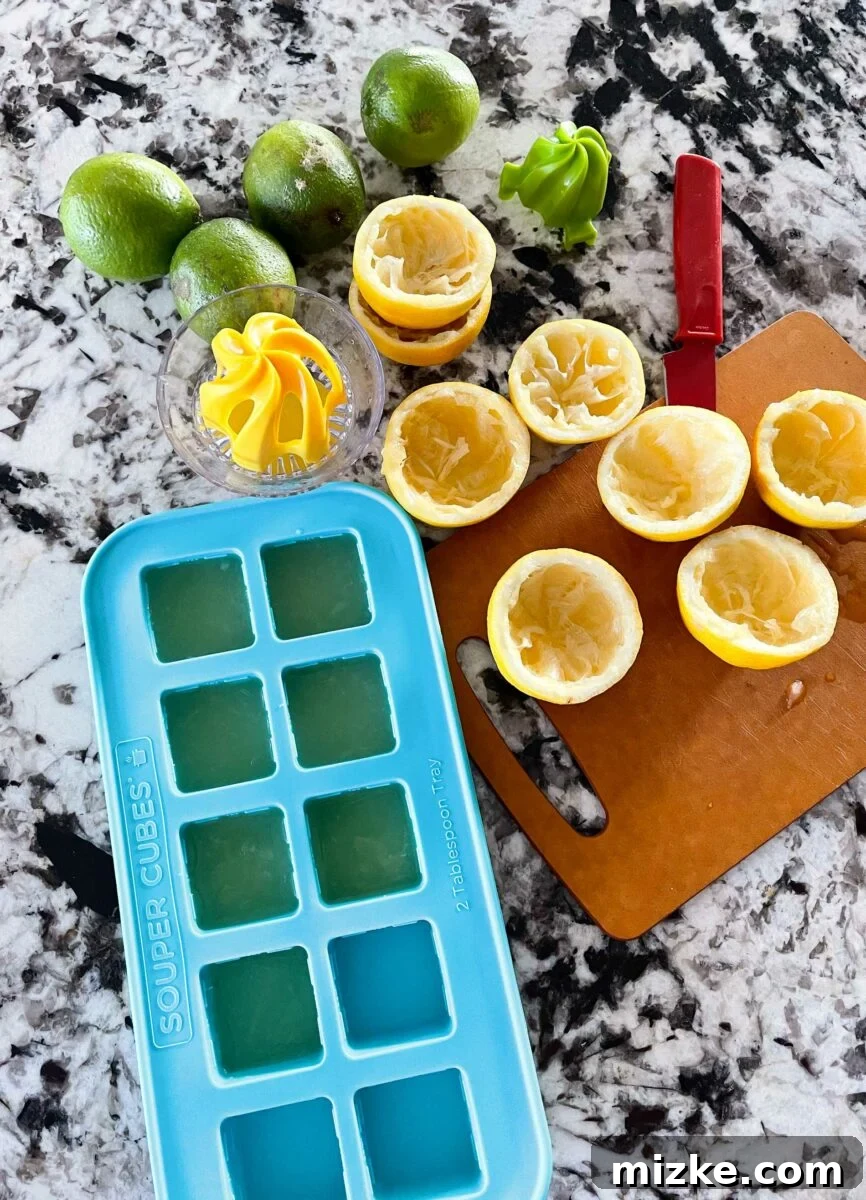
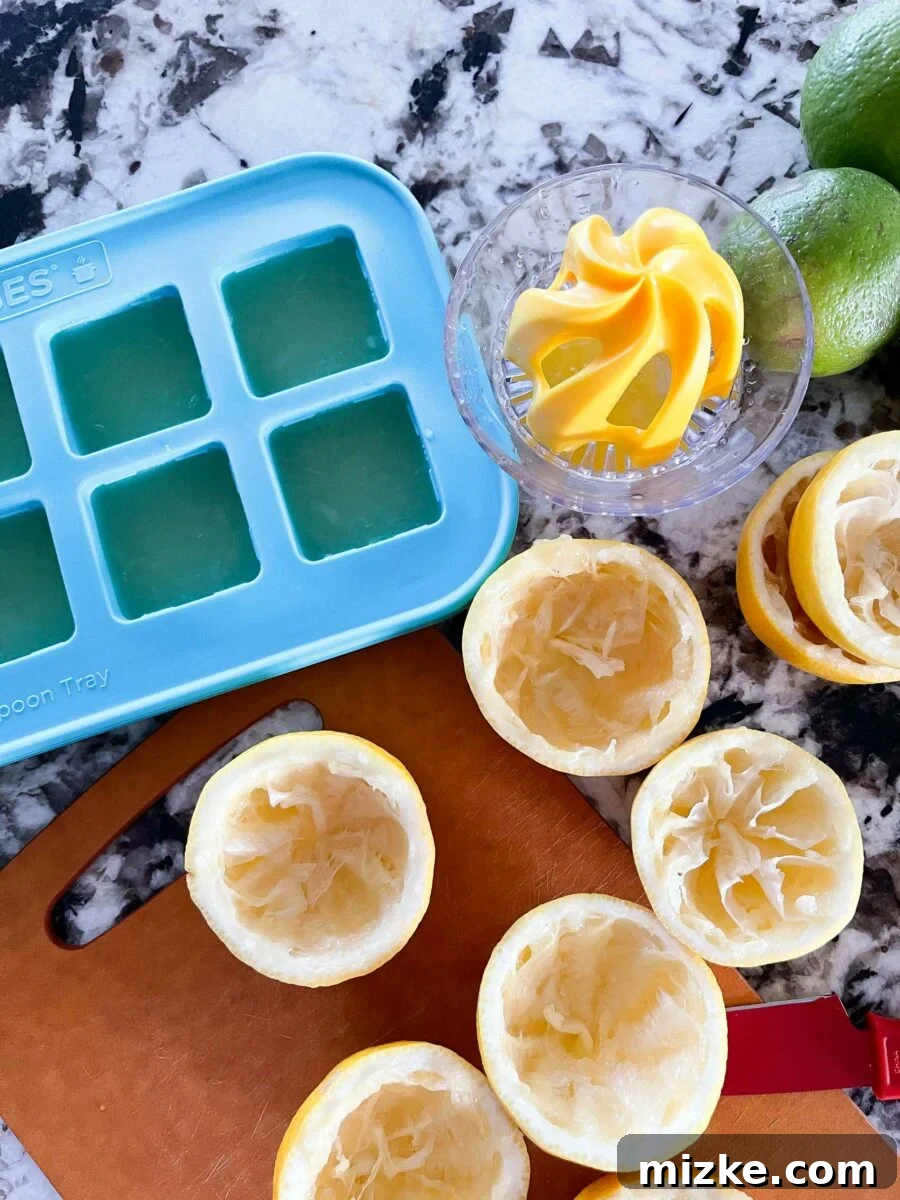
- Juice the Fruit: Once zested (if applicable), cut your citrus fruits in half. Then, using your preferred method, extract the juice. For smaller quantities or occasional juicing, a simple hand reamer or a manual countertop citrus press works wonderfully. For larger batches, such as when preserving a bulk purchase of citrus, an electric citrus juicer can be a real time-saver and significantly reduce effort. Squeeze out as much juice as possible from each half, rotating the fruit to extract every last drop.
- Strain the Juice (Optional but Recommended): Once you’ve collected all the juice, you may want to strain it. Pour the juice through a fine-mesh sieve or a cheesecloth-lined funnel set over a bowl or measuring cup. This step is crucial for removing any seeds and most of the pulp. While some pulp is fine for certain uses, removing the seeds is essential for a smooth, ready-to-use product that won’t require further processing. Straining also ensures a consistent texture, which can be particularly beneficial for delicate sauces, cocktails, or baking.
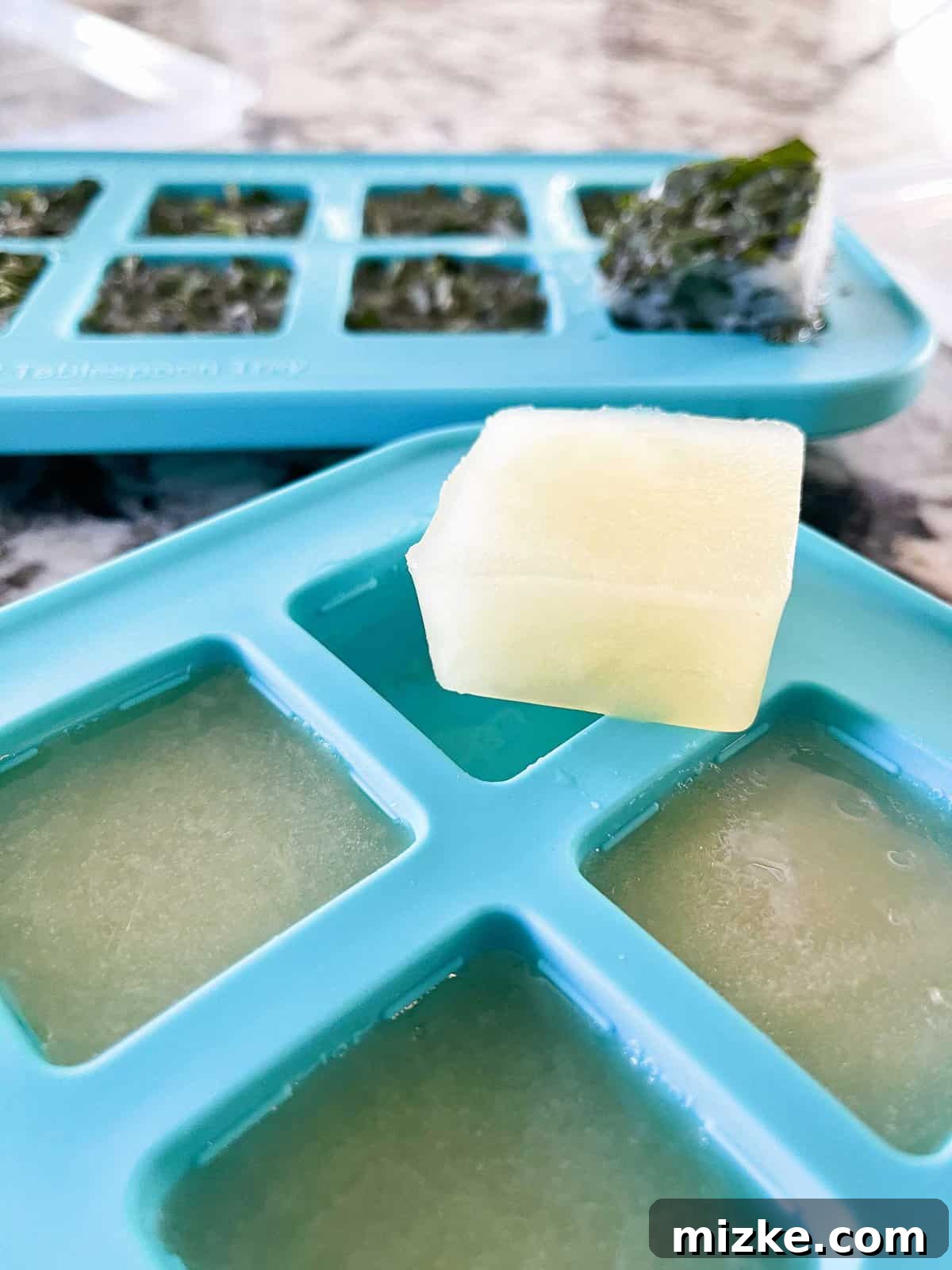
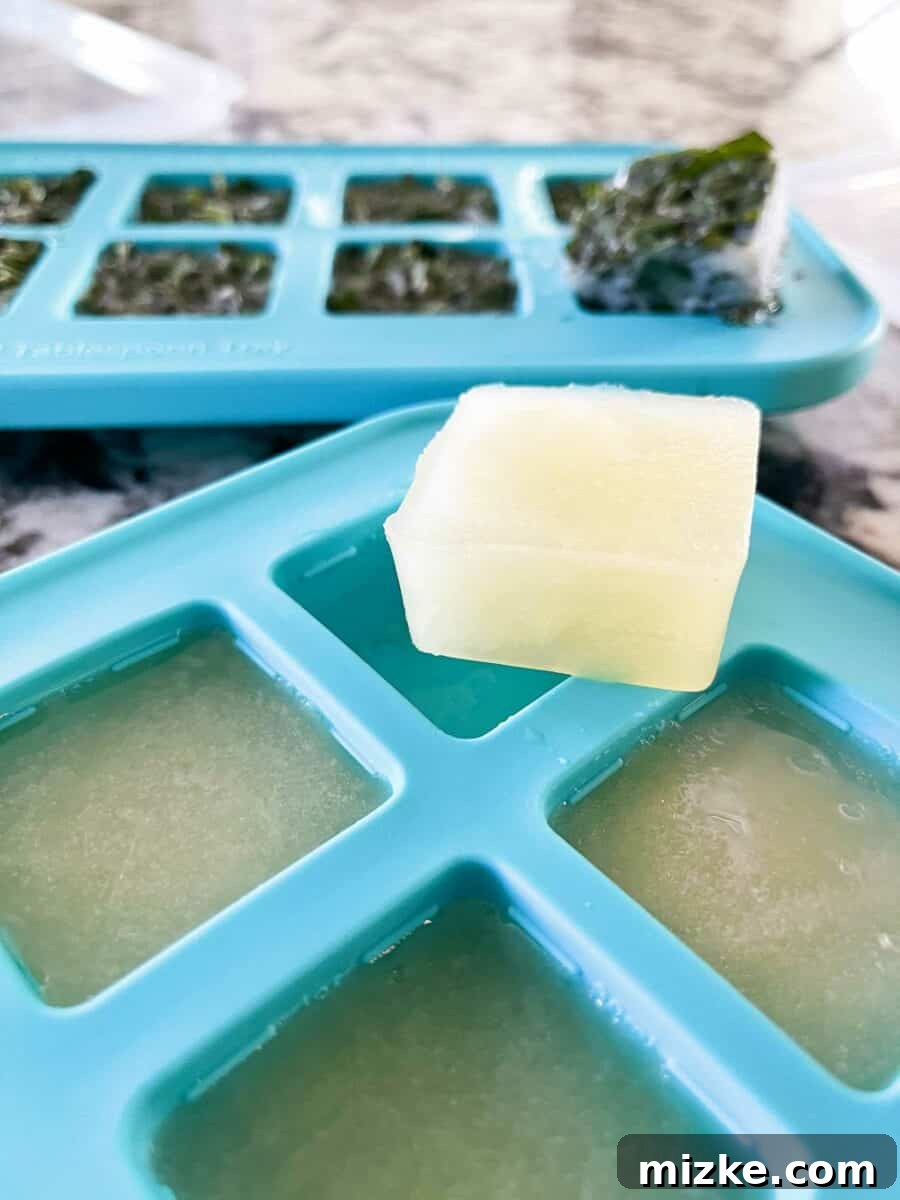
- Pour into Trays: Carefully pour the strained citrus juice into the individual compartments of an ice cube tray or, for even greater convenience and precise portioning, a specialized Souper Cube tray. Fill each cavity, remembering to leave a small amount of headspace at the top to account for the natural expansion of liquid as it freezes. For consistent and easy-to-measure portions, consider using trays with marked capacities, such as 1 or 2 tablespoon cubes, which are ideal for most recipes.
- Freeze Solid: Place the filled trays gently into your freezer, ensuring they are on a level surface to prevent any spillage. Allow the juice to freeze completely solid. This usually takes at least 4-6 hours, but leaving them overnight ensures they are fully frozen, stable, and ready for transfer to long-term storage, preventing any sticking or partial thawing.
Once frozen, your citrus juice cubes are perfectly prepared for efficient storage and future use, providing a burst of fresh flavor whenever your culinary inspiration strikes!
Essential Equipment for Freezing Success: Beyond the Ordinary Ice Tray
While a standard plastic ice cube tray will certainly get the job done for freezing herbs and citrus, investing in specialized equipment can significantly enhance your experience and the overall usability of your frozen ingredients. This is where innovative products like Souper Cubes truly shine, offering unparalleled convenience, precision, and efficiency in your kitchen, making preservation a truly enjoyable and streamlined process.
Souper Cubes are, quite frankly, a game-changer for anyone serious about freezing and meal prepping. These innovative silicone trays are meticulously designed with perfectly pre-measured cavities, making portion control absolutely effortless. Unlike rigid plastic trays that often require twisting, banging, or running under warm water to release their contents, Souper Cubes feature a remarkably flexible silicone construction that allows frozen contents to pop out with incredible ease. Simply let the tray sit on the counter for a mere five minutes after removing it from the freezer, and your perfectly shaped, frozen blocks will slide right out. This easy release feature is a major advantage, saving you from wrestling with stubborn ice or risking breakage, and preserving the integrity of your frozen portions.
I am such a firm believer in the utility and superior design of Souper Cubes that I’ve personally invested in several of their products, and while the link provided is an affiliate link (which means I may earn a small commission if you make a purchase through it, at no extra cost to you), this endorsement comes purely from genuine enthusiasm. This post is not sponsored; I simply cannot keep such a fantastic product a secret when it offers so much tangible value and convenience to fellow home cooks and meal preppers!
My personal collection includes the incredibly useful cookie tray (perfect for portioning out cookie dough for impromptu baking sessions or freezing individual portions of butter), the highly versatile 2-tablespoon tray (my absolute go-to for freezing perfectly measured herb and citrus cubes, ensuring precise quantities for any recipe), and the larger 1-cup tray (which is ideal for storing homemade soups, stews, bone broths, or pasta sauces, allowing me to easily retrieve single servings for quick meals). I was even delighted to receive a complimentary 1/2-cup tray from the company as a thoughtful thank you for my ongoing support and enthusiastic recommendations, which truly speaks volumes about their commitment to customer satisfaction and quality products.
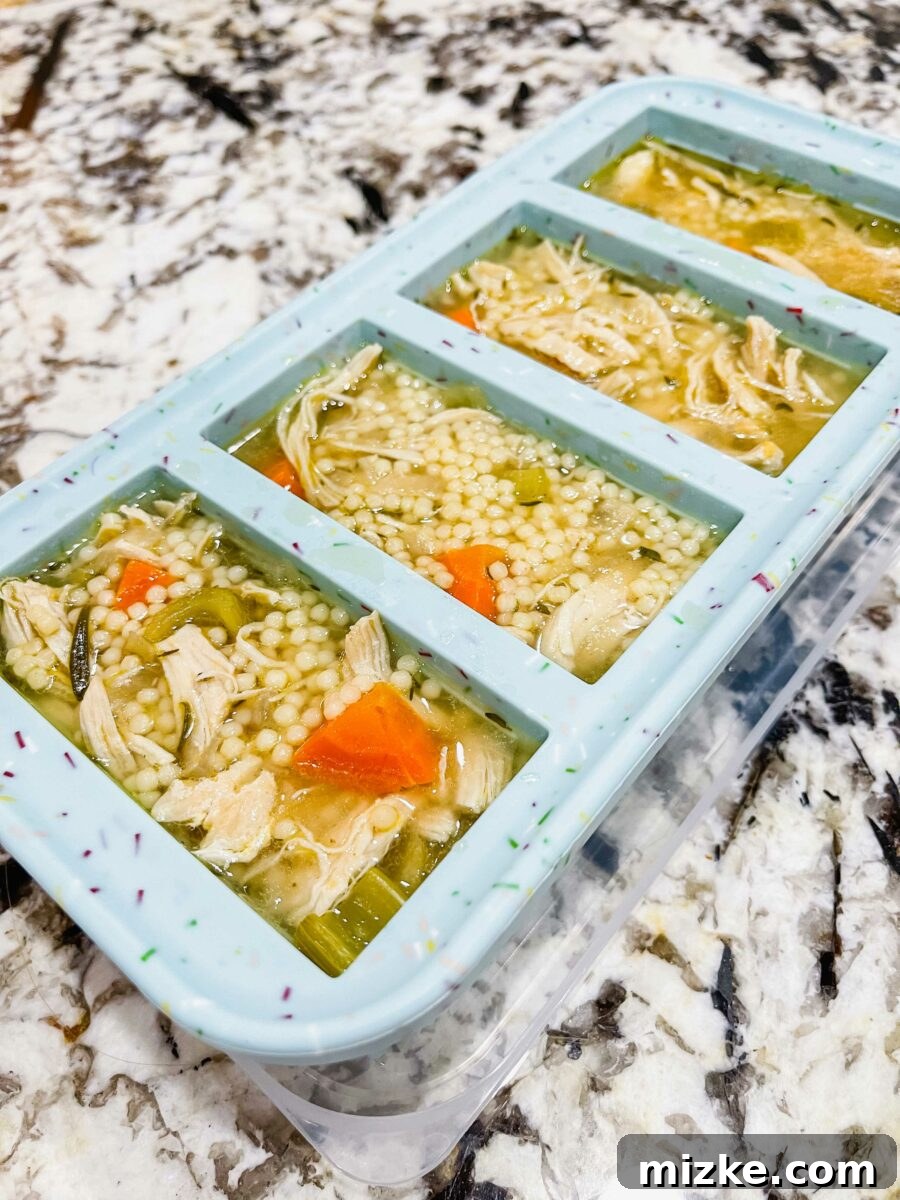
These trays aren’t just for herbs and citrus; their utility extends far beyond. They excel at freezing homemade chicken noodle soup, individual portions of bone broth, pasta sauce, baby food purees, leftover coffee (for iced coffee!), and so much more. The precise measurements mean you always know exactly how much you’re adding to your dish, eliminating guesswork and ensuring consistency in your recipes every time. While traditional ice cube trays are a functional starting point, the thoughtful design, superior durability, and exceptional user experience of Souper Cubes truly make them an invaluable, long-term addition to any kitchen dedicated to efficient meal prep, intelligent food preservation, and elevating the home cooking experience.
What Do You Do After They’re Frozen? Efficient Storage Solutions
Once your herb and citrus cubes are completely frozen solid in their trays, the next step is crucial for maximizing your valuable freezer space and maintaining impeccable organization. While you could certainly leave the cubes in the trays and retrieve them as needed, transferring them to proper, long-term storage containers offers several significant advantages, especially if you plan to use your freezing trays for other culinary purposes.
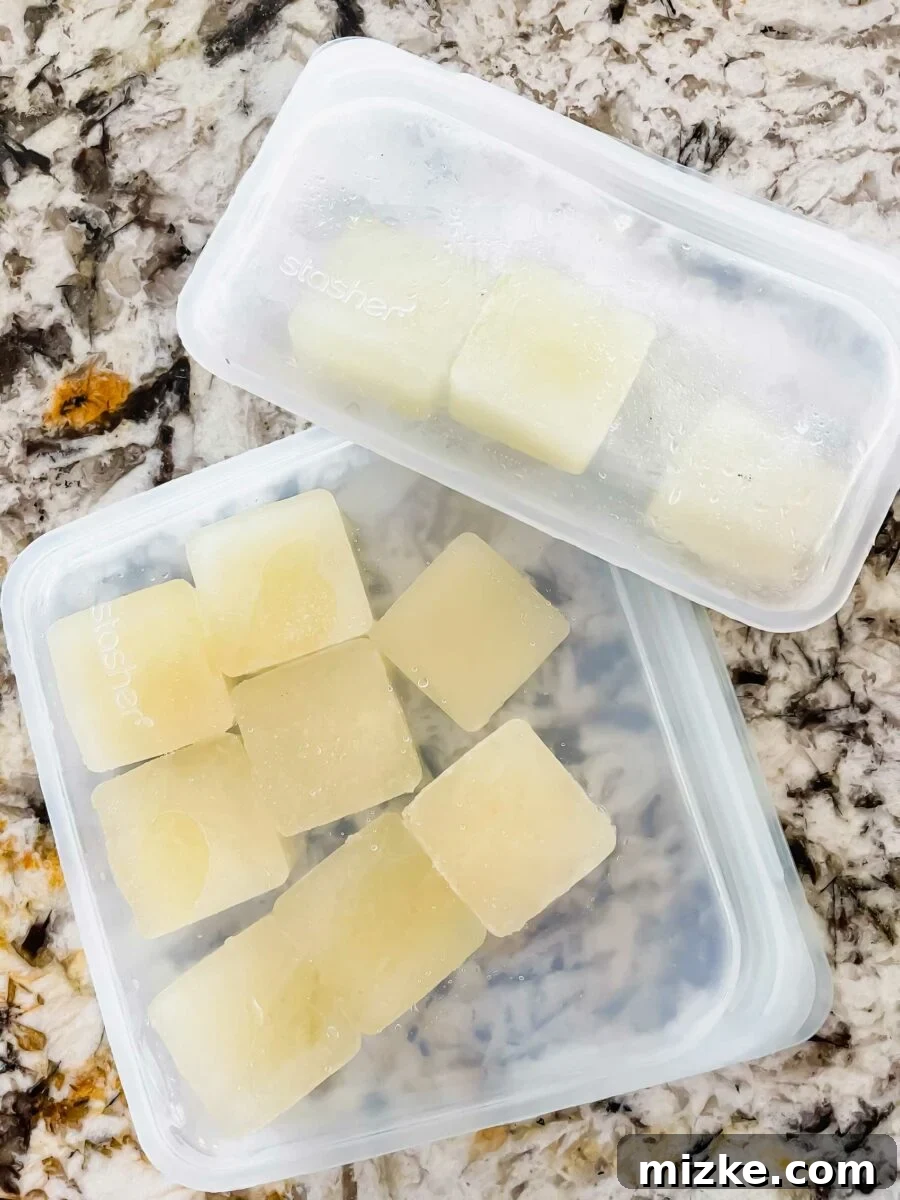
Transfer to Storage Bags: The most common and highly efficient method is to “pop out” the frozen cubes from their flexible silicone trays and transfer them into high-quality freezer-safe bags. It’s important to use bags specifically designed to withstand freezing temperatures and prevent freezer burn, as these offer superior protection. Once the cubes are in the bag, gently squeeze out as much air as possible before sealing it tightly. This creates a vacuum-like seal that further protects the contents from freezer burn, preserving their vibrant flavor, color, and quality for much longer periods. For optimal space-saving, lay the bag flat in the freezer initially until the cubes are fully settled, then store vertically once frozen solid to utilize vertical space efficiently.
Use Airtight Containers: Alternatively, you can opt to store the frozen cubes in durable, airtight, freezer-safe plastic containers or sturdy glass containers with tight-fitting lids. This method offers excellent protection from freezer burn and is a great option for those who prefer to avoid single-use plastic bags or simply have limited freezer bag supplies. Ensure the container is appropriately sized to minimize any air pockets surrounding the cubes, which can contribute to freezer burn.
Labeling is Key for Organization: Regardless of whether you choose freezer bags or containers, proper and clear labeling is absolutely essential for an organized and efficient freezer system. Clearly mark each package with the following vital information:
- Contents: Be specific. E.g., “Basil in Olive Oil,” “Lemon Juice,” “Chopped Cilantro & Lime Juice.”
- Date Frozen: This helps you accurately keep track of freshness and ensures that you use older items first, preventing anything from lingering too long.
- Quantity per Cube (Optional but Highly Recommended): If your trays have specific measurements (like 2 tablespoons per cube), noting this directly on the label adds another layer of invaluable convenience when you’re busy cooking, eliminating guesswork.
Freezer Organization: Once labeled, take a moment to arrange your frozen cubes in an organized and logical manner within your freezer. Consider using dedicated bins or zones for herbs and citrus to make them incredibly easy to locate at a glance. This systematic approach not only ensures that you can quickly find what you need but also helps to reduce the amount of time your freezer door is open, thereby maintaining consistent internal temperatures and improving energy efficiency.
By diligently following these comprehensive storage tips, your homemade frozen herb and citrus cubes will remain fresh, exquisitely flavorful, and readily available to elevate your cooking for many months to come, simultaneously allowing you to free up your trays for their next valuable use.
How Do You Use the Frozen Cubes? Unlocking Flavor in Your Dishes
The true brilliance of frozen herb and citrus cubes lies not just in their preservation, but in their incredible versatility and unparalleled ease of use. Integrating them into your daily cooking is wonderfully straightforward, and they can often be added directly to dishes, eliminating the need for tedious thawing in many cases. This sheer convenience makes them an indispensable part of any efficient and flavor-conscious kitchen, transforming meal prep.
For Herb Cubes (especially those frozen in oil):
When using your frozen herb cubes, particularly those lovingly preserved in oil, the process couldn’t be simpler: just drop them directly into whatever hot dish you’re preparing on the stovetop. The gentle heat from your simmering soup, hearty stew, rich sauce, sizzling stir-fry, or sautéed vegetables will quickly and gently melt the oil and herbs, seamlessly releasing their vibrant flavors and captivating aromas. There’s absolutely no need to thaw them beforehand! They will effortlessly integrate into your dish, infusing it with that coveted garden-fresh herb taste. For example, a basil cube can go straight into a bubbling tomato sauce, a rosemary cube directly into a roasting pan with root vegetables, or a cilantro cube into a pot of simmering chili. The small amount of oil will also contribute a subtle richness and gloss to your meal, enhancing its texture and overall appeal.
For Citrus Juice Cubes:
Frozen citrus juice cubes are equally versatile and simple to incorporate. They can be added directly to hot liquids like herbal teas or chicken broths for an instant zing, or even to cold beverages to instantly chill and flavor a glass of water, homemade lemonade, or a sophisticated cocktail. For dishes that demand precise measurements, such as baking delicate pastries or crafting intricate sauces, you might prefer to thaw the cube first to ensure accuracy. Simply place the frozen cube in a small prep bowl and let it melt at room temperature for a few minutes, or gently warm it using a microwave or a warm water bath. If you only need a portion of, say, a 2-tablespoon cube, you can melt it fully and then measure out the exact amount required, returning any unused portion to the fridge for immediate use within a day or two.
Here are some specific culinary ideas to help you unlock the full flavor potential of your frozen cubes:
- Soups & Stews: Drop in herb cubes (thyme, parsley, rosemary, bay leaf) or a lemon/lime cube for an instant burst of brightness and depth.
- Sauces & Dressings: Infuse vibrant flavor into homemade pasta sauces, vinaigrettes, marinades for meats, or a quick pan sauce for chicken.
- Stir-fries & Sautés: Add a burst of fresh herb or citrus flavor directly to your vegetables and proteins during the cooking process.
- Roasted Vegetables & Meats: Herb cubes can melt exquisitely over roasted potatoes, chicken, fish, or pork, creating a fragrant glaze.
- Baking: Use thawed citrus juice for delightful cakes, vibrant glazes, refreshing pie fillings, or even flavoring whipped cream.
- Beverages: Lemon or lime cubes are perfect for refreshing daily drinks, or mint cubes can elevate iced teas and mojitos.
- Compound Butters: Melt an herb cube into softened butter for a quick, homemade compound butter, ideal for spreading on bread or finishing steaks.
With these incredibly convenient frozen cubes at your disposal, you’ll always be just a moment away from adding fresh, vibrant, and perfectly balanced flavor to all your culinary creations, making your cooking more enjoyable, your meals more delicious, and your kitchen more efficient!
Conclusion: Savor the Flavor All Year Round
Embracing the simple yet powerful techniques of freezing fresh herbs and citrus is a truly transformative step for any home cook. It’s an incredibly effective way to not only combat pervasive food waste and save valuable money but also to significantly elevate the consistency, quality, and vibrant flavor profiles of your home-cooked meals throughout the entire year. No longer will you lament the wilting basil forgotten in the back of the fridge or the frustrating lack of fresh lemon juice precisely when a recipe demands it. Instead, your freezer will become an organized treasure trove of perfectly preserved, intensely vibrant flavors, ready to infuse your dishes with the glorious essence of summer, regardless of the actual season outside your window.
By investing just a little time upfront in the straightforward processes of chopping, juicing, and portioning your fresh ingredients, you unlock unparalleled culinary convenience that pays dividends for months to come. The benefits of this approach extend far beyond mere practicality; they offer the deep satisfaction of sustainable living, the joy of always having peak-fresh ingredients at your command, and the culinary confidence that comes with an effortlessly well-stocked kitchen. So, gather your favorite aromatic herbs, pick up some extra juicy citrus fruits from the market, and equip yourself with the right tools – whether a simple, functional ice cube tray or the ingeniously designed Souper Cubes. Start freezing today and embark on a delightful journey to discover how effortless and rewarding it is to bring gourmet-level flavor and a burst of fresh zest to every single meal you prepare, all year long!