
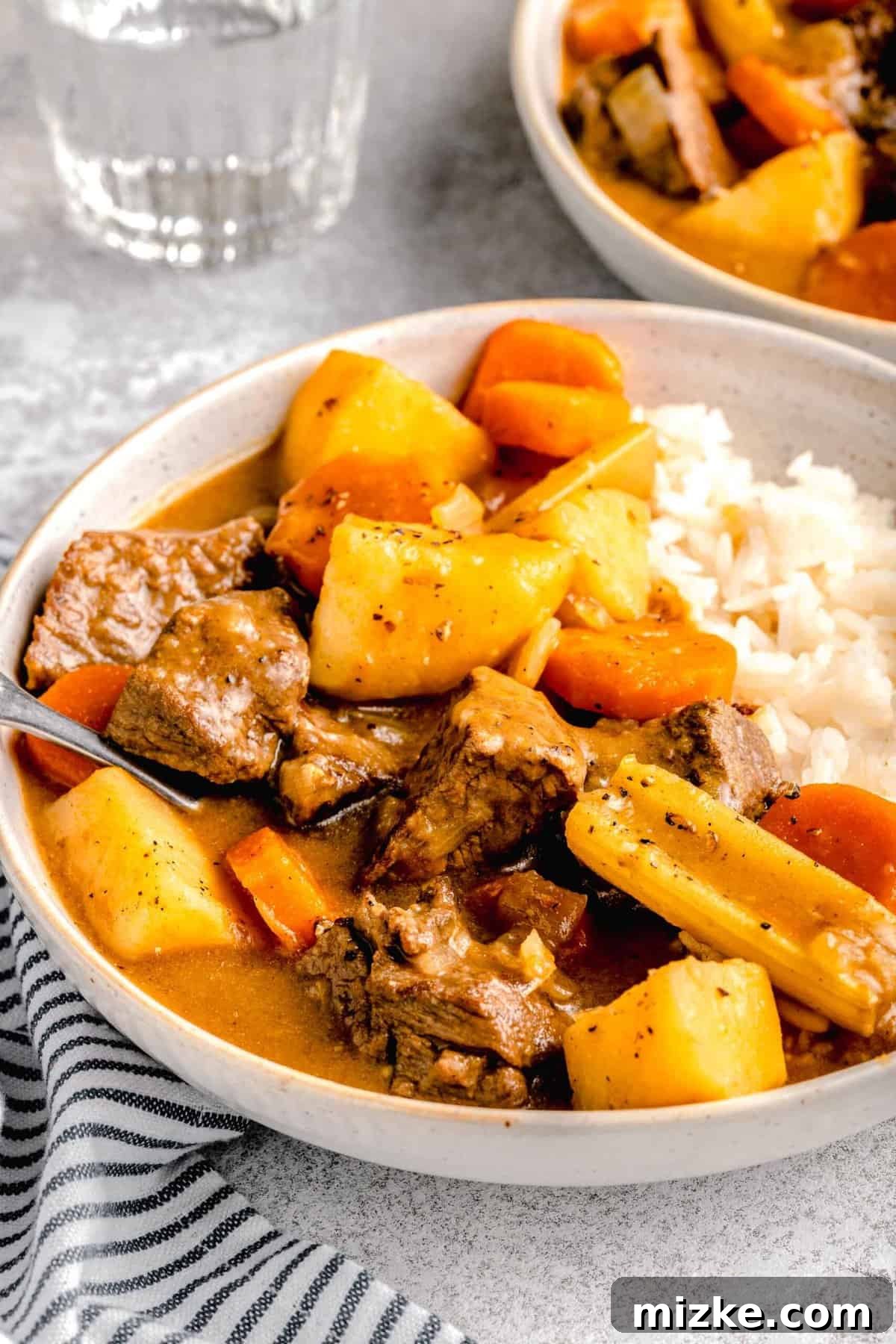
Experience the heart and soul of Japanese home cooking with this incredibly rich and satisfying Japanese Curry recipe. A true classic comfort food, this dish instantly transports me back to my childhood kitchen, filled with the aroma of warming spices. Its signature mild and subtly sweet flavors make it a universal crowd-pleaser, perfect for every member of the family, even the pickiest eaters. Crafted with readily available ingredients and a straightforward method, it’s an ideal meal for any weeknight. And the best part? Japanese curry only gets better with time, making the leftovers even more delectable and incredibly easy to reheat for a quick, wholesome meal.
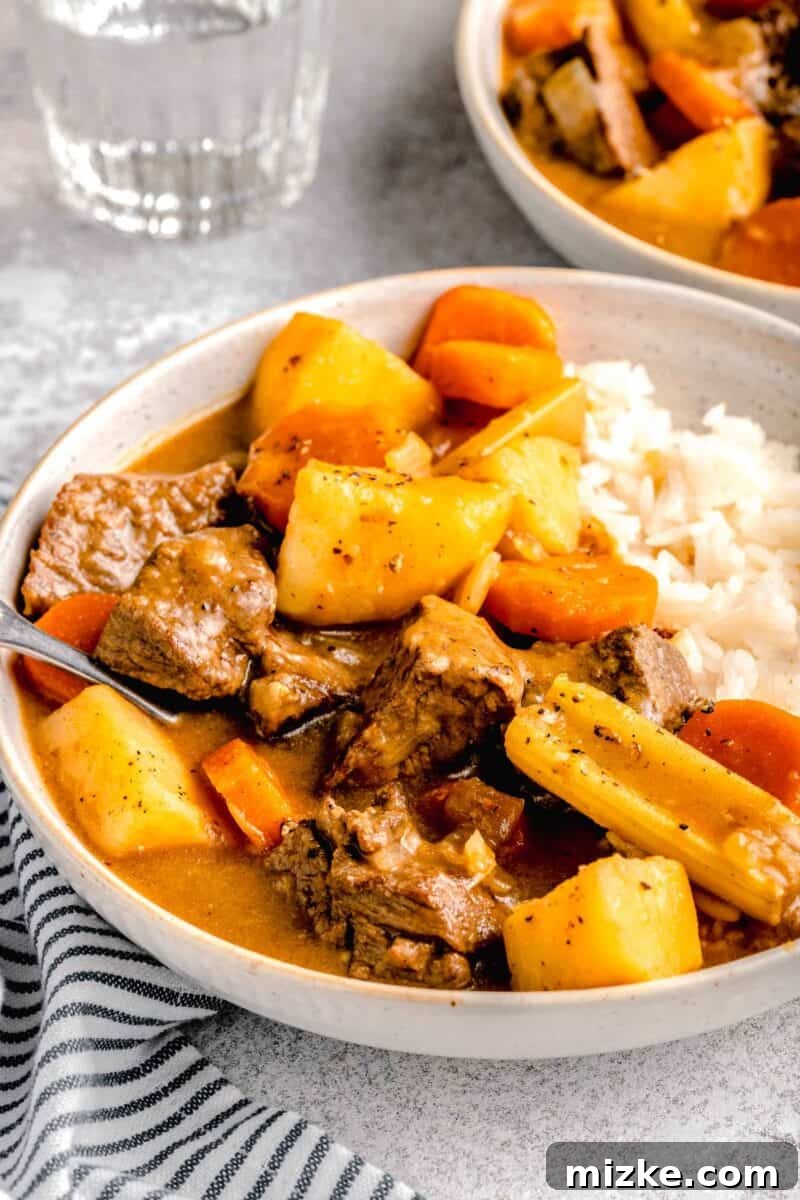
Japanese curry holds a special place in my heart, a culinary connection to my upbringing that few other dishes can rival. The moment its distinct, unique, and deeply rich aroma fills the kitchen, memories of home come flooding back. While you can find many interpretations, the truly authentic and profound flavor only emerges when crafted with care from scratch, following traditional methods. This particular recipe for Japanese curry is a cherished family heirloom, passed down from my mother, who perfected it over decades. I’m incredibly excited to share this piece of my culinary heritage with you, so you too can create these comforting memories in your own home.
Honestly, if I had to pinpoint one dish that encapsulates my childhood and my mother’s nurturing love, it would undoubtedly be this robust Japanese curry. She prepared it frequently, yet my brother and I never tired of it – such was its undeniable deliciousness. In fact, given any opportunity to choose our dinner, Japanese curry was always our top request. Even during our college years, returning home often meant a special request for this hearty stew, and we’d always pack generous portions of leftovers to bring back to school, making our dorm life a little more flavorful and comforting.
Recognizing its timeless appeal and my lifelong desire to recreate that warmth, I finally asked my mom to teach me her exact technique. I knew this was a dish I would make for generations to come. It truly embodies the essence of classic comfort food for me. Beyond its incredible taste, it yields a substantial amount, ensuring there’s plenty to go around. And here’s a secret: the leftovers are simply outstanding. While some dishes lose their appeal the next day, this curry magically transforms, with flavors deepening and meld into an even more spectacular experience. We always serve it generously over a fluffy bed of white rice, allowing the luxurious, thick sauce to coat every grain – a rich, savory embrace that is, without a doubt, one of the best parts of the meal. I always make sure to ladle on extra!
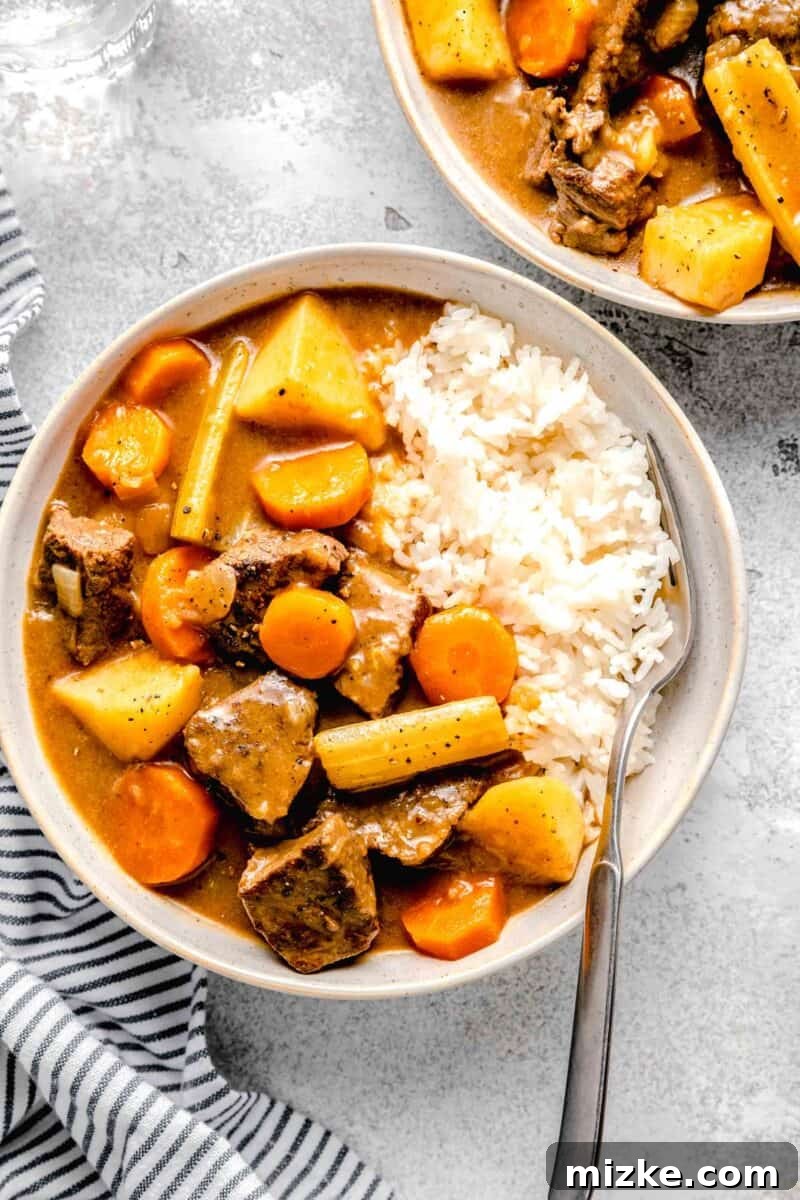
What is Japanese Curry? Exploring a Beloved Comfort Dish
Japanese curry, known in Japan as karē raisu (curry rice), stands apart from its Indian or Thai counterparts with its distinctive thick, rich, and stew-like consistency. Unlike the thinner, spicier, and often more aromatic curries of other Asian cuisines, Japanese curry typically presents a hearty, gravy-like sauce. This beloved dish commonly features a medley of tender, slow-cooked protein, most often beef or chicken, alongside robust vegetables like carrots, onions, and potatoes. These ingredients are simmered until incredibly tender, absorbing the complex flavors of the curry roux. The entire flavorful concoction is then served generously over a plate of steaming white rice, creating a deeply satisfying and wholesome meal.
While the core components remain consistent, Japanese curry offers a wonderful degree of flexibility. Different regions and individual households often introduce subtle variations, adding their unique touch. For instance, my mother always included celery in her curry, a personal touch that has since become a cherished part of our family recipe, and one that I continue to incorporate. These minor adaptations contribute to the rich tapestry of Japanese culinary tradition, making each home-cooked pot of curry a unique expression of flavor and heritage.
The Rich History of Japanese Curry: From Foreign Import to National Dish
The fascinating journey of curry to Japan began in the late 19th century, during the Meiji era. It wasn’t an indigenous Japanese creation but was introduced by the British, who themselves had adopted curry from India during their colonial rule. British officers and sailors brought this flavorful spice mix to Japan, where it was initially perceived as a Western dish due to its European origins. Early Japanese adaptations, influenced by Western cuisine, often incorporated it into stews or served it with rice.
Over time, the Japanese people ingeniously adapted curry to suit their own palate and culinary traditions, transforming it into a uniquely Japanese dish. They christened it karē raisu, meaning “curry rice,” and it quickly gained immense popularity. A pivotal moment in its widespread adoption came with the introduction of instant curry roux blocks by companies like S&B Foods. These convenient blocks, which are essentially a concentrated blend of spices, flour, and fats, made it incredibly easy for anyone to prepare delicious Japanese curry at home. S&B Golden Curry, in particular, remains a household name and a personal favorite of mine for its consistently delicious flavor and ease of use.
Today, Japanese curry is more than just a meal; it’s a staple of Japanese cuisine and culture, deeply ingrained in daily life. It’s a common fixture in school lunches, restaurant menus, and home kitchens across the nation. Its popularity has also extended far beyond Japan’s borders, finding a warm reception in many other countries around the world, particularly across Asia. This global reach explains why my parents, who hail from Taiwan, regularly incorporate Japanese curry into their family meals – a testament to its universal appeal and delicious simplicity.
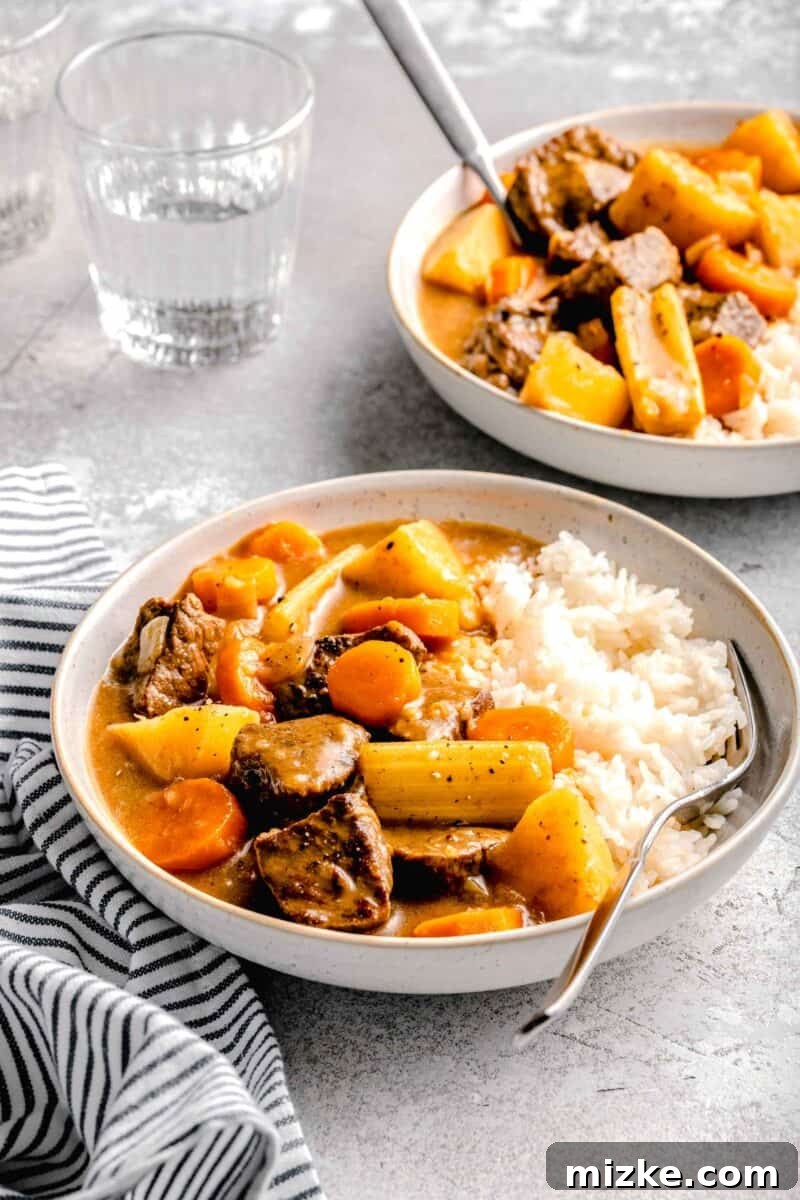
What Does Japanese Curry Taste Like? A Symphony of Mild & Savory Flavors
Describing the distinct flavor of Japanese curry is a delightful challenge, as it truly possesses a unique character that sets it apart. Unlike the fiery heat often associated with Indian or Thai curries, Japanese curry leans more towards a harmonious balance of sweet and savory notes. It’s not about overwhelming spice; rather, it delivers a comforting warmth, much like a gentle, embracing hug from the inside out. The spices are mild, aromatic, and deeply integrated, creating a rich umami depth without any harshness.
The texture is thick and velvety, reminiscent of a hearty stew or gravy, providing a wonderfully satisfying mouthfeel. This smooth, mellow profile makes it exceptionally kid-friendly and appealing to those who prefer less spicy fare. Unless you specifically choose “hot” curry cubes, the standard Japanese curry is incredibly mild and approachable, making it a perfect entry point into the world of curry for many. It’s a flavor that is both familiar and exotic, comforting and exciting, all at once.
Essential Ingredients for Your Authentic Japanese Curry
Crafting the perfect Japanese curry begins with selecting the right ingredients. Each component plays a vital role in achieving that rich, comforting flavor and texture. Here’s what you’ll need to gather:
- Chuck Roast: The Secret to Tender Beef – This is arguably the most crucial ingredient for a beef-based Japanese curry. Chuck roast, when slow-cooked, breaks down beautifully, yielding incredibly tender, melt-in-your-mouth pieces of beef. It’s essential to choose this specific cut. Avoid generic “beef stew cubes” often found pre-packaged in stores; these cuts can be tough and chewy, ruining the texture of your curry. Trust me, I’ve made that mistake! If you’re unsure, don’t hesitate to ask your butcher for a good quality chuck roast.
- Onion: The Sweet Foundation – Diced onions caramelize during cooking, forming a sweet and aromatic base for the curry, deepening its overall flavor profile.
- Potatoes: Hearty and Absorbent – Large potatoes, quartered, become wonderfully tender and absorb the rich curry sauce, adding substance and comfort to the dish.
- Carrots: Natural Sweetness and Color – Sliced into thick rounds, carrots contribute a natural sweetness and vibrant color, complementing the savory notes of the curry.
- Celery: A Unique Aromatic (Optional, but Recommended!) – While perhaps not strictly traditional in all Japanese curry variations, my mom’s recipe (and therefore mine!) includes celery stalks. Cut into two-inch pieces, they add a subtle, refreshing aromatic note and a pleasant textural contrast that we’ve grown to love.
- Beef Stock/Broth: The Flavorful Liquid Base – Use a good quality low-sodium beef stock or broth. This is important because curry cubes already contain a significant amount of salt. Using low-sodium liquid allows you to control the seasoning precisely, preventing the final dish from becoming overly salty.
- Japanese Curry Cubes: The Heart of the Flavor – These convenient roux blocks are the magic behind the signature Japanese curry taste and thick consistency. They are a blend of spices, flour, and fats, dissolving to create a rich, savory sauce.
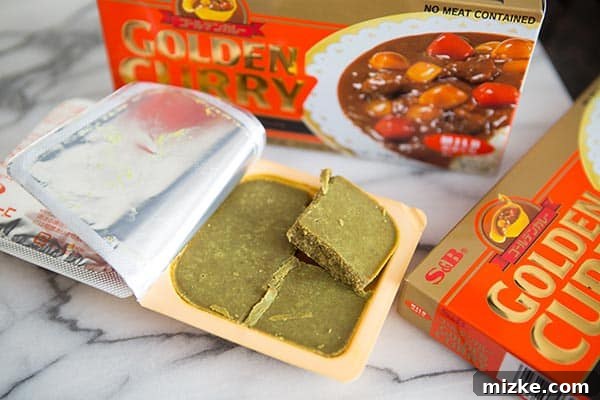
Understanding Japanese Curry Cubes (Roux Blocks)
Japanese curry cubes, often referred to as roux blocks, are the cornerstone of quick and authentic homemade Japanese curry. The most popular brand, and my personal favorite, is S&B Golden Curry. These cubes come in a convenient package, typically containing several smaller blocks that you break apart. They are available in various levels of heat: mild, medium, and hot. For a truly family-friendly dish, especially one enjoyed by children, the mild variety is absolutely perfect and widely used.
Finding these curry cubes is usually quite easy; check the Asian aisle of your local grocery store. If they’re not available locally, you can readily order them online through platforms like Amazon. For those who prefer the satisfaction of crafting everything from scratch, making your own curry roux is a rewarding endeavor. “Just One Cookbook” offers a fantastic recipe for homemade curry roux, which essentially replicates the concentrated flavor and thickening power of these convenient cubes. However, for sheer convenience and consistent deliciousness, the cubes are unbeatable – it’s how my mom always made it, and it’s a common practice in many Japanese households for a reason!
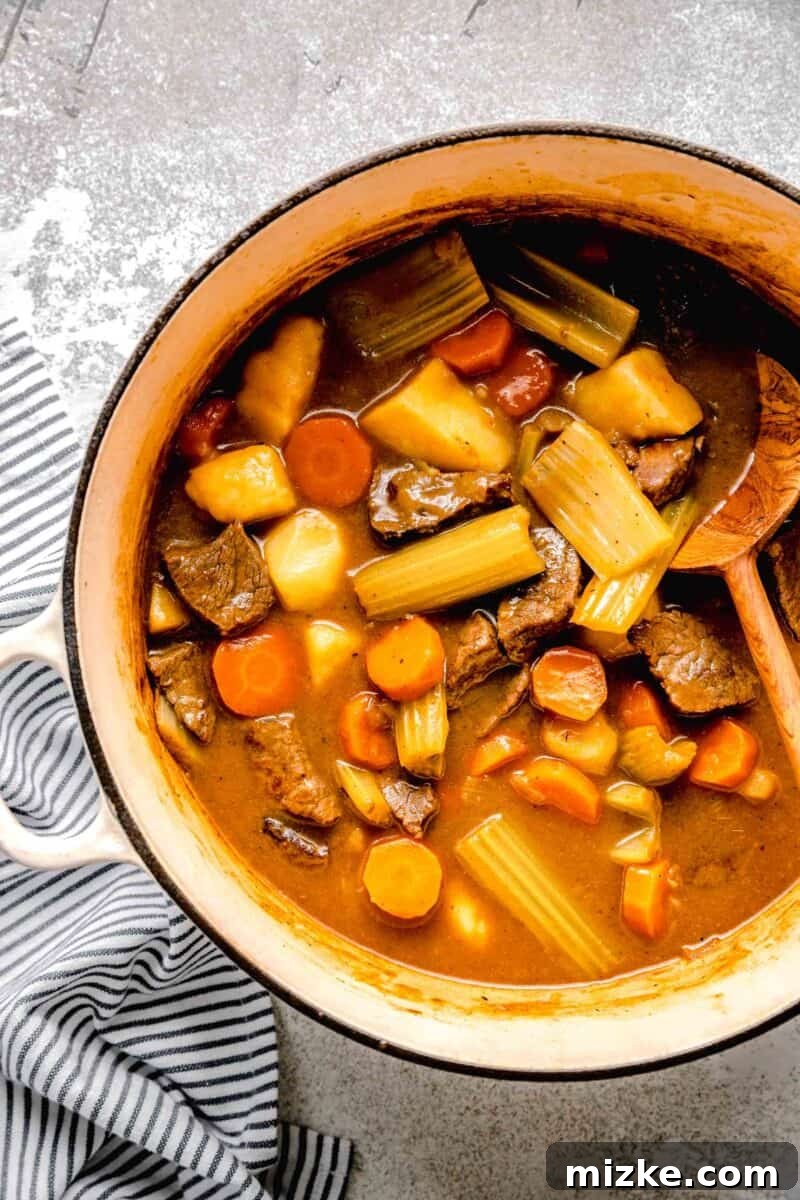
How to Make Authentic Japanese Curry: Step-by-Step Guide
Creating this comforting Japanese curry is a straightforward process that yields incredible results. Follow these simple steps for a truly delicious homemade meal:
Step 1: Sear and Brown the Meat for Deep Flavor
Begin by heating a large, heavy-bottomed pot or Dutch oven over medium-high heat. Add a tablespoon of olive oil. Once shimmering, add your seasoned chuck roast cubes. Sear the meat on two sides until they develop a beautiful, deep brown crust. This crucial step, known as the Maillard reaction, creates rich, complex flavors that will deepen the overall taste of your curry. Do not cook the meat all the way through; we are simply browning the exterior. Remove the seared beef from the pot and set it aside on a plate.
Step 2: Sauté the Aromatic Vegetables
Using the same pot, without cleaning it (those browned bits on the bottom are pure flavor!), add the diced onions. Sauté them over medium heat for about 2-3 minutes, stirring frequently, until they soften and become translucent. Next, add the quartered potatoes, sliced carrots, and celery pieces. Continue to cook these vegetables for another 5-7 minutes, stirring occasionally, allowing them to slightly soften and absorb the flavors from the pot.
Step 3: Combine with Liquid and Curry Cubes
Pour in the low-sodium beef broth, starting with about 2 ½ cups, ensuring it adequately covers the vegetables and any remaining bits on the bottom of the pot. Bring the mixture to a gentle boil. Once boiling, reduce the heat slightly and add the Japanese curry cubes directly into the simmering liquid. There’s no need to pre-dissolve them; they will break down and melt into the sauce as they cook. Return the seared chuck roast back into the pot with the vegetables and liquid.
Step 4: Simmer to Perfection
Once the mixture returns to a boil, give it a good stir to ensure the curry cubes are dissolving evenly and the ingredients are well combined. Reduce the heat to a low simmer, then cover the pot with a lid. Allow the curry to gently simmer for 30-40 minutes. During this time, the chuck roast will become incredibly tender, the vegetables will soften, and the sauce will thicken beautifully into its characteristic stew-like consistency. Check the consistency periodically; if it becomes too thick for your liking, you can always add a little more beef stock or water to thin it out. We personally prefer a thicker, richer curry.
Step 5: Season and Serve
Taste the curry and season generously with salt and pepper as needed. Remember, the curry cubes already contribute some salt, so adjust carefully to your preference. Once perfectly seasoned, spoon the hot, rich Japanese curry over a generous bed of fluffy white rice. Enjoy this comforting and deeply flavorful meal!
Tips for a Perfectly Delicious Japanese Curry Every Time
Achieving that authentic, comforting Japanese curry experience is simple with a few key tips:
- Quality Meat Matters: As mentioned, chuck roast is king for tender beef curry. Don’t skimp on this! If using chicken, opt for boneless, skinless thighs for maximum flavor and tenderness.
- Don’t Rush the Sear: A good sear on the meat builds a strong flavor foundation. Let the meat develop a dark brown crust before removing it from the pot.
- Deglaze for Flavor: After searing the meat, the brown bits (fond) left at the bottom of the pot are packed with flavor. When you add the onions and then the broth, scrape these bits up – they will dissolve into the sauce and add incredible depth.
- Adjust Liquid as Needed: The thickness of the curry is a matter of personal preference. Don’t be afraid to add a little more beef stock or water during simmering if you prefer a thinner sauce, or let it simmer uncovered for a few extra minutes if you like it thicker.
- Resting Period: Like many stews, Japanese curry often tastes even better the next day. The flavors meld and deepen overnight, making it a fantastic meal prep option.
Creative Variations and Customizations for Your Japanese Curry
While the classic recipe is undeniably delicious, Japanese curry is wonderfully adaptable. Feel free to experiment and make it your own!
- Protein Alternatives: Instead of beef, try cubed boneless, skinless chicken thighs or pork shoulder. For a vegetarian option, firm tofu, tempeh, or a mix of hearty mushrooms can create a satisfying base.
- Add More Vegetables: Beyond the traditional carrots, potatoes, and onions (and my mom’s celery!), consider adding broccoli florets, bell peppers, green beans, or even spinach towards the end of the cooking process for extra nutrients and color.
- Sweetness Boost: A grated apple or a dollop of honey added during simmering can enhance the curry’s characteristic sweetness.
- Spice it Up: If the mild cubes aren’t enough, opt for medium or hot curry cubes. You can also add a dash of cayenne pepper or Japanese shichimi togarashi (seven-spice blend) at the table for an extra kick.
- Toppings Galore: Elevate your curry with traditional Japanese toppings. Think fukujinzuke (pickled daikon, eggplant, lotus root), rakkyo (pickled shallots), a soft-boiled egg (ajitsuke tamago), or a sprinkle of chopped scallions. For a truly indulgent meal, serve it with crispy Chicken Katsu on top for a Katsu Curry experience!
Common Questions About Japanese Curry
Here are answers to some frequently asked questions about this delightful dish:
- What else can I put in Japanese curry? Typically, Japanese curry features a protein (beef or chicken are most common) and root vegetables such as onions, carrots, and potatoes. As our family recipe shows, you can certainly customize it with additions like celery. To experience the most authentic core flavor first, it’s best to stick to these classic ingredients before experimenting with too many different add-ins.
- Is Japanese curry spicy? Generally, no. Most Japanese curry is quite mild and features a warm, aromatic spice profile rather than a fiery heat. However, if you purchase curry cubes labeled “medium” or “hot,” it will indeed have a noticeable kick.
- Can I make Japanese curry vegetarian? Absolutely! Simply omit the meat and use vegetable broth instead of beef stock. You can replace the meat with hearty vegetables like mushrooms, eggplant, bell peppers, or even firm tofu for a delicious vegetarian option.
- What’s the best brand of Japanese curry cubes? S&B Golden Curry is by far the most popular and widely recognized brand, and it’s what I personally use and recommend for its consistent quality and flavor. Other good brands include Vermont Curry and Java Curry.
Storage and Reheating Instructions for Japanese Curry
One of the many benefits of Japanese curry is how wonderfully it keeps, and often, how its flavors improve over time! Store any leftover curry in an airtight container in the refrigerator for up to five days. The spices and ingredients meld together even further, creating an even richer and more complex taste.
To reheat, you can use either the stovetop or the microwave. On the stovetop, gently warm the curry over medium-low heat, stirring occasionally, until it’s heated through. In the microwave, heat in 1-2 minute intervals, stirring between each, until hot. If you find the mixture has thickened too much during storage, simply add a little more beef broth or water to achieve your desired consistency before reheating.
More Japanese Recipe Inspiration
If you’ve enjoyed this Japanese curry, you might love exploring other fantastic Japanese dishes:
- Chicken Katsu – Crispy fried chicken cutlets, perfect with curry!
- Strawberry Sponge Cake – A delightful and light Japanese dessert.
- Udon Noodle Soup – A comforting and hearty noodle dish.
Japanese Curry Recipe Card
This deliciously authentic Japanese curry is simple enough to make on any given night. It’s made with mostly mild and sweet flavors, making it pleasing for everyone in the family!
Prep Time: 15 minutes
Cook Time: 40 minutes
Total Time: 55 minutes
Yields: 6 servings
Equipment
- Dutch oven
Ingredients
- 1 pound (454 g) cubed chuck roast, seasoned with salt and pepper
- 1 onion, diced
- 2 large potatoes, quartered into 1-inch quarters
- 3 large carrots, sliced into thick rounds
- 3 celery stalks, cut into 2-inch long pieces (optional, but highly recommended for our family recipe!)
- 2 ½ – 3 cups (approx. 1301 ml) low-sodium beef stock or broth
- 2 Japanese curry cubes (from a standard S&B Golden Curry pack, see notes below)
- Salt and pepper, to taste
Instructions
- In a large heavy-bottomed pan, such as a Dutch oven, heat up 1 tablespoon of olive oil over medium-high heat. Brown the cubed chuck roast on all sides, creating a crust but not cooking through. Remove from the pan and set aside on a plate.
- In the same pan, add the diced onion and sauté until softened, about 2-3 minutes.
- Add the quartered potatoes, sliced carrots, and celery stalks to the pan. Cook for 5-7 minutes, stirring occasionally. Pour in 2 ½ cups of low-sodium beef stock or broth, ensuring it mostly covers the vegetables. Bring the mixture to a boil.
- Once boiling, add the 2 Japanese curry cubes directly into the simmering liquid. Stir until they begin to dissolve. Return the browned chuck roast to the pot. Once the mixture returns to a boil, stir again, then cover and reduce heat to a low simmer. Let it simmer for 30-40 minutes, or until the meat is tender and the sauce has thickened to your desired consistency. If the sauce becomes too thick, add more beef stock or water.
- Taste and season with salt and pepper as needed.
- Serve generously over a bed of fluffy white rice.
Notes
Choosing Your Meat: The success of this curry heavily relies on using the correct cut of meat. Chuck roast is essential for achieving tender, fall-apart beef. Avoid pre-cut “beef stew cubes,” which are often from tougher cuts and will result in a chewy, undesirable texture. Always opt for chuck roast and cube it yourself, or ask your butcher for assistance.
Understanding Curry Cubes: A standard package of Japanese curry roux (like S&B Golden Curry) typically contains 8 smaller cubes, divided into two blocks of four. When the recipe calls for “2 curry cubes,” it refers to two of these individual smaller cubes. If you’re considering making your own curry roux from scratch, roughly 2 individual cubes would translate to about 2 tablespoons of homemade roux, though this is an approximation as homemade roux can vary.
Nutrition Information (Approximate)
Please note: This information is provided for convenience only. Nutritional values can vary based on specific ingredients and preparation methods. For precise data, consult a professional nutrition calculator using the exact components of your dish.
- Serving: 1 serving
- Calories: 239 kcal
- Carbohydrates: 20 g
- Protein: 21 g
- Fat: 9 g
- Saturated Fat: 4 g
- Polyunsaturated Fat: 1 g
- Monounsaturated Fat: 5 g
- Trans Fat: 1 g
- Cholesterol: 52 mg
- Sodium: 524 mg
- Potassium: 1086 mg
- Fiber: 3 g
- Sugar: 4 g
Photography by Eat Love Eats