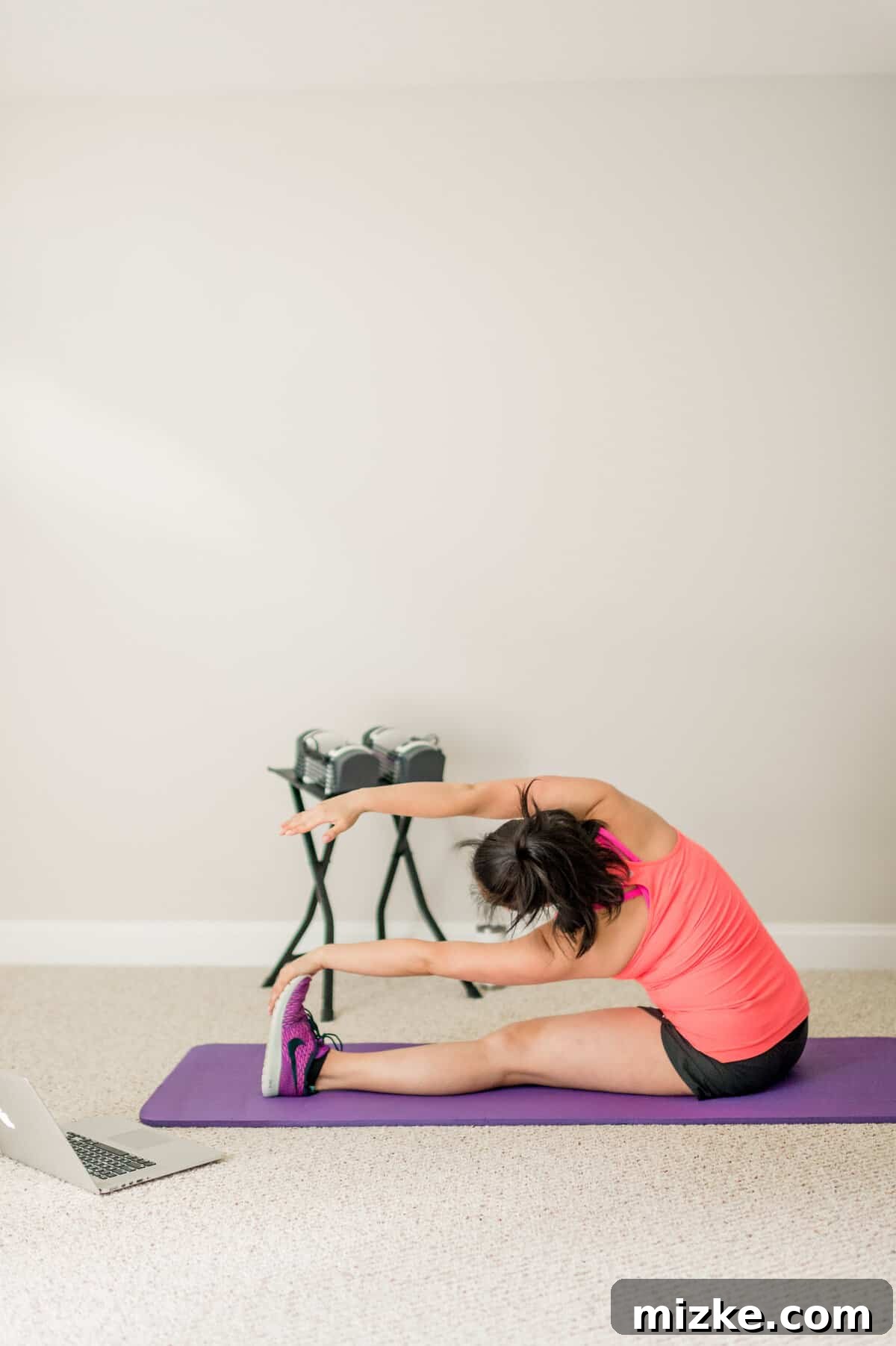
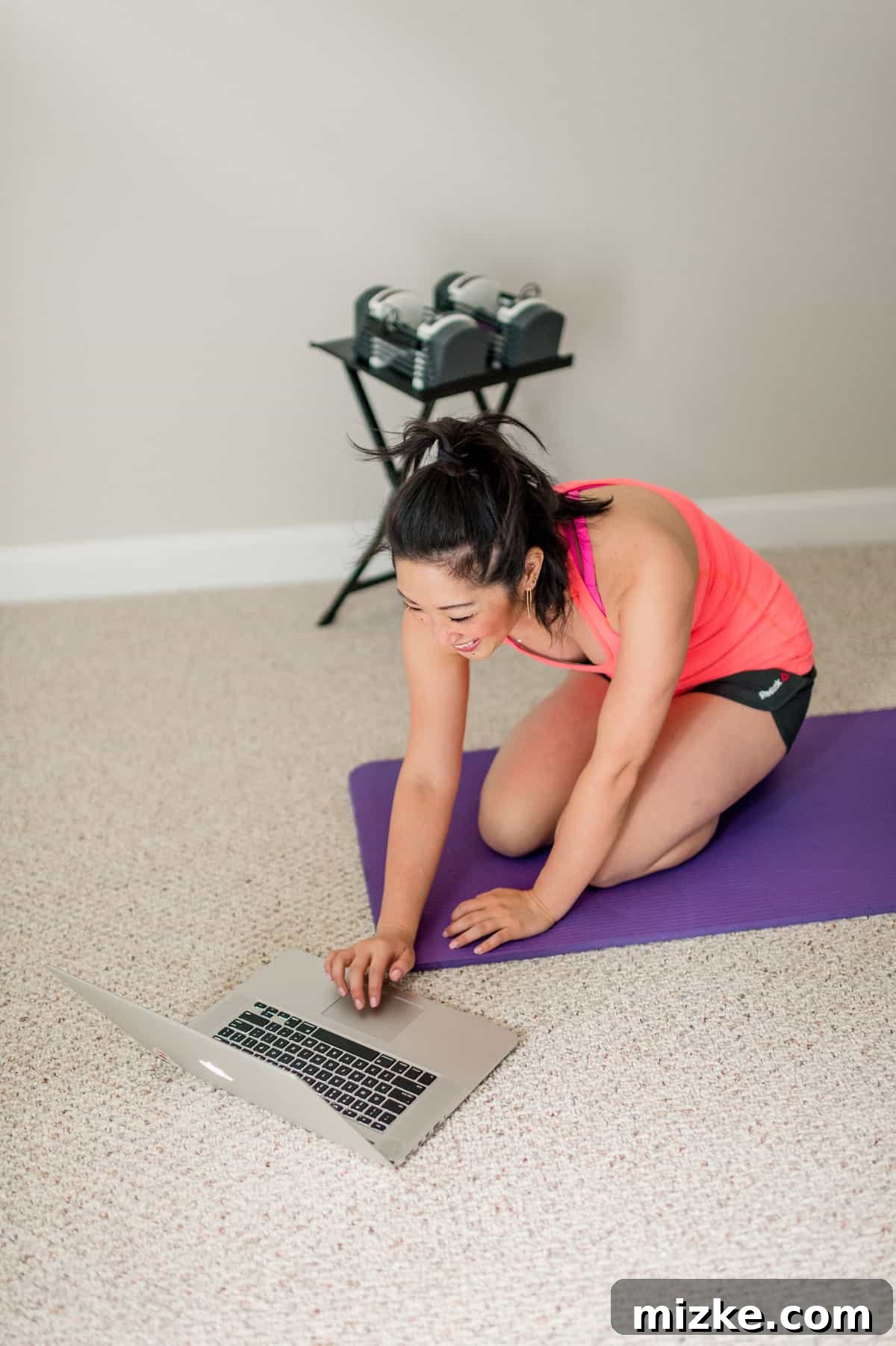
I’m genuinely thrilled to delve into a topic that has profoundly reshaped my life: the world of home workouts. For over a year now, I’ve embraced a fitness routine from the comfort of my own space, and while many of you know I made the switch, I haven’t fully articulated the compelling reasons why I made this significant change.
Beyond sharing my personal journey, I’m eager to provide actionable insights on how to cultivate and sustain motivation for exercising at home. I understand the skepticism; the idea of ditching the couch for a sweat session in your living room can seem daunting. However, I assure you, it’s far more achievable than it appears. I was once in that very skeptical position, and I’ve emerged on the other side with a newfound passion for accessible fitness.
Why Home Workouts Became My Ultimate Fitness Solution
My fitness past was deeply entrenched in the studio scene. To put it plainly, I was a dedicated patron of almost every studio workout imaginable. From the precise movements of Pure Barre to the high-intensity intervals of [solidcore] and OrangeTheory Fitness, alongside the rhythmic energy of SoulCycle and Zengo Cycle, and the foundational strength of Barre Method—I tried them all. Each promised a unique path to fitness, yet none truly delivered on what my body and lifestyle needed.
The transition away from these popular studios wasn’t impulsive; it was a realization stemming from three critical issues:
- Lack of Desired Results: Despite consistent attendance and significant financial investment, I wasn’t seeing the physical changes I craved. Each studio offered a specific modality, but none seemed to provide the comprehensive, balanced workout regimen that genuinely resonated with my body’s requirements for strength, endurance, and overall well-being.
- Exorbitant Costs: Studio memberships are undeniably expensive. What started as an exciting exploration quickly became a substantial monthly drain on my finances. The cumulative cost over months and years could easily rival a luxury item, making it an unsustainable long-term solution for my budget.
- The Commute Conundrum: Perhaps one of the most unexpected but potent motivators for change was the sheer dread of leaving my house. Living in Northern Virginia, traffic is an inescapable reality, often turning a 15-minute drive into a frustrating hour-long ordeal. If there’s a way to reclaim that lost time and avoid the stress of gridlock, I will wholeheartedly embrace it.
My journey to home fitness wasn’t immediate. Before moving to our new house, I had a monthly Pure Barre membership. I’d ventured away to explore other studios but always found myself returning to barre. The definitive break came with our relocation. The local barre studio in our new town couldn’t honor the discounted rate I had at my previous location. While I understood their policy—franchises are independently owned—it was a blessing in disguise. It effectively freed up $169 each month, a saving that immediately made me re-evaluate my approach to fitness.
Exercise is not merely a choice for me; it’s a fundamental craving, an integral part of my daily rhythm. Missing a day leaves me feeling sluggish and mentally off-kilter. More importantly, it’s a powerful cornerstone of my mental health. The endorphin rush, the sense of accomplishment, and the clarity I gain after every workout, even a short 15-minute session, are invaluable. I exercise to maintain physical fitness, certainly, but also because it reliably uplifts my mood and sets a positive tone for my day. And yes, a little part of me exercises so I can enjoy my food guilt-free – half kidding, of course!
Discovering Fitness Blender: A Game-Changer for At-Home Exercise
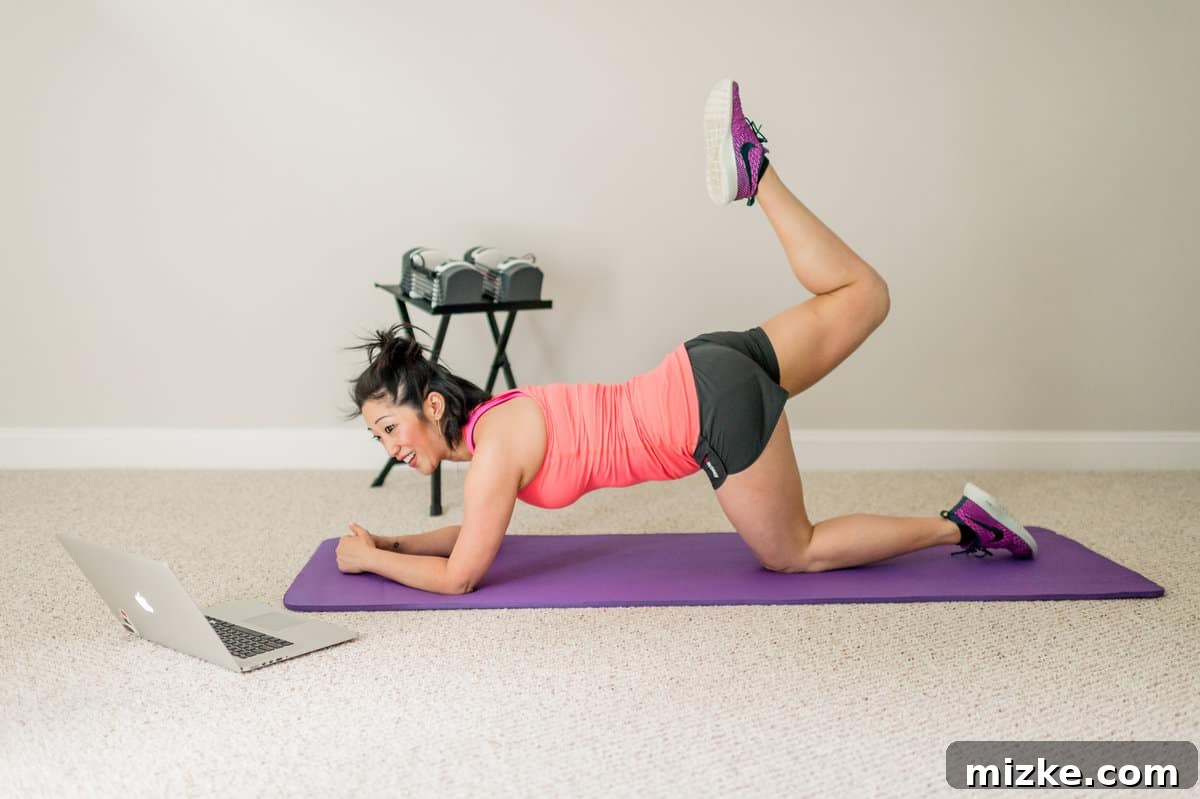
I had occasionally dabbled with Fitness Blender workouts in the past, appreciating their incredible value: they are 100% free. However, in our previous home, dedicated workout space was limited, and with an active barre membership, I didn’t fully commit to at-home routines. The forced shift, brought about by our move and the subsequent cancellation of my studio membership, was the catalyst I needed to give Fitness Blender a serious shot.
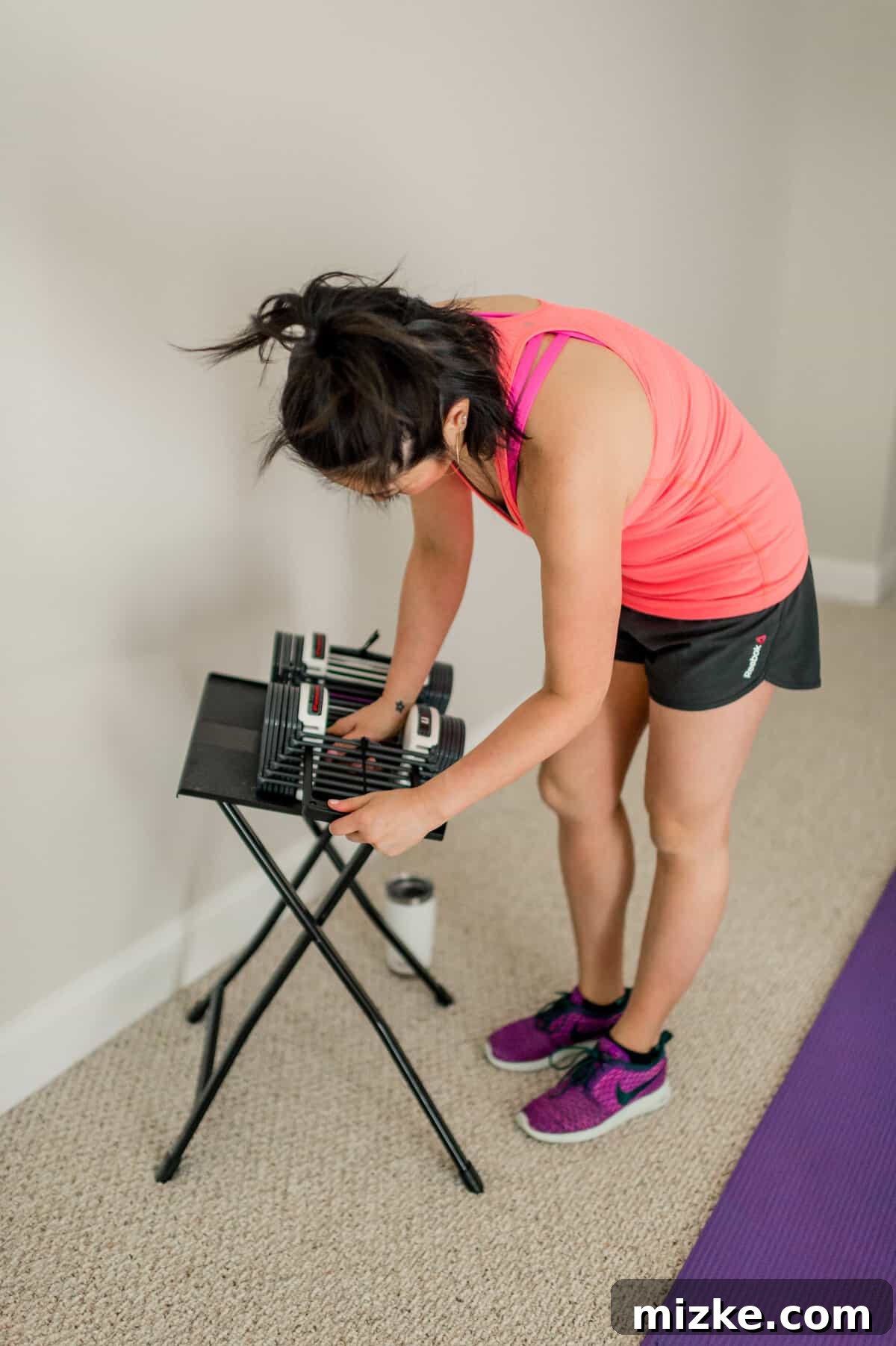
I committed to a structured schedule: four workouts a week. As I worked from home three days a week, my lunch breaks became dedicated fitness slots, transforming our basement into my personal gym. Sunday afternoons were reserved to kickstart the new week with another session. To maximize efficiency and minimize clutter, I made one crucial investment: Powerblocks. These adjustable dumbbells offered an ingenious space-saving solution, eliminating the need for a multitude of individual weights. Beyond that, a simple yoga mat was all I needed; many exercises requiring a bench could easily be modified using the floor.
Day after day, I consciously pushed myself into that basement. I framed it as a non-negotiable part of my day, questioning what I would truly accomplish during lunch hour otherwise. While eating was a priority, the remaining time often drifted into unproductive idleness. This self-discipline quickly paid off. The adage about forming habits after a consistent period proved absolutely true; working out became a natural, eagerly anticipated part of my routine.
Fitness Blender workouts distinguish themselves by being both incredibly efficient and genuinely engaging. They go by extremely fast and are surprisingly fun. Often, I’m so engrossed in the challenge, pushing my limits, that the time flies, leaving me feeling accomplished rather than exhausted. The platform’s calendar feature is a major asset; if something is scheduled, I treat it as an appointment I cannot miss. My weekly plan typically involved one day for upper body, one for lower body, one for core/HIIT, and one for total body. Their extensive library of free workouts, coupled with excellent search filters (allowing you to sort by duration, intensity, target areas, and more), makes customizing a routine incredibly straightforward.
For those seeking more structured guidance, Fitness Blender also offers affordable, professionally designed programs. These paid programs ($7.99 to $9.99 for 4 or 8 weeks) consolidate existing videos into comprehensive plans, removing the guesswork of self-scheduling. I’ve personally invested in several during their yearly sale, finding them immensely effective. Favorites include FB Strong, FB Booty, FB Abs, and FB Sweat. Their “busy people” workouts, often 30 minutes or less, are particularly ideal, as most of their offerings fall under the 42-minute mark.
My absolute favorite modality is strength training. It’s a persistent myth that intense HIIT or endless cardio is the sole path to weight loss. By focusing on building lean muscle through strength training, you effectively burn fat, achieve a more toned physique, and even get a fantastic cardiovascular workout as you push your body. It’s an efficient, empowering, and highly effective approach to fitness.
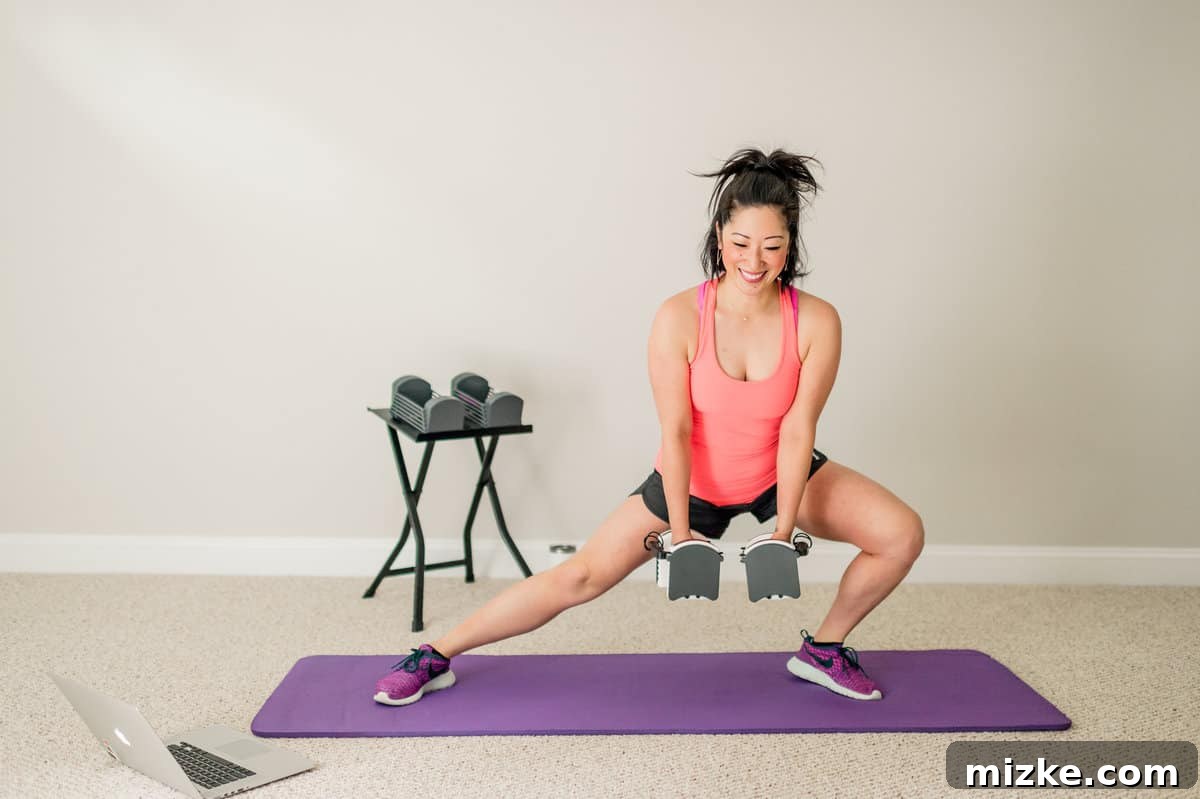
I could genuinely extol the virtues of Fitness Blender all day (and let me be clear, this is not a sponsored post; my enthusiasm is purely organic!). Fundamentally, my commitment to home workouts stems from three core benefits: 1. It’s incredibly cost-effective (often free), 2. It eliminates the need to leave the comfort and convenience of my home, and 3. I genuinely love the process and the results.
My routine has remained remarkably consistent. Now fortunate enough to work from home four days a week, I still dedicate my lunch breaks to fitness. The Fitness Blender calendar continues to be my steadfast guide, allowing me to easily reschedule workouts on days when I’m particularly sore or simply not feeling my best. The flexibility is unparalleled.
Update 8/25/2018: Exploring Tone It Up for New Challenges
After a year and a half of dedicated Fitness Blender routines, I began to crave a fresh challenge, a slight deviation from the familiar format. This led me to explore Tone It Up workouts. My approach involves following their daily workouts and then finding a complementary session, either from their suggestions, their YouTube channel, or their app.
While Tone It Up offers undeniable challenges that leave me drenched in sweat and breathless, even with their shorter durations, it’s not without its drawbacks. They tend to move very quickly, often lacking the detailed pointers and educational explanations that were a hallmark of Fitness Blender. Their workouts can also be quite brief, sometimes necessitating doubling up sessions to feel fully worked. Furthermore, and this is a crucial point for me, Tone It Up’s emphasis on idealized physiques, personified by Karena and Katrina, sometimes fuels unrealistic body image expectations. My internal dialogue shifts from “I want to be strong and toned” to “I want to be as skinny as them,” which is a mindset I actively try to reframe.
For these reasons, I highly recommend starting your home fitness journey with Fitness Blender. It provided me with an invaluable foundation, equipping me with the knowledge and understanding to confidently tackle more advanced or less instructive programs like Tone It Up. The ability to modify exercises on my own (e.g., swapping single-leg deadlifts for regular deadlifts, or tricep push-ups for tricep dips) and to intelligently substitute workouts is a direct result of the comprehensive education I received from Fitness Blender. They consistently emphasized the importance of proper form and progressive weight selection, knowledge that is less explicitly conveyed in TIU.
Ultimately, I did opt for a Tone It Up app subscription, costing $83 annually, which is still significantly more affordable than a traditional gym membership. However, my advice remains steadfast: build your fundamental knowledge of strength training and general workout principles with Fitness Blender’s entirely free offerings first. This foundational understanding ensures you maximize the value of any subsequent paid programs. Having that base knowledge meant I could fully appreciate and utilize TIU, rather than feeling overwhelmed or short-changed.
Actionable Tips to Stay Motivated for Home Workouts
Sustaining motivation is often the biggest hurdle in any fitness journey, especially when working out at home. Here are my tried-and-true strategies to keep you on track:
- Design Your Calendar/Schedule: Treat your workouts like non-negotiable appointments. Map out each day you plan to exercise and specify the type of workout. A visual schedule creates accountability and clarity, reducing decision fatigue.
- Adhere to Your Schedule Relentlessly: Once that schedule is set, commit to it. No excuses. You invested the time to plan it; now, invest the energy to do it. This builds self-trust and reinforces the habit.
- Block Off Time in Your Real-Life Calendar: Integrate your workout sessions into your professional or personal calendar. Whether it’s Google Calendar or a physical planner, treating your workout like a critical meeting ensures you make time for it, preventing other tasks from overshadowing your fitness goals.
- Make Time – 30 Minutes is Just 2% of Your Day: The “no time” excuse is easily debunked. If you can dedicate 30 minutes to watching a Netflix show or scrolling social media, you can allocate the same time to your physical well-being. It’s about prioritizing, not finding extra hours.
- Create a Dedicated Workout Space: Just as you might have a home office, designate a specific area for your workouts. This mental and physical boundary makes it more inviting to exercise. A cluttered, chaotic space is far less appealing. Even in a small apartment, you can define a corner with a yoga mat and minimal equipment, remembering that most programs offer modifications for space constraints.
- Silence Your Excuses: I firmly believe that with unwavering determination, anyone can achieve anything. I challenge you to commit to home workouts for 45 days. If, after this period, you genuinely dislike it or find it unsustainable, then stop. But often, this initial push is all it takes to find your rhythm and discover the invigorating power of consistent movement.
- Cultivate Group Accountability: Form a small group of friends or family with similar fitness goals. Share your daily workout plans, check in with each other, and celebrate progress. The shared commitment and friendly encouragement can be a powerful motivator when individual willpower wanes.
- Push Yourself Actively: One of the main challenges of solo home workouts is the absence of an instructor pushing you harder. Make it a conscious effort to challenge yourself: lift heavier, perform more repetitions, and always focus on maintaining clean form. Remember Fitness Blender’s Kelli’s excellent advice: “If by the end of one set you think it’s easy then you’re either lifting too little or not pushing yourself.” Consistent effort leads to visible results and increased strength.
Have Home Workouts Actually Delivered Tangible Results?
Absolutely. A resounding 100% yes! The transformation has been undeniable.
It’s important to acknowledge that physical results are a synergistic outcome of both exercise and nutrition. While individual results will naturally vary, a clean and balanced diet, combined with consistent home workouts, is a powerful recipe for success. You will undoubtedly experience increased muscle tone, improved fitness levels, and enhanced overall strength compared to when you began.
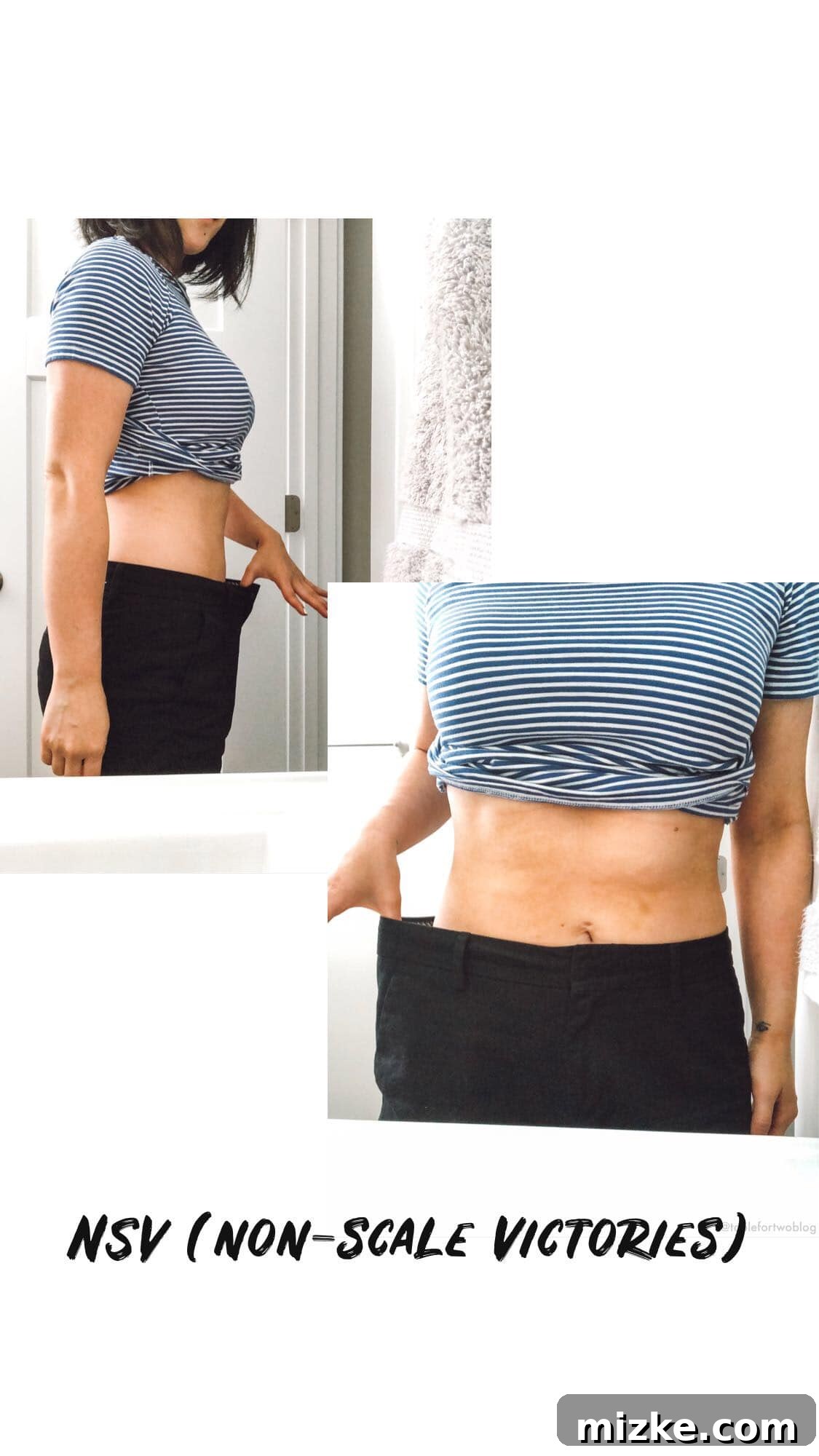
As many of you are aware, I also began working with a nutrition coach in February. Let me be clear: this is not to suggest that hiring a nutrition coach is a prerequisite for seeing results. However, for my personal journey, the guidance of a nutrition coach, coupled with my consistent home workouts, led to holistic gains and a noticeable reduction in inches around my waist.
This was a deeply personal goal, and my experience reinforced that whatever your individual health and body aspirations may be, the consistent integration of thoughtful exercise and improved nutrition provides an incredibly strong foundation for achieving them. For me, a nutrition coach offered the specialized guidance needed to refine my approach and accelerate my progress, and the investment has certainly paid off.
Embracing home workouts has been one of the most empowering decisions I’ve made for my health and well-being. It’s a testament to the fact that effective, enjoyable, and sustainable fitness doesn’t require expensive memberships or grueling commutes. It simply requires commitment, a smart approach, and the willingness to transform your own space into your personal powerhouse.