
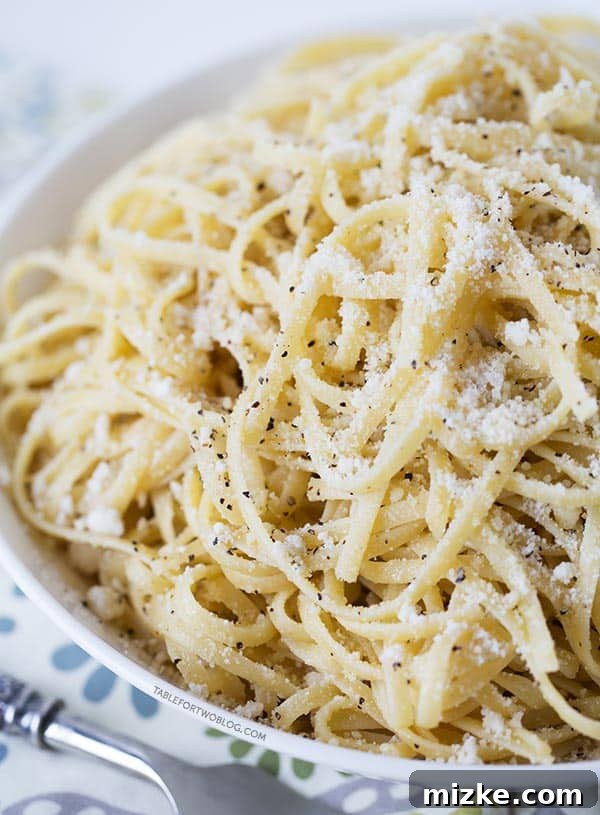
Few dishes encapsulate the essence of Italian cuisine quite like Cacio e Pepe. This beloved Roman pasta dish, whose name simply translates to “cheese and pepper,” is a testament to the power of simplicity. With only a handful of ingredients – typically pasta, Pecorino Romano or Parmesan cheese, and freshly ground black pepper – it delivers an incredibly rich, intensely savory, and wonderfully peppery flavor profile that has captivated palates worldwide. It’s a culinary masterpiece where every component shines, creating a harmonious and utterly addictive experience. The beauty of Cacio e Pepe lies not just in its minimalist ingredient list, but in the technique required to transform these humble elements into a luxuriously creamy and deeply satisfying sauce.
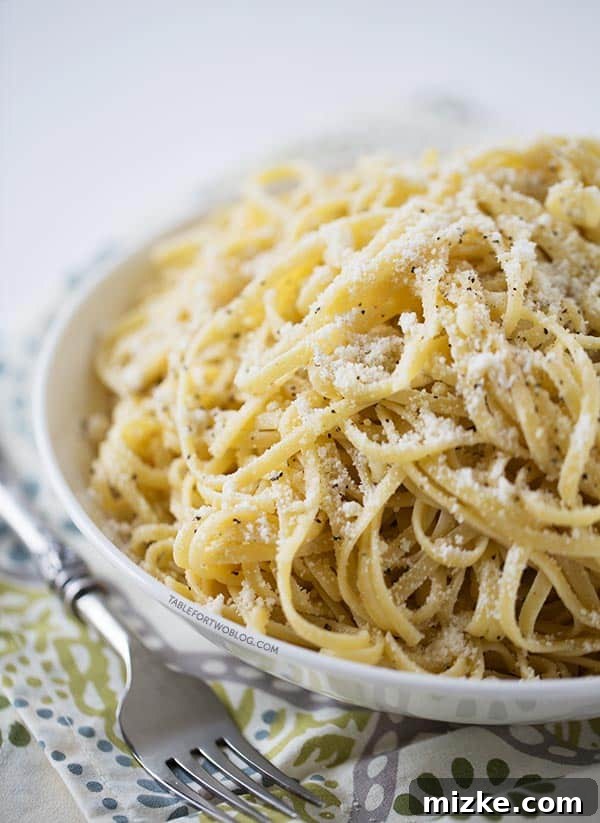
For many, including myself, Cacio e Pepe is more than just a meal; it’s a go-to comfort food and a staple in the repertoire of Italian cooking. The enticing blend of salty cheese and the sharp, aromatic kick of black pepper creates a flavor sensation that satisfies pasta cravings almost instantly. It’s remarkable how such an elegant and flavorful dish can be crafted from just five common household ingredients. This minimalist approach is a hallmark of traditional Italian recipes, proving that sometimes, less truly is more when each ingredient is of high quality and perfectly balanced.
Beyond its incredible taste, Cacio e Pepe is a true hero for busy weeknights. Its preparation typically takes no more than 20 minutes, making it an ideal choice when time is short but the desire for something delicious and satisfying is high. It’s a rich, subtly spicy, incredibly quick, and effortlessly easy meal. What more could you possibly ask for from a pasta dish?
The Irresistible Allure: What Makes Cacio e Pepe So Good?
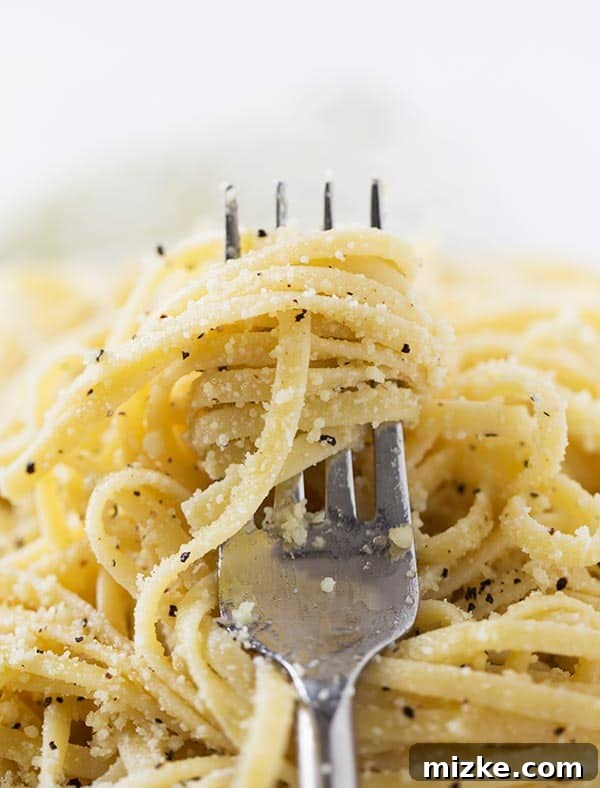
The secret to Cacio e Pepe’s undeniable appeal lies in the exquisite interplay of its core flavors. The dish is seasoned with two primary ingredients: high-quality cheese and freshly ground black pepper. The robust, piquant bite of the pepper is masterfully balanced by the rich, creamy, and salty notes of the cheese, often Pecorino Romano. This pairing isn’t just good; it’s a culinary revelation – a match truly made in gastronomic heaven. The heat from the freshly cooked pasta, combined with a touch of starchy pasta water, emulsifies the cheese and pepper into a silky-smooth, glossy sauce that clings perfectly to every strand.
As one of the four revered classic Roman pasta dishes (alongside Carbonara, Amatriciana, and Gricia), Cacio e Pepe holds a special place in Italian culinary tradition. Its enduring popularity is a testament to its perfect harmony of flavors and textures, proving that you don’t need an elaborate list of components to create something truly extraordinary. It’s simple, yet sophisticated, and always deeply satisfying.
Essential Ingredients for Authentic Cacio e Pepe
Crafting the perfect Cacio e Pepe requires attention to detail, even with its few components. Each ingredient plays a crucial role in achieving that authentic Roman flavor and luscious texture. Below are the core ingredients you’ll need, with specific quantities detailed in the complete recipe card at the bottom of the page.
- Dried Pasta – Traditionally, Cacio e Pepe is made with long, slender pasta like spaghetti, tonnarelli, or bucatini. These shapes are ideal for catching and coating with the creamy sauce. While spaghetti is a classic choice, feel free to experiment with other sturdy pasta types if preferred.
- Unsalted Butter – Butter contributes to the sauce’s richness and helps create that signature creamy emulsification. Opt for unsalted butter to control the overall saltiness of the dish, especially given the inherently salty cheese.
- Parmesan or Pecorino Romano Cheese – This is the heart of the “cacio” (cheese). While Parmigiano Reggiano can be used, authentic Roman Cacio e Pepe traditionally features Pecorino Romano. Its sharper, saltier, and more pungent flavor is key. Whichever you choose, ensure it’s freshly grated for the best melting properties and flavor. Pre-grated cheese often contains anti-caking agents that can hinder a smooth sauce.
- Freshly Ground Black Pepper – The “pepe” (pepper) is not an afterthought; it’s a star. For the most vibrant and aromatic flavor, use whole black peppercorns and grind them just before use. This provides a noticeable difference in taste and aroma compared to pre-ground pepper.
- Salt – Used primarily for seasoning the pasta water, which is crucial for flavoring the pasta from the inside out. Remember that Pecorino Romano is quite salty, so adjust any additional salt to taste at the end.
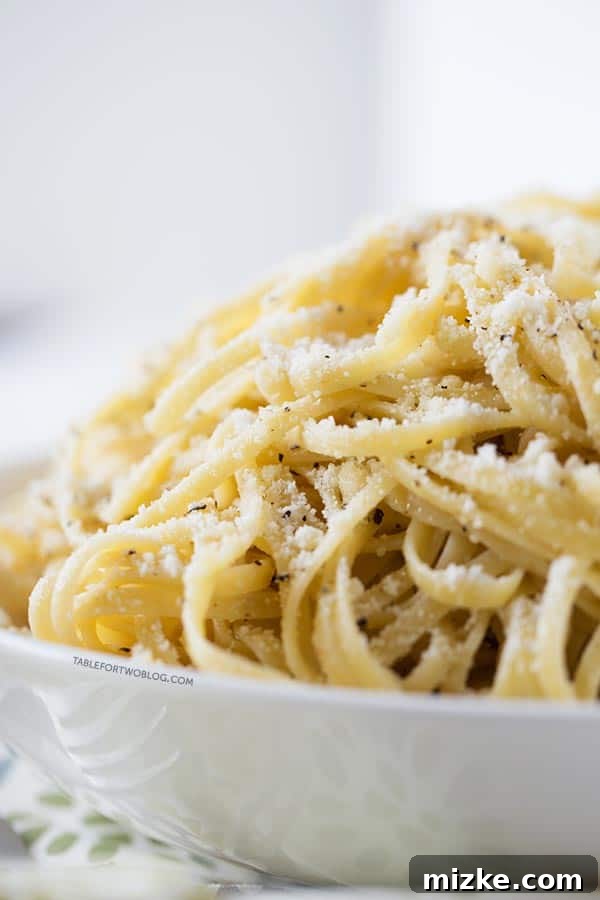
Mastering the Art: How to Make Cacio e Pepe
This classic Italian dish is surprisingly quick and straightforward to prepare once you understand the simple steps and the key to its creamy sauce. Follow these easy instructions for a perfect plate every time:
- Prepare and Cook the Pasta: Begin by bringing a large pot of water to a rolling boil. Season the water generously with salt – it should taste like the sea. Add your chosen pasta (spaghetti or tonnarelli are traditional) and cook according to the package directions until it’s al dente, meaning it’s firm to the bite but still cooked through. Before draining, make sure to reserve at least one cup of the starchy pasta water. This “liquid gold” is essential for creating the emulsified sauce. Drain the pasta, but do not rinse it.
- Melt the Butter and Pepper: While the pasta cooks, gently melt the unsalted butter in a large skillet or a deep, wide pan over medium heat. Once the butter has melted and started to foam slightly, add the freshly ground black pepper. Toast the pepper for about 30 seconds to a minute, stirring constantly, until it becomes fragrant. This step “blooms” the pepper, intensifying its flavor and aroma.
- Combine and Emulsify: Add the drained pasta directly into the skillet with the butter and pepper. Immediately add the freshly grated Pecorino Romano or Parmesan cheese. Begin tossing the pasta vigorously with tongs, gradually adding small amounts of the reserved starchy pasta water. The starch in the water, combined with the hot pasta and cheese, will work its magic, creating a smooth, creamy, and glossy sauce that beautifully coats the pasta. Continue tossing and adding pasta water little by little until you achieve your desired consistency – a thick, cohesive sauce, not watery or clumpy.
- Taste and Serve: Taste the pasta and adjust seasoning if necessary, adding a pinch more salt if desired (remember the cheese is salty!). Serve immediately, garnishing each plate with an extra sprinkle of freshly grated cheese and a final crack of black pepper for an added flavor boost and visual appeal. Enjoy this Roman delight while it’s hot!
Expert Tips for a Show-Stopping Cacio e Pepe
While Cacio e Pepe is inherently simple, mastering it involves a few key techniques that elevate it from good to truly exceptional. Here are some tricks to ensure your homemade version is worthy of a Roman trattoria:
- Embrace Freshly Ground Black Pepper: This is non-negotiable for an authentic Cacio e Pepe. The difference between pre-ground and freshly ground black pepper is monumental. Freshly ground pepper, especially coarse ground, offers a more potent aroma, a stronger, sharper “bite,” and a subtly floral complexity that pre-ground pepper simply cannot deliver. Toasting the freshly ground pepper in butter or olive oil before adding the pasta further enhances its flavor profile.
- Invest in Quality Cheese: While the original recipe highlights that it can taste amazing even with more accessible pre-grated Parmesan, for the absolute best Cacio e Pepe experience, opt for a high-quality block of Pecorino Romano. Grate it yourself just before adding it to the pasta. Freshly grated cheese melts more smoothly and incorporates into the sauce without becoming clumpy, thanks to the absence of anti-caking agents found in many pre-packaged grated cheeses.
- Generously Salt the Pasta Water: Think of the pasta water as the first layer of seasoning. It’s vital to salt the water generously, making it taste like the sea. This ensures that the pasta itself is seasoned from the inside out, rather than relying solely on the sauce for flavor. A well-salted pasta creates a more flavorful base for your Cacio e Pepe.
- Always Reserve Starchy Pasta Water: Before draining your cooked pasta, make it a habit to reserve at least a cup or two of the starchy cooking water. This liquid is your secret weapon. The starch released from the pasta helps to emulsify the cheese and pepper into a beautifully creamy and glossy sauce. If your sauce ever seems too dry, clumpy, or not creamy enough, a splash of this reserved water will bring it back to life, helping all the ingredients bind together perfectly.
- Master the Butter Temperature: The temperature of your butter can make or break the sauce’s consistency. If the butter is too cold, it can prematurely cool down the hot spaghetti, preventing the cheese from melting and emulsifying properly. If it’s too soft or melted, the sauce might become watery instead of lusciously thick. The ideal butter temperature is cool but pliable, slightly softened at room temperature. A good practice is to take the butter out of the fridge when you start boiling the pasta water; by the time the pasta is cooked, the butter should be at the perfect consistency to create that desirable glossy sauce.
- Toss Vigorously and Continuously: The “sauce” for Cacio e Pepe isn’t cooked; it’s created through rapid emulsification. You need to toss the pasta, cheese, and pepper vigorously and continuously in a hot pan (off the heat or on very low heat) while gradually adding pasta water. This constant movement, combined with the heat and starch, is what binds everything into that signature creamy texture.
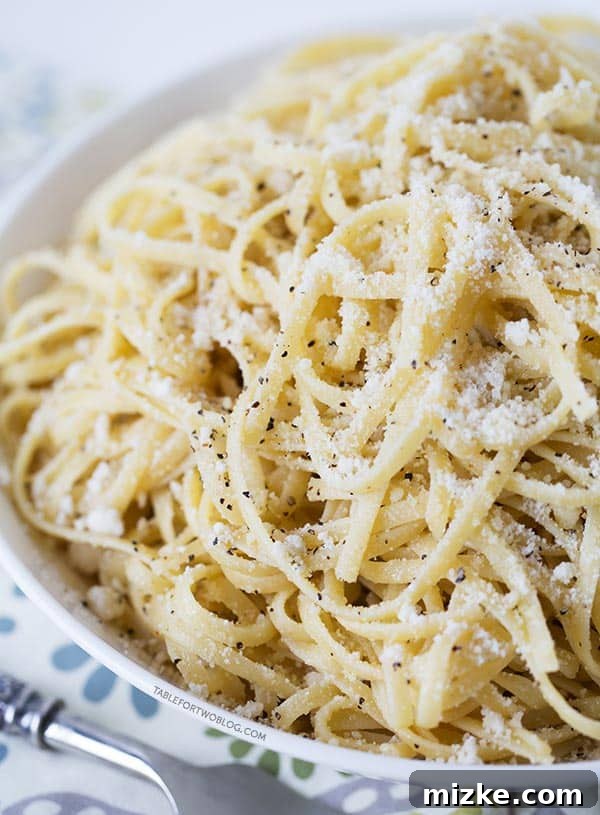
Frequently Asked Questions About Cacio e Pepe
Delving into the world of Cacio e Pepe often brings up a few common queries. Here are answers to some of the most frequent questions about this delightful pasta dish:
What does Cacio e Pepe mean in Italian?
The name of this dish is as straightforward as its ingredients. “Cacio” is a Roman dialect term for cheese, particularly Pecorino Romano, and “pepe” simply means pepper. So, Cacio e Pepe translates directly to “cheese and pepper.” It’s an honest and accurate description of a dish where these two ingredients are the undisputed stars.
What does Cacio e Pepe taste like?
Cacio e Pepe offers a brilliant and complex flavor profile that is both rich and spicy. You’ll immediately notice the bold, aromatic bite of freshly ground black pepper, which provides a satisfying warmth. This spiciness is beautifully mellowed and balanced by the deep, salty, and tangy creaminess of the Pecorino Romano cheese and the subtle richness of butter. It’s not overwhelmingly spicy, but it definitely has a pleasant kick that awakens the palate, making each bite incredibly enjoyable and moreish.
Is Cacio e Pepe the same as Alfredo?
No, Cacio e Pepe and Alfredo sauce are distinctly different, though both are cheese-based pasta dishes. Traditional Alfredo sauce, in its purest form, is made with butter and Parmigiano-Reggiano cheese, sometimes with a splash of pasta water, but it conspicuously lacks the defining black pepper element of Cacio e Pepe. Furthermore, the creamy, often heavy, Alfredo sauce found in jars or many American restaurants typically contains a significant amount of cream, an ingredient that is entirely absent from authentic Cacio e Pepe, which derives its creaminess solely from the emulsification of cheese, butter, and starchy pasta water. Cacio e Pepe is a much simpler, more direct expression of its few ingredients.
Delightful Serving Suggestions for Cacio e Pepe
While Cacio e Pepe is a complete and satisfying meal on its own, it also pairs beautifully with a range of classic Italian sides, enhancing the dining experience. Here are some of my favorite accompaniments that complement its rich flavors:
- Pistachio Pesto Brussels Sprouts: The nutty, vibrant flavor of pesto with crispy Brussels sprouts offers a fresh contrast.
- Extra Garlicky and Cheesy Bread: A warm, crusty bread is perfect for soaking up any leftover sauce.
- Best Summer Tomato Salad: A light, refreshing tomato salad provides a wonderful counterpoint to the richness of the pasta.
- Vegan Caesar Salad: A crisp Caesar salad, even a vegan version, adds a fresh, zesty element.
Storing and Reheating Cacio e Pepe Leftovers
While Cacio e Pepe is best enjoyed fresh, you can certainly store and reheat leftovers, though the texture might change slightly. The key is to add a little moisture to help revive the sauce.
For immediate storage, transfer any leftover pasta to an airtight container and refrigerate for up to 3 days. To reheat, the stovetop method is generally preferred for the best results. Place the pasta in a skillet over medium-low heat, adding a splash of water (or even better, a little chicken or vegetable broth) and stirring constantly until it’s heated through and the sauce loosens and re-emulsifies. You can also reheat it in the microwave in short bursts, stirring frequently and adding a touch of water as needed.
If you wish to store it for a longer period, Cacio e Pepe can be frozen. Place cooled pasta in an airtight, freezer-safe container for up to 3 months. When ready to enjoy, defrost the pasta in the refrigerator overnight before reheating using the stovetop method described above. Be aware that freezing and reheating might alter the pasta’s texture and the sauce’s creaminess more significantly than simple refrigeration.
Explore More Delicious Pasta Dinner Ideas
If you’ve fallen in love with the simple elegance and incredible flavor of Cacio e Pepe, you’re likely a fan of well-crafted pasta dishes. Be sure to explore some of my other favorite pasta recipes that are perfect for any occasion:
- Asparagus, Peas, and Pancetta Pasta: A vibrant, savory dish combining fresh spring vegetables and crispy pancetta.
- Garlic Parmesan Chicken Pasta: A hearty and flavorful option featuring tender chicken in a rich garlic-Parmesan sauce.
- Creamy Zucchini Lemon Pasta: A light yet creamy pasta dish bursting with fresh lemon and tender zucchini.
- Spicy Pizza Pasta: A fun and family-friendly twist, bringing your favorite pizza flavors to a pasta bowl.
- Asparagus and Lemon Pasta: A refreshing and simple pasta highlighting the fresh flavors of asparagus and bright lemon.
Authentic Cacio e Pepe
By: Julie Chiou
Cacio e Pepe is a traditional Roman Italian pasta dish, elegantly seasoned with freshly ground black pepper and Pecorino Romano or Parmesan cheese. It’s renowned for its rich, creamy, and subtly spicy flavor, and remarkably, it takes only about 20 minutes from start to finish, making it a perfect quick and satisfying meal.
Prep Time: 5 minutes
Cook Time: 15 minutes
Total Time: 20 minutes
Servings: 4
Print Recipe
Ingredients
- 1 pound (454 g) dried spaghetti or tonnarelli pasta
- 3 tablespoon (42 g) unsalted butter, cut into 3 pieces
- ½ cup (50 g) freshly grated Pecorino Romano or Parmesan cheese, plus more for topping (use a good quality block cheese for best results)
- 1 teaspoon freshly ground black pepper, plus more for topping (coarsely ground is recommended)
- Salt, to taste (for pasta water and final seasoning)
Instructions
- In a large stockpot, bring generously salted water to a rolling boil. Add the spaghetti and cook according to package directions until al dente. Before draining, reserve about 1 to 1½ cups of the starchy pasta cooking water. Drain the pasta well, but do not rinse.
- While the pasta cooks, melt the unsalted butter in a large, wide skillet or pan over medium heat. Add the freshly ground black pepper to the melted butter and toast for about 30-60 seconds, stirring constantly, until fragrant. This helps to bloom the pepper’s flavor.
- Transfer the drained pasta directly into the skillet with the butter and pepper. Immediately add the grated cheese. Using tongs, toss the pasta vigorously, gradually adding small amounts (about 1-2 tablespoons at a time) of the reserved starchy pasta water. Continue tossing and stirring until the cheese, pepper, butter, and pasta water emulsify into a creamy, glossy sauce that evenly coats all the pasta strands.
- Taste the Cacio e Pepe and adjust with additional salt if necessary. Serve immediately, garnished with extra grated cheese and a final crack of black pepper. Enjoy!
Notes
Store leftover Cacio e Pepe in an airtight container in the fridge for up to 3 days. To reheat, add a little water or broth to the pasta and warm gently on the stove over medium-low heat, stirring constantly until heated through and the sauce re-emulsifies. For longer storage, you can freeze the pasta in an airtight container for up to 3 months; defrost before reheating.
Nutrition Information
Serving: 0.25 of recipe, Calories: 531kcal, Carbohydrates: 83g, Protein: 19g, Fat: 15g, Fiber: 4g, Sugar: 4g
Disclaimers
This website provides approximate nutrition information for convenience and as a courtesy only. Nutrition information can vary for a variety of reasons. For the most precise nutritional data, use your preferred nutrition calculator based on the actual ingredients you used in the recipe.
The default measuring system for this website is US Customary. Unit conversions are provided for convenience and as a courtesy only. While we strive to provide accurate unit conversions, please be aware that there may be some discrepancies.