
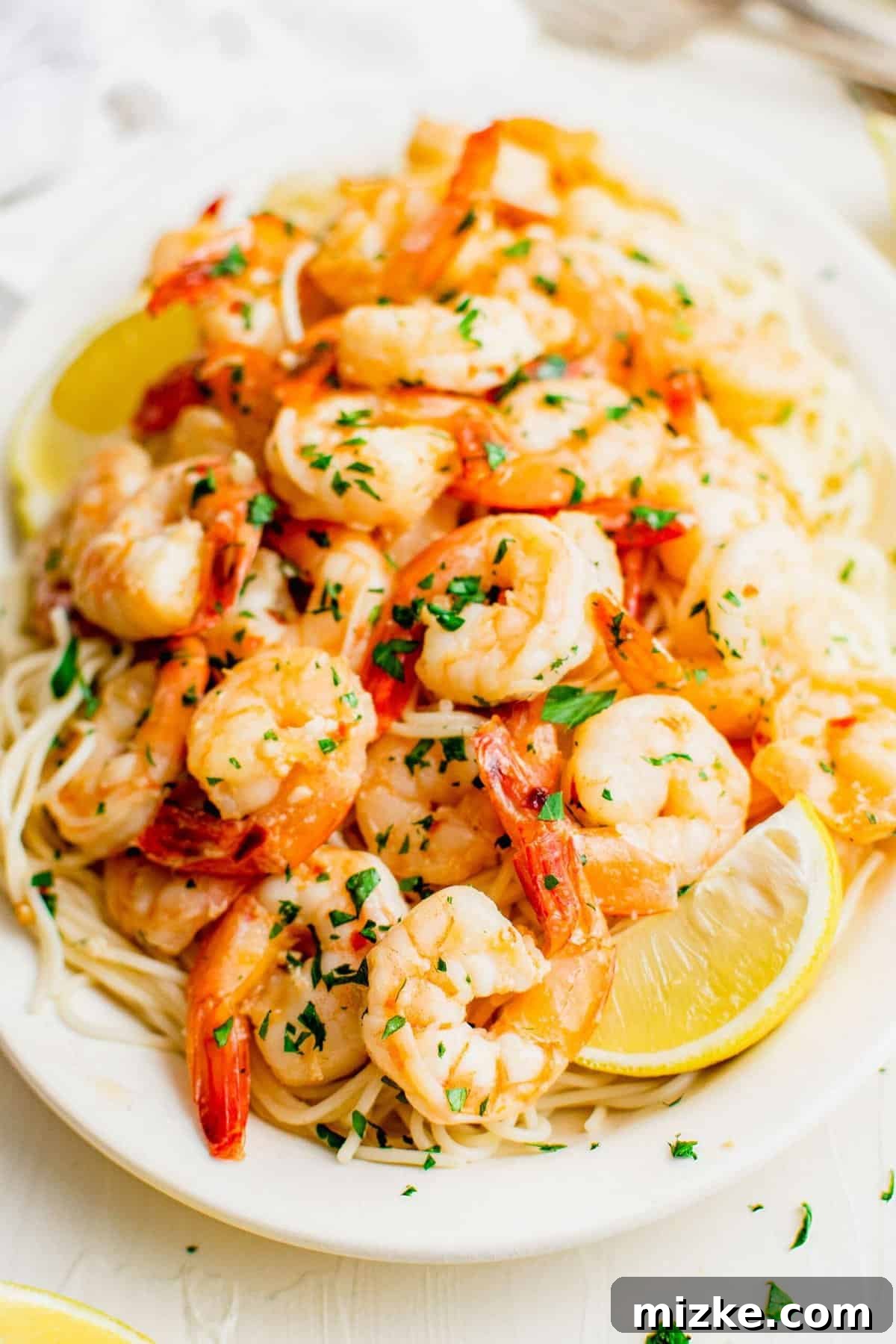
Experience the unparalleled delight of homemade Shrimp Scampi, a culinary masterpiece that’s surprisingly simple to prepare with just a handful of fresh, affordable ingredients. This recipe is meticulously crafted to deliver a vibrant, restaurant-quality dish that will undoubtedly become your new favorite. Forget mediocre dining experiences; your kitchen is about to become the go-to spot for the most exquisite shrimp scampi you’ve ever tasted.
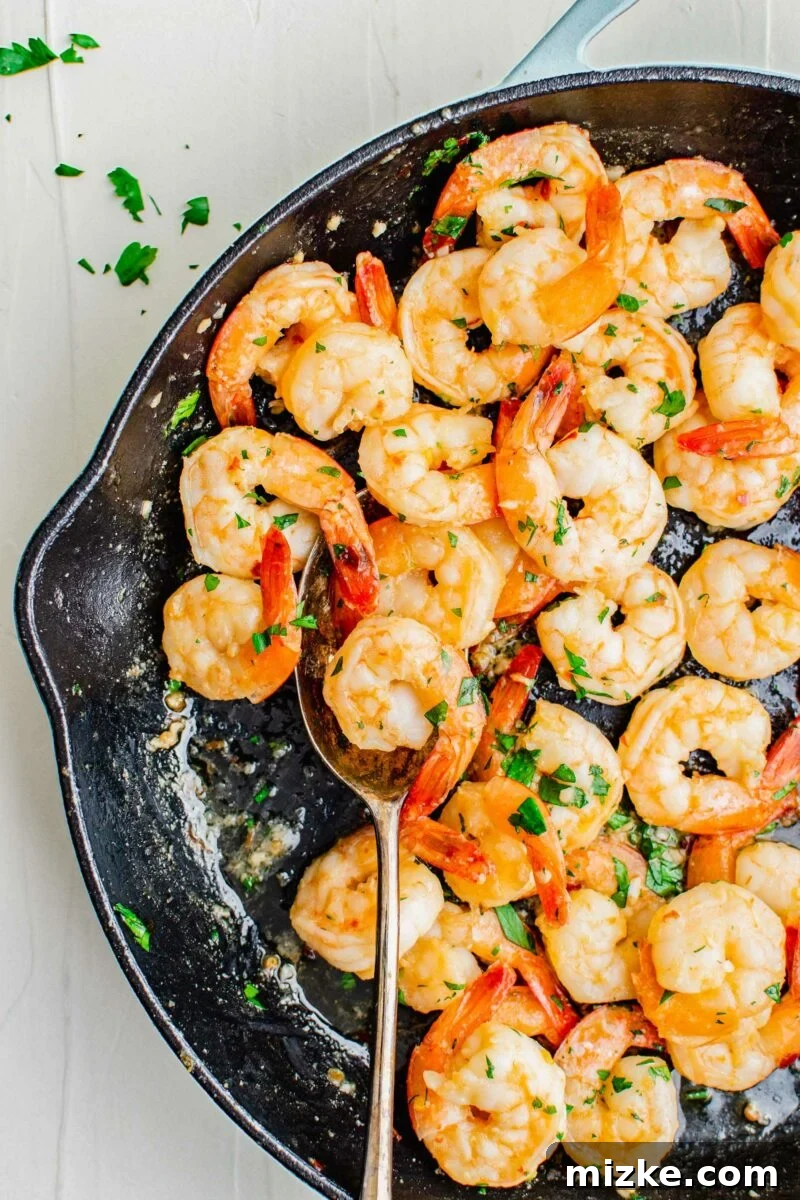
Why Homemade Shrimp Scampi Reigns Supreme
Shrimp scampi has long held its place as a classic, often chosen for its comforting familiarity and rich flavors on restaurant menus. While a decent scampi is enjoyable, a truly exceptional one leaves a lasting impression. All too often, dining out can lead to disappointing results – think rubbery, overcooked shrimp drowned in an uninspired sauce. This is precisely why crafting shrimp scampi in your own kitchen offers a transformative experience, allowing you to achieve a level of perfection that surpasses many commercial offerings.
When you prepare shrimp scampi at home, you gain complete control over every crucial element of the dish. This means selecting the freshest, highest-quality ingredients, ensuring your shrimp are cooked to absolute perfection, and balancing the flavors to suit your personal preference. No more guesswork about the freshness of the seafood or the quality of the butter and garlic. You dictate the tenderness of the shrimp – plump and juicy, never tough or chewy – and the richness of the garlic-infused sauce, preventing the all-too-common pitfall of bland or greasy interpretations.
Beyond culinary control, making shrimp scampi at home is an incredibly rewarding process. It’s a low-stress recipe that yields consistently impressive results, making it ideal for a variety of occasions. Whether you’re planning a romantic date night, hosting an elegant dinner party, or simply seeking a quick yet gourmet weeknight meal, this homemade shrimp scampi recipe fits the bill perfectly. Its elegant presentation and bold flavors make it a showstopper, effortlessly elevating any dining experience. Pair it with a crisp glass of dry white wine and a simple green salad for a truly deserving and memorable meal.
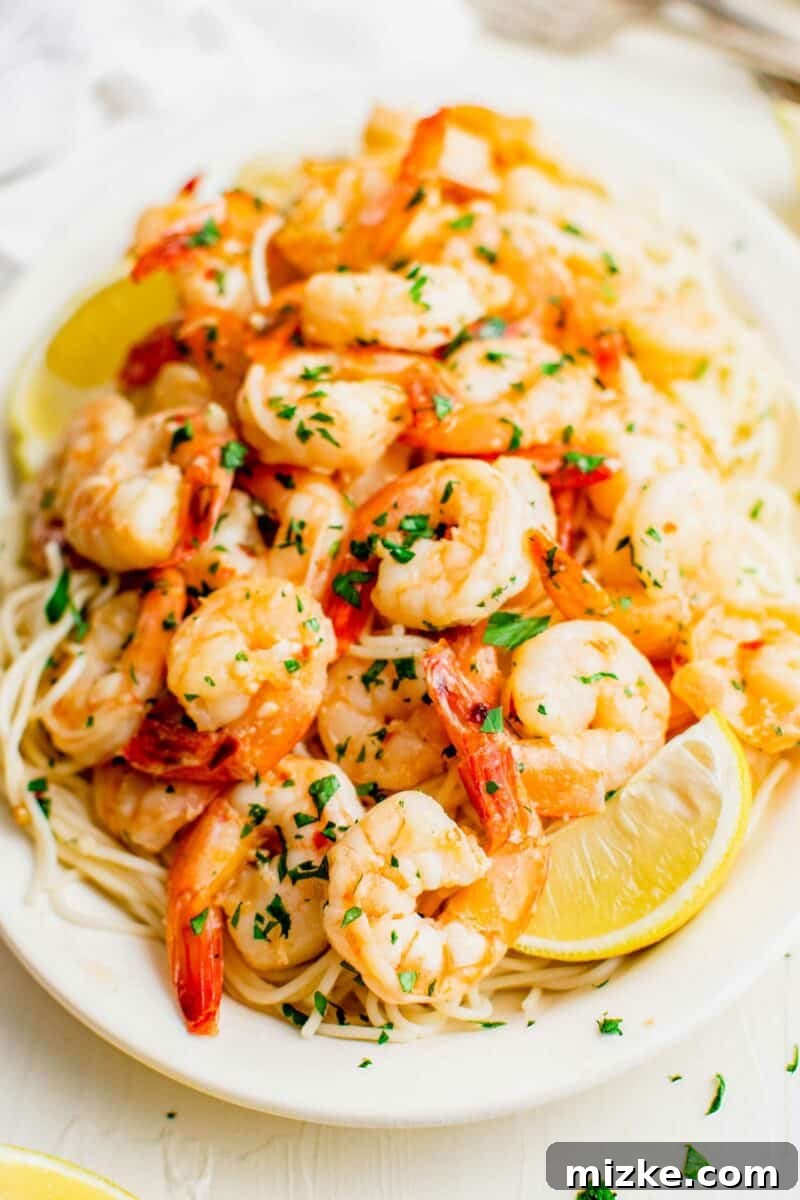
Essential Ingredients for Perfect Shrimp Scampi
The beauty of shrimp scampi lies in the simplicity and quality of its components. Each ingredient plays a vital role in building the dish’s signature flavor profile. Here’s what you’ll need, along with insights into why specific choices make all the difference:
- Olive Oil: Start with a good quality extra virgin olive oil. It forms the base for sautéing the aromatics and adds a subtle, fruity depth to the sauce. If preferred, a neutral oil like avocado oil can also be used, but olive oil is traditional for its flavor.
- Fresh Garlic: This is non-negotiable. For a truly aromatic and pungent scampi, always use fresh garlic, finely minced. Pre-minced garlic often lacks the vibrant flavor and can sometimes have an off-putting preservative taste. You’ll need about 3-4 cloves, or more if you’re a garlic enthusiast!
- Salt: Kosher salt is recommended for its pure flavor and larger crystals, which are easier to gauge when seasoning. Salt enhances all the other flavors in the dish. Adjust to your taste, remembering that the shrimp and sauce will absorb it.
- Crushed Red Pepper Flakes: These are entirely optional but highly encouraged for those who appreciate a gentle kick. They infuse the oil with a lovely warmth that complements the garlic and lemon beautifully without overpowering the delicate shrimp flavor. Adjust the amount based on your spice preference.
- Shrimp: The star of the show! Opt for large shrimp (21/25 count or larger) that are cleaned, deveined, and, crucially, have their tails on. The tails add a significant amount of flavor to the sauce as they cook, enhancing the overall richness. Fresh shrimp are always best, but high-quality frozen shrimp (thawed properly) work well too.
- Dry White Wine: A dry white wine like Chardonnay, Pinot Grigio, or Sauvignon Blanc is essential for deglazing the pan and building the classic scampi sauce. The alcohol cooks off, leaving behind a complex, bright flavor. If you prefer not to use wine, a good quality chicken broth or vegetable broth makes an excellent substitute, offering a savory base.
- Unsalted Butter: Good butter is key to creating a rich, velvety sauce. Unsalted butter allows you to control the overall saltiness of the dish more precisely. It emulsifies with the wine and lemon juice to create that luxurious mouthfeel.
- Fresh Lemon Juice: This ingredient provides the essential bright, zesty counterpoint to the richness of the butter and garlic. Always, always use freshly squeezed lemon juice. Bottled lemon juice simply doesn’t compare in terms of freshness and vibrant flavor. A squeeze of fresh lemon at the end wakes up all the flavors.
- Fresh Parsley: Finely minced fresh Italian flat-leaf parsley adds a beautiful herbaceous note and a pop of color, providing that “extra oomph” that elevates the dish. It’s best stirred in at the very end to retain its fresh flavor and bright green hue.
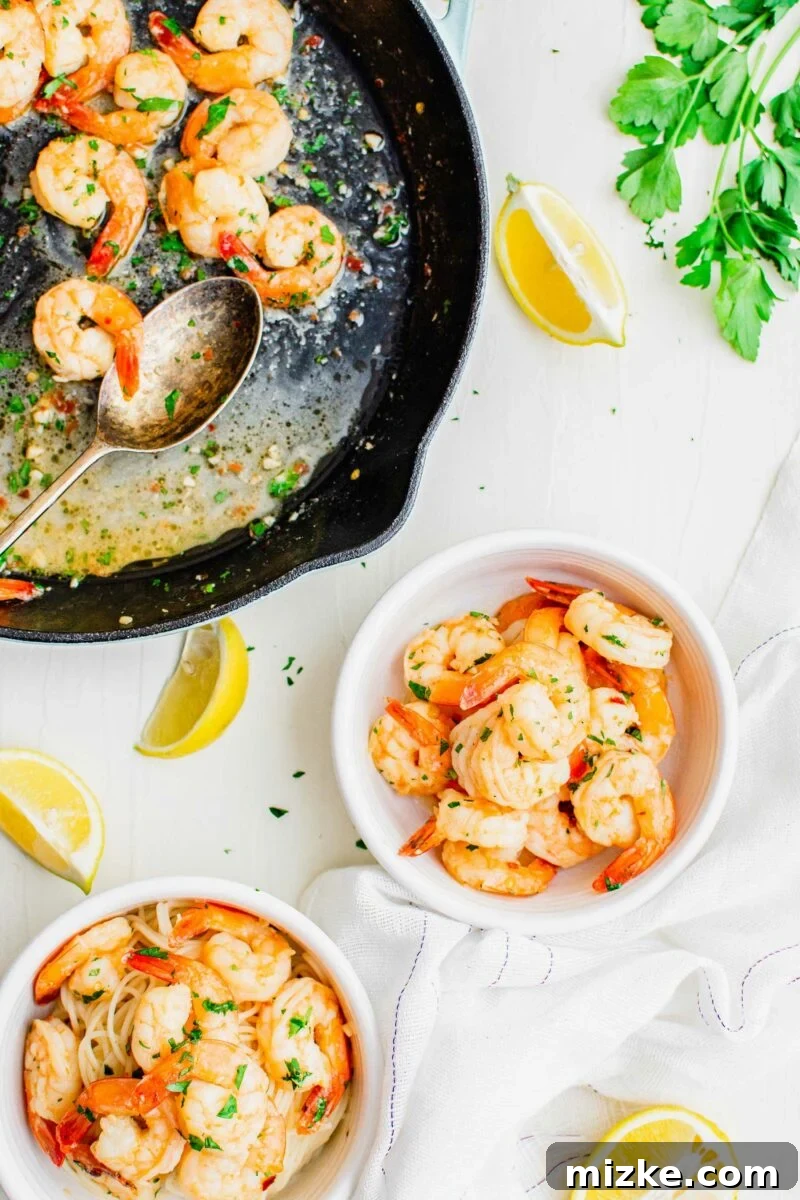
How to Master Homemade Shrimp Scampi: A Step-by-Step Guide
Creating this exquisite shrimp scampi is easier than you might think. Follow these steps for a dish that tastes like it came from a five-star restaurant:
- Infuse the Oil with Aromatics: Begin by preheating a large, heavy-bottomed skillet over medium heat. Add the olive oil, finely minced fresh garlic, kosher salt, and (if using) crushed red pepper flakes. Stir continuously for about 1-2 minutes, or until the garlic becomes incredibly fragrant and lightly golden. Be vigilant here – you want to infuse the oil with flavor, but burnt garlic will ruin the dish, so keep the heat moderate and don’t let it brown excessively.
- Perfectly Cook the Shrimp: Increase the heat slightly to medium-high. Add your cleaned, deveined, tail-on shrimp to the skillet in a single layer. Avoid overcrowding the pan; if necessary, cook the shrimp in two batches to ensure even cooking and a good sear. Sauté the shrimp for about 2-3 minutes per side, or until they turn opaque pink and curl into a C-shape. Overcooking shrimp will make them rubbery, so remove them from the pan immediately once they’re perfectly cooked and set them aside on a plate. They will finish cooking in the sauce later.
- Craft the Luscious Sauce: With the shrimp removed, add the dry white wine (or chicken broth) and unsalted butter to the same skillet. Increase the heat slightly and bring the mixture to a gentle simmer. Allow it to cook, stirring occasionally, for 3-5 minutes. The wine will reduce, and the butter will melt, creating a rich, fragrant, and slightly thickened sauce. This deglazing process captures all the delicious bits left behind from the shrimp and garlic, adding immense depth of flavor.
- Combine and Finish: Return the perfectly cooked shrimp to the pan with the simmering sauce. Immediately add the freshly squeezed lemon juice and the freshly minced parsley. Toss gently to ensure the shrimp are thoroughly coated in the glorious lemon-garlic butter sauce. Continue to cook for just another 1-2 minutes – just long enough for the shrimp to heat through and absorb the final burst of fresh flavors, but not so long that they overcook.
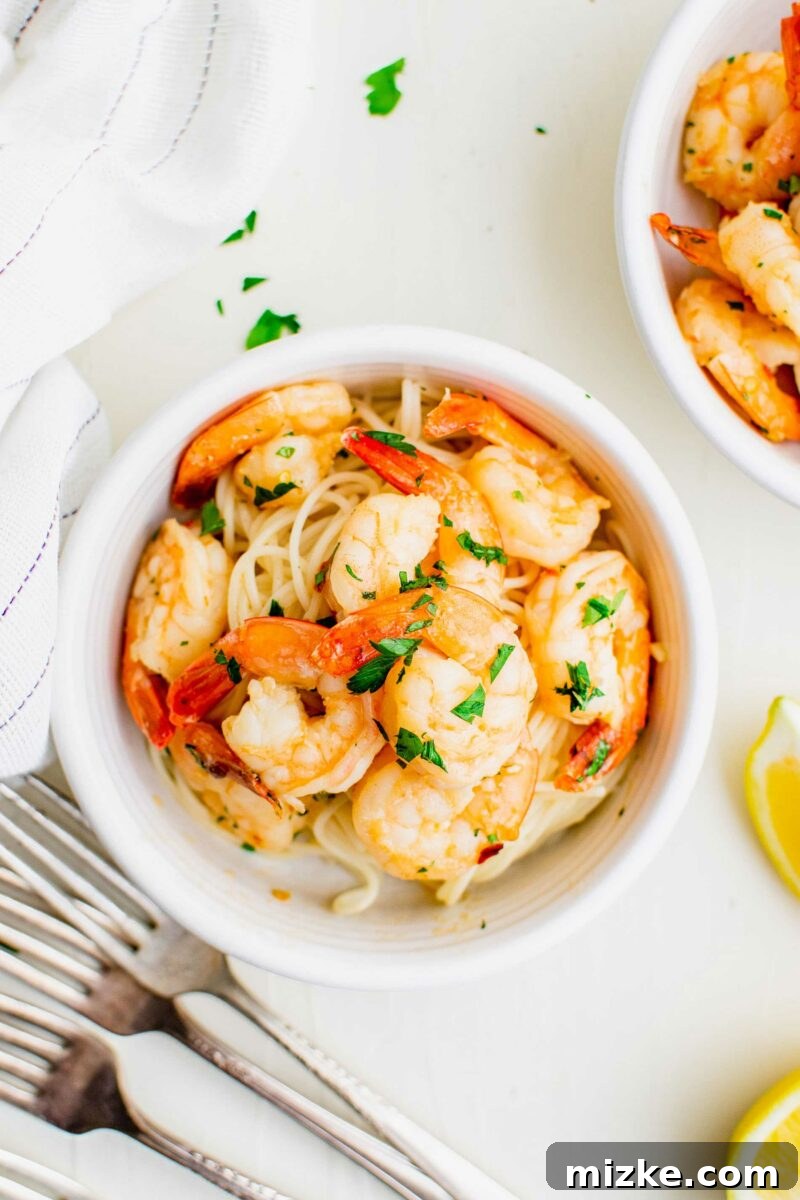
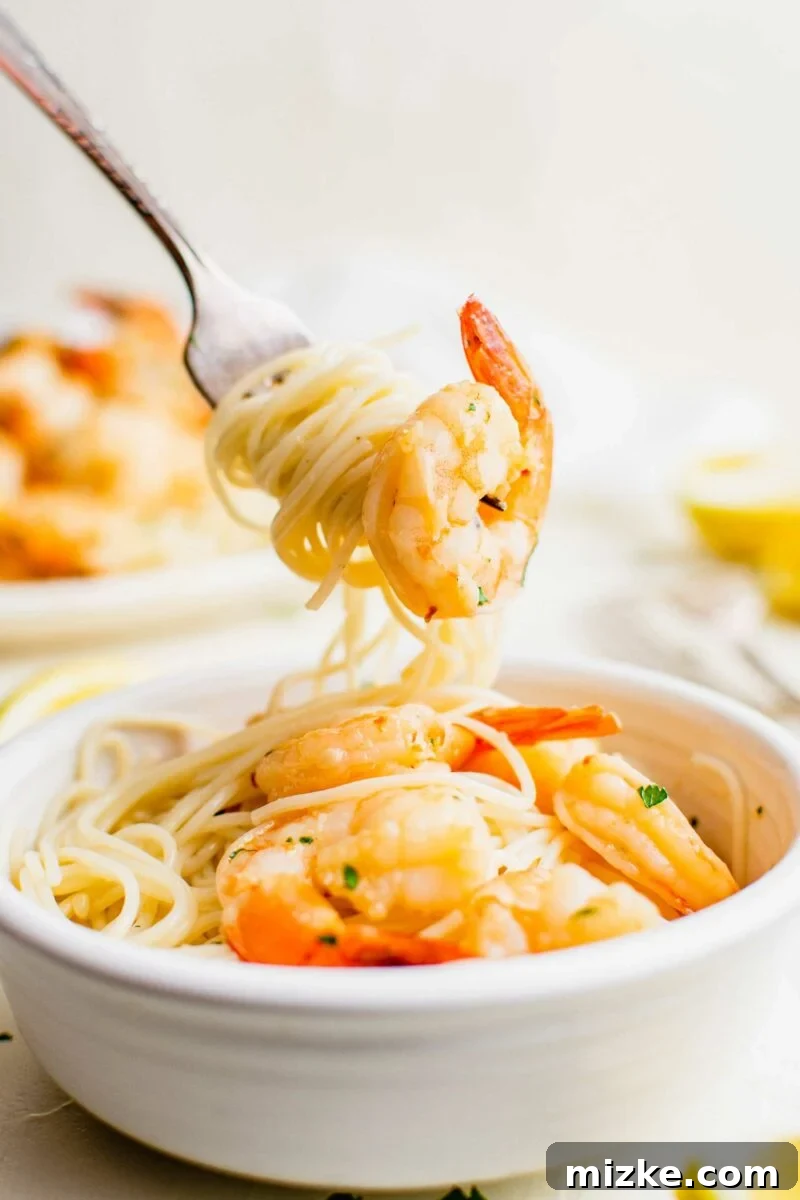
- Serve and Savor: Your homemade shrimp scampi is ready to be enjoyed! Traditionally, it’s served atop a bed of perfectly al dente angel hair pasta, linguine, or fettuccine, which beautifully soaks up the exquisite sauce. For a lighter option, consider serving it with zucchini noodles or a side of crusty bread to mop up every last drop. Garnish with a final sprinkle of fresh parsley and perhaps an extra lemon wedge for a bright finish.
Common Questions About Shrimp Scampi
Here are answers to some frequently asked questions to help you perfect your shrimp scampi:
- Can I use frozen shrimp in this scampi recipe? Absolutely! Frozen shrimp are often flash-frozen at sea, meaning they can be just as fresh, if not fresher, than “fresh” shrimp that have been sitting on ice at the fish counter. The key is to thaw them properly before cooking. The best method is to transfer them to the refrigerator overnight. For a quicker thaw, place the frozen shrimp in a colander and run cold water over them for 10-15 minutes, gently separating them until fully thawed. Pat them dry thoroughly before cooking to prevent excess water from diluting your sauce.
- Why should I leave the tails on my shrimp? Leaving the tails on shrimp contributes significantly to the depth of flavor in your scampi sauce. As the shrimp cook, the shells (even just the tail portion) release natural compounds that enrich the sauce. Beyond flavor, tails also add to the visual appeal, giving the dish a more rustic and appealing presentation. While you can certainly remove them if preferred, you’ll be sacrificing a bit of that wonderful flavor boost. Guests can easily remove the tails as they eat.
- What kind of pasta works best with shrimp scampi? Thin pasta varieties like angel hair (capellini), linguine, or fettuccine are traditional choices as they are delicate enough not to overpower the shrimp and effectively cling to the light, buttery sauce. However, you can use any pasta you prefer, even short pasta shapes like penne or farfalle. Just ensure it’s cooked al dente.
- How can I make my scampi sauce thicker? If your sauce seems too thin, you can let it simmer a little longer to reduce and thicken naturally. For a slightly thicker sauce, whisk in about a teaspoon of cornstarch mixed with a tablespoon of cold water into the simmering sauce. Stir until it reaches your desired consistency.
- Can I make shrimp scampi without wine? Yes, you can! A good quality chicken broth or vegetable broth is an excellent non-alcoholic substitute for white wine. It will still provide a savory liquid base for your sauce to develop.
Storage and Reheating Instructions
To enjoy your delicious shrimp scampi beyond the first serving, proper storage is key. Transfer any leftover shrimp scampi to an airtight container and refrigerate it promptly. It will stay fresh and flavorful for up to 3 days. When reheating, be mindful not to overcook the shrimp, which can easily become tough and rubbery.
For best results, gently reheat the scampi in a skillet over medium-low heat. You might want to add a splash of chicken broth or a pat of butter to loosen the sauce and prevent it from drying out. Stir frequently until heated through. Avoid reheating in the microwave if possible, as it can be difficult to control the shrimp’s texture.
Expand Your Shrimp Culinary Adventures
If you find yourself with extra shrimp or simply want to explore more delicious ways to prepare this versatile seafood, here are some fantastic recipes to inspire your next meal:
- Chipotle Shrimp Tacos
- Air Fryer Coconut Shrimp
- Shrimp Rolls
- Grilled Baja Shrimp Skewers
Homemade Shrimp Scampi
Julie Chiou
This simple, elegant recipe will revolutionize your weeknight dinners and might just beat out your favorite restaurant’s version!
10 minutes
20 minutes
30 minutes
4
Ingredients
- 1 tablespoon olive oil
- 3 cloves garlic, finely minced (or more, to taste)
- ½ teaspoon kosher salt
- ½ teaspoon crushed red pepper flakes, optional
- 24 ounces (680 g) large shrimp, cleaned, deveined with tails on
- ⅔ cup (158 ml) dry white cooking wine or chicken broth
- 2 tablespoons (28 g) unsalted butter
- 1 tablespoon lemon juice, freshly squeezed
- 1 tablespoon freshly minced parsley, plus extra for garnish
Instructions
-
Add the olive oil, finely minced garlic, kosher salt, and crushed red pepper flakes (if using) to a large skillet over medium heat. Stir and cook for about 1-2 minutes until the garlic becomes fragrant and slightly golden, being careful not to burn it.
-
Add the cleaned shrimp to the pan in a single layer. Cook for approximately 2-3 minutes per side, or until the shrimp turn opaque pink and are just cooked through. Remove the shrimp from the pan immediately and set them aside on a plate.
-
To the same skillet, add the white cooking wine (or chicken broth) and unsalted butter. Bring to a gentle simmer and let it cook for 3-5 minutes, stirring occasionally, until the sauce has slightly reduced and thickened.
-
Return the cooked shrimp to the pan. Pour in the freshly squeezed lemon juice and stir in the freshly minced parsley. Toss gently to coat the shrimp evenly in the sauce. Cook for another 1-2 minutes, just long enough to heat the shrimp through and allow the flavors to meld.
-
Serve your delicious shrimp scampi immediately over your favorite cooked pasta (angel hair, linguine, or fettuccine are highly recommended) or with crusty bread. Garnish with additional fresh parsley and a lemon wedge, if desired. Enjoy!
Notes
This shrimp scampi is best enjoyed fresh. Leftovers can be stored in an airtight container in the refrigerator for up to 3 days. Reheat gently in a skillet over low heat to prevent overcooking the shrimp.
Nutrition
Calories: 88kcal,
Carbohydrates: 1g,
Protein: 1g,
Fat: 9g,
Saturated Fat: 4g,
Polyunsaturated Fat: 1g,
Monounsaturated Fat: 4g,
Trans Fat: 1g,
Cholesterol: 15mg,
Sodium: 440mg,
Potassium: 56mg,
Fiber: 1g,
Sugar: 1g
This website provides approximate nutrition information for convenience and as a courtesy only. Nutrition information can vary for a variety of reasons. For the most precise nutritional data use your preferred nutrition calculator based on the actual ingredients you used in the recipe.
The default measuring system for this website is US Customary. Unit conversions are provided for convenience and as a courtesy only. While we strive to provide accurate unit conversions, please be aware that there may be some discrepancies.