
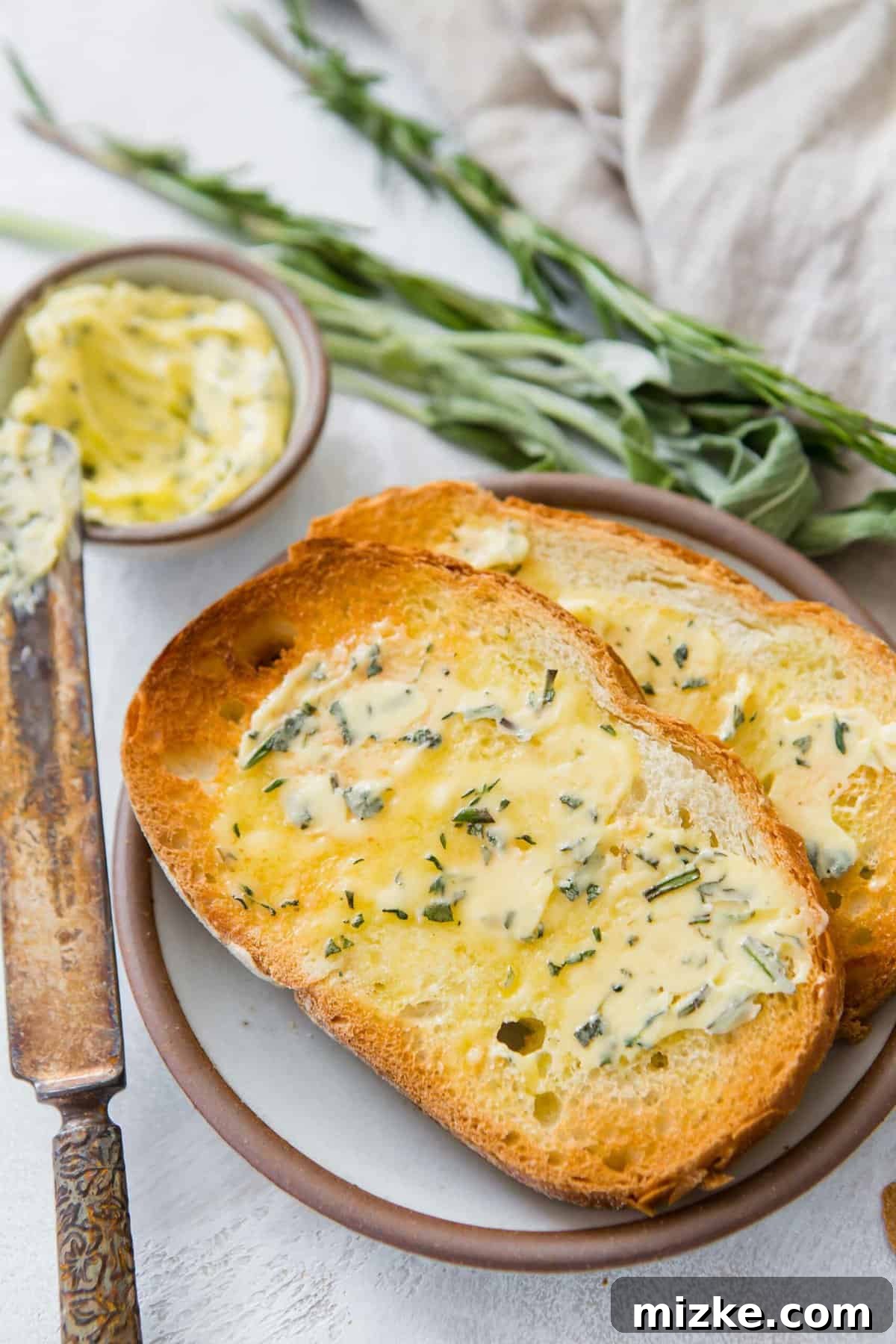
Herbed compound butter is a truly transformative ingredient, offering a simple yet incredibly effective way to infuse rich, aromatic flavors into almost any dish. This fail-proof recipe is not only easy to master but also infinitely adaptable, allowing you to personalize it with your favorite fresh herbs, spices, and unique mix-ins. Get ready to elevate your culinary creations with this secret weapon!
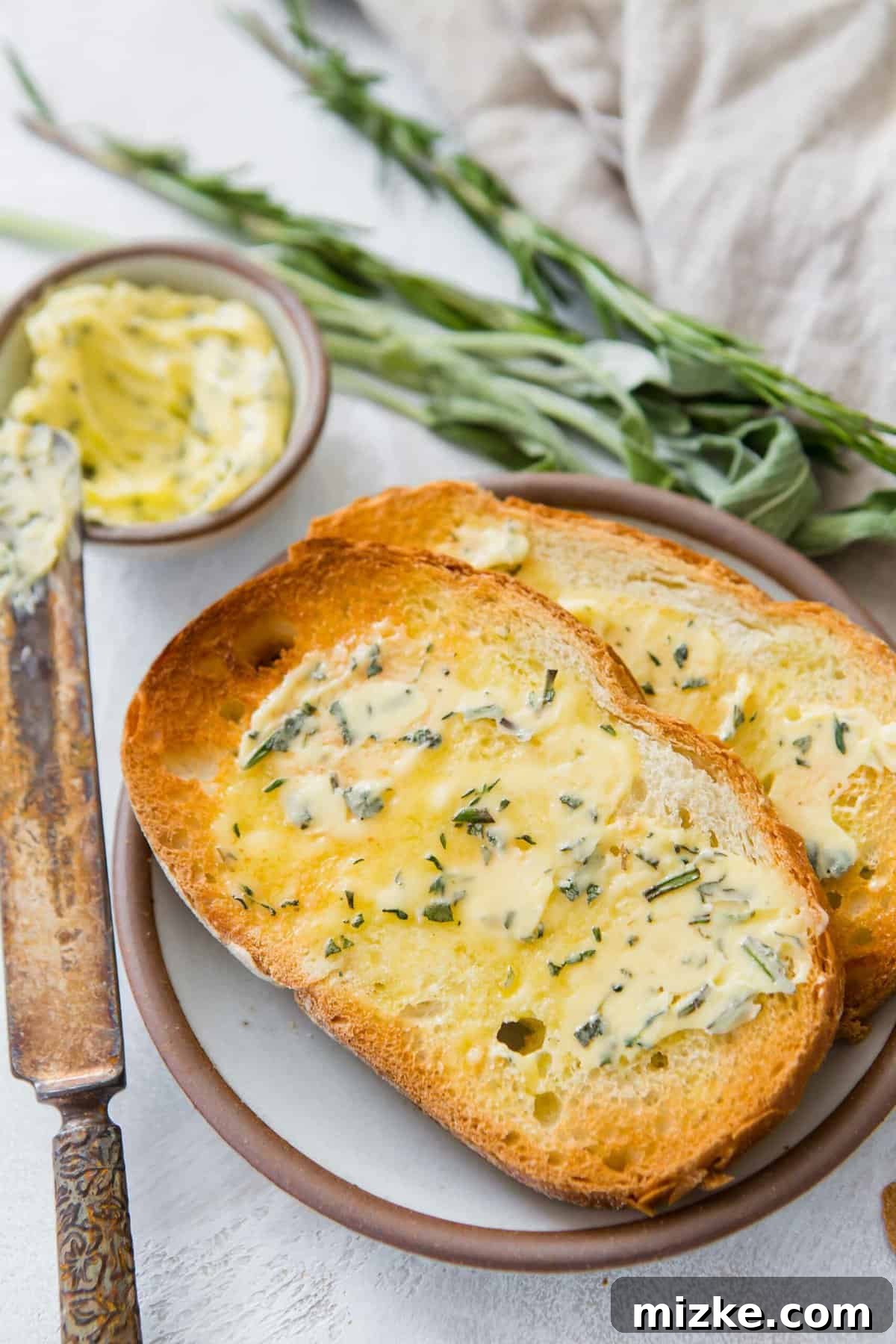
Imagine the subtle sizzle of herbed butter melting over a perfectly seared steak, the comforting aroma as it enriches a simple pasta dish, or the delightful burst of flavor when spread onto a warm, crusty dinner roll. Compound butter isn’t just butter; it’s a magical ingredient that instantly upgrades the ordinary to extraordinary. While plain butter is good, butter enhanced with the vibrant, fresh essence of garden herbs is undeniably even better!
As the holiday season approaches, or perhaps for any gathering throughout the year, I highly recommend preparing a batch of homemade herbed compound butter. It’s an effortless way to impress your guests and demonstrate your culinary flair. The best part? They don’t need to know just how ridiculously easy it is to make!
All you truly need are two main components: high-quality butter, softened to room temperature (whether salted or unsalted), and your selection of fresh, aromatic herbs. Simply combine these ingredients, form the mixture into a neat log, and then refrigerate until it sets. If you’re hosting a special event and wish to add an extra touch of elegance, consider chilling your compound butter in a decorative silicone mold or even individual small molds for perfectly portioned servings. The possibilities for presentation are as endless as the flavor combinations!
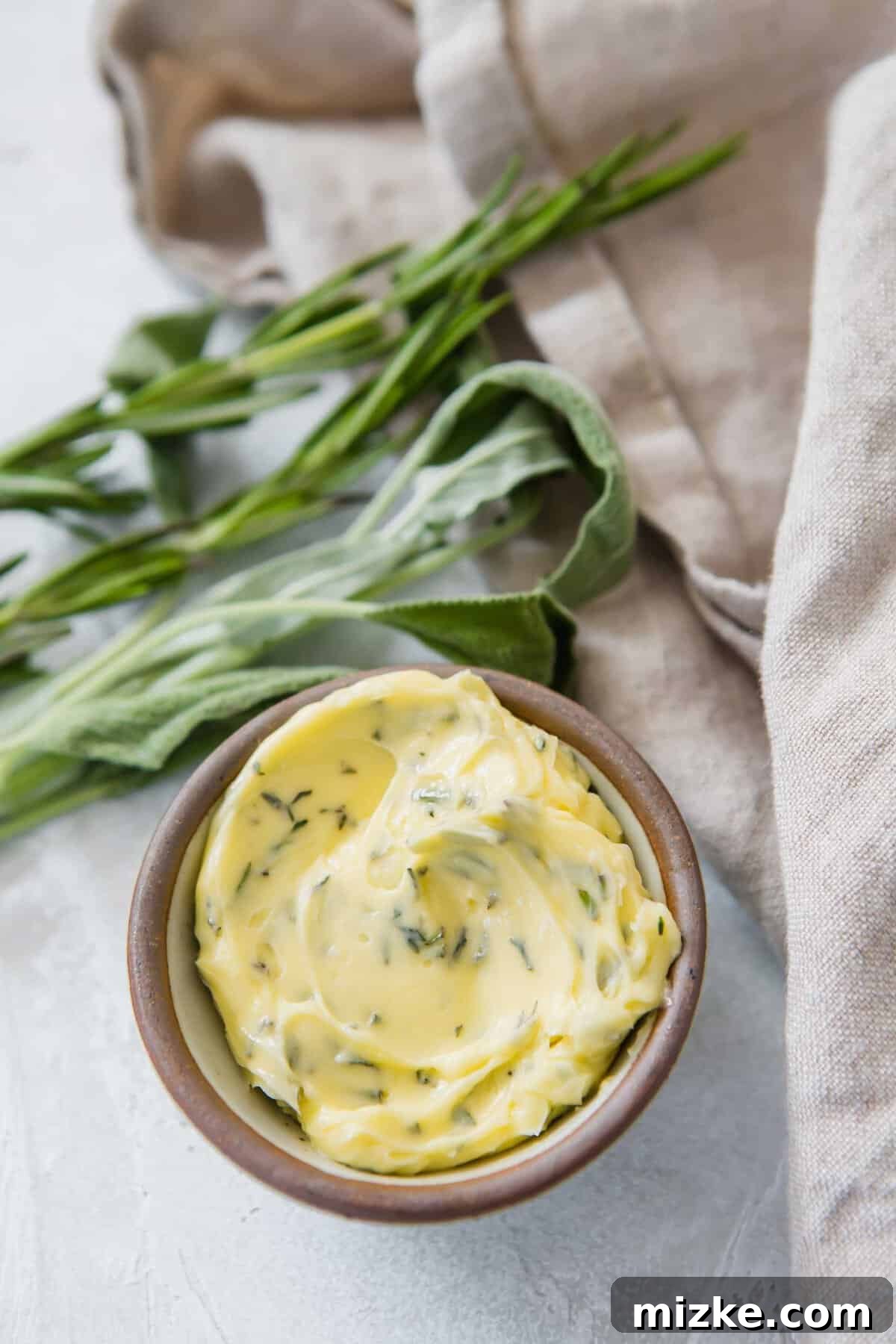
What Exactly is Compound Butter?
Compound butter, also known as flavored butter or beurre composé, is simply softened butter that has been blended with various aromatic ingredients such as herbs, spices, garlic, citrus zest, or other flavorings. This technique has been used in classic French cuisine for centuries to enhance dishes with a concentrated burst of flavor. It’s an incredibly versatile condiment that can transform a basic meal into a gourmet experience with minimal effort.
The beauty of compound butter lies in its ability to be prepared in advance, allowing the flavors to meld beautifully. When stored correctly, it keeps well and is always ready to add a luxurious touch to your cooking. Think of it as a flavor-packed shortcut that makes you look like a culinary genius!
Why Make Your Own Herbed Compound Butter?
Beyond the sheer delight of its flavor, making your own herbed compound butter offers several compelling advantages:
- Unmatched Freshness: Store-bought flavored butters often contain preservatives or dried herbs. Crafting your own ensures you’re using the freshest ingredients for the most vibrant taste.
- Ultimate Customization: You are the master of your flavors! Adjust the herb ratio, add a touch of spice, or incorporate sweet elements to suit any dish or personal preference. This is perfect for using up those leftover herbs that often go to waste after a recipe calls for just a sprig or two.
- Economical: Buying specialty flavored butters can be pricey. Making it at home is a cost-effective way to enjoy gourmet flavors without the gourmet price tag.
- Impress Your Guests: Serving homemade compound butter immediately elevates a simple bread basket or a roasted chicken. It’s a thoughtful touch that will undoubtedly impress anyone at your table.
- Zero Waste: How many times have you bought a whole bunch of rosemary or thyme for a recipe and only used a fraction? Compound butter is an ingenious way to utilize those leftover fresh herbs, preventing food waste and giving them a delicious new purpose.
Essential Ingredients for Your Herbed Compound Butter
The foundation of any great compound butter starts with quality ingredients. Here’s what you’ll need for this classic herbed version, along with important considerations:
- Unsalted Butter: We recommend starting with unsalted butter. This gives you complete control over the final salt content of your compound butter. If you opt for salted butter, be mindful and adjust any additional salt to taste, remembering that you’ll likely be adding more salt to whatever dish you cook with it. Ensure your butter is at room temperature – this is crucial for smooth mixing and ensuring the herbs are evenly incorporated without clumping.
- Fresh Herbs: The star of the show! For this recipe, we use a balanced blend of one tablespoon each of finely chopped fresh rosemary, thyme, and sage. These robust herbs complement each other wonderfully and are incredibly versatile.
Unleash Your Creativity: More Compound Butter Add-Ins
The beauty of compound butter lies in its endless customization. Don’t be afraid to experiment and create your signature blend! If you’re adding spices, start with a small amount, taste, and then add more if needed to achieve your desired intensity. Here are some more ideas:
- Other Fresh Herbs: Expand beyond the classic trio with fresh tarragon (excellent with chicken or fish), chives (great for eggs or potatoes), basil (perfect for Italian dishes), parsley (a universal enhancer), dill (pairs well with salmon or vegetables), or cilantro (for a more global flavor profile).
- Spices & Aromatics:
- Garlic: Minced fresh garlic for a pungent kick, or roasted garlic for a sweeter, more mellow flavor profile.
- Chili Powder or Flakes: For a touch of heat, ideal for corn-on-the-cob or spicy chicken.
- Cumin: Adds an earthy depth, fantastic with lamb or grilled vegetables.
- Smoked Paprika: Imparts a smoky richness, excellent for barbecue rubs or roasted potatoes.
- Freshly Ground Black Pepper: A simple addition that enhances almost any savory butter.
- Sweeteners: For dessert applications or to glaze roasted vegetables:
- Honey: Adds natural sweetness and a lovely sheen.
- Maple Syrup: A deeper, richer sweetness, wonderful with sweet potatoes or pancakes.
- Citrus Zest: The zest of lemon, lime, or even orange can add a bright, fragrant lift that cuts through richness.
- Savory Enhancements:
- Minced Shallots or Onions: For a subtle oniony flavor.
- Sun-Dried Tomatoes: Finely chopped, they add an umami-rich, slightly sweet and tangy note.
- Capers: Chopped capers provide a briny, salty punch.
- Mustard: A touch of Dijon or whole-grain mustard can add a piquant edge.
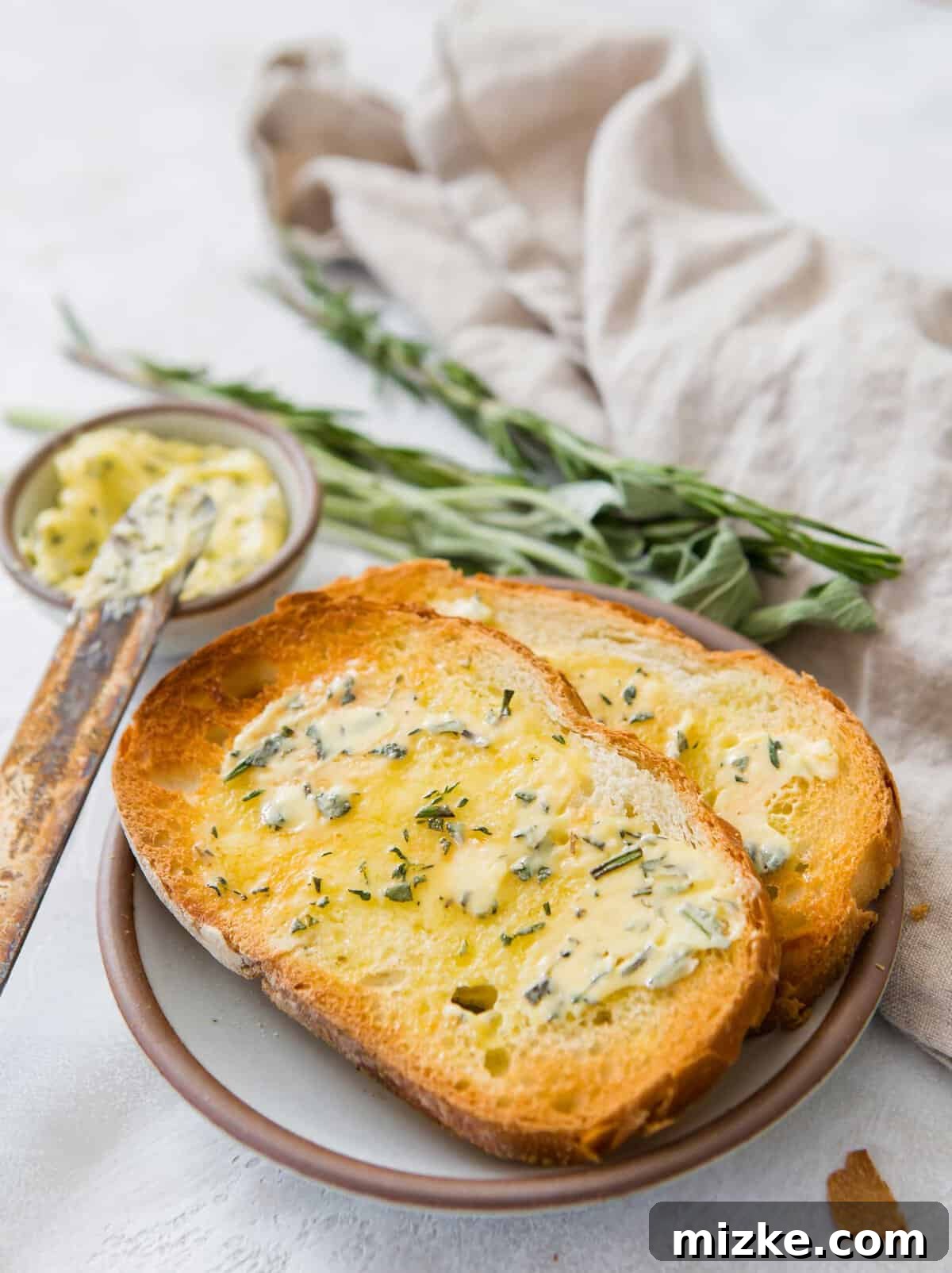
Step-by-Step Guide: Crafting Your Perfect Herbed Compound Butter
Making compound butter is a quick and satisfying process, but remember to factor in enough time for the butter to firm up properly in the refrigerator before use.
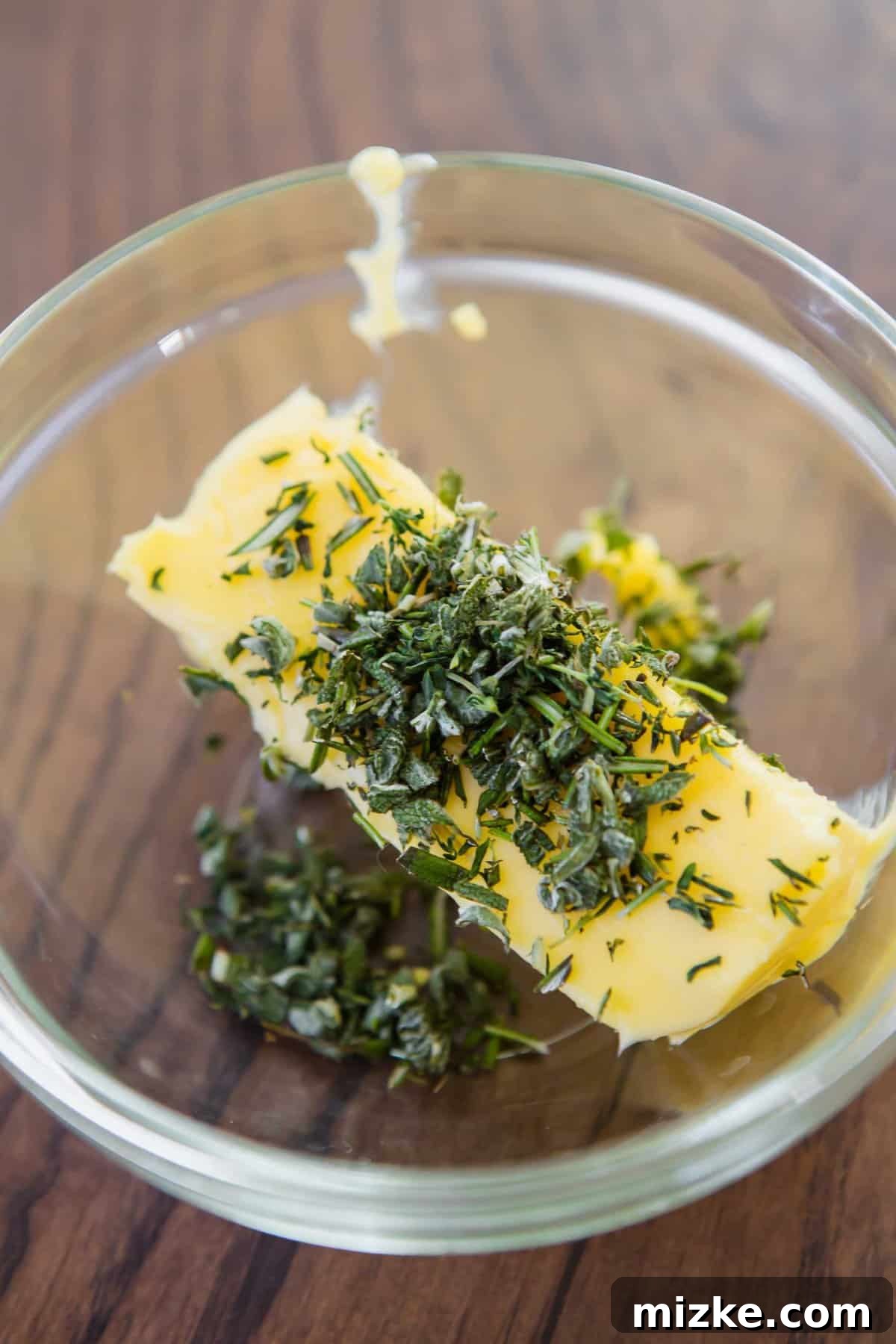
- Prepare Your Ingredients: Ensure your butter is truly at room temperature. It should be soft enough to easily mix but not melted or greasy. If your butter is too cold, it won’t combine properly; if it’s too warm, the compound butter will be too soft and difficult to form. Finely chop your chosen fresh herbs. The finer the chop, the better the herbs will incorporate into the butter, ensuring even flavor distribution.
- Combine and Season: In a small mixing bowl, place the softened butter. Add the finely chopped fresh herbs. Using a fork or a spatula, thoroughly mix the butter and herbs together until they are completely combined and the herbs are evenly distributed throughout the butter. Season to taste with a pinch of salt. Remember to start with less salt if using salted butter or if you plan to use the compound butter in a dish that will be seasoned separately.
- Form into a Log (or Molds): Lay a large piece of plastic wrap or parchment paper on your clean counter. Spoon the herbed butter mixture into the center of the plastic wrap. Gently fold the plastic wrap over the butter and begin to shape it into a log, about 1 to 1.5 inches in diameter. Roll the log tightly, pushing out any air pockets. Twist the ends of the plastic wrap to seal the log securely. Alternatively, for a more decorative touch or individual portions, press the butter into silicone molds of your choice.
- Chill Until Firm: Place the wrapped butter log (or molds) in the refrigerator. Allow it to chill for at least 1-2 hours, or until the butter is completely firm. This firming process is essential for easy slicing and handling. Once firm, your homemade herbed compound butter is ready to be used as you wish!
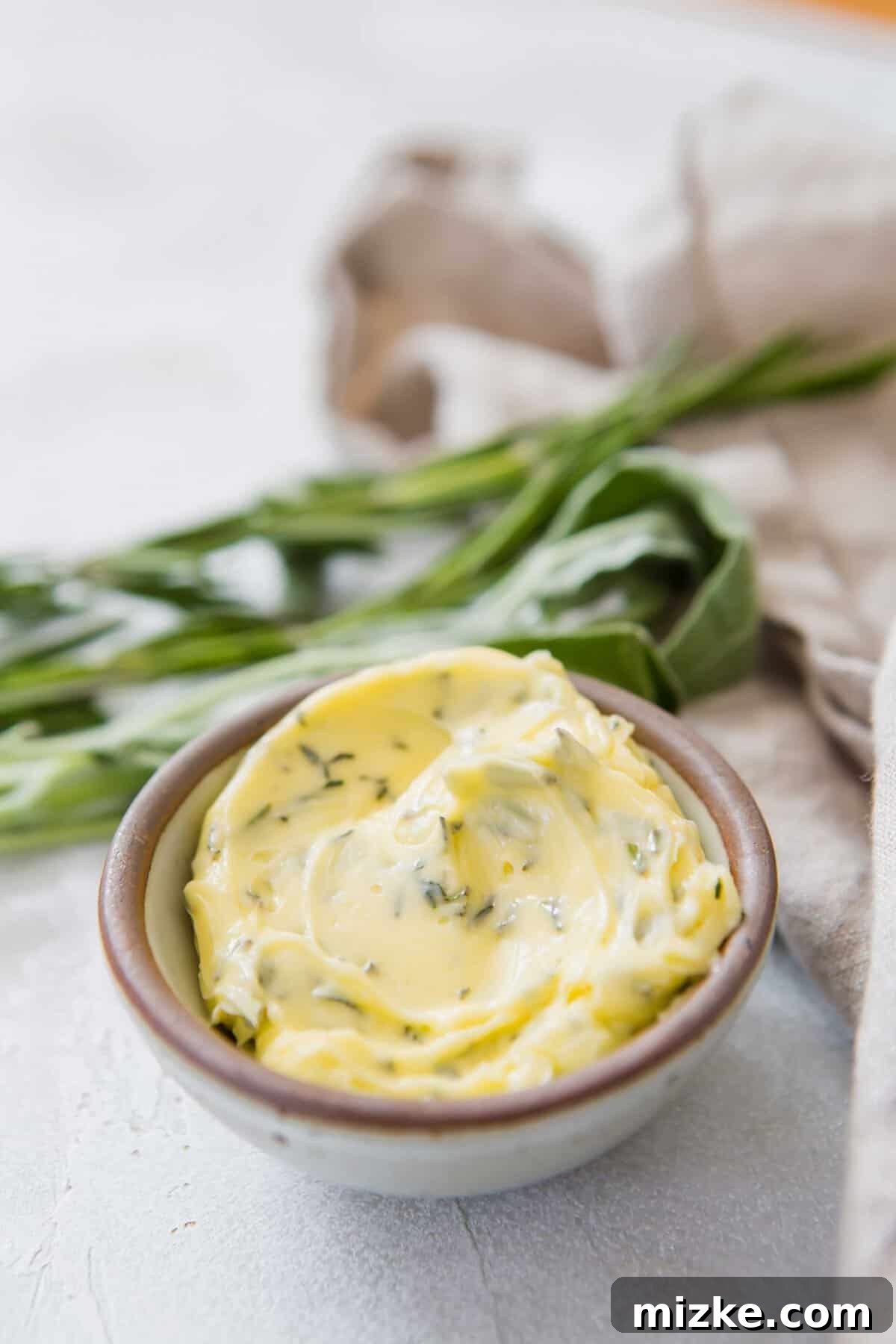
Unlocking Flavor: Incredible Ways to Use Herbed Compound Butter
The versatility of compound butter is truly remarkable. Once you start using it, you’ll wonder how you ever cooked without it! Here are just a few of the many delicious ways to incorporate herbed compound butter into your meals:
- Elevate Proteins: This is, arguably, one of the best ways to use compound butter.
- Steak & Red Meats: Place a generous pat of cold compound butter on top of a hot, freshly grilled or seared steak just as it comes off the pan. The butter will melt, creating a rich, flavorful sauce that bastes the meat.
- Chicken: Use it as the primary fat for cooking chicken, whether pan-searing, roasting, or grilling. Spread it under the skin of a whole chicken or turkey before roasting for incredibly moist and flavorful results. It’s fantastic in dishes like a garlic herb butter chicken skillet.
- Fish & Seafood: A small pat of herbed butter melted over baked or grilled salmon, cod, or shrimp adds an instant gourmet touch.
- Lamb: Rosemary and thyme butter is a natural pairing for roasted lamb chops or a leg of lamb.
- Enhance Vegetables:
- Roasted Vegetables: Toss vegetables like potatoes, carrots, asparagus, or broccoli with melted compound butter before roasting for an unparalleled depth of flavor.
- Corn-on-the-Cob: Slather it generously over warm corn-on-the-cob for a burst of fresh herb goodness.
- Steamed or Sautéed Greens: A knob of herbed butter melted into steamed green beans, spinach, or broccoli adds richness and flavor.
- Perfect for Breads & Baked Goods:
- Dinner Rolls & Biscuits: Serve it softened alongside warm dinner rolls, biscuits, or a crusty baguette.
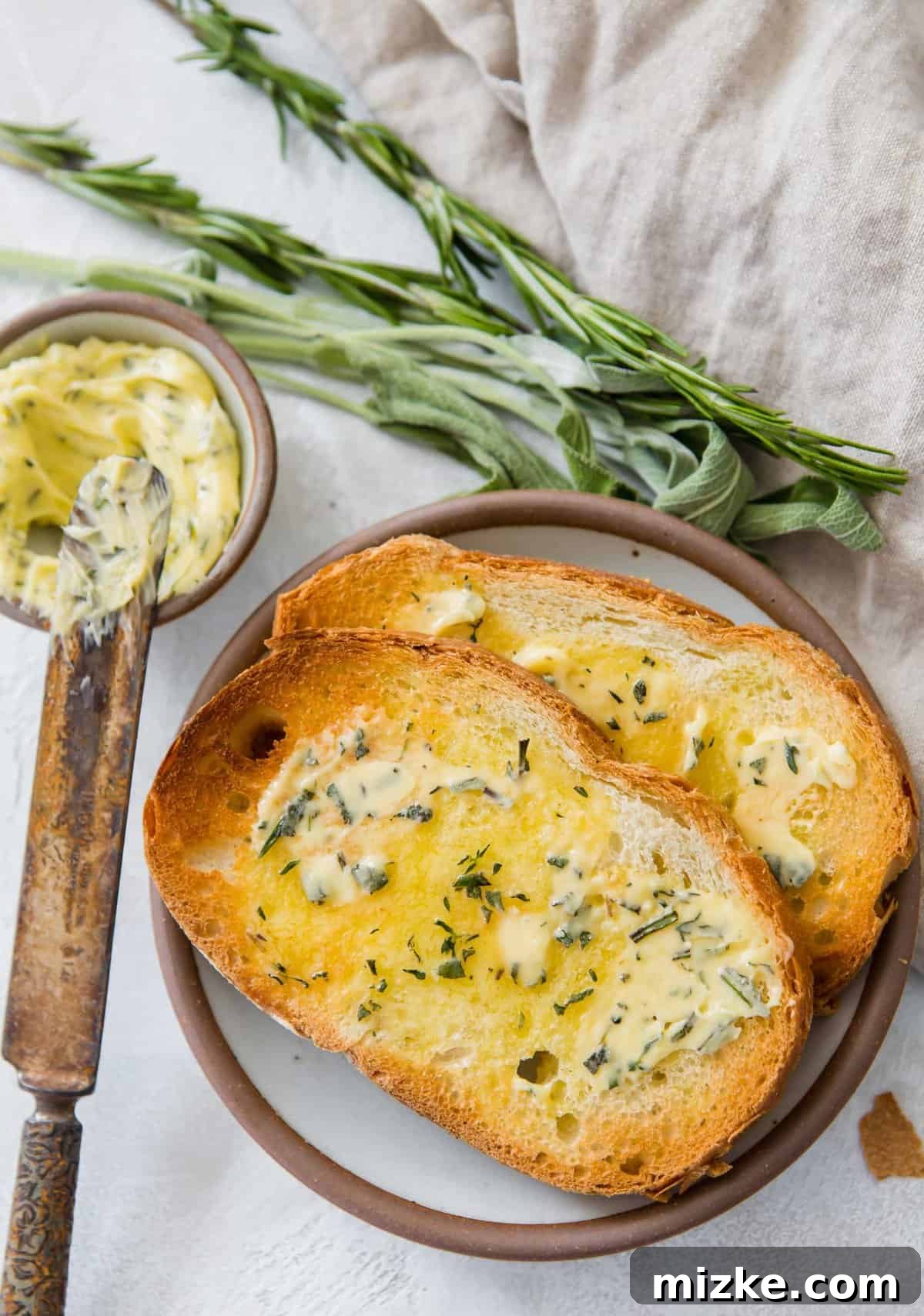
- Garlic Bread: Spread it on sliced bread and toast for the ultimate garlic herb bread.
- Toast & Sandwiches: Use it instead of plain butter on your morning toast or as a flavorful spread for sandwiches. It’s also delightful on pumpkin cornbread muffins.
- Pasta & Grains: Melt a tablespoon or two into hot pasta for a simple yet incredibly flavorful sauce. It also works beautifully to enrich risotto or a pilaf.
- Eggs: Whisk a small amount into scrambled eggs or use it to cook an omelet for an aromatic breakfast.
- Finishing Touch for Sauces & Gravies: Add it at the very end of cooking a dish to create a quick pan sauce with the deglazed juices. It adds body, gloss, and a concentrated burst of flavor.
Storage Solutions: Keeping Your Compound Butter Fresh
Proper storage is key to extending the life of your homemade herbed compound butter and ensuring it remains delicious. Because of the addition of fresh herbs and other ingredients, it has a shorter shelf life than plain butter.
- Refrigeration: Your herbed compound butter, tightly wrapped in plastic wrap or parchment paper and stored in an airtight container, will last for up to one week in the refrigerator. Ensure it’s sealed well to prevent it from absorbing odors from other foods.
- Signs of Spoilage: Always check for any signs of mold, off-smells, or discoloration before use. When in doubt, it’s best to discard it.
Freezing for Longer Enjoyment
Yes, herbed compound butter freezes exceptionally well, making it perfect for meal prepping or preparing large batches to have on hand. Freezing is an excellent way to extend its shelf life significantly.
- How to Freeze:
- Once your compound butter log is firm from refrigeration, you can slice it into individual portions (about 1-2 tablespoon discs). This makes it easy to grab just what you need without thawing the entire log.
- Wrap each slice or the entire log tightly in plastic wrap, then place it inside a freezer-safe bag or an airtight container. Make sure to press out any excess air from the bag to prevent freezer burn.
- Label the bag or container with the date and type of compound butter.
- Freezer Shelf Life: When properly stored, herbed compound butter can be kept in the freezer for up to 3 months. Beyond this period, while still safe to eat, the flavors and texture might begin to degrade.
- Thawing & Usage: When you’re ready to use it, simply take out the desired portion and let it thaw in the refrigerator for a few hours, or you can often use it directly from frozen in hot dishes (like placing a frozen disc on a hot steak).
Expert Tips for Compound Butter Success
- Always Use Fresh Herbs: While dried herbs can be used in a pinch, fresh herbs provide a far superior flavor and aroma that truly makes compound butter shine.
- Finely Chop Ingredients: Ensure all your add-ins, especially herbs and garlic, are very finely chopped. This helps them integrate smoothly into the butter and ensures every bite delivers consistent flavor.
- Taste and Adjust: Don’t be afraid to taste your butter mixture before chilling it. This is your chance to adjust seasonings like salt or add more of a particular herb or spice.
- Room Temperature Butter is Non-Negotiable: This is perhaps the most important tip. Softened butter makes it easy to mix evenly without clumping, resulting in a smooth, beautifully flavored product.
- Experiment with Combinations: Once you master the basic recipe, let your creativity flow! Think about flavor pairings that work well together in other dishes and apply them to your butter.
Frequently Asked Questions (FAQs)
We’ve gathered some common questions about making and using herbed compound butter to help you on your culinary journey.
- Can I use dried herbs instead of fresh?
While fresh herbs are highly recommended for their vibrant flavor and aroma, you can use dried herbs. As a general rule, use about one-third the amount of dried herbs compared to fresh. For example, if a recipe calls for 1 tablespoon of fresh herbs, use 1 teaspoon of dried. Keep in mind that the flavor profile will be less bright and more concentrated.
- How do I quickly soften butter to room temperature?
If you forgot to take your butter out, you can speed up the process by cutting the cold butter stick into smaller pieces. You can also gently microwave it on very low power (10-15 seconds bursts) until just softened, being careful not to melt it. Another method is to grate the cold butter, which increases its surface area and allows it to soften faster.
- What are some good herb combinations?
Beyond the rosemary, thyme, and sage, try:
- Parsley, chives, and dill (great for fish or potatoes).
- Basil, oregano, and a pinch of red pepper flakes (for Italian dishes).
- Cilantro, lime zest, and a touch of cumin (for Mexican-inspired meals).
- Mint and parsley (lovely with lamb or spring vegetables).
- Can I make sweet compound butter?
Absolutely! Instead of savory herbs, blend softened butter with honey or maple syrup, cinnamon, nutmeg, and perhaps a pinch of orange zest. This sweet butter is divine on pancakes, waffles, toast, or sweet potatoes.
Recipes That Use Compound Butter
Ready to put your homemade herbed compound butter to delicious use? Here are some fantastic recipes where it truly shines:
- Parmesan Garlic Ranch Butter Smashed Potatoes – A flavorful twist on a classic side dish.
- Honey Butter Lemon Chicken with Asparagus – A vibrant and tender chicken dish, perfect for weeknights.
- Instant Pot Roast Chicken – Achieve perfectly moist and flavorful chicken with ease.
- Roasted Chicken with Compound Butter – A classic preparation that guarantees juicy results.
Herbed Compound Butter
By: Julie Chiou
A delicious way to amp up regular butter! You can use this to make sauces or elevate a dish.
Prep Time: 5 minutes
Total Time: 5 minutes
Servings: 8 tablespoons
Ingredients
- 8 tablespoons (112 g) unsalted butter, room temperature
- 1 tablespoon each of fresh rosemary, thyme, and sage, finely chopped
Instructions
- In a small bowl, mix together butter and herbs. Season with salt, to taste.
- Place a large piece of plastic wrap on the counter then put butter on top. Fold the plastic wrap around it and shape it into a log. Twist ends to seal then pop in the refrigerator to firm up. Cut and use how you wish.
Notes
If using salted butter, you shouldn’t need salt as you will likely add more salt to whatever you’re cooking with the herbed compound butter.
You can use whatever fresh herbs you have on hand. Ideally, they should be fresh herbs not dried.
Nutrition
Serving: 1 tablespoon, Calories: 100 kcal, Carbohydrates: 1g, Protein: 1g, Fat: 11g, Saturated Fat: 7g, Trans Fat: 1g, Cholesterol: 30mg, Sodium: 2mg, Potassium: 3mg, Sugar: 1g
Disclaimers
This website provides approximate nutrition information for convenience and as a courtesy only. Nutrition information can vary for a variety of reasons. For the most precise nutritional data use your preferred nutrition calculator based on the actual ingredients you used in the recipe.
The default measuring system for this website is US Customary. Unit conversions are provided for convenience and as a courtesy only. While we strive to provide accurate unit conversions, please be aware that there may be some discrepancies.
Email Yourself This Recipe!
Get the recipe link sent to your inbox! PLUS, we’ll send you fresh recipes weekly!
In conclusion, herbed compound butter is a simple yet incredibly impactful culinary tool that every home cook should have in their repertoire. It’s a testament to how a few fresh ingredients can transform the ordinary into something truly special. So go ahead, whip up a batch, experiment with flavors, and enjoy the endless possibilities it brings to your kitchen!