
Mastering the Art of Perfectly Roasted Vegetables: Your Ultimate Guide
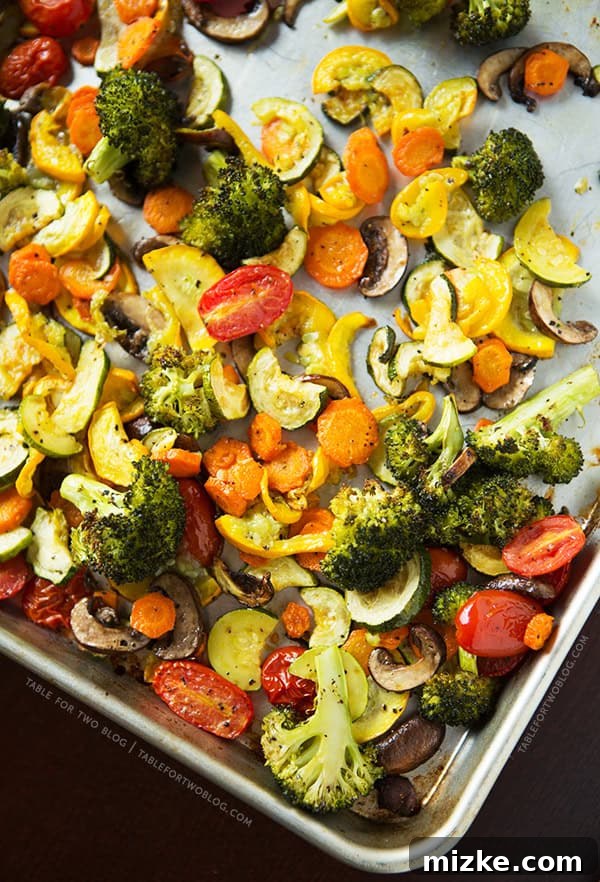
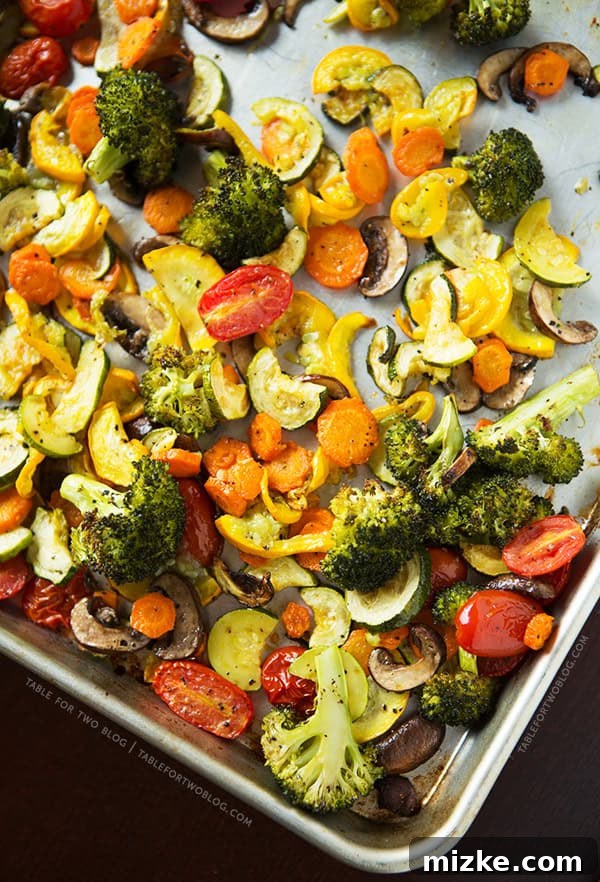
Roasted vegetables are, without a doubt, one of the most versatile, delicious, and nutrient-packed side dishes you can prepare. Their appeal lies in their incredible simplicity and the profound flavor transformation that occurs in the oven. What starts as a humble collection of raw veggies emerges as a caramelized, tender, and slightly charred masterpiece. Many home cooks swear by this method for getting their daily dose of greens, and for good reason—it’s incredibly easy and consistently delivers mouth-watering results.
The magic of roasting lies in the high heat of the oven, which not only cooks the vegetables but also triggers a process known as the Maillard reaction and caramelization. This creates a deeply savory, slightly sweet, and utterly addictive flavor profile that simply cannot be achieved through steaming or boiling. The edges crisp up beautifully, while the interiors become wonderfully tender. For many, including myself, roasting is the only way to truly enjoy vegetables!
Choosing the Best Vegetables for Roasting
Nearly any vegetable can be roasted, but for optimal results, it’s helpful to understand which types perform best and how their characteristics influence cooking times. From hearty root vegetables to delicate greens, the oven can bring out unique flavors and textures in almost everything.
Here are some of our absolute favorite vegetables to roast, categorized by their typical roasting behavior:
- Hardy Root Vegetables:
- Potatoes (Russet, Yukon Gold, Red)
- Sweet Potatoes
- Carrots
- Parsnips
- Beets
- Turnips
These dense vegetables take longer to cook but become incredibly tender and sweet, with beautifully caramelized exteriors. Cut them into uniform 1-inch pieces for even cooking.
- Cruciferous Vegetables:
- Broccoli
- Brussels Sprouts
- Cauliflower
- Cabbage (wedges)
These develop a delightful crispness and nutty flavor when roasted. Ensure florets are roughly the same size for uniform browning.
- Squash and Gourds:
- Zucchini
- Yellow Squash
- Butternut Squash
- Acorn Squash
- Delicata Squash
From summer squash to winter varieties, roasting brings out their natural sweetness. Winter squashes require longer roasting times, similar to root vegetables, while summer squashes cook quicker and release more moisture.
- Fruiting Vegetables & Fungi:
- Cherry Tomatoes
- Bell Peppers
- Onions (wedges)
- Mushrooms (Cremini, Portobello, Button)
These varieties tend to release more moisture during roasting. Tomatoes burst with concentrated sweetness, while peppers and onions become wonderfully soft and flavorful. Mushrooms absorb flavors beautifully and achieve a meaty texture.
- Green Beans:
A quick-cooking favorite, green beans become slightly blistered and tender-crisp in the oven, making them a fantastic alternative to steamed.
Can You Roast Different Vegetables Together?
The answer to roasting vegetables together is a nuanced “yes, with considerations!” While it’s certainly convenient to throw everything onto one sheet pan, achieving perfectly cooked vegetables across the board requires a little strategic thinking.
The primary factor to consider is the cooking time and density of each vegetable. As a general rule:
- Group by Density: Root vegetables like potatoes, sweet potatoes, carrots, and parsnips are quite dense and require a longer roasting time (typically 20-30 minutes or more at 400°F/200°C). Cruciferous vegetables like broccoli, cauliflower, and Brussels sprouts fall into a similar range, needing around 15-25 minutes. These can often be roasted together.
- Mind the Moisture: Softer, more watery vegetables such as zucchini, yellow squash, mushrooms, and bell peppers cook much faster (10-20 minutes). They also release more liquid, which can steam other vegetables on the pan instead of allowing them to brown. If you combine them with longer-cooking vegetables, the watery ones might turn mushy before the others are tender.
Strategies for Mixed Vegetable Roasting:
- Separate Pans: The simplest and most foolproof method is to use separate sheet pans for vegetables with significantly different cooking times. For instance, roast potatoes on one pan and zucchini/mushrooms on another.
- Staggered Addition: If you must use one pan, start roasting the denser vegetables first. After 10-15 minutes, add the quicker-cooking vegetables to the pan, ensuring everything finishes cooking around the same time.
- Uniform Cutting: This is crucial. If you’re combining different types, cut the denser vegetables into smaller pieces and the quicker-cooking ones into larger pieces. For example, finely chop carrots while slicing zucchini thicker. This helps them cook at a more similar rate.
- Don’t Overcrowd: Regardless of whether you’re roasting one type of vegetable or several, always ensure they are spread in a single layer on the baking sheet. Overcrowding leads to steaming, not roasting, resulting in soggy vegetables instead of crispy, caramelized ones. If you have a large batch, use two sheet pans.
Experimentation is key! You’ll quickly learn the specific cook times for your favorite combinations. Sometimes, a slightly softer zucchini alongside a perfectly tender potato is exactly what you want.
Mastering the Art of Roasting: Key Techniques for Perfection
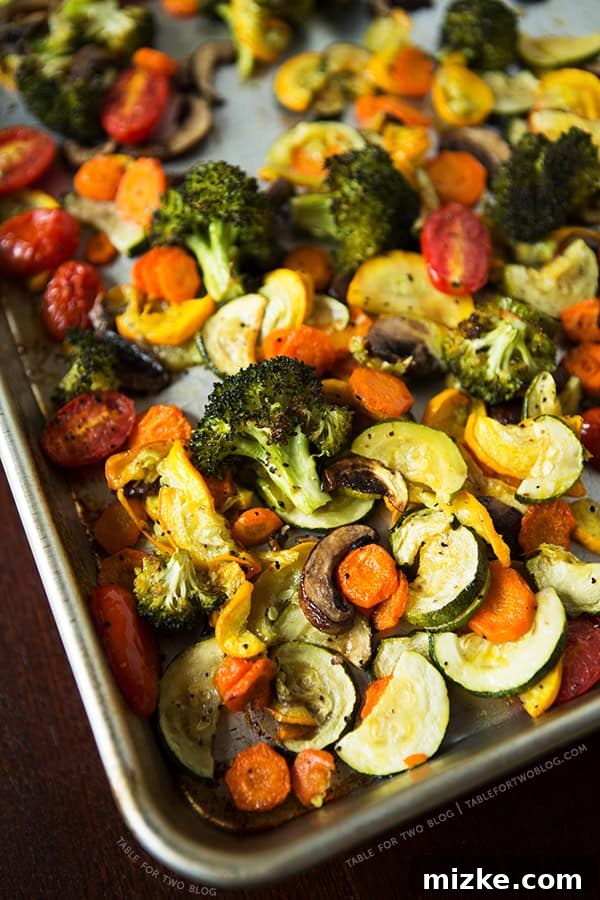
Achieving perfectly roasted vegetables consistently involves a few simple yet crucial techniques that elevate them from good to truly exceptional.
1. Preparation is Paramount: Wash, Dry, and Chop
- Wash Thoroughly: Always wash your vegetables thoroughly under cold running water.
- Dry Completely: This step cannot be overstated. Excess moisture is the enemy of crispiness. After washing, pat your vegetables thoroughly dry with a clean kitchen towel or paper towels. Moisture on the surface will steam the vegetables rather than allowing them to brown and caramelize.
- Chop Uniformly: Cut all vegetables into roughly similar-sized pieces. This ensures even cooking. If some pieces are too small, they’ll burn; if too large, they won’t cook through. For dense vegetables, consider slightly smaller pieces.
2. The Right Fat and Seasoning
- Oil Choice: A good quality olive oil is usually the best choice for roasting. Its flavor complements most vegetables, and it has a relatively high smoke point suitable for oven temperatures. Avocado oil or grapeseed oil are also excellent neutral options.
- Amount of Oil: Don’t drown your vegetables in oil, but don’t skimp either. You need enough to coat all surfaces lightly. For a standard sheet pan of chopped vegetables, 1-2 tablespoons is usually sufficient. A light coating promotes browning and prevents sticking.
- Season Generously: Salt and freshly ground black pepper are your essentials. Kosher salt is preferred for its texture and flavor. Beyond that, fresh or dried herbs (rosemary, thyme, oregano), garlic powder, onion powder, paprika, or a pinch of red pepper flakes can add wonderful depth of flavor. Toss vegetables with oil and seasonings in a large bowl to ensure even distribution.
3. High Heat is Your Friend
For most vegetables, a high oven temperature is crucial for that desirable crispy exterior and tender interior. Aim for 400°F (200°C) to 425°F (218°C). This high heat quickly cooks the vegetables and encourages caramelization and browning.
4. Don’t Overcrowd the Pan
This is arguably the most common mistake when roasting vegetables. If you pile too many vegetables onto one sheet pan, they will steam rather than roast. The moisture released has nowhere to go, preventing proper browning. Always spread your vegetables in a single layer with a little space between each piece. If necessary, use two baking sheets.
5. Stir for Even Cooking
For uniform browning and tenderness, stir your vegetables every 15-20 minutes during roasting. This ensures all sides get exposed to the direct heat of the pan and the oven’s air circulation.
6. Testing for Doneness
Vegetables are typically done when they are tender when pierced with a fork and have developed some beautiful brown, caramelized, or slightly charred spots. The exact cooking time will vary depending on the type of vegetable, the size of your cuts, and your oven.
How Do You Prevent Your Roasted Vegetables from Sticking to the Sheet Pan?
Preventing vegetables from sticking to the baking sheet is essential for easy cleanup and ensuring all those delicious caramelized bits stay with your food.
- Parchment Paper: This is your absolute best friend for roasting. It creates a non-stick surface, promotes excellent browning and crispiness, and makes cleanup incredibly easy. Vegetables rarely stick to parchment paper, and the slight insulating effect can also contribute to a better roast.
- Silicone Baking Mats: Also known as Silpats, these are reusable, eco-friendly alternatives to parchment paper. They are excellent for non-stick purposes. However, some experienced roasters feel that silicone mats can sometimes prevent vegetables from getting as deeply browned or crispy as they would on parchment paper or directly on a metal pan, as they slightly insulate the heat. They are still a fantastic option for general non-stick needs.
- Aluminum Foil: This is another viable option, especially if you’re out of parchment. Be sure to use heavy-duty foil. For best results with foil, lightly grease the surface with a bit of olive oil or non-stick spray, as vegetables can sometimes stick to foil if it’s not lubricated.
- Nonstick Baking Sheets: If you have a good quality nonstick baking sheet, you might not always need a liner. However, for peace of mind, or when roasting particularly sticky vegetables (like sweet potatoes with a sugary glaze), adding parchment paper is still a good idea. Nonstick coatings can degrade over time and with high heat, so parchment helps protect your pan and ensures consistent results.
Ultimately, my preference leans towards parchment paper for achieving the perfect balance of non-stick convenience and delicious, crispy caramelization.
If You Love Roasted Vegetables, You’ll Love These Recipes:
- Crispy Zucchini Chips
- Sweet Roasted Delicata Squash
- Savory Roasted Parmesan Broccoli
- Tender Roasted Parmesan Carrots
- Garlic Roasted Green Beans
Classic Oven-Roasted Vegetables
By: Julie Chiou
Roasted vegetables transform simple ingredients into a deeply flavorful, caramelized side dish. Infused with olive oil and perfectly seasoned, they are an effortless addition to any meal.
Prep Time: 5 minutes
Cook Time: 40 minutes
Total Time: 45 minutes
Servings: 4
Equipment
- Large Rimmed Baking Sheet (you may need two)
- Large mixing bowl
Ingredients
- 1 large head of broccoli, florets chopped off from the stalk
- 1 large zucchini, chopped into half moons or 1-inch pieces
- 1 large yellow squash, chopped into half moons or 1-inch pieces
- 1 cup (149 g) cherry tomatoes, sliced in halves
- 3 medium carrots, peeled and chopped into 1-inch rounds or sticks
- 10 ounce (284 g) portobello mushrooms, sliced
- ¼ cup (59 ml) of olive oil
- 2-3 teaspoons kosher salt (adjust to taste)
- 2 teaspoons ground black pepper (adjust to taste)
Instructions
- Preheat your oven to 425°F (218°C). Line one or two large rimmed baking sheets with parchment paper for easy cleanup and optimal browning.
- In a very large bowl, combine all the chopped vegetables. Drizzle generously with olive oil, then sprinkle with kosher salt and ground black pepper. Toss well with your hands or tongs until all vegetables are evenly coated.
- Divide the seasoned vegetables evenly between the prepared baking sheets, ensuring they are spread in a single layer without overcrowding. This is crucial for crispiness; if necessary, use a third sheet pan.
- Roast for 35-40 minutes, stirring the vegetables every 15 minutes. Continue roasting until the vegetables are tender, slightly caramelized, and have developed a beautiful char on the edges.
- Serve immediately as a delicious side dish.
Notes
This recipe provides a versatile base for virtually any type of vegetable. Feel free to adjust the amount of olive oil and seasonings based on the quantity and type of vegetables you’re roasting. Other excellent additions include sweet potatoes, russet potatoes, cauliflower, bell peppers, onions, asparagus, or green beans. Simply ensure denser vegetables are cut into smaller pieces or added earlier to cook evenly.
Nutrition
Approximate nutrition information per serving (1 serving): Calories: 231kcal, Carbohydrates: 23g, Protein: 8g, Fat: 15g, Saturated Fat: 2g, Trans Fat: 1g, Sodium: 1260mg, Potassium: 1236mg, Fiber: 8g, Sugar: 10g.
Disclaimer: This nutrition information is an approximation and can vary based on specific ingredients and preparation methods. For precise nutritional data, please use your preferred nutrition calculator based on the actual ingredients you use.
Beyond the Basics: Flavor Combinations and Serving Ideas
Once you’ve mastered the basic technique, the world of roasted vegetables opens up to endless flavor possibilities. Don’t hesitate to experiment with different seasonings and additions.
Flavor Enhancements:
- Fresh Herbs: Toss with fresh rosemary, thyme, or oregano during the last 10 minutes of roasting. Fresh parsley or dill can be stirred in after roasting.
- Garlic and Onion: Add minced garlic or finely chopped red onion to the pan for an aromatic boost. Roast whole garlic cloves with the skins on for sweet, spreadable garlic.
- Spices: Cumin, coriander, paprika (smoked or sweet), chili powder, and turmeric can add an international flair. For a kick, add red pepper flakes.
- Citrus Zest: A squeeze of lemon juice or a sprinkle of lemon zest after roasting brightens the flavors beautifully. Lime zest can work well with some vegetables like sweet potatoes or bell peppers.
- Vinegars: A splash of balsamic vinegar or apple cider vinegar can add a delightful tang and help with caramelization.
- Cheeses: Grated Parmesan, nutritional yeast, or crumbled feta can be added during the last few minutes of roasting or immediately after.
- Sweet & Savory: Drizzle with a touch of maple syrup or honey for sweeter vegetables like carrots or sweet potatoes.
Serving Suggestions:
- Classic Side Dish: The perfect accompaniment to any protein, from roasted chicken or fish to grilled steak or tofu.
- Hearty Salads: Add cooled roasted vegetables to green salads, grain bowls, or pasta salads for added texture and flavor.
- Breakfast Scrambles: Leftover roasted vegetables are fantastic stirred into eggs or frittatas.
- Sandwiches & Wraps: Layer roasted veggies into your favorite sandwiches or wraps for a gourmet touch.
- Purees & Soups: Blend softer roasted vegetables into creamy soups or sauces.
- Main Course: Combine a large batch of roasted vegetables with chickpeas, lentils, or a grain like quinoa for a satisfying vegetarian main meal.
Conclusion: Embrace the Roasting Revolution
Roasting vegetables is more than just a cooking method; it’s a gateway to enjoying healthier, more flavorful meals with minimal effort. The transformation that occurs in the oven, turning simple produce into caramelized, tender, and deeply savory delights, is truly a culinary marvel. Whether you’re a seasoned chef or a novice in the kitchen, mastering the art of oven-roasted vegetables will undoubtedly become one of your most valuable and frequently used cooking skills. So, preheat that oven, gather your favorite vegetables, and get ready to experience a side dish that might just steal the show!