
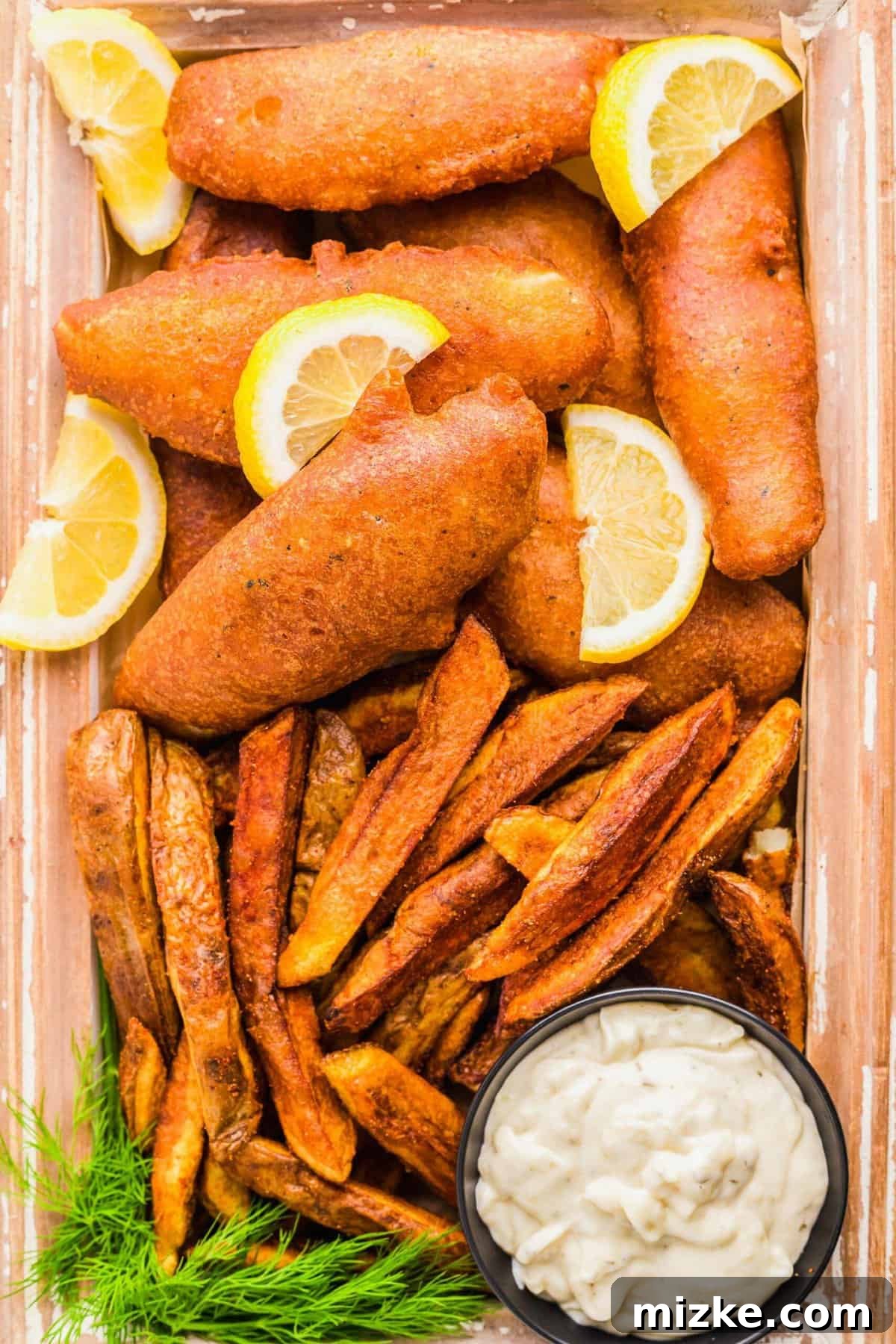
Step into a world of culinary delight and transport yourself straight to the bustling streets or cozy pubs of England with this definitive guide to crafting the perfect Fish and Chips at home. Forget mediocre takeout; prepare to indulge in the crispy, golden batter enveloping succulent, flaky white fish, perfectly paired with irresistibly flavorful, homemade French fries. This isn’t just a meal; it’s an experience, a journey for your taste buds, made even more special with a secret ingredient: beer in the batter, ensuring an unparalleled crispness and depth of flavor.
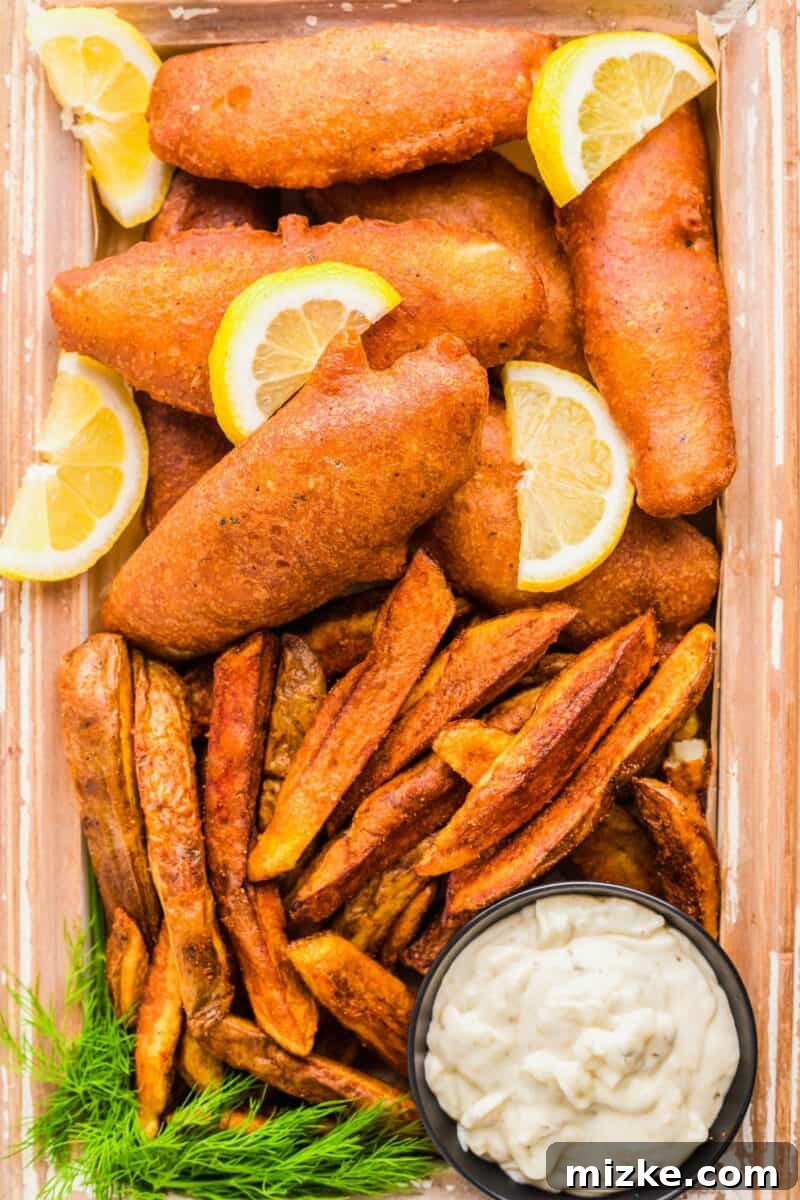
Recreating a British Classic: The Authentic Fish and Chips Experience
For many, the thought of Fish and Chips conjures images of seaside holidays or lively pub gatherings in the UK. The longing for travel, especially to beloved destinations like England, can be intense. While international travel might be on hold, there’s no better way to satisfy your wanderlust and your appetite than by bringing a piece of England into your own kitchen. This recipe aims to capture the authentic spirit and incredible taste of a true English chippy, delivering a nostalgic and satisfying meal that will make you feel like you’ve crossed the pond.
While no homemade version can exactly replicate every nuance of a dish prepared in its country of origin, this recipe comes remarkably close. It offers a fantastic substitute for that quintessential British culinary experience, ensuring that even when you can’t hop on a plane, you can still enjoy the comforting flavors of this timeless classic.
Why Homemade Fish and Chips Are Simply the Best
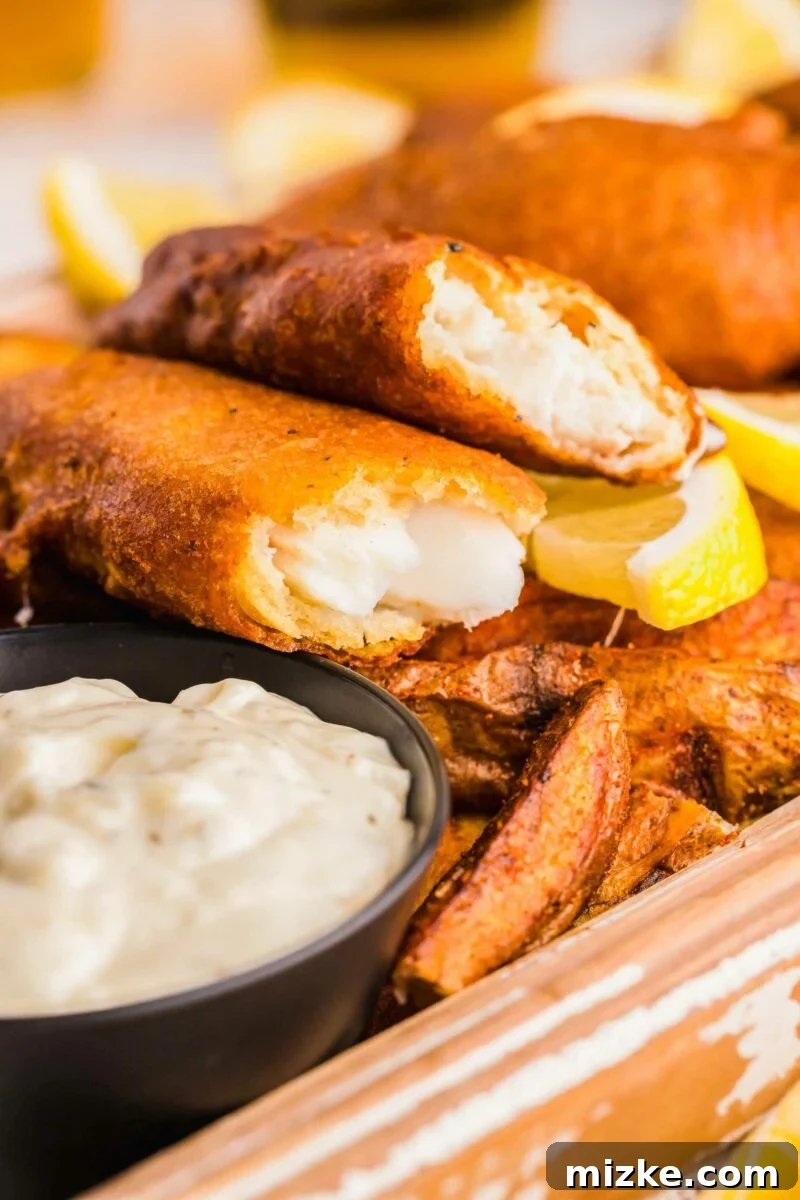
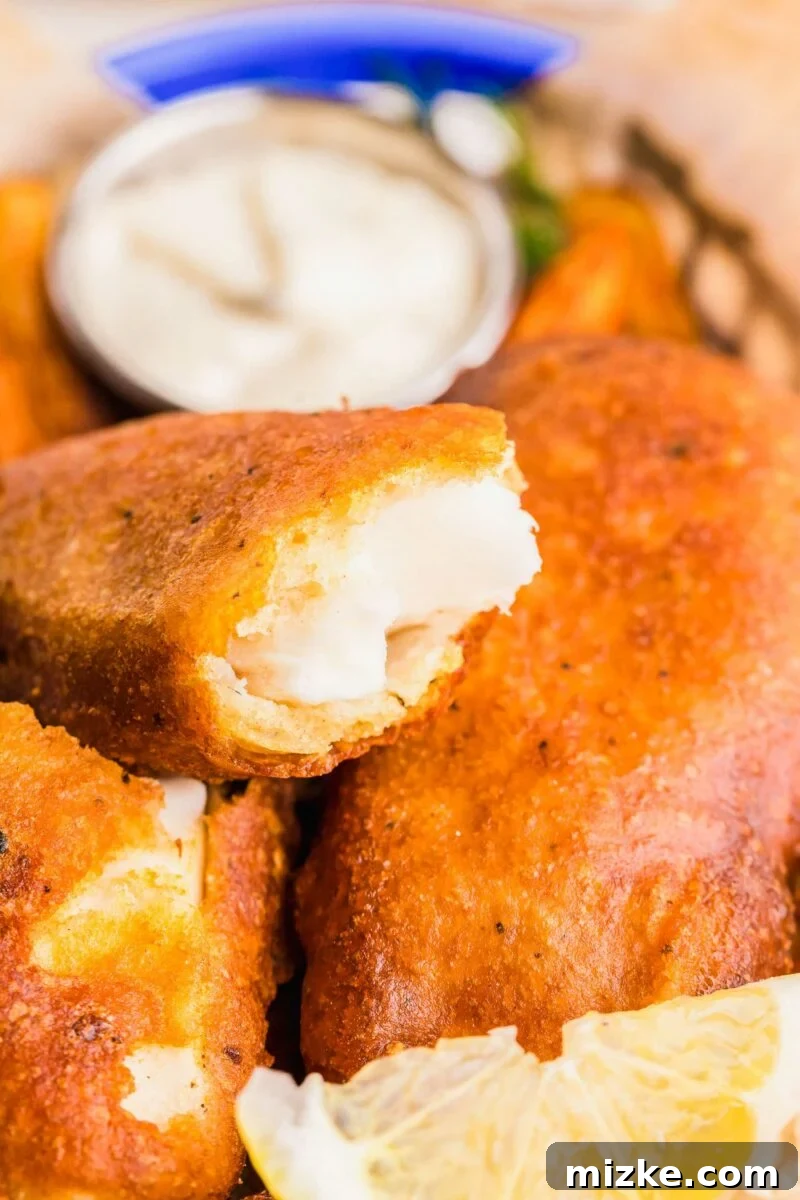
There’s a unique satisfaction that comes from biting into a piece of perfectly fried fish. It should be exquisitely flaky and tender on the inside, encased in a batter that delivers an audible crunch and a burst of savory flavor. Sadly, the reality of ordering fish and chips at many restaurants can often lead to disappointment – greasy batter, dry fish, or lackluster fries. This is precisely why having a reliable, homemade recipe is a game-changer. You control the quality of ingredients, the freshness, and the frying technique, guaranteeing a superior result every single time.
Furthermore, this indulgent meal finds its perfect companion in a creamy, tangy homemade tartar sauce. Bursting with fresh herbs and a delightful zing, it elevates the entire fish and chips experience, cutting through the richness of the fried elements with its refreshing taste. Together, this combination represents one of the most beloved and iconic fried dishes, an undisputed classic that satisfies deeply. While British-inspired cuisine might not be a daily staple for everyone, this entree undoubtedly earns a top spot on any list of all-time favorite comfort foods. Who could resist the allure of golden, crispy fried fish served alongside perfectly seasoned, homemade French fries?
The Essential Ingredients for Your Classic Fried Feast
Crafting the perfect fish and chips begins with gathering the right ingredients. Each component plays a vital role in achieving that sought-after texture and flavor profile that makes this dish so iconic.
Selecting Your Fish: The Heart of the Dish
The choice of fish is paramount to excellent fish and chips. You’ll want a white, flaky fish that stands up well to frying.
- Fish: For the finest fried white fish, opt for fresh tilapia or cod filets from your local seafood counter. Cod and haddock are traditional choices in the UK, known for their firm, white flesh and mild flavor. Tilapia also works wonderfully, offering a delicate texture that becomes incredibly tender when fried. Ensure your fillets are relatively uniform in thickness for even cooking.
Crafting the Crispiest Batter: Our Secret Formula
The batter is what truly distinguishes great fish and chips. This recipe incorporates beer, which creates a wonderfully light and airy crust.
- Rice Flour: This is a key ingredient for achieving an exceptionally crispy batter. Unlike wheat flour, rice flour absorbs less oil and fries to a beautiful golden crispness.
- Baking Soda: A crucial leavening agent that helps keep the batter light and airy, contributing to its signature crunch.
- Everything Bagel Seasoning: While not traditional, this seasoning adds an incredible layer of savory flavor with hints of garlic, onion, and sesame, making the batter truly unforgettable.
- Black Pepper: Freshly cracked black pepper provides the best aroma and a subtle kick.
- Egg: Acts as a binder and adds richness to the batter, contributing to its golden hue and stability.
- Beer: A light wheat beer is ideal for the batter. The carbonation and yeast in the beer contribute to the batter’s lightness and crispness. The alcohol evaporates during frying, leaving behind a subtle, delicious flavor. Avoid IPAs or stouts, which can be too bitter or heavy. For an alcohol-free substitute, see our FAQ section below.
The Golden Fries: Achieving Pub-Style Perfection
What’s fish without its chips? These aren’t just any fries; they’re thick-cut, crispy, and perfectly seasoned.
- Potatoes: Russet potatoes are the gold standard for French fries due to their high starch content, which yields a fluffy interior and crispy exterior.
- Oil: Canola oil is an excellent choice for deep frying because of its high smoke point and neutral flavor, ensuring your fish and fries cook beautifully without imparting unwanted tastes.
- Salt: A generous pinch of kosher salt enhances the flavor of the fries significantly.
- Paprika: Adds a touch of warmth and subtle sweetness, along with a lovely reddish hue to the fries. Smoked paprika can be used for a deeper, smokier flavor.
- Garlic Powder: A must-have for any savory seasoning blend; feel free to adjust the amount to your preference if you’re a garlic enthusiast!
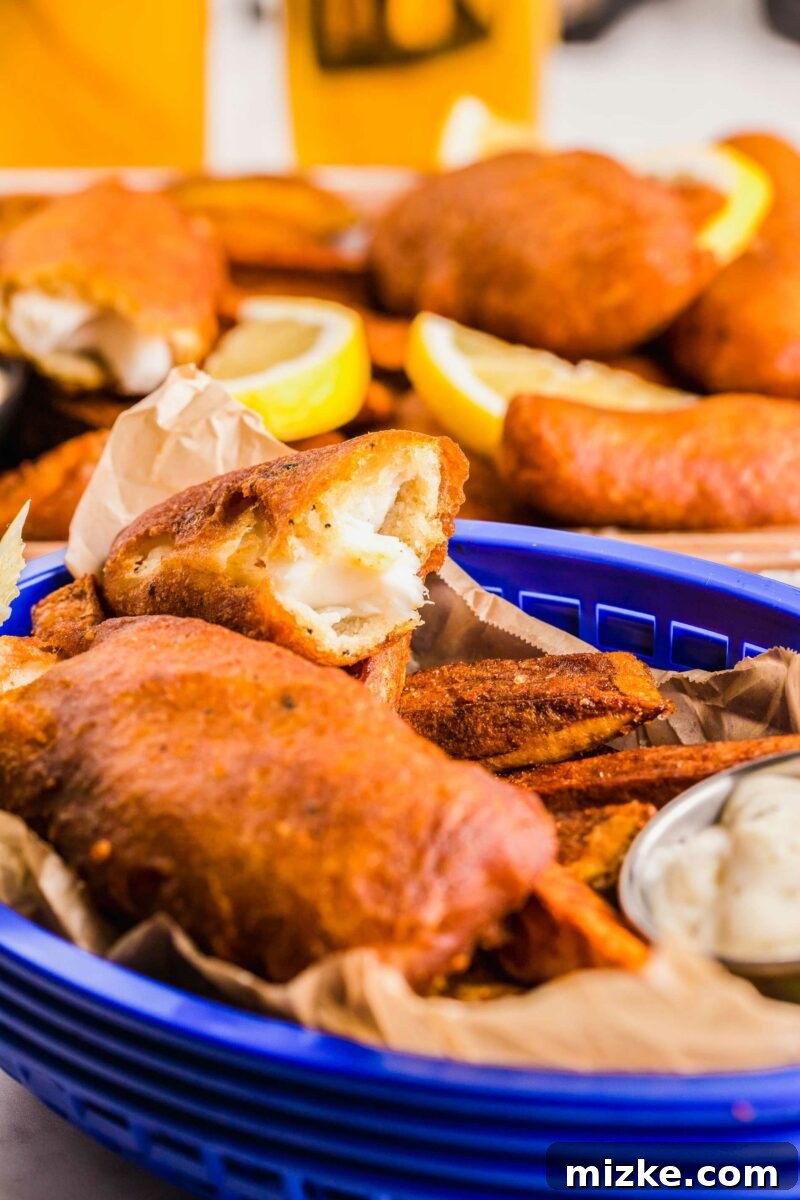
Mastering the Fry: Tips for Flawless Fish and Chips
Frying Safety and Temperature Control
Deep frying can seem intimidating, but with proper precautions and temperature control, it’s easily manageable. Always use a deep, heavy-bottomed pot like a Dutch oven, which maintains heat exceptionally well. A reliable kitchen thermometer is indispensable to ensure your oil is at the correct temperature. This is crucial for achieving crispy results without greasy food. Never overcrowd the pot, as this will drop the oil temperature and lead to soggy, undercooked items.
The Double Fry Technique for Fries
The secret to perfectly crispy on the outside, fluffy on the inside fries is the double-fry method. First, the potatoes are par-fried at a lower temperature to cook them through without browning. After a brief rest, they are fried again at a higher temperature to achieve that irresistible golden crispness. Seasoning immediately after the second fry ensures the salt and spices adhere perfectly.
Ensuring a Light and Crispy Fish Batter
For the fish, a two-step dredging process is key. First, a light coating of plain rice flour helps the wet batter adhere evenly. Then, the fish is dipped into the beer batter, ensuring a uniform, bubbly coating. When frying, lower the fish gently into the hot oil away from you to prevent splatters. Frying in small batches is essential to maintain oil temperature and allow the fish to cook evenly to a beautiful golden brown.
Fish and Chips Recipe
Recipe by: Julie Chiou
Relax, grab a beer, pretend you’re in a pub in England and enjoy my favorite fried dish ever!
- Prep Time: 20 minutes
- Cook Time: 25 minutes
- Total Time: 45 minutes
- Servings: 6
Equipment
- Dutch oven
Ingredients
- Canola oil, for frying
- 4 russet potatoes
- 1 teaspoon kosher salt
- 1 teaspoon paprika
- 1 teaspoon garlic powder
- 6 tilapia or cod filets, cut in half through the center
- 3 cups (480 g) rice flour, divided
- 1 tablespoon everything bagel seasoning
- ½ teaspoon black pepper
- 1 tablespoon baking soda
- 1 egg, whisked
- 12 ounce (340 ml) can wheat beer
For serving:
- Lemon slices
- Tartar sauce
Instructions
- Heat 4 inches of canola oil in a Dutch oven or large pot to 350°F (177°C).
- Cut russet potatoes into ½-inch strips, leaving the skin on. Carefully add to the hot oil and fry for 5 minutes. Remove from the oil and place onto a paper towel-lined plate to allow excess oil to drip off. Next, add fries to a large mixing bowl. Sprinkle salt, paprika, and garlic powder over the top and toss to coat.
- Increase the temperature of the oil to 375°F (191°C).
- Cut tilapia or cod filets down the center to create smaller, manageable pieces.
- Prepare a dredging station: Add 1 cup of rice flour to a shallow baking dish. In a separate mixing bowl, combine the remaining rice flour, everything bagel seasoning, black pepper, baking soda, wheat beer, and whisked egg. Whisk well until thoroughly combined and smooth.
- Dredge each piece of fish in the plain rice flour, ensuring both sides are evenly coated. Lightly tap off any excess flour, then dip the fish into the prepared beer batter, making sure it’s fully covered.
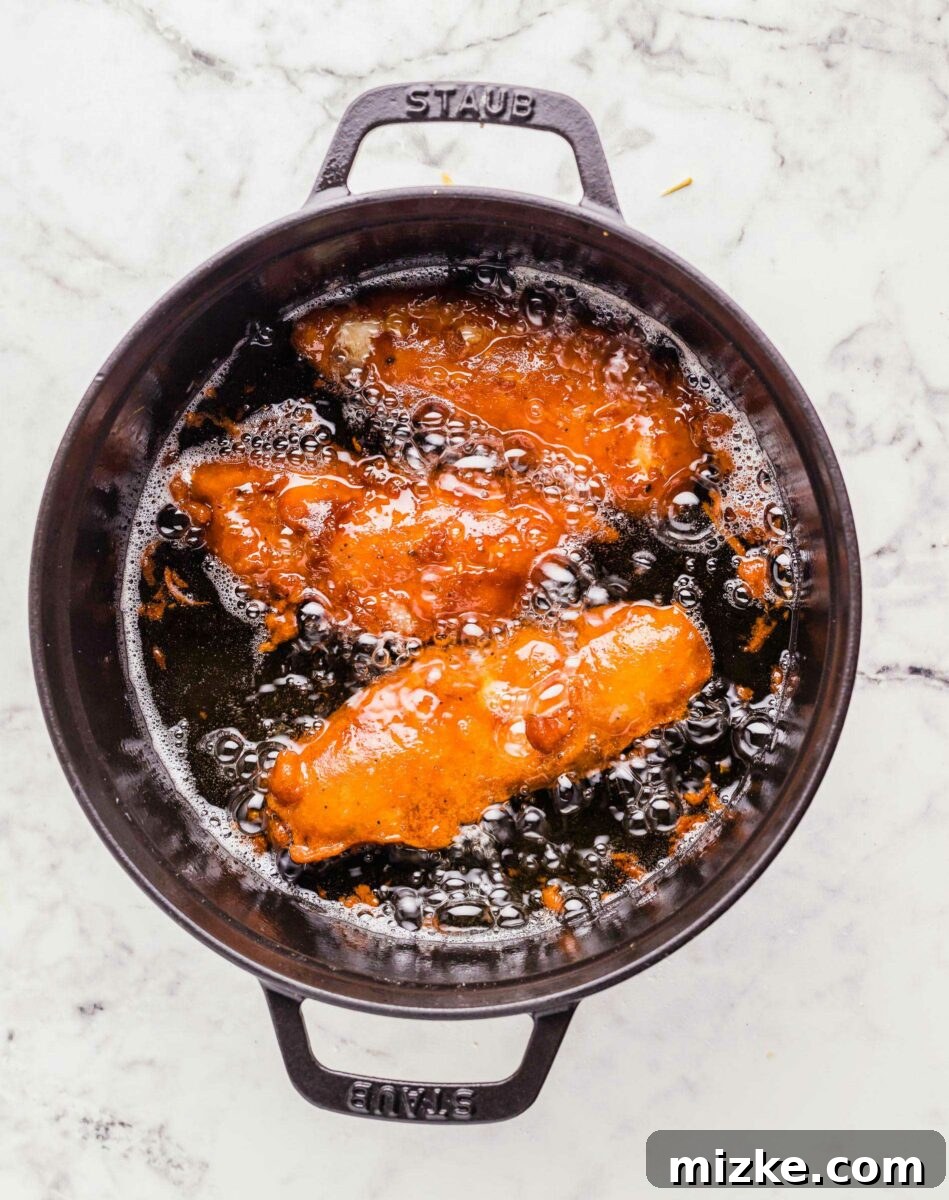
- Carefully add the battered fish to the hot oil, frying 3 pieces at a time to avoid overcrowding. Fry for 5 minutes, turning the fish over halfway through to ensure even browning and cooking.
- Once golden brown and cooked through, drain the fried fish on a fresh paper towel-lined plate. Serve immediately with the seasoned fries, fresh lemon slices, and a generous dollop of tartar sauce. Enjoy your homemade English classic!
Frequently Asked Questions About Fish and Chips
It is crucial to work in small batches, ideally three pieces of fish at a time. Overcrowding the oil with too many pieces will significantly lower the oil’s temperature, resulting in greasy and undercooked fish. To ensure perfect results every time, always double-check that the oil temperature remains at 375°F (191°C) and stick to frying in small batches.
You can substitute beer in the batter with apple cider vinegar, though it might make the batter slightly more pungent. A good alternative is to use half apple cider vinegar and half plain soda water or seltzer. The carbonation is key for a light batter, and the acidity helps create a tender texture.
Absolutely! Using store-bought frozen fries is a convenient option. However, exercise caution when frying them, as the frozen moisture on the outside of the fries can cause significant spitting and splattering in the hot oil. Ensure they are as dry as possible before frying.
A cast iron Dutch oven is highly recommended for frying. It excels at retaining heat, which is essential for consistent frying temperatures, and its deep shape helps prevent oil splatters. A 6-quart Dutch oven is a versatile size for most home frying needs.
If the oil is still in good condition—meaning it’s not overly dark, burnt, or cloudy—you can carefully strain it through a fine-mesh sieve or cheesecloth once cooled and store it in a sealed container for future frying. If the oil smells rancid, is very dark, or looks significantly degraded, it should be disposed of properly. Never pour it down the drain; collect it in a non-recyclable container and discard it with your household trash.
Fried foods are typically best enjoyed fresh. However, if you have leftovers, they are best consumed within a day or two. The most effective way to reheat fish and chips and restore their crisp exterior is in a toaster oven or conventional oven. Reheating in a microwave will unfortunately make them soggy and diminish their texture and flavor.
Beyond Fish and Chips: More Seafood Delights
If you’ve enjoyed this dive into the world of delicious seafood, you might want to explore other aquatic culinary adventures:
- Sheet Pan Salmon and Vegetables
- Tortilla Crusted Tilapia
- Air Fried Catfish
- Air Fryer Parmesan-Crusted Fish Sticks
And for those Harry Potter fans, here’s a magical treat to pair with your British-themed meal: Homemade Butterbeer
Nutritional Information (Approximate)
Serving: 1 serving, Calories: 581 kcal, Carbohydrates: 90g, Protein: 43g, Fat: 5g, Saturated Fat: 2g, Polyunsaturated Fat: 1g, Monounsaturated Fat: 1g, Trans Fat: 1g, Cholesterol: 112mg, Sodium: 1172mg, Potassium: 1186mg, Fiber: 4g, Sugar: 1g
This website provides approximate nutrition information for convenience and as a courtesy only. Nutrition information can vary for a variety of reasons. For the most precise nutritional data use your preferred nutrition calculator based on the actual ingredients you used in the recipe. The default measuring system for this website is US Customary. Unit conversions are provided for convenience and as a courtesy only. While we strive to provide accurate unit conversions, please be aware that there may be some discrepancies.