
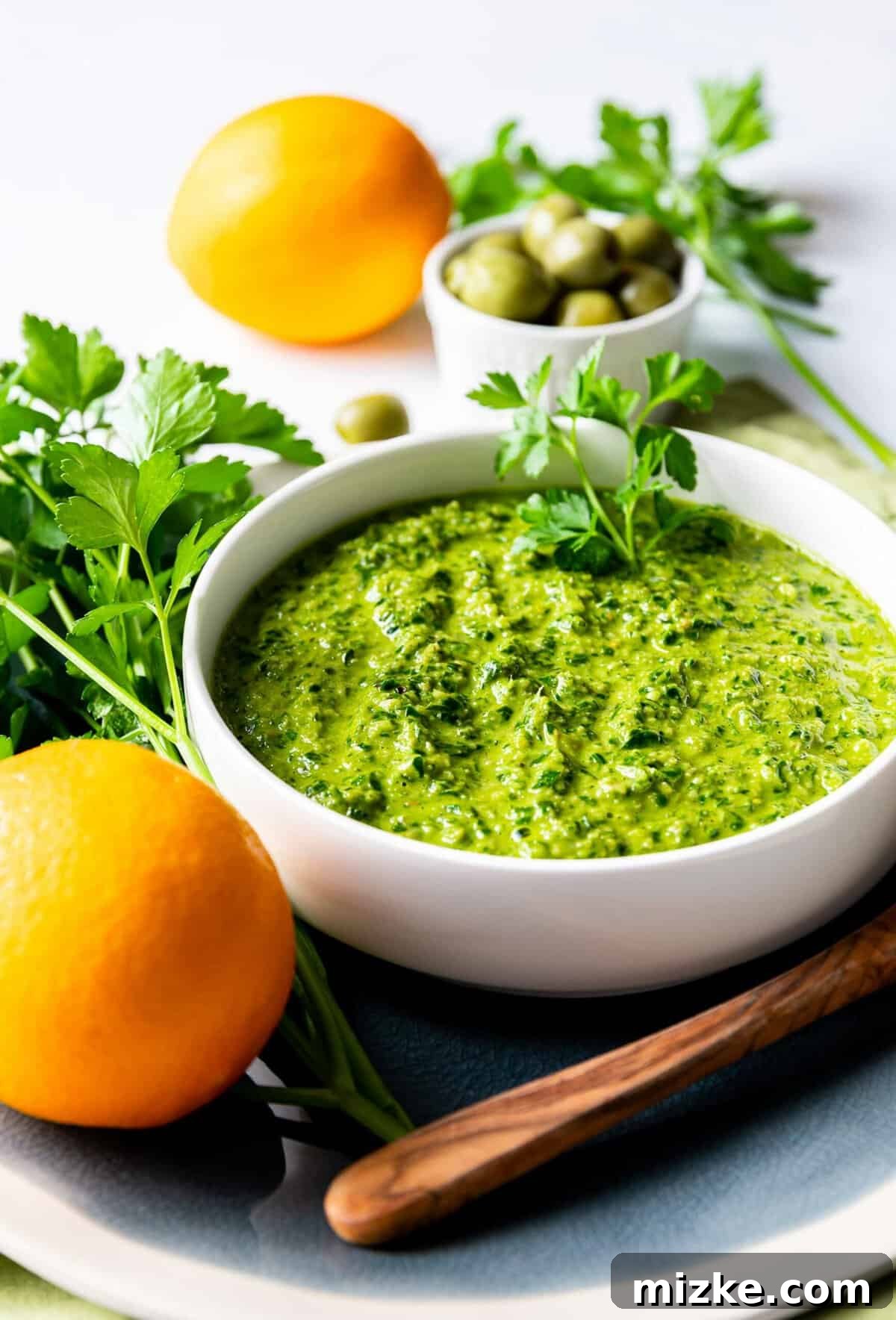
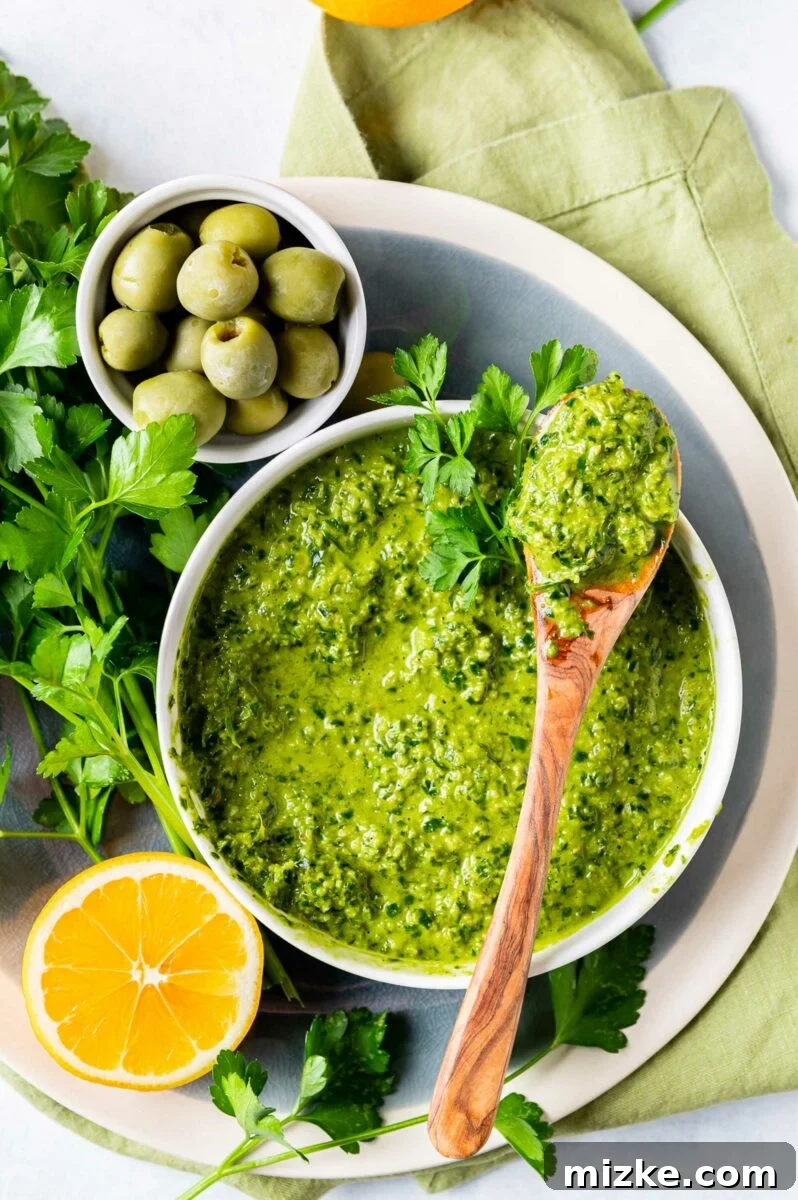
Prepare to transform your culinary creations with this exquisite Green Olive Meyer Lemon Gremolata! A truly vibrant, fresh, and intensely flavorful condiment, it promises to elevate any dish it graces from ordinary to extraordinary. Imagine a delightful burst of zesty Meyer lemon, aromatic fresh parsley, pungent garlic, and the unexpected, yet wonderfully harmonious, brininess of buttery Castelvetrano olives, all coming together in mere minutes. This isn’t just a sauce; it’s a game-changer for your summer cooking and beyond, meticulously crafted to impress with its elegant simplicity and profound taste.
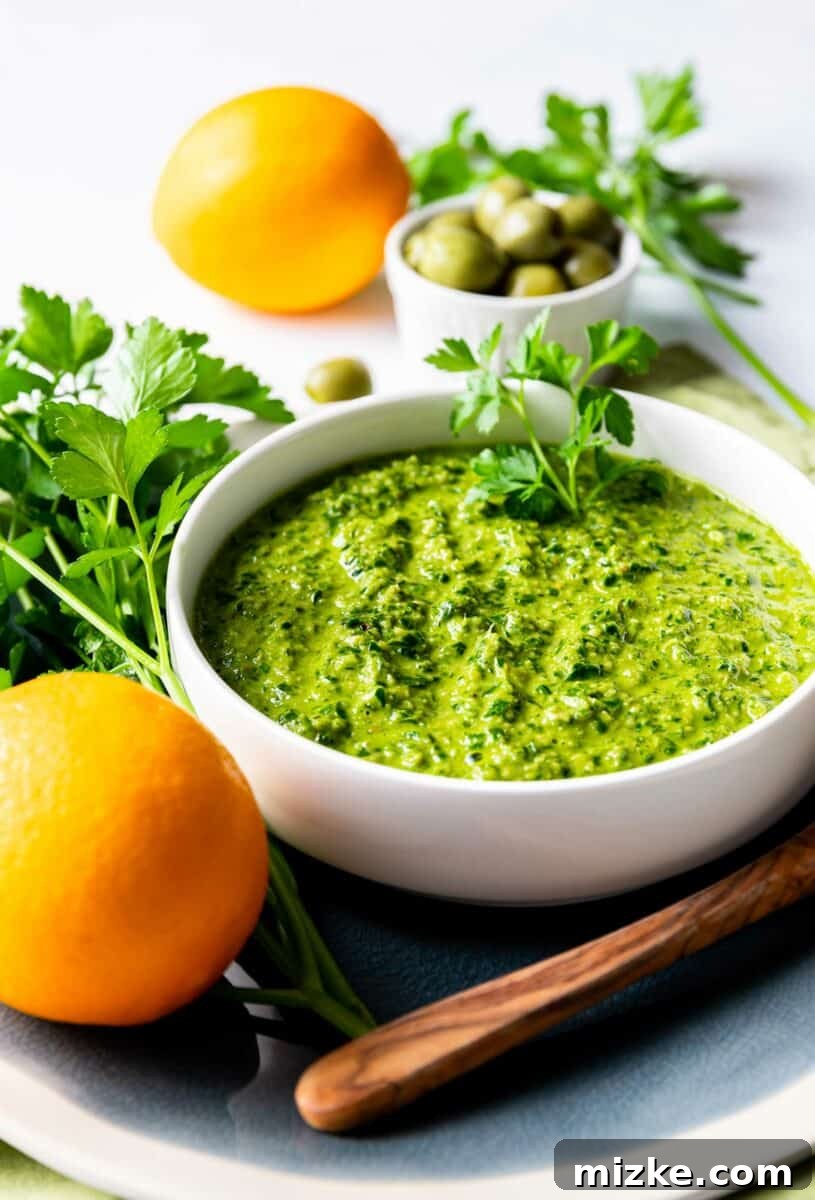
In the fast-paced world of modern cooking, recipes that utilize a food processor are truly a culinary blessing. Is there anything more satisfying and straightforward than combining a handful of fresh, high-quality ingredients, pulsing them to your desired perfection, and then instantly savoring the delightful outcome? This essential kitchen appliance makes crafting sophisticated and flavorful sauces like gremolata incredibly accessible to home cooks of all skill levels, saving precious time and effort without ever compromising on the vibrant quality or depth of flavor. Indeed, it’s challenging to imagine preparing such finely blended and textured condiments without the invaluable aid of this trusty countertop companion or a powerful blender.
What is Gremolata? A Classic Italian Condiment Reimagined
Let’s delve into the fascinating world of gremolata. Traditionally, gremolata is a verdant, uncooked Italian condiment renowned for its bright, refreshing, and profoundly aromatic profile. Its classic composition typically includes a triumvirate of core ingredients: freshly chopped flat-leaf parsley, finely minced garlic, and the fragrant, bright zest of a lemon. Historically, it’s most famously served as a quintessential garnish for the rich, succulent, slow-braised Italian dish, Osso Buco. In this traditional pairing, the gremolata acts as a brilliant counterpoint, cutting through the inherent richness of the veal shank with its vibrant acidity and herbaceous notes, creating a beautifully balanced flavor experience. However, the inherent versatility of gremolata extends far beyond this singular, albeit iconic, traditional pairing.
While the traditional gremolata recipe is undeniably delicious and a testament to Italian culinary wisdom, this particular rendition introduces an exciting and innovative twist that significantly amplifies its flavor palette: the thoughtful addition of Castelvetrano olives. These exquisite, bright green Italian olives are universally celebrated for their distinctively mild, subtly buttery flavor and firm, meaty texture. Unlike their more assertive counterparts, Castelvetranos provide a gentle brininess and a whisper of sweetness that perfectly complements savory meats without ever overpowering the delicate freshness of the Meyer lemon and parsley. This innovative inclusion transforms a time-honored classic into something remarkably new, endlessly appealing, and truly unforgettable, making it a standout condiment destined to enhance a myriad of diverse dishes.
Imagine the possibilities beyond just Osso Buco! This Green Olive Meyer Lemon Gremolata is nothing short of exceptional when draped over a perfectly grilled steak, used to brighten succulent roasted chicken, spooned generously onto pan-seared salmon, or served alongside any simple white fish. Its bright, piquant notes effortlessly enhance virtually any protein, elevating an ordinary weeknight meal into an extraordinary, gourmet culinary experience. The subtle brine from the olives introduces a nuanced layer of complexity, marrying beautifully with the robust flavors of various meats and seafood, thereby creating a harmonious balance that is both profoundly refreshing and deeply satisfying to the palate.
The Star Ingredients for Your Vibrant Gremolata
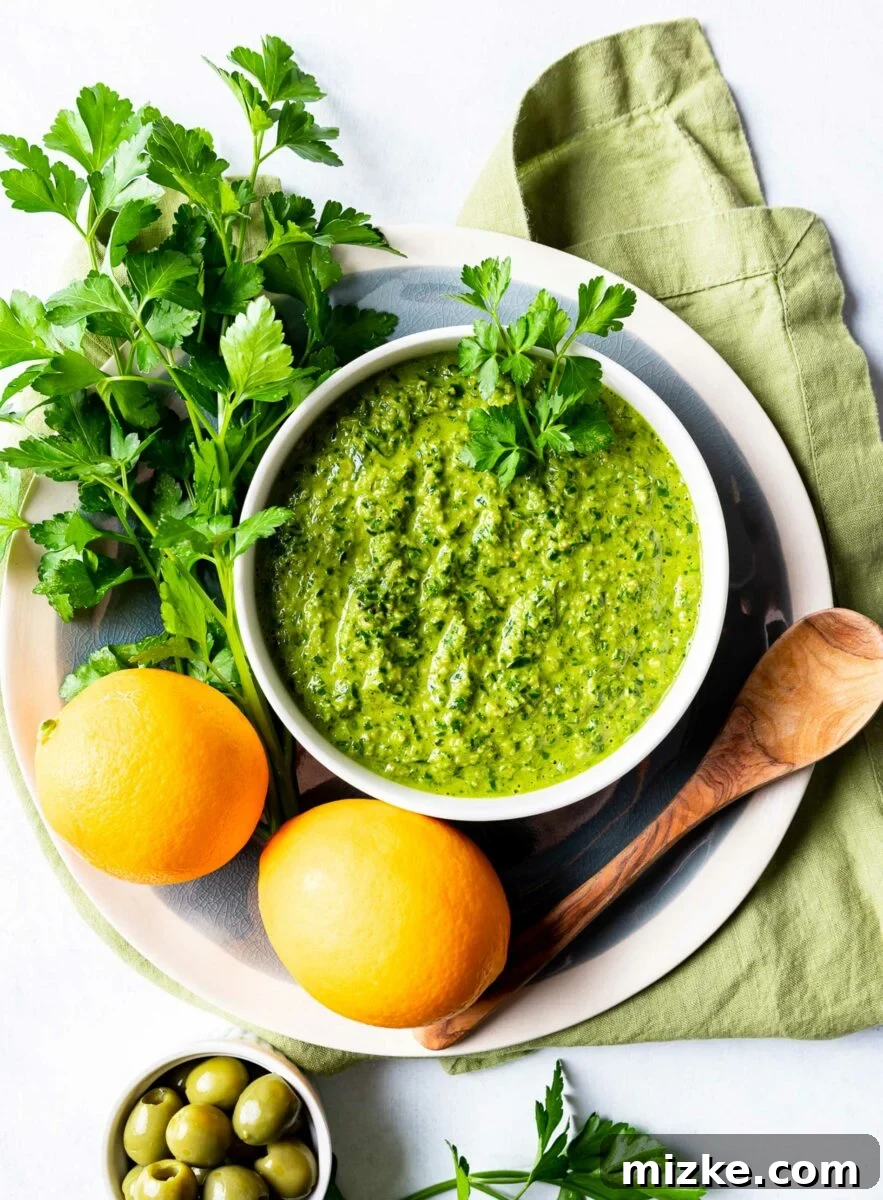
Crafting the perfect Green Olive Meyer Lemon Gremolata truly begins with the meticulous selection of the finest, freshest ingredients available. Each individual component plays a crucial and distinct role in achieving that vibrant, impeccably balanced, and unforgettable flavor profile. Here’s a closer, more detailed look at what you’ll need and precisely why fresh ingredients are always paramount for superior results:
- Fresh Parsley: This verdant herb serves as the indispensable backbone of any exceptional gremolata. For the most robust and authentic flavor, always opt for a generous bunch of fresh flat-leaf parsley, also widely known as Italian parsley. Its inherently robust, slightly peppery flavor and tender leaves are undeniably superior to those of curly parsley, which can often be tougher in texture and considerably less flavorful. It is absolutely crucial to avoid dried parsley in this recipe; its flavor is merely a pale, muted shadow of the fresh herb and will emphatically not deliver the bright, verdant, and lively taste that is so essential for this condiment’s character.
- Fresh Garlic: Just two cloves of freshly peeled garlic are precisely what it takes to infuse this gremolata with its characteristic pungent kick and aromatic depth. It is paramount to always choose fresh garlic cloves over any pre-minced garlic from a jar, which frequently suffers from a noticeably muted flavor and can, at times, even carry an undesirable off-taste. Fresh garlic, on the other hand, contributes a sharp, clean, and wonderfully aromatic quality that is utterly indispensable to the gremolata’s profile.
- Meyer Lemon: This is unequivocally where our gremolata truly shines and distinguishes itself! Meyer lemons are a fascinating and delightful hybrid citrus fruit, widely believed to be a natural cross between a common lemon and a mandarin orange. They are uniquely sweeter and significantly less acidic than typical supermarket lemons, boasting a beautifully fragrant, almost floral zest. This inherent sweetness of the Meyer lemon is the absolute key to harmoniously balancing the natural tartness of the lemon juice and the savory brine introduced by the olives, thereby creating a gremolata that is exceptionally mellow, nuanced, and beautifully rounded in flavor. You’ll need the finely grated zest from half a Meyer lemon and the freshly squeezed juice from a whole one for optimal brightness without any hint of excessive sourness.
- Castelvetrano Olives: These exquisite, jewel-toned Italian olives are undoubtedly a star in this particular recipe. Revered for their strikingly vibrant green hue, distinctively mild and buttery flavor, and firm, succulent flesh, Castelvetranos offer a delicate brininess and a subtle, almost sweet, undertone that distinguishes them sharply from more intensely salty or bitter olive varieties. They integrate seamlessly and effortlessly into the gremolata, providing a unique depth of flavor and textural interest without ever dominating or overshadowing the other fresh, delicate components. Always ensure they are thoroughly pitted before introducing them to your food processor.
- High-Quality Extra Virgin Olive Oil: A generous drizzle of excellent quality extra virgin olive oil (EVOO) serves multiple crucial functions: it not only helps to beautifully bind all the finely minced ingredients together, but it also imparts a rich, wonderfully fruity undertone to the finished condiment. When selecting your olive oil, choose a robust, darkly colored, and flavorful EVOO to perfectly complement and enhance the natural flavors of the fresh ingredients. It provides a luxurious mouthfeel and significantly enhances the overall complexity and depth of the sauce.
- Salt and Freshly Ground Black Pepper: These fundamental seasonings are absolutely essential for bringing all the disparate flavors into perfect harmony and elevating their individual nuances. Begin with just a few dashes of each and then meticulously adjust to your personal taste preference, always keeping in mind that the Castelvetrano olives themselves contribute a notable amount of natural salinity to the mixture.
Crafting Your Green Olive Meyer Lemon Gremolata: Effortless Steps to Flavor Perfection
The inherent beauty of this Green Olive Meyer Lemon Gremolata recipe lies not only in its exquisite flavor but also in its incredible ease and remarkable speed of preparation. With just a few straightforward steps and the undeniable magic of a food processor, you’ll have a gourmet-quality condiment ready to enhance your meals in a matter of mere minutes. Here’s a detailed guide on how to create this vibrant, tantalizing sauce:
- Thoroughly Prepare Your Ingredients: Begin by meticulously washing your fresh flat-leaf parsley under cold running water. It is absolutely crucial to then thoroughly dry the parsley; a salad spinner works exceptionally well for this task. Excess moisture can significantly lead to a less vibrant, somewhat diluted gremolata. Next, carefully peel your garlic cloves. Using a fine grater or microplane, zest half of your Meyer lemon, taking extreme care to only obtain the bright yellow outermost peel and to diligently avoid the bitter white pith beneath. Then, freshly squeeze the juice from the entire Meyer lemon. Finally, ensure all your Castelvetrano olives are completely pitted before proceeding.
- Combine Ingredients in the Food Processor: Once all your ingredients are prepped, carefully place the dried fresh parsley leaves, peeled garlic cloves, Meyer lemon zest, Meyer lemon juice, pitted Castelvetrano olives, a pinch of salt, and a dash of freshly ground black pepper directly into the bowl of your food processor.
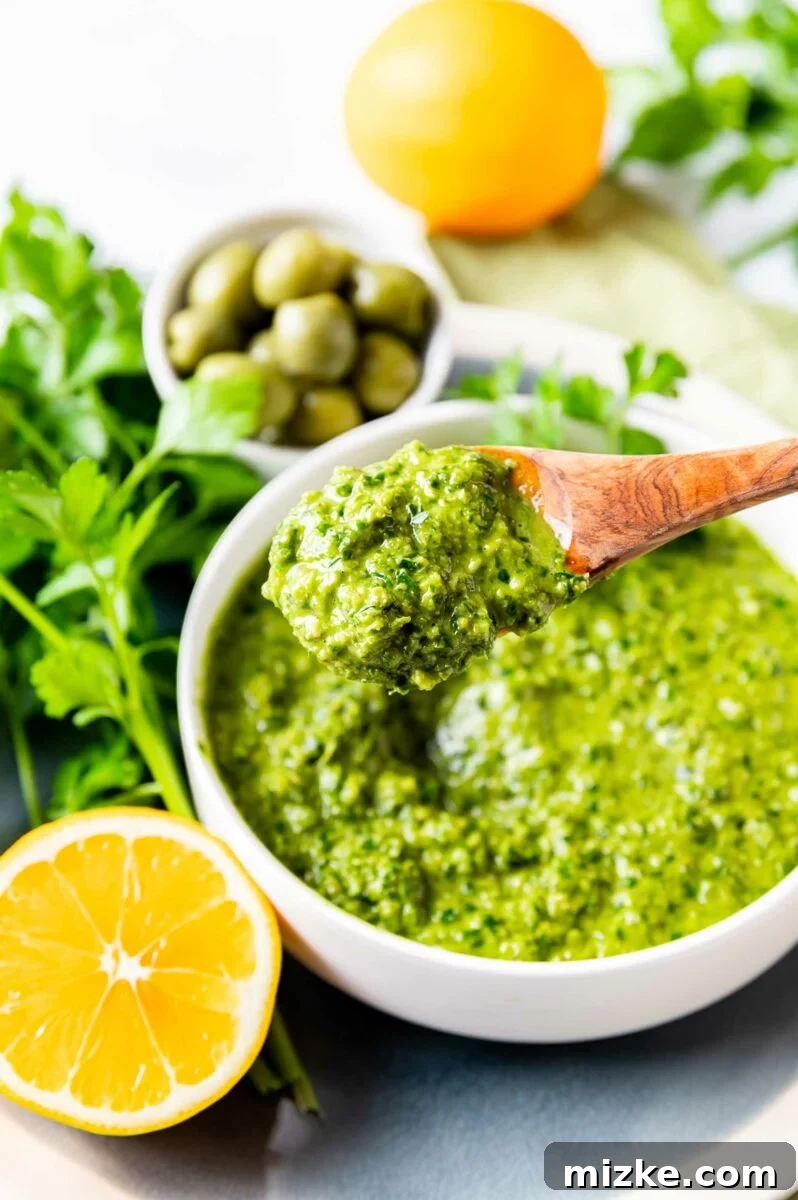
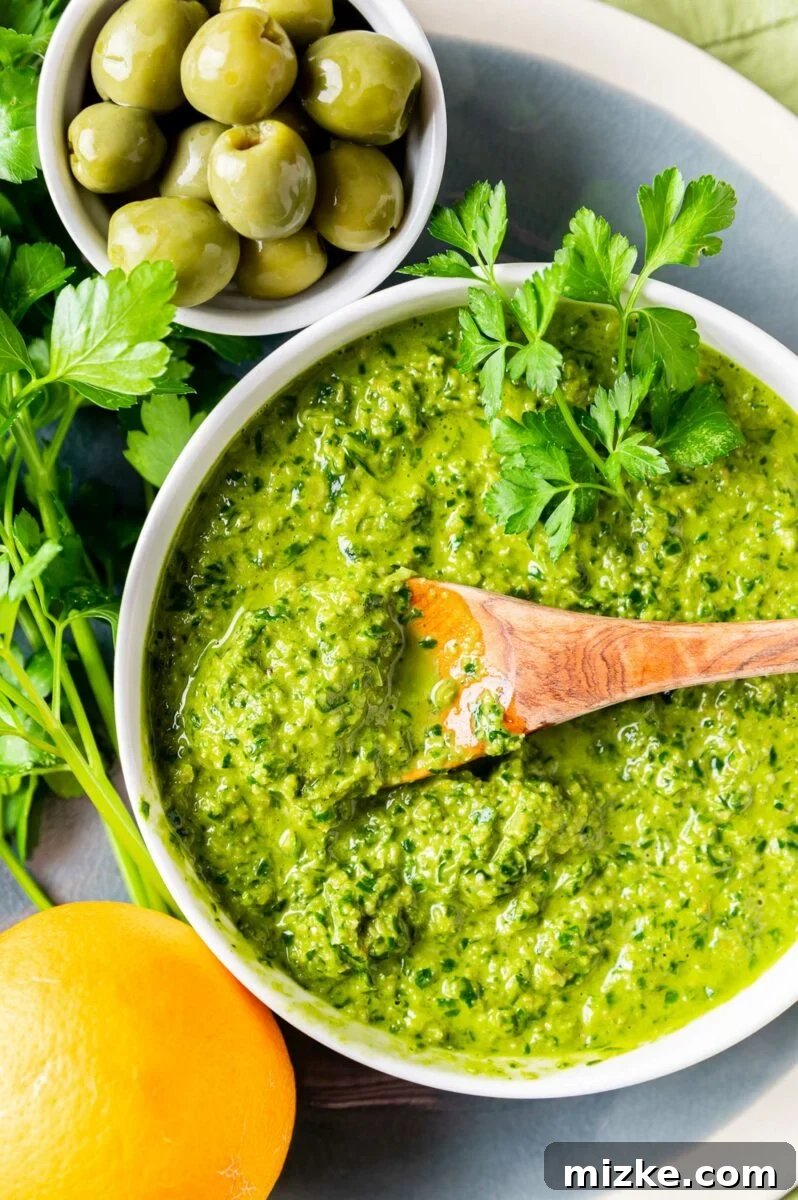
- Process to Achieve Desired Consistency: Secure the lid and begin to pulse the mixture using short, controlled bursts. Continue pulsing until the ingredients reach a finely minced, yet still visibly textured, consistency. Your ultimate goal is a vibrant green, slightly chunky sauce, distinctly not a smooth or uniform paste. It is perfectly normal, and indeed quite desirable, to have some slightly larger, discernible pieces of olives remaining; these delightful fragments will add wonderful bursts of unique flavor and an appealing textural contrast to the gremolata. Critically, avoid the temptation to over-process, as this can unfortunately bruise the delicate herbs, resulting in a duller color and a potentially watery or pasty consistency, and can also make the garlic flavor overly aggressive.
- Gently Drizzle with Olive Oil: Once you have achieved the perfect, desired consistency, gently drizzle in a stream of your chosen high-quality extra virgin olive oil while pulsing the food processor just a few more times. Continue pulsing only until the olive oil is thoroughly incorporated into the mixture. The olive oil plays a vital role here, helping to bind all the vibrant ingredients together, while also imparting a beautiful, glossy sheen and an enriching, luxurious richness to the finished condiment.
- Taste and Meticulously Adjust Seasoning: Carefully transfer the freshly prepared gremolata to a small serving bowl. Now, take a moment to taste it critically. Adjust the seasoning as needed, adding more salt, freshly ground black pepper, or even a tiny splash more of Meyer lemon juice, depending entirely on your personal preference and the exact size and ripeness of your Meyer lemon. The goal is a perfectly balanced flavor profile that sings on your palate.
Essential Tips for the Best Gremolata Every Time:
- The Art of Not Over-Processing: Mastering the technique of pulsing in short, quick bursts is absolutely fundamental. Over-processing your gremolata is the most common mistake and can instantly transform your vibrant creation into a dull, watery paste. It can also cause the delicate herbs to bruise and the garlic to develop an unpleasantly pungent, bitter flavor.
- Ensure Bone-Dry Herbs: After meticulously washing your fresh parsley, it is imperative to ensure it is completely dry before adding it to the food processor. Any residual water can significantly dilute the intense flavors of the gremolata and adversely affect its desired texture, making it less concentrated and vibrant.
- Prioritize Quality Ingredients: Since this exceptional recipe relies so heavily on a relatively small number of fresh, simple ingredients, the uncompromising quality of each component makes an enormous and palpable difference in the final taste and overall success of your gremolata. Always opt for the freshest, highest-quality produce you can find.
How Long Will Your Green Olive Meyer Lemon Gremolata Maintain Its Freshness?
This wonderfully fresh condiment is undeniably best enjoyed at its absolute peak vibrancy. When carefully stored in an impeccably airtight container and kept refrigerated, your Green Olive Meyer Lemon Gremolata will impressively maintain its excellent freshness, bright color, and potent flavor for a generous period of up to 3 days. While it certainly remains delicious and perfectly usable on both the second and third day, I personally find it most irresistible, dynamic, and potent when it’s freshly made. It is at this moment that it offers that ultimate, unadulterated burst of bright, zesty goodness that truly awakens the palate. For an optimal and unparalleled flavor and texture experience, I wholeheartedly recommend preparing this delightful gremolata shortly before you intend to serve it, allowing its fresh aromas and flavors to truly shine.
Do I Absolutely Have to Use a Meyer Lemon? Understanding Your Citrus Choices for Gremolata
While you certainly *can* substitute with a regular lemon if absolutely necessary, I enthusiastically and strongly recommend sticking with a Meyer lemon for this particular recipe. As we’ve extensively discussed, Meyer lemons are universally celebrated for their unique, delicate sweetness, inherently lower acidity, and distinctly enchanting floral aroma. These characteristics collectively distinguish them significantly from the more common, sharper, and more acidic Eureka or Lisbon lemons typically found in most supermarkets. This inherent sweetness of the Meyer lemon plays an incredibly crucial role in perfectly balancing the more potent, tart, and savory flavors contributed by the Castelvetrano olives and fresh garlic, ultimately resulting in a gremolata that is wonderfully harmonious, beautifully mellow, and significantly less aggressively tart than a version made with a standard lemon.
The milder, more nuanced profile of the Meyer lemon allows the subtle complexities and delicate nuances of the Castelvetrano olives and the fresh parsley to truly shine through, creating a more sophisticated, elegant, and mellow condiment that is a true delight to the senses. Furthermore, Meyer lemons are becoming increasingly available at most well-stocked grocery stores, particularly during their peak season, which typically runs from late fall through early spring. If you are fortunate enough to have any leftover Meyer lemons after preparing your gremolata, they are absolutely fantastic for crafting a truly exceptional homemade lemonade, adding a special, aromatic twist to various baked goods, or even brightening up a simple vinaigrette.
If, despite your best efforts, Meyer lemons are genuinely unavailable in your area, a viable and respectable substitute would be to carefully use half a regular lemon and perhaps incorporate a tiny amount of very finely grated orange zest (about a quarter teaspoon) to help mimic that distinctive floral sweetness that Meyer lemons provide. However, if using a standard lemon, be exceptionally mindful to adjust the amount of lemon juice you add to avoid creating an overly sour or harsh gremolata. The overarching goal here is perfect flavor balance, and Meyer lemons achieve this desirable equilibrium with effortless grace and natural perfection.
Versatile Serving Suggestions: Beyond the Traditional Classic Pairings
One of the most immense joys and compelling attributes of homemade gremolata is its truly incredible versatility. While it stands as a stellar and time-honored companion to traditional Italian meat dishes, its vibrant, intensely fresh, and multifaceted flavors make it an absolutely fantastic addition to an astonishingly wide array of cuisines, meal types, and culinary preparations. Don’t limit yourself to the expected; let your culinary imagination soar! Here are some inspiring and delicious ways to seamlessly incorporate your exquisite Green Olive Meyer Lemon Gremolata into your everyday cooking and special occasions:
- Grilled & Roasted Meats: As previously highlighted, this gremolata is nothing short of sensational when generously spooned over a perfectly grilled steak, succulent lamb chops, tender roasted chicken, or even a juicy pork tenderloin. The invigorating acidity and vibrant herbs magnificently cut through the richness of the meat, creating a beautifully harmonious and balanced bite.
- Elevated Seafood Dishes: Drizzle this bright condiment liberally over delicate pan-seared scallops, flaky baked cod, perfectly grilled shrimp, or any type of white fish. It possesses the magical ability to instantly elevate simple seafood preparations to gourmet status with minimal effort.
- Vibrant Roasted & Grilled Vegetables: Toss your gremolata with a medley of roasted asparagus, charred grilled zucchini, crisp steamed green beans, or even a simple mixed green salad for an instant, electrifying flavor boost that will awaken your taste buds. It adds a fresh, zesty dimension to any vegetable dish.
- Enlivening Pasta & Grains: Stir a spoonful or two of this flavorful gremolata into warm pasta, perhaps with a touch of extra olive oil, or gently fold it into cooked quinoa, couscous, or rice for a remarkably fresh, aromatic, and incredibly appealing side dish that complements almost anything.
- Sophisticated Egg Preparations: A delicate dollop of gremolata atop your morning scrambled eggs, an elegant omelet, or a rustic frittata introduces an unexpected, yet utterly sophisticated, twist that will transform your breakfast or brunch.
- Upgrade Your Sandwiches & Wraps: Spread a thin, flavorful layer of gremolata on your favorite sandwich, wrap, or even a gourmet burger for an immediate burst of fresh, herbaceous, and zesty flavor that truly enhances every bite.
- Flavorful Dips & Spreads: Mix your gremolata into creamy hummus, a tangy Greek yogurt dip, or even a simple cream cheese spread for an appetizer that is guaranteed to disappear quickly at any gathering.
- Elegant Bruschetta Topping: Spoon this vibrant mixture onto perfectly toasted baguette slices, perhaps rubbed with a touch of raw garlic, for a quick, exceptionally flavorful, and effortlessly elegant appetizer that’s perfect for entertaining.
The Sheer Delight and Benefits of Homemade Condiments
There is an undeniable satisfaction, a profound sense of accomplishment, and, most importantly, a consistently superior flavor that inherently comes with meticulously making your own condiments from scratch. While store-bought sauces offer undeniable convenience, they very often contain a multitude of preservatives, an excess of added sugars, or various artificial flavors and colors that simply cannot compare in vibrancy or authenticity to the fresh, unadulterated taste of homemade versions. This Green Olive Meyer Lemon Gremolata stands as a perfect and compelling example of how simple, wholesome, and fresh ingredients can be artfully transformed into something truly extraordinary with remarkably minimal effort. Crafting your own condiments empowers you with complete control over the quality of the ingredients you use and allows you the delightful freedom to customize the flavors to your exact personal preference and culinary vision.
If you have thoroughly enjoyed the rewarding experience of crafting this exceptionally flavorful gremolata, you will undoubtedly love exploring the vast and delicious world of other homemade condiments that are designed to elevate and transform your everyday meals into memorable culinary experiences. Consider lending your talented hand to trying out these equally delightful homemade creations:
- Homemade Tartar Sauce
- Herbed Tahini Spread
- Homemade Chimichurri
- Herbed Compound Butter
- Homemade Fry Sauce
Recipe Card: Green Olive Meyer Lemon Gremolata
This quick and incredibly easy recipe calls for only seven fresh, vibrant ingredients and can be made in a matter of mere minutes. Prepare to impress everyone with this exceptionally zesty, flavorful, and unforgettable sauce this summer and all year round!
Green Olive Meyer Lemon Gremolata
By: Julie Chiou
Prep Time: 5 minutes
Total Time: 5 minutes
Yield: Approximately 1 cup
Equipment
- Food processor
Ingredients
- 1 bunch of fresh flat-leaf parsley leaves
- 2 cloves fresh garlic, peeled
- Juice of 1 Meyer lemon
- Zest of half a Meyer lemon
- ¼ cup (approximately 34 g) pitted Castelvetrano olives
- Salt, to taste
- Freshly ground black pepper, to taste
- Extra virgin olive oil, for drizzling
Instructions
- Combine the fresh parsley leaves, peeled garlic cloves, Meyer lemon juice, Meyer lemon zest, pitted Castelvetrano olives, salt, and black pepper in the bowl of a food processor.
- Pulse the mixture in short bursts until all ingredients are finely minced, creating a textured sauce. It is perfectly acceptable and desirable to have some slightly larger pieces of olives remaining, as these contribute to the gremolata’s appealing texture and flavor bursts.
- With the food processor running on a low pulse setting, slowly drizzle in the extra virgin olive oil until it is fully incorporated and the gremolata achieves a vibrant, glossy appearance.
- Transfer the gremolata to a serving bowl. Taste and adjust seasoning (salt, pepper, or lemon juice) as needed to achieve your perfect balance of flavors. Serve immediately or store for later.
Nutrition (Approximate per 0.5 cup serving)
- Serving Size: 0.5 cup
- Calories: 116 kcal
- Carbohydrates: 7g
- Protein: 2g
- Fat: 10g
- Saturated Fat: 1g
- Sodium: 1053mg
- Potassium: 88mg
- Fiber: 3g
- Sugar: 1g