
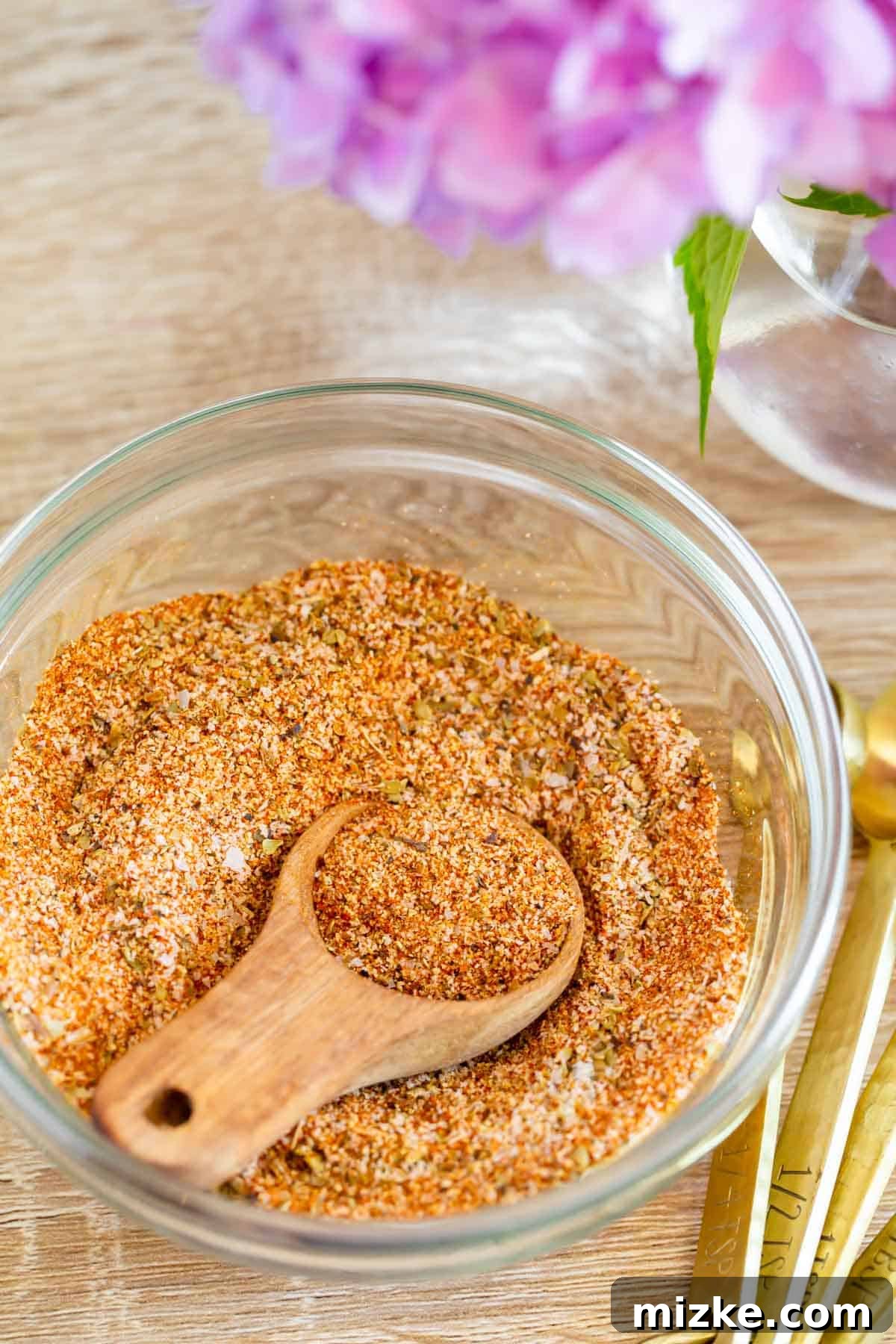
Adobo seasoning is an indispensable, all-purpose dry spice blend revered across Caribbean and Latin American cuisines. Crafting this flavorful blend at home not only infuses your dishes with an unparalleled depth of taste but also guarantees a pure, additive-free experience. Forget store-bought mixes; this homemade version promises a burst of fresh flavor that elevates every meal.
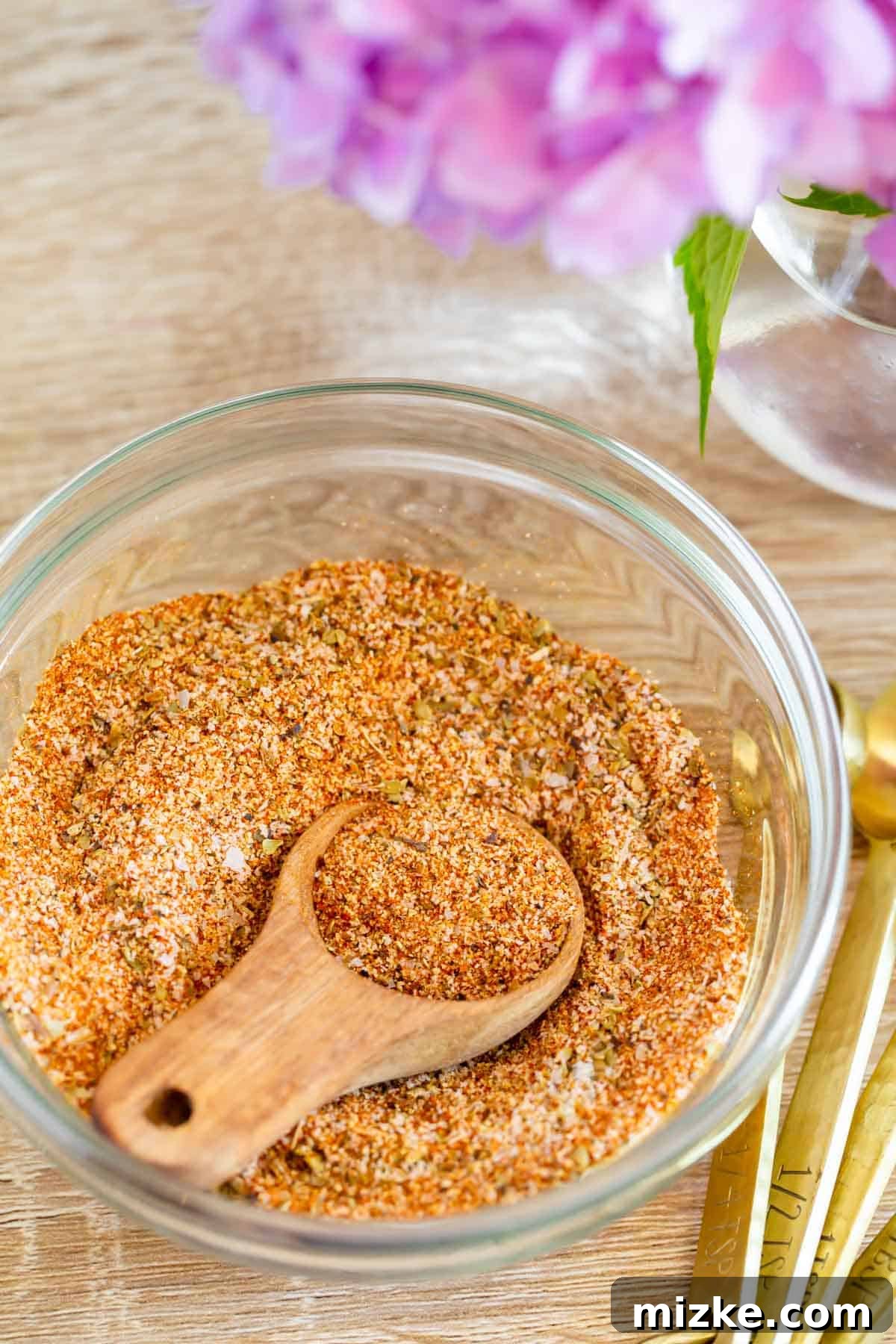
For those who frequently find joy in the kitchen, a well-stocked spice cabinet is a treasure trove. If your collection doesn’t yet include adobo seasoning, it’s time to introduce this game-changing blend. Adobo is far more than just a seasoning; it’s a foundational flavor profile, serving as an exceptional base for everything from succulent meats and tender poultry to delicate fish, hearty soups, and comforting stews. Its versatility extends beautifully to enhancing the natural goodness of vegetables and beans, transforming simple ingredients into extraordinary culinary delights.
The magic of adobo truly shines in its application. A recent culinary experiment with grilled pork tenderloin proved just how transformative this spice blend can be. The tenderloin, generously seasoned with adobo, achieved a remarkable depth of flavor, highlighted by its distinct garlicky and oniony notes that were simply irresistible. This experience underscores adobo’s power to create memorable meals with minimal effort but maximum impact.
What Makes Up Adobo Seasoning? Unpacking the Flavor Profile
At its heart, adobo seasoning is celebrated for its robust, savory, and notably garlicky and salty flavor profile. This makes it an excellent alternative to conventional poultry seasoning and a must-have for any home cook looking to infuse dishes with authentic Latin American and Caribbean essence. The true beauty of making your own adobo blend lies in the power of customization. While commercial brands often adhere to a fixed recipe, crafting it at home allows you to fine-tune the ratios and introduce your personal touch, ensuring the seasoning perfectly matches your palate and specific dish requirements.
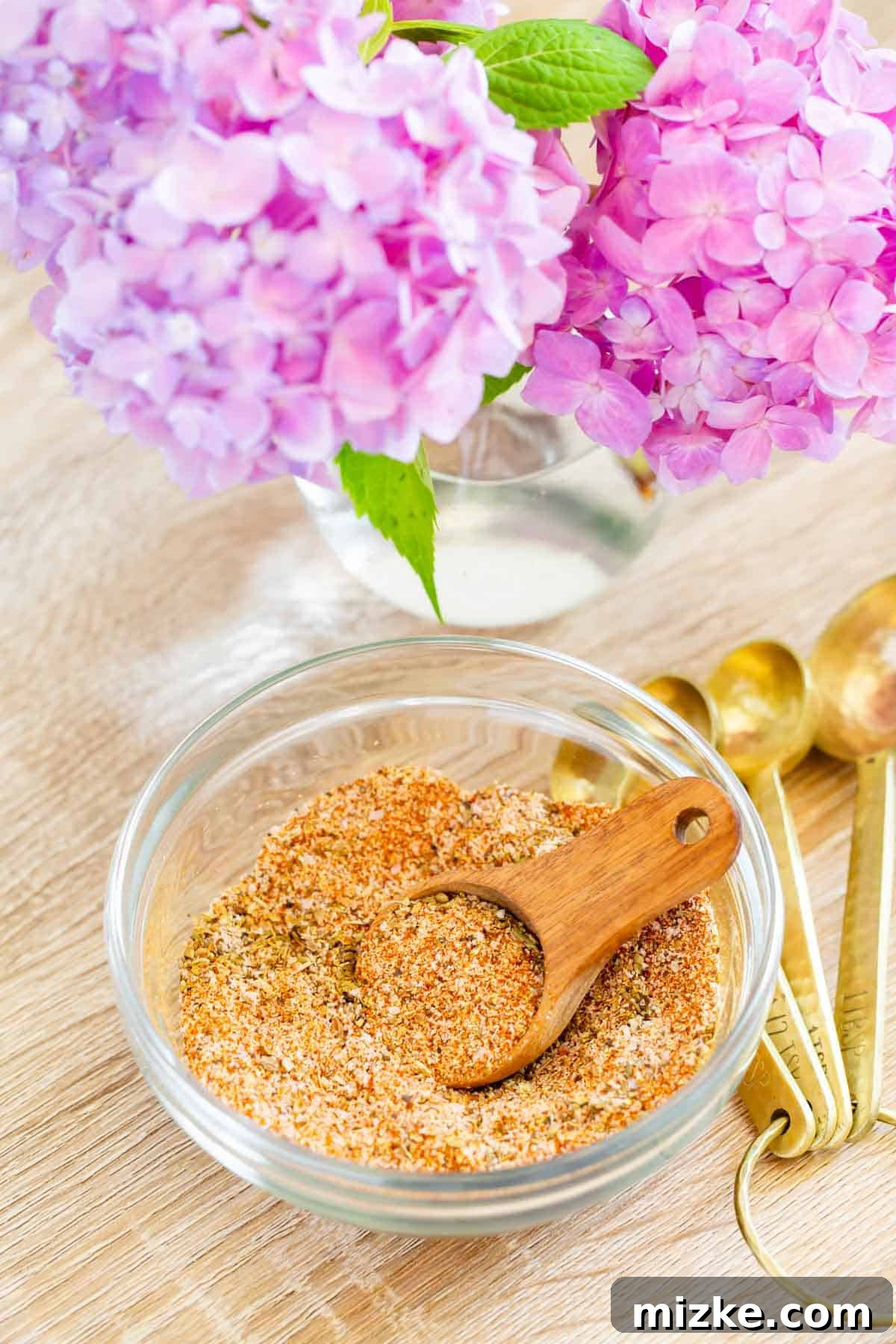
A classic adobo seasoning blend typically features a harmonious combination of staple spices: rich onion powder, pungent garlic powder, earthy cumin, aromatic dried oregano, vibrant paprika, and the warm, golden hue of turmeric. However, the exact color and flavor intensity of your homemade adobo can vary significantly depending on the quantities of each ingredient you incorporate. For instance, increasing the proportions of turmeric, onion powder, and garlic powder will yield a blend with a more pronounced yellow base, offering a brighter, more savory profile. Conversely, a heavier hand with paprika and a touch of chili powder will result in a deeper, reddish-hued blend that provides a warm, slightly smoky, and subtly spicy kick.
Beyond these core ingredients, some regional variations of adobo may include additional spices like black pepper, coriander, or even a hint of red pepper flakes for an extra layer of complexity and heat. This adaptability is precisely why adobo has remained a beloved staple in so many diverse kitchens. It’s a seasoning that truly allows for culinary creativity, enabling you to tailor it for specific dishes or dietary preferences, from a milder version for poultry to a bolder blend for robust red meats or slow-cooked stews. Understanding these components empowers you to create an adobo seasoning that is uniquely yours, perfectly suited to bring authentic and vibrant flavors to every meal you prepare.
Mastering Adobo: Application Techniques and Quantity Guidelines
One of the most common misconceptions about flavoring meats, poultry, and fish is the belief that marinades are the only way to achieve deep, rich taste. While liquid marinades certainly have their place and can deliver fantastic results, the power of a dry rub, like this versatile adobo seasoning, should never be underestimated. Dry rubs penetrate the surface of the food, creating a deliciously seasoned crust while imparting profound flavors. We highly encourage you to explore both methods, but for a quick, impactful flavor boost, adobo dry rub is your best friend.
When applying adobo as a dry rub, a general guideline is to use approximately 2 tablespoons or more for every pound of meat. This ensures a generous coating that will fully infuse the food with adobo’s characteristic garlicky, oniony, and savory notes. However, always feel free to adjust this amount based on your personal preference for intensity and the thickness of the cut. For larger or tougher cuts of meat, allowing the seasoned meat to sit for at least 30 minutes before cooking—or even overnight in the refrigerator—can dramatically enhance flavor absorption.
Beyond dry rubbing, adobo seasoning is incredibly versatile. You can easily transform it into a flavorful paste or a quick marinade by combining it with a small amount of olive oil and a splash of citrus juice, such as lime or orange. This paste can then be generously rubbed all over your chosen protein, creating a moist, flavorful coating that caramelizes beautifully during cooking. It’s an exceptional choice for elevating dishes like grilled steak skewers, where the paste helps to tenderize the meat slightly while adding a vibrant crust. Furthermore, incorporating adobo into dishes like arroz con pollo can give the chicken a significant boost in flavor, permeating every grain of rice with its delectable essence.
Here are more ways to integrate adobo seasoning into your cooking:
- For Chicken: Perfect for roasting a whole chicken, grilling breasts or thighs, or seasoning chicken for stir-fries and tacos.
- For Pork: Ideal for pork chops, tenderloin, shoulder roasts, or even ground pork for flavorful meatballs.
- For Beef: Sprinkle on steaks before grilling, mix into ground beef for burgers or chili, or rub on roasts for slow cooking.
- For Fish and Seafood: A lighter dusting on white fish, shrimp, or salmon before pan-searing or baking creates a delicate yet distinct flavor.
- Vegetables: Toss with roasted potatoes, sweet potatoes, broccoli, cauliflower, or bell peppers. It’s also fantastic in vegetable sautés or grilled veggie skewers.
- Beans and Legumes: Add a teaspoon or two to your favorite bean dishes, lentil soups, or chickpea salads for an instant flavor upgrade.
- Soups and Stews: Stir into the base of your favorite soups and stews early in the cooking process to build layers of savory flavor.
- Eggs: A light sprinkle on scrambled eggs or omelets can start your day with a delicious kick.
The key is to experiment and find what you love. Adobo’s balanced profile ensures it complements a wide array of ingredients without overpowering them, making it a truly indispensable tool in any kitchen.
Storing Your Homemade Adobo Seasoning for Maximum Freshness
The beauty of homemade adobo seasoning lies not only in its superior flavor but also in its excellent shelf life. When stored correctly, your freshly prepared adobo blend will maintain its quality for up to 1 year. While spices don’t typically “go bad” in the traditional sense, they do gradually lose their potency and vibrant flavor intensity over extended periods. This degradation is accelerated by exposure to light, heat, air, and moisture, which causes the volatile oils that give spices their aroma and taste to dissipate.
To ensure your adobo seasoning remains as aromatic and flavorful as the day you made it, proper storage is paramount. Always transfer your finished spice blend into an airtight container. Glass jars with tight-fitting lids are ideal, as they prevent air from reaching the spices and don’t absorb odors. Plastic containers can also work, but make sure they are indeed airtight.
The optimal storage environment is a cool, dry, and dark place. A kitchen pantry or a closed cabinet, away from direct sunlight, the stove, or any heat-emitting appliances (like an oven or dishwasher), is perfect. Avoid storing spices in open racks exposed to light or in cabinets directly above the stove, as these conditions can significantly shorten their shelf life and diminish their flavor. By adhering to these simple storage guidelines, you can enjoy the robust and authentic taste of your homemade adobo seasoning in countless dishes for many months to come, ensuring every meal is infused with its full, intended flavor.
Rate
Homemade Adobo Seasoning
Ingredients
- 2 tablespoons kosher salt
- 1 tablespoon smoked paprika
- 1 tablespoon onion powder
- 1 tablespoon garlic powder
- 2 teaspoons dried oregano
- 1 teaspoon ground cumin
- 1 teaspoon ground turmeric
- 2 teaspoons ground black pepper
- ½ teaspoon chili powder
Instructions
-
In a small bowl, combine all the dry ingredients. Whisk them together thoroughly until uniformly blended. This ensures an even distribution of flavor in every sprinkle.
-
Transfer the homemade adobo seasoning into an airtight container. Store it in a cool, dry, and dark place, such as a pantry or cabinet, for optimal freshness and flavor retention for up to 1 year.
Nutrition
This website provides approximate nutrition information for convenience and as a courtesy only. Nutrition information can vary for a variety of reasons. For the most precise nutritional data use your preferred nutrition calculator based on the actual ingredients you used in the recipe.
The default measuring system for this website is US Customary. Unit conversions are provided for convenience and as a courtesy only. While we strive to provide accurate unit conversions, please be aware that there may be some discrepancies.