
The Ultimate Guide to Perfectly Peeled Peaches: Easy Methods & Tips
Welcome to “Peach Week” here at Table for Two! We’re celebrating the peak of peach season with a series of delightful recipes that truly showcase the versatility and sweetness of this beloved fruit. Before we dive into those mouth-watering creations, there’s one fundamental skill you’ll want to master for many of them: peeling peaches. While it might seem like a daunting task to some, with the right technique, it’s surprisingly simple and can elevate your culinary results significantly.
Many recipes, especially those for pies, tarts, jams, or even baby food, call for peeled peaches to ensure a smooth texture and to prevent the slightly fuzzy skin from interfering with the overall experience. Whether you’re a seasoned chef or a kitchen novice, our comprehensive guide will walk you through the easiest and most effective methods for perfectly peeled peaches every time. Get ready to transform your fresh peaches into culinary masterpieces!
Mastering the Blanching Method: Your Go-To for Effortless Peach Peeling
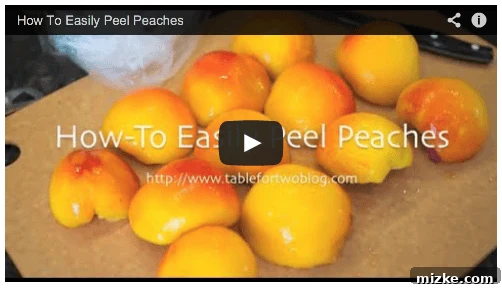
The blanching method is widely considered the quickest and most efficient way to peel a large batch of peaches. It involves a brief dip in boiling water followed by an immediate transfer to an ice bath. This temperature shock causes the skin to loosen, making it incredibly easy to slip off with minimal effort. This is the primary method demonstrated in our helpful video tutorial below.
Watch our video tutorial for a visual guide on how to easily peel peaches using the blanching method!
What You’ll Need for Blanching:
- Fresh, ripe peaches
- A large pot of boiling water
- A large bowl of ice water (ice bath)
- A slotted spoon or spider skimmer
- A sharp paring knife (optional, for scoring)
Step-by-Step Blanching Instructions:
- Prepare Your Peaches: Gently wash your peaches under cool running water. Using a sharp paring knife, score a small ‘X’ on the bottom of each peach. Make sure the cut is shallow, just breaking through the skin without going deep into the flesh. This score helps the skin expand and peel away easily.
- Boil the Water: Bring a large pot of water to a rolling boil. Ensure there’s enough water to fully submerge the peaches.
- Blanch the Peaches: Carefully lower 2-3 peaches into the boiling water using your slotted spoon. Don’t overcrowd the pot, as this can lower the water temperature and hinder the process. Let them cook for approximately 30-60 seconds. You’ll notice the ‘X’ on the bottom starting to curl back, and the skin might even begin to wrinkle slightly. The exact time depends on the ripeness of the peach – very ripe peaches might need less time, firmer ones slightly more.
- Prepare the Ice Bath: While the peaches are blanching, ensure your large bowl of ice water is ready. The colder, the better!
- Shock the Peaches: Using the slotted spoon, quickly transfer the blanched peaches from the boiling water directly into the ice bath. This stops the cooking process immediately and helps to further separate the skin from the flesh. Let them cool in the ice bath for about 1-2 minutes.
- Peel with Ease: Once cooled, remove a peach from the ice bath. Starting from the ‘X’ you scored, the skin should now easily peel away using your fingers. If there are any stubborn spots, a small paring knife can help gently nudge the skin off.
- Repeat: Continue this process with the remaining peaches until they are all peeled.
Why Blanching Works So Effectively:
The magic behind blanching lies in the rapid change in temperature. The hot water causes the peach’s skin to expand and slightly cook the outermost layer of flesh, while the immediate plunge into ice water contracts the fruit and stops the cooking. This sudden contraction creates a tiny gap between the skin and the fruit, allowing for effortless removal. It’s a classic culinary technique used for many fruits and vegetables, and for good reason!
Alternative Peeling Methods for Different Peach Types
While blanching is often the preferred method, there are times when it might not be practical, or you might be working with peaches that are less ripe. Here are a couple of alternative techniques to consider:
The Knife Method: For Firmer Peaches or Small Batches
If your peaches are a bit firmer or you only have one or two to peel, using a sharp knife can be a perfectly viable option. This method requires a bit more care and practice, but it’s effective.
- What You’ll Need: A very sharp paring knife or a small, sharp chef’s knife.
- Instructions:
- Hold the peach firmly in one hand.
- Starting from the top, carefully slice off thin strips of skin, working your way around the peach. Try to remove only the skin, minimizing the amount of flesh lost.
- Always cut away from your body for safety.
- For peaches with slightly tougher skin, a serrated vegetable peeler can also be effective, acting like a very gentle knife.
- Best For: Firmer peaches that might not respond as well to blanching, or when you only need to peel a small quantity.
The Vegetable Peeler Method: When Speed is Key (and Peaches are Firm)
A standard vegetable peeler can also be used, especially if your peaches are firm and not overly ripe. Ripe peaches tend to be too soft for a peeler, as the flesh can bruise easily or be gouged out along with the skin.
- What You’ll Need: A sharp, standard vegetable peeler.
- Instructions:
- Hold the peach securely in one hand.
- Use the peeler to carefully remove the skin in strips, similar to how you would peel a potato or an apple.
- Work gently and steadily to avoid taking too much flesh.
- Best For: Firmer peaches that can withstand the pressure of a peeler without bruising. This method is generally less ideal for very ripe, delicate peaches.
Freestone vs. Clingstone: Understanding Your Peaches and Pit Removal
Before you even think about peeling, understanding whether you have a freestone or clingstone peach will significantly impact your pit removal strategy, and sometimes, even your peeling approach. This is an important distinction often overlooked!
What’s the Difference?
- Freestone Peaches: As the name suggests, the flesh of a freestone peach easily separates from the pit. These are typically available in mid to late summer and are often preferred for baking, canning, and freezing due to their easy pit removal.
- Clingstone Peaches: The flesh of a clingstone peach adheres tightly to the pit, making it more challenging to remove. These are usually early-season peaches, prized for their juicy, sweet flesh which is often enjoyed fresh or used for preserves.
Pit Removal Techniques:
Note: In the video, I typically just cut around the pit. You can definitely pull them out of the peaches, but I sometimes find them lodged in there, especially with clingstone varieties!
- For Freestone Peaches:
- Once peeled, stand the peach upright.
- Using a sharp knife, slice around the peach along its natural seam, from top to bottom.
- Gently twist the two halves in opposite directions. They should separate easily, leaving the pit in one half.
- Pry the pit out of the remaining half with your fingers or the tip of your knife.
- For Clingstone Peaches:
Removing the pit from a clingstone peach can be a bit trickier, but it’s not impossible.
- Once peeled, stand the peach upright.
- Carefully make cuts around the peach, as close to the pit as possible, to slice off segments of flesh.
- You can also halve the peach along its seam and then use a spoon or a small paring knife to carefully cut and scoop out the pit. Be patient, as some flesh will inevitably stick to the pit.
- Alternatively, some people prefer to just dice the clingstone peach flesh directly off the pit after peeling.
When to Peel Your Peaches (And When Not To)
While peeling peaches is often beneficial, it’s not always necessary. Knowing when to peel can save you time and effort.
Recipes That Benefit from Peeled Peaches:
- Pies, Tarts, and Crumbles: Peeled peaches create a smoother, more refined filling without tough or chewy skin pieces.
- Jams, Jellies, and Preserves: For a silky-smooth texture, peeling is essential.
- Baby Food and Purees: The skin is difficult for infants to digest and can create an undesirable texture.
- Smoothies and Juices: While blending can pulverize skin, removing it ensures a truly velvety drink.
- Fine Dining Desserts: For elegant presentations, peeled peaches are often preferred.
- Canning and Freezing: Peeling before preserving helps maintain quality and texture when thawed or opened.
Recipes Where Skin is Welcome (or Acceptable):
- Grilling: The skin helps the peach halves hold their shape and prevents them from sticking to the grill.
- Snacking: Many people enjoy eating fresh peaches with the skin on for added fiber and nutrients.
- Certain Salads: Sliced peaches with skin can add color and texture to salads.
- Rougher Crumbles/Cobblers: If you don’t mind a bit of texture, leaving the skin on can be fine for rustic desserts.
Selecting the Perfect Peaches for Easy Peeling
The success of your peeling efforts often begins at the grocery store or farmer’s market. Choosing the right peaches will make your job significantly easier.
- Ripeness is Key: Opt for ripe but firm peaches. They should have a fragrant, sweet aroma and yield slightly to gentle pressure. Overly soft peaches will be difficult to handle without bruising, especially with the knife or peeler method. Underripe peaches will have skin that stubbornly clings to the flesh, making peeling a frustrating task.
- Look for Unblemished Skin: Choose peaches with smooth, vibrant skin, free from large bruises or soft spots. While small blemishes are okay, heavily bruised areas can make peeling difficult and lead to waste.
- Consider Freestone Varieties: If you plan on a lot of baking or canning, actively seek out freestone varieties during their season (typically later in the summer) for the easiest pit removal.
Storing Peeled Peaches: Keeping Them Fresh and Brown-Free
Once you’ve gone through the effort of peeling your peaches, you’ll want to keep them looking and tasting their best. Peeled peaches, like apples, are prone to browning due to oxidation. Here’s how to prevent it:
- Lemon Juice or Citric Acid: Toss peeled peach slices immediately with a small amount of lemon juice (about 1 tablespoon per pound of peaches) or a pinch of citric acid. This acidity helps inhibit the enzyme responsible for browning.
- Sugar Syrup: For canning or freezing, peaches are often packed in a light sugar syrup (water, sugar, and often some ascorbic acid/Vitamin C) which also helps prevent browning and preserves their texture.
- Airtight Container: Store peeled peaches in an airtight container in the refrigerator for 2-3 days.
- Freezing: For longer storage, freeze peeled and sliced peaches on a baking sheet until solid, then transfer them to a freezer-safe bag. They will last for several months and are perfect for smoothies, pies, or sauces.
The Nutritional Benefits of Peaches
Beyond their delightful flavor and versatility in the kitchen, peaches also offer a host of nutritional benefits. They are a good source of vitamins C and A, which are powerful antioxidants that support immune function and healthy vision. Peaches also provide dietary fiber, aiding in digestion and promoting gut health. Additionally, they contain potassium, which is important for heart health and maintaining fluid balance in the body. Enjoying peaches, whether fresh or in your favorite recipes, is a delicious way to boost your nutrient intake.
Get Ready for Delicious Peach Recipes!
Now that you’re equipped with the knowledge and skills to perfectly peel peaches, you’re ready to tackle any recipe that comes your way! This week on Table for Two, we’ll be sharing a series of mouth-watering peach-centric dishes that highlight the sweet, juicy goodness of this summer fruit. From classic desserts to unexpected savory pairings, you won’t want to miss out.
Stay tuned for some truly delicious peach recipes this week that will make the most of your beautifully peeled peaches. Happy peeling, and even happier cooking!