
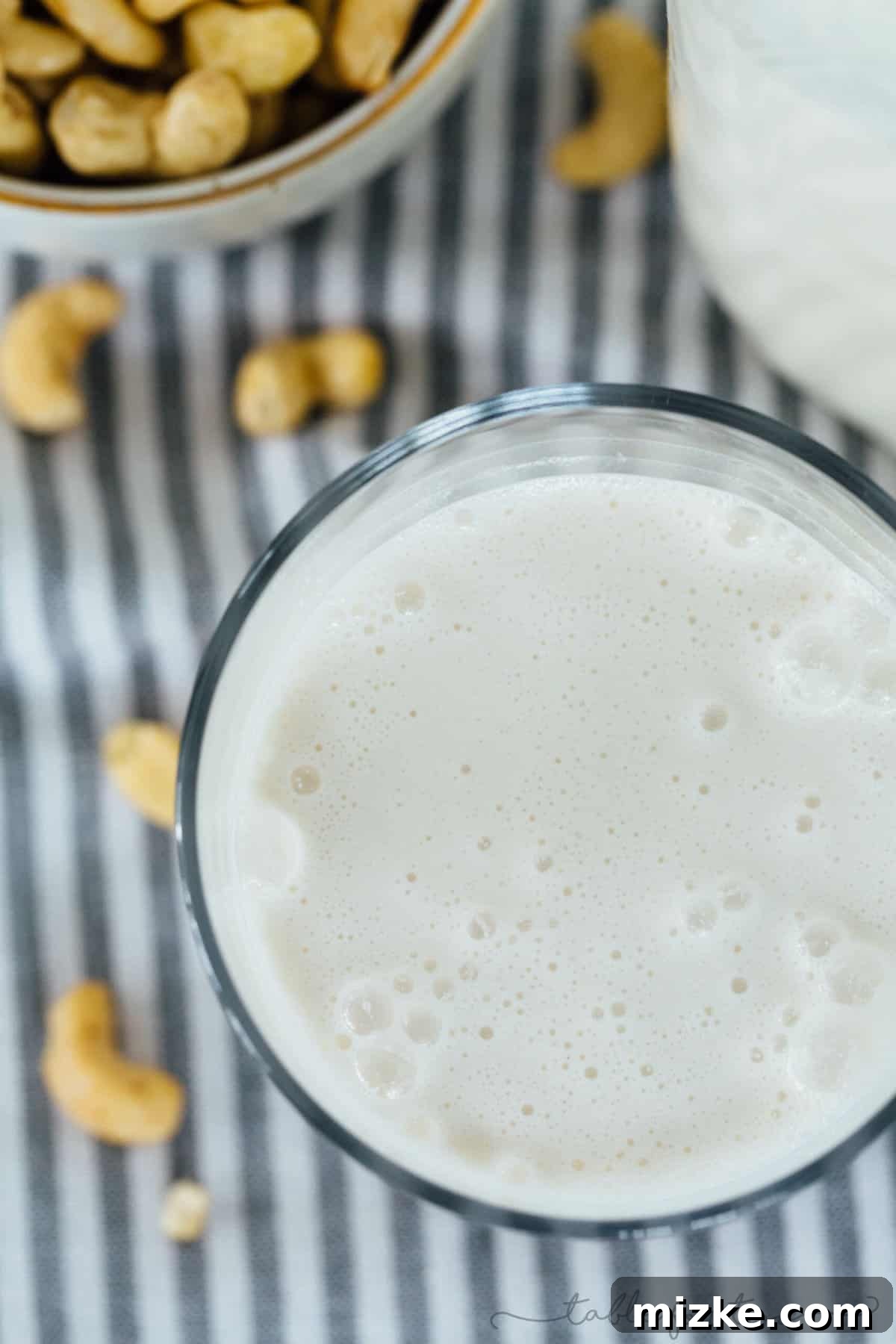
Homemade Cashew Milk: The Ultimate Guide to Creamy, Dairy-Free Perfection
For years, many of us have relied on various plant-based milk alternatives, with almond milk often taking center stage. While homemade almond milk offers a wonderful freshness, I recently embarked on a culinary adventure that completely changed my perspective on nut milks: I discovered the magic of homemade cashew milk. And let me tell you, once you experience its unparalleled richness and creamy texture, there’s simply no turning back.
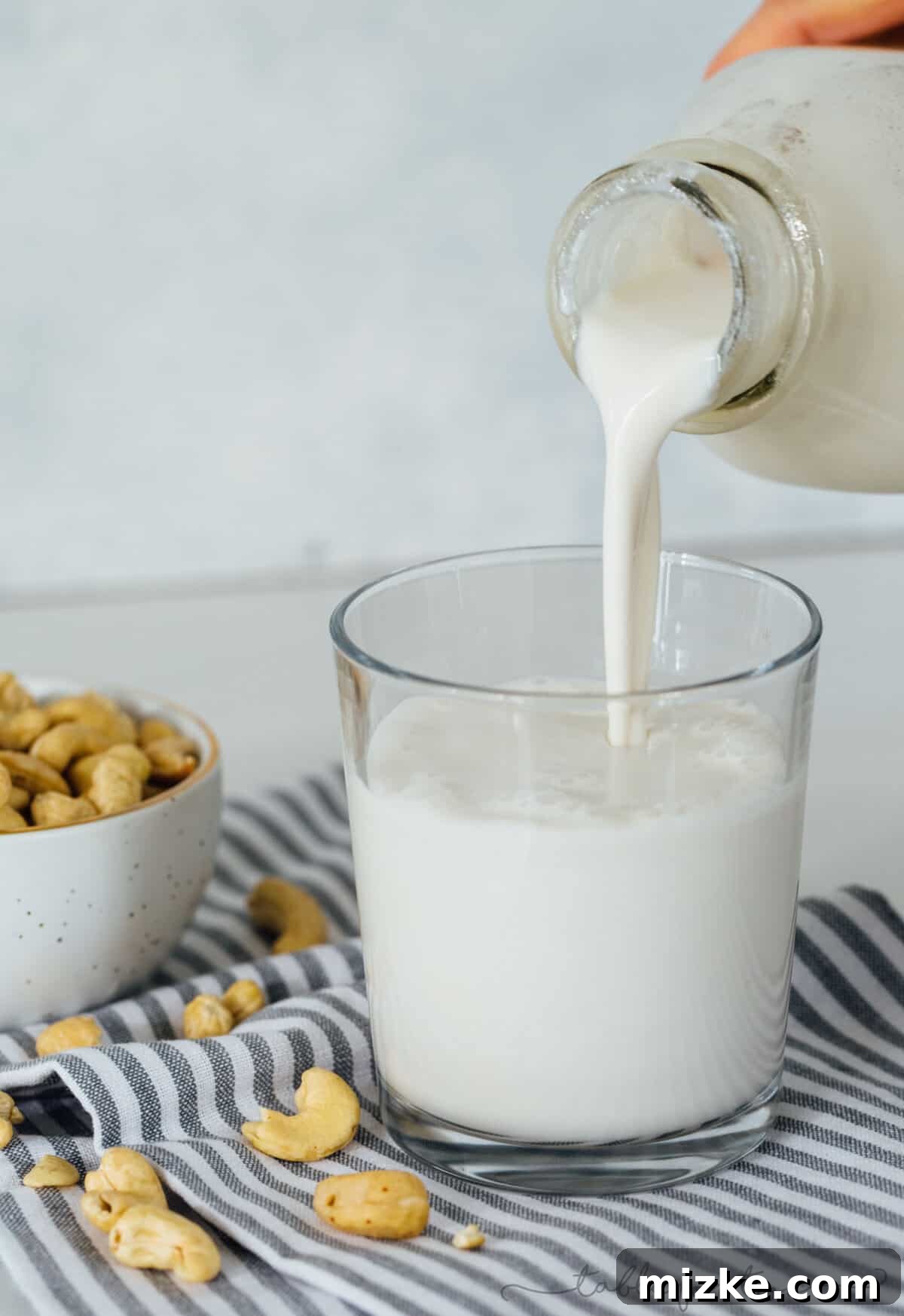
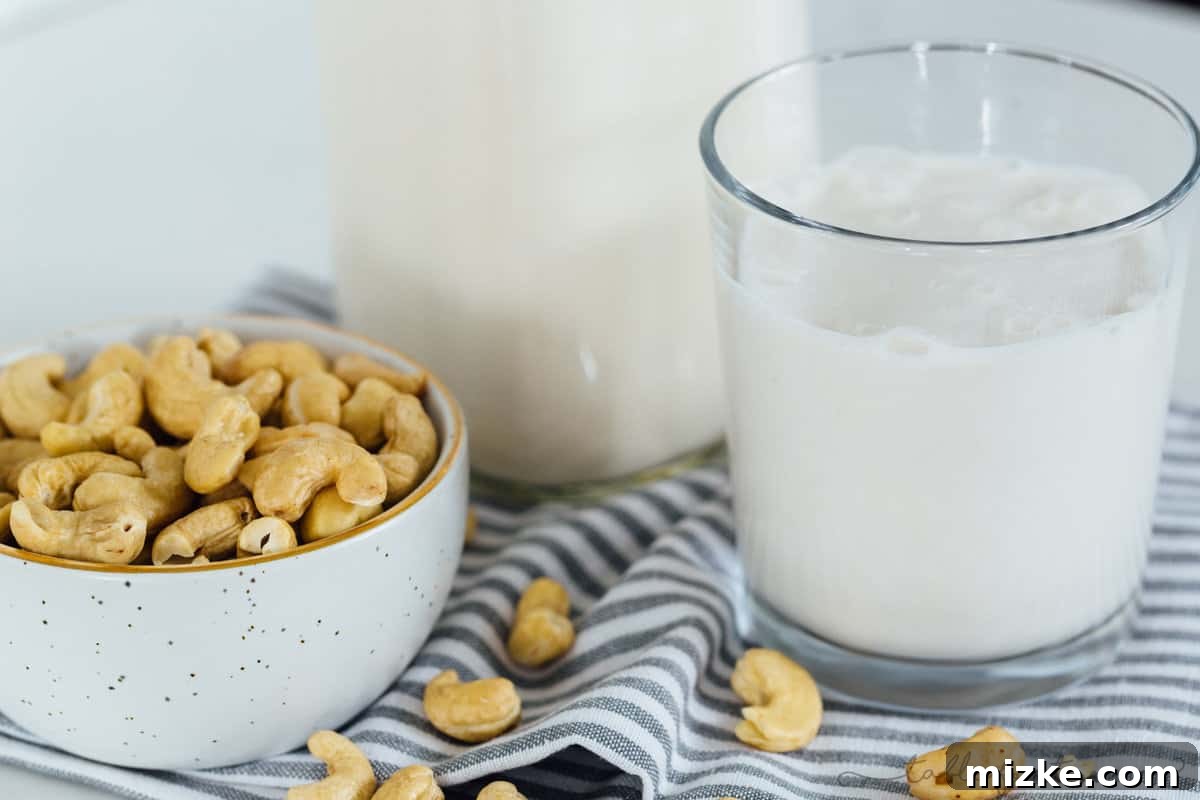
This isn’t just a slight improvement over store-bought varieties; it’s a game-changer for anyone seeking a superior dairy-free option. Homemade cashew milk is exquisitely rich, luxuriously creamy, and possesses a slightly thicker consistency than typical almond milk. While it’s not thick like a smoothie, those familiar with making their own almond milk will immediately understand the superior ‘thickness’ and delightful mouthfeel this cashew milk offers. It truly elevates your morning coffee, cereal, or any recipe requiring a velvety dairy-free alternative.
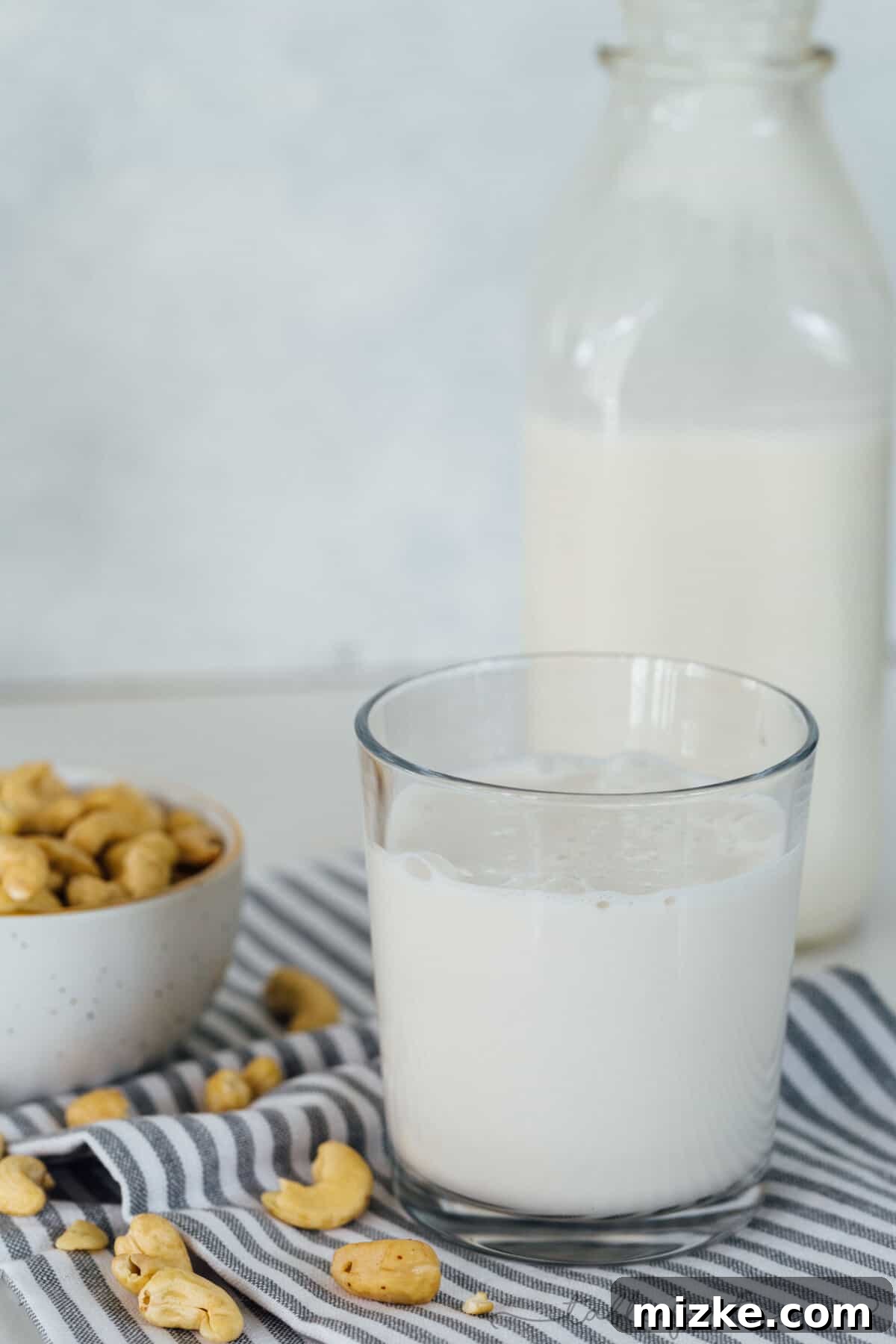
Why Homemade Cashew Milk Reigns Supreme
Just like its almond counterpart, homemade cashew milk is dramatically superior to anything you’ll find on supermarket shelves. The difference in quality, taste, and freshness is undeniable, making it a worthy staple in any health-conscious kitchen.
- Unbeatable Freshness and Flavor: Store-bought nut milks often have a slightly metallic or artificial aftertaste due to preservatives and extensive processing. Homemade cashew milk, on the other hand, boasts a clean, pure, and subtly sweet flavor that enhances everything it touches, from your morning latte to your favorite bowl of granola.
- No Unwanted Additives: Commercial brands frequently include a long list of ingredients, such as thickeners (like carrageenan or gellan gum), added sugars, various oils, and artificial flavors to achieve a certain texture and shelf life. When you make cashew milk at home, you control every single ingredient. Typically, it’s just high-quality raw cashews and filtered water – pure, simple, and transparent.
- Cost-Effective Choice: While the initial purchase of raw cashews might seem like a modest investment, homemade cashew milk is often more economical in the long run, especially if you regularly consume plant-based milks. You get more for your money and a superior product.
- Environmental Benefits: By choosing to make your own nut milk, you significantly reduce your reliance on single-use plastic cartons and Tetra Paks, contributing positively to environmental sustainability and minimizing your ecological footprint.
Cashew Milk vs. Almond Milk: The Creamy Showdown
While both almond and cashew milk are excellent dairy-free alternatives, cashew milk brings a unique set of advantages to the table, particularly for those seeking maximum creaminess with minimal effort and a smoother texture.
- Superior Texture and Richness: Cashew milk is inherently richer and creamier than most almond milks. Its higher natural fat content contributes to a luscious, velvety mouthfeel that closely rivals traditional dairy milk. This makes it an ideal choice for enriching coffee, lattes, creamy sauces, and desserts where a luxurious consistency is desired.
- No Straining Required – A Game Changer! This is perhaps the biggest selling point for many busy home cooks. Unlike almond milk, which typically requires thorough straining through a nut milk bag or fine-mesh sieve to remove gritty pulp, cashews blend down incredibly smoothly. Their softer texture and lack of a fibrous outer skin mean that with a powerful high-speed blender, you achieve a perfectly smooth, pulp-free milk without any extra, messy steps. This significantly simplifies the entire process and cleanup.
- Milder and More Neutral Flavor Profile: Cashew milk has a very neutral, subtly sweet, and buttery flavor that doesn’t overpower other ingredients. Almond milk can sometimes carry a more distinct “nutty” flavor, which might not be desirable in all culinary applications. Cashew milk’s mildness makes it incredibly versatile.
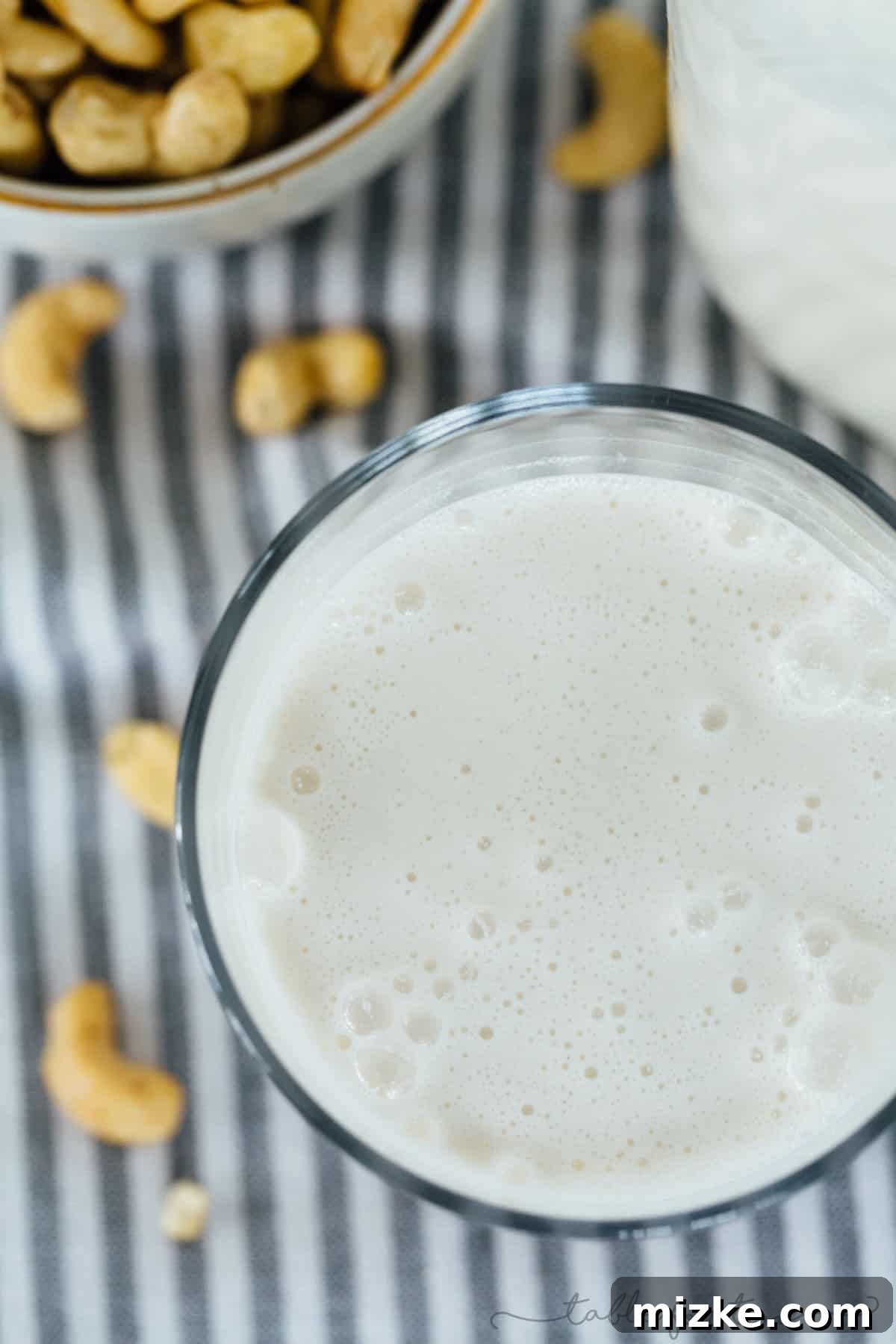
The Uncomplicated Process: Soak, Blend, Store!
One of the most appealing aspects of homemade cashew milk is its incredible simplicity. Forget complicated steps or specialized equipment. The entire process can be broken down into three incredibly easy phases, making it accessible even for beginners:
- Soak: The first step involves soaking raw cashews in water. This crucial step softens the nuts, making them significantly easier to blend into a perfectly creamy consistency. Soaking also helps to activate enzymes and can improve digestibility.
- Blend: Once adequately soaked, the cashews are combined with fresh, filtered water in a high-speed blender. The unique characteristic of cashews is their ability to pulverize completely, leaving behind no gritty residue, which means no straining is necessary.
- Store: After blending to your desired smoothness, simply pour your freshly made cashew milk into airtight containers and refrigerate. That’s it! No mess, no fuss, just pure, wholesome goodness ready to be enjoyed.
Health Benefits of Cashews and Cashew Milk
Beyond its delightful taste and luxurious texture, homemade cashew milk offers a variety of nutritional benefits, making it a smart and healthy choice for your daily diet.
- Heart-Healthy Fats: Cashews are abundant in monounsaturated and polyunsaturated fats, particularly oleic acid. These healthy fats are known to support cardiovascular health, help reduce levels of “bad” LDL cholesterol, and may lower the risk of heart disease.
- Rich in Essential Minerals: Cashews are an excellent source of several vital minerals, including magnesium (crucial for nerve and muscle function, blood sugar control, and blood pressure regulation), phosphorus (important for bone health and energy metabolism), zinc (essential for immune function and wound healing), and copper (involved in energy production, iron metabolism, and antioxidant defense).
- Vitamins for Well-being: They also provide valuable vitamins such as Vitamin K, which is necessary for blood clotting, and Vitamin B6, important for metabolic processes and brain development.
- Plant-Based Protein: While not as high in protein as dairy milk, cashew milk still offers a decent amount of plant-based protein, contributing to satiety and supporting muscle repair and growth.
- Antioxidant Properties: Cashews contain powerful antioxidants, including anacardic acids, cardanols, and cardols, which help protect your body’s cells from damage caused by harmful free radicals, potentially reducing inflammation and the risk of chronic diseases.
- Naturally Lactose-Free and Dairy-Free: An obvious and significant benefit for individuals with lactose intolerance or dairy allergies, as well as for anyone following a vegan or plant-based diet, providing a delicious and nutritious alternative.

Print Recipe
★
★
★
★
Homemade Cashew Milk Recipe
Equipment
-
High-Speed Blender
-
Small Bowl for Soaking
-
Airtight Glass Bottles or Jars for Storage
Ingredients
- 1 cup (129 g) raw unsalted whole cashews
- 4 cups (946 ml) filtered water
- Optional: 1-2 Medjool dates, pitted (for natural sweetness)
- Optional: 1/2 tsp vanilla extract (for aromatic flavor)
- Optional: Pinch of sea salt (to enhance all flavors)
Instructions
-
In a small bowl, add the raw unsalted cashews and cover them completely with tap water. Allow the cashews to soak overnight for a minimum of 8-12 hours. Soaking is a vital step for softening the nuts and ensuring a silky-smooth milk with no grittiness.(Uses: 1 cup (129 g) raw unsalted whole cashews)
-
Once the soaking time is complete, carefully drain the cashews from the soaking water. Discard this water, as it may contain enzyme inhibitors. You can give the cashews a quick rinse under fresh water if desired.
-
Transfer the thoroughly drained cashews to a powerful high-speed blender. Add 4 cups of fresh, filtered water to the blender. At this stage, you can also add any optional ingredients such as pitted Medjool dates for sweetness, vanilla extract for flavor, or a pinch of sea salt to enhance the overall taste.(Uses: 4 cups (946 ml) filtered water)
-
Blend on high speed for 1-2 minutes, or until the mixture is completely smooth and wonderfully creamy. There should be no visible cashew pieces or grittiness. The longer and more powerful you blend, the more luscious and homogeneous your cashew milk will be.
-
Pour the freshly blended cashew milk into clean, airtight glass bottles or jars. Store it immediately in the refrigerator. For optimal freshness and the best flavor, aim to consume your homemade cashew milk within 4-5 days. Remember to give it a good shake before each use, as some natural separation may occur.
Nutrition Information (per serving)
Calories: 178kcal,
Carbohydrates: 10g,
Protein: 6g,
Fat: 14g,
Saturated Fat: 3g,
Sodium: 16mg,
Potassium: 213mg,
Fiber: 1g,
Sugar: 2g
This website provides approximate nutrition information for convenience and as a courtesy only. Nutrition information can vary for a variety of reasons. For the most precise nutritional data, use your preferred nutrition calculator based on the actual ingredients you used in the recipe.
The default measuring system for this website is US Customary. Unit conversions are provided for convenience and as a courtesy only. While we strive to provide accurate unit conversions, please be aware that there may be some discrepancies.
Expert Tips for the Best Homemade Cashew Milk
Achieving the perfect batch of homemade cashew milk is simple, but a few key tips can elevate your results from merely good to absolutely outstanding, ensuring a consistently delicious and creamy product.
- Soak Smartly and Sufficiently: While an overnight soak (8-12 hours) is ideal for maximum softness and digestibility, if you’re truly short on time, you can quick-soak cashews by covering them with boiling water and letting them sit for 30-60 minutes. Just ensure they are fully softened before blending. Thorough soaking is the foundation for super creamy milk.
- Always Use Quality Raw Cashews: Opt for raw, unsalted, whole cashews. Avoid roasted, salted, or flavored varieties, as these will significantly alter and detract from the pure, clean taste of your milk. Fresh cashews yield the best flavor and creaminess.
- Invest in a Powerful High-Speed Blender: A high-speed blender (such as a Vitamix, Blendtec, or similar) is highly recommended and truly makes all the difference. It’s what allows the cashews to become utterly smooth and completely pulverized, eliminating any grittiness and, most importantly, the need for straining. If you have a less powerful blender, you might need to blend for a bit longer and potentially add a touch more water to aid in the blending process.
- Filtered Water is Key: The quality of your water directly impacts the final taste of your homemade milk. Using filtered or purified water ensures a cleaner, purer, and more refreshing flavor profile, free from chlorine or other tap water impurities.
- Customize Your Flavor to Perfection:
- Sweetness: For a naturally sweet milk, add one or two pitted Medjool dates, a drizzle of maple syrup, or a pinch of stevia or erythritol to taste.
- Vanilla Infusion: A half teaspoon of pure vanilla extract or a small piece of a vanilla bean can add a delightful aroma and warm flavor.
- Flavor Enhancement with Salt: A tiny pinch of high-quality sea salt (like Himalayan pink salt) can surprisingly enhance the natural sweetness of the cashews and bring out their rich flavor.
- Spiced Variations: For a festive touch or unique blend, consider adding a dash of cinnamon, nutmeg, cardamom, or even a hint of turmeric for a golden milk latte.
- Adjust Consistency to Your Preference: If you prefer a thinner, lighter milk, simply add a quarter to a half cup more filtered water during the blending process. For an extra rich, decadent, and creamy milk, you can use slightly less water than the recipe specifies.
Creative Ways to Enjoy Your Homemade Cashew Milk
Once you have a fresh batch of this liquid gold in your fridge, the possibilities are endless! Its creamy texture and mild, neutral flavor make it incredibly versatile across a wide array of culinary applications.
- Coffee & Tea Partner: Homemade cashew milk froths beautifully and adds a luxurious creaminess to your morning coffee, espresso, or tea without diluting the flavor. Say goodbye to watery, disappointing lattes!
- Smoothies & Shakes Enhancer: Elevate the richness and texture of your favorite smoothies and protein shakes. It pairs wonderfully with all kinds of fruits, leafy greens, and protein powders, adding a silky base.
- Cereal & Oatmeal Base: A perfect, creamy foundation for your breakfast cereals, granola, or warm oatmeal, making your morning meal more satisfying.
- Baking Essential: Substitute dairy milk in your favorite baking recipes for muffins, pancakes, waffles, quick breads, and cakes. Its richness will contribute to a moist and tender crumb.
- Soups & Sauces Thickener: Use it to create dairy-free creamy soups (like roasted tomato soup, mushroom bisque, or butternut squash soup) or velvety, savory sauces for pasta dishes. It’s an excellent, healthier substitute for heavy cream in many recipes, adding body without the dairy.
- Puddings & Desserts Base: Achieve a lusciously smooth texture in chia puddings, rice puddings, custards, or even homemade dairy-free ice cream and popsicles.
- Drink it Plain: Sometimes, the simplest way is truly the best. Enjoy a cold glass of homemade cashew milk on its own for a nourishing and refreshingly delicious treat, especially on a warm day.
Storage and Shelf Life of Homemade Cashew Milk
Because homemade cashew milk is completely free from preservatives and stabilizers, its shelf life is naturally shorter than the highly processed store-bought varieties. You can typically expect your fresh batch to last for about 4-5 days when stored properly in the refrigerator. To maximize freshness and maintain flavor, I highly recommend storing all homemade milk beverages in these sturdy, airtight glass bottles. They are often designed for dairy, and I’ve found that their thicker glass and robust airtight seals seem to help keep the milk fresh a bit longer than other containers, while also preventing any absorption of plastic flavors or odors. Always give your cashew milk a good shake before each use, as some natural separation of solids and liquids is completely normal and expected.
Embracing homemade cashew milk is a simple yet profoundly impactful step towards a healthier, more flavorful, and more sustainable lifestyle. The minimal effort involved truly pays off with a product that far surpasses anything you can purchase commercially in terms of taste, purity, and nutritional value. Give this recipe a try – your taste buds, your body, and even the environment will thank you!