
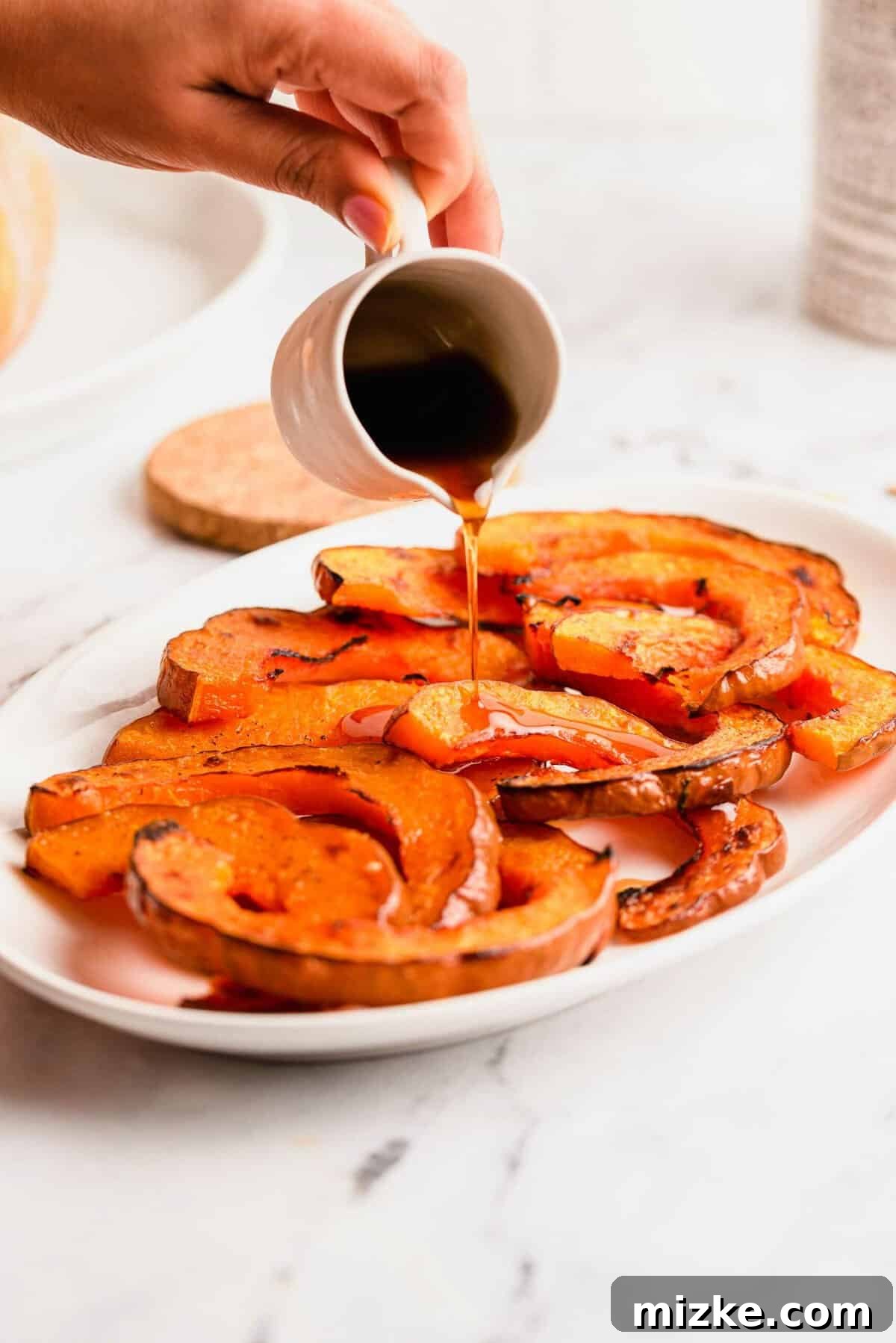
Roasted Koginut Squash with Maple Syrup: Your New Favorite Side Dish
Have you ever encountered a unique vegetable at your local farmers market or grocery store and wondered, “How do I even begin to cook this?” If that intriguing vegetable happens to be a koginut squash, then you’ve stumbled upon the perfect guide. This recipe transforms the naturally sweet and earthy koginut squash into an irresistible side dish, elevated by a delicate drizzle of maple syrup. It’s so simple, yet so profoundly flavorful, making it a versatile accompaniment to almost any meal.
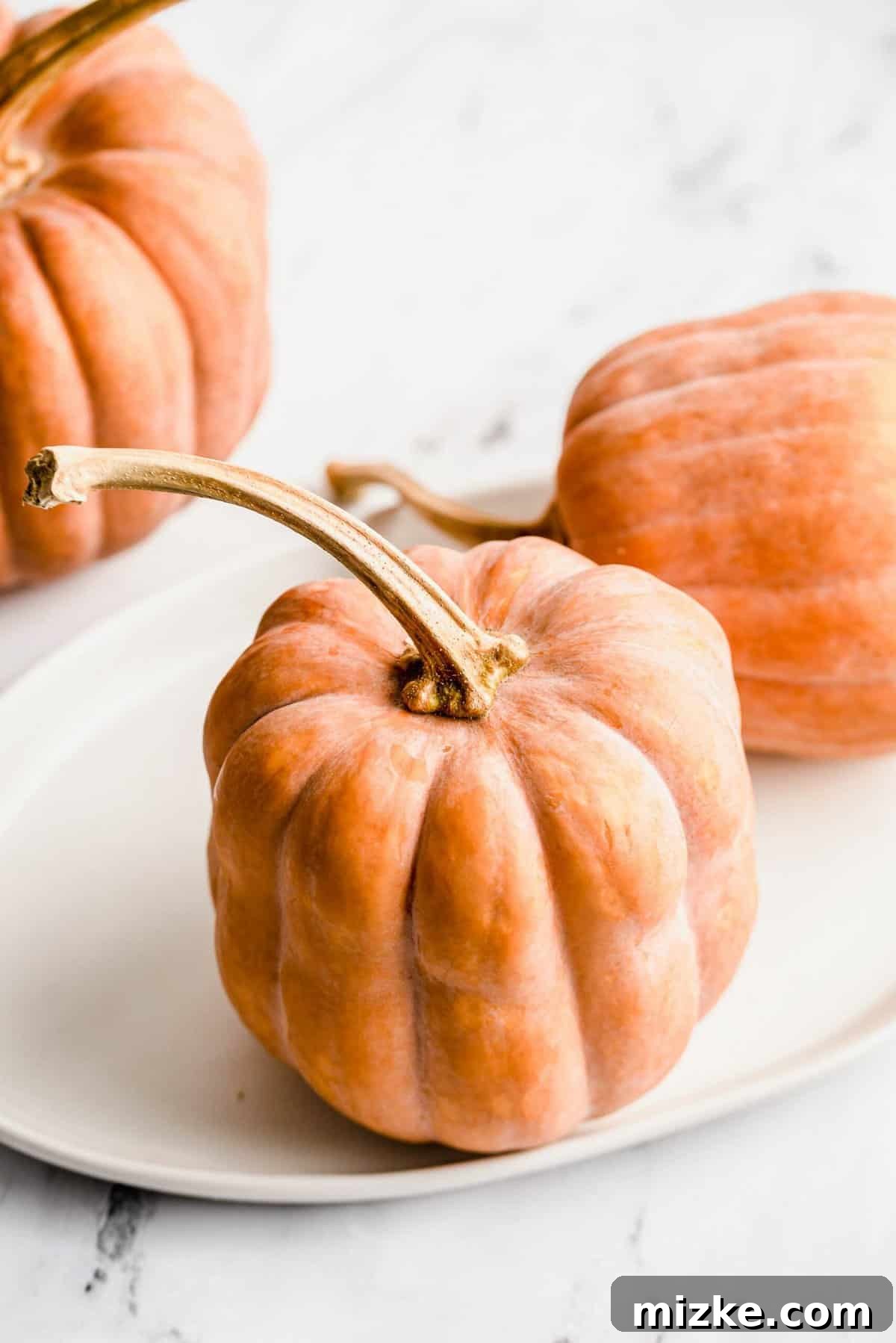
Koginut squash, often lauded for its endearing, miniature pumpkin-like appearance and its frosted orange exterior, truly looks like something straight out of a whimsical fairy tale. But its charm isn’t just skin deep. Slice it open, and you’ll discover a vibrant, deeply colored flesh that promises a symphony of sweet, creamy, and subtly nutty flavors. Many describe its texture as akin to the popular kabocha squash, while its rich, sweet taste often draws comparisons to the beloved butternut squash. This makes koginut incredibly versatile, allowing it to be used interchangeably in recipes calling for either of these winter squash varieties. Imagine it enhancing a Chicken Butternut Squash Red Curry or adding a sweet dimension to Stuffed Acorn Squash with Sage Apple Sausage and Wild Rice.
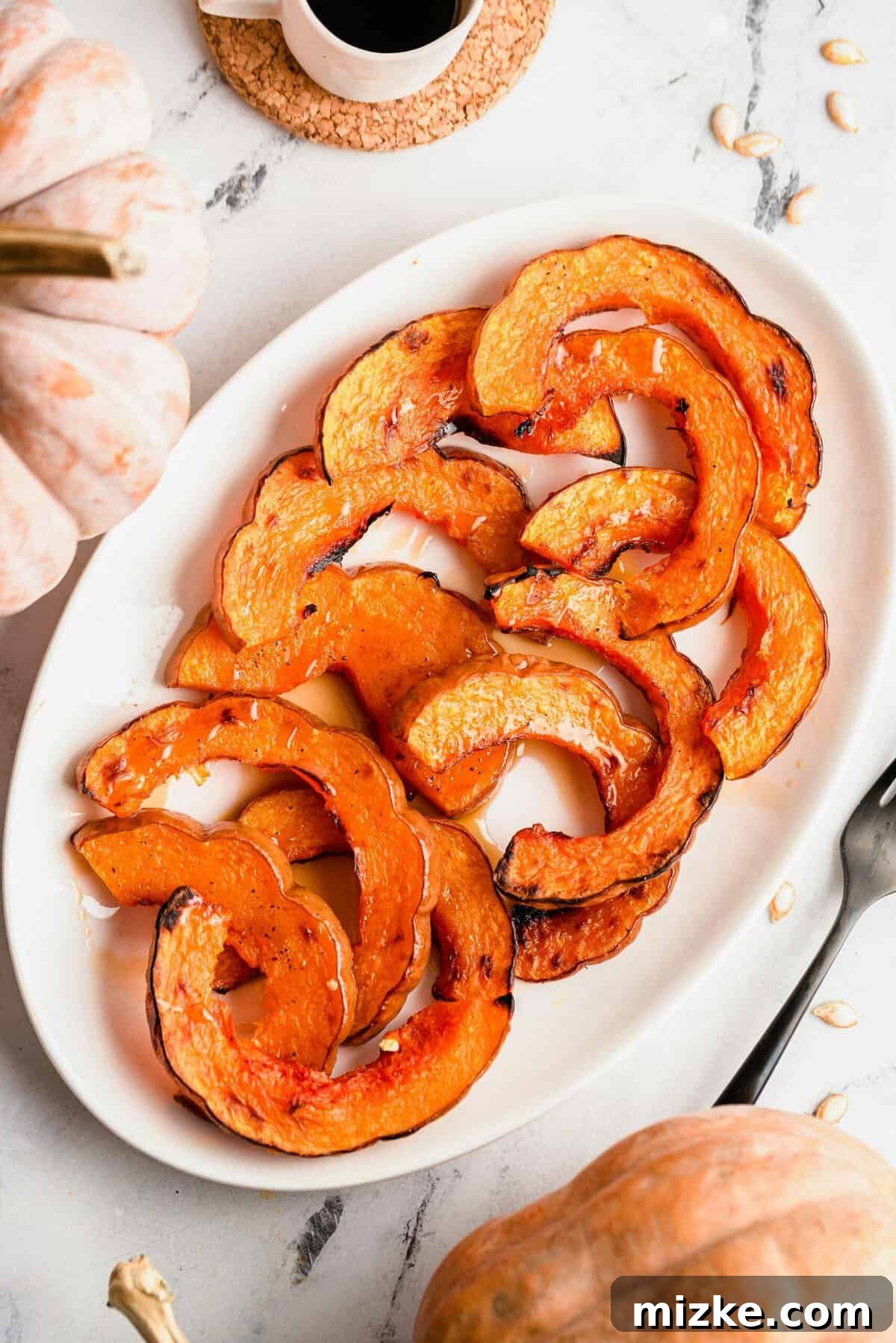
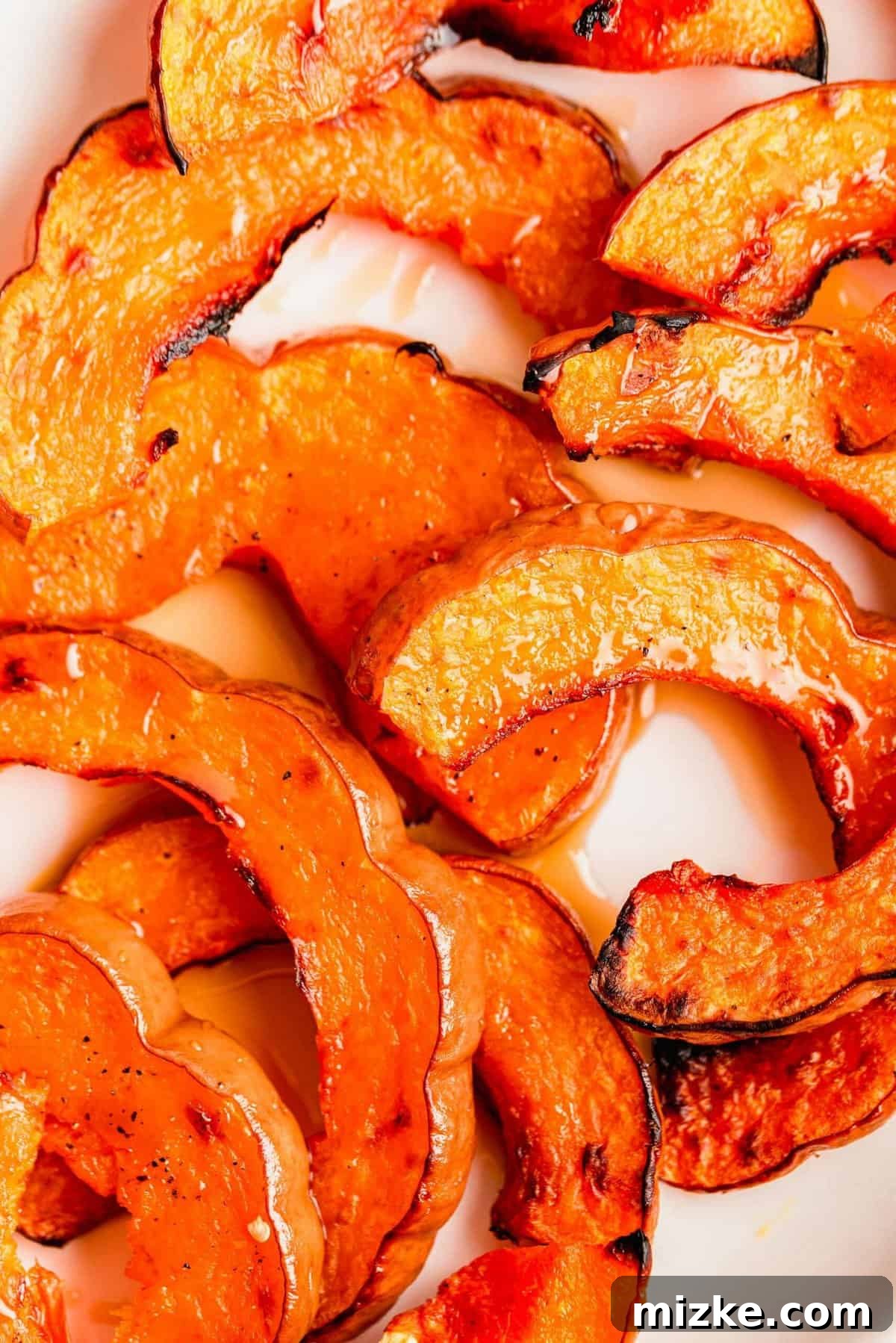
However, to truly appreciate the inherent beauty and distinct flavor profile of koginut squash, roasting is undeniably the superior cooking method. The high heat of the oven works wonders, coaxing out and intensifying the squash’s natural sugars. This caramelization creates delightful crispy, slightly charred edges that offer a textural contrast to the buttery, melt-in-your-mouth interior. A finishing touch of pure maple syrup not only complements this intensified sweetness but also adds a layer of sophisticated warmth, making each bite an absolute delight.
Discovering the Magic of Koginut Squash
What Makes Koginut Squash So Special?
Koginut squash is a relatively new hybrid, a delightful cross between butternut and kabocha squash, and it truly embodies the best characteristics of both. Its small, squat shape makes it easy to handle, typically weighing between 1 to 2 pounds. Unlike larger, more intimidating winter squashes, a single koginut is often perfect for serving 2-4 people, depending on its size, making it ideal for smaller households or as a simple side. Its skin is thin and edible, which is a major convenience, eliminating the tedious task of peeling. This means more time enjoying your meal and less time on prep!
The Flavor Profile and Nutritional Benefits
The taste of roasted koginut squash is a revelation. It possesses a profound sweetness, often described as richer and more concentrated than butternut, with a delicate nuttiness that adds complexity. Its texture is remarkably smooth and creamy, almost velvety, after roasting. Beyond its exquisite taste, koginut squash is a nutritional powerhouse. It’s an excellent source of Vitamin A, crucial for vision and immune function, and Vitamin C, an essential antioxidant. It also provides dietary fiber, supporting digestive health, and potassium, important for blood pressure regulation. Incorporating koginut into your diet is a delicious way to boost your intake of vital nutrients.
Essential Ingredients for This Simple Recipe
Achieving perfectly roasted koginut squash requires only a handful of high-quality ingredients. The beauty lies in the simplicity, allowing the squash’s natural flavors to shine through.
- Koginut Squash: The star of our dish. When selecting, look for a squash that feels firm and heavy for its size, with no soft spots, blemishes, or cracks. Its skin should have a uniform frosted orange color. Koginut squash is typically available from late summer through winter, with peak season in fall. You’ll often find them at farmers’ markets, specialty grocery stores, or increasingly, in larger supermarket produce sections.
- Extra Virgin Olive Oil: A good quality extra virgin olive oil is key. It helps the squash caramelize beautifully, prevents sticking, and adds a subtle fruity note that complements the squash’s earthiness.
- Salt: Essential for enhancing all the other flavors. We recommend using a good sea salt or kosher salt for even seasoning.
- Maple Syrup: This is where the magic happens! Use pure maple syrup, not pancake syrup, for the best flavor. Darker grades of maple syrup, like Grade A Dark Robust Taste, offer a richer, more pronounced maple flavor that pairs wonderfully with the squash.
- Optional Enhancements: While not strictly necessary, a sprinkle of cinnamon, nutmeg, or a pinch of chili flakes can add an extra dimension to your roasted squash. Fresh herbs like rosemary or thyme, added during the last 10 minutes of roasting, can also infuse a savory aroma.
Mastering the Art of Roasted Koginut Squash: A Step-by-Step Guide
One of the greatest advantages of koginut squash is that you don’t need to peel it! The skin becomes tender and slightly crispy when roasted, adding to the overall texture and saving you precious prep time. Just ensure you use a sharp chef’s knife for safe and easy cutting.
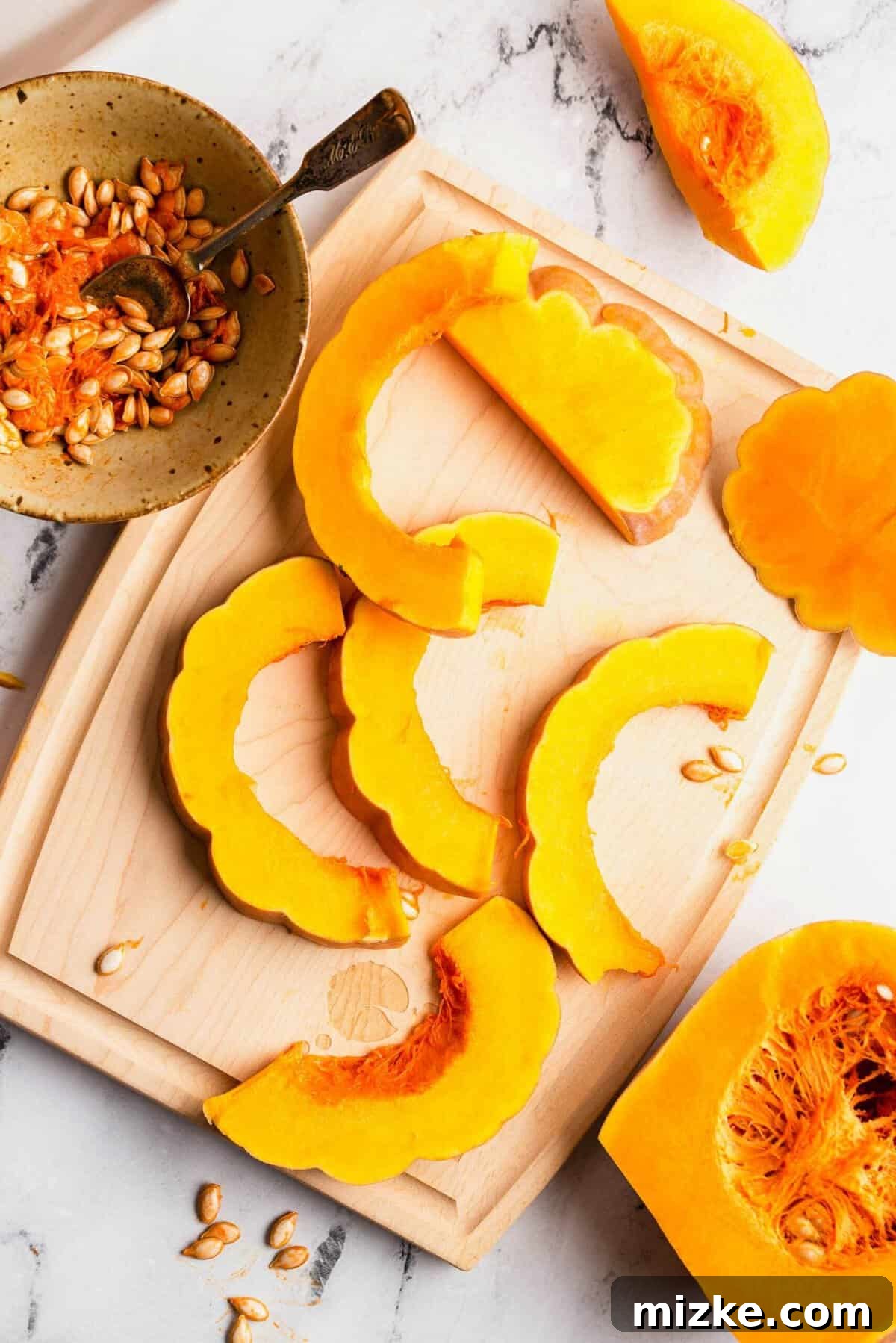
- Prepare Your Oven and Squash: Begin by preheating your oven to 425ºF (220ºC). A high oven temperature is crucial for achieving that desirable caramelization and tender interior. Carefully cut the koginut squash in half lengthwise. Using a spoon, scoop out all the seeds and fibrous pulp. Don’t discard the seeds! You can rinse, season, and roast them separately for a healthy, crunchy snack.
- Slice into Wedges: Once halved and deseeded, cut each squash half into even wedges. Aim for pieces that are roughly 1/2 to 3/4 inch thick. Consistency in size ensures that all pieces cook evenly. Arrange these wedges in a single layer on a large rimmed baking sheet. Ensure they are not overcrowded, as this will steam the squash instead of roasting it, preventing optimal browning and crispiness. If necessary, use two baking sheets.
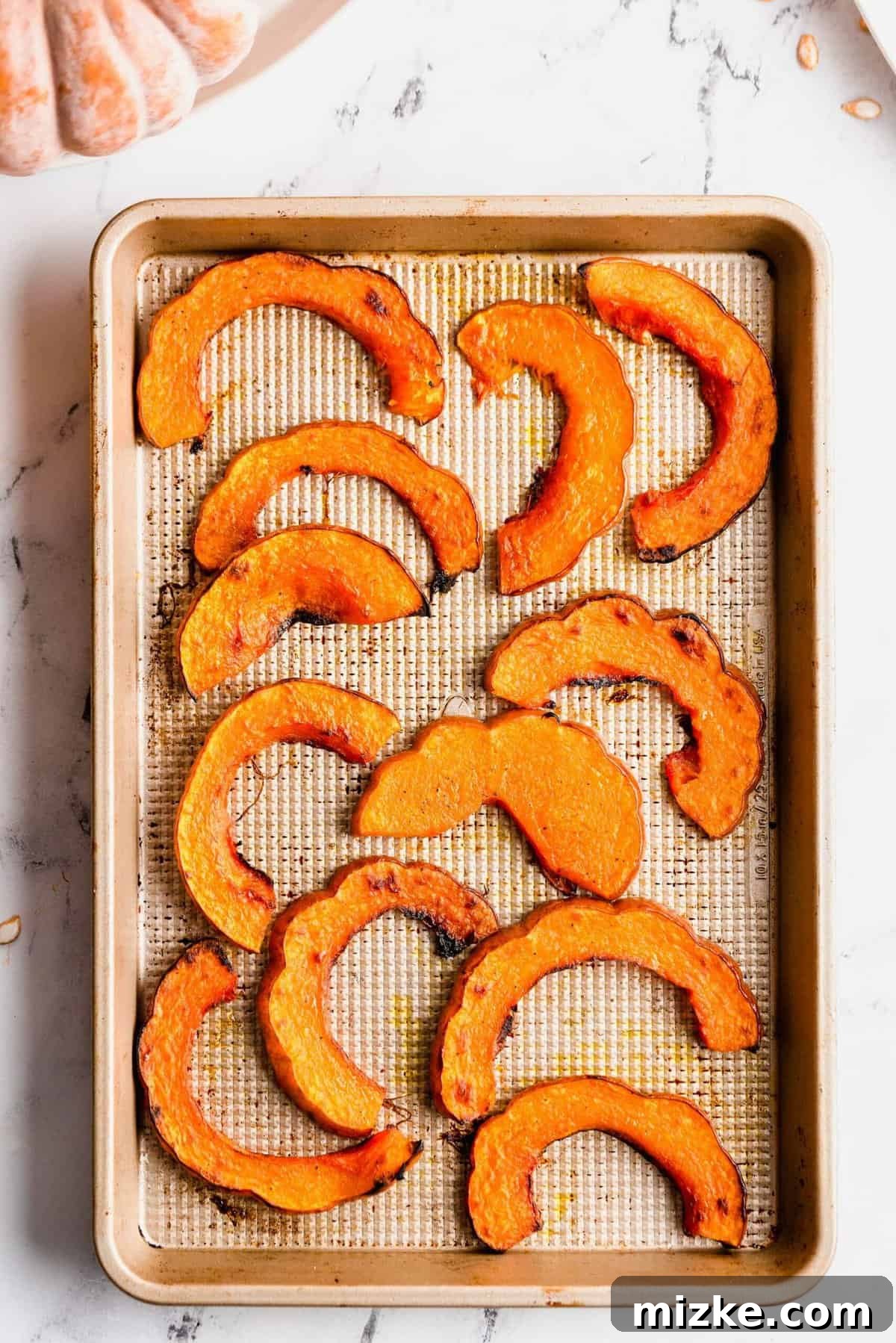
- Season and Roast to Perfection: Drizzle the squash wedges generously with extra virgin olive oil, then sprinkle evenly with salt. Toss gently with your hands to ensure every piece is coated. Bake for 30 to 35 minutes. The exact baking time may vary based on the thickness of your wedges and your oven’s calibration. Flip the squash pieces halfway through roasting to ensure even browning. The squash is perfectly done when a fork can easily pierce the flesh with minimal resistance, and the edges are beautifully caramelized and golden-brown.
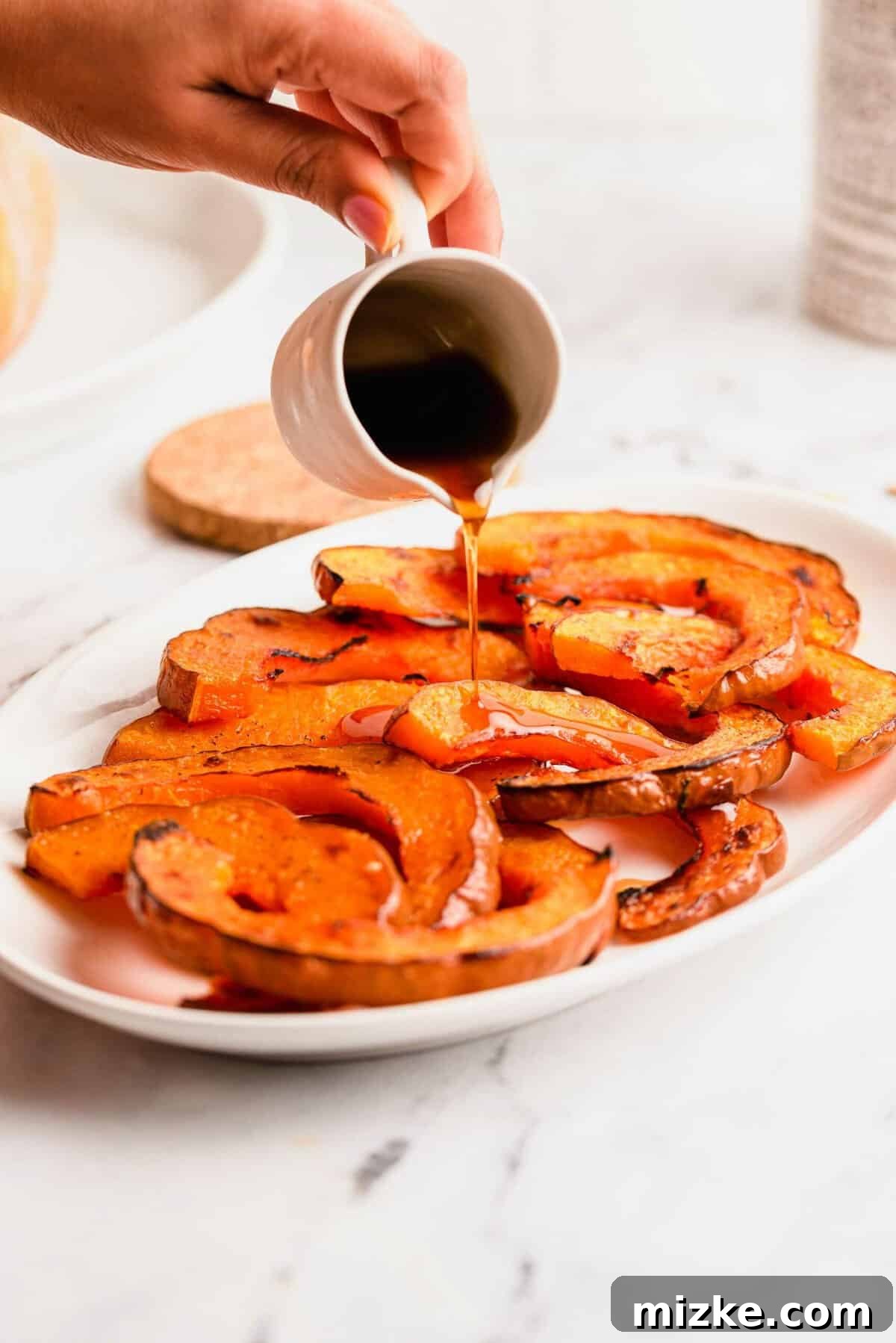
- The Maple Syrup Finish: Once roasted to tender perfection, remove the baking sheet from the oven. Immediately drizzle the warm squash wedges with the maple syrup. The warmth of the squash will help the syrup coat evenly and gently absorb into the flesh.
- Serve Warm: Transfer the maple-kissed roasted koginut squash to a serving platter and serve warm. It makes an exquisite side dish that’s both comforting and elegant.
Expert Tips for Cooking Koginut Squash Like a Pro
Even if you’re new to cooking with koginut squash, these additional tips will help you achieve outstanding results every time:
- Choosing and Storing: Always opt for a firm squash without any soft spots or gashes. A perfectly healthy koginut squash can be stored in a cool, dry, dark place (like a pantry or basement) for an impressive period of up to 3 months. Avoid refrigerating uncooked whole squash, as this can shorten its shelf life.
- Eating the Skin: Absolutely! Koginut squash skin is completely edible. When roasted, it transforms into a deliciously thin, slightly crispy layer that adds texture and nutritional value. If, however, you prefer to eat the flesh only, it’s much easier to scoop it out after roasting rather than attempting to peel the hard, raw squash.
- Versatility in the Kitchen: Roasted koginut squash is incredibly versatile.
- Soup Base: Puree roasted squash with vegetable broth for a creamy, flavorful soup.
- Salad Topping: Dice the cooled roasted squash and add it to green salads or grain bowls for a sweet and hearty component.
- Pumpkin Purée Substitute: Its flavor and texture make it an excellent substitute for pumpkin puree in most recipes, from pies to quick breads.
- Pasta Dishes: Toss cubed roasted squash with pasta, sage, and brown butter for a simple yet elegant meal.
- Breakfast Bowls: Add warm diced squash to oatmeal or yogurt parfaits for a healthy and satisfying breakfast.
- Flavor Variations: Don’t be afraid to experiment with seasonings!
- Sweet & Spicy: A pinch of cayenne pepper or red pepper flakes adds a delightful kick.
- Herbaceous: Fresh rosemary or thyme sprigs can be roasted alongside the squash for an aromatic touch.
- Citrus Brightness: A squeeze of fresh lemon juice or a drizzle of balsamic glaze after roasting can add a balancing tartness.
Storing and Reheating Leftovers
Proper storage ensures you can enjoy your delicious roasted koginut squash for days to come.
- Refrigeration: Store any leftover roasted squash in an airtight container in the refrigerator for up to 3 to 4 days.
- Reheating:
- Microwave: For a quick reheat, place the squash in a microwave-safe dish and warm it through until heated to your desired temperature. Be aware that the texture might be slightly softer.
- Oven: To restore some of that lovely crispy texture, spread the leftovers on a baking sheet and reheat in an oven preheated to 350ºF (175ºC) for about 10-15 minutes, or until warmed through and slightly crisp at the edges.
Can This Recipe Be Frozen?
Yes, roasted koginut squash freezes well! This is a great option for meal prepping or extending its shelf life.
- Freezing Instructions: Allow the roasted squash to cool completely. Transfer it to a freezer bag or an airtight, freezer-safe container. It can be stored in the freezer for up to 3 months.
- Thawing and Reheating: For best results, thaw the frozen squash in the refrigerator overnight. Once thawed, you can reheat it in the microwave or in an oven preheated to 350ºF (175ºC) until hot.

Print Recipe
Roasted Koginut Squash
Julie Chiou
5 minutes
40 minutes
45 minutes
4 servings
Equipment
-
Large rimmed baking sheet
Ingredients
- 1 koginut squash
- 1 tablespoon extra virgin olive oil
- ½ teaspoon salt
- 2 tablespoons maple syrup
Instructions
-
Preheat your oven to 425°F (220°C).
-
Cut the squash in half lengthwise and remove the seeds and pulp.(1 koginut squash)
-
Now cut each half into wedges, about ½ to ¾ inch thick, and place them on a large rimmed baking sheet in a single layer.
-
Drizzle the olive oil on top and sprinkle with salt to taste (approximately ½ teaspoon). Toss to coat evenly.(1 tablespoon extra virgin olive oil, ½ teaspoon salt)
-
Bake for 30 to 35 minutes, or until the squash becomes fork-tender and the edges are caramelized. Baking time may vary depending on the thickness of your wedges. Flip halfway through for even browning.
-
Drizzle maple syrup on top of the warm roasted squash and serve immediately.(2 tablespoons maple syrup)
Nutrition Information (Approximate)
This website provides approximate nutrition information for convenience and as a courtesy only. Nutrition information can vary for a variety of reasons. For the most precise nutritional data use your preferred nutrition calculator based on the actual ingredients you used in the recipe.
The default measuring system for this website is US Customary. Unit conversions are provided for convenience and as a courtesy only. While we strive to provide accurate unit conversions, please be aware that there may be some discrepancies.
Frequently Asked Questions (FAQs) About Koginut Squash
- Do you have to peel koginut squash before roasting?
- No, one of the best features of koginut squash is its thin, edible skin. When roasted, the skin becomes tender and slightly crispy, adding a lovely texture to the dish. It’s much easier to leave the skin on!
- What does koginut squash taste like?
- Koginut squash has a rich, sweet flavor with subtle nutty undertones. Its taste is often compared to a blend of butternut squash (for its sweetness) and kabocha squash (for its creamy texture). Roasting intensifies these natural sugars, making it even more delicious.
- Can I substitute other squashes in this recipe?
- Yes, due to its similar flavor and texture profile, you can substitute koginut squash with kabocha squash or butternut squash. However, if using butternut squash, you might want to peel it first as its skin is thicker and less palatable when roasted.
- How long does roasted koginut squash last in the refrigerator?
- Cooked and roasted koginut squash can be stored in an airtight container in the refrigerator for 3 to 4 days.
- Can I prepare roasted koginut squash ahead of time?
- You can chop and prepare the squash ahead of time and store the raw wedges in the refrigerator for up to 2-3 days. For the best texture and flavor, we recommend roasting the squash fresh just before serving. However, you can roast it ahead and reheat, though it may lose some crispiness.
Conclusion: Embrace the Sweetness of Roasted Koginut Squash
Roasted koginut squash with a hint of maple syrup is more than just a side dish; it’s an experience that celebrates the natural bounty of the autumn and winter seasons. Its ease of preparation, combined with its delightful sweetness and creamy texture, makes it a must-try for both seasoned cooks and culinary adventurers. Whether you’re looking for a simple weeknight accompaniment or an elegant addition to your holiday table, this recipe promises to impress with minimal effort. So go ahead, pick up a beautiful koginut squash, and let its charming appearance and exquisite flavor transform your meal. We’re confident it will quickly become a cherished staple in your kitchen!