
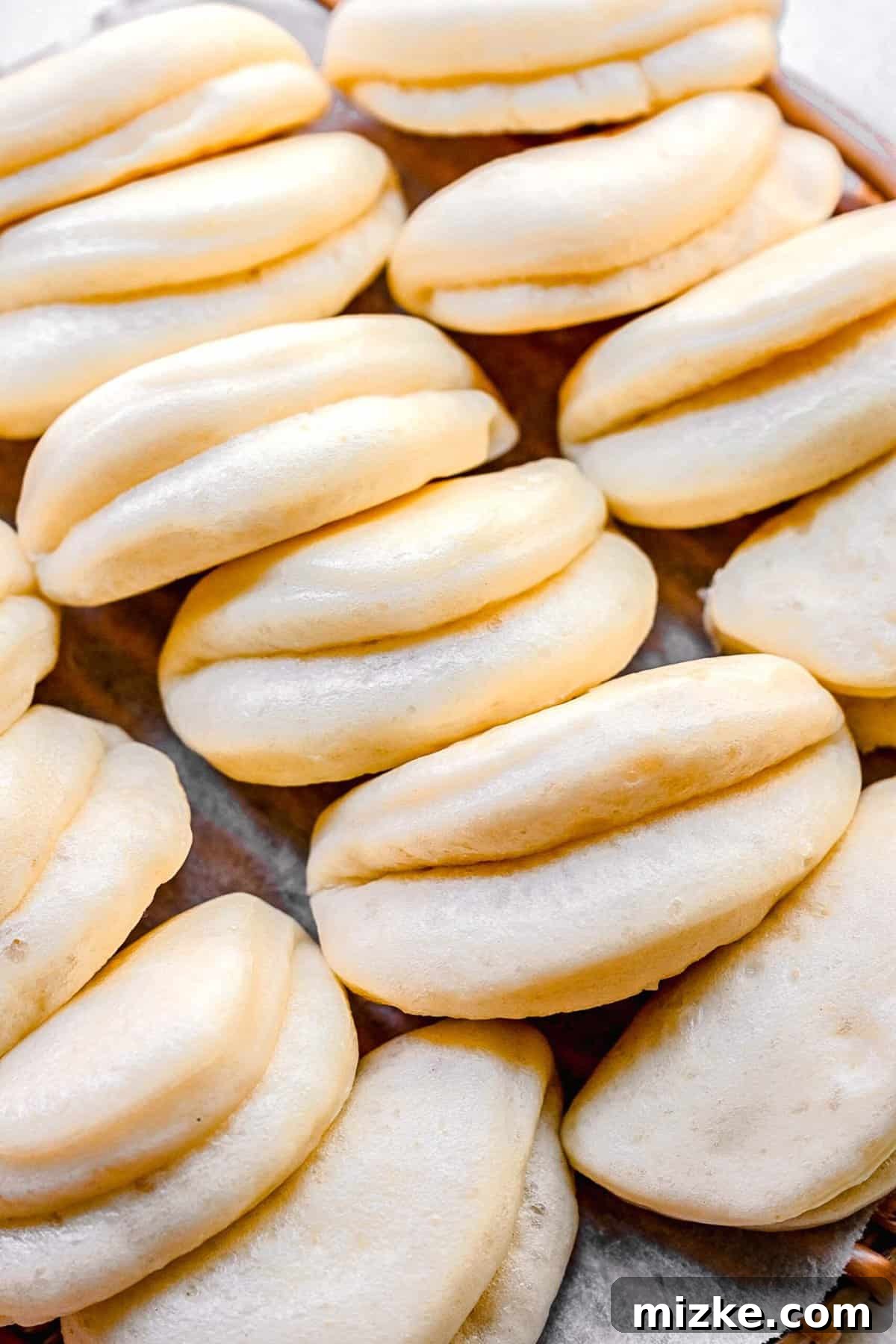
Discover the ultimate guide to making light, airy, and utterly delicious **bao buns** right in your own kitchen. This simple yeasted dough recipe transforms into perfectly steamed, cloud-like half-moon buns, ideal for dipping in hoisin sauce or serving alongside your favorite Chinese entrées. Say goodbye to takeout and hello to freshly made, warm, and fluffy bao!
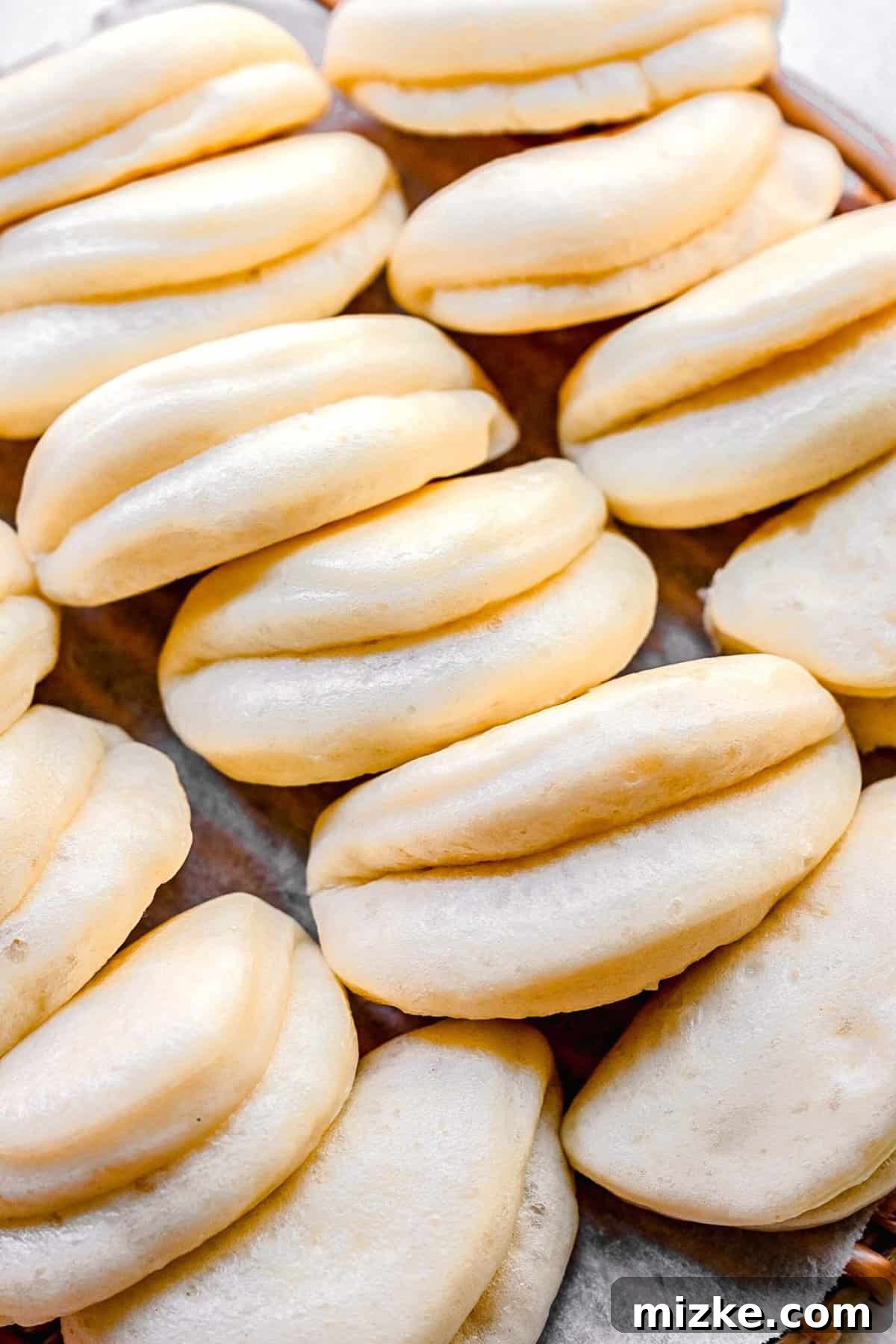
There’s an undeniable magic in sinking your teeth into a freshly steamed bao bun. These soft, almost cloud-like parcels of pure comfort are a staple in Chinese cuisine, cherished for their delicate texture and subtle sweetness. Crafted from simple, everyday ingredients, bao buns offer a versatile canvas for a myriad of flavors. Whether served warm with a savory dipping sauce, as an accompaniment to a hearty Chinese classic, or even stuffed with delicious fillings, their charm is undeniable. Their signature half-moon shape adds to their inviting appeal, making them not just a treat for the palate but also for the eyes.
As a devoted fan of Chinese cuisine, bao buns have always been a highlight of my restaurant visits. The good news? You can recreate this culinary delight with ease and for a fraction of the cost, all within the comfort of your home. Don’t let the idea of working with yeasted dough deter you. This recipe is designed to be straightforward and forgiving, making it perfect for cooks of all skill levels. Follow my step-by-step instructions, and you’ll be mastering these delightful steamed buns in no time. Get ready to embark on a delicious adventure – 玩得開心 (“have fun”)!
Why You’ll Fall in Love with This Bao Buns Recipe
This recipe for homemade bao buns isn’t just about making food; it’s about creating an experience. Here are some compelling reasons why this easy bao bun recipe will become a cherished favorite in your culinary repertoire:
- Surprisingly Simple & Rewarding: Many home cooks shy away from yeasted doughs, perceiving them as complex or temperamental. This bao bun recipe, however, is designed to demystify the process. With just a few basic steps of mixing, kneading, and allowing the dough time to rise, you’ll achieve professional-quality results. It’s a fantastic recipe for beginners looking to expand their baking skills and incredibly satisfying for experienced bakers seeking a delicious new project. The sense of accomplishment from creating such delicate buns from scratch is truly unmatched.
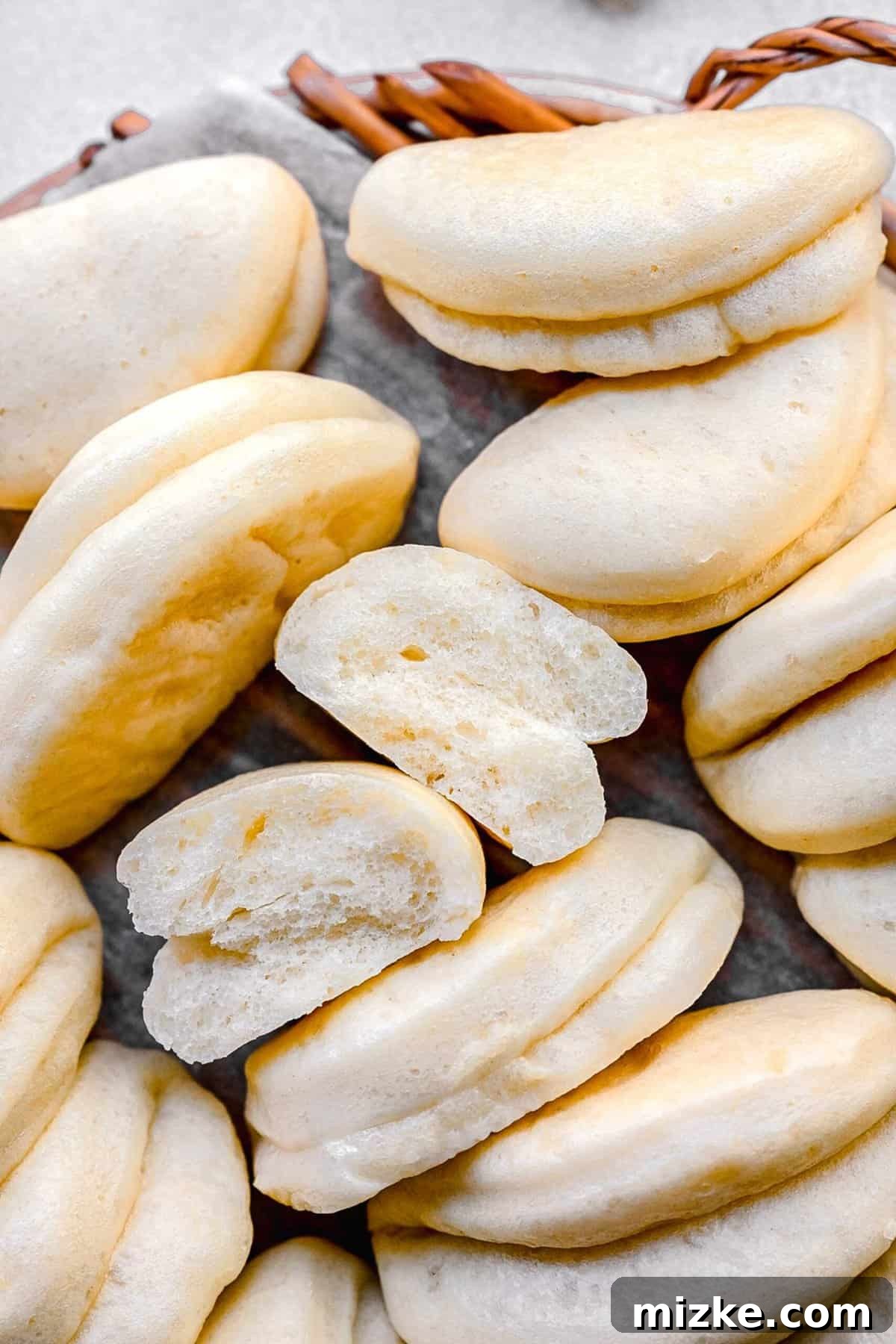
- Unforgettable Texture: The hallmark of an exceptional bao bun is its texture. Our recipe delivers buns that are wonderfully soft, incredibly airy, and delightfully pillowy. As you take a bite, you’ll experience a gentle resistance that yields to an almost cloud-like interior, a perfect balance that’s both substantial and light. This unique texture is what sets homemade bao apart from anything store-bought and is something you truly need to experience to understand.
- Incredibly Versatile: With their subtle, slightly sweet flavor, these bao buns are the ultimate culinary chameleon. They serve as a perfect neutral base, ready to absorb and complement the bold flavors of various sauces and fillings. Think beyond just a side dish; they are a blank canvas for your creativity. From traditional Asian entrées to contemporary slider creations, these buns elevate any meal. They are an everyday delicacy that effortlessly transforms any dining occasion into something special.
- Freshness You Can Taste: Nothing beats the taste and aroma of freshly steamed bao buns. The moment they emerge from the steamer, warm and fragrant, you’ll understand why making them at home is so worthwhile. The ingredients are fresh, the process is clean, and the end result is a pure, unadulterated flavor that store-bought versions simply can’t match.
Understanding Bao Buns: A Culinary Delight
Bao buns, often simply referred to as “bao,” are a beloved type of steamed leavened bread originating from Chinese cuisine. At their core, they are soft, fluffy, and slightly sweet buns made from a simple yeasted dough. Unlike baked bread, bao buns are traditionally cooked by steaming, which gives them their distinctive tender, moist, and cloud-like texture without a crust. While some variations, known as baozi, are typically stuffed with savory or sweet fillings before steaming, the half-moon shaped buns we are focusing on, often called Gua Bao or open-faced bao, are designed to be filled or dipped after cooking. This allows for endless customization and experimentation with different flavors and textures, making them an incredibly popular dish in Chinese restaurants worldwide. Our recipe provides this versatile, unstuffed version, serving as a perfect foundation for all your culinary explorations.
Essential Ingredients for Fluffy Bao Buns
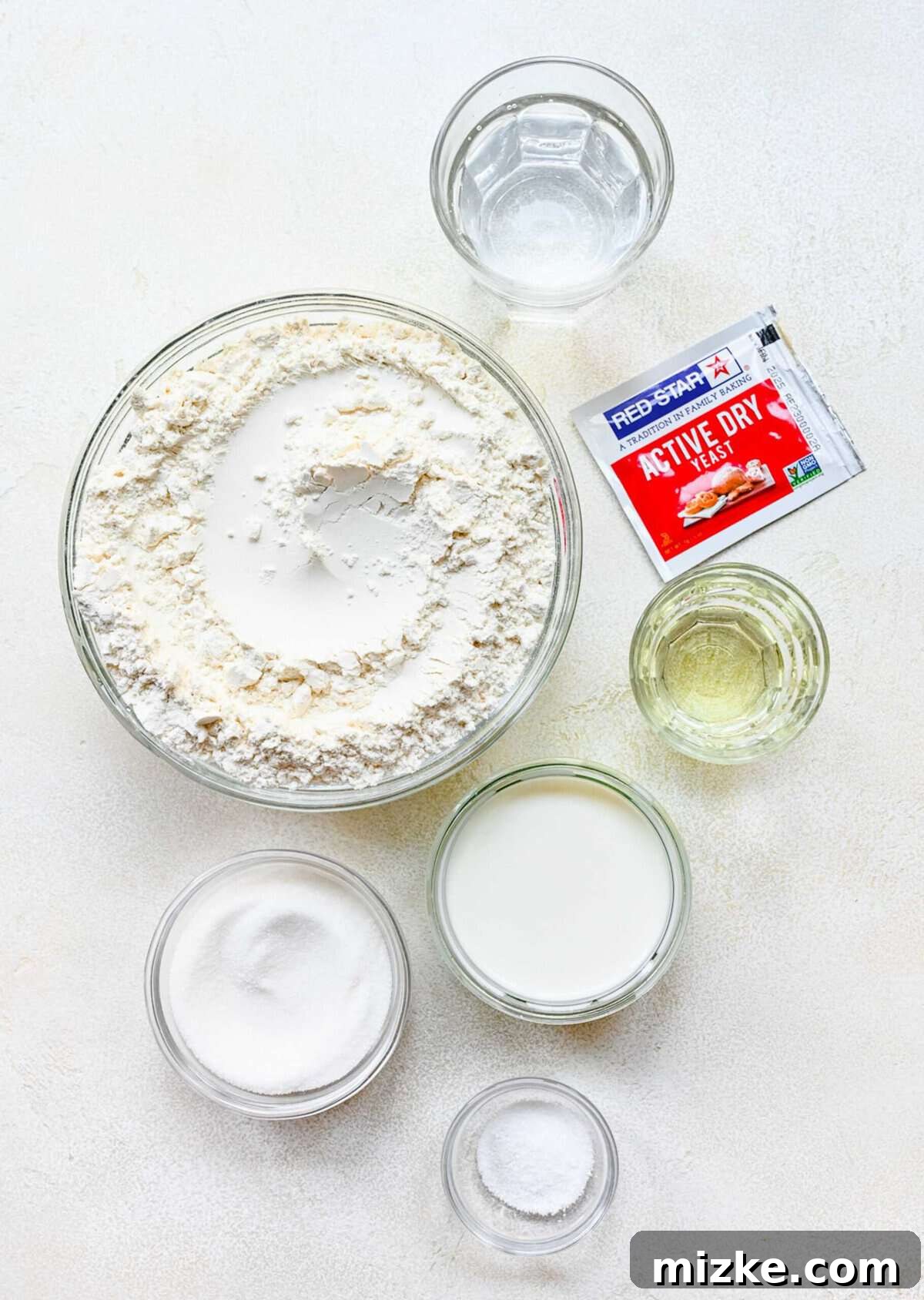
Creating these delightful bao buns requires only a handful of common pantry staples. You might already have most, if not all, of these ingredients in your kitchen right now. Each component plays a crucial role in achieving the signature light and airy texture. For precise measurements, please refer to the detailed recipe card below.
- All-Purpose Flour: This forms the primary structure of our buns. While all-purpose flour works perfectly, for an even softer texture, some bakers prefer using a low-protein cake flour or a blend. If you’re exploring gluten-free options, a 1:1 gluten-free baking flour blend could be substituted, though be mindful that the final texture might vary slightly from the traditional bao.
- Granulated Sugar: Beyond adding a subtle sweetness, sugar is vital for activating the yeast and tenderizing the dough, contributing to the buns’ soft crumb.
- Active Dry Yeast: This is the leavening agent that makes our bao buns light and fluffy. Ensure your yeast is fresh and active for the best rise. Always check the expiration date on the package, especially if using packets. If using jarred yeast, proper storage in the refrigerator after opening is essential to maintain its potency.
- Salt: A small amount of salt enhances the flavor of the dough and also helps to control the yeast activity.
- Water: The temperature of your water is critical for yeast activation. It needs to be warm, ideally around 110-115°F (43-46°C). Water that is too cold will not properly activate the yeast, leading to a flat dough. Conversely, water that is too hot will kill the yeast, resulting in the same undesirable outcome. An instant-read thermometer is your best friend here.
- Whole Milk: Similar to water, the milk also needs to be heated to approximately 110-115°F (43-46°C). Milk contributes to the dough’s richness, tenderness, and a slightly creamier texture. Like water, incorrect temperature can hinder yeast activity.
- Vegetable Oil: A neutral-flavored oil like vegetable or canola oil adds moisture and elasticity to the dough, making it smoother and easier to handle, and contributing to the buns’ soft, chewy interior. It also prevents the buns from sticking when folded.
Step-by-Step Guide: Crafting Your Own Bao Buns
Making bao buns is a rewarding process that can be broken down into a few manageable steps. This overview provides the general flow, but for comprehensive and detailed instructions, including timing and temperatures, please refer to the recipe card found further below.
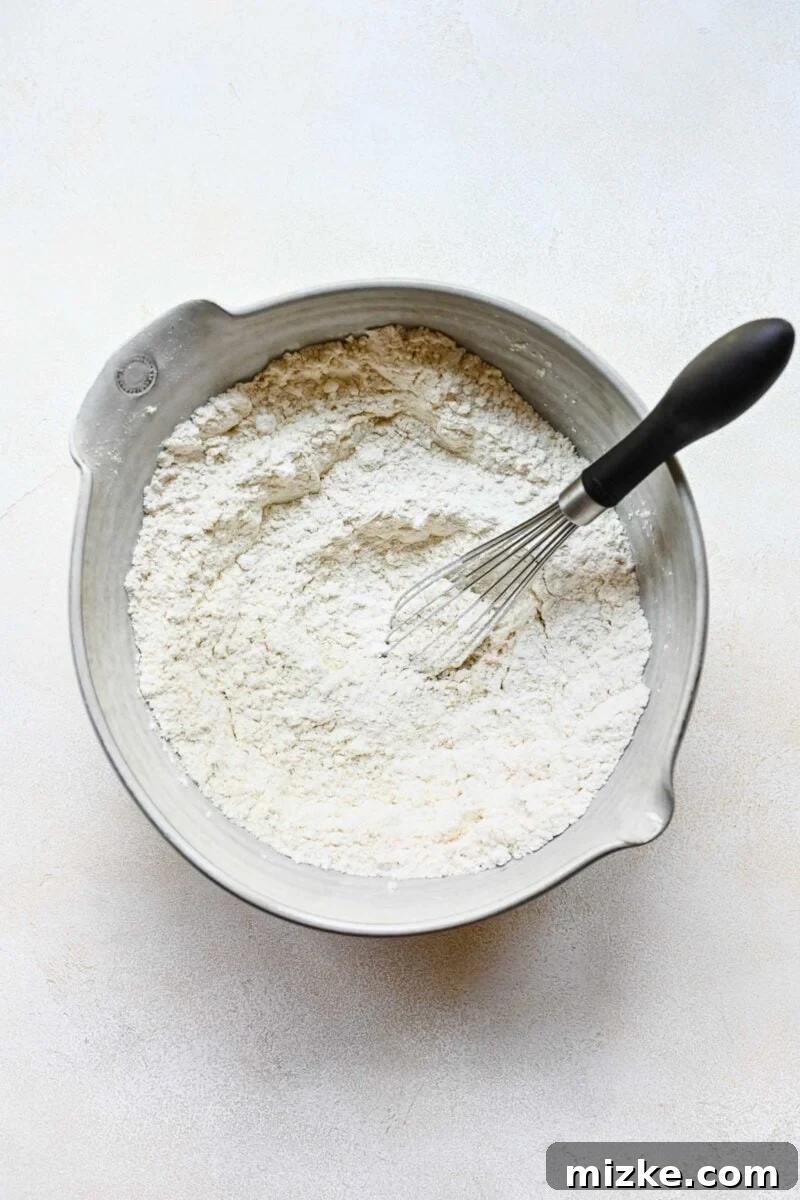
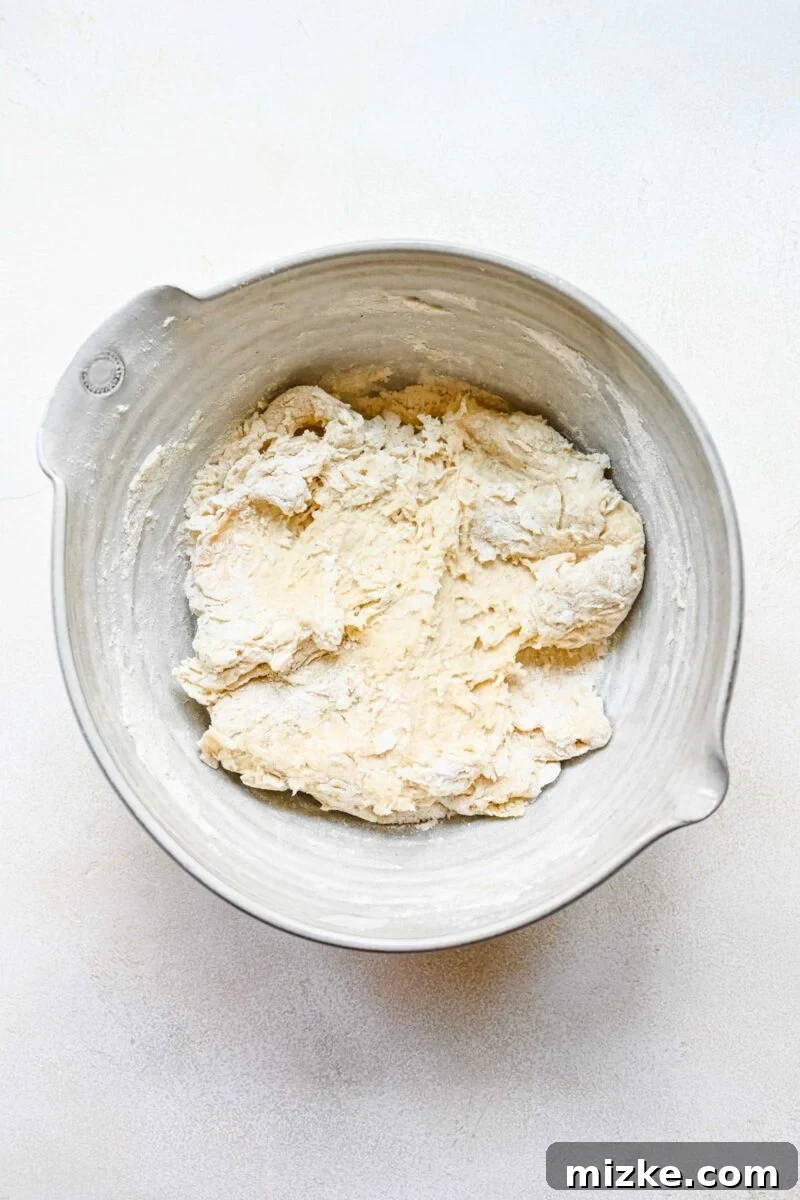
- Prepare the Dough: Begin by combining all your dry ingredients – flour, sugar, yeast, and salt – in a large mixing bowl. Create a small well in the center. Into this well, pour your carefully warmed water and milk, followed by the vegetable oil. Stir everything together until it forms a cohesive, shaggy dough.
- Knead to Perfection: Transfer the shaggy dough onto a lightly floured countertop or work surface. Knead the dough vigorously until it transforms into a smooth, supple, and elastic ball. This process typically takes about 8-10 minutes by hand, or 5-7 minutes if using a stand mixer with a dough hook.
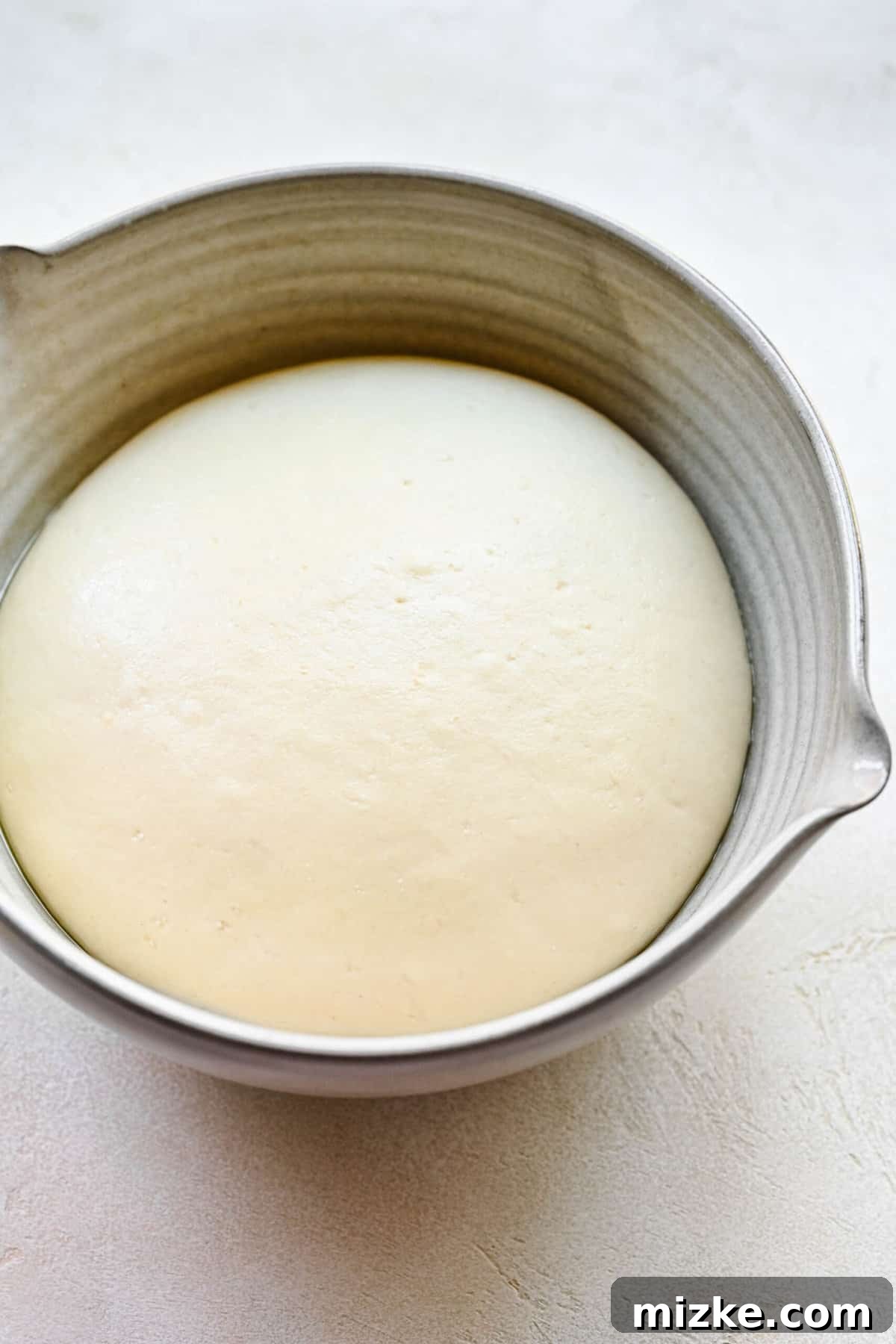
- First Rise: Lightly grease a clean mixing bowl with a touch of oil. Place the kneaded dough into the bowl, turning it once to ensure it’s coated in oil. Cover the bowl securely with plastic wrap or a damp kitchen towel. Allow the dough to rise in a warm, draft-free spot until it has gloriously doubled in size, which usually takes about 90 minutes.
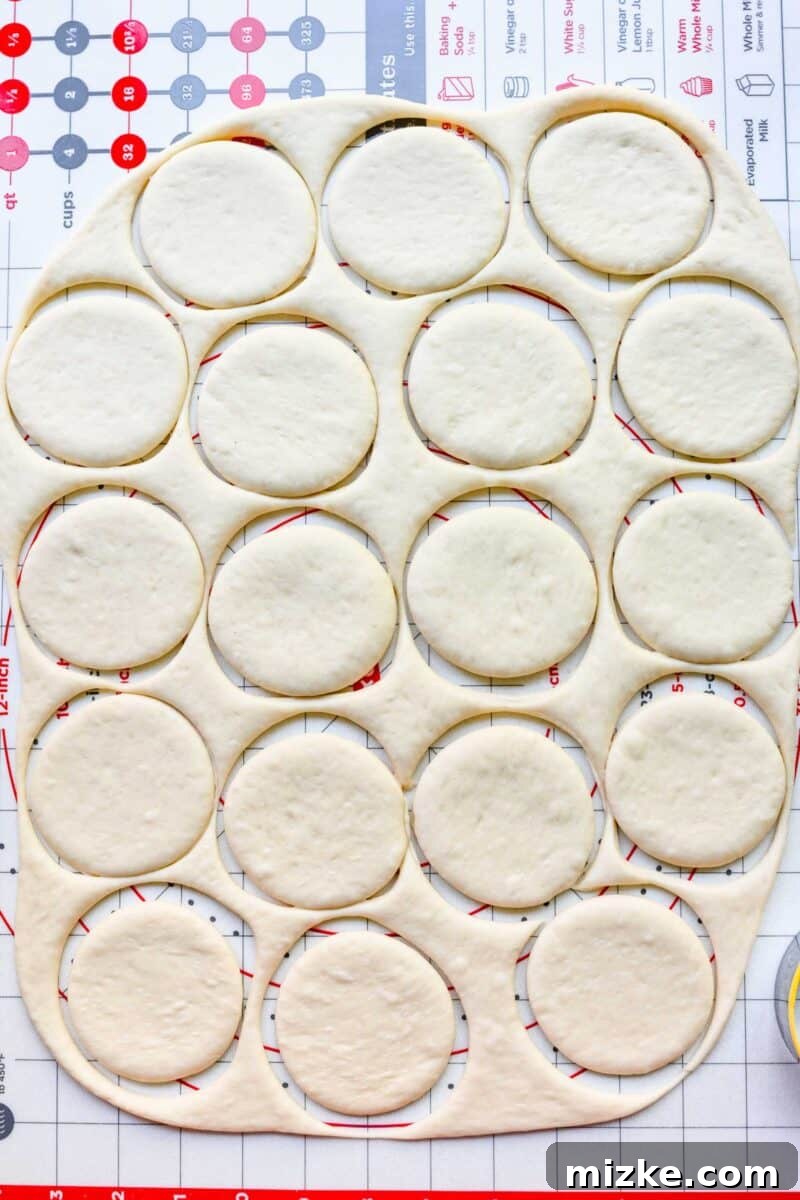
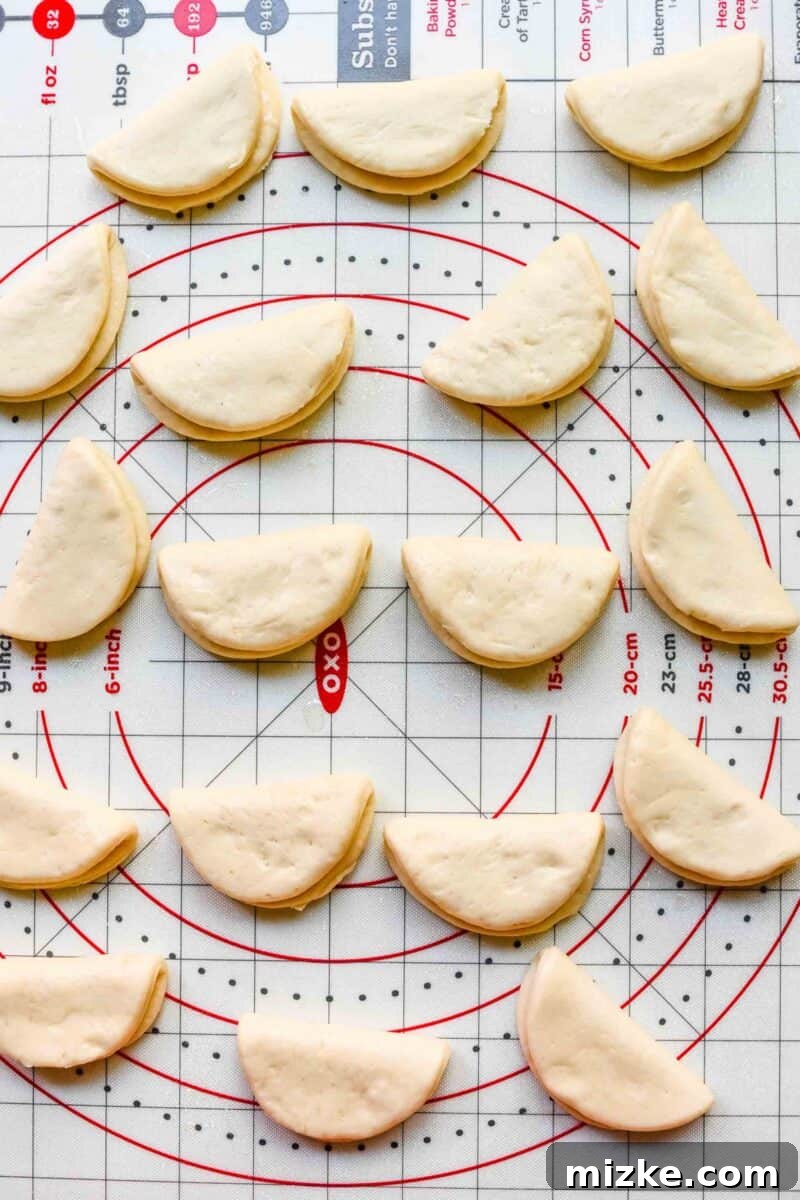
- Shape the Buns: Once risen, gently punch down the dough to release the air. Lightly knead it for a few minutes to ensure smoothness. Roll the dough out into a large, even rectangle, about ¼ inch thick. Using a 3½-inch round cookie cutter (or the rim of a glass), cut out individual dough circles. Take each circle, lightly brush one half with oil, and fold it in half to create the characteristic half-moon shape. Gently press the edges to seal them, creating a neat seam. Cover the shaped buns and let them rest for another 30 minutes for their second proof.
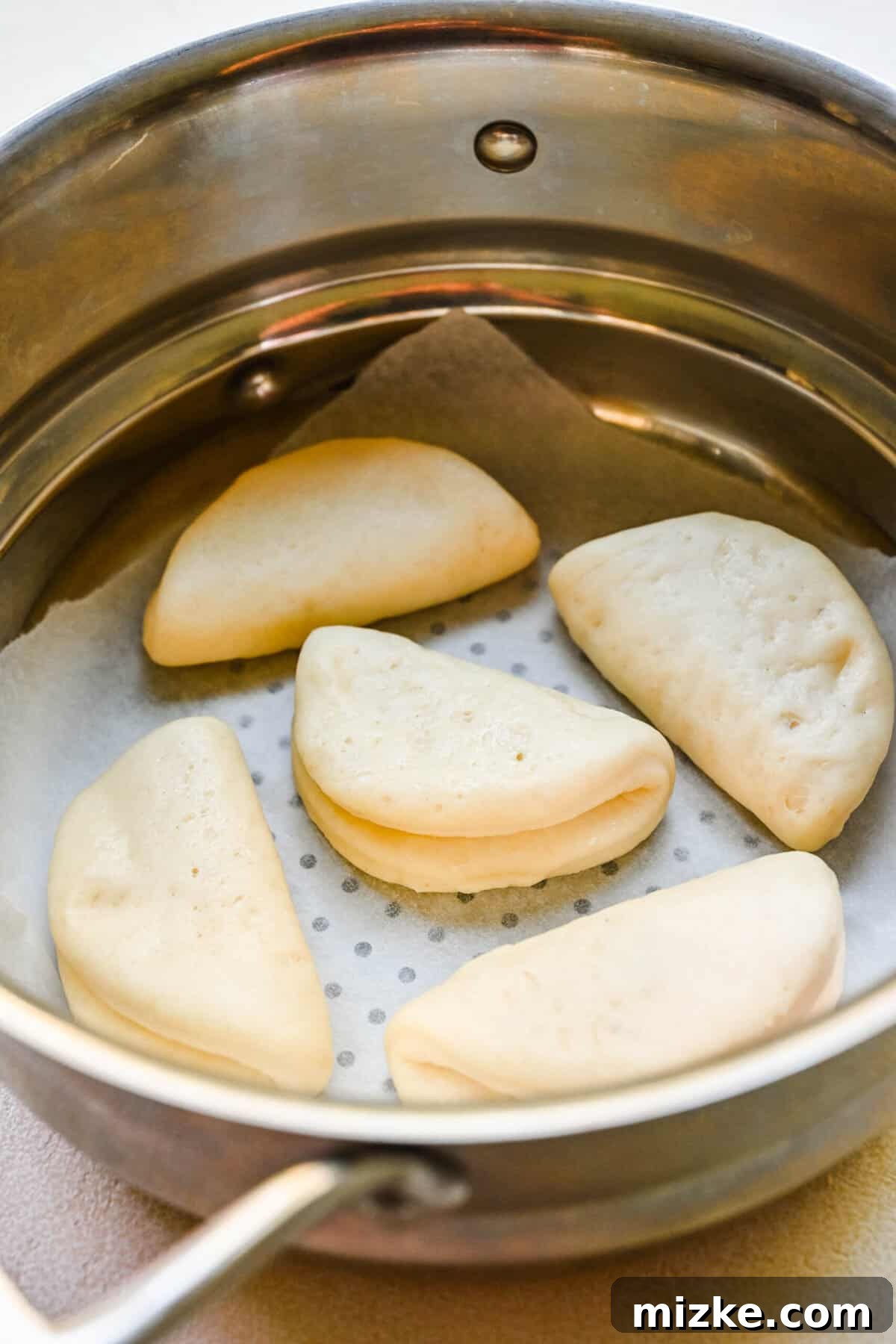
- Steam to Fluffy Perfection: Prepare your steamer by lining the basket with parchment paper to prevent sticking. Bring water to a vigorous boil in a pot beneath the steamer. Carefully arrange the shaped buns in the steamer, ensuring they have ample space (about an inch apart). Steam the buns over the boiling water for 10-12 minutes until they are perfectly puffed and tender. Work in batches to avoid overcrowding the steamer. Serve immediately and enjoy the warm, pillowy goodness!
Expert Tips for Perfect Bao Buns Every Time
While this bao bun recipe is designed to be user-friendly, a few key techniques and considerations can elevate your results from good to absolutely outstanding. Pay attention to these tips for truly magnificent, restaurant-quality steamed buns:
- Embrace the Stand Mixer for Effortless Kneading: For those who prefer a less hands-on approach, or if you’re making a larger batch, a stand mixer fitted with a dough hook attachment is a game-changer. Knead the dough on medium speed for approximately 5-7 minutes. This achieves the ideal smooth and elastic consistency with minimal effort on your part, saving your arms and ensuring consistent results.
- Precision is Key for Yeast Activation: The temperature of your liquids (water and milk) is arguably the most crucial factor for a successful yeasted dough. Aim for a temperature between 110°F (43°C) and 115°F (46°C). If the liquids are too cold, the yeast will not activate, and your dough won’t rise. If they are too hot, the heat will kill the yeast, leading to the same frustrating flat outcome. Invest in an instant-read thermometer – it’s a small tool that makes a big difference in yeast baking.
- Resist the Urge to Over-Flour: When kneading your dough, whether by hand or machine, be sparing with additional flour. While a dusting is necessary to prevent sticking, adding too much flour will result in a stiff, dry, and ultimately dense bao bun. The dough should feel soft, pliable, and retain a slight stickiness. This delicate balance is what contributes to the bao’s signature light and airy texture.
- The “Bounce Back” Test for Perfect Kneading: How do you know when your dough is perfectly kneaded? It should be smooth to the touch and wonderfully elastic. To test for elasticity, gently poke the dough with your finger. If it’s ready, it should slowly spring back and fill the indentation. This “bounce back” indicates that the gluten has developed sufficiently, creating the necessary structure for fluffy buns.
- Prevent Sticking with Parchment Paper: To ensure your precious bao buns don’t adhere to the steamer basket, always line the bottom with parchment paper or even coffee filters. For extra insurance, some find it helpful to lightly mist the parchment paper with water before placing the buns. This simple step guarantees easy removal and perfectly shaped buns.
- Maintain Distance from Boiling Water: When placing your steamer over the pot of boiling water, ensure there’s at least a couple of inches of space between the water’s surface and the bottom of the steamer basket. If the water comes into direct contact with the buns, they can become soggy and lose their delicate texture, rather than achieving that perfect steamy fluffiness.
- Steam in Thoughtful Batches: Overcrowding the steamer is a common mistake that can lead to uneven cooking and buns sticking together. Give your bao buns room to breathe and expand by arranging them approximately one inch apart. This will likely mean steaming your buns in batches, but the superior results are well worth the extra few minutes. Patience in steaming ensures each bun reaches its full, fluffy potential.
Delightful Ways to Serve Your Homemade Bao Buns
Steamed bao buns are more than just a side dish; they are a versatile culinary foundation that pairs beautifully with an extensive range of flavors. Their mild, slightly sweet profile makes them the ideal companion for bold sauces, vibrant vegetables, and savory proteins. Here are some inspiring ideas to enjoy your freshly made bao buns:
- The Art of Dipping: Sometimes, simplicity is key. Enjoy the pure flavor of your bao buns by dipping them in classic Asian sauces. Popular choices include:
- Hoisin Sauce: Sweet, savory, and tangy – a perfect match.
- Soy Sauce: A fundamental classic that enhances the natural sweetness of the bun.
- Sweet Chili Sauce: Adds a delightful kick and vibrant flavor.
- Homemade Dipping Sauce: For an extra layer of flavor, try making your own! A simple Dumpling Sauce Recipe often features soy sauce, rice vinegar, sesame oil, garlic, and ginger, creating a harmonious blend.
- Fresh & Flavorful Veggie Pairings: Complement the richness of Chinese mains or enjoy a lighter meal by serving bao buns alongside fresh, crisp vegetables. Consider these delicious options:
- My vibrant Smashed Asian Cucumber Salad for a refreshing crunch.
- A zesty Spicy Chinese Cucumber Salad to add a fiery counterpoint.
- A savory Chinese Cabbage Stir Fry for a wholesome, easy side.
- Crisp Cold Garlic and Soy Green Beans for a burst of fresh flavor.
- Perfectly sautéed bok choy, lightly seasoned with garlic and soy.
- Creative Bao Bun Sliders: Transform your half-moon buns into irresistible sliders! The open-faced design is perfect for holding a variety of fillings. Get creative with:
- Crispy fried pork belly, perhaps with a drizzle of sweet chili sauce and fresh cilantro.
- Succulent shredded beef or pork, slow-cooked in a rich, savory sauce.
- A vibrant Asian slaw (shredded cabbage, carrots, bell peppers with a sesame-ginger dressing) for texture and freshness.
- Crispy fried chicken or tofu tossed in a spicy gochujang or peanut sauce.
- The Quintessential Side Dish: These buns are a natural fit for any saucy Chinese main course. Their ability to soak up delicious gravies and sauces makes them the perfect vessel for enjoying every last drop of flavor. Explore the section below, “More Chinese Recipes to Try,” for inspiration on main dishes that would be perfectly accompanied by these fluffy bao.
Storing and Reheating Your Delicious Bao Buns
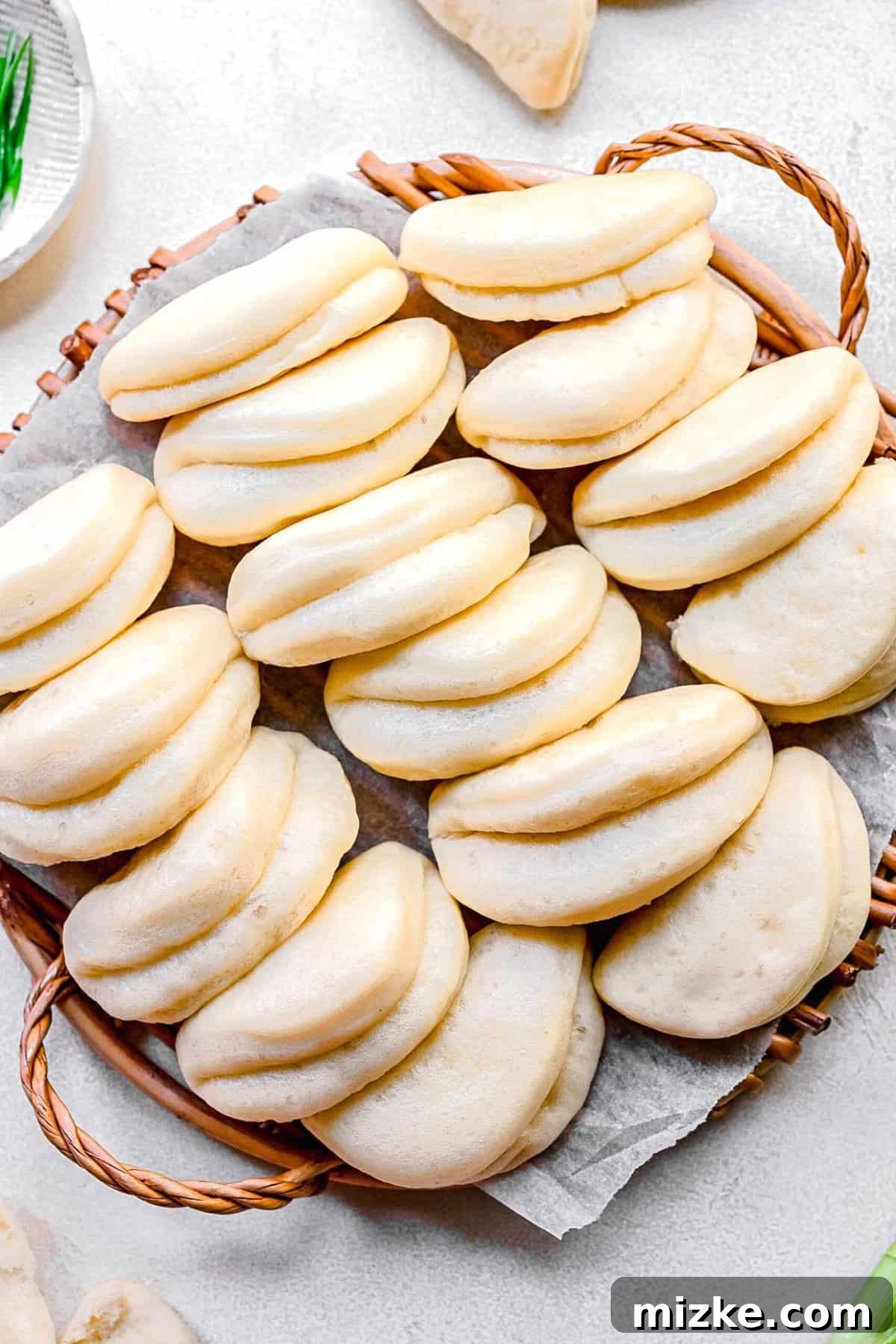
This bao bun recipe yields approximately 25 steamed buns, making it likely you’ll have some delicious leftovers. Fortunately, these buns store exceptionally well and retain their wonderful taste and texture for a few days, allowing you to enjoy them long after they’re made. Proper storage and reheating are key to maintaining their fresh quality.
To store your extra bao buns, first ensure they have cooled completely to room temperature. Once cool, arrange them in an airtight container. This prevents them from drying out and absorbing refrigerator odors. Store the sealed container in the refrigerator for up to 4 days.
When you’re ready to enjoy your leftovers, reheating them is simple and quick. Arrange the chilled buns in a single layer on a microwave-safe plate. To prevent them from becoming tough or rubbery, lightly cover the plate with a damp paper towel. Microwave the buns in short 20-second intervals until they are thoroughly heated through and have regained their soft, steamy texture. Avoid over-microwaving, as this can lead to dryness.
Can You Freeze Bao Buns for Later Enjoyment?
Absolutely! Bao buns freeze beautifully, making them an excellent candidate for meal prepping or simply having a stash of homemade goodness ready whenever a craving strikes. Freezing them correctly ensures they maintain their delightful texture upon thawing and reheating.
Once your bao buns have cooled completely after steaming, arrange them in a single layer on a baking sheet lined with parchment paper. Place the sheet pan in the freezer for a couple of hours. This step, known as flash-freezing, prevents the buns from sticking together when stored in a larger bag. Once firm and frozen individually, transfer the frozen buns into a heavy-duty freezer bag or an airtight freezer-safe container. Before sealing, try to remove as much air as possible from the bag to prevent freezer burn. Properly stored, frozen bao buns can last for up to 3 months.
When you’re ready to enjoy your frozen treasures, allow the buns to thaw overnight in the refrigerator. Once thawed, you can follow the reheating instructions provided in the section above, “How to Store and Reheat Extras,” to bring them back to their perfectly soft, steamy state.
Expand Your Culinary Horizons: More Chinese Recipes to Try
If these homemade bao buns have inspired a deeper dive into the rich and diverse world of Chinese cuisine, you’re in for a treat! There are countless delicious dishes that share the vibrant flavors and comforting textures that make Chinese food so beloved. Here are a few more favorite Chinese-inspired recipes from my kitchen to yours, perfect for pairing with your freshly made bao buns or enjoying as stand-alone meals:
- Black Pepper Chicken (Panda Express Copycat): A savory and slightly spicy chicken dish that’s a takeout favorite.
- Chinese Sweet and Sour Chicken: The classic blend of tangy and sweet, perfect for family dinners.
- Hunan Beef: A robust and fiery beef stir-fry known for its bold flavors.
- Orange Chicken: A beloved dish featuring crispy chicken coated in a sticky, citrusy sauce.
- Beijing Beef Panda Express Copycat: Crispy fried beef in a sweet and tangy sauce, just like your favorite fast-casual spot.
- Instant Pot General Tso’s Chicken: A quick and easy way to make this iconic sweet and spicy chicken dish using your pressure cooker.
Bao Buns Recipe
Craft these wonderfully simple, light, and fluffy bao buns at home. This easy-to-follow recipe guides you through making a perfect yeasted dough, shaping it into delicate half-moons, and steaming them to perfection. They make an ideal side for any Chinese entree and are fantastic dipped in your favorite sauce.
Author: Julie Chiou
Prep Time: 2 hours
Cook Time: 15 minutes
Total Time: 2 hours 15 minutes
Yields: 25 buns
Equipment
- Steamer
- Large Mixing Bowl
- Small Saucepan
- Whisk
- Rolling Pin
- 3.5-inch Round Cookie Cutter (or glass rim)
- Parchment Paper
Ingredients
- 3 cups (375 g) All-Purpose Flour
- 2 tablespoons Granulated Sugar
- 1 tablespoon Active Dry Yeast
- ½ teaspoon Salt
- ½ cup (118 ml) Water, heated to 110-115°F (43-46°C)
- ½ cup (118 ml) Whole Milk, heated to 110-115°F (43-46°C)
- 2 tablespoons Vegetable Oil (plus extra for greasing)
Instructions
- **Activate Yeast (Proofing):** In a small saucepan, gently heat the water and milk to a temperature between 110°F (43°C) and 115°F (46°C). Using an instant-read thermometer is highly recommended. Ensure the liquid is not too hot (which kills yeast) or too cold (which won’t activate it).
- **Combine Dry Ingredients:** In a large mixing bowl, thoroughly whisk together the all-purpose flour, granulated sugar, active dry yeast, and salt. Make sure the ingredients are well distributed.
- **Form the Dough:** Create a shallow well in the center of the dry ingredients. Pour the warm milk and water mixture, along with the vegetable oil, into this well.
- **Mix and Knead:** Stir the ingredients together using a spoon or spatula until a shaggy, cohesive dough begins to form. Turn the dough out onto a lightly floured surface and knead for 8-10 minutes, either by hand or using a stand mixer with a dough hook attachment on medium speed for 5-7 minutes. The goal is a smooth, elastic dough that springs back when gently poked. Avoid adding excessive flour during kneading; the dough should remain slightly sticky.
- **First Rise:** Lightly grease a clean mixing bowl with a little vegetable oil. Place the kneaded dough into the bowl, turning it once to coat the entire surface with oil. Cover the bowl tightly with plastic wrap or a damp kitchen towel and let it rise in a warm, draft-free place for about 90 minutes, or until it has visibly doubled in size.
- **Shape the Buns:** Once risen, gently punch down the dough to release the air. Briefly knead it for a couple more minutes to create a smooth texture. On a lightly floured surface, use a rolling pin to roll the dough into a large rectangle, approximately ¼ inch thick.
- **Cut and Fold:** Using a 3.5-inch (or similar size) round cookie cutter or the rim of a glass, cut out circles from the rolled dough. Take each dough circle and lightly brush one half with a tiny amount of vegetable oil (this prevents the bun from sticking together completely when steamed, allowing for easy filling later). Fold the circle in half to create a half-moon shape, gently pressing down the edges to seal them, but not too firmly if you plan to fill them later.
- **Second Rise:** Line your steamer basket with parchment paper or coffee filters to prevent sticking. Arrange the shaped half-moon buns in the lined steamer, ensuring they are spaced about 1 inch apart to allow for expansion during steaming. Cover the steamer and let the buns rest for another 30 minutes. This is their second proofing.
- **Prepare Steamer:** While the buns are resting, fill a large pot with about 2-3 inches of water and bring it to a rolling boil. Ensure that when the steamer basket is placed on top, the water does not touch the bottom of the basket.
- **Steam the Buns:** Once the water is boiling and the buns have completed their second rise, place the steamer basket over the pot. Cover tightly and steam for 10-12 minutes. Steam in batches if necessary to avoid overcrowding, as overcrowding can lead to uneven cooking and sticking.
- **Serve:** Carefully remove the steamed bao buns from the steamer. Serve them immediately while warm, ready to be filled or dipped in your favorite sauces.
Nutrition Information (Approximate per bun)
- Calories: 71 kcal
- Carbohydrates: 13 g
- Protein: 2 g
- Fat: 1 g
- Saturated Fat: 0.3 g
- Polyunsaturated Fat: 1 g
- Monounsaturated Fat: 0.3 g
- Trans Fat: 0.01 g
- Cholesterol: 1 mg
- Sodium: 49 mg
- Potassium: 25 mg
- Fiber: 0.4 g
- Sugar: 1 g
Please note: This nutrition information is an estimate based on the ingredients and serving size. Actual values may vary depending on specific brands, preparation methods, and any variations in ingredient quantities.