
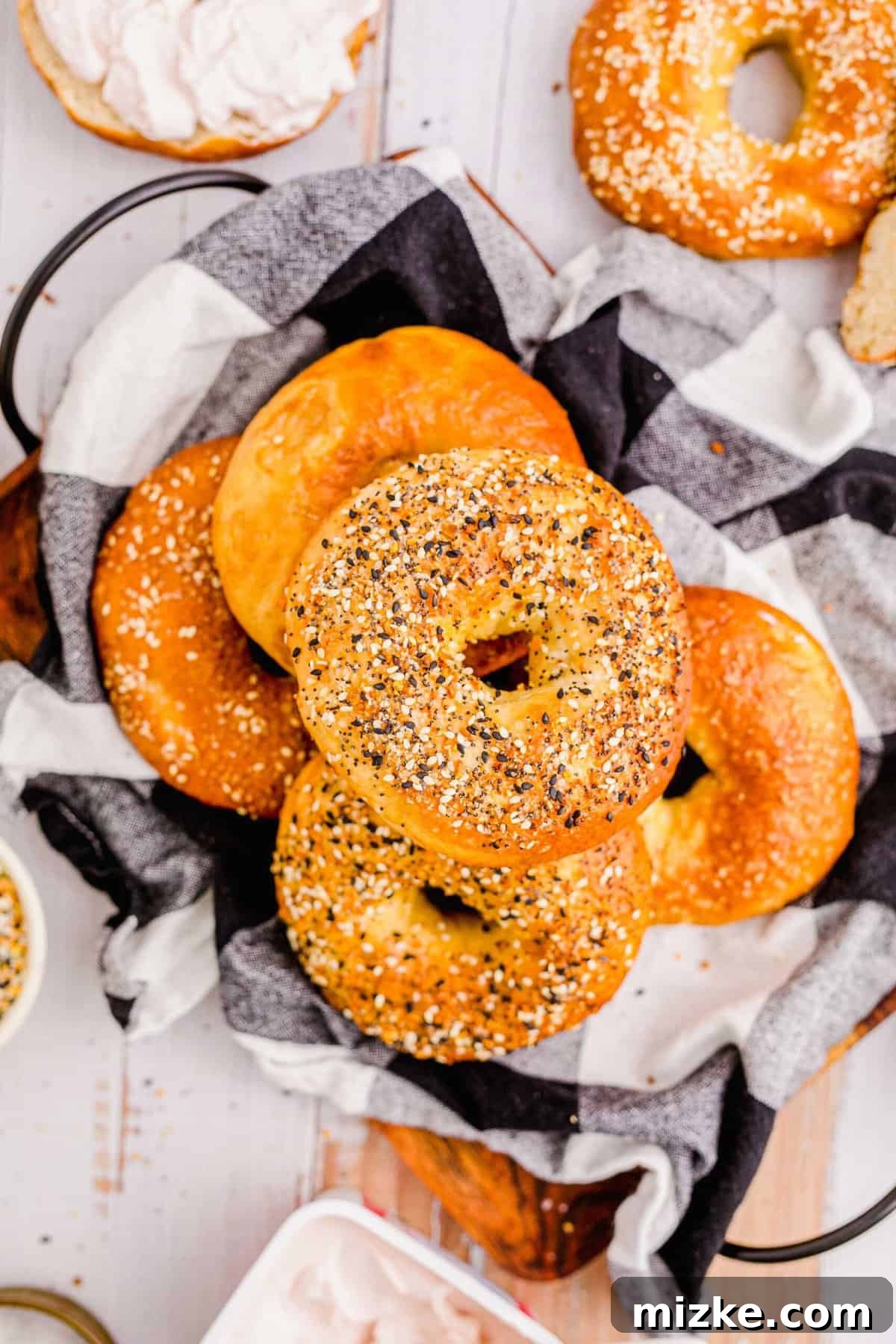
Mastering Homemade Bagels: Your Guide to Perfect Chewy Goodness
There’s nothing quite like the irresistible aroma and satisfying chew of a freshly baked bagel. While store-bought options are convenient, crafting your own homemade bagels elevates the experience entirely. Imagine biting into a warm, soft interior encased in a beautifully golden-brown, slightly crisp crust. This isn’t just a recipe; it’s an invitation to experience the pure joy of baking and the ultimate bragging rights at your next brunch gathering. With just a handful of simple ingredients you likely already have on hand, you can create these culinary masterpieces right in your own kitchen.
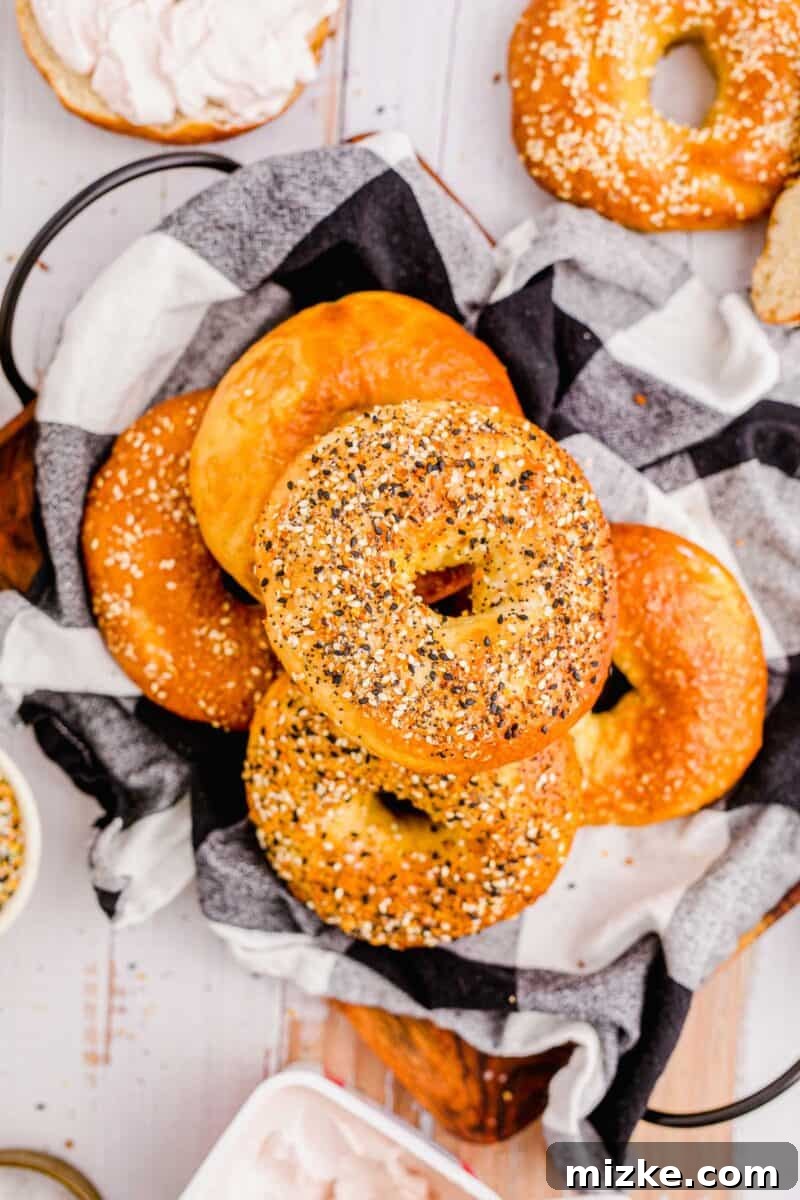
Preparing homemade bagels is a rewarding journey, transforming basic flour and water into a beloved breakfast staple. While the process involves a few distinct steps, each one is straightforward and contributes to the magical outcome. From activating the yeast to the crucial boiling bath, every stage is designed to deliver that signature bagel texture and taste. Whether you prefer them classic plain, adorned with crunchy sesame seeds, or generously coated in savory everything bagel seasoning, these from-scratch delights are incredibly versatile and utterly delicious. Get ready to elevate your breakfast game and impress everyone with your newfound baking prowess!
Why Bake Bagels at Home?
You might be wondering, “Why go through the effort of making bagels when I can just buy them?” The answer lies in the unparalleled quality and satisfaction that comes with homemade. Here’s why baking your own bagels is an experience worth savoring:
- Unmatched Freshness: There’s no comparison to a bagel fresh out of the oven. The crust is perfectly crisp, the interior is wonderfully soft, and the aroma fills your kitchen with comforting warmth.
- Superior Texture: Commercial bagels often lack the distinctive chewy interior and slightly crisp exterior that defines a true artisan bagel. Homemade versions achieve this ideal texture through specific ingredients and the boiling process.
- Customization Galore: When you bake at home, you’re the master of your bagel destiny. Experiment with different flours, sweeteners, and a vast array of toppings and mix-ins. From sweet cinnamon-raisin to savory jalapeño-cheddar, the possibilities are endless.
- Simple, Wholesome Ingredients: You control what goes into your food. This recipe calls for basic, natural ingredients, free from any artificial preservatives or additives often found in store-bought varieties.
- A Fun and Rewarding Project: Baking can be incredibly therapeutic and enjoyable. Making bagels from scratch is a hands-on activity that yields delicious results and a sense of accomplishment. It’s also a fantastic project to do with family!
Essential Ingredients for Your Homemade Bagels
Crafting perfect bagels starts with understanding the role of each ingredient. While simple, their quality and proper use are key to achieving that authentic taste and texture.
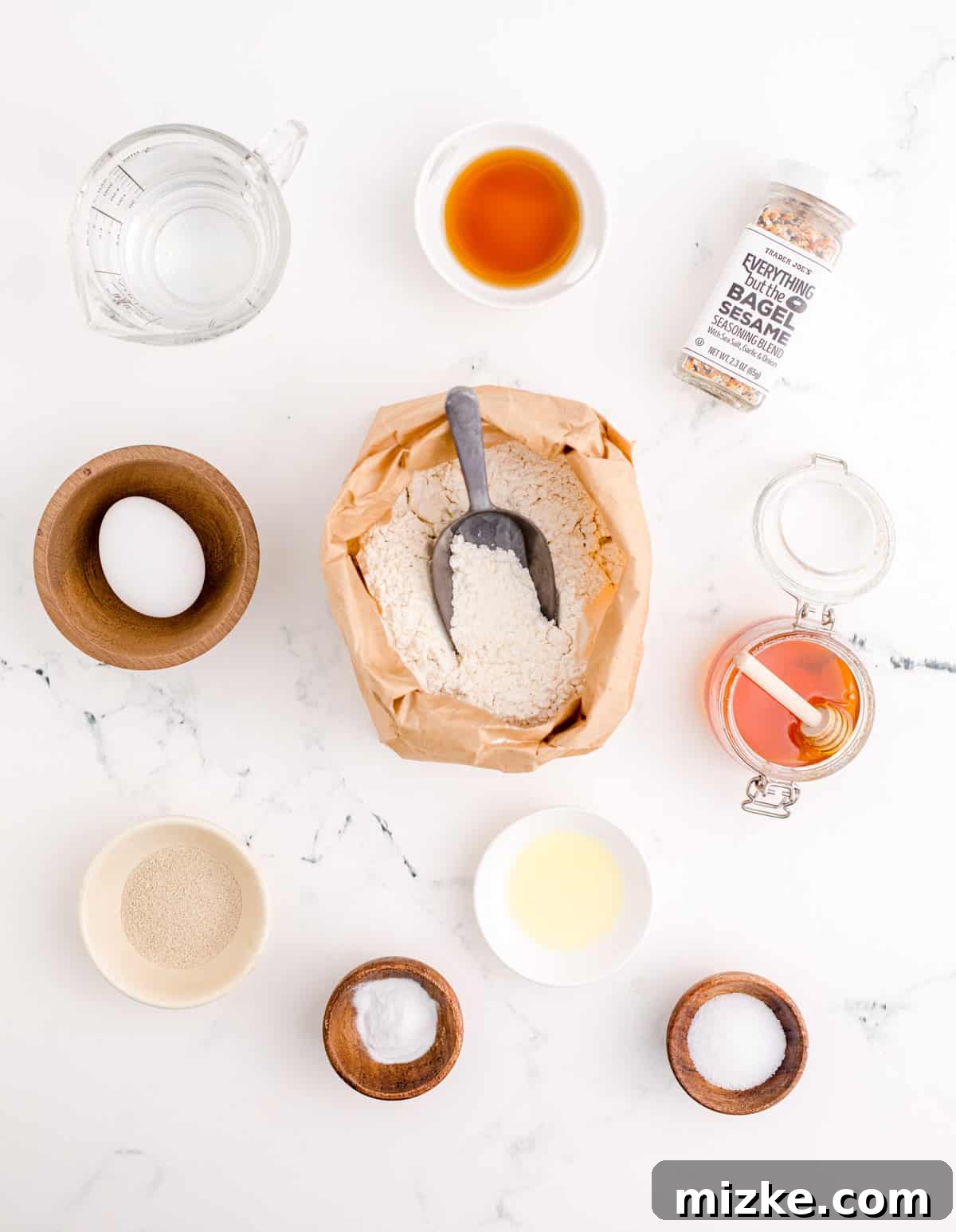
For the Bagel Dough:
- Warm Water: Crucial for activating the yeast. The ideal temperature is between 110-115°F (43-46°C). Water that is too cold won’t activate the yeast, and water that is too hot will kill it.
- Maple Syrup: This acts as food for the yeast, helping it to activate and contribute to the dough’s rise. Real, pure maple syrup is preferred for its subtle flavor depth. If unavailable, brown sugar or white sugar can be substituted.
- Active Dry Yeast: The leavening agent that makes your bagels light and airy. Ensure your yeast is fresh and active by performing the activation step correctly.
- Bread Flour: This is a non-negotiable ingredient! Bread flour has a higher protein content than all-purpose flour, which develops stronger gluten strands. These strong gluten bonds are what give bagels their signature chewy texture. Do not substitute with other flours if you want an authentic bagel chew. When measuring, spoon the flour into your measuring cup and level it off to avoid adding too much, which can result in dry, heavy dough.
- Salt: Enhances the flavor of the bagels and also helps control yeast activity.
- Oil: A small amount of oil is used to grease the rising bowl, preventing the dough from sticking and ensuring an even rise.
For the Boiling Bath:
The boiling step is unique to bagels and is vital for their characteristic crust and texture. These ingredients are added to the boiling water:
- Water: The primary component for the boiling bath.
- Honey: Adds a touch of sweetness to the crust and helps achieve that beautiful golden-brown color during baking. Organic honey is a great choice if available.
- Baking Soda: This is the secret ingredient for that glossy, deep golden-brown crust. Baking soda increases the alkalinity of the boiling water, which reacts with the dough to create a crispy exterior and a distinct “bagel” flavor. It cannot be omitted or substituted without significantly altering the final product.
- Egg Wash: A mixture of one egg white beaten with a tablespoon of water, brushed onto the bagels before baking. This helps toppings adhere and contributes to a shiny, golden finish.
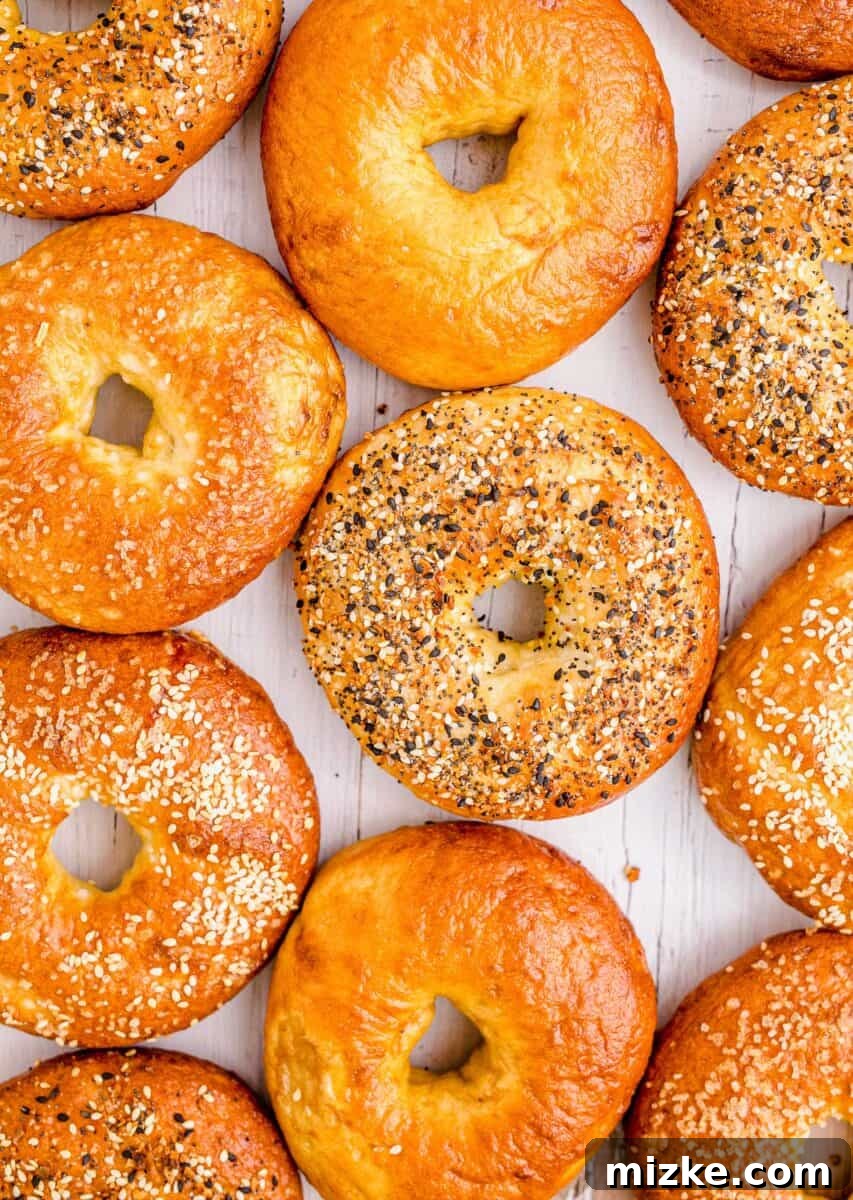
Step-by-Step Guide to Making Perfect Homemade Bagels
Follow these detailed instructions to create soft, chewy, and delicious bagels from scratch. Precision and patience are your best friends in bagel making!
1. Activate the Yeast
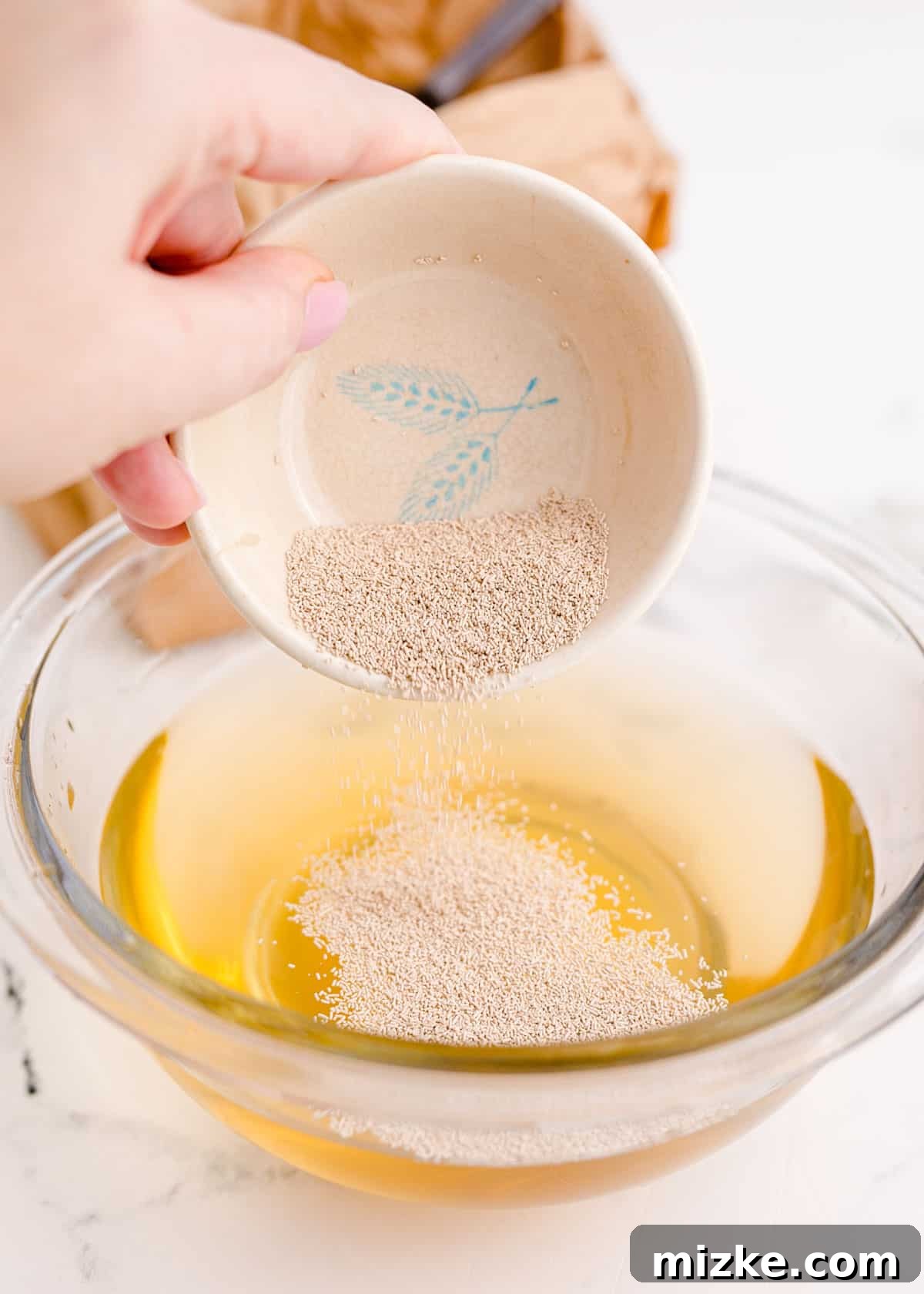
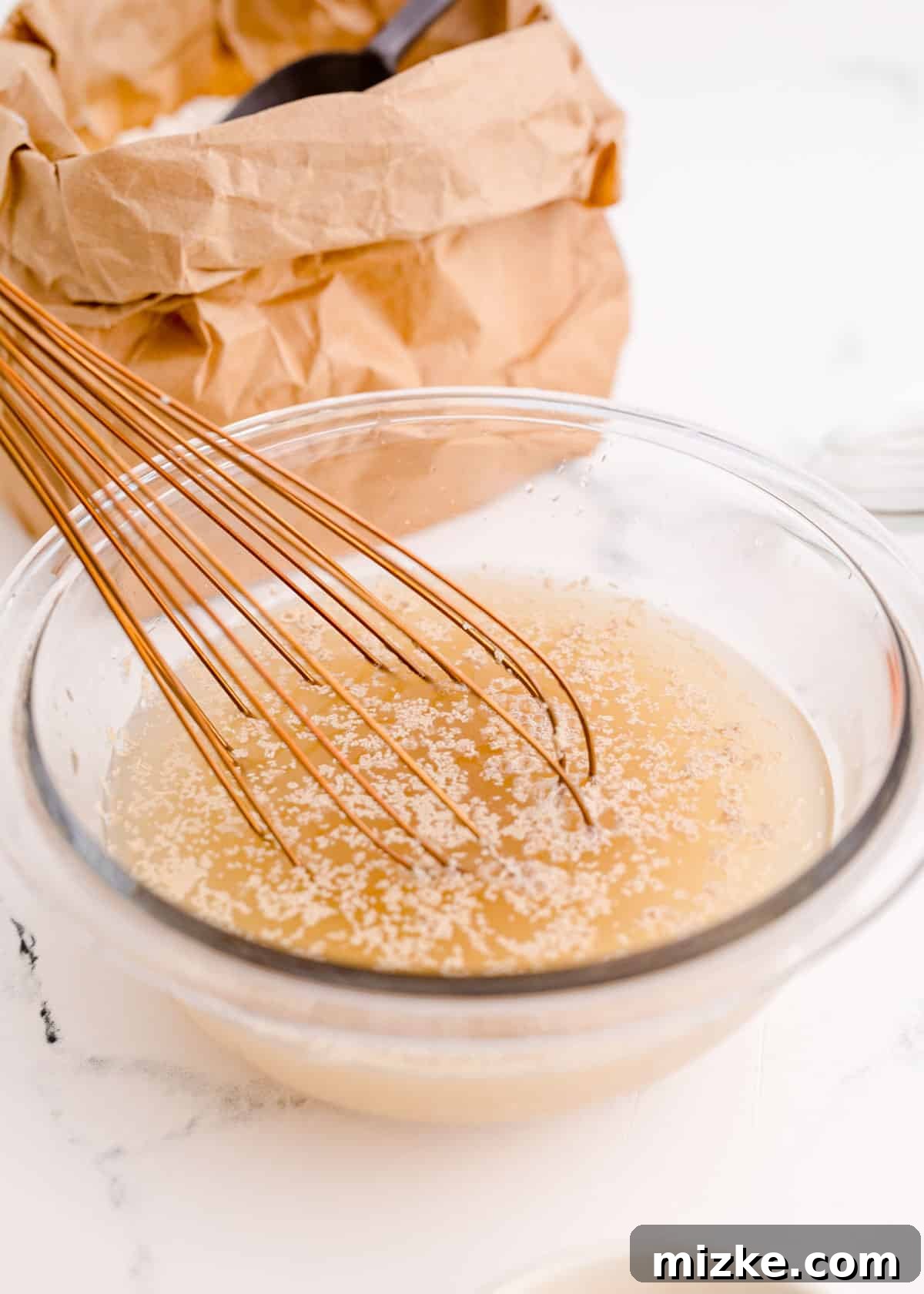
- In a small bowl, combine 1 ½ cups (355 ml) of warm water (110-115°F or 43-46°C) with 1 tablespoon of maple syrup. Whisk gently.
- Sprinkle 1 envelope (2¼ teaspoons) of active dry yeast over the water mixture. Give it a gentle stir and let it sit undisturbed for 5 to 10 minutes.
- **Tip:** The mixture should become foamy, indicating the yeast is active. If it doesn’t foam, your water might have been too hot or too cold, or your yeast may be expired. You’ll need to start this step over.
2. Prepare and Knead the Dough
- In the bowl of a stand mixer, whisk together 4 cups of bread flour (reserving ¼ cup for later kneading) and 2 teaspoons of salt.
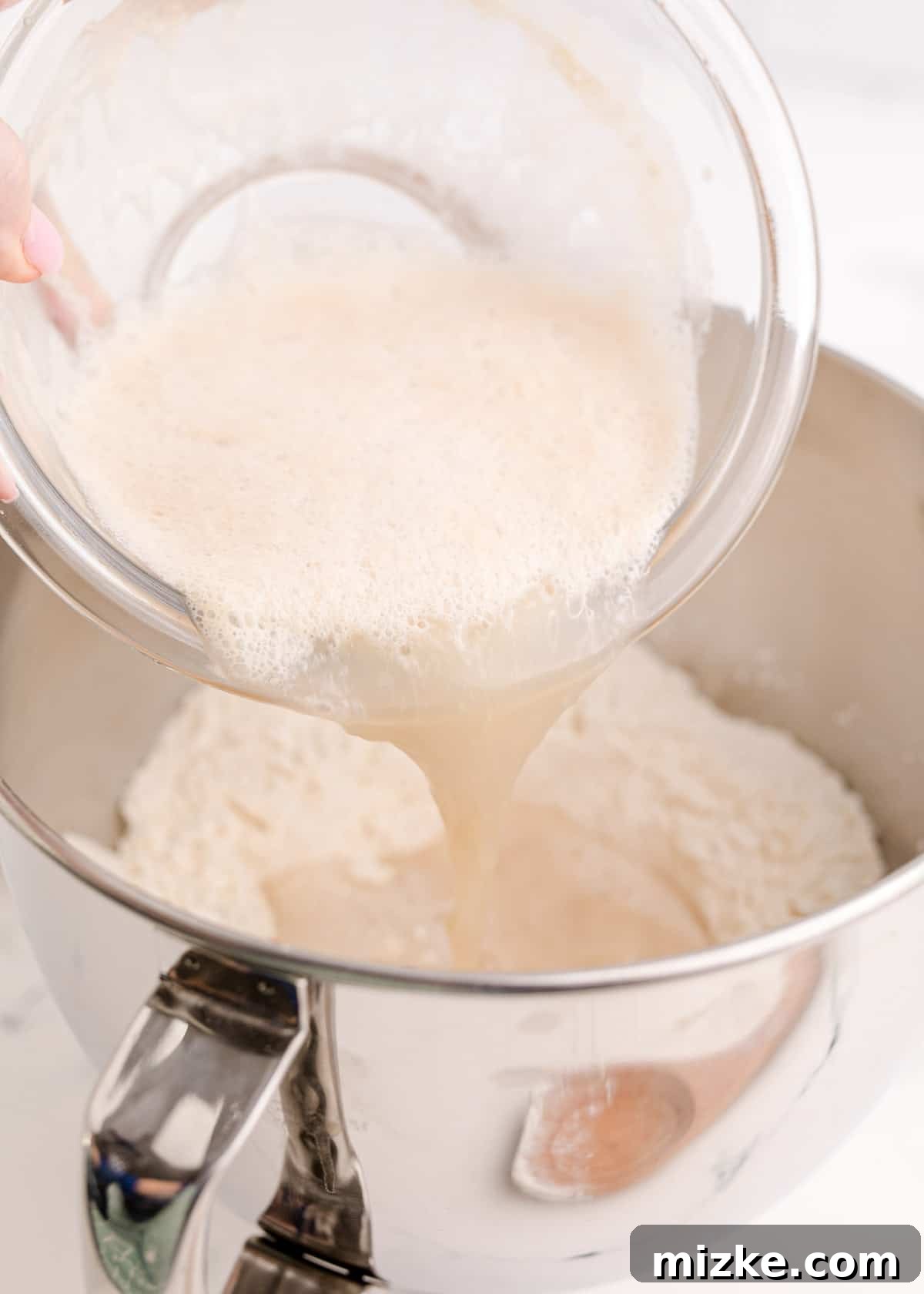
- Attach the dough hook to your stand mixer. Pour the activated yeast mixture into the center of the flour and salt.
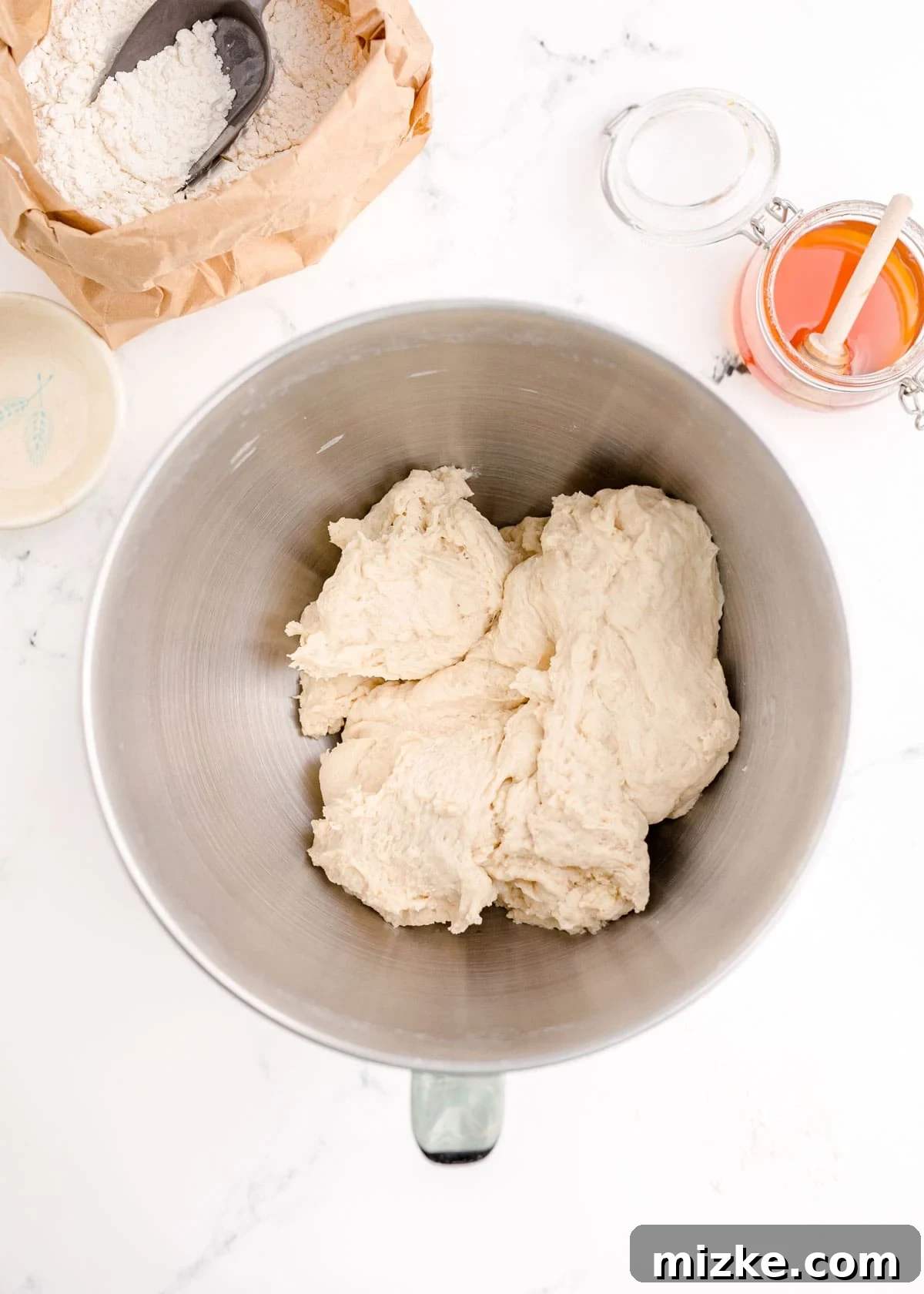
- Mix on low speed until the ingredients are just combined and a shaggy dough forms. Increase the speed to medium and mix for another 5 minutes, or until the dough is moist and firm. It should be pulling away from the sides of the bowl. If the dough appears too dry, add water one tablespoon at a time until the desired consistency is reached.
- Transfer the dough from the mixer to a lightly floured surface (using the reserved ¼ cup of flour). Knead the dough by hand for an additional 3-5 minutes, incorporating the remaining flour as needed, until it is smooth, elastic, and no longer sticky.
3. First Rise and Rest
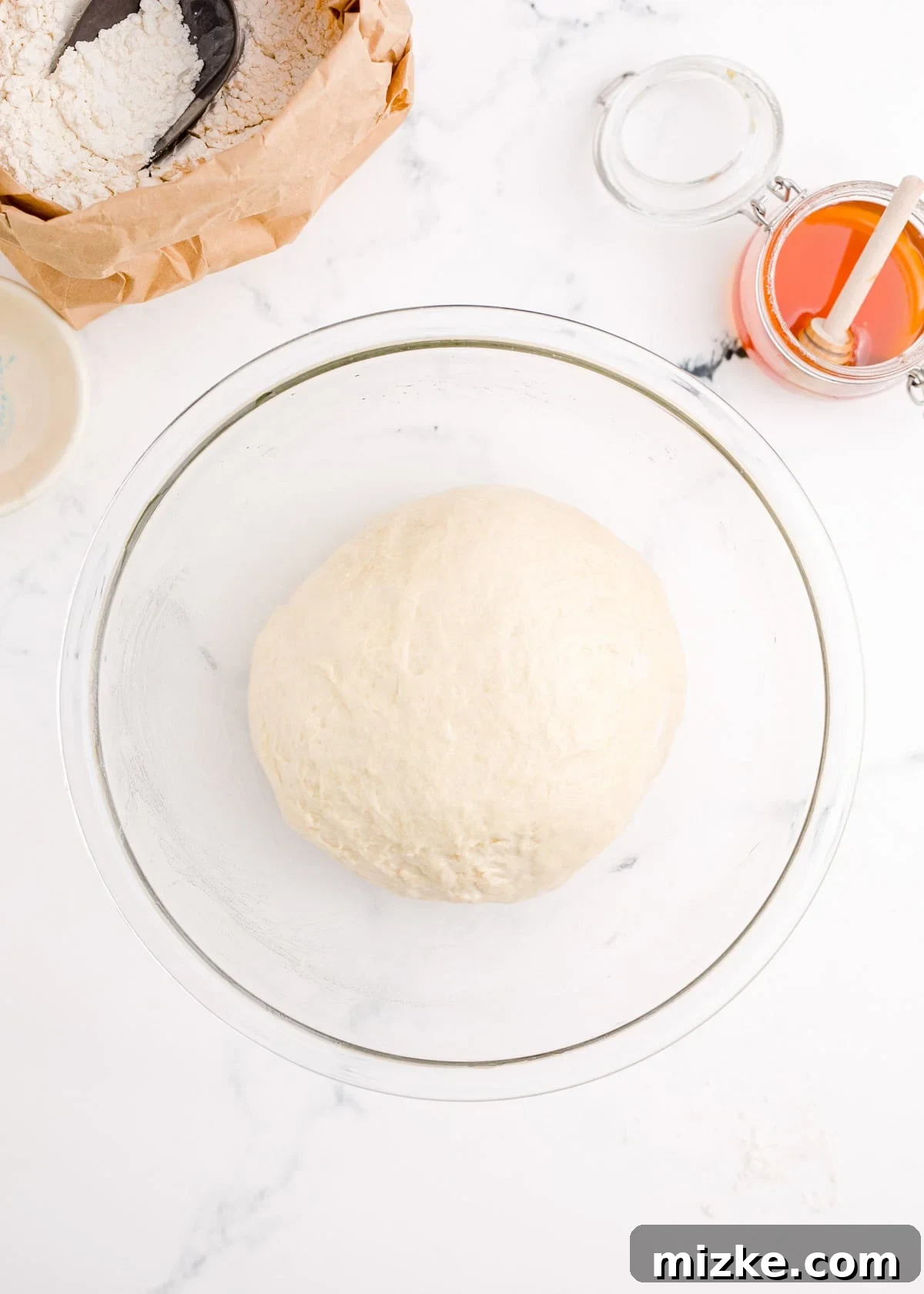
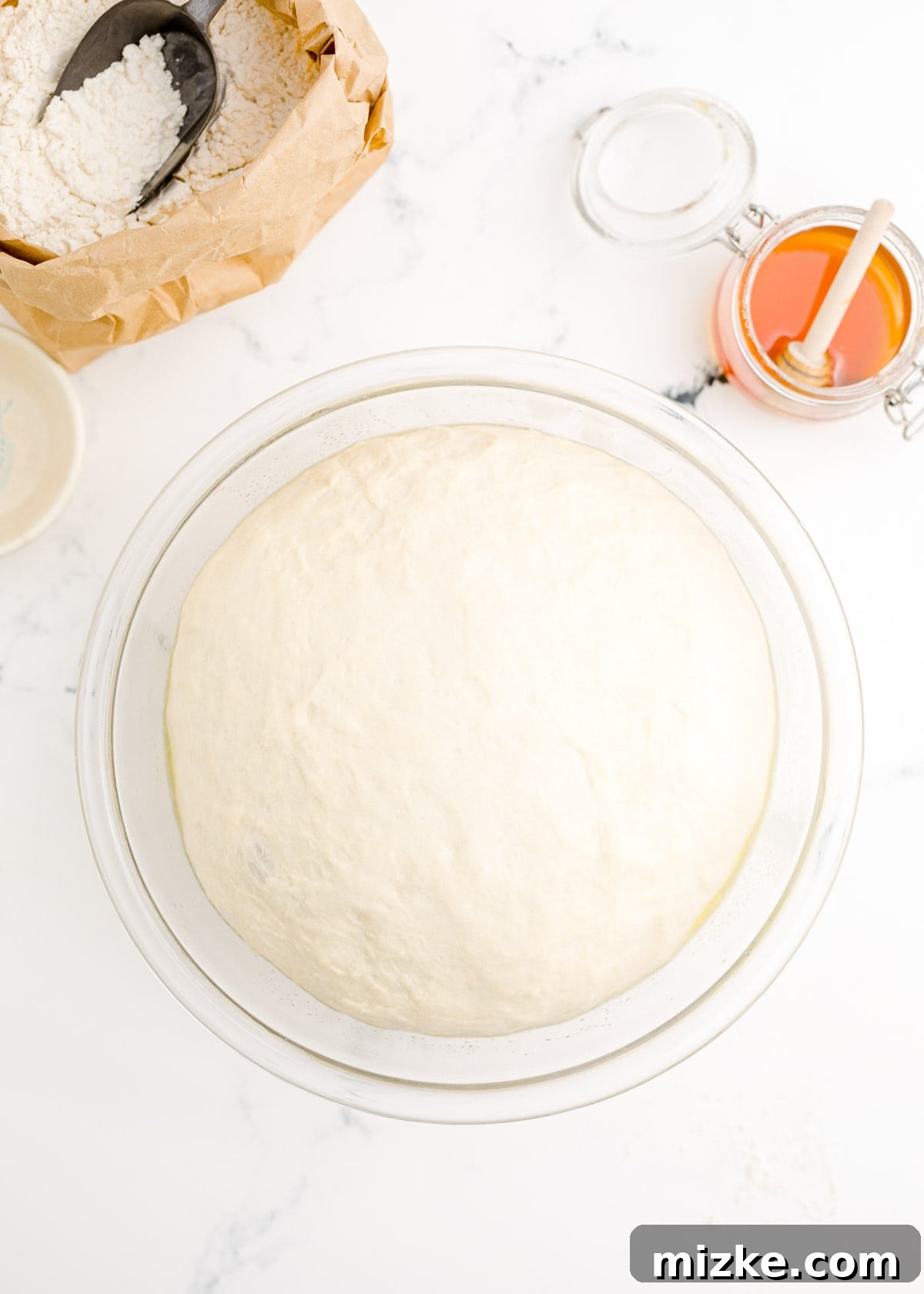
- Form the kneaded dough into a smooth ball. Lightly grease a large bowl with 1 teaspoon of oil, then place the dough ball in the bowl, rolling it to ensure it’s coated in oil.
- Cover the bowl tightly with plastic wrap and place it in a warm spot. Allow the dough to rise for about an hour, or until it has roughly doubled in size.
- Once risen, gently punch down the dough to release the air. Let it rest for another 10 minutes.
4. Shape the Bagels
- While the dough rests, line two baking sheets with parchment paper.
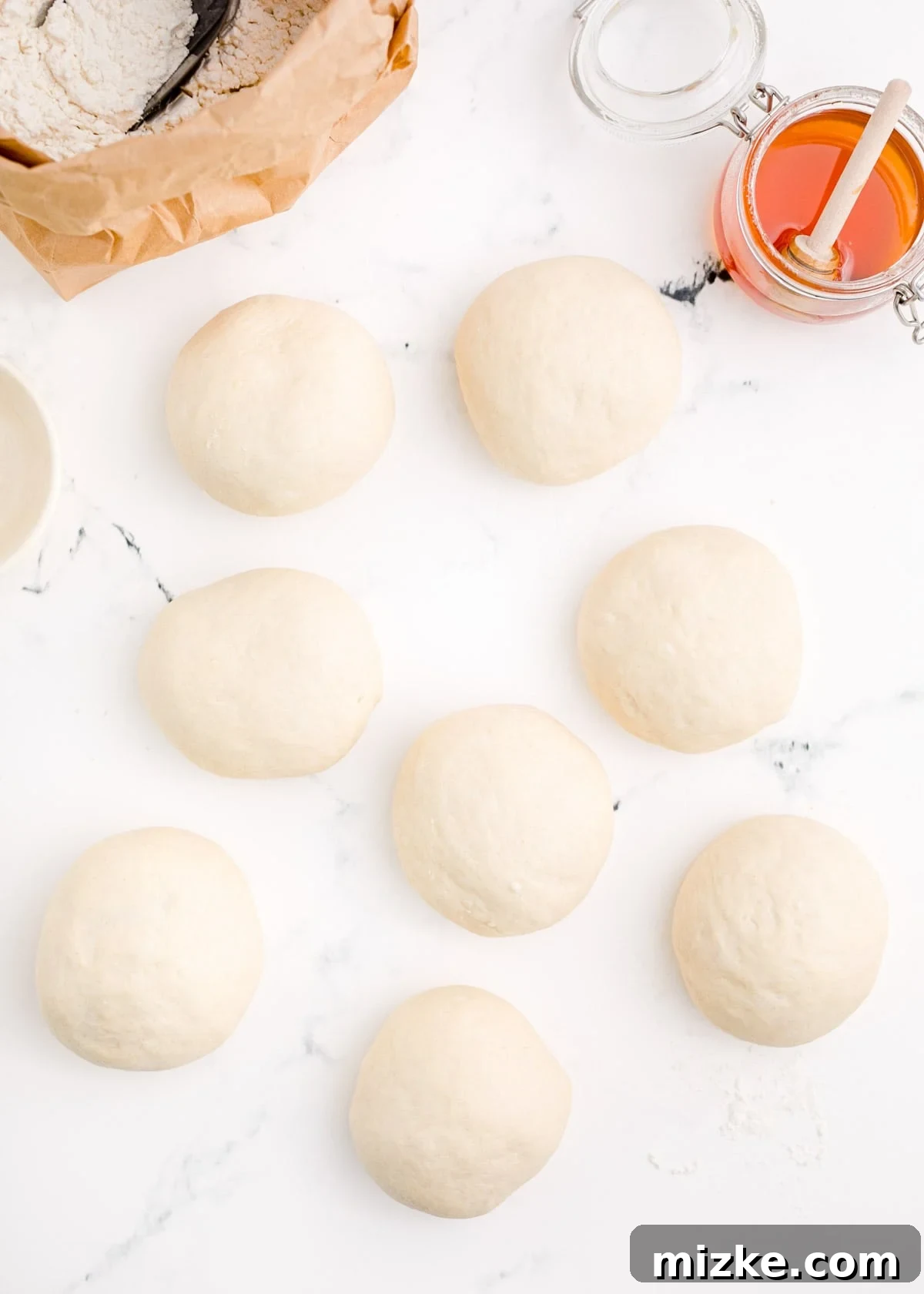
- Divide the dough evenly into 8 pieces. Shape each piece into a smooth ball.
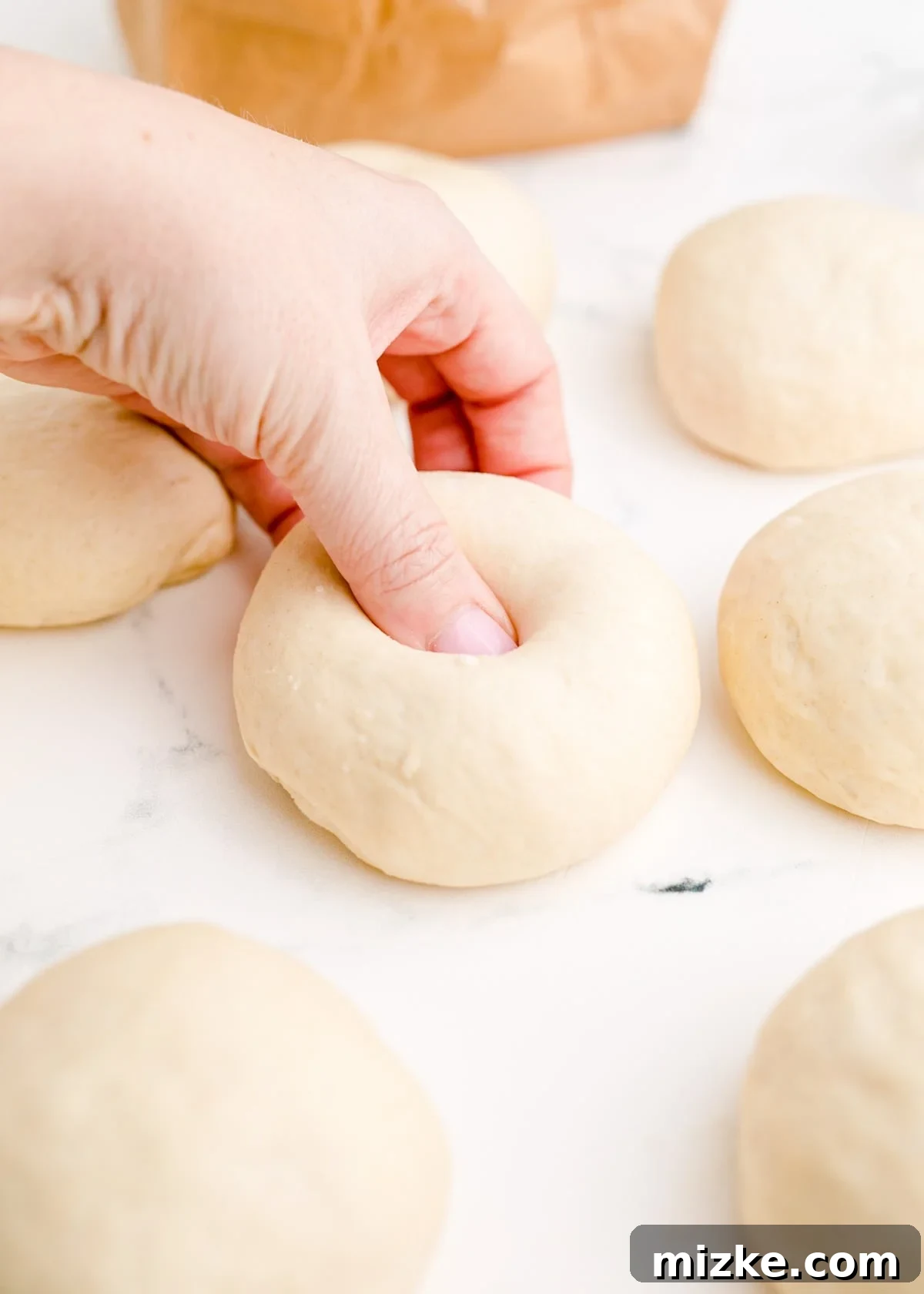
- To create the bagel hole, gently press your thumb or finger into the center of each dough ball, then carefully stretch the dough outwards to form a hole approximately 2 inches in diameter. This method is generally more successful than rolling ropes and joining them, as joined ropes can sometimes come apart during boiling.
- Place the formed bagels onto the prepared baking sheets and cover them with a damp towel. Let them rest for 10-15 minutes while you prepare the water bath.
5. Prepare the Water Bath and Preheat Oven
- In a large pot, combine 8 cups (1,893 ml) of water, 3 tablespoons of honey, and 1 teaspoon of baking soda. Bring this mixture to a rolling boil over high heat.
- Preheat your oven to 425°F (218°C).
6. Boil the Bagels
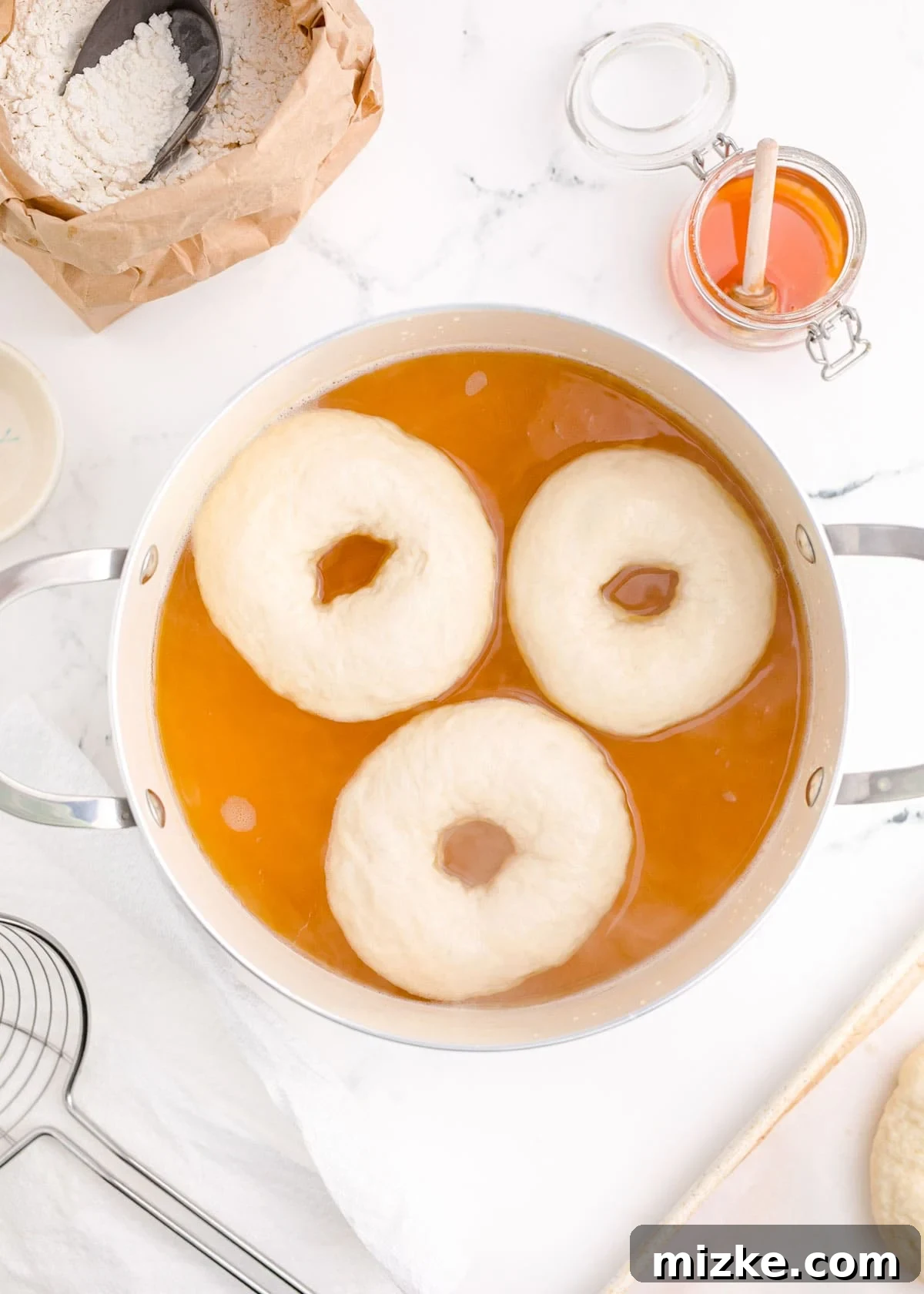
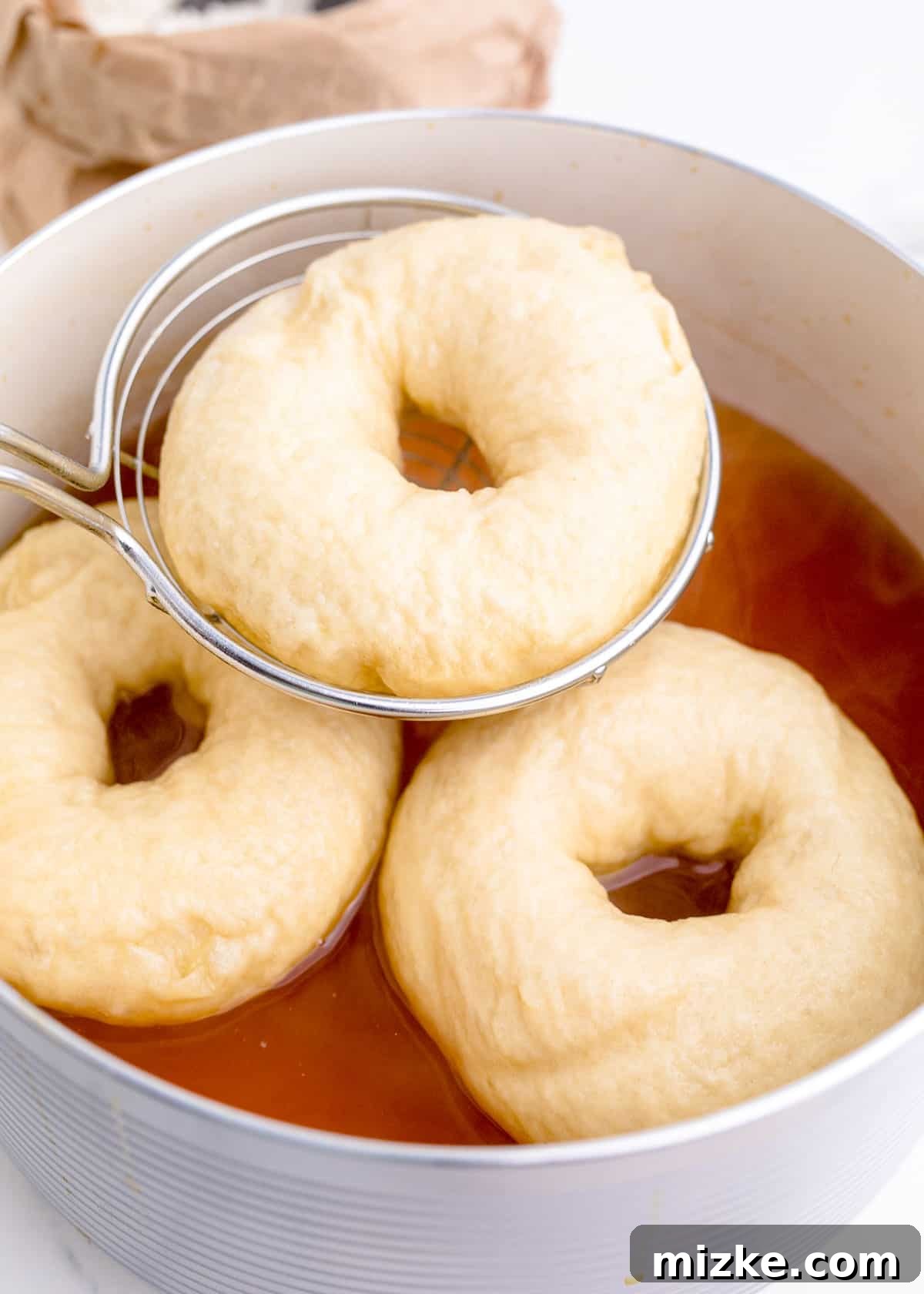
- Carefully place 2-3 bagels into the boiling water at a time, ensuring not to overcrowd the pot.
- Boil them for 1 minute on one side, then use a slotted spoon to flip them over and boil for another minute on the other side. The bagels will puff up slightly and develop a slight sheen.
- Once boiled, carefully remove the bagels from the water using the slotted spoon, allowing excess water to drain. Place them back on the parchment-lined baking sheets (4 bagels per sheet).
7. Bake the Bagels
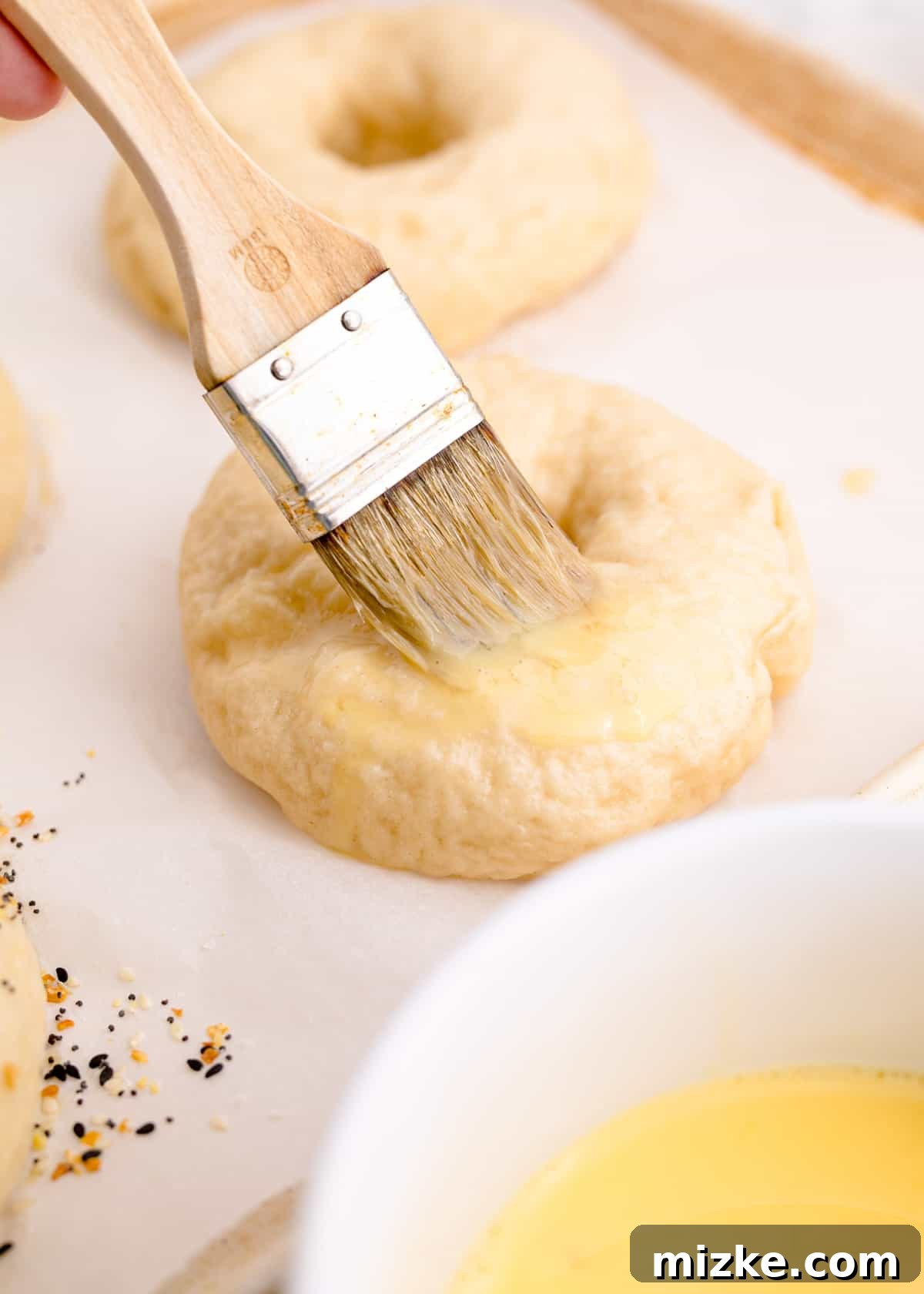
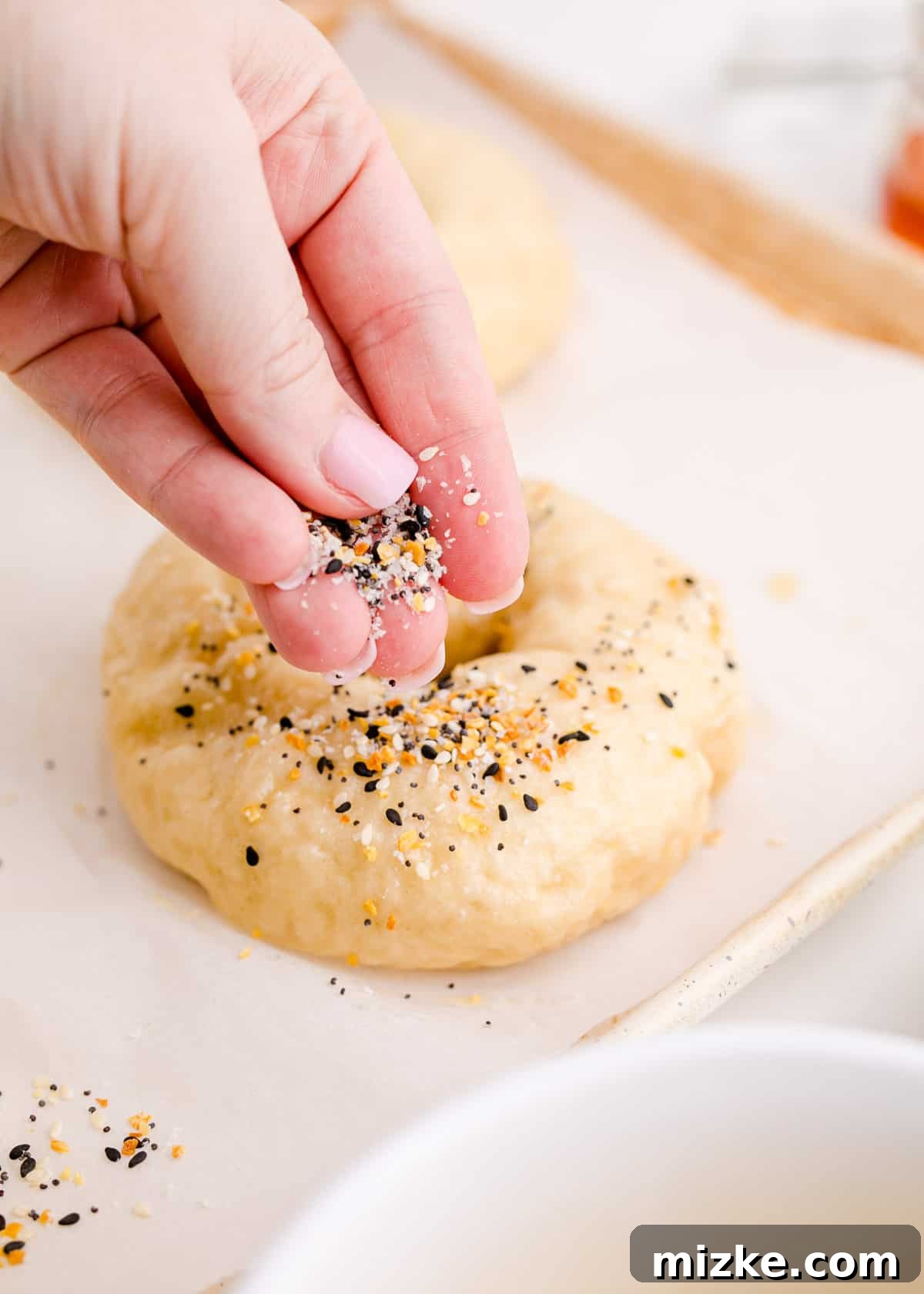
- Lightly brush each boiled bagel with the prepared egg wash (1 egg white beaten with 1 tablespoon of water). This promotes a beautiful golden-brown crust.
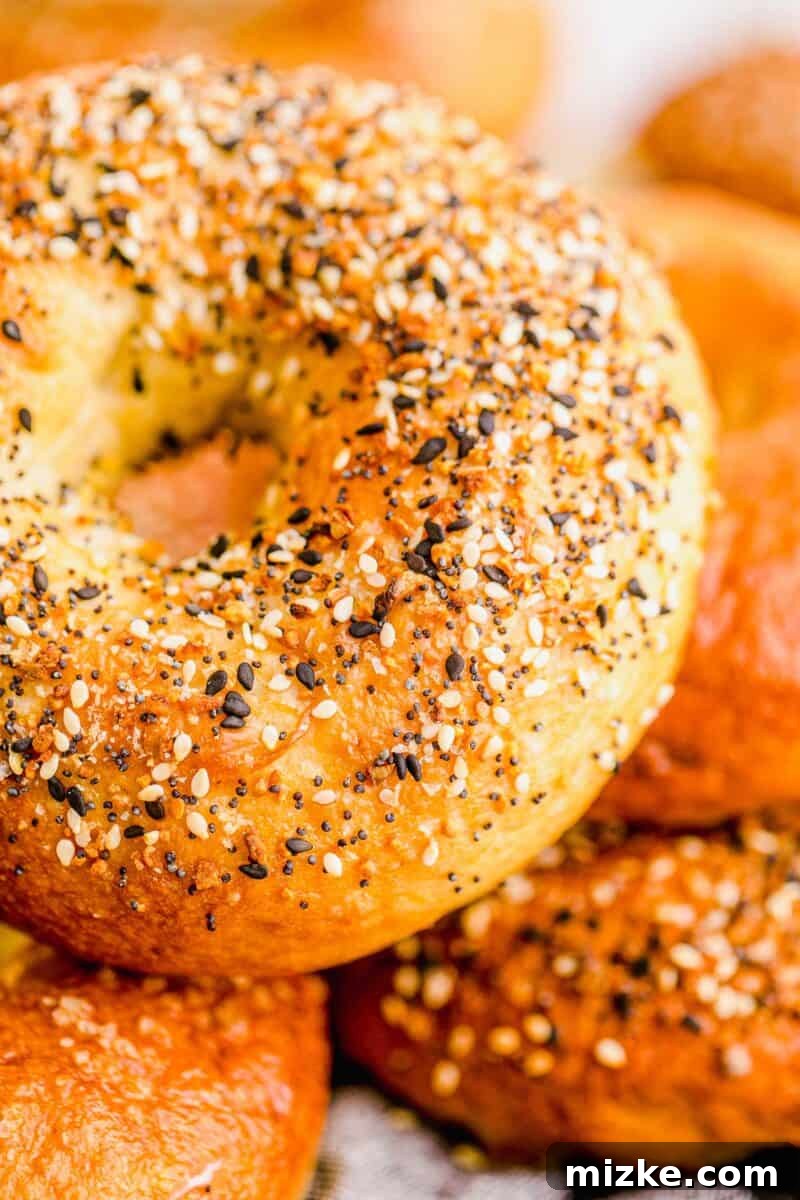
- Now is the time to add your desired toppings, such as sesame seeds, poppy seeds, coarse salt, or everything bagel seasoning.
- Bake the bagels in the preheated oven for 20 minutes, or until they turn a rich golden brown.
- Once baked, transfer the bagels to a wire cooling rack to cool completely before slicing and serving. Cooling is important for the interior texture to set properly.
Homemade Bagel Variations to Try
One of the best parts about making bagels at home is the endless possibility for customization. Get creative with these delicious variations:
- Sweet Cinnamon Sugar Bagels: For a delightful treat, brush baked bagels with melted butter and generously sprinkle a mixture of granulated sugar and cinnamon. You can also knead in raisins, dried cranberries, or dried blueberries at the end of the kneading process for fruit-filled bagels.
- Savory Jalapeño Cheddar Bagels: Add a spicy kick by kneading finely chopped jalapeños into the dough during the last few minutes of kneading. Before baking, after applying the egg wash, sprinkle a generous amount of shredded cheddar cheese over the top.
- Classic Toppings: Beyond everything bagel seasoning, experiment with single toppings like plain sesame seeds, poppyseeds, caraway seeds, coarse sea salt, dried minced onion, or dried minced garlic. You can combine these as well for unique flavor profiles.
- Herb & Garlic: Incorporate dried herbs like oregano, thyme, or rosemary, along with garlic powder, into the dough for an aromatic twist. Top with fresh garlic slices before baking.
- Pumpernickel: For a darker, richer bagel, you can experiment with adding a small amount of cocoa powder and instant coffee (not too much to overpower) along with molasses to the dough. This requires adjusting liquid and flour, so start with small amounts.
Troubleshooting & FAQs for Bagel Baking
Is it really important to use bread flour?
Yes, absolutely! Bagels owe their signature chewy texture to a high-protein flour like bread flour. Its higher gluten content develops strong elastic strands that create that desired chewiness. While you *can* use all-purpose flour, be aware that the texture will be noticeably different – typically softer and less chewy. When measuring, always spoon the flour into your measuring cup and level it off to avoid compacting it, which can lead to a heavy, dry dough.
I don’t have any maple syrup – what should I use instead?
Maple syrup is primarily food for the yeast and adds a subtle sweetness. If you don’t have it, you can substitute it with 1 tablespoon of brown sugar (which is preferable for taste) or 1 tablespoon of white sugar.
Can I make the dough ahead of time?
Yes, you can! To prepare the dough in advance, complete all steps up to and including step 5 (the first rise). Instead of letting it rise in a warm place, place the covered dough directly into the refrigerator. When you’re ready to use it, remove the dough from the fridge and allow it to come to room temperature for about an hour. Then, punch it down, let it rest for 10 minutes, and proceed with shaping the bagels (step 6 onwards).
Alternatively, you can freeze the dough for up to 3 months. Thaw it overnight in the refrigerator. Once thawed, let it sit at room temperature for an hour, punch it down, rest for 10 minutes, and then continue with shaping.
Can I skip the boiling step?
No, the boiling step is absolutely essential and cannot be skipped if you want authentic bagels. Boiling the bagels in an alkaline solution (water, honey, and baking soda) is what sets the crust, creates that distinctive chew, and gives them their characteristic slightly crisp exterior and beautiful golden-brown color during baking. Without boiling, you’d end up with bread rolls with holes, not true bagels.
My dough isn’t rising, what went wrong?
The most common reasons for dough not rising are inactive yeast or incorrect water temperature. Ensure your yeast is fresh and that your water is within the ideal 110-115°F range. If your yeast didn’t foam in the first step, it was likely inactive or killed by the water temperature.
Storage and Reheating Instructions
Once your homemade bagels have cooled completely to room temperature, they can be stored in an airtight container or well-wrapped at room temperature for a few days. For longer freshness, keep them in the refrigerator for up to a week. For the longest storage, bagels freeze exceptionally well for up to 3 months.
A quick tip on freezing: To make future enjoyment even easier, I highly recommend pre-slicing your bagels before freezing them. Wrap each sliced half individually in plastic wrap, then place them all in a freezer-safe bag. This way, when you crave a bagel, you can simply grab a frozen half, let it thaw for about 5 minutes, and toast it directly. It’s much faster and more convenient than trying to thaw and slice an entire frozen bagel!
Irresistible Serving Suggestions
Homemade bagels are a blank canvas for an incredible variety of toppings and spreads. Here are some of our favorite ways to enjoy them:
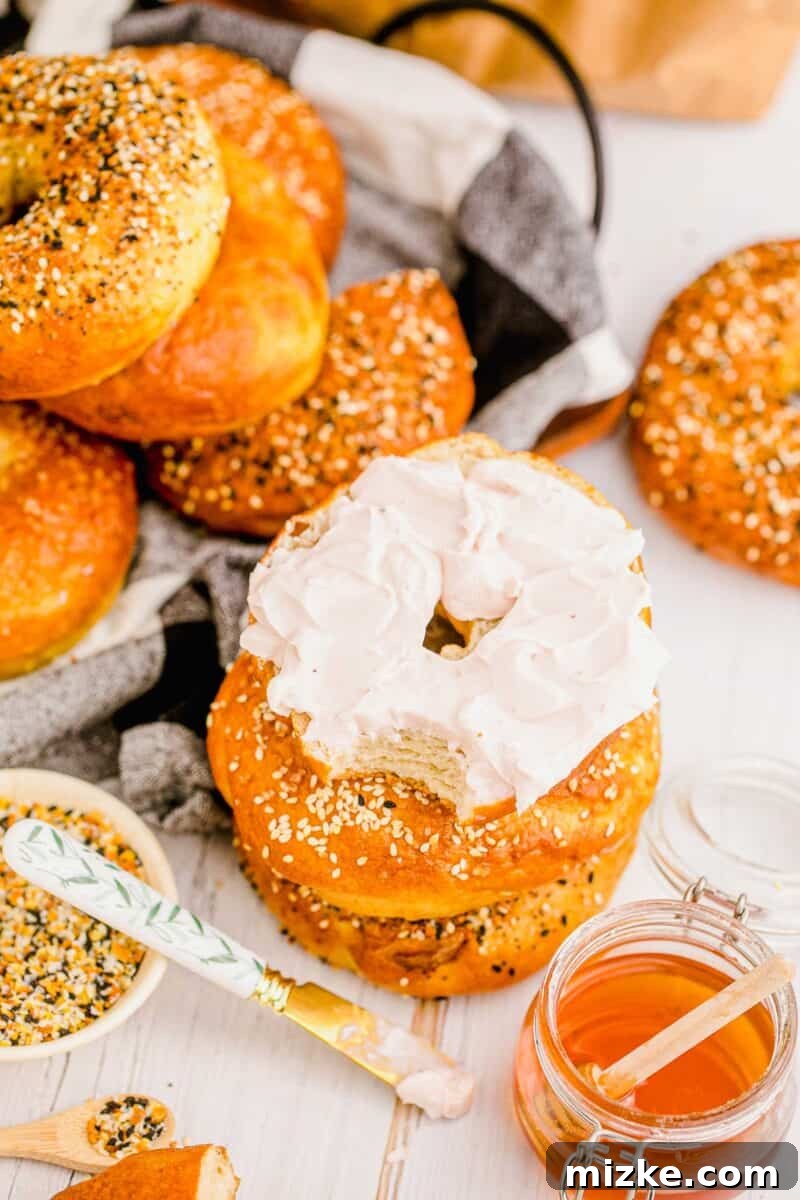
- Classic Spreads: The most popular choices include rich cream cheese (plain, scallion, or even smoked cream cheese for an adventurous twist!), sweet jams like blackberry lemon jam, or creamy butter like herbed compound butter.
- Savory Delights:
- Lox & Cream Cheese: A timeless combination of smoked salmon, cream cheese, capers, and red onion.
- Avocado Toast Bagel: Smashed avocado with a sprinkle of everything bagel seasoning, chili flakes, or a squeeze of lemon.
- Egg & Cheese: Turn it into a breakfast sandwich with a fried or scrambled egg and your favorite cheese. Add bacon or sausage for a hearty meal.
- Deli Meats: Layer with turkey, ham, or roast beef for a satisfying sandwich.
- Sweet Pairings:
- Nut Butters: Peanut butter, almond butter (try this tasty cinnamon-spiced almond butter!), or hazelnut spread are fantastic for a quick and energizing snack. Add banana slices for extra goodness.
- Honey or Agave: A simple drizzle of honey or agave syrup for natural sweetness.
Homemade Bagel Recipe
Here’s a concise overview of the recipe for your convenience. This recipe yields 8 delicious bagels.
Equipment
- Stand mixer with dough hook
- Large rimmed baking sheets (2)
- Large pot
- Slotted spoon
- Wire cooling rack
Ingredients
For the Bagels:
- 1 ½ cups (355 ml) warm water, heated to about 110-115°F (43-46°C)
- 1 Tablespoon maple syrup
- 1 envelope (2¼ teaspoons) active dry yeast
- 4 ¼ cups (531 g) bread flour, divided (save ¼ cup for kneading)
- 2 teaspoons salt
- 1 teaspoon oil
For Boiling:
- 8 cups (1,893 ml) water
- 3 Tablespoons honey
- 1 teaspoon baking soda
- Egg wash: 1 egg white, beaten with 1 Tablespoon of water
Instructions
- Activate Yeast: In a small bowl, whisk together warm water and maple syrup. Sprinkle yeast over the top, stir gently, and let sit for 5-10 minutes until foamy.
- Make Dough: In a stand mixer bowl, whisk 4 cups of bread flour and salt. Pour in activated yeast mixture. Mix on low speed until combined, then on medium for 5 minutes until dough is moist and firm. If too dry, add water 1 tbsp at a time.
- Knead Dough: Transfer dough to a floured surface (using reserved ¼ cup flour). Knead for 3-5 minutes, incorporating remaining flour, until smooth and elastic.
- First Rise: Form dough into a ball and place in an oil-greased bowl, rolling to coat. Cover with plastic wrap and let rise in a warm spot for 1 hour, or until doubled in size.
- Rest: Punch down the risen dough and let it rest for 10 minutes. Line two baking sheets with parchment paper.
- Shape Bagels: Divide dough into 8 equal pieces. Shape each into a ball, then press your finger into the center to create a 2-inch diameter hole. Place formed bagels on baking sheets and cover with a damp towel. Rest for 10-15 minutes.
- Prepare Boil & Bake: In a large pot, bring 8 cups water, 3 tablespoons honey, and 1 teaspoon baking soda to a boil. Preheat oven to 425°F (218°C).
- Boil Bagels: Boil 2-3 bagels at a time for 1 minute per side. Remove with a slotted spoon, allowing excess water to drain, and place back on parchment-lined baking sheets.
- Bake Bagels: Brush each bagel lightly with egg wash. Add desired toppings (sesame seeds, everything seasoning, etc.). Bake for 20 minutes, or until golden brown.
- Cool: Transfer baked bagels to a wire cooling rack to cool completely before slicing and serving.
Notes
- We’ve found that shaping bagels by creating a hole in a ball of dough (and stretching it to about 2 inches in diameter) works best. Rolling dough into ropes and pressing the ends together tends to result in bagels that come apart in the boiling water.
Nutrition (per 1 bagel serving)
Please note: This information is an approximation and can vary based on specific ingredients used. For the most precise data, use a nutrition calculator with your exact ingredients.
- Calories: 275 kcal
- Carbohydrates: 56g
- Protein: 8g
- Fat: 2g
- Saturated Fat: 0.2g
- Polyunsaturated Fat: 1g
- Monounsaturated Fat: 0.4g
- Trans Fat: 0.003g
- Sodium: 734mg
- Potassium: 77mg
- Fiber: 2g
- Sugar: 8g
Embrace the warmth of your kitchen and the satisfaction of creating something truly special. These homemade bagels are more than just food; they’re a labor of love that promises to delight with every chewy bite. Enjoy!