
As the calendar pages turn and I find myself navigating new decades, there’s a certain shift in perspective that often accompanies these milestones. For me, approaching my 30s has brought an unexpected appreciation for life’s quieter, more reflective moments – like enjoying a glass of fresh orange juice while listening to classical music on my new Sonos speakers, a thoughtful gift from Jason. This isn’t something I would have envisioned for my younger self, yet here I am, finding comfort and clarity in simple pleasures. It turns out, there’s a lot of wisdom in embracing what calms the mind and nourishes the body, especially when recovering from a bout of illness, needing that extra boost of Vitamin C, or seeking focus amidst a busy day.
My recent lean towards orange juice and classical melodies isn’t merely a sign of aging; it’s a testament to discovering what truly helps me concentrate and feel my best. Perhaps there’s a reason spas so often play classical music – its calming effects are undeniably conducive to relaxation and mental clarity. This newfound rhythm has, in turn, inspired a similar approach in my kitchen: seeking out vibrant, nourishing ingredients that transform colder, seemingly “drab” winter days into opportunities for bright, flavorful meals. While many people lament the scarcity of fresh produce during winter, I’ve learned to embrace the season’s unique offerings, turning them into culinary masterpieces.
Embracing Winter’s Abundance: Beyond the Drab
Winter often gets a bad rap for its limited produce options, but I’ve come to view it as a season of hidden culinary gems. The cooler months invite us to explore the robust flavors of root vegetables and the unexpected sweetness of citrus. Think of hearty butternut squash, earthy beets, and the striking beauty of blood oranges. These ingredients don’t just survive the cold; they thrive in it, offering a bounty of nutrients and vibrant colors that can truly uplift spirits during the shortest days of the year.
One of the simplest joys of winter cooking is roasting vegetables. Not only does it bring out their natural sweetness and create incredible depth of flavor, but it also conveniently warms the kitchen – a delightful bonus when temperatures outside plummet. Roasting transforms humble vegetables into tender, caramelized delights, making them perfect additions to warm salads, stews, or as standalone side dishes. This method is a game-changer for anyone looking to make the most of winter’s produce.
The Star Grain: Hearty & Nutritious Farro
This commitment to celebrating winter produce is precisely why I’m so excited to share my Winter Farro Salad with Blood Orange Vinaigrette. The cornerstone of this salad is farro, an ancient grain that deserves far more recognition than it typically receives. I admit, I don’t use farro nearly enough in my everyday cooking, despite having featured it in my cookbook and even discussing its versatility during a brief stint on QVC.
For those unfamiliar, farro is a wonderfully chewy grain with a satisfying texture, somewhat akin to a heartier, nuttier rice. It’s incredibly filling, meaning a modest portion goes a long way. On one occasion, I piled a gigantic bowl of this salad, eating with my eyes, only to find myself unable to finish it – a testament to how quickly and thoroughly it satisfies. Beyond its delightful chewiness, farro is a powerhouse of nutrition, rich in fiber, protein, and essential minerals like magnesium and zinc. It’s an excellent choice for adding substance and a wholesome boost to any meal, making it an ideal base for a robust winter salad.
Incorporating farro into your diet can contribute to sustained energy levels and digestive health, making it a fantastic addition for those looking to enjoy healthy, satisfying meals without feeling heavy. Its slightly nutty flavor also pairs beautifully with a wide array of ingredients, from savory roasted vegetables to bright, tangy dressings, showcasing its incredible adaptability in the kitchen.
A Burst of Flavor: The Blood Orange Vinaigrette
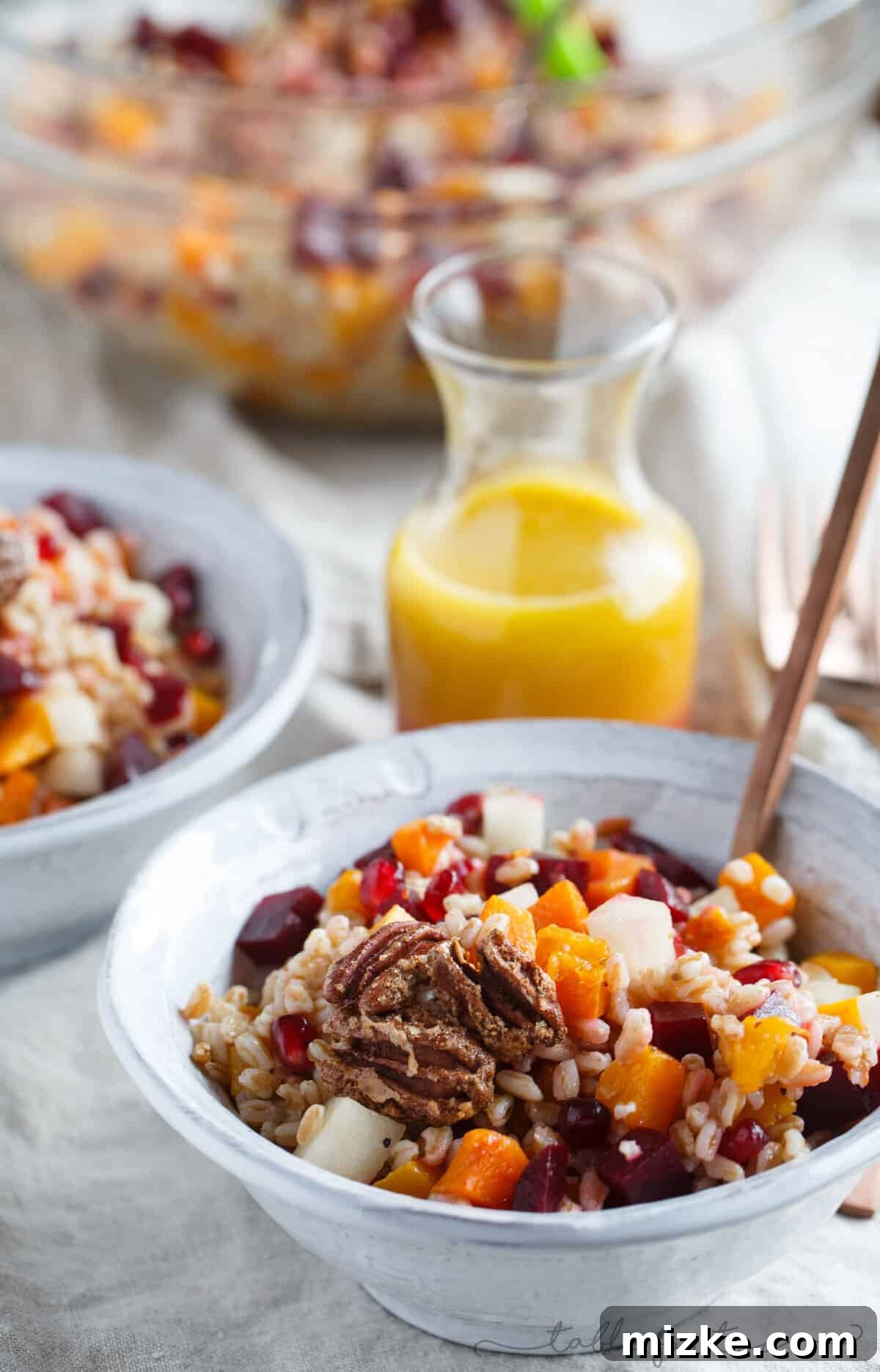
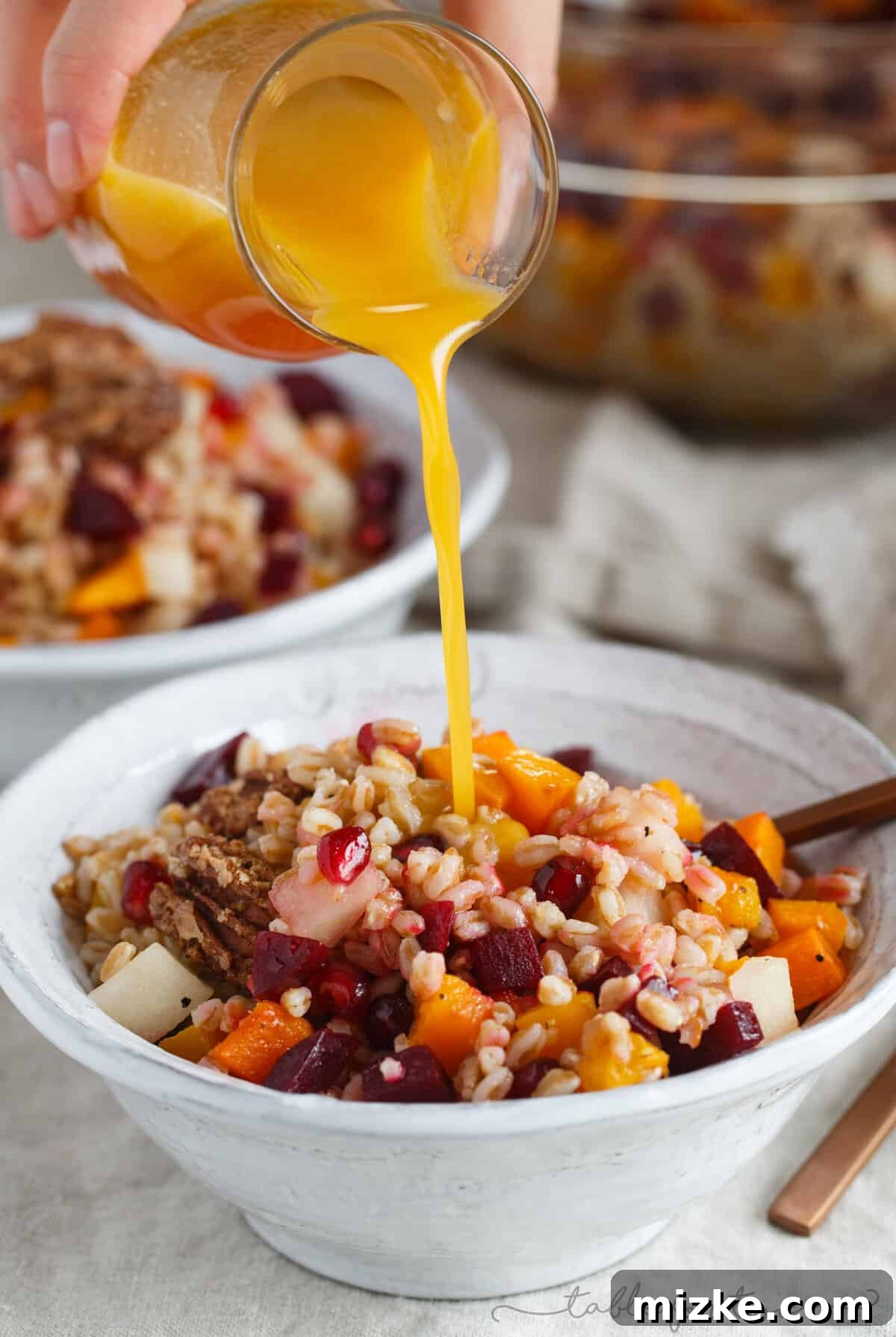
Speaking of tangy dressings, let’s talk about the true star of this salad’s flavor profile: the blood orange vinaigrette. Blood oranges are undeniably “in” during winter, and for good reason. Their striking crimson flesh and unique flavor – a perfect balance of sweet and tart with subtle berry undertones – make them a culinary delight. When I conceived this salad, I knew, absolutely HAD to create a vinaigrette featuring this exquisite winter citrus. It was, quite literally, the perfect topping, tying all the diverse flavors together with its bright, zesty character.
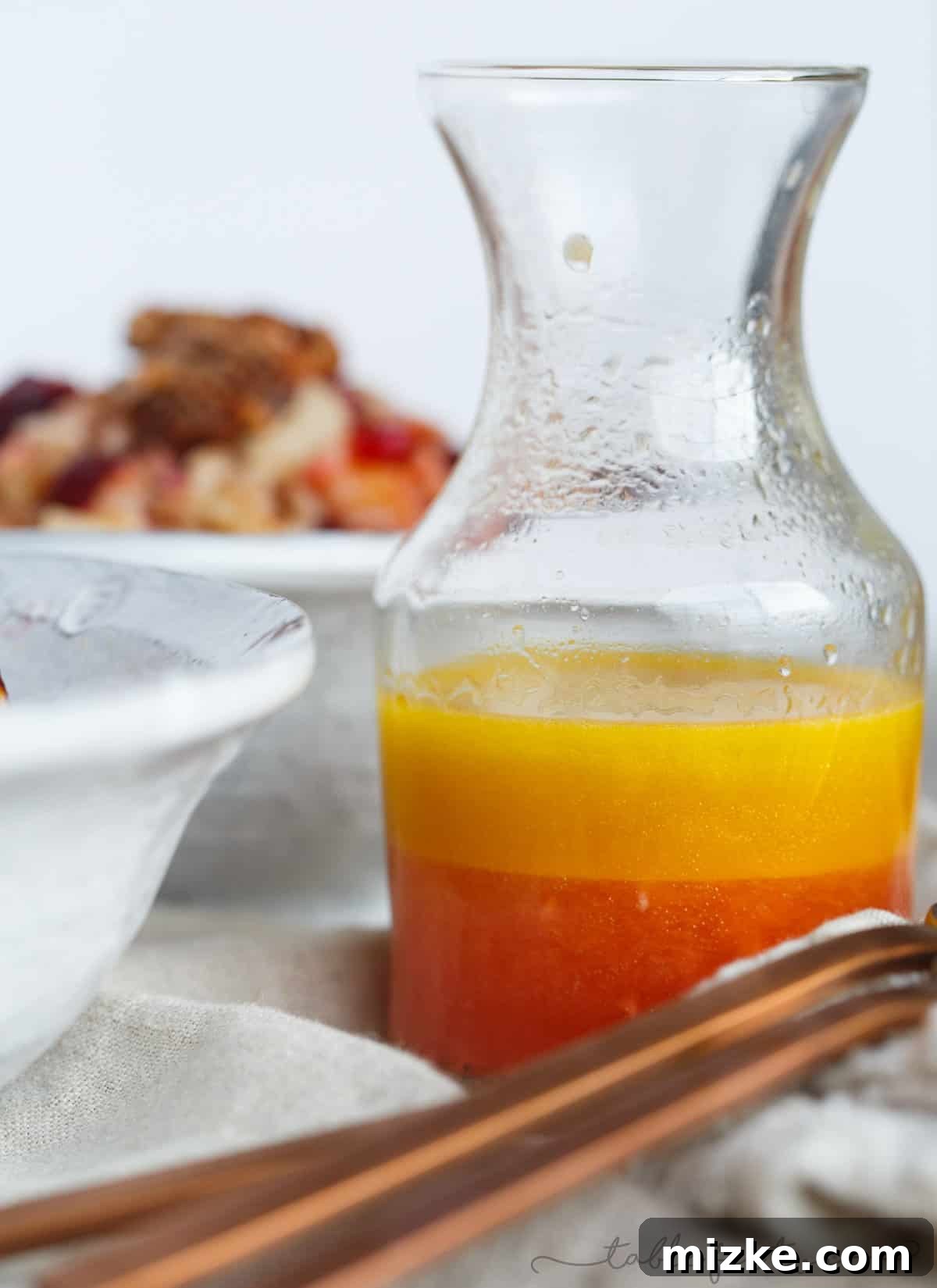
Crafting a homemade vinaigrette might seem intimidating, but it’s remarkably simple and yields far superior results to store-bought options. This blood orange vinaigrette, with its fresh citrus juice, quality olive oil, a touch of apple cider vinegar, and minced garlic, adds an unparalleled vibrancy. It coats each ingredient with a delicate sheen, infusing the entire salad with a refreshing tang that contrasts beautifully with the earthiness of the vegetables and the chewiness of the farro. This homemade touch truly elevates the dish, making it feel gourmet yet entirely approachable.
The Harmony of Ingredients: Unexpected Delights
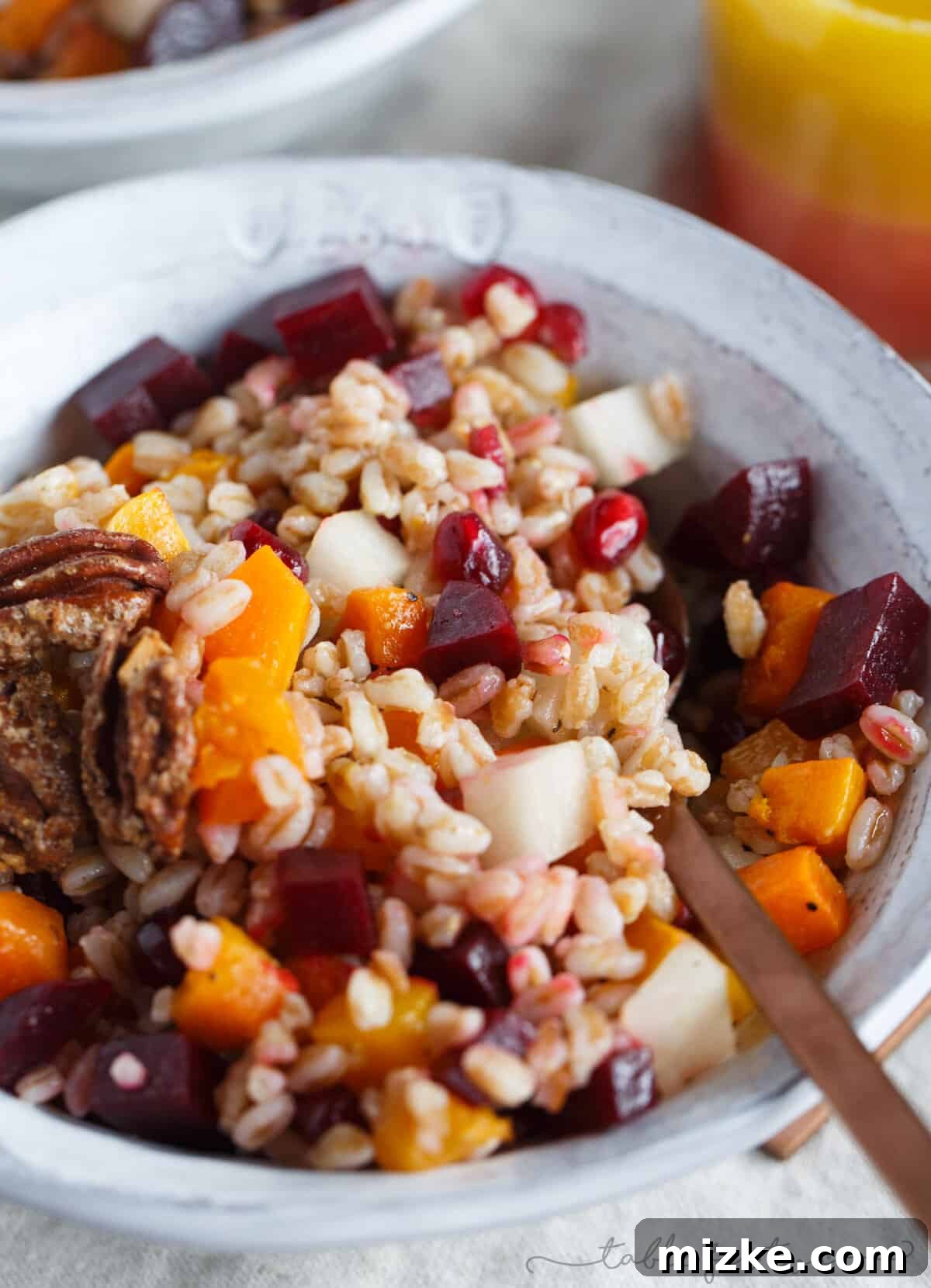
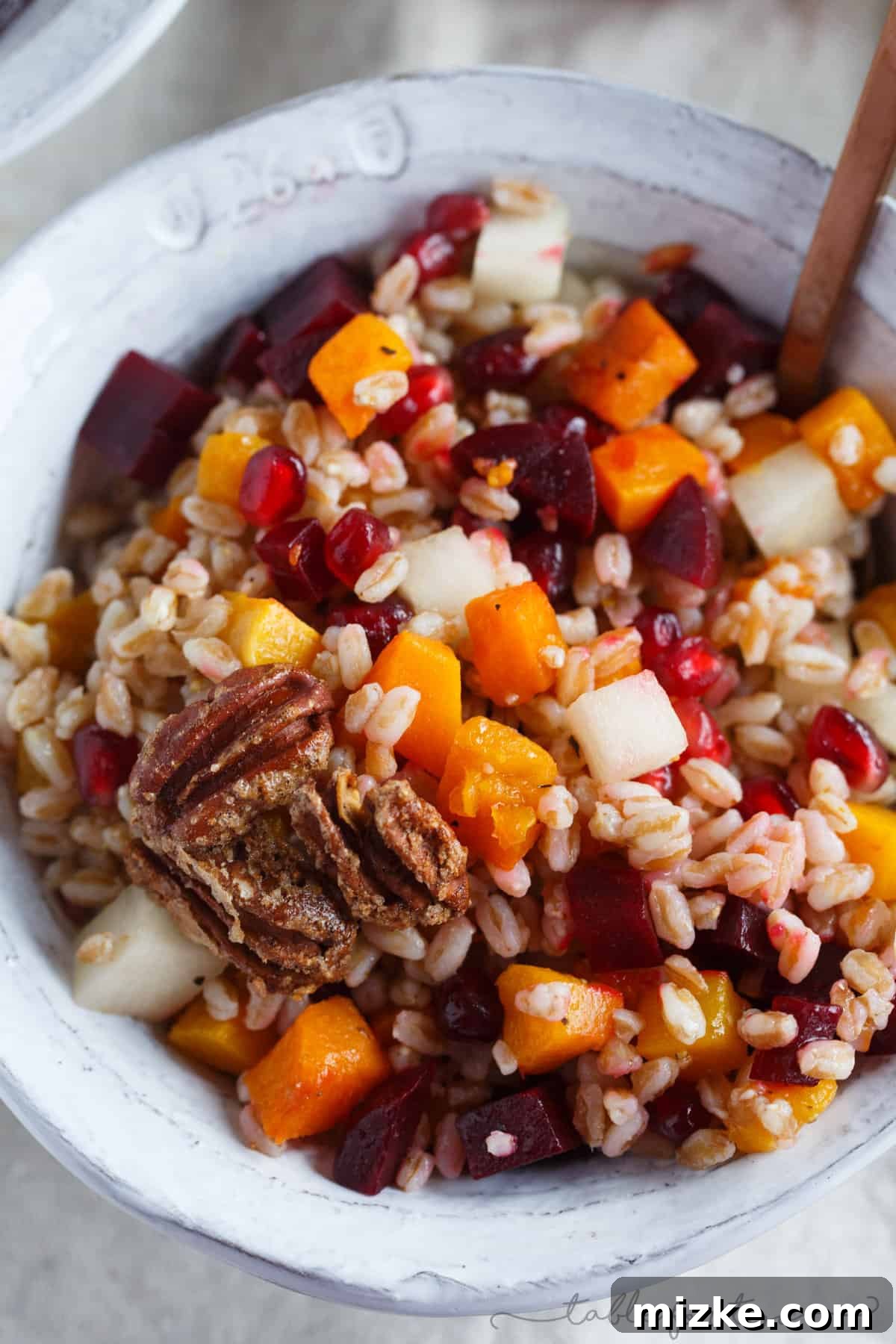
What truly makes this Winter Farro Salad special is the thoughtful combination of ingredients, each contributing its own unique texture, color, and flavor. Beyond the farro and the exquisite vinaigrette, this salad features a delightful medley of winter goodness:
- Roasted Butternut Squash: Sweet, tender, and deeply satisfying, the roasted butternut squash adds a comforting warmth and beautiful orange hues. Its natural sweetness provides a perfect counterpoint to the tart dressing.
- Cooked Beets: Earthy and vibrant, diced cooked beets infuse the salad with stunning crimson notes and a subtle sweetness. They are packed with antioxidants and lend a wonderful soft texture.
- Asian Pears: And for a little surprise? Asian pears! Their crisp, juicy texture and subtle sweetness offer an unexpected, refreshing crunch. They are less gritty than traditional pears and their unique flavor profile integrates beautifully without overpowering the other ingredients.
- Pomegranate Seeds: These jewel-toned gems are not just pretty; they burst with a tart-sweet flavor, adding a delightful pop and a luxurious feel to every bite. They are also rich in antioxidants, contributing to the salad’s impressive nutritional profile.
Seriously, there is a little of everything in this salad – a symphony of textures and flavors that come together to create a dish that is both complex and incredibly harmonious. Just look at the colors; it’s like a sunset in a bowl, truly a feast for the eyes as well as the palate.
Crafting Your Perfect Winter Farro Salad
Preparing this salad is straightforward, making it an ideal choice for a weeknight meal or a festive gathering. The steps are simple: first, whisk together the vinaigrette and allow it to chill, letting the flavors meld. Next, cook the quick-cooking farro according to package directions – a minimal effort for such a rewarding grain. Finally, combine your prepped roasted butternut squash, cooked beets, diced Asian pear, and pomegranate seeds with the cooled farro in a large bowl. A generous drizzle of the blood orange vinaigrette, a gentle toss to coat every component, and you’re ready to serve.
This salad is wonderfully versatile; it can be enjoyed chilled for a refreshing bite or slightly warm for a cozier experience. For an extra layer of flavor and crunch, I highly recommend topping it with maple cinnamon spiced nuts. These add a fantastic textural contrast and a hint of warming spice that complements the salad’s other components beautifully. Whether you’re looking for a hearty vegetarian main course, a vibrant side dish, or an impressive contribution to a potluck, this Winter Farro Salad delivers on all fronts.
Winter Farro Salad with Blood Orange Vinaigrette
Ingredients
For the blood orange vinaigrette
- ⅔ cup (158 ml) fresh blood orange juice
- ⅓ cup (72 g) + 2 tablespoons olive oil
- 2 tablespoons apple cider vinegar
- Salt and pepper, to taste
- 1 clove garlic, finely minced
For the salad
- 1 cup (200 g) quick-cooking farro, (see notes)
- 1 ½ cup (210 g) diced roasted butternut squash
- 1 cup (136 g) diced cooked beets
- 1 large Asian pear, diced
- 5 ounces (142 g) pomegranate seeds
Instructions
-
In a salad dressing shaker or a bowl, add all the ingredients for the blood orange vinaigrette and shake or whisk well until emulsified. Place in the refrigerator to chill and allow flavors to meld.2/3 cup (158 ml) fresh blood orange juice, 1/3 cup (72 g) + 2 tablespoons olive oil, 2 tablespoons apple cider vinegar, Salt and pepper, 1 clove garlic
-
In a pot of boiling water, add the quick-cooking farro and cook according to instructions on the package (typically about 10-15 minutes). Drain well and cool completely.1 cup (200 g) quick-cooking farro
-
In a large mixing bowl, combine the cooled farro, diced roasted butternut squash, diced cooked beets, diced Asian pear, and pomegranate seeds. Toss gently to incorporate all ingredients evenly.1 1/2 cup (210 g) diced roasted butternut squash, 1 cup (136 g) diced cooked beets, 1 large Asian pear, 5 ounces (142 g) pomegranate seeds
-
Drizzle the prepared blood orange vinaigrette generously over the salad. Toss again to ensure all components are well coated. For an added layer of flavor and crunch, consider topping with maple cinnamon spiced nuts, if desired!
-
Serve immediately, either chilled or at room temperature, and enjoy this vibrant winter delight!
Notes
Nutrition
Calories: 530kcal,
Carbohydrates: 66g,
Protein: 7g,
Fat: 28g,
Saturated Fat: 4g,
Sodium: 36mg,
Potassium: 662mg,
Fiber: 13g,
Sugar: 17g
Hide Disclaimers
This website provides approximate nutrition information for convenience and as a courtesy only. Nutrition information can vary for a variety of reasons. For the most precise nutritional data use your preferred nutrition calculator based on the actual ingredients you used in the recipe.
The default measuring system for this website is US Customary. Unit conversions are provided for convenience and as a courtesy only. While we strive to provide accurate unit conversions, please be aware that there may be some discrepancies.
Why This Winter Salad is a Must-Make
This Winter Farro Salad with Blood Orange Vinaigrette isn’t just a recipe; it’s an invitation to rediscover the joy and richness that winter produce can bring to your table. It’s a testament that healthy eating doesn’t have to be bland or boring, even when the weather outside is anything but inviting. This salad is hearty enough to serve as a complete meal, yet light enough to complement other dishes. Its vibrant colors and refreshing flavors are a welcome antidote to the sometimes-monotonous comfort foods of the season.
Whether you’re looking to incorporate more whole grains and vegetables into your diet, or simply want to try something new and exciting, this salad offers a perfect balance of nutrition, flavor, and visual appeal. It’s an easy way to bring a burst of sunshine and warmth to your winter dining experience. So, shed the notion that winter means a culinary lull, and embrace the delicious possibilities that await with this truly remarkable farro salad.
There’s an affiliate link within this post, which means if you click and make a purchase, I may receive a small commission at no extra cost to you.