
For those who’ve followed our incredible journey, here’s a quick recap of our Taiwan series:
Taipei, Part 1 |
Taipei, Part 2 |
Kaohsiung
Hsinchu: Unveiling Taiwan’s Hidden Gems – A Journey Through Tech, Tradition, and Culinary Delights
Our comprehensive Taiwan adventure culminates in this final, captivating chapter, and what a journey it has been! From the bustling streets of Taipei to the vibrant harbor city of Kaohsiung, each destination offered a unique glimpse into the heart and soul of Taiwan. Now, we venture into Hsinchu, a city that beautifully intertwines cutting-edge technology with deeply rooted traditions and breathtaking natural beauty. Prepare for a grand finale that promises unexpected discoveries and a taste of authentic Taiwanese life.
Exploring Hsinchu: Taiwan’s Tech Hub and the “Windy City”
After immersing ourselves in the southern charms of Kaohsiung, my partner Jason and I boarded Taiwan’s efficient High-Speed Rail (HSR) for a swift journey north to Hsinchu. In just under an hour, we arrived in the city known across the island as Taiwan’s premier tech hub. Often dubbed the “Silicon Valley of Taiwan,” Hsinchu is home to a multitude of semiconductor companies and a thriving innovation ecosystem, making it a pivotal center for global technology.
Beyond its technological prowess, Hsinchu holds another intriguing moniker: “The Windy City.” This isn’t just a casual nickname; it’s a daily reality. The persistent winds, though often invigorating, carry with them a considerable amount of dust. Despite having no known allergies, my respiratory system immediately reacted upon arrival. The relentless sneezing and nasal congestion were quite a surprise, leading us to an urgent visit to a local pharmacy for allergy medication. Thankfully, the pills provided much-needed relief, allowing us to fully embrace our Hsinchu experience without constant discomfort. This unexpected hurdle highlighted a unique characteristic of the city, adding an unusual anecdote to our travels.
The Iconic Taiwan Pavilion: A Fusion of Art and Commerce
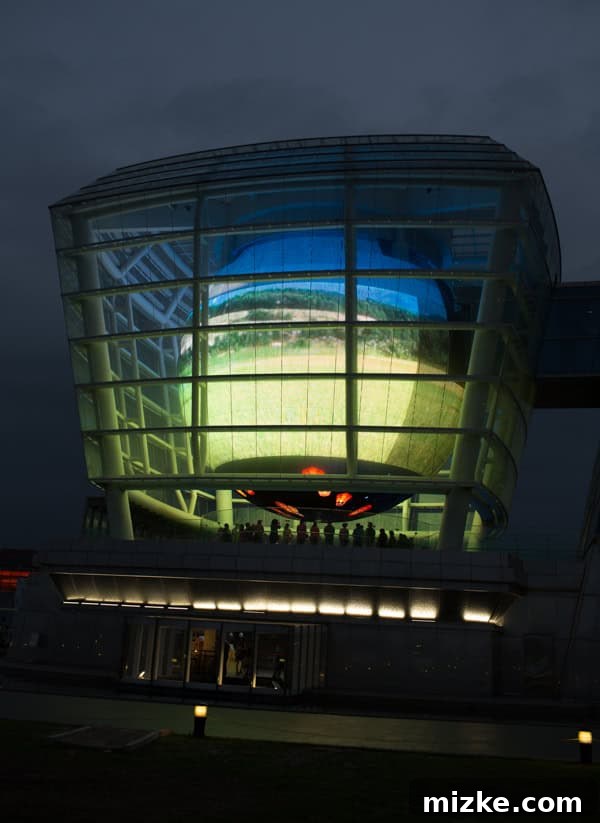
During our stay, my wonderful aunt and uncle, our hosts in Hsinchu, introduced us to one of the city’s modern landmarks: The Taiwan Pavilion. This striking glass structure, elegantly shaped like a traditional lantern, houses an impressive LED sphere that originally graced the World Expo in Shanghai in 2010. Taiwan, recognizing its artistic and symbolic value, acquired this magnificent display at a significant cost, relocating it to Hsinchu where it continues to captivate visitors.
While the LED ball itself is a mesmerizing spectacle, especially when illuminated, its grandeur can be fully appreciated from the outside without requiring an entrance fee. Below this architectural marvel, the pavilion complex offers a contemporary blend of shopping opportunities and diverse dining establishments. Although the name of the specific restaurant we visited escapes me, the culinary experience was memorable, offering delicious local flavors that delighted our palates.
One of Taiwan’s quintessential beverages, bubble tea, is a must-try. And in Hsinchu, even a “small” order can be surprisingly generous, offering a delightful and refreshing treat.

Culinary Adventures in Hsinchu: From Take-out Treasures to Breakfast Staples
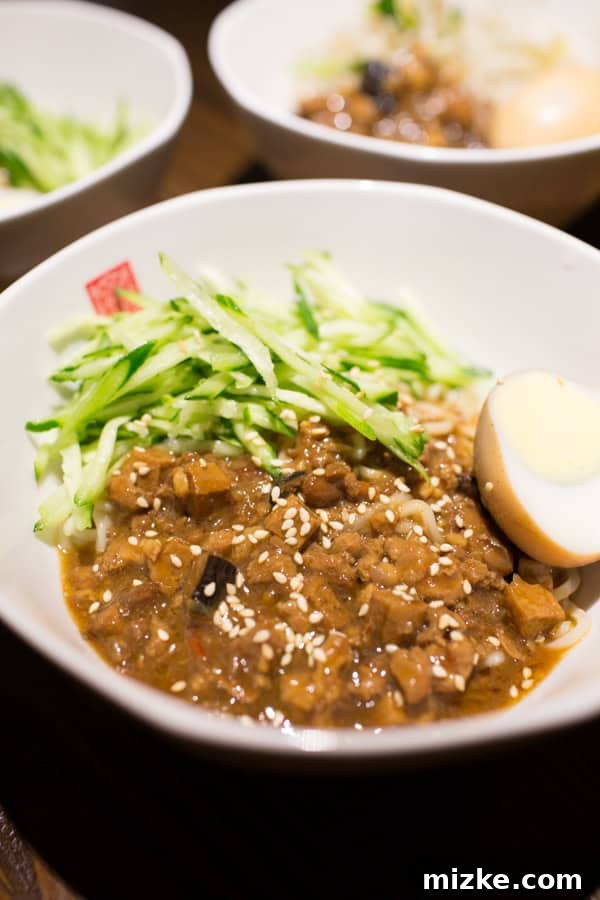
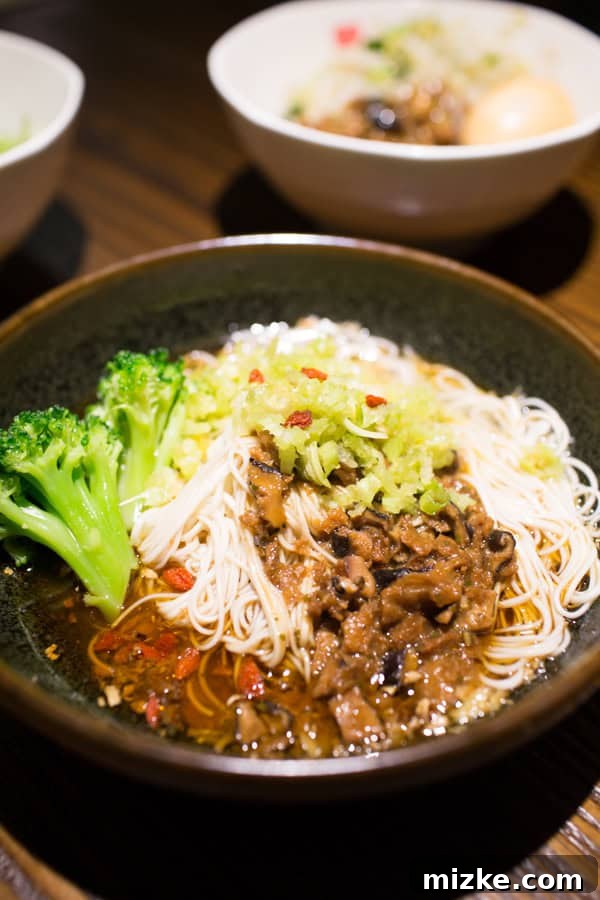
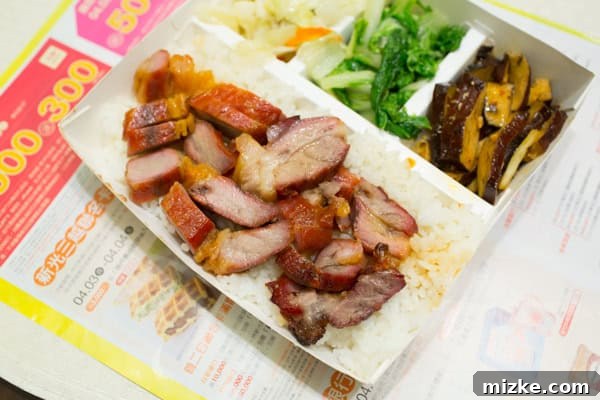
Taiwan’s culinary scene is a constant source of delight, and Hsinchu certainly lives up to the island’s reputation. One aspect that truly impressed us was the prevalence and quality of Taiwanese take-out boxes. These aren’t just convenient; they’re often packed with an incredible array of fresh, flavorful dishes that could easily become a nightly indulgence. The balance of meats, vegetables, and rice makes for a satisfying and wholesome meal.
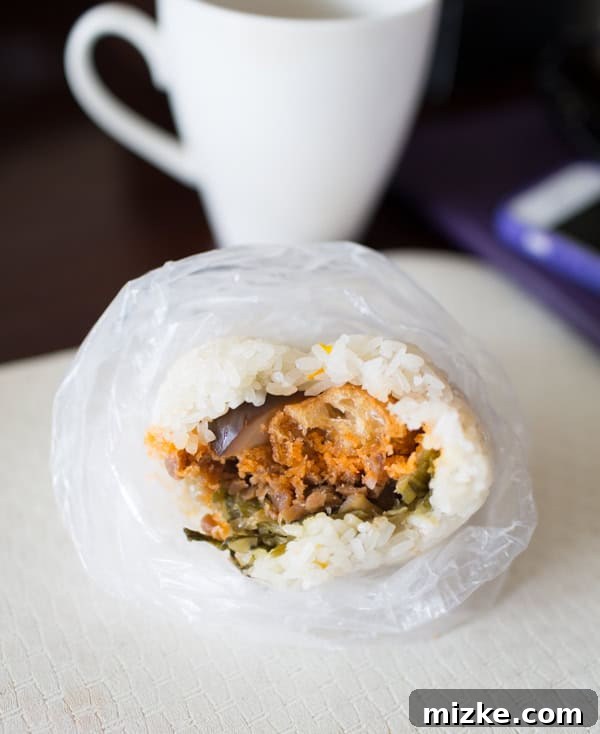
However, if there’s one breakfast item that stole my heart during this trip, it’s undoubtedly the Taiwanese rice ball, or fantuan (飯糰). These culinary masterpieces are nothing short of amazing! Imagine a perfectly shaped ball of sticky rice, generously stuffed with a harmonious blend of textures and flavors: a crispy oil stick (yóutiáo), tangy pickled vegetables, savory pork floss, earthy mushrooms, and often other delightful surprises unique to each vendor. It’s a hearty, flavorful, and incredibly satisfying way to start the day. I loved them so much that my mom thoughtfully packed two for our flight home, providing the perfect, comforting meal after a long journey and a much-needed nap. It truly made the flight!
The Heart of Tradition: A Historic Rice Farm Visit
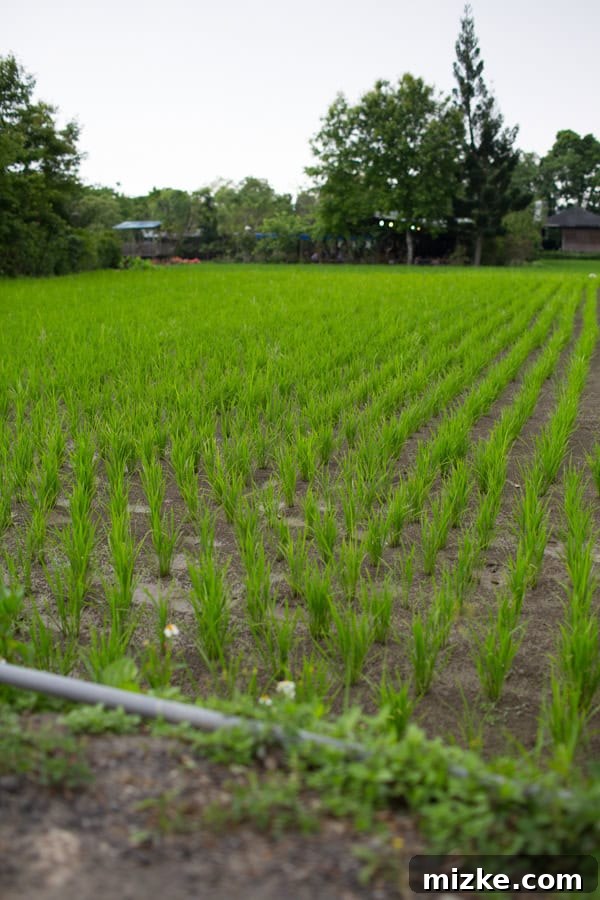
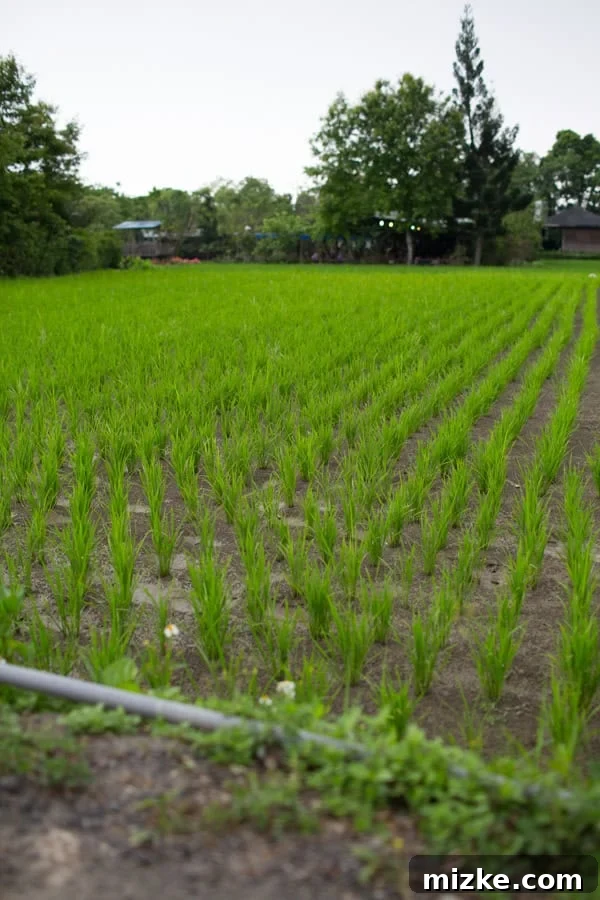
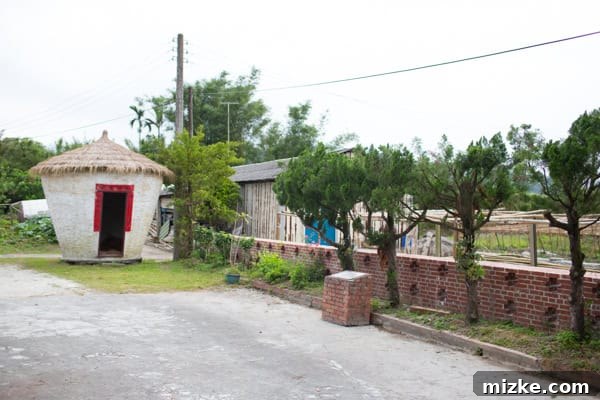
Among all the incredible experiences in Hsinchu, the most profound and meaningful was our visit to my great uncle’s rice farm. Tucked away in the serene countryside just outside Hsinchu, nestled near the majestic mountains, this farm is a testament to generations of hard work and dedication. For over 120 years, it has been the lifeblood of our family, a place where my maternal grandmother, along with her five siblings and my great uncle, grew up tending to the land.
My great uncle has poured his heart and soul into preserving and maintaining this ancestral land. The farm is not just a place of agriculture; it’s a living museum, a peaceful sanctuary that exudes a quiet beauty. It stands as a powerful reminder of Taiwan’s rich agricultural heritage and the enduring spirit of its people.
Beyond its family significance, the farm also offers daily tours, providing visitors with an immersive cultural experience. One of the highlights is the opportunity to participate in a traditional cooking method: preparing sweet potatoes and chicken in a unique hot rock fire pit. This rustic cooking technique offers a fascinating glimpse into how food was prepared in Taiwan before the advent of modern ovens, connecting visitors directly to an age-old culinary practice.
Ancient Culinary Traditions: The Rock Fire Pit Cooking Experience
The rock fire pit cooking experience at the farm is truly one-of-a-kind. It’s an engaging, hands-on process that combines natural elements with culinary skill. The first step involves carefully constructing a volcano-like structure using an array of sturdy rocks. This dome-shaped formation is essential for creating an efficient cooking chamber.

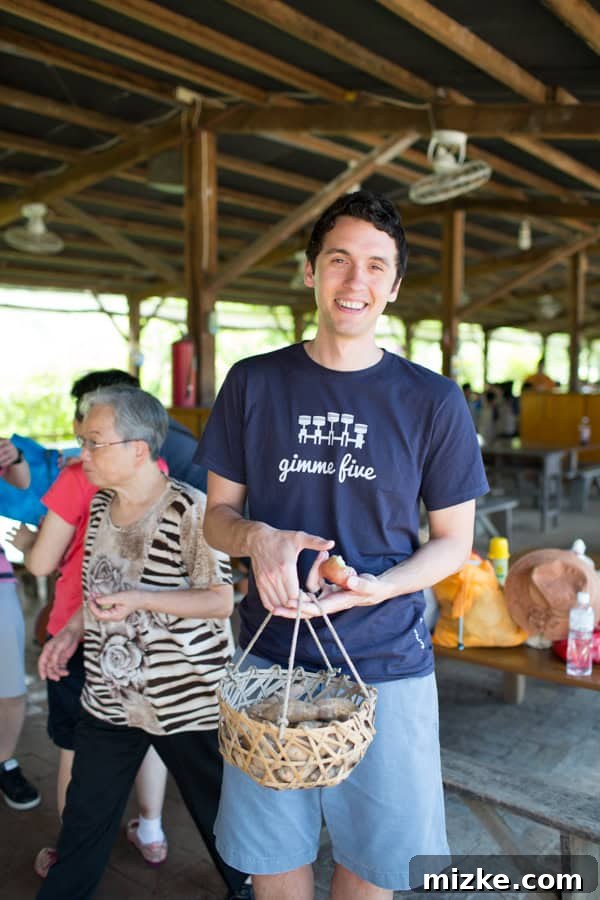
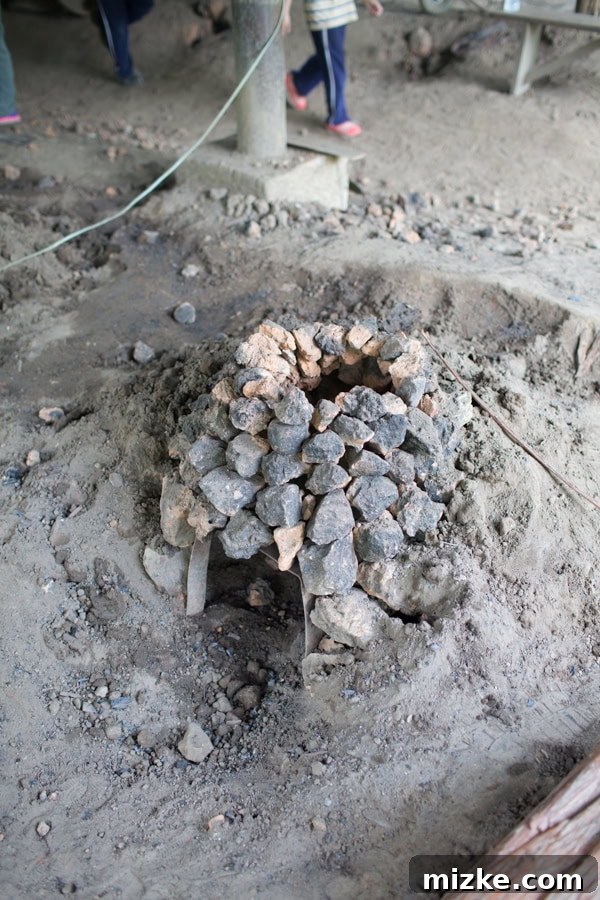
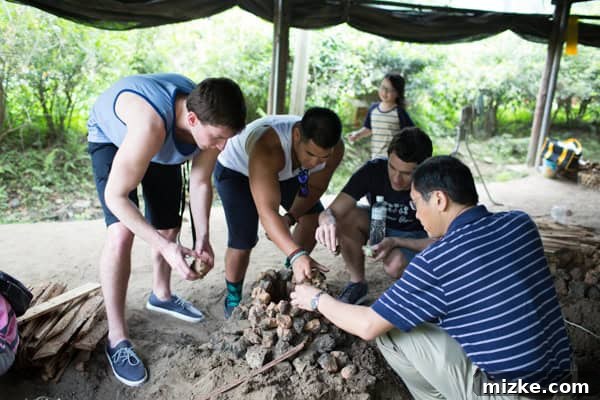
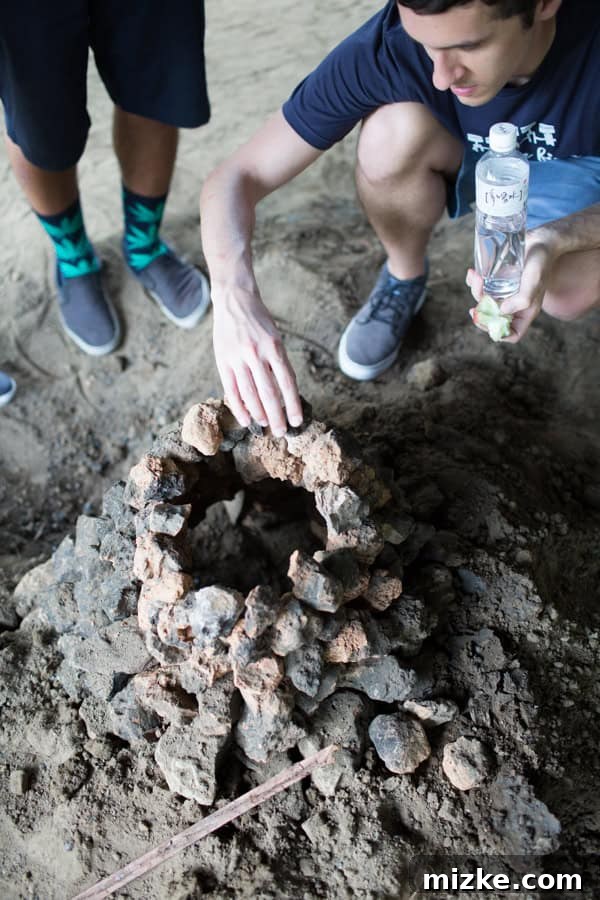
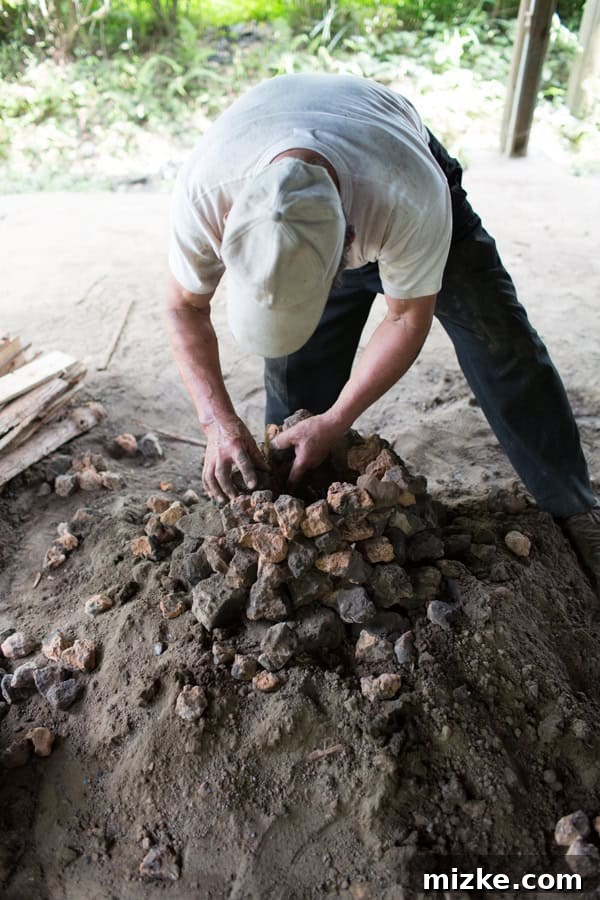
Once the rock dome is complete, pieces of wood are carefully placed underneath and ignited. The goal is to let the flames engulf the wood and heat the surrounding rocks intensely until they glow a vibrant red. This transformation signifies that the “oven” has reached the optimal temperature for cooking. At this crucial moment, marinated chicken and corn are skillfully introduced into the fiery pit.
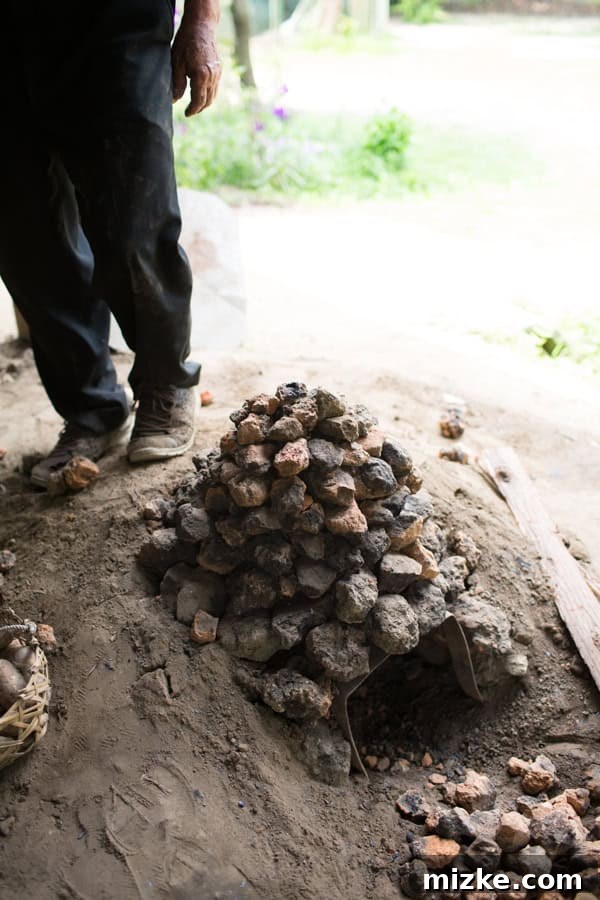
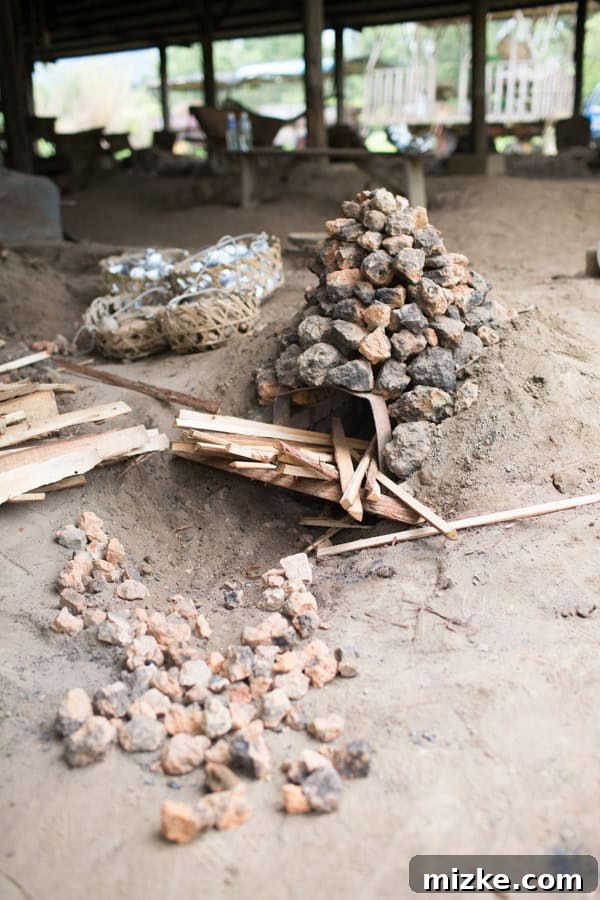
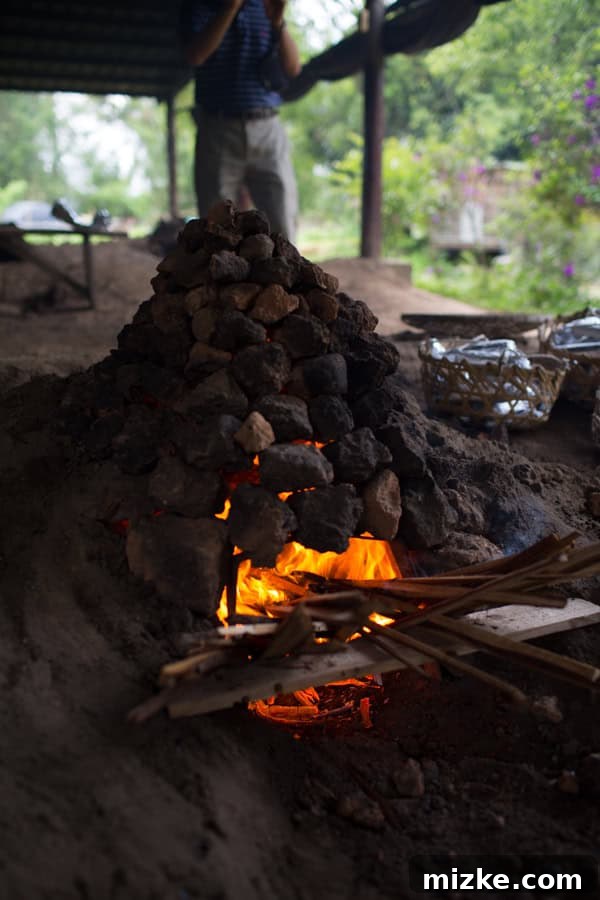
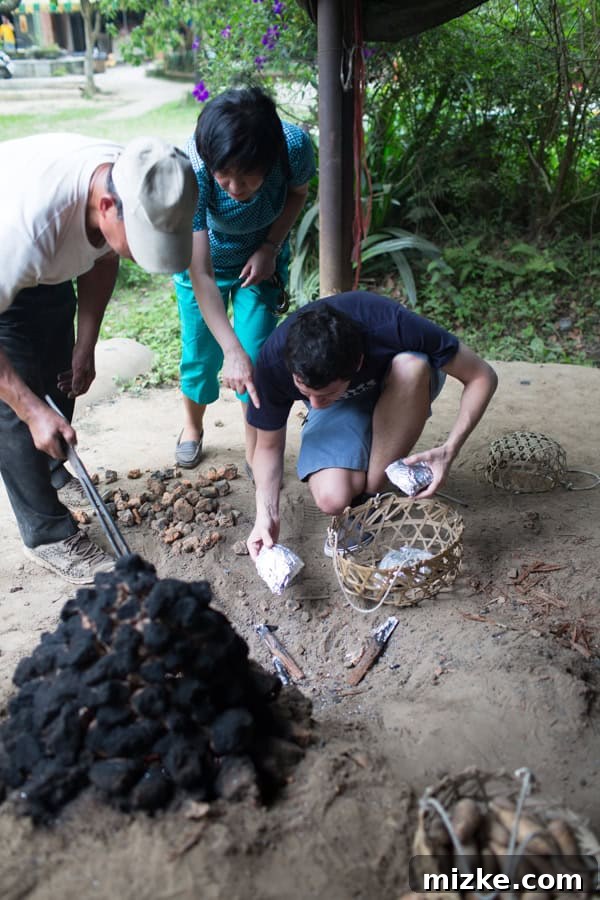
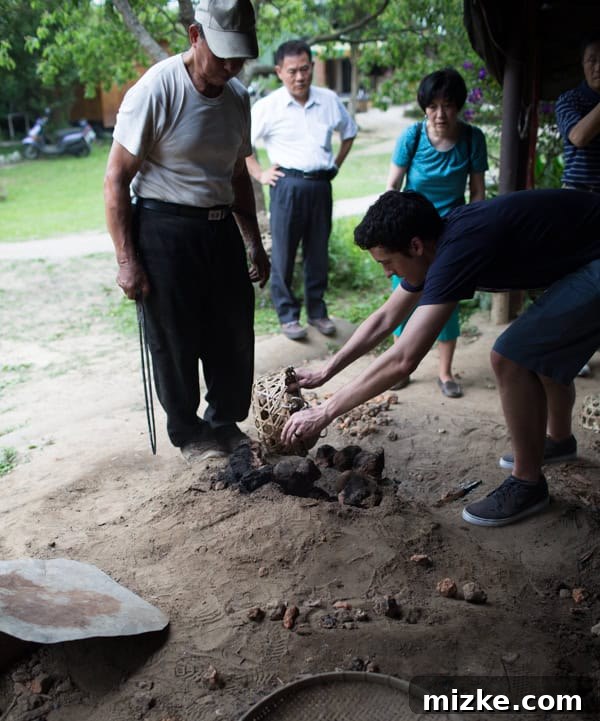
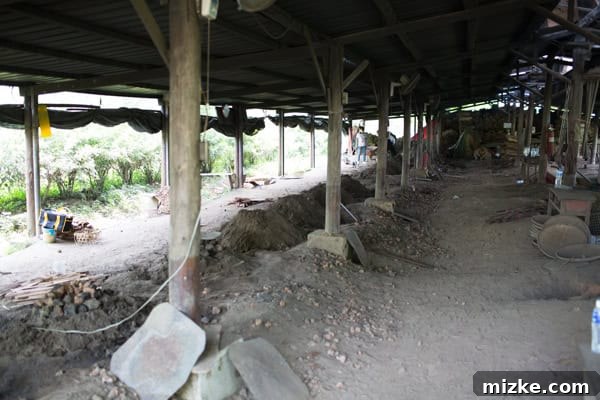
Following the addition of the chicken and corn, the entire rock structure is carefully dismantled, causing the superheated rocks to collapse onto the ingredients. Finally, the pit is covered with several layers of dirt, effectively creating an earth oven. This ingenious method allows the trapped heat from the rocks and soil to slow-cook the food to perfection. All the various mounds of dirt seen around the area hide delectable sweet potatoes, chicken, and corn slowly transforming into a feast. An hour of patient waiting is all it takes for these rustic culinary creations to be ready for enjoyment.
Exploring the Farm’s Heritage and Tools
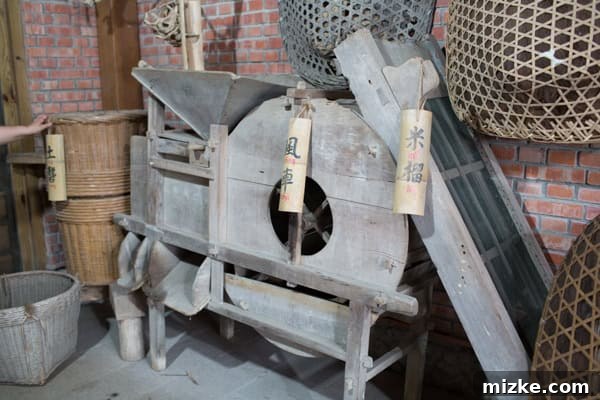
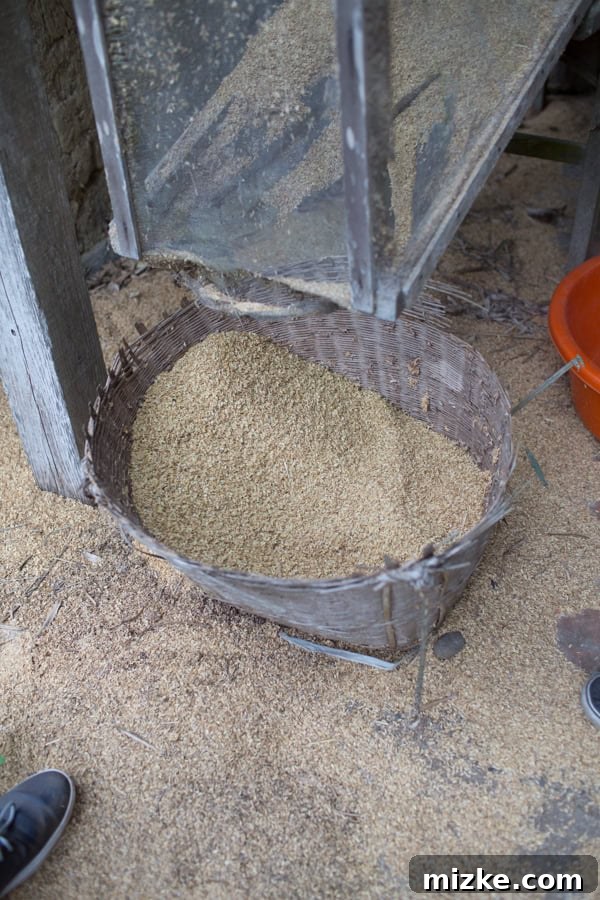
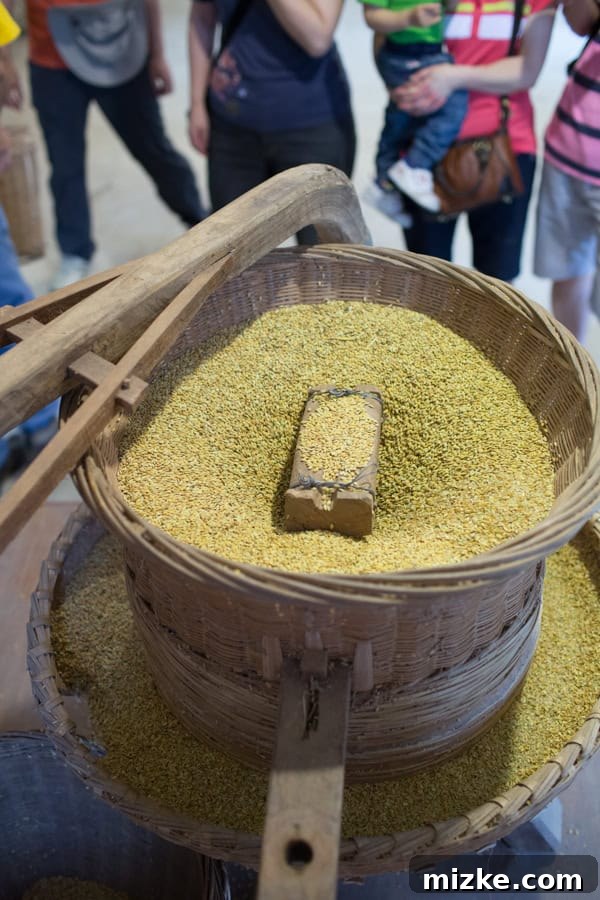
While the tantalizing aromas waft from the earth ovens, guests have the opportunity to explore the expansive farm. My great uncle has meticulously curated a small museum on the premises, showcasing the traditional attire worn by rice farmers in days gone by. This provides a tangible link to the labor-intensive history of rice cultivation. Additionally, the museum features truly ancient rice mills, allowing visitors to experience the manual process of shelling rice, an educational and engaging activity that highlights the ingenuity of past generations.
The Grand Reveal: A Feast from the Earth
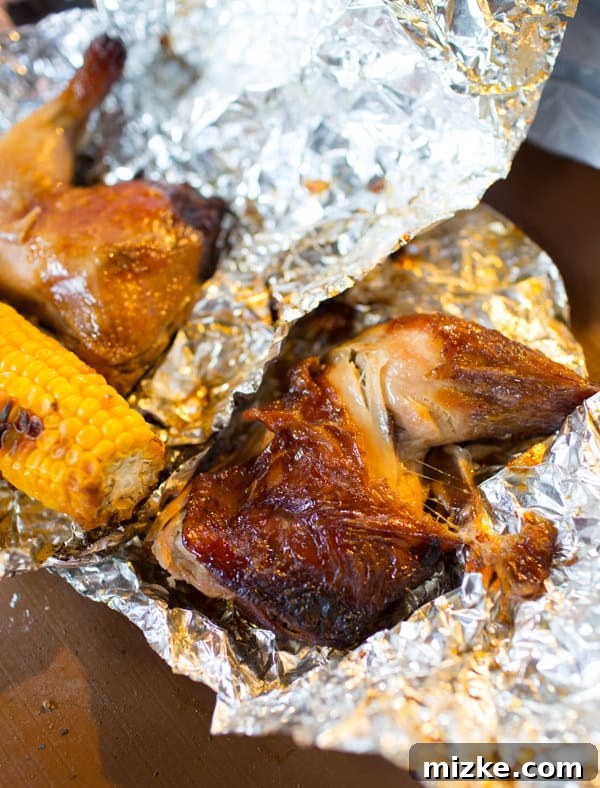
The hour of anticipation quickly passes, and then comes the moment of truth: unearthing the culinary treasures. The result is nothing short of spectacular! The chicken emerges incredibly tender and juicy, with a beautifully crisp skin, while the sweet potatoes are caramelized and wonderfully soft, imbued with the smoky essence of the earth oven. This ancient cooking method truly yields a distinct flavor profile that modern techniques simply cannot replicate. It’s a hearty, wholesome meal, born from the earth and fire, a testament to the simplicity and effectiveness of traditional Taiwanese cooking.
Nature’s Ephemeral Beauty: Hsinchu’s April Blooms
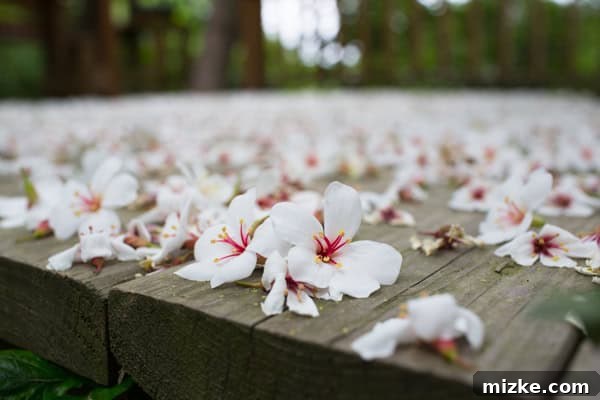
Beyond the culinary and cultural experiences, Hsinchu also offers moments of pure natural beauty. If you visit in April, you’ll be treated to a breathtaking sight: groves of trees on the mountainsides bursting with exquisite white flowers. These ephemeral blooms create a stunning contrast against the lush green landscape, painting the mountains in delicate shades of white and making for a truly picturesque view. It’s a beautiful reminder of Taiwan’s diverse flora and its seasonal wonders.
An Unexpected Discovery: Costco in Taiwan
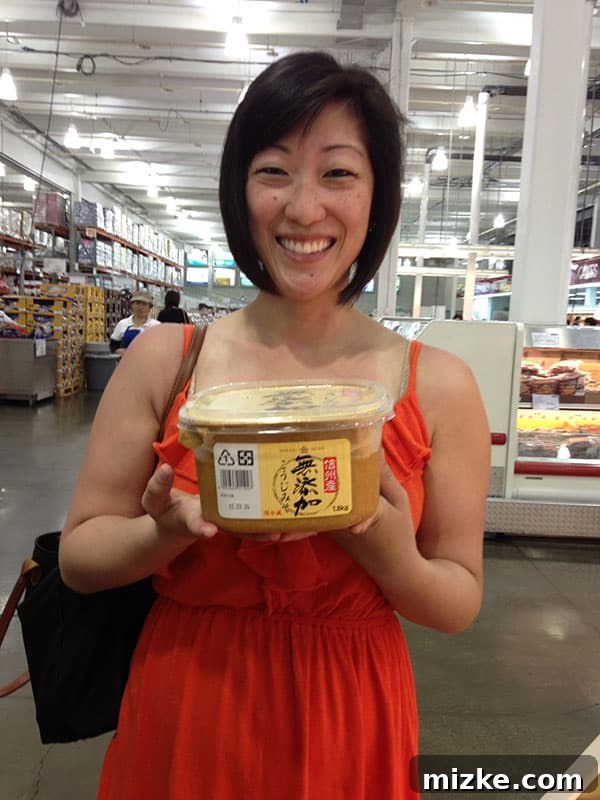
In a somewhat random yet utterly fascinating deviation from our cultural explorations, Jason and I decided to visit a Costco in Taiwan. Our curiosity was piqued: how would a global retail giant adapt to the unique preferences of the Taiwanese market? The answer was a delightful revelation: it was essentially an “Asian Costco,” a haven of bulk Asian products. For anyone who appreciates Asian cuisine and pantry staples, this was absolute heaven! From giant tubs of miso paste to vast selections of local snacks and ingredients, it was a truly unique shopping experience.
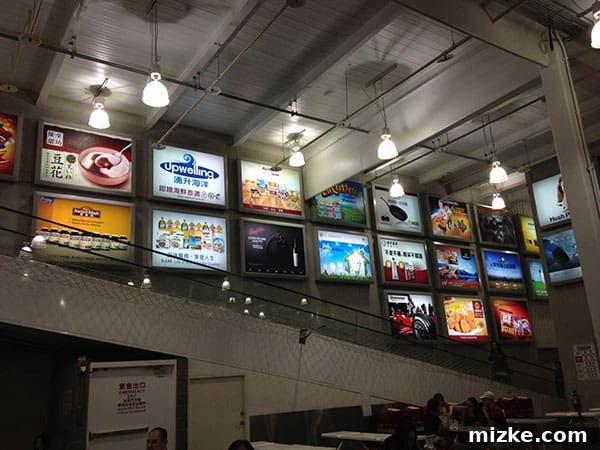
The differences weren’t limited to product offerings. Even the billboards and advertisements were uniquely tailored, reflecting local aesthetics and cultural nuances. But perhaps the most striking contrast was found in the food court. Gone were the familiar hot dogs and pizza slices; in their place, we discovered an exciting array of Taiwanese specialties, including savory Taiwanese sausages and refreshing shaved ice desserts. It was a clear demonstration of how a global brand can successfully integrate local flavors and preferences, creating an experience that is both familiar and distinctly Taiwanese. If only we had an “Asian Costco” back home; imagine the convenience of buying huge tubs of quality miso!
Concluding Our Taiwan Saga
Our journey through Hsinchu provided a fitting conclusion to our comprehensive Taiwan travel series. It was a captivating blend of modern innovation, deep-rooted family traditions, unforgettable culinary experiences, and charming natural beauty. Hsinchu, with its “windy” character, ancient farming practices, and surprising modern adaptations like its unique Costco, truly showcased the multifaceted charm of Taiwan. We hope this photo tour and narrative have inspired you to explore this incredible island, where every corner holds a new discovery. Taiwan is a country that captivates the senses and leaves an indelible mark on the heart, and we eagerly await our next visit.