
Homemade Tahini Sauce: Your Essential Guide to Fresh, Flavorful Hummus and Beyond
A simple, two-ingredient recipe for making the perfect base for hummus and a versatile addition to countless dishes.
In the expansive world of culinary delights, few ingredients boast the remarkable versatility and depth of flavor found in tahini. This seemingly simple sesame paste stands as a cornerstone of Middle Eastern and Mediterranean cuisine, celebrated for its uniquely creamy texture and distinct nutty profile. While many of us primarily associate tahini with the universally adored dip, hummus, its culinary potential extends far beyond. Imagine the rich, earthy undertones it contributes to vibrant salad dressings, the luscious body it lends to savory sauces, or even the surprising depth it brings to innovative sweet treats. For both health-conscious food enthusiasts and casual home cooks, tahini is undeniably a true pantry hero.
For a considerable time, I, much like countless others, relied on purchasing tahini from specialty stores, often at a premium cost. I distinctly recall a period when my perception of hummus was less than enthusiastic – envisioning it as merely a bland, pale paste that held little appeal. This sentiment persisted until a fortuitous encounter with a sample at a bustling warehouse club fundamentally shifted my perspective. That initial taste was a profound revelation – an incredibly creamy, savory, and utterly satisfying experience. From that pivotal moment, hummus transformed from an overlooked item into a cherished staple in my diet. It became abundantly clear that the secret to crafting truly outstanding, restaurant-quality hummus lay intrinsically within its tahini component.
The Secret Ingredient Unveiled: Why Homemade Tahini Reigns Supreme
While the convenience of store-bought tahini is undeniable, embarking on the journey of crafting your own at home offers unparalleled benefits that genuinely elevate your dishes. The profound difference between a mass-produced product and a meticulously prepared, freshly made batch is akin to comparing instant coffee with a gourmet, hand-breipped brew; the depth of flavor, vibrant freshness, and overall quality are simply in a league of their own. This straightforward process not only ensures the highest possible quality but also grants you absolute control over every ingredient, guaranteeing a pure, wholesome product free from any unwanted additives, emulsifiers, or questionable preservatives often found in commercial varieties.
Unbeatable Freshness and Profound Flavor
The foremost advantage of homemade tahini is its incredible, vibrant freshness. Sesame seeds, when meticulously toasted and freshly ground, unlock and release their most aromatic oils and potent nutty essence. This results in a tahini that is exponentially more fragrant, richer, and ultimately more flavorful than its shelf-stable counterparts, which can sometimes develop a subtly bitter or stale undertone over extended storage. When your tahini is crafted fresh, every dish it touches – be it hummus, vibrant dressings, or innovative culinary creations – will taste noticeably brighter, more authentic, and deeply satisfying.
Remarkably Cost-Effective and Exceptionally Convenient
Another compelling reason to embrace the world of homemade tahini is the substantial cost savings it offers. Specialty ingredients, particularly those foundational to international cuisines, can frequently come with a significant price tag, and high-quality tahini is certainly no exception. A modest jar from a gourmet or health food store can surprisingly deplete your budget. By intelligently purchasing raw sesame seeds in bulk from reputable sources, you gain the ability to produce a generous amount of tahini for merely a fraction of the cost. Furthermore, the inherent ease of making it yourself means you possess the flexibility to prepare smaller, custom-sized batches as and when needed, effectively preventing food waste and ensuring you consistently have fresh tahini on hand without the need for a special, often costly, trip to a specialty store.
Complete Control Over Every Ingredient
The beauty of making tahini at home is the absolute transparency regarding its composition: just high-quality sesame seeds and a touch of chosen oil. This eliminates any lingering concerns about hidden sugars, unnecessary emulsifiers, or potentially questionable oils often integrated into commercially processed versions. For individuals with specific dietary restrictions, sensitivities, or precise health goals, this level of ingredient transparency is truly invaluable. Moreover, you are empowered to meticulously select the quality and type of your sesame seeds and olive oil, further customizing your tahini to perfectly match your preferred flavor profile and desired nutritional criteria.
Mastering the Art of Homemade Tahini: A Simple Two-Ingredient Recipe
The notion of crafting your own tahini might initially sound somewhat daunting, but in reality, it is remarkably straightforward, requiring minimal effort and just two fundamental ingredients. The process elegantly harnesses the power and efficiency of your food processor to transform humble sesame seeds into an exquisitely silky, lusciously creamy paste. This recipe is meticulously designed to help you achieve that perfect, desirable balance of intense nutty flavor and a smooth, pourable consistency, making it an absolutely ideal foundation for any culinary creation that calls for the unique character of tahini.

Homemade Tahini Sauce
By: Julie Chiou
Homemade Tahini Sauce is crafted with just two incredibly simple ingredients! Master this quick and easy method to prepare your own authentic tahini, perfect as the creamy base for the most exquisite hummus and a multitude of other delectable recipes.
Equipment
- Food processor (a high-powered model is recommended for best results)
- Dry skillet or frying pan
- Heat-resistant spatula or spoon for stirring
- Airtight container for storage
Ingredients
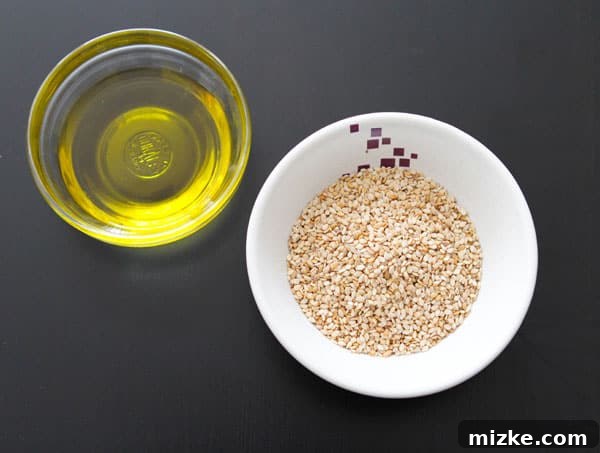
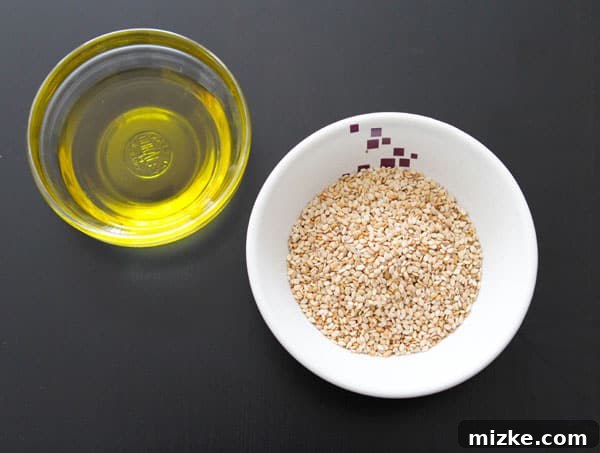
- ½ cup (approximately 118 g) white, unhulled sesame seeds
- Olive oil (extra virgin or a lighter variety, as preferred), approximately 3-6 tablespoons, or as needed to achieve desired consistency
Instructions
- Toast the Sesame Seeds: Begin by placing the white, unhulled sesame seeds in a dry (un-oiled) skillet over a low to medium-low heat setting. Gently toast the seeds for a duration of 10-15 minutes. It is crucial to stir the seeds frequently and carefully throughout this process to ensure even toasting and to prevent any burning. The objective is to achieve a beautiful light golden color and a fragrant, intensely nutty aroma; avoid allowing them to turn dark brown, as this will result in bitterness. This toasting step is absolutely crucial for fully developing the deep, rich, and complex flavor profile of your homemade tahini.
- Allow to Cool Completely: Once the sesame seeds are perfectly toasted, immediately transfer them from the hot skillet and spread them out evenly on a clean plate or a baking sheet. Allow them to cool down completely, which typically takes approximately 10-15 minutes. Ensuring they are fully cooled before proceeding to the food processor is vital for a smooth blending process and helps to prevent the tahini from overheating during processing, which can affect its final texture and flavor.
- Initial Processing into Paste: Carefully transfer the completely cooled sesame seeds into the bowl of your food processor. Begin processing the seeds on a high setting. Initially, they will transform into a coarse, crumbly meal, then gradually begin to clump together. After about 1-2 minutes of continuous processing, with the food processor still running, drizzle in an initial 3 tablespoons of olive oil. This oil will act as a lubricant, helping to initiate the transformation into a smooth paste. Continue processing, making sure to periodically stop and scrape down the sides of the bowl with a spatula to ensure all seeds are incorporated evenly.
- Achieve Desired Creamy Consistency: As the food processor continues to run, the mixture will steadily transform into a thicker, more uniform paste. Continue to gradually drizzle in additional olive oil, adding it one tablespoon at a time, until the mixture becomes wonderfully smooth, lusciously creamy, and reaches your desired liquid paste consistency. The tahini should be easily pourable but not excessively thin or watery. The total quantity of olive oil required may vary slightly depending on the specific power of your food processor and the inherent dryness of your particular batch of sesame seeds. Continue to process for a total duration of 5-10 minutes (or even longer if using a less powerful machine) until the tahini is perfectly smooth, velvety, and without any gritty texture.
- Storage: Once your fresh tahini sauce is prepared to perfection, transfer it into a clean, airtight container. It can be safely stored, covered, in the refrigerator for a period of several weeks, maintaining its exceptional freshness and robust flavor. If it thickens in the fridge, simply stir it well before use, or add a tiny bit of warm water or oil to loosen it.
Nutrition Information (Approximate per serving)
This nutrition information is provided for convenience and as a courtesy only. Nutritional values can exhibit significant variation based on specific ingredient brands, exact quantities used, and individual preparation methods. For the most precise and accurate nutritional data, we strongly recommend utilizing your preferred nutrition calculator based on the actual ingredients you personally used in this recipe.
- Calories:
- 430 kcal
- Carbohydrates:
- 18g
- Protein:
- 13g
- Fat:
- 37g
- Saturated Fat:
- 5g
- Polyunsaturated Fat:
- 16g
- Monounsaturated Fat:
- 14g
- Sodium:
- 8mg
- Potassium:
- 351mg
- Fiber:
- 9g
- Sugar:
- 0.2g
Essential Tips for Perfecting Your Homemade Tahini Every Time
While the recipe itself is remarkably simple, adhering to a few key pointers can significantly enhance your chances of producing exceptionally creamy, flavorful, and perfectly textured tahini every single time:
- Do Not Skip the Toasting Step: Toasting is not merely an optional step; it is absolutely essential. This process is crucial for awakening and releasing the natural oils within the sesame seeds, which in turn deepens and intensifies their nutty flavor. However, exercise extreme vigilance during toasting! Sesame seeds have a tendency to burn very quickly, and unfortunately, burnt seeds will impart an unpleasant, bitter taste to your tahini. Aim for a beautiful, light golden color and a fragrant, warm aroma as your primary cues for doneness.
- Ensure Complete Cooling: Processing sesame seeds while they are still warm or hot can negatively impact the final texture of your tahini, potentially leading to a grainy result. Furthermore, hot ingredients can sometimes strain or even damage your food processor. Always ensure the toasted seeds are entirely cooled to room temperature before transferring them to the blender or food processor.
- Cultivate Patience with Processing: Transforming whole sesame seeds into a silky-smooth paste takes a dedicated amount of time and patience. Do not rush this crucial step. Allow your food processor to run continuously for several minutes, stopping periodically to scrape down any seeds that cling to the sides of the bowl. The longer and more consistently you process the mixture, the smoother, creamier, and more wonderfully fluid your tahini will ultimately become. This extended blending time is key to breaking down the cell walls of the sesame seeds and releasing their natural oils.
- Add Oil Gradually and Adjust as Needed: The amount of olive oil specified in the recipe is an excellent starting point, but it should be considered approximate. Begin with the recommended initial amount, then proceed to add more oil in very small increments (half a tablespoon to a full tablespoon at a time) until you achieve precisely your desired consistency. Be aware that different models of food processors and even distinct batches of sesame seeds can demand slightly varying amounts of oil. Trust your judgment and the texture you are aiming for.
- Utilize a High-Powered Food Processor for Best Results: While a standard food processor will certainly accomplish the task, a high-powered model will undoubtedly yield a significantly smoother, more velvety texture in a much shorter timeframe. If you are using a less powerful food processor, be mindful to give it occasional breaks to prevent it from overheating, especially during extended processing times.
Beyond Hummus: Exploring the Versatile Uses for Homemade Tahini
Once you have successfully prepared a fresh batch of exquisite homemade tahini, you will quickly discover an astonishing array of ways to seamlessly incorporate this versatile ingredient into your daily cooking. Its unique, complex flavor profile and inherently creamy texture make it an incredibly adaptable and indispensable component in a wide variety of culinary applications:
- Dressings and Flavorful Sauces: Whisk tahini vigorously with fresh lemon juice, a touch of water, minced garlic, and a pinch of salt to effortlessly create a simple yet profoundly tangy and rich dressing. This is perfect for elevating salads, enhancing roasted vegetables, or serving alongside crispy falafel. It also forms the authentic and foundational base for classic Middle Eastern sauces such as Tarator.
- Nutritious Dips and Spreads: Beyond its iconic role in hummus, tahini shines brilliantly in other delightful preparations. It is an excellent addition to creamy baba ghanoush, or can simply be thinned with a little water and fresh lemon juice to create a quick, wholesome dip for warm pita bread, crisp vegetable sticks, or even as a unique spread for sandwiches. For a surprisingly delicious and nutritious snack, spread it on toast and drizzle with a touch of local honey or rich date syrup.
- Tenderizing Marinades: Expertly incorporate tahini into your marinades for chicken, succulent fish, or firm tofu. It not only aids in tenderizing the protein but also imparts a wonderfully complex, nutty, and earthy flavor that permeates the dish.
- Innovative Baking and Decadent Desserts: Tahini lends an unexpected yet deeply satisfying rich, earthy, and slightly bitter note to a variety of sweet treats. Experiment with adding it to your favorite cookie recipes, fudgy brownies, or traditional halva. A generous drizzle over creamy yogurt with fresh fruit can transform a simple snack into an elegant dessert.
- Healthy Smoothies: A single tablespoon of tahini can effortlessly elevate your morning smoothie by adding a beneficial boost of healthy fats, essential protein, and a luxurious, creamy texture, making your breakfast both more satisfying and nutritious.
The Nutritional Powerhouse: Unveiling the Health Benefits of Tahini
Tahini is not merely a delicious culinary ingredient; it is also a concentrated powerhouse of nutritional benefits, contributing significantly to a balanced diet. Derived entirely from finely ground sesame seeds, it serves as an exceptional source of healthy fats, notably including beneficial monounsaturated and polyunsaturated fats, which are widely recognized for their positive impact on cardiovascular health. Furthermore, tahini delivers a substantial amount of plant-based protein, dietary fiber, and a remarkable array of essential minerals such as calcium, magnesium, iron, zinc, and phosphorus. Regularly incorporating tahini into your diet can actively contribute to sustained energy levels, promote improved digestive health, support robust bone strength, and provide vital antioxidants. It’s a small addition with a big impact on your overall well-being.
Embracing the practice of making homemade tahini represents a small yet profoundly impactful step that yields significant culinary rewards in your kitchen. From dramatically enhancing the flavor and texture of your cherished homemade hummus to unlocking an entire world of new and exciting culinary possibilities, this straightforward, two-ingredient recipe is a true game-changer. Bid farewell to the often expensive and less vibrant store-bought versions and wholeheartedly welcome the fresh, intensely flavorful, and authentically pure taste of tahini crafted with your very own hands. Both your discerning taste buds and your thoughtful wallet will undoubtedly express their gratitude.