
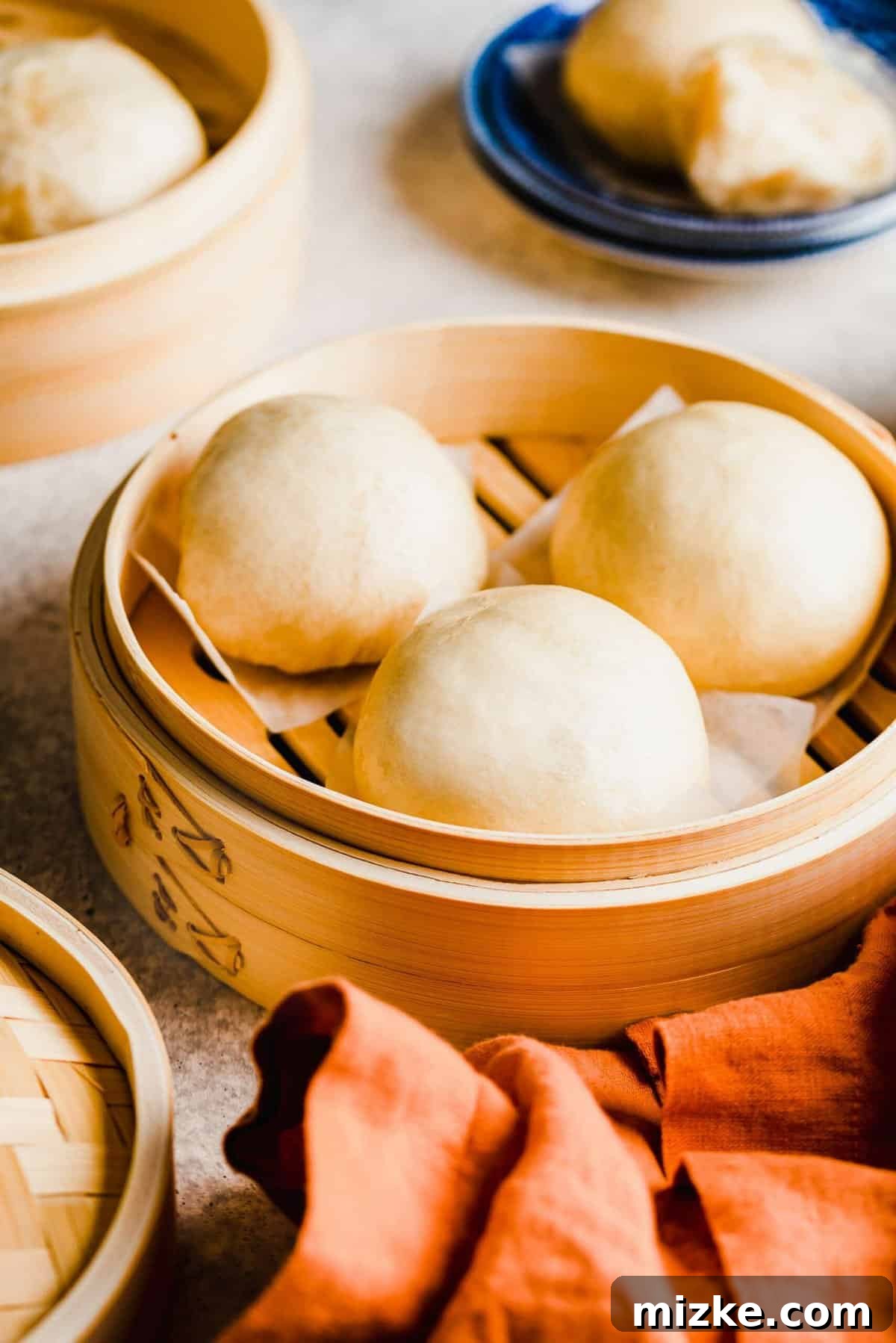
Experience the unparalleled delight of homemade Chinese steamed buns, also known as Mantou. These light, airy, and wonderfully fluffy bread rolls are a staple across Asia, offering a subtly sweet and incredibly satisfying bite. Forget the dry, bland versions found in the frozen aisle; this easy recipe uses just 5 simple ingredients to bring authentic, warm, and pillowy perfection straight to your kitchen. Perfect on their own as a comforting snack or as an ideal companion to your favorite savory dishes, these Mantou are not just food—they’re an experience waiting to be savored.
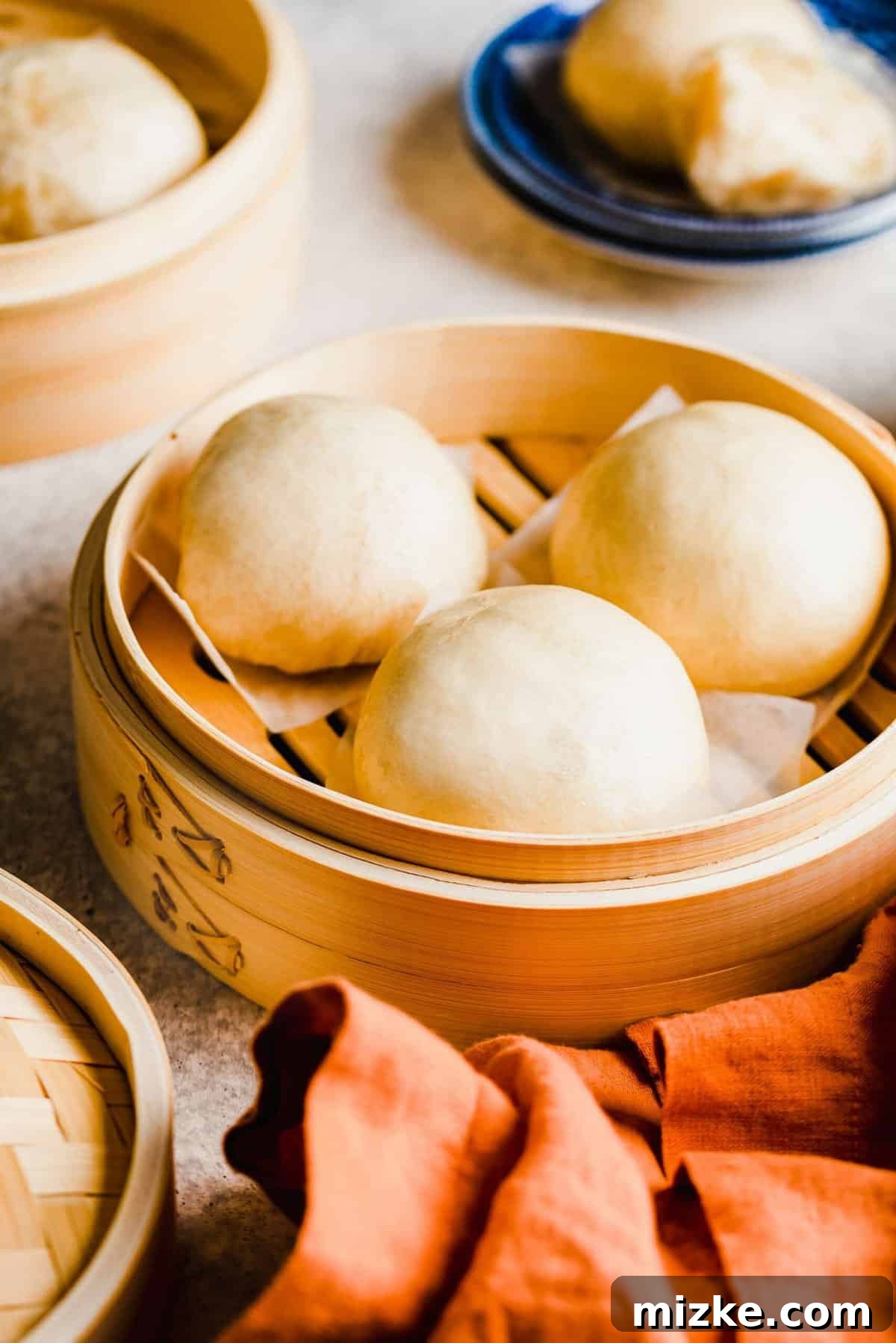
Mantou, or Chinese steamed buns, hold a cherished place in Asian cuisine, especially prominent in Northern China and widely beloved in regions like Taiwan. Throughout Taiwan, the aroma of freshly steamed Mantou often wafts from street vendors and bakeries, offering a warm, comforting treat at any time of day. This ubiquitous presence of fresh, hot buns stands in stark contrast to what’s often available in Western supermarkets, where you might only find pre-packaged, frozen versions that unfortunately fall short of the true, authentic experience. The convenience of frozen buns can’t replicate the delicate texture and subtle sweetness of a bun made from scratch.
This is precisely why mastering the art of homemade Mantou is so rewarding. With only five fundamental ingredients, you can effortlessly create a batch of incredibly warm, fluffy, and richly textured buns that far surpass any store-bought alternative. Whether enjoyed as a delightful standalone snack, slathered with a pat of butter, or served alongside a hearty Chinese entrée, these steamed buns promise a unique, fun, and utterly mouth-watering culinary adventure right in your home kitchen. They embody simplicity and comfort, making them a favorite for both novice and experienced home cooks alike.
Why You’ll Fall in Love with These Homemade Chinese Steamed Buns
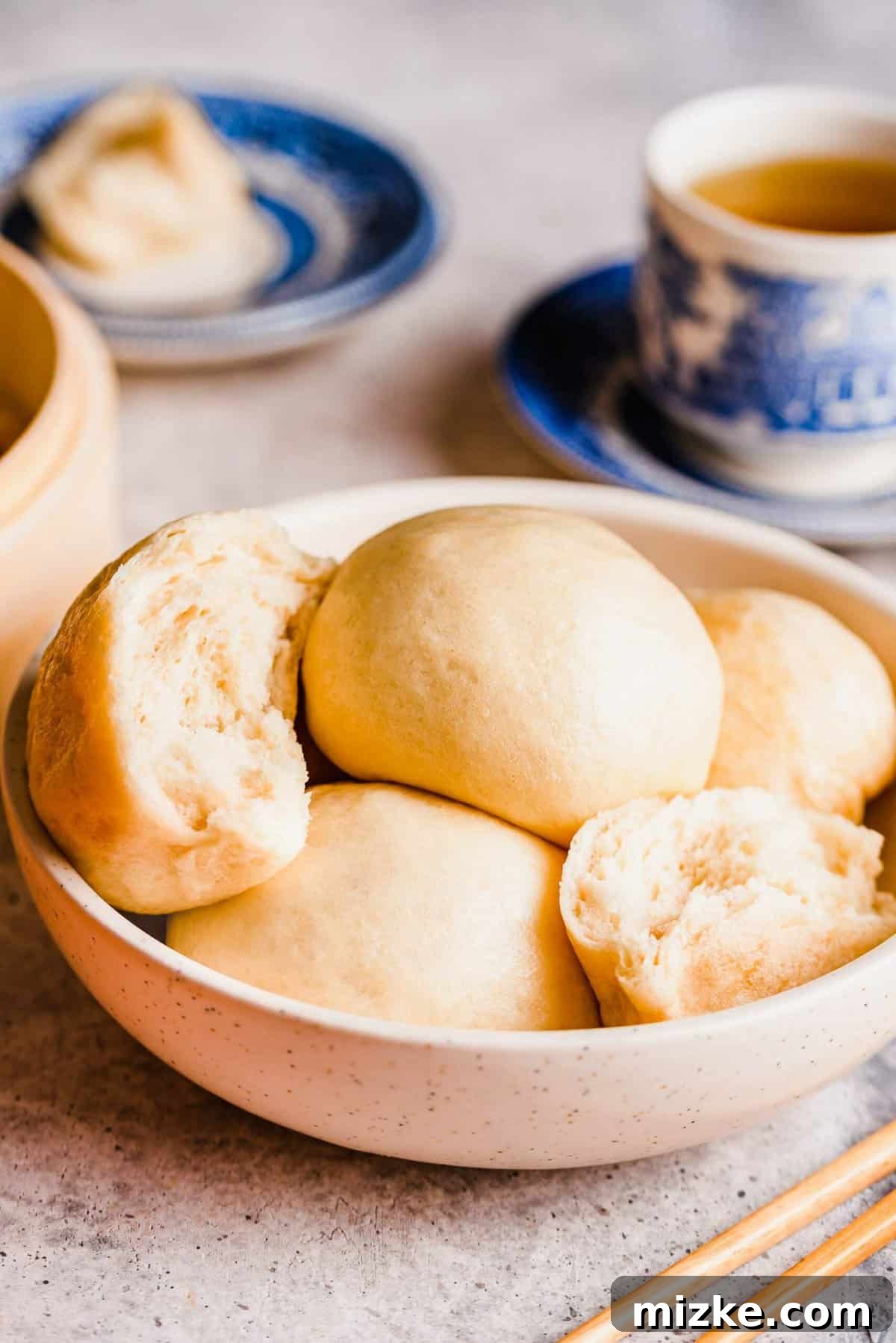
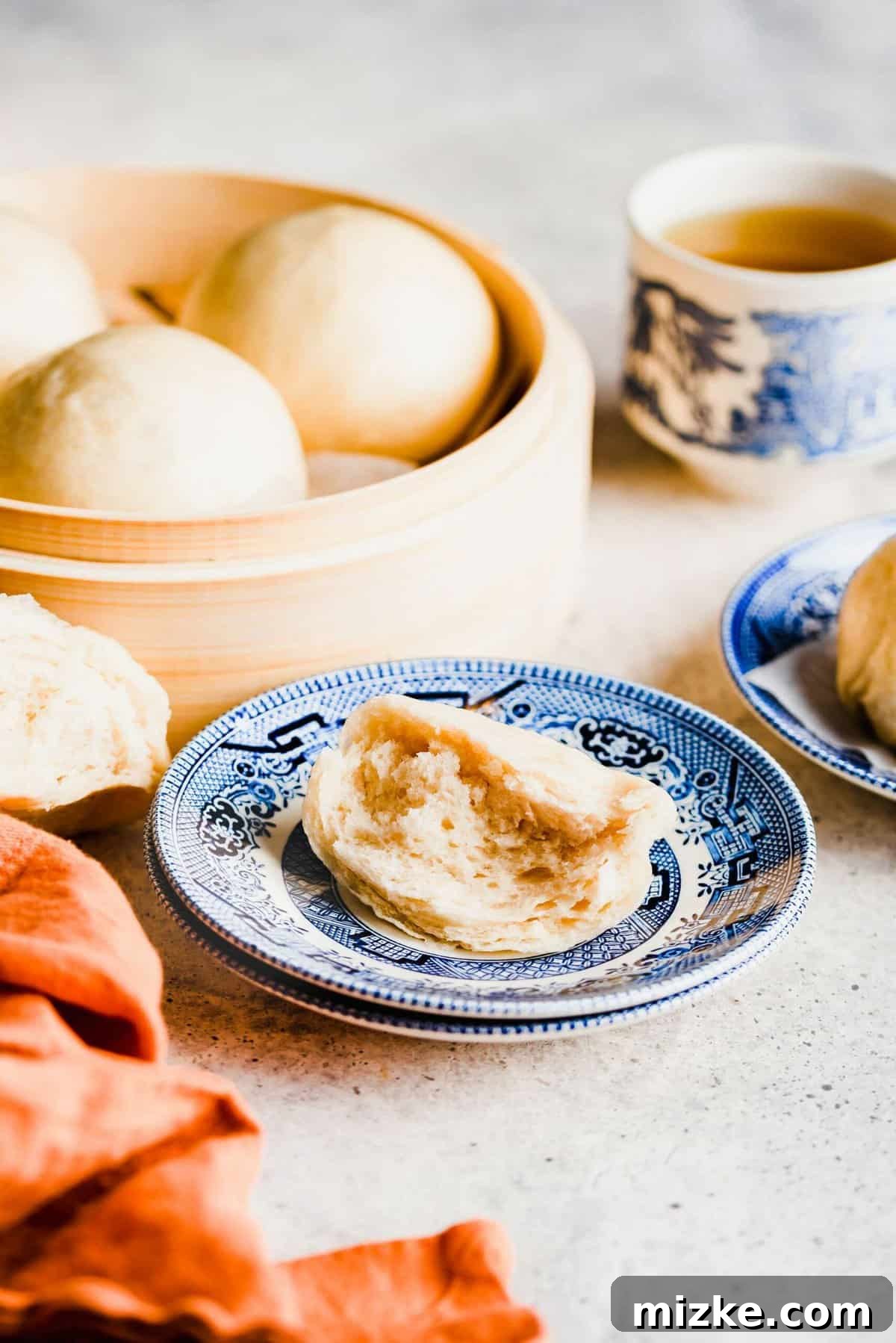
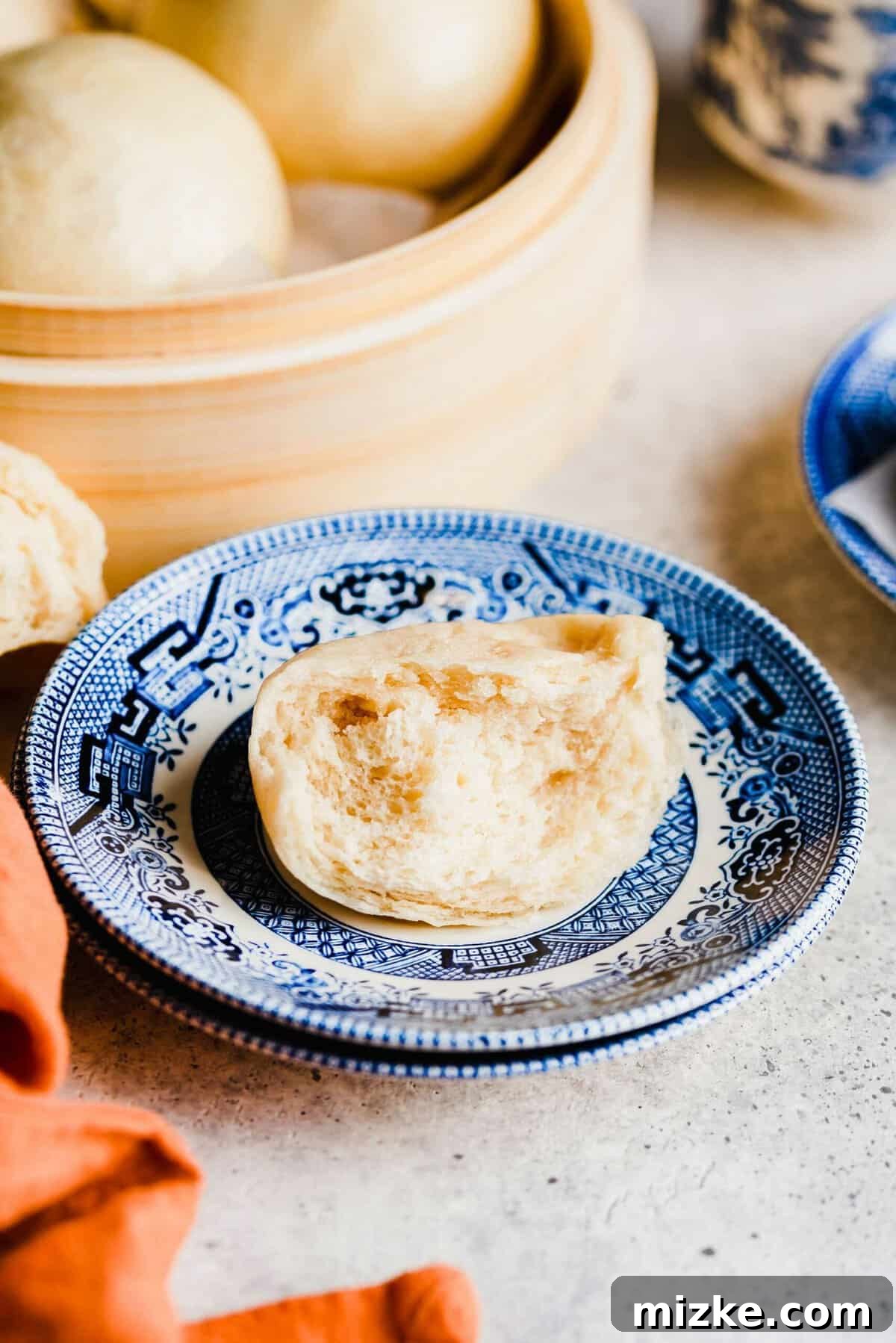
These Mantou strike a perfect balance of sweetness that sets them apart. They offer a gentle hint of sugar, significantly less pronounced than a typical pastry, yet notably sweeter and more flavorful than a conventional dinner roll. This subtle sugary essence, combined with their remarkably airy, cloud-like, and pillowy consistency, creates an authentic Chinese steamed bun that is an absolute joy to eat. Each bite delivers a tender chewiness that melts in your mouth, leaving a comforting warmth and a delicate, satisfying flavor.
Their light and delicate nature means they’re never heavy or overly filling, making them incredibly easy to enjoy—perhaps even a few more than you originally intended! Furthermore, the simplicity of this recipe ensures that the entire process, from mixing to steaming, is surprisingly straightforward and enjoyable. You’ll be amazed at how effortlessly you can achieve bakery-quality steamed buns that will impress family and friends alike. It’s a truly gratifying experience to create something so delicious and authentic with such minimal effort.
Essential Ingredients for Perfect Mantou
One of the most appealing aspects of this Mantou recipe is its short and accessible ingredient list. You likely already have most of these staples in your pantry! Each ingredient plays a vital role in achieving the signature light and fluffy texture, so let’s delve into why each one is essential. You’ll find the precise quantities for each ingredient in the detailed recipe card at the bottom of this page.
- All-purpose flour: This forms the foundational structure of our buns. All-purpose flour provides the right balance of gluten content to give the Mantou their desirable chewiness and elasticity, without making them too dense. While other flours can be used for variations, all-purpose is perfect for classic, light buns.
- Yeast: The magical leavening agent responsible for the buns’ incredible rise and airy texture. Active dry yeast or instant yeast will work; if using active dry, ensure it’s properly bloomed in warm liquid before mixing with dry ingredients. This step ensures your buns achieve maximum fluffiness.
- Water: The primary liquid component that hydrates the flour and activates the yeast. Warm water (around 105-115°F or 40-46°C) is crucial for yeast activity. For a slightly richer, creamier, and more tender bun, you can substitute milk for water. Milk adds a subtle sweetness and richness, enhancing the overall flavor and texture.
- Vegetable oil: A neutral-flavored oil, such as canola, sunflower, or grapeseed oil, is added to the dough to contribute to its softness and moisture. Oil helps create a more tender crumb, prevents the buns from drying out, and ensures a smooth, pliable dough that’s easy to work with.
- Granulated sugar: Beyond just adding sweetness, sugar plays a critical role in feeding the yeast, helping it to activate and produce carbon dioxide, which creates those lovely air pockets. It also contributes to the slight golden hue and delicate flavor of the steamed buns. The amount used here provides just the right touch of subtle sweetness.
How to Craft These Moist and Fluffy Chinese Steamed Buns
Making Mantou from scratch is a deeply rewarding process that yields tender, flavorful results far superior to store-bought versions. Follow these detailed steps to create your own batch of perfectly moist and fluffy steamed buns.
- Combine the dry ingredients: In a large mixing bowl, measure out your all-purpose flour, granulated sugar, and yeast. Whisk these dry ingredients together thoroughly. This ensures an even distribution of the yeast and sugar throughout the flour, which is essential for uniform rising and flavor.
- Add the wet ingredients and form the dough: Pour the vegetable oil into the dry mixture and mix it in gently. The flour will take on a slightly crumbly texture. Next, create a shallow well in the center of your dry ingredients. Slowly pour the warm water (or milk) into this well. Begin mixing from the center outwards, gradually incorporating the flour until a shaggy dough forms. Continue mixing until the dough comes together into a cohesive ball. If using a stand mixer, simply combine all ingredients in the bowl and use the dough hook attachment.
- Knead the dough: Turn the dough out onto a lightly floured surface. Knead vigorously for 15-20 minutes. This is where you can truly get physical with the dough! Unlike some delicate bread doughs, Mantou dough benefits greatly from firm handling, punching, and even throwing. This aggressive kneading develops the gluten, which is crucial for achieving the characteristic chewy yet light and airy texture. The dough should become smooth, elastic, and less sticky.
- First Rise (Bulk Fermentation): After kneading, shape the dough into a smooth ball. Lightly grease a large bowl with a little oil to prevent sticking. Place the dough ball in the oiled bowl, turning it once to coat. Cover the bowl snugly with a damp kitchen towel or plastic wrap. Find a warm, draft-free spot (around 75-85°F or 24-29°C) and let the dough rise for approximately 3 hours, or until it has doubled in size. This slow rise is key for developing flavor and texture.
- Shape the buns: Once the dough has risen, gently punch it down to release the air. Turn it out onto a lightly floured surface. You can roll the dough into a long log and divide it into equal portions, or simply form individual balls directly. For traditional Mantou, aim for smooth, round balls. Place each shaped dough ball onto an individual square of parchment paper. The parchment paper prevents sticking to the steamer and makes them easy to handle.
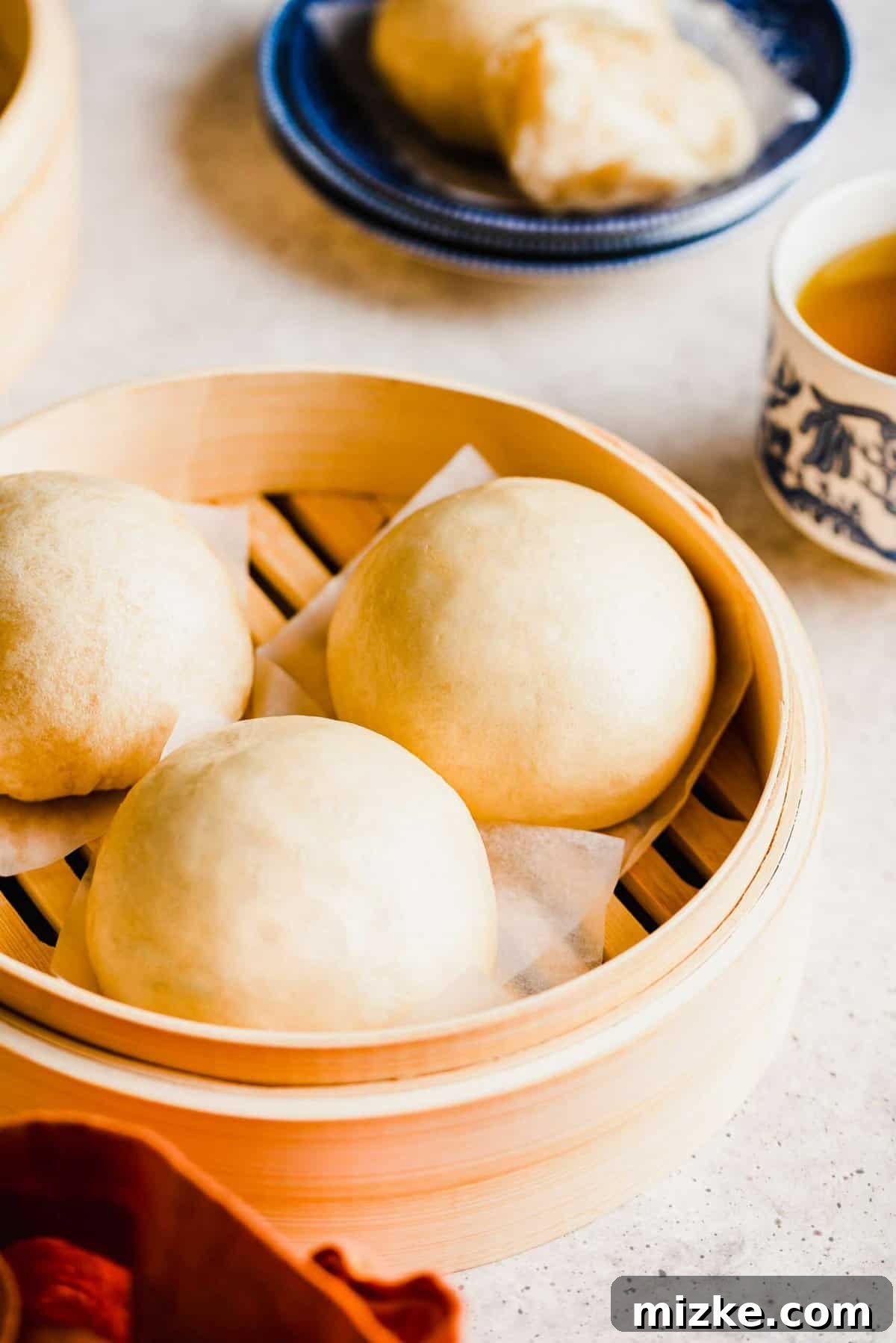
- Second Rise (Proofing/Resting): Arrange the shaped dough balls, still on their parchment paper squares, in your steamer basket. Ensure there is ample space between each bun, as they will expand further. Cover the steamer with its lid (or a damp towel) and let the dough balls rest for at least 20 minutes, ideally 40 minutes. This second, shorter rise is called proofing and helps achieve maximum fluffiness and an open crumb structure.
- Steam to perfection: Once proofed, ensure your steamer is ready with boiling water. Carefully place the steamer basket containing the buns over the vigorously boiling water. Steam for about 20 minutes. Resist the urge to lift the lid during steaming, especially in the first 10-15 minutes, as the sudden drop in temperature can cause the buns to collapse. The buns are ready when they appear puffy, light, and cooked through, with a soft, slightly resilient exterior.
Expert Tips for Mantou Mastery
Achieving perfectly light and fluffy Mantou is simple with a few insider tricks. These tips will help you navigate the process like a pro, ensuring your steamed buns are consistently delicious and beautifully textured.
- Utilize a damp towel for rising: Given that Chinese steamed buns require a significant rising period, it’s crucial to prevent the dough from drying out and forming a crust. I highly recommend covering your bowl or steamer basket with a slightly damp kitchen towel. To prepare it, simply get a clean kitchen towel wet, then wring it out thoroughly until it’s just barely moist, not dripping. This provides a humid environment that keeps the dough supple and prevents a dry surface, allowing for a better rise.
- Lightly oil the rising bowl: Before placing your freshly kneaded dough into a bowl for its first rise, coat the interior of the bowl with a thin layer of vegetable oil. This small step is invaluable for preventing the dough from sticking to the sides of the bowl as it expands. Not only does it make transferring the risen dough much easier, but it also ensures that you don’t tear or deflate the delicate structure that has formed during fermentation.
- Embrace aggressive kneading: Many bread recipes call for a gentle, almost meditative kneading technique, but Mantou dough is a wonderful exception. When it comes to kneading Chinese steamed bun dough, don’t be afraid to be firm and even a little rough! Vigorous kneading—punching, stretching, and even lightly slamming the dough—is highly beneficial. This aggressive action helps to quickly and effectively develop the gluten structure, which is vital for the buns’ signature chewy-yet-tender texture and airy crumb. It’s a fantastic way to relieve stress while simultaneously creating the best possible dough!
- Don’t peek during steaming: It can be tempting to lift the lid of your steamer to check on the buns, but resist the urge, especially during the first 10-15 minutes of steaming. A sudden drop in temperature caused by opening the lid can lead to the buns collapsing or becoming dense and wrinkly. Trust the process! Keep the lid on tightly until the full steaming time is complete.
- Ensure even heat distribution: If using a multi-tiered bamboo steamer, rotate the tiers halfway through the steaming process to ensure all buns receive even heat and steam, resulting in a consistent texture across the batch.
Common Questions About Chinese Steamed Buns
Here are answers to some frequently asked questions about making and enjoying Chinese steamed buns, providing further insight into this delightful Asian staple.
Can you make Mantou without a steamer?
Unfortunately, a traditional steamer is absolutely essential for making authentic Mantou. The unique cooking method of steaming is what imparts their signature airy, moist, and tender texture. Baking these buns would entirely alter their texture, resulting in a dry, crusty bread roll rather than the soft, pillowy Mantou we love. While specialized steam ovens exist, a simple bamboo or metal steamer set over a pot of boiling water is perfectly sufficient and crucial for this recipe. There’s no effective substitute for the moist heat of steaming when it comes to these particular buns.
How do you eat Chinese steamed buns?
There truly isn’t a wrong way to enjoy a steamed bun! Their versatility makes them suitable for a wide array of culinary experiences. They are fantastic as a simple, warm snack all by themselves, perfect for warding off a chill or satisfying a light hunger. For breakfast or a tea-time treat, you can split them open and spread them with butter, your favorite jam, or a dollop of creamy nut butter. They also make an excellent, absorbent side dish, perfectly complementing a variety of Asian entrées by soaking up delicious sauces and gravies. From savory stews to sweet condiments, Mantou is a delightful canvas for many flavors.
What’s the difference between mantou and bao?
Mantou and bao (or baozi) are closely related and often confused, as they share the same fundamental dough and utilize the identical steaming technique for cooking. The key distinction lies in their fillings. Mantou are essentially plain, unfilled steamed buns, celebrated for their pure bread-like texture and subtle sweetness. Bao, on the other hand, are the stuffed version, featuring a wide variety of savory or sweet fillings, such as barbecued pork (char siu bao), minced meat and vegetables, or sweet red bean paste. Think of Mantou as the versatile bread canvas, and bao as the delightful, filled pastry.
Why are my Mantou dense or sticky?
Dense buns often indicate insufficient kneading or rising. Ensure you knead the dough for the full 15-20 minutes to properly develop gluten, which creates structure. Also, make sure your yeast is active and the dough has risen sufficiently in a warm environment. Sticky buns can be a sign of too much moisture in the dough or under-steaming. If your dough is too sticky during shaping, add a tiny bit more flour. During steaming, ensure the water isn’t dripping onto the buns (a cloth cover on the steamer lid can help), and always steam for the full recommended time.
Proper Storage and Reheating Techniques for Lasting Freshness
Once you’ve experienced the joy of fresh, homemade Chinese steamed buns, you’ll want to make sure they stay delicious for as long as possible. Proper storage is key to maintaining their soft texture and flavor. Here’s how to store and reheat your Mantou effectively:
For short-term storage, you can keep these delectable buns at room temperature for up to 2 days. For slightly longer enjoyment, store them in the refrigerator, where they will remain fresh for up to 4 days. In both cases, it is crucial to store them in an airtight container or a sealed plastic bag. This prevents them from drying out and absorbing odors from other foods. When you’re ready to enjoy them again, simply reheat them in your steamer for 2-3 minutes until they are warm and tender, regaining their initial soft texture.
For extended preservation, these buns freeze exceptionally well. You can freeze cooked Mantou in an airtight container or freezer-safe bag for up to 4 months. To prevent freezer burn and maintain quality, ensure they are completely cool before freezing and consider wrapping individual buns in plastic wrap before placing them in the container. When reheating from frozen, place them directly into a hot steamer and cook for 5-6 minutes, or until they are thoroughly heated through and delightfully soft once more. This makes them a perfect make-ahead option for busy days or impromptu cravings.
Explore More Authentic Chinese & Taiwanese Recipes
If you’ve enjoyed making these delightful Chinese steamed buns, you’re in for a treat with other authentic Asian recipes. Expanding your culinary repertoire can be incredibly rewarding. Here are some of my other favorite Chinese and Taiwanese dishes that pair wonderfully with Mantou or offer a fantastic taste of Asian cuisine.
- Instant Pot Taiwanese Beef Noodle Soup
- Taiwanese Braised Minced Pork (Lu Rou Fan)
- Crispy Scallion Pancakes
- Flavorful Taiwanese Tea Eggs
- Classic Three Cup Chicken (San Bei Ji)
Mantou 饅頭 (Chinese Steamed Buns)
Equipment
-
Steamer
Ingredients
- 3 cups (375 g) all-purpose flour
- ⅓ cup (67 g) granulated sugar
- 1 ½ teaspoon yeast, (if using envelope yeast, use 1 envelope & follow instructions on envelope)
- ¼ cup (59 ml) vegetable oil
- ¾ cup (177 ml) warm water or milk
Instructions
-
In a large bowl, whisk together flour, sugar, and yeast. Then mix in the vegetable oil.3 cups (375 g) all-purpose flour, ⅓ cup (67 g) granulated sugar, 1 ½ teaspoon yeast, ¼ cup (59 ml) vegetable oil
-
Make a well in the middle and slowly pour in the warm water and mix until dough forms into a ball. If using a stand mixer, use the dough hook attachment to do all these steps (you won’t have to make a well, just pour everything in).¾ cup (177 ml) warm water or milk
-
Once the dough forms into a ball, begin kneading the dough for 15-20 minutes. If you have some anger you need to let out, this is the perfect thing to make. You can punch the dough and throw it around 🙂
-
After you’re done kneading the dough, put it in a clean large bowl and cover it with a cloth towel. Set in a warm place to rise. About 3 hours.
-
After the dough has risen, form into medium sized balls and set each ball on a square baking paper (each ball has its own).
-
If you have the time, let the balls sit for 40 minutes to rise more, if not, 20 minutes is good enough.
-
Put the buns in a steamer and steam for about 20 minutes until they’re puffy and cooked.
Notes
Nutrition
This website provides approximate nutrition information for convenience and as a courtesy only. Nutrition information can vary for a variety of reasons. For the most precise nutritional data use your preferred nutrition calculator based on the actual ingredients you used in the recipe.
The default measuring system for this website is US Customary. Unit conversions are provided for convenience and as a courtesy only. While we strive to provide accurate unit conversions, please be aware that there may be some discrepancies.