
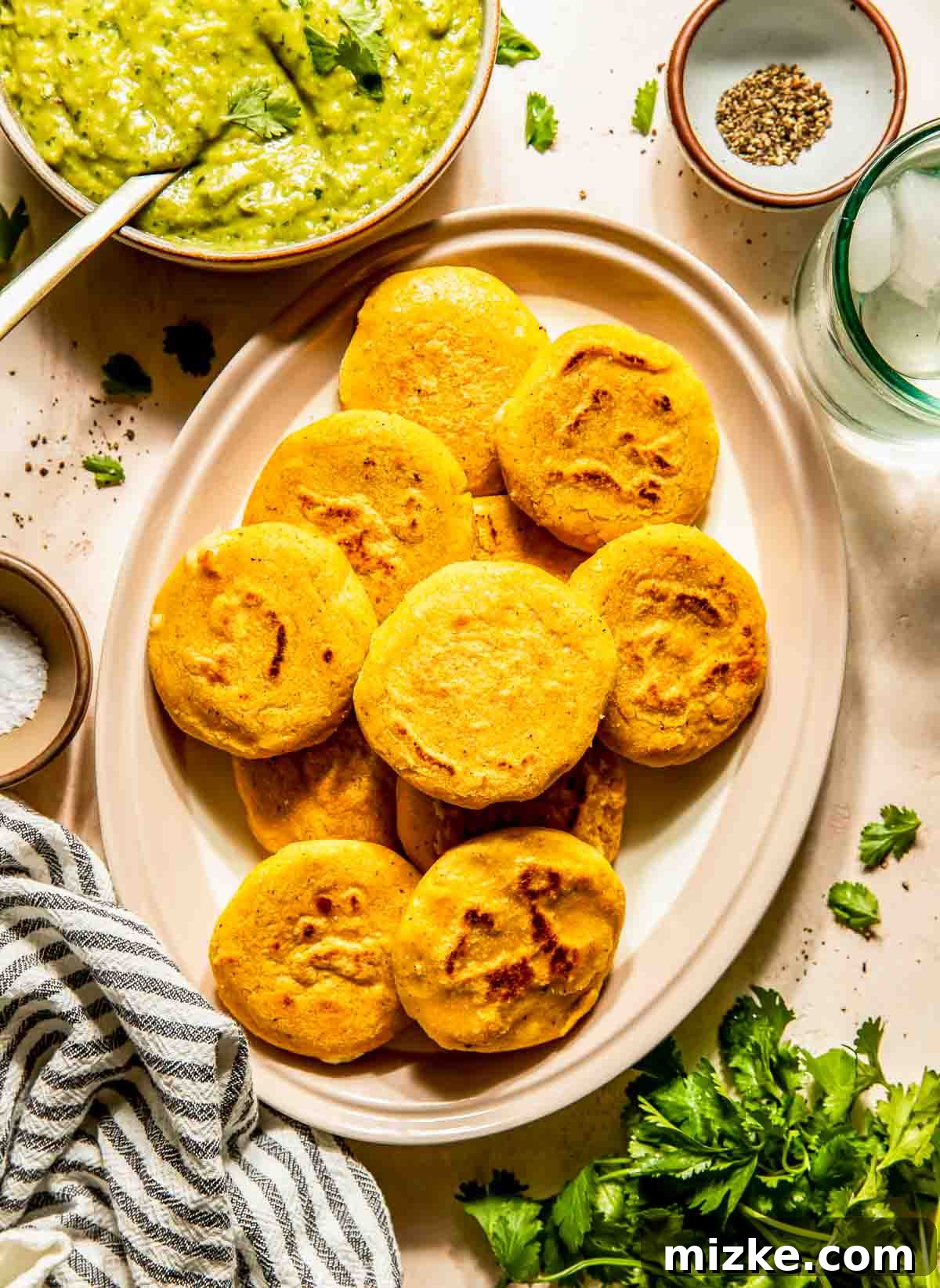
Pupusas are a beloved culinary gem from El Salvador, savory stuffed corn flour pancakes that offer a delightful journey for your taste buds. These humble yet incredibly satisfying dishes are a cornerstone of Salvadoran cuisine, celebrated for their comforting warmth, rich cheesy interiors, and the endless possibilities for customization. Whether enjoyed as a hearty appetizer or a fulfilling meal, pupusas promise a unique and authentic gastronomic experience.
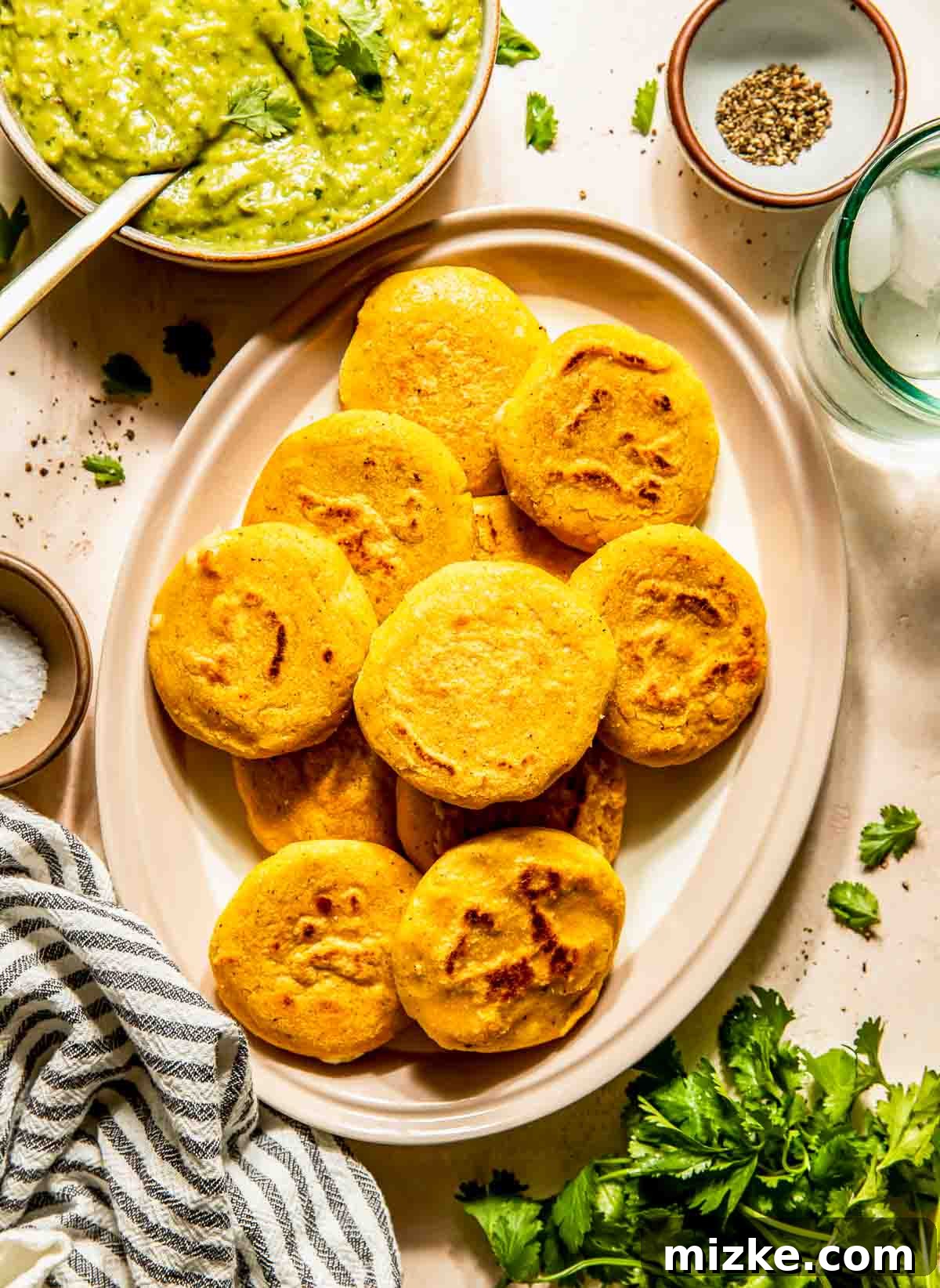
Savor the Flavors: Authentic Homemade Cheese Pupusas
Growing up in the diverse melting pot of the Washington D.C. metropolitan area offered an unparalleled cultural education. This vibrant region is a tapestry of communities, each bringing their authentic cuisines and traditions. My first encounter with pupusas was in a quaint El Salvadoran cafe nestled in Eastern Market. At that time, perhaps my palate wasn’t as refined, or the culinary world simply hadn’t fully embraced these magnificent corn cakes. Fast forward to today, and pupusas have undeniably exploded in popularity, becoming a staple across the region. Driving along routes like Rt. 1 in Alexandria or Rt. 50 in Falls Church, you’ll find a plethora of pupuserias, testaments to their undeniable charm and growing fan base. This journey from a hidden gem to a mainstream favorite perfectly illustrates the universal appeal of these cheesy, comforting delights.
What Exactly Are Pupusas? An El Salvadoran Delicacy
Pupusas are a quintessential El Salvadoran dish, essentially thick corn tortillas lovingly stuffed with a variety of delectable fillings before being griddled to golden perfection. The foundation of a perfect pupusa lies in masa harina, a special corn flour treated with the ancient nixtamalization process, which gives the dough its distinctive flavor, aroma, and pliable texture, distinctly different from regular cornmeal. While cheese pupusas (pupusas de queso) are incredibly popular, the traditional options are diverse and tantalizing.
Common fillings include:
- Cheese: Often a blend like Monterey Jack, mozzarella, or a traditional Salvadoran cheese, chosen for its incredible melting qualities.
- Beans and Cheese (Frijoles con Queso): A harmonious combination of savory refried beans and gooey cheese.
- Shredded Pork (Chicharrón) and Cheese (Revueltas): A robust and flavorful option, often mixed with cheese for extra richness.
- Loroco: An edible flower native to El Salvador, offering a unique, slightly pungent, and floral flavor when combined with cheese.
- Squash and Cheese: A creamy and subtly sweet vegetarian option.
The richness of pupusas is traditionally balanced by two crucial accompaniments: curtido and salsa. Curtido is a tangy, slightly fermented cabbage slaw, similar to sauerkraut but with a lighter, fresher profile, often seasoned with carrots, onions, oregano, and vinegar. Its bright acidity and crisp texture cut through the richness of the pupusas beautifully. Complementing this is a vibrant salsa, often a simple red tomato-based sauce or, as highly encouraged by many, a generous dollop of a fresh tomatillo avocado salsa, adding another layer of zesty flavor and creamy texture.
Mastering the Art of Making Homemade Pupusas
Creating pupusas at home is a rewarding experience that connects you directly to Salvadoran culinary traditions. The process, while requiring a bit of technique, is surprisingly approachable. Here’s a breakdown of the essential steps to craft these savory cakes:
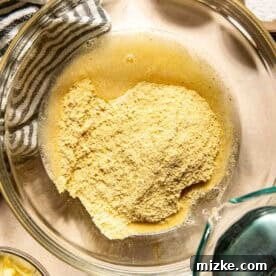
- Prepare the Dough: The journey begins by combining masa harina (ensure it’s authentic masa harina, not cornmeal, for the correct texture and flavor), warm water, and a pinch of salt in a large mixing bowl. The key is to achieve a consistent, pliable dough.
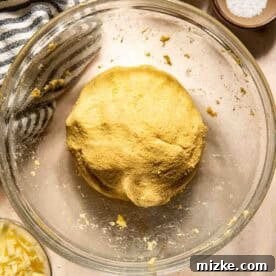
- Knead to Perfection: Gently knead the mixture until it comes together into a smooth, uniform ball, resembling the consistency of soft playdough. Proper kneading ensures the dough is hydrated and easy to work with.
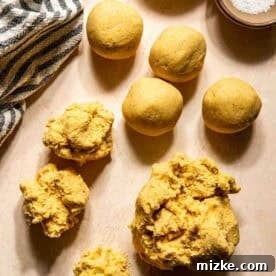
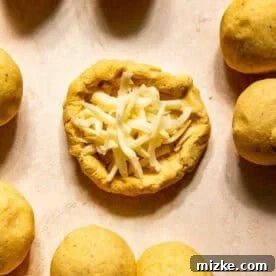
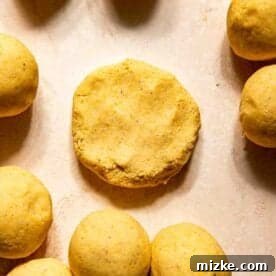
- Portion and Shape: Divide the dough into equal-sized portions and roll each into a smooth ball. Then, with a delicate touch, flatten each ball into a disc, creating a small well in the center to receive your chosen filling.
- Stuff and Seal: Carefully add your desired filling into the center of the dough disc. Gently bring the edges of the dough together over the filling, sealing it completely to form a ball again. This step is crucial for preventing the filling from escaping during cooking.
- Flatten and Cook: Once sealed, carefully flatten the stuffed dough ball back into a disc shape, about 3-4 inches in diameter and roughly ¼ to ½ inch thick. Cook these discs on a hot stovetop griddle or skillet for 3-4 minutes per side until they develop a beautiful golden-brown crust and the cheese inside is gloriously melted and oozing.
Expert Tips and Creative Pupusa Variations
Achieving the perfect pupusa comes with a few handy tips and opens the door to endless creative variations:
- Precision with Portions: For uniform cooking and presentation, use a food scale to ensure your dough balls are of equal weight, typically around 2 ounces each. This prevents some pupusas from being undercooked or overcooked due to size discrepancies.
- Prevent Sticking: Masa harina dough can be sticky. Lightly moistening your hands with water or spraying them with cooking spray before handling the dough will make the forming process much smoother and prevent the dough from adhering to your palms.
- Customize Your Fillings: While cheese, meat and cheese, or beans and cheese are traditional, don’t hesitate to experiment!
- Cheese Blends: Try a mix of Oaxaca, Muenster, or a sharp cheddar for different flavor profiles and melting textures.
- Vegetarian Options: Incorporate sautéed spinach, mushrooms, roasted bell peppers, or even mashed sweet potato for unique and delicious vegetarian pupusas.
- Hearty Additions: Beyond shredded pork (chicharrón), consider finely ground beef seasoned with cumin and chili, or shredded chicken mixed with a touch of salsa. Ensure any meat fillings are finely shredded or ground to prevent tearing the dough.
The goal is a balanced filling that melts beautifully and complements the corn flavor of the dough, making each bite an adventure.
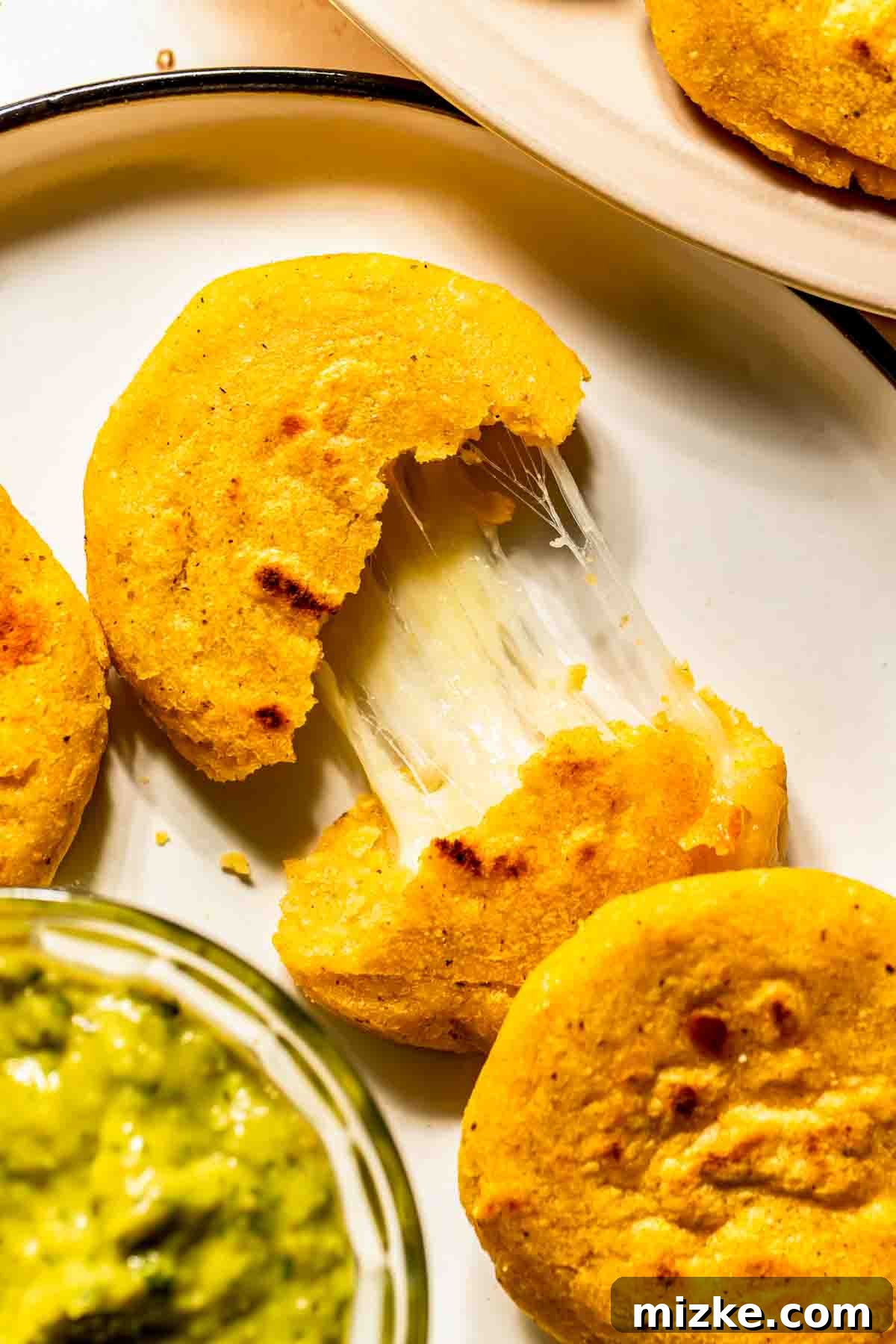
The Perfect Companions: What to Serve with Pupusas
Pupusas are rarely served alone, and their traditional accompaniments are just as integral to the experience as the pupusas themselves. Elevate your pupusa feast with these essential pairings:
- Curtido: The absolute must-have. This refreshing, tangy, and slightly spicy fermented cabbage slaw (think Salvadoran kimchi or sauerkraut) provides a crucial acidic contrast to the rich pupusas. You can find excellent recipes for homemade curtido online.
- Salsa Roja: A simple, vibrant red tomato salsa is another traditional accompaniment. Its fresh, bright flavors complement the pupusas without overpowering them.
- Tomatillo Avocado Salsa (Guacamole Salsa): For a creamy, zesty, and slightly spicy kick, my personal recommendation is a generous dollop of tomatillo avocado salsa. This brings a cooling, herbaceous note that is simply irresistible.
- Other Fresh Toppings: Consider fresh avocado slices, a squeeze of lime, or a drizzle of crema (Mexican sour cream) for added richness and tang.
Storing and Reheating Pupusas: Keeping Them Fresh
Pupusas are best enjoyed fresh off the griddle, but any leftovers can be easily stored and reheated, making them a fantastic make-ahead option or a quick snack:
Refrigeration: Allow any leftover pupusas to cool completely to room temperature. Store them in an airtight container in the refrigerator for up to 3 days. This prevents them from drying out and maintains their flavor.
Freezing (Cooked): To freeze cooked pupusas, first let them cool completely. Wrap each pupusa individually in plastic wrap, then place them in a freezer-safe bag or container. They can be stored in the freezer for up to 2-3 months.
Freezing (Uncooked): If you want to prepare pupusas ahead of time, form them but do not cook. Arrange uncooked pupusas on a baking sheet lined with parchment paper, ensuring they don’t touch. Freeze until solid (about 1-2 hours), then transfer them to a freezer-safe bag or container. They can be frozen for up to 3 months. When ready to cook, thaw them in the refrigerator for a few hours before griddling.
Reheating: For best results, reheat pupusas in a dry skillet on the stovetop over medium heat for 3-5 minutes per side, or until warmed through and the exterior is crisp again. This method helps restore their texture. Alternatively, you can reheat them in a toaster oven or even a regular oven at 350°F (175°C) for about 10-15 minutes.
Print Recipe
Classic Cheese Pupusas
Equipment
-
Large rimmed baking sheet
-
Large mixing bowl
-
Heavy-bottomed skillet or comal
Ingredients
For the Dough:
- 2 cups (228 g) masa harina
- 1 ¾ cups (414 ml) warm water, up to 2 cups of water, if needed
- 1 teaspoon kosher salt
- 2 tablespoons cold water
For the Filling:
- ½ cup (28 g) shredded Monterey Jack cheese (or a blend of your favorite melting cheeses)
For Cooking:
- 2 tablespoons extra virgin olive oil (for brushing or pan-frying)
Instructions
-
In a large bowl, combine the masa harina, the warm water, and the kosher salt. Stir them together with a spoon or your hands until the mixture starts to come together.2 cups (228 g) masa harina, 1 ¾ cups (414 ml) warm water, 1 teaspoon kosher salt

-
Using the palms of your hands, knead the dough thoroughly for about 5 minutes until it becomes one smooth, cohesive mass. The dough should feel like soft Play-Doh – pliable and not sticky. If it feels too dry and crumbly, gradually add a tablespoon more warm water at a time and continue kneading until the desired consistency is reached. Let the dough rest, covered, for at least 20 minutes to allow the masa harina to fully hydrate.
-
After the rest period, add the cold water to the dough. Knead the dough again for another 2 minutes until the cold water is fully incorporated, making the dough even smoother and more elastic.2 tablespoon cold water
-
Divide the dough into 10 equal pieces. For precision, aim for about 2 ounces (approximately 55-60 grams) per piece. Roll each piece into a smooth ball, roughly the size of a golf ball.
-
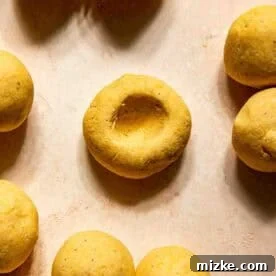
To form the pupusas, lightly moisten your hands with water or cooking oil. Take one ball of dough and hold it in the palm of your hand. Gently press your free thumb into the center of the ball to create a deep indentation, almost like a small cup.
-
Continue to gently flatten and widen the dough, shaping it into a larger disc that resembles a small bowl or cup, about 3 inches in diameter. To the center of this disc, add a tablespoon or two of the shredded Monterey Jack cheese (or your chosen filling). Do not overfill.½ cup (28 g) shredded Monterey Jack cheese
-
Carefully bring the edges of the dough disc together over the cheese, pinching and squeezing them firmly at the top to completely seal the filling inside, forming a smooth ball again. Gently pat and work the ball of dough into a flat disc, approximately 3-4 inches in diameter and about ¼ to ½ inch thick. Brush the surface of the flattened pupusa lightly with olive oil. Place the formed pupusa on a plate and cover it with a clean, damp kitchen towel to prevent it from drying out. Repeat this process for the remaining dough and filling.2 tablespoon extra virgin olive oil
-
Heat a large, heavy-bottomed skillet or a comal over medium-high heat. Once hot, place 2-3 pupusas in the skillet at a time, ensuring not to overcrowd the pan. Cook for 3-4 minutes on each side, or until the outsides are beautifully golden brown and slightly puffed, indicating that the cheese inside is melted and bubbling.
-
Serve the hot, crispy pupusas immediately with fresh curtido and a generous dollop of tomatillo avocado salsa or your favorite salsa. Enjoy the authentic taste of El Salvador!
Notes
Nutrition Information (Approximate Per Pupusa)
Serving Size: 1 pupusa (61 grams)
- Calories: 129 kcal
- Carbohydrates: 17 g
- Protein: 4 g
- Fat: 5 g
- Saturated Fat: 2 g
- Polyunsaturated Fat: 1 g
- Monounsaturated Fat: 3 g
- Cholesterol: 5 mg
- Sodium: 270 mg
- Potassium: 65 mg
- Fiber: 1 g
- Sugar: 0.03 g
Disclaimer: This nutrition information is approximate and for convenience only. Nutritional values can vary based on actual ingredients used and preparation methods. For precise data, please use a trusted nutrition calculator with your specific ingredients.
The default measuring system for this website is US Customary. Unit conversions are provided for convenience and as a courtesy only. While we strive to provide accurate unit conversions, please be aware that there may be some discrepancies.
Photographs by Meg McKeehan Photography
We hope this comprehensive guide inspires you to try making these incredible El Salvadoran pupusas at home. The combination of the hearty masa dough, the gooey melted cheese, and the fresh, tangy accompaniments creates a truly unforgettable meal that brings a piece of Salvadoran culture right to your kitchen. Share your pupusa creations with us!