
Summer is truly upon us, bringing with it an undeniable urge to escape the sweltering heat. This past weekend, the mercury soared, leaving many of us longing for anything that promised a cool reprieve. Whether you found yourself basking by the pool or making liberal use of ice packs, the universal quest for coolness was real.
Our weekend adventure took us to Top Golf on Saturday evening, a venture that seemed like a brilliant idea until we stepped out into the oppressive 97-degree heat, thick with humidity. It felt as though we were breathing stale, hot air, and any ice water or chilled beverages brought to our bay melted almost instantly. Despite the challenging conditions, we still managed to enjoy ourselves, but the energy drain was palpable. Upon returning home, I was completely exhausted and ready to pass out.
Our beloved dog, Winston, a double-coated English Springer Spaniel, seems to share our sentiments about this relentless heat. I imagine him thinking, “What on earth is this?! I was bred for the gentle, temperate English weather, not this intense American East Coast heat!” His longing for cooler climes is almost as strong as ours, and it’s clear he’s counting down the days until autumn.
The Quest for Refreshment: A Taste of California on the East Coast
Speaking of the unique challenges of the American East Coast, it continues to surprise me that poke bowls haven’t quite exploded in popularity here as they have elsewhere. When we visited Los Angeles last year, poke bowl shops were seemingly on every corner, offering a fresh, customizable, and incredibly delicious dining experience. Given the abundance of sushi restaurants with access to high-quality fresh sashimi, it’s baffling why this vibrant food trend hasn’t been fully embraced and monetized on this side of the country. Perhaps it’s an opportunity for my husband, Jason, and I to consider, though for now, we’ll stick to enjoying them at home!
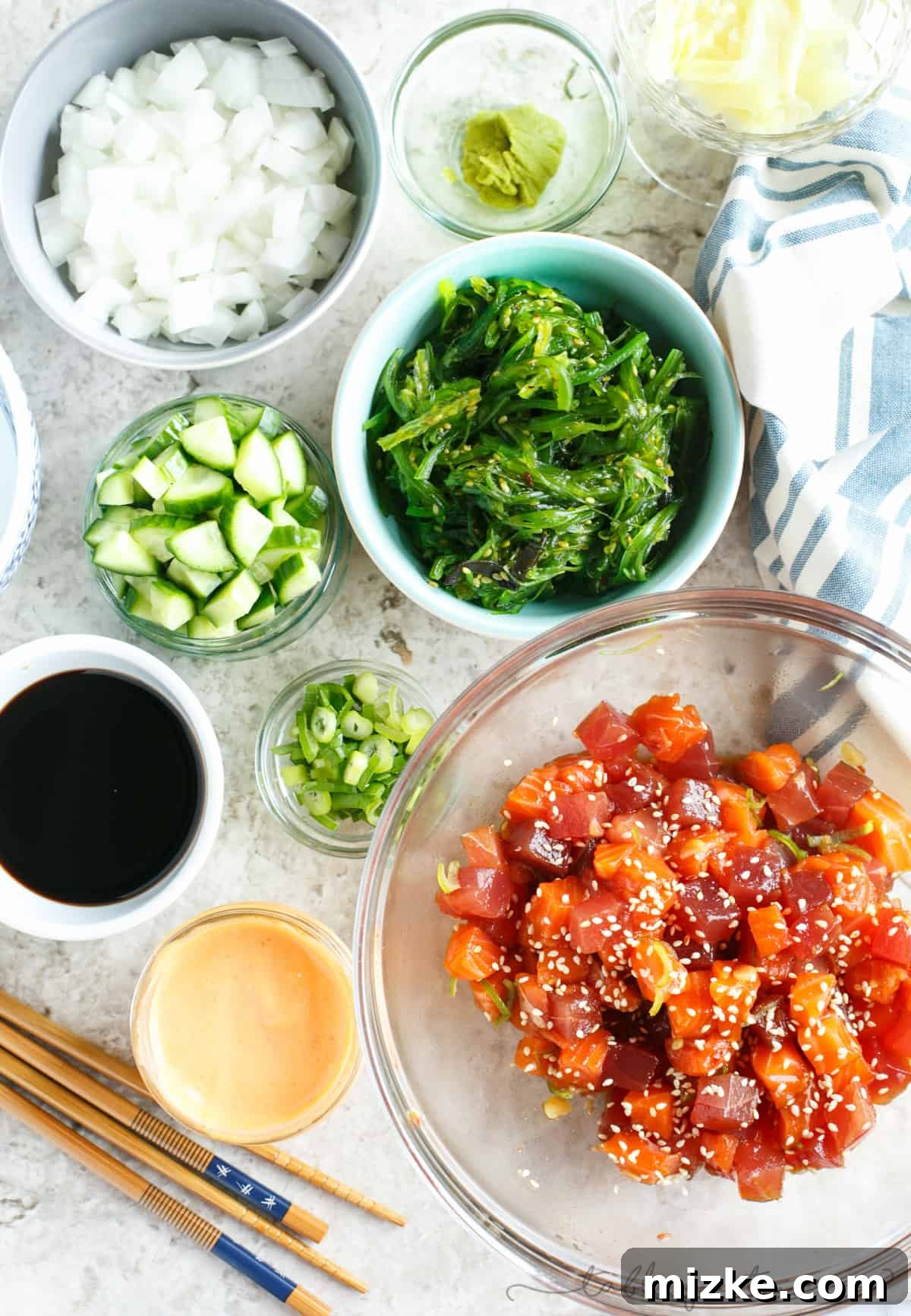
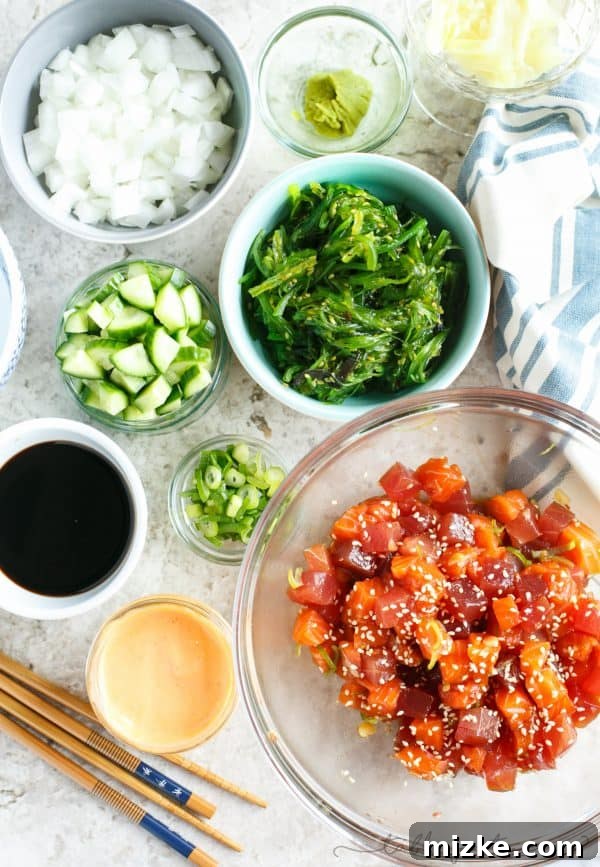
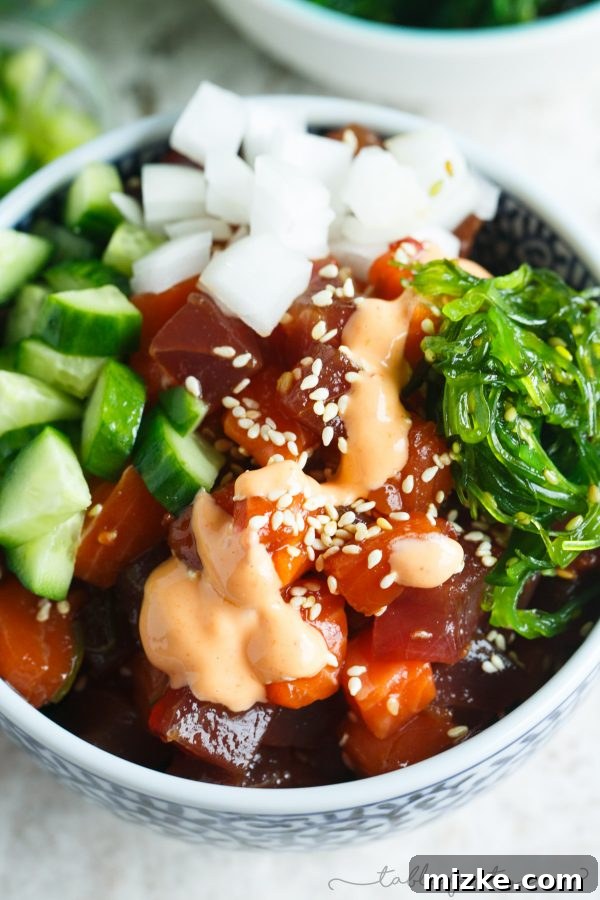
While opening a poke shop isn’t in our immediate plans, creating an incredible poke bar at home certainly is. It’s an effortless way to bring the essence of glorious California weather and its fresh culinary scene right into your kitchen. Setting up a homemade poke bowl bar is remarkably simple, and its versatility is unmatched, catering to every palate. The best part? Everyone gets to hand-pick exactly the toppings they desire, making each bowl a personalized masterpiece. This interactive dining experience is perfect for family dinners or entertaining friends, ensuring everyone leaves satisfied and refreshed.
For me, raw, fresh tuna and salmon are absolute favorites, and I happily devoured multiple bowls. The chilled nature of poke bowls makes them an ideal meal to enjoy during hot weather, providing a delightful cooling sensation with every bite. It’s a meal that not only tastes fantastic but also helps you beat the heat.
On a lighter note, with the massive popularity of the “Pokémon Go” game, the name “poke” sometimes takes on a whole new, albeit unintended, meaning for many. Rest assured, we are referring to the delicious Hawaiian dish, not the digital monster-catching phenomenon. No virtual creatures were harmed in the making of this recipe!
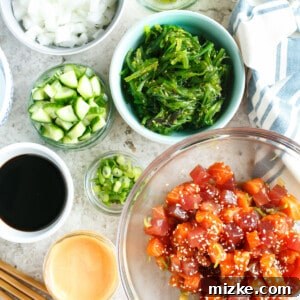
Poke Bowl Bar
Julie Chiou
4 hours
4 hours
4
Ingredients
- 1 tablespoon soy sauce
- ½ teaspoon sesame oil
- ½ teaspoon sambal oelek
- 6 ounces (170 g) sushi-grade tuna, cubed
- 6 ounces (170 g) sushi-grade salmon, cubed
Optional Toppings
- Seaweed salad
- Cucumbers
- Scallions
- Avocado
- White onions
- Masago (fish roe)
- Sesame seeds
- Sriracha mayo
- Wasabi
Instructions
-
In a medium bowl, whisk together soy sauce, sesame oil, and sambal oelek until well combined.1 tablespoon soy sauce, 1/2 teaspoon sesame oil, 1/2 teaspoon sambal oelek
-
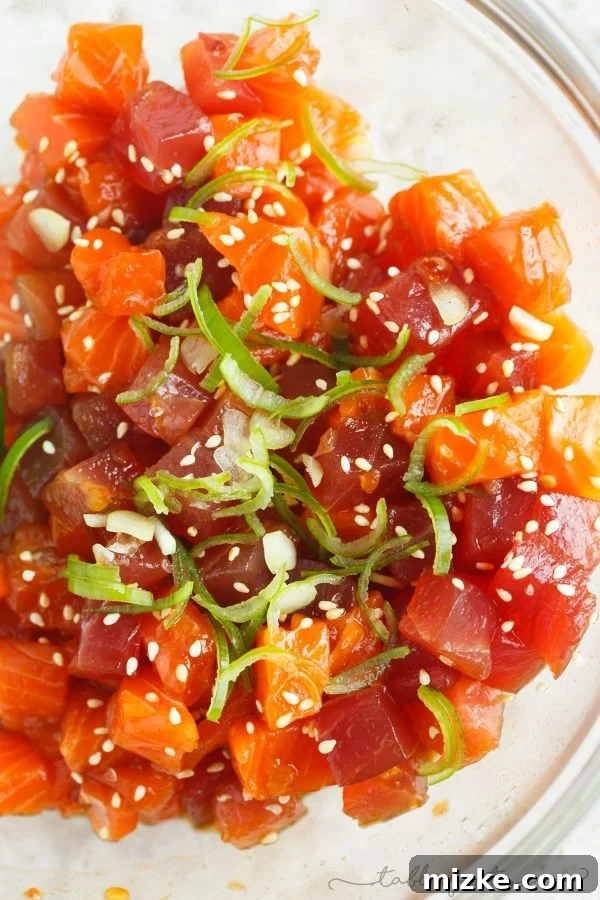
Gently add the cubed sushi-grade tuna and salmon to the bowl with the sauce. Toss carefully to ensure all fish pieces are coated. Cover the bowl tightly with plastic wrap and let it marinate in the refrigerator for at least 3 hours to allow the flavors to deepen.6 ounces (170 g) sushi-grade tuna, 6 ounces (170 g) sushi-grade salmon
-
Once the fish is marinated, divide it evenly among individual serving bowls. Arrange your favorite optional toppings around the fish, allowing everyone to customize their meal. Enjoy immediately for the best fresh taste!Seaweed salad, Cucumbers, Scallions, Avocado, White onions, Masago, Sesame seeds, Sriracha mayo, Wasabi
Nutrition Information (Approximate per serving)
Calories: 96kcal,
Carbohydrates: 1g,
Protein: 18g,
Fat: 2g
This website provides approximate nutrition information for convenience and as a courtesy only. Nutrition information can vary for a variety of reasons. For the most precise nutritional data use your preferred nutrition calculator based on the actual ingredients you used in the recipe.
The default measuring system for this website is US Customary. Unit conversions are provided for convenience and as a courtesy only. While we strive to provide accurate unit conversions, please be aware that there may be some discrepancies.
Diving Deeper into Your Homemade Poke Bowl Experience
Beyond the simple steps, there’s a world of flavor and customization waiting to be explored with your homemade poke bowls. This isn’t just a meal; it’s an opportunity to experiment with textures, colors, and global flavors right in your own kitchen.
Sourcing the Freshest Fish: A Key to Success
The foundation of an outstanding poke bowl is undoubtedly the quality of your fish. “Sushi-grade” isn’t an official FDA term, but it generally refers to fish that is fresh enough and has been handled properly (often flash-frozen at sea) to be safely consumed raw. When shopping, look for fish at reputable seafood markets or grocery stores known for their fresh fish counters. Ask your fishmonger for their recommendations for raw consumption. The tuna should be deep red, firm, and have a fresh, ocean smell – never fishy. Salmon should be vibrant orange or pink, with clear lines of fat, and a moist, firm texture. Properly sourced fish elevates your poke bowl from good to extraordinary, ensuring both safety and superior taste.
The Art of the Marinade: Flavor Infusion
Our simple marinade of soy sauce, sesame oil, and sambal oelek is a classic for a reason. Soy sauce provides a savory, umami base, while sesame oil adds a nutty depth that is quintessential to many Asian-inspired dishes. Sambal oelek, a chili paste, introduces a subtle kick, balancing the richness of the fish and oils. The beauty of marinating for at least three hours (or even up to four if you prefer a stronger flavor) is that it allows the fish to absorb these vibrant notes without overpowering its natural delicate taste. For those who enjoy an even bolder flavor, a touch of freshly grated ginger or a squeeze of lime juice can be added to the marinade.
Crafting Your Dream Bowl: Beyond the Basics
The “bar” concept is where a poke bowl truly shines. While our recipe includes a fantastic selection of traditional and popular toppings, don’t hesitate to venture further. Think about adding:
- Tropical Fruits: Diced mango or pineapple can add a sweet and tangy contrast, especially with spicy sauces.
- Crispy Elements: Fried shallots, tempura flakes, or toasted coconut flakes offer delightful crunch.
- Additional Vegetables: Edamame for a pop of green and protein, thinly sliced radishes for a peppery bite, sweet corn, or pickled ginger for a zingy palate cleanser.
- Different Sauces: Beyond Sriracha mayo, consider a creamy avocado lime sauce, a tangy ponzu sauce, or a spicy gochujang dressing.
- Herbs: Fresh cilantro or mint can bring an aromatic freshness.
- Nuts: Crushed macadamia nuts or chopped peanuts for added texture and healthy fats.
The key is to offer a variety of textures and flavors – creamy, crunchy, spicy, sweet, and savory – to create a truly dynamic and satisfying bowl.
Base Layers and Perfect Pairings
While the focus is often on the fish and toppings, the base of your poke bowl is equally important. Sushi rice, seasoned with rice vinegar, sugar, and salt, is the classic choice, offering a slightly sticky texture that complements the fish beautifully. For a healthier or gluten-free alternative, consider brown rice, quinoa, or even a base of mixed leafy greens for a lighter, salad-style bowl. Combining a small portion of rice with a generous bed of greens offers the best of both worlds.
Hosting a Poke Bowl Bar: Tips for Entertaining
A DIY poke bowl bar is an entertainer’s dream. Most of the prep can be done in advance. Marinate the fish in the morning. Chop all your vegetables and prepare any sauces ahead of time, storing them in separate containers in the fridge. When guests arrive, simply arrange everything on a large table, buffet-style. Provide clear labels for each ingredient, especially for common allergens. Encourage guests to be creative and build their bowls exactly as they like. This low-stress, highly interactive approach to dining is always a hit.
The Cultural Significance of Poke
Originating in Hawaii, “poke” simply means “to slice or cut.” Traditionally, poke involved fresh fish (often reef fish) that was seasoned with sea salt, limu (seaweed), and kukui nut. Over time, as diverse cultures arrived in Hawaii, the dish evolved, incorporating ingredients like soy sauce, sesame oil, and chili flakes. Today’s poke bowl, particularly popular in mainland America, is a vibrant fusion of these traditional elements with contemporary influences, yet it retains its core identity as a simple, fresh, and deeply satisfying dish.
So, next time the summer heat becomes unbearable, or you’re simply craving a taste of something fresh and vibrant, remember the versatility and deliciousness of a homemade poke bowl. It’s an easy, healthy, and incredibly fun way to enjoy a meal, customize it to your heart’s content, and perhaps even momentarily transport yourself to a cooler, more relaxed setting. Gather your ingredients, invite some friends, and create your very own poke bowl oasis!
There is an affiliate link within this post that may earn us a small commission if you make a purchase through it, at no extra cost to you.