
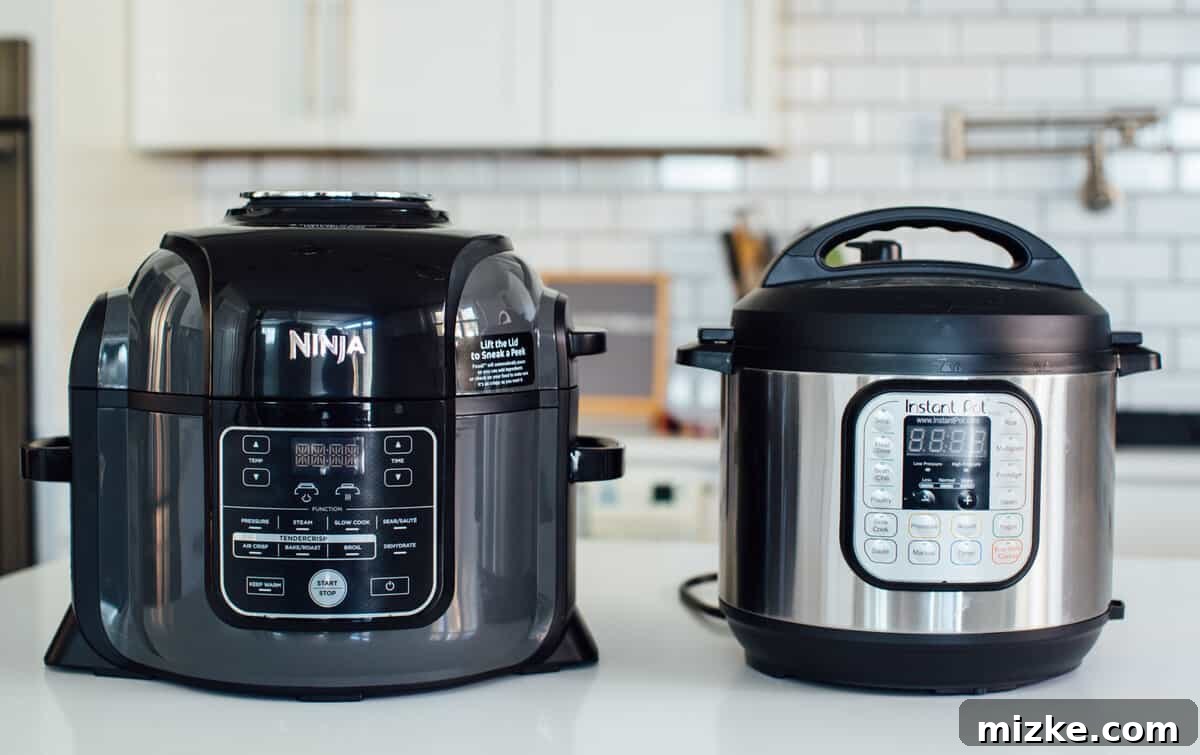
In the bustling world of kitchen appliances, the quest for efficiency and versatility often leads us to multi-cookers. For many home cooks, the Instant Pot has been a game-changer, but a new contender has emerged, promising even more functionality: the Ninja Foodi. I embarked on a personal mission to evaluate these two titans, specifically to determine if the Ninja Foodi could replace my beloved Instant Pot and consolidate my countertop space. This review details my week-long journey using the Ninja Foodi for all our family meals, offering an unbiased comparison to the Instant Pot to help you make an informed decision.
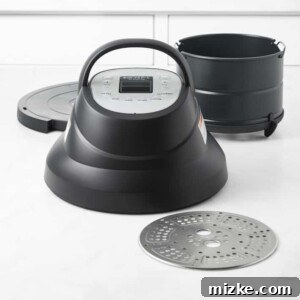
BREAKING NEWS (December 2019 Update): Instant Pot has officially launched its very own Air Fryer Lid, designed to seamlessly attach to their 6-quart machines! This exciting development offers a fantastic solution for those who already own an Instant Pot and wish to add air frying capabilities without investing in another bulky appliance. It’s a brilliant way to expand your existing Instant Pot’s functionality, saving both space and money. I’m eager to put this new accessory to the test and will provide a comprehensive review in the future. For now, let’s dive into the detailed comparison of the standalone Ninja Foodi and Instant Pot.
My rigorous testing period with the Ninja Foodi involved preparing every single meal in it for an entire week. This intensive trial allowed me to truly understand its capabilities, limitations, and how it stacks up against the Instant Pot in real-world scenarios. Below, you’ll find a detailed breakdown of the pros and cons for each appliance, culminating in my final verdict. My hope is that this in-depth analysis will serve as a valuable resource for anyone contemplating which multi-cooker to bring into their kitchen, especially with the growing array of options, like the innovative Ninja Foodi, now available.
A quick note on transparency: This review is entirely unsponsored. I personally purchased both the Ninja Foodi and the Instant Pot, ensuring that this comparison is 100% objective and based solely on my genuine user experience.
What is the Ninja Foodi and How is it Different?
The Ninja Foodi stands out as a true multi-functional kitchen appliance, going beyond the capabilities of a standard pressure cooker. It masterfully combines several essential kitchen tools into one powerful unit: a pressure cooker, an air fryer, and a dehydrator. Essentially, the Ninja Foodi performs all the core functions of an Instant Pot—sautéing, slow cooking, and pressure cooking—while also adding the popular functionalities of air frying and dehydrating. This integration means you’re getting at least four distinct small appliances rolled into a single device, potentially freeing up significant counter and cabinet space. It’s designed for those who seek maximum utility from a single machine, aiming to simplify cooking and expand culinary possibilities without cluttering the kitchen.
Why I Considered the Ninja Foodi: My Personal Motivation
My primary motivation for acquiring the Ninja Foodi stemmed from a long-standing desire for an air fryer. However, like many home cooks, I was reluctant to add yet another specialized appliance to my already burgeoning collection. My kitchen, while adequately sized, wasn’t endlessly expandable, and I was keen to avoid accumulating gadgets that might see infrequent use. The Ninja Foodi presented an enticing proposition: could it not only deliver the crispy, golden results of an air fryer but also competently replace my trusted Instant Pot? The idea of having a single machine handle both pressure cooking and air frying was incredibly appealing, offering a potential solution to both my air fryer craving and my desire for kitchen minimalism. I hoped it would be the ultimate space-saving solution I was looking for.
What Comes with the Ninja Foodi: Unboxing the Essentials
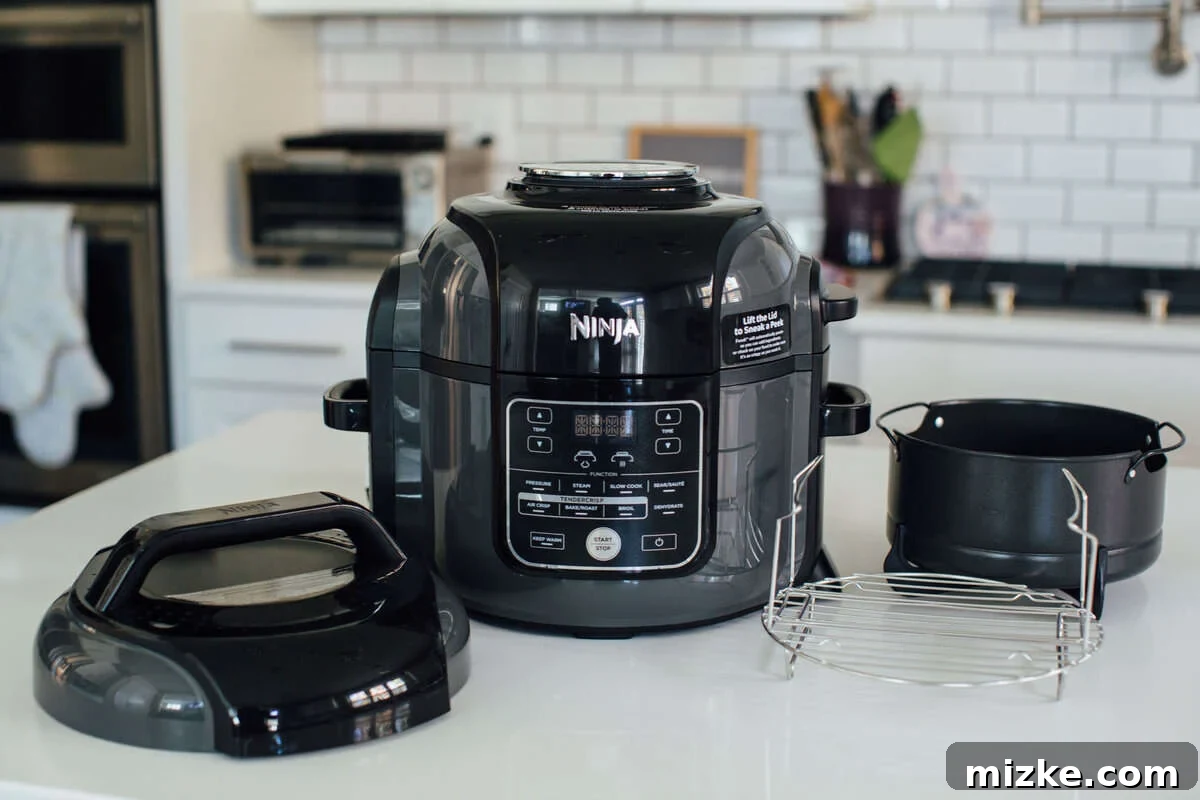
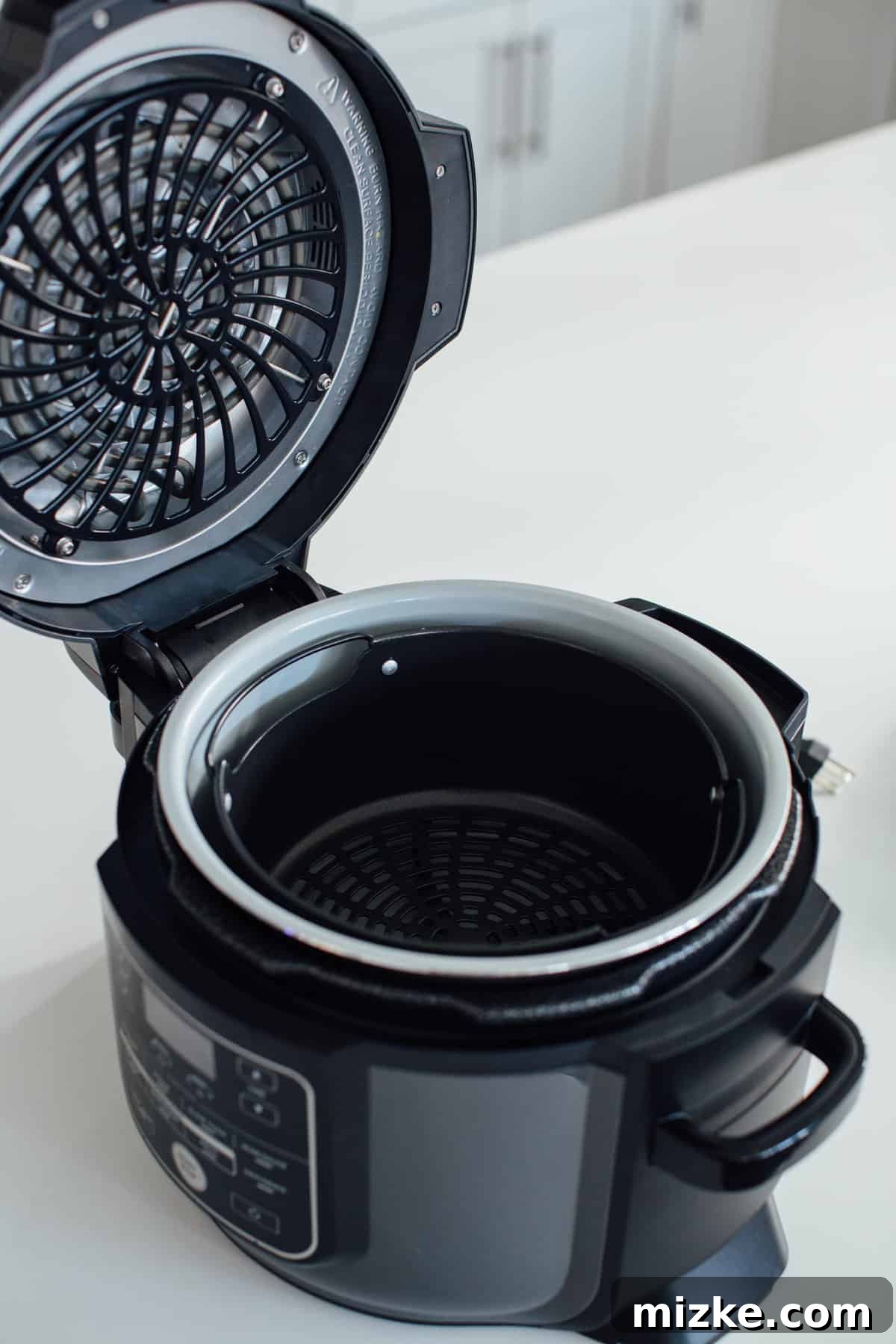
Upon unboxing the Ninja Foodi, you’ll find a thoughtful selection of accessories designed to facilitate its multi-functionality. Each unit typically includes a durable nonstick cooking pot, which serves as the main vessel for most cooking tasks. For air frying, a dedicated fry basket is provided, allowing for optimal air circulation and crisping. A versatile wire rack is also included, useful for steaming, baking, or elevating food during various cooking methods. Lastly, the essential pressure cooker lid is part of the package, transforming the appliance into a high-speed pressure cooker. These components equip you to tackle a wide range of recipes right out of the box, from succulent roasts to perfectly crispy snacks.
How Much Does the Ninja Foodi Cost? A Value Perspective
When considering the investment, the Ninja Foodi might appear pricier than a standalone Instant Pot initially. However, it’s crucial to view its cost through the lens of its combined functionality. Essentially, you’re purchasing a high-quality pressure cooker, an efficient air fryer, a slow cooker, and a dehydrator all in one. If you were to buy these appliances separately, the cumulative cost would often equal, if not exceed, that of the Ninja Foodi, depending on the brands and models you choose for each. My specific purchase of the Ninja Foodi amounted to approximately $193, including tax. While the retail price was $229, I benefited from a 20% off coupon at Bed, Bath & Beyond. Interestingly, the price landscape has shifted, as the same model is now often available on Amazon for around $179.99, making it an even more competitive option for value-conscious buyers.
My Purchase Decision: Why I Didn’t Buy from Amazon Initially
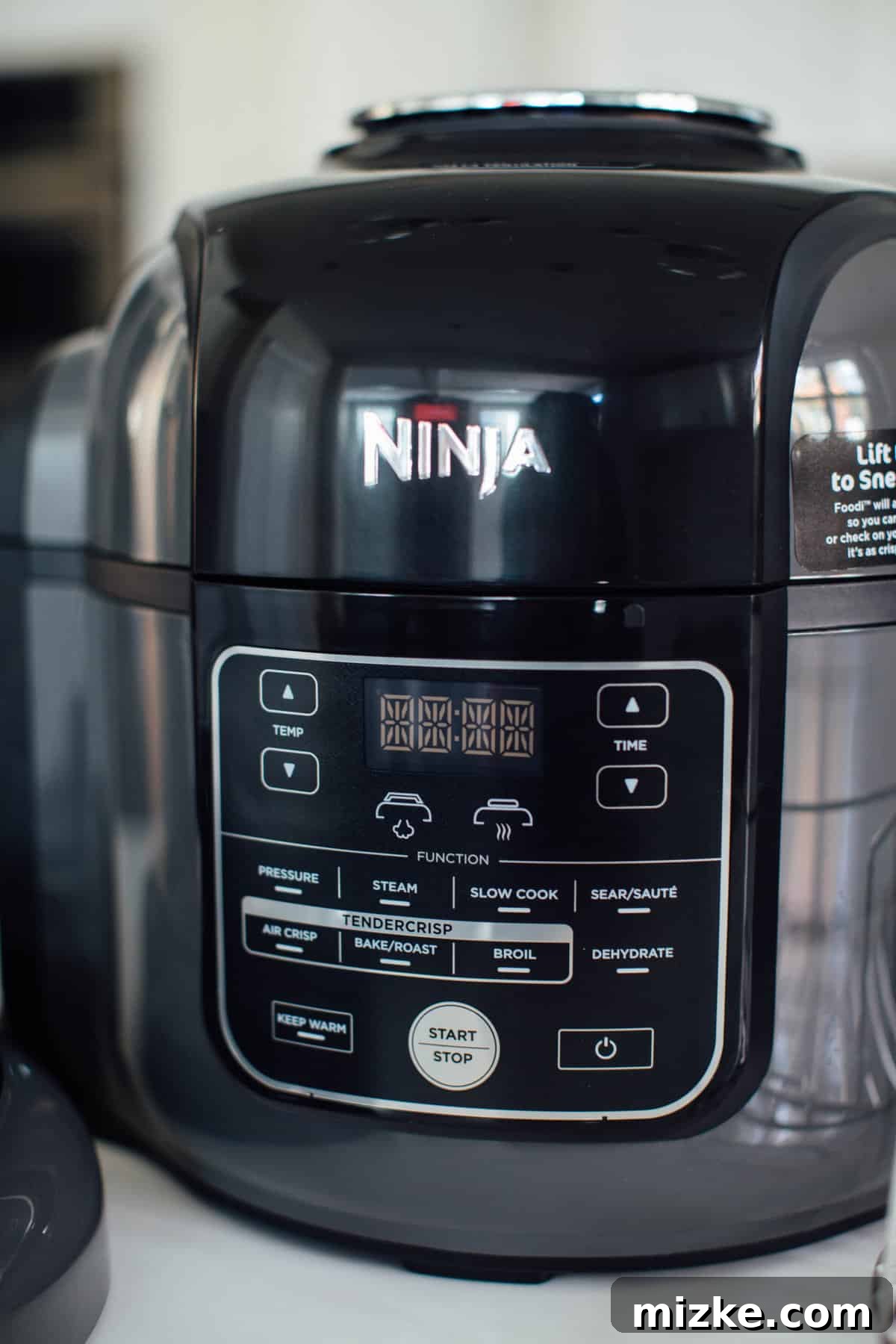
My initial decision not to purchase the Ninja Foodi from Amazon, despite its current competitive pricing, was driven by a combination of factors. At the time of my purchase, Amazon didn’t offer the same 20% discount that I found at a brick-and-mortar retailer (though, as mentioned, it’s now often cheaper there at $179.99). The primary reason, however, was a confusing discrepancy in product listings on Amazon. There appeared to be two different models of the Ninja Foodi available, and product photos often showed conflicting features. Some images clearly displayed a dehydrator function button, while others did not. The prospect of ordering a large appliance only to receive a model lacking a key feature I desired, and then facing the hassle of shipping it back, was off-putting. The photo above clearly illustrates a model with the dehydrator option, highlighting the importance of verifying features. For peace of mind and to ensure I received the exact model I wanted, purchasing in-store proved to be the more straightforward and reassuring option for me.
Pressure Cooker Functionality of the Ninja Foodi: A Head-to-Head
Given my goal to potentially replace my Instant Pot, testing the Ninja Foodi’s pressure cooking capabilities was my top priority. I needed its performance to be on par with, or even exceed, what I’d come to expect from my Instant Pot. I’m pleased to report that the Ninja Foodi’s pressure cooker function performed admirably, matching the efficiency and effectiveness of the Instant Pot. It quickly came to pressure and cooked meals to perfection. I did encounter a minor issue with the seal/vent valve on one occasion, where it seemed a bit finicky in achieving a complete seal. However, as this was an isolated incident, I suspect it might have been a fluke or a momentary user error rather than a persistent design flaw. Overall, for standard pressure cooking tasks, the Ninja Foodi holds its own, offering reliable and consistent results.
Air Fryer Functionality of the Ninja Foodi: Crispy Results
As a newcomer to air frying, the Ninja Foodi offered my first experience with this popular cooking method, meaning I had no prior benchmarks for comparison. Nevertheless, I was thoroughly impressed by its performance. The minimal amount of oil required to achieve wonderfully crispy and evenly cooked results was remarkable. For instance, I tested my favorite three-ingredient chicken nuggets, placing raw meatballs directly into the fry basket without any added oil. The outcome was incredibly crispy exteriors and perfectly cooked interiors. Beyond nuggets, we successfully prepared a variety of dishes, including perfectly seared scallops, tender chicken tenders, and beautifully roasted asparagus and broccoli, all with a delightful crispness that truly elevates everyday meals. The air fryer function on the Ninja Foodi certainly lives up to the hype, offering a healthier way to enjoy fried textures.
Pros of the Ninja Foodi: Unveiling Its Strengths
- Multifunctionality Beyond Compare: The most significant advantage is its ability to perform the roles of at least four separate kitchen appliances—a pressure cooker, air fryer, slow cooker, and dehydrator—all within a single unit. This versatility truly sets it apart.
- Comprehensive Cooking Capabilities: It flawlessly executes all the core functions of the Instant Pot, such as sautéing, steaming, and pressure cooking, while adding the highly sought-after air frying and dehydrating features, offering a broader culinary range.
- Cost-Effective in the Long Run: Despite a potentially higher upfront cost than a standalone pressure cooker, the Ninja Foodi often proves more economical than purchasing an Instant Pot and a separate air fryer (plus a dehydrator) individually.
- User-Friendly Design: The appliance is remarkably intuitive, requiring minimal effort to learn its various settings and functions. It’s designed for ease of use, making complex cooking methods accessible to everyone.
- Effortless Cleaning: The components, including the nonstick pot and fry basket, are generally easy to clean, simplifying post-meal cleanup.
- Minimal Learning Curve: Even for those new to multi-cookers or air frying, the Ninja Foodi’s straightforward controls and clear interface make it easy to get started without a steep learning curve.
- Clear Pressure Indicator: A valuable feature is its digital screen, which clearly displays the appliance’s progress as it comes up to pressure. This eliminates the guesswork often associated with other pressure cookers, providing peace of mind and better timing.
Cons of the Ninja Foodi: Addressing Its Limitations
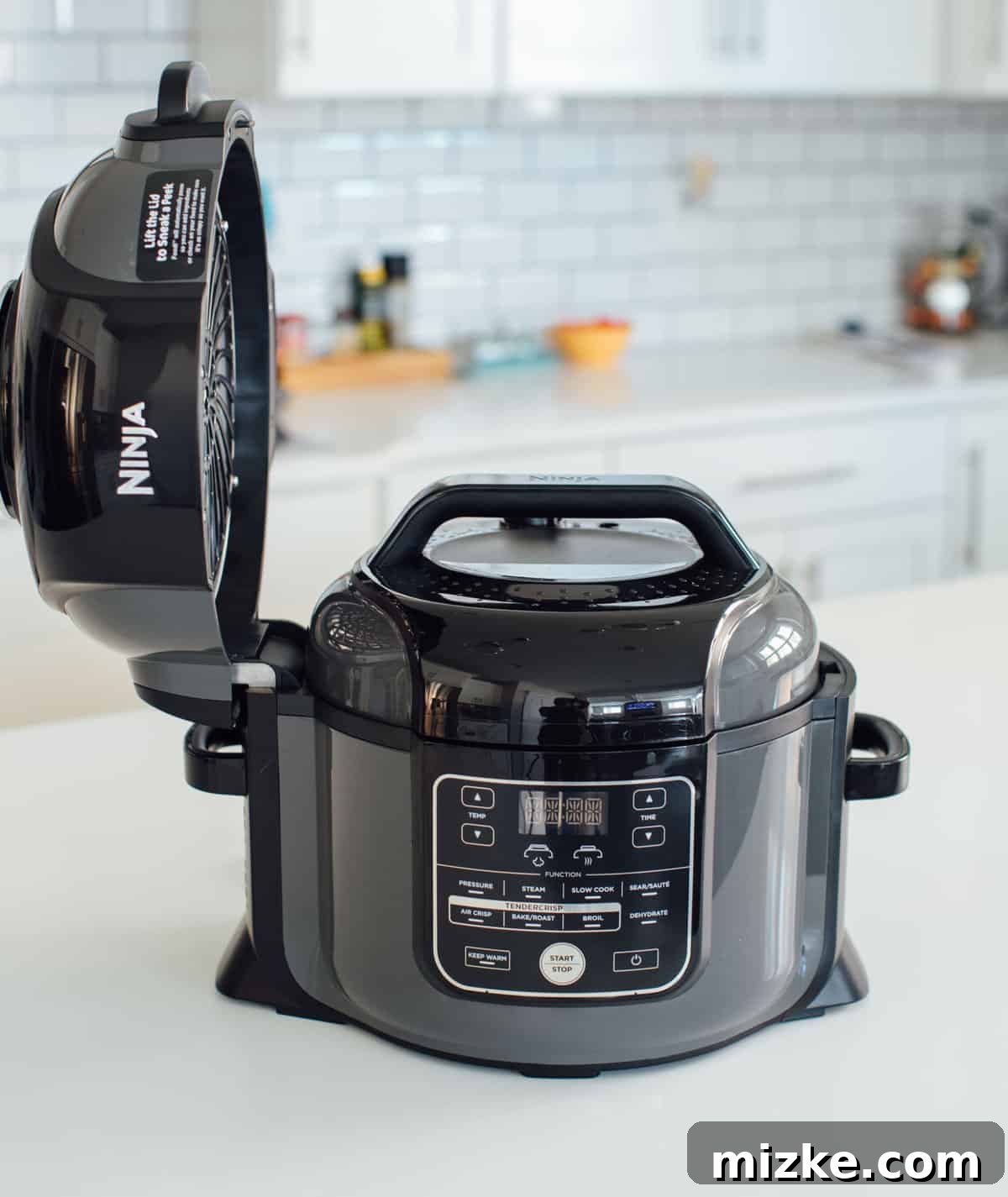
- Imposing Size and Weight: This is arguably its biggest drawback. The Ninja Foodi is a substantial appliance, both in terms of countertop footprint and weight. It’s far from a space-saver, making it challenging for smaller kitchens or those with limited storage.
- Non-Removable Air Fryer Lid: The dual-lid design means the air fryer lid is permanently attached and hinges open, as shown in the photo above. When using the pressure cooker function, this lid remains open and upright, adding to the appliance’s overall height and making it somewhat cumbersome, especially when dealing with overhead cabinets.
- Nonstick Cooking Pot Durability: Unlike the Instant Pot’s stainless steel insert, the Ninja Foodi uses a nonstick pot. When the metal fry basket is placed inside, its legs can potentially scratch the nonstick coating. Over time and with frequent use, there’s a concern that the coating might begin to peel, affecting both performance and food safety.
- Double Cleanup for Air Frying: If you use the air fryer, you’re tasked with cleaning not only the fry basket but also the main nonstick insert it sits in. This double cleanup step can be an inconvenience, adding more time to post-meal chores.
- Finicky Seal and Vent Valve: I found the seal and vent valve on the Foodi to be somewhat more temperamental than on the Instant Pot. It requires careful attention to ensure it’s firmly set to “seal” before cooking. On one occasion, it allowed a significant amount of steam to escape before achieving pressure, necessitating manual intervention with tongs to keep it sealed. While possibly a user error, it highlights a potential design nuance.
- Lack of Preset Cooking Programs: The Ninja Foodi generally lacks the extensive array of preset cooking programs found on many Instant Pot models. This might be a deterrent for novice pressure cooker users who prefer guided cooking times. While it comes with a general cooking time template, and experienced users can easily adapt, those who rely on presets for specific dishes might find the trial-and-error approach less appealing.
- Limited Size Options: Currently, the Ninja Foodi typically comes in one main size, usually 6.5 quarts. While this is a decent capacity for our family of two, it might be restrictive for larger families or those accustomed to the 8-quart Instant Pot models.
- Batch Cooking Limitations: Due to the size of the air fryer basket, cooking larger quantities of certain foods, especially chicken dishes, often requires preparing them in multiple batches. This can significantly extend dinner preparation time, which negates some of the time-saving benefits of a multi-cooker.
Noteworthy Aspects of the Ninja Foodi: Worth Mentioning
- Surprisingly Fast Air Frying: One unexpected benefit was how quickly the air fryer performed. Many dishes that might traditionally take longer in an oven or stovetop were ready in roughly half the time, making it incredibly efficient for weeknight meals.
- Deceptively Spacious Capacity: Despite initial appearances, both the air fryer basket and the main nonstick insert actually offer slightly more capacity (around 0.5 quarts more) than the Instant Pot’s cooking pot. The Foodi’s shorter, rounder design can be deceiving, leading one to believe it holds less than the taller, narrower Instant Pot.
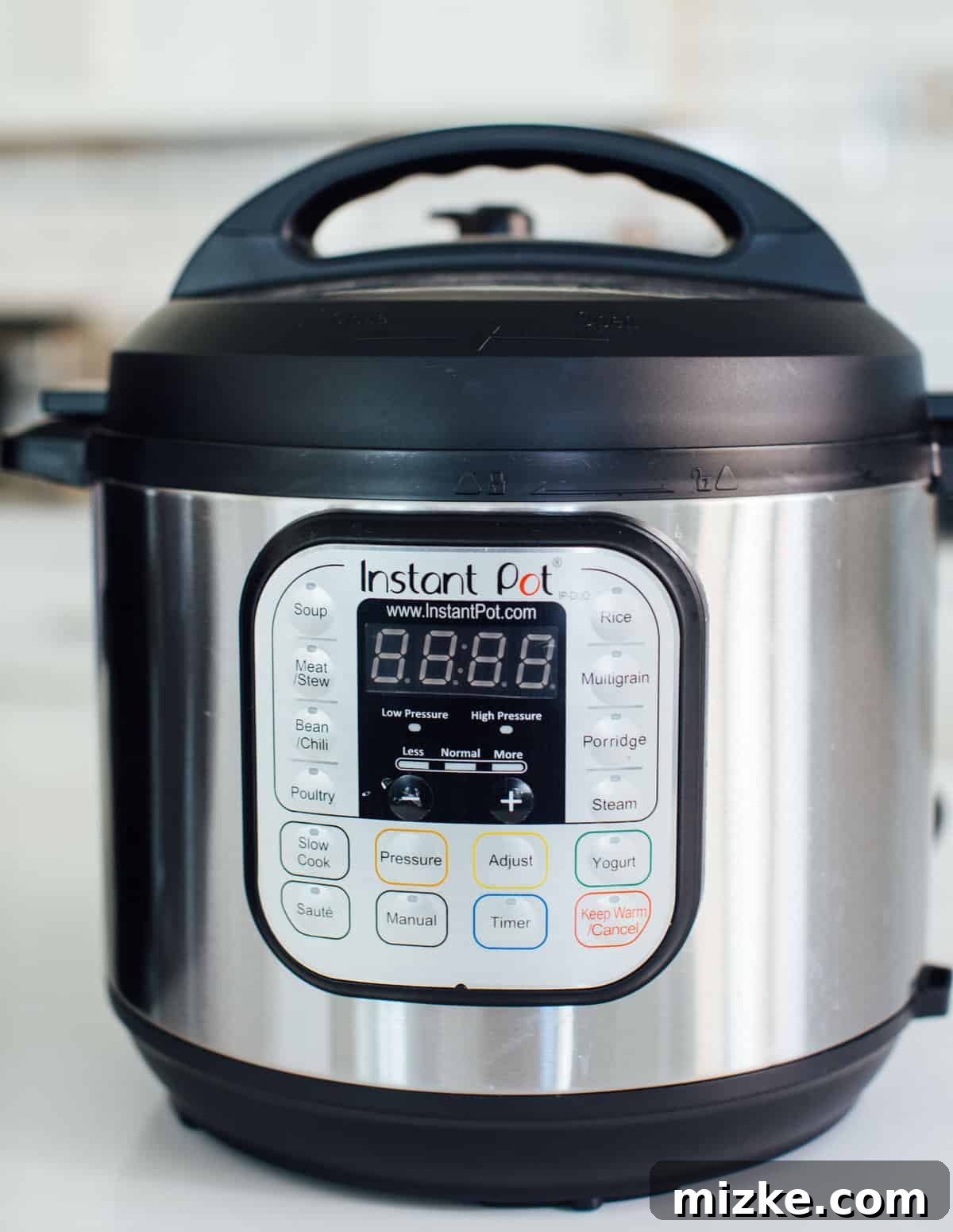
Ah, the Instant Pot. This iconic appliance truly revolutionized home cooking for countless individuals, including myself. It’s the machine that sparked the multi-cooker craze, and for good reason. My Instant Pot has been a steadfast companion in my kitchen, seeing extensive use, particularly during the cooler months when I gravitate towards comforting, hearty roasts and stews. Its reliability and ease of use have made it a staple, and for a long time, it felt indispensable.
Pros of the Instant Pot: The Original Game-Changer
- Unmatched Reliability for Pressure Cooking: The Instant Pot excels at its primary function, consistently delivering perfectly cooked meals under pressure. It’s a workhorse for everything from quick weeknight dinners to elaborate Sunday roasts.
- Extensive Preset Programs: A major advantage for many users is the wide array of preset cooking programs (e.g., Rice, Soup, Meat/Stew, Bean/Chili, Poultry, Sauté, Yogurt, etc.). These presets remove the guesswork, making pressure cooking less intimidating for beginners and incredibly convenient for experienced cooks.
- Focused Functionality: If your primary need is a reliable and efficient pressure cooker, the Instant Pot is arguably the only machine you’ll truly need. Its specialized design ensures top-tier performance in this core area.
- Compact and Storage-Friendly: Compared to the Ninja Foodi, the Instant Pot is generally smaller and lighter, making it easier to store in cabinets or on smaller countertops. While some still find it bulky, it’s a more manageable size for most kitchens.
- Integrated Slow Cooker Function: Beyond pressure cooking, the Instant Pot also offers a slow cook setting, effectively consolidating two appliances into one. This is a great feature for those who want the flexibility of both high-speed and low-and-slow cooking without needing separate devices.
- Variety of Size Options: The Instant Pot caters to diverse household sizes with models available in 3-quart, 6-quart (the size I own), and 8-quart capacities, allowing users to choose the perfect fit for their family and cooking needs.
- Exceptional Value and Frequent Sales: The Instant Pot is renowned for its competitive pricing, frequently going on sale. It’s often found for around $89.99 or less on Amazon, particularly during major sales events like Black Friday and Prime Day, making it an incredibly accessible appliance.
Cons of the Instant Pot: Its Limitations
- Limited Functionality Beyond Pressure Cooking: If your culinary ambitions extend beyond pressure cooking and slow cooking to include air frying, dehydrating, or other specialized methods, the Instant Pot, by itself, simply won’t suffice. You’d need additional appliances.
- No Built-in Air Frying or Dehydrating: This was a significant consideration in my comparison. For those craving crispy textures or seeking to preserve foods, the standard Instant Pot lacks these capabilities, requiring separate purchases or the new air fryer lid accessory.
- Notorious Sealing Issues: A common complaint among Instant Pot users revolves around the sealing ring. It can be quite finicky, sometimes preventing the pot from coming up to pressure properly. I’ve experienced this firsthand; one memorable incident resulted in a “par-cooked” dinner because the seal failed, effectively ruining the meal.
- Persistent Odor Retention in Sealing Ring: The silicone sealing ring has a notorious tendency to absorb and retain strong cooking odors. After preparing my Instant Pot Taiwanese Beef Noodle Soup, my Instant Pot’s ring permanently carried the aroma of Chinese five-spice. While not a deal-breaker, it’s certainly a nuisance and can affect the flavor of subsequent, more delicately flavored dishes if not managed (e.g., using separate rings for savory and sweet).
- Subpar Slow Cooker Performance: Despite having a slow cook function, many users, myself included, find its performance to be significantly inferior to a traditional Crock-Pot. I’ve personally never used the Instant Pot’s slow cooker mode, preferring my trusty 23-year-old Crock-Pot, which I know consistently delivers excellent results. The Instant Pot often struggles with maintaining consistent low temperatures, leading to less ideal slow-cooked dishes.
VERDICT: Which Appliance Did I Ultimately Choose?
After a full week of putting the Ninja Foodi through its paces, preparing every meal with it, I arrived at a conclusive decision: I ended up PACKING UP THE NINJA FOODI AND RETURNING IT. Rest assured, all packaging was meticulously kept, and the machine was thoroughly cleaned before its return. While the Ninja Foodi is undeniably a marvel of engineering, its sheer size and weight proved to be insurmountable drawbacks for my kitchen and lifestyle. It felt like a beast on my counter, and the thought of frequently moving it for different cooking tasks was not appealing. My primary intention was to use the air fryer often enough to justify its bulk, but I quickly realized that my actual need for air frying wasn’t as frequent as I’d anticipated.
Furthermore, the non-removable air fryer lid, while innovative, made the appliance awkwardly tall on my countertop, especially when the pressure cooker lid was in use. I also found that the air fryer function, while effective, felt more akin to a powerful broiler than a distinct air fryer. While some argue that a convection oven negates the need for an air fryer, I slightly disagree. An air fryer, with its concentrated hot air circulation (thanks to a powerful fan), does cook differently than a standard convection oven. It typically achieves a crispier finish, likely due to the heating element being positioned very close to the food. However, for my cooking habits, this nuanced difference wasn’t enough to warrant the Foodi’s footprint.
Ultimately, the convenience and compact size of my Instant Pot, coupled with my lesser-than-expected use of the air fryer function, led me to stick with my original multi-cooker. I’m content with my dedicated pressure cooker and traditional slow cooker setup. The Instant Pot still holds its place as an indispensable tool in my kitchen.
Where to Buy Your Kitchen Companion
- Instant Pot Duo Mini, 3-quart – Ideal for singles, couples, or side dishes.
- Instant Pot Duo, 6-quart – The most popular and versatile size, perfect for most families (this is the size I have).
- Instant Pot Duo Nova, 8-quart – Excellent for larger families, meal prepping, or entertaining.
- Ninja Foodi 9-in-1, 6.5-quart – The powerful multi-cooker that pressure cooks, air fries, dehydrates, and more.
Questions? Your Feedback Is Welcome!
I’ve done my best to cover all aspects of these two fantastic kitchen appliances, but I’m sure I might have overlooked something important, or you might have specific queries. Please don’t hesitate to leave your questions in the comments section below, and I will do my utmost to provide helpful and insightful answers based on my personal experience!
Delicious Pressure Cooker Recipes to Try
These tested and loved recipes can be effortlessly prepared in either your Instant Pot or the Ninja Foodi (using its pressure cooker mode), bringing delicious meals to your table with speed and convenience!
- Instant Pot Beef & Broccoli – A takeout favorite made healthier and faster at home.
- Instant Pot Taiwanese Beef Noodle Soup – Rich, aromatic, and deeply flavorful.
- Instant Pot Sausage and Herbed White Bean Soup – A comforting and hearty soup, perfect for any season.
- Instant Pot Braised Korean Beef Ragu – Tender, succulent beef in a savory Korean-inspired sauce.
- Instant Pot Pork Poblano Skillet Enchiladas – A flavorful and easy one-pot meal for Mexican food lovers.
Please note: This post contains affiliate links. When you make a purchase through these links, I may earn a small commission at no extra cost to you, which helps support this blog.