
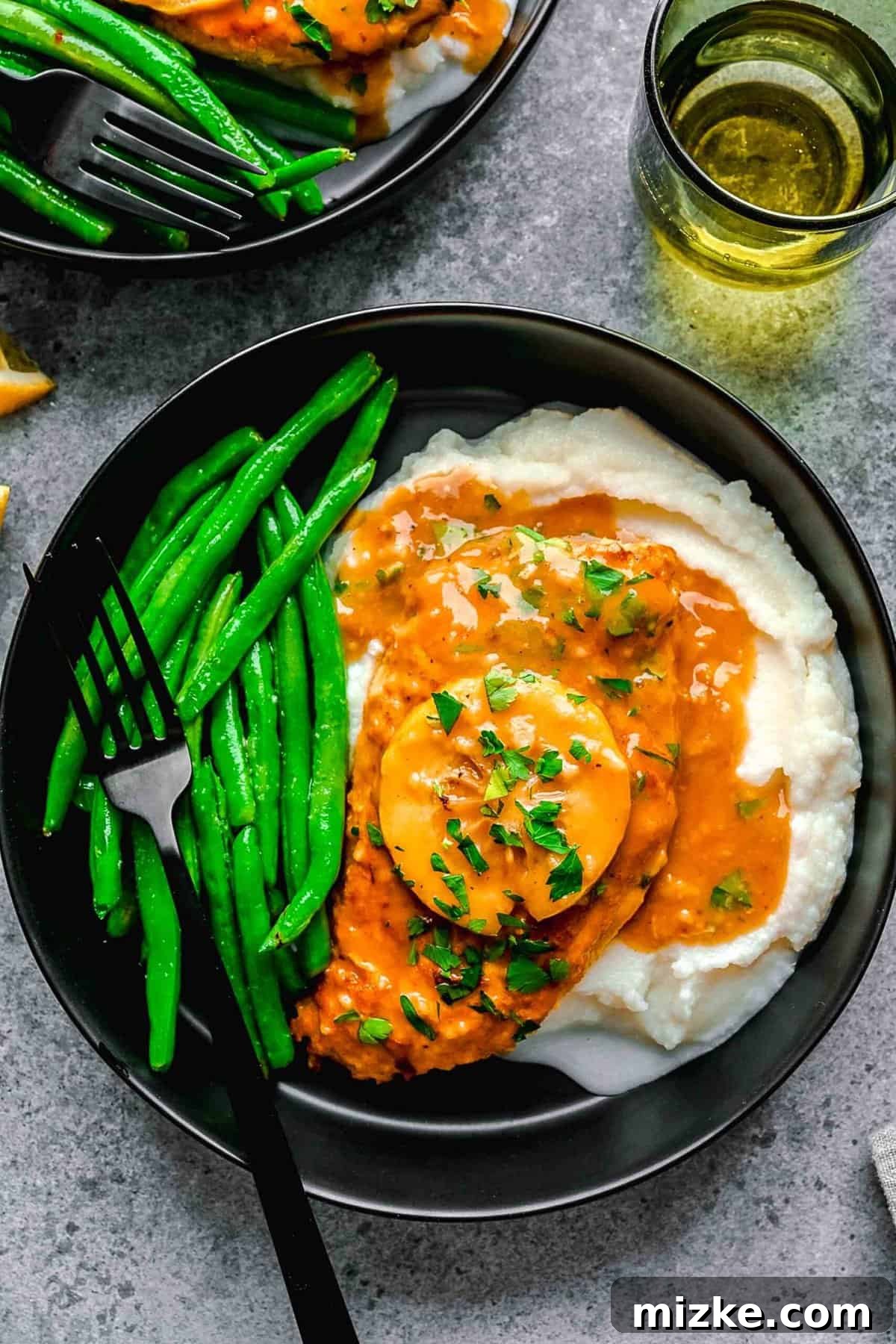
Easy Chicken Francese: Your New Favorite Lemon-Butter Chicken Dish
Prepare to elevate your weeknight dinner rotation with this absolutely divine Chicken Francese recipe. Imagine succulent, tender chicken breast halves, delicately coated and pan-fried to a golden crisp, then bathed in a bright, zesty lemon-butter sauce infused with savory chicken stock and a hint of white wine. This dish isn’t just wonderfully flavorful; it’s also surprisingly hassle-free and exudes an elegance that belies its simple preparation. Get ready for this easy chicken dinner to secure a permanent spot on your favorites list.
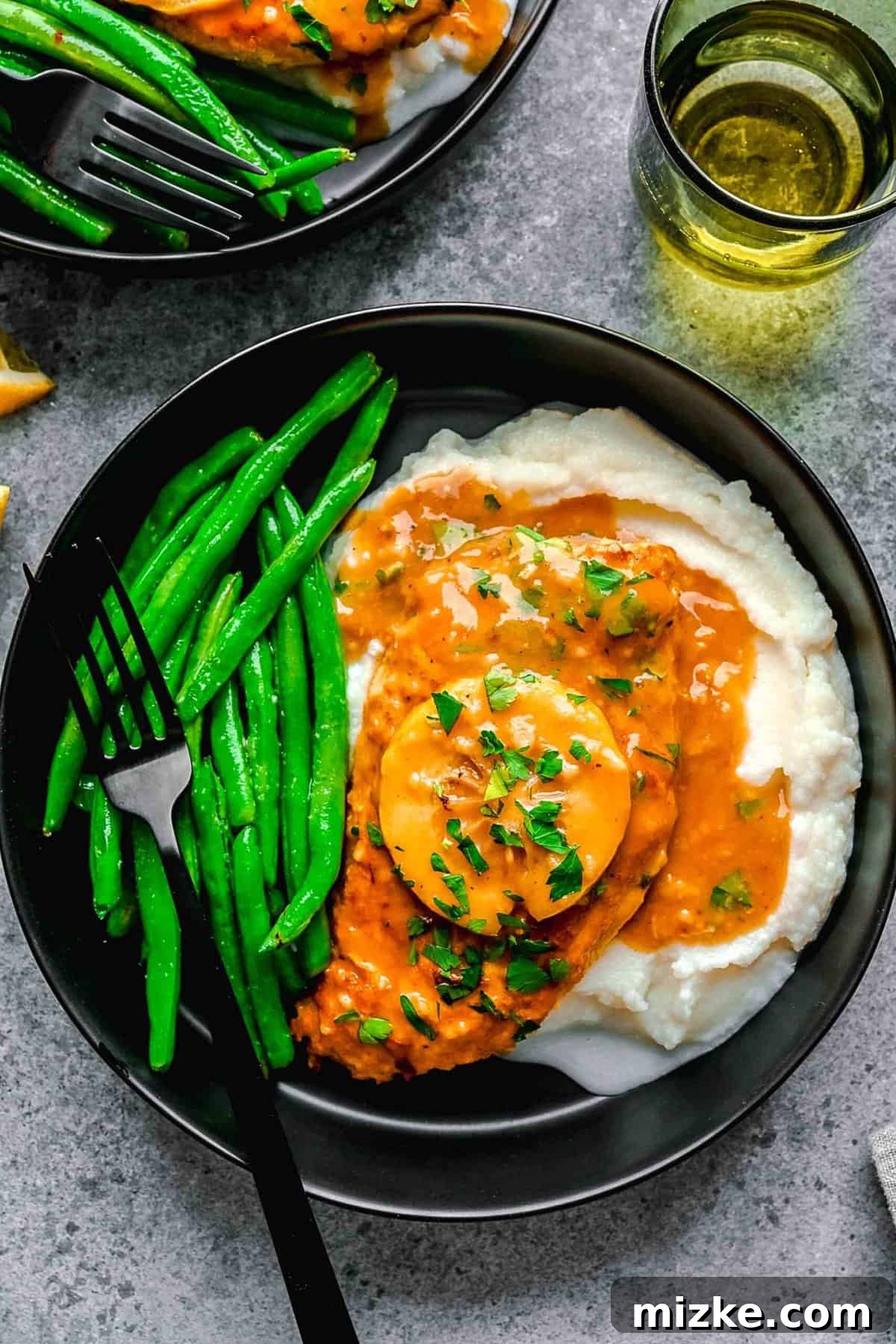
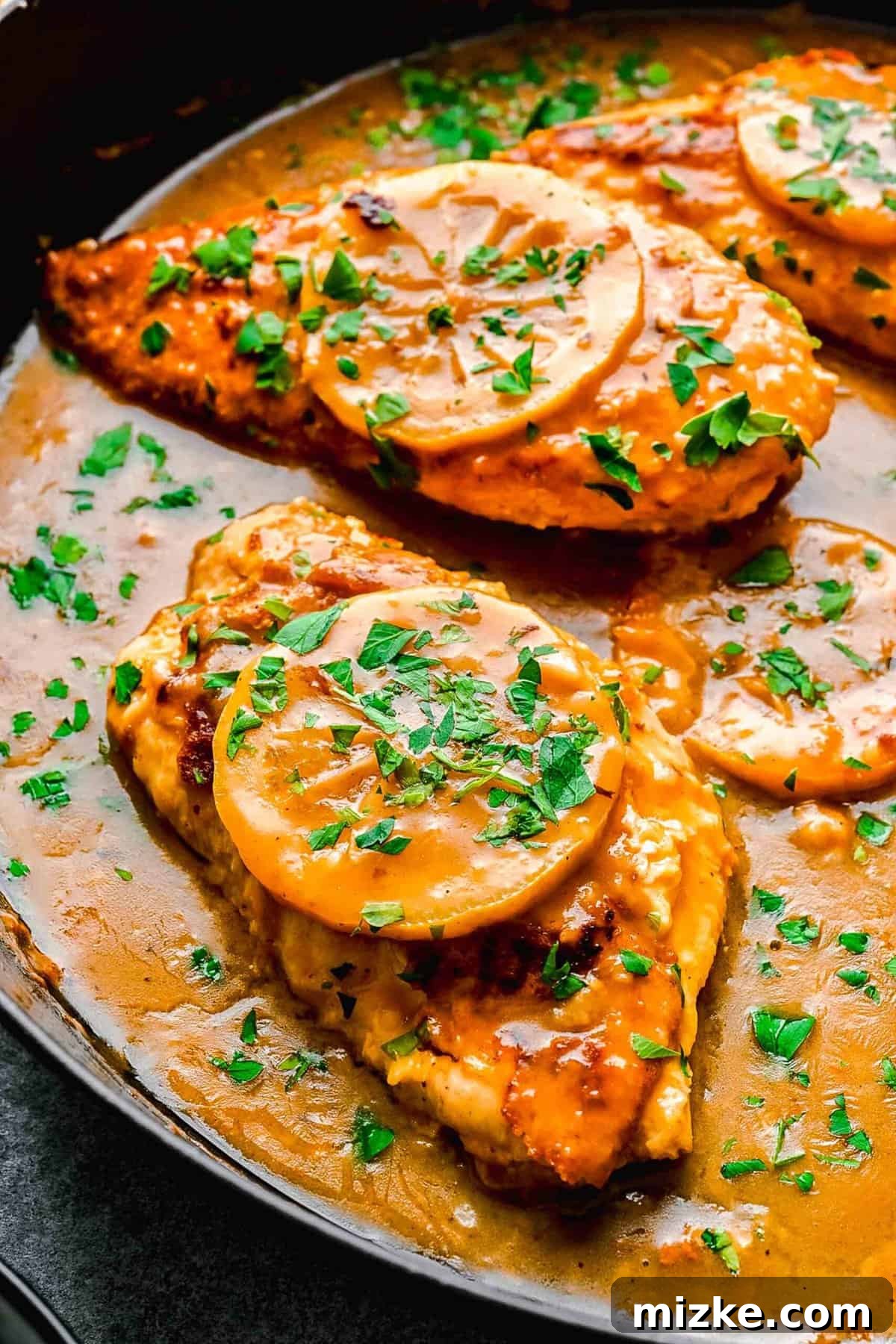
Simple in its components yet sophisticated in its outcome, this delectable chicken francese offers a perfect symphony of tastes and textures. Each forkful delivers tender chicken, enveloped in a delicate, ever-so-slightly crisp breading. But the true masterpiece of this dish is undoubtedly its vibrant sauce. It masterfully balances the bright, citrusy notes of fresh lemon with the deep savoriness of chicken stock, the rich luxuriousness of butter, and a subtle complexity from dry white wine. As it gently simmers, the sauce transforms into a smooth, velvety consistency, clinging beautifully to the chicken and seeping into the breading for an explosively flavorful bite that will tantalize your taste buds.
Beyond its incredible taste, this chicken dinner boasts an impressive presentation, making it ideal for both casual family meals and more special gatherings. Despite its gourmet appeal, it’s remarkably easy to put together. In just about 35 minutes, you can create a crave-worthy Chicken Francese that is guaranteed to impress everyone at your table.
Why You’ll Fall in Love with This Easy Chicken Francese Recipe
I could go on and on about the virtues of this elegant and easy chicken recipe, but let me highlight a few compelling reasons why I believe you’ll adore it as much as I do:
- Exquisitely Balanced Flavors: The sauce for this dish is nothing short of extraordinary. It achieves a sublime equilibrium between richness, thanks to the generous addition of butter, and refreshing zest, courtesy of fresh lemon. The strategic inclusion of dry white wine and a sprinkling of fresh parsley elevates the flavor profile, sending your palate on a truly mouthwatering journey.
- Perfectly Harmonious Texture: The contrast between the light, crisp breading and the smooth, velvety sauce is simply irresistible. Each component contributes to a delightful textural experience that makes every bite memorable.
- Quick & Effortless Preparation: This straightforward recipe empowers you to whip up an elegant, crave-worthy meal in approximately 35 minutes. It’s a perfect solution for busy weeknight dinners when time is precious, yet you still desire something special. Furthermore, it shines on special occasions when you prefer to minimize kitchen time and maximize moments with loved ones.
- Impressive Yet Approachable: While this Chicken Francese is incredibly easy to prepare, its sophisticated flavors and elegant presentation make it remarkably impressive. Achieving gourmet results with minimal effort? Count me in! This dish allows you to dazzle your guests without the stress.
- Versatile and Adaptable: Whether you’re feeding a small family or hosting a dinner party, this recipe is easily scalable. Plus, it accommodates various dietary preferences, with gluten-free flour options making it accessible to more diners.
What Exactly is Chicken Francese? Unpacking a Classic
Chicken Francese is a beloved classic in Italian-American cuisine, a dish renowned for its delicate preparation and vibrant flavors. At its heart, it features tender chicken breasts that are lightly battered, then pan-fried to achieve a beautiful golden-brown crispness. The chicken is then simmered in a luscious lemon-butter sauce directly in the pan. The “Francese” style refers specifically to the dredging technique: chicken (or veal) is typically dipped in an egg-and-flour batter before frying, resulting in a lighter, more tender coating compared to the breadcrumb-heavy breading of dishes like Chicken Parmesan. This technique ensures the chicken remains moist and allows the bright, tangy sauce to truly shine. It’s a dish that’s simple, elegant, and perfectly suited for entertaining.
Essential Ingredients for Your Chicken Francese
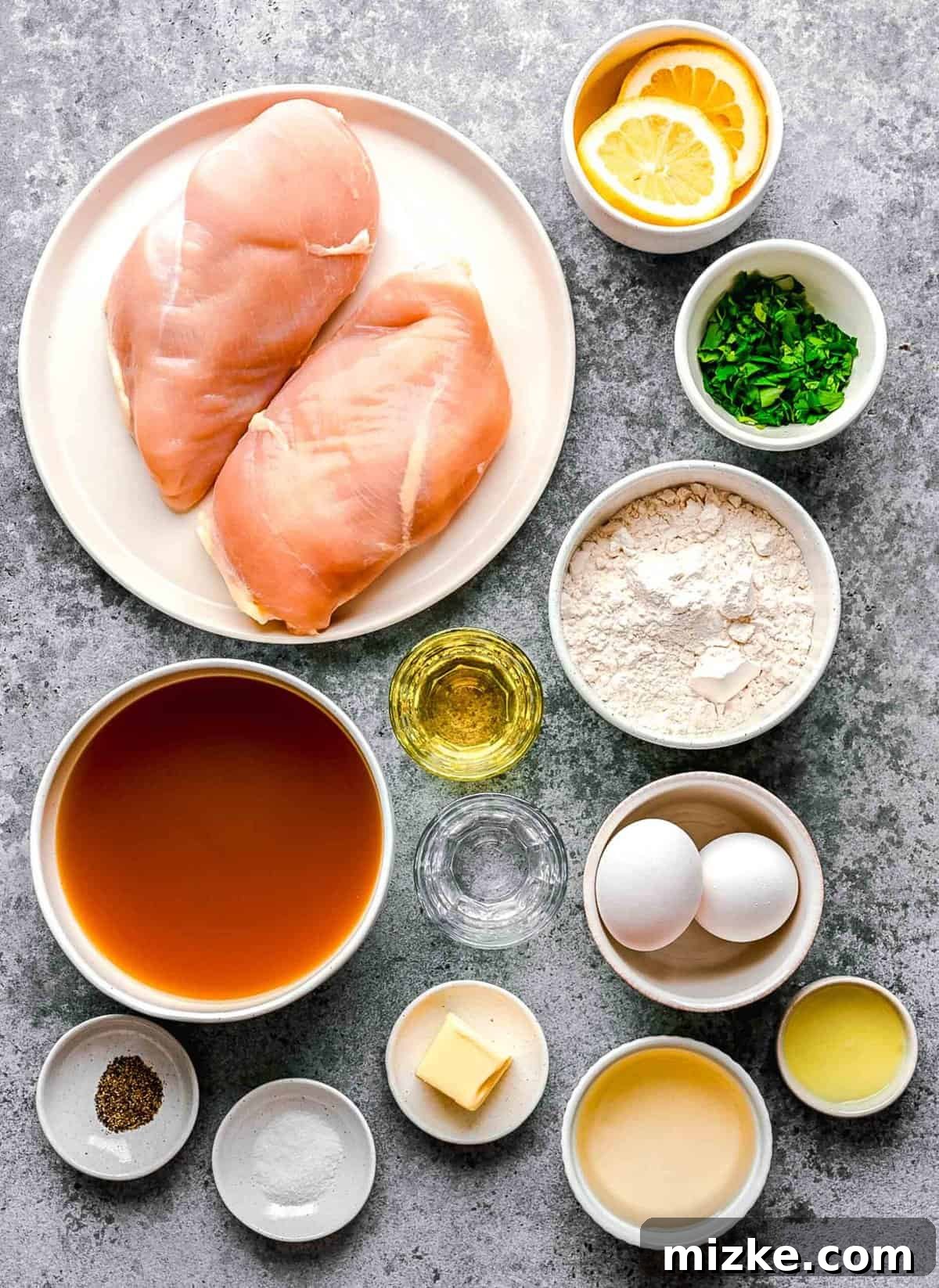
Crafting this delightful easy Chicken Francese recipe requires a handful of fresh, high-quality ingredients. Each plays a crucial role in building the dish’s signature flavor and texture. For precise measurements, please refer to the detailed recipe card below.
- Chicken Breasts: Opt for boneless, skinless chicken breasts. To ensure even cooking and faster preparation, ask your butcher to butterfly them, or easily do it yourself by slicing each breast horizontally through the middle to create two thinner cutlets.
- Salt & Pepper: Simple seasonings are all you need to enhance the natural flavors of the chicken and the sauce.
- All-Purpose Flour: This is essential for the light breading and for thickening the sauce. For a gluten-free alternative, a 1:1 gluten-free flour blend works perfectly without compromising texture or taste.
- Eggs & Water: Whisked together, these create the light batter that adheres to the chicken, creating a delicate, golden crust when pan-fried.
- Olive Oil: Used for pan-frying the chicken, contributing a subtle fruity note and ensuring a crisp exterior.
- Butter: A key component of the rich, velvety sauce, adding a luxurious mouthfeel and depth of flavor.
- Lemon: Fresh lemon is non-negotiable! Half is sliced into rounds for simmering in the sauce, infusing it with bright citrus notes, while the other half is juiced to provide that essential tangy kick.
- Dry White Wine: A splash of dry white wine (like Pinot Grigio or Sauvignon Blanc) adds acidity, complexity, and a sophisticated depth to the sauce. It deglazes the pan, capturing all the flavorful browned bits.
- Chicken Broth: Forms the savory base of the sauce, balancing the richness of the butter and the tartness of the lemon. Homemade chicken stock will always yield the best flavor, but store-bought low-sodium broth is also excellent.
- Fresh Chopped Parsley: A vibrant garnish that adds a pop of color and a fresh, herbaceous finish, enhancing the overall aroma and flavor.
Mastering the Art of Chicken Francese: Step-by-Step Guide
Now that you’re acquainted with the incredible deliciousness of this chicken dish and its stellar ingredients, let’s dive into the simple steps to create it in your own kitchen. This is a quick overview; be sure to consult the recipe card below for even more detailed instructions and precise measurements.
- Prepare the Chicken and Breading Stations: Begin by butterflying your chicken breasts, ensuring they are uniform in thickness for even cooking. Set these aside. Next, prepare two shallow bowls: in the first, whisk together the all-purpose flour, salt, and pepper. In the second, vigorously whisk the eggs and water until well combined. These will be your dredging stations.
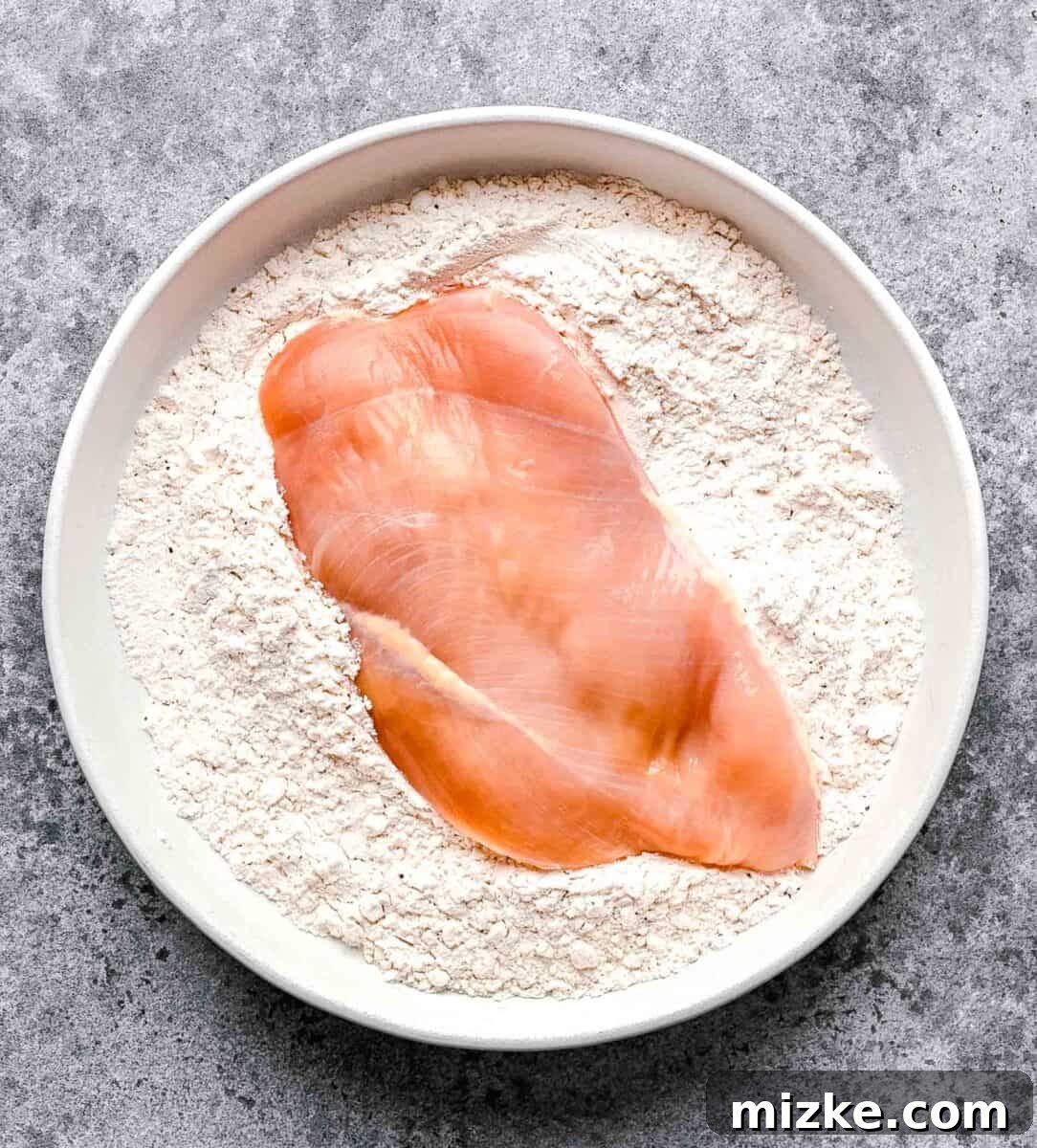
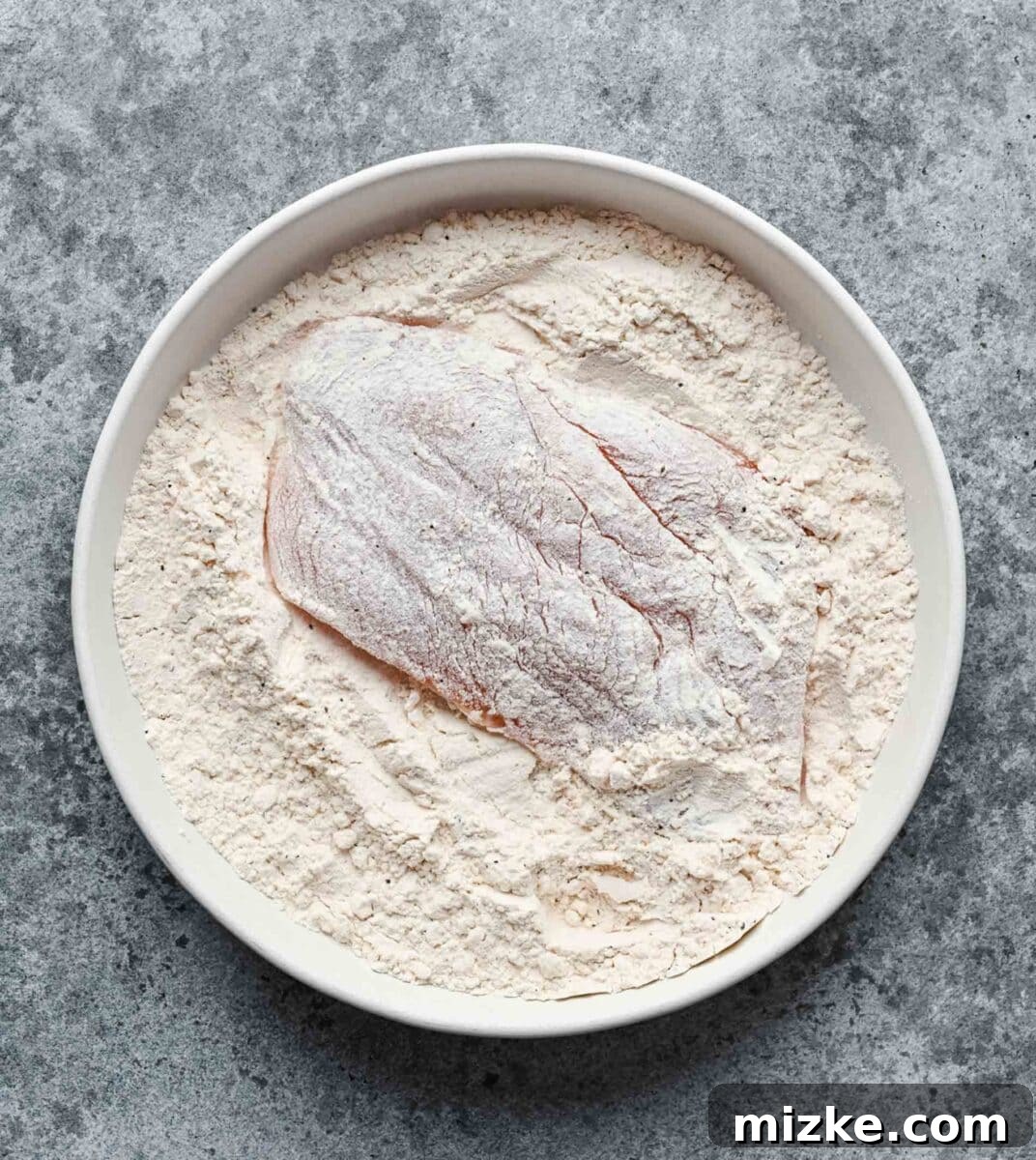
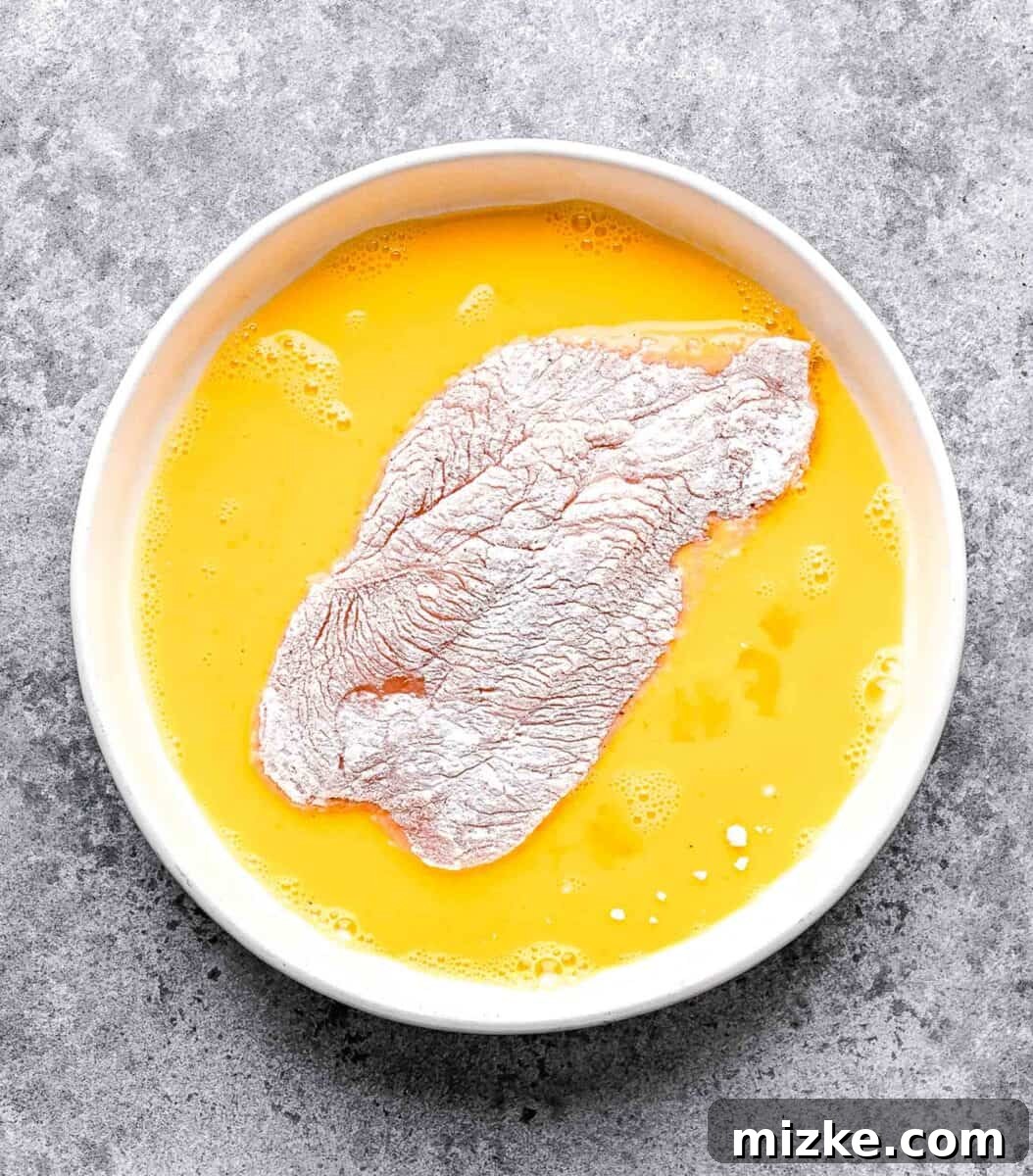
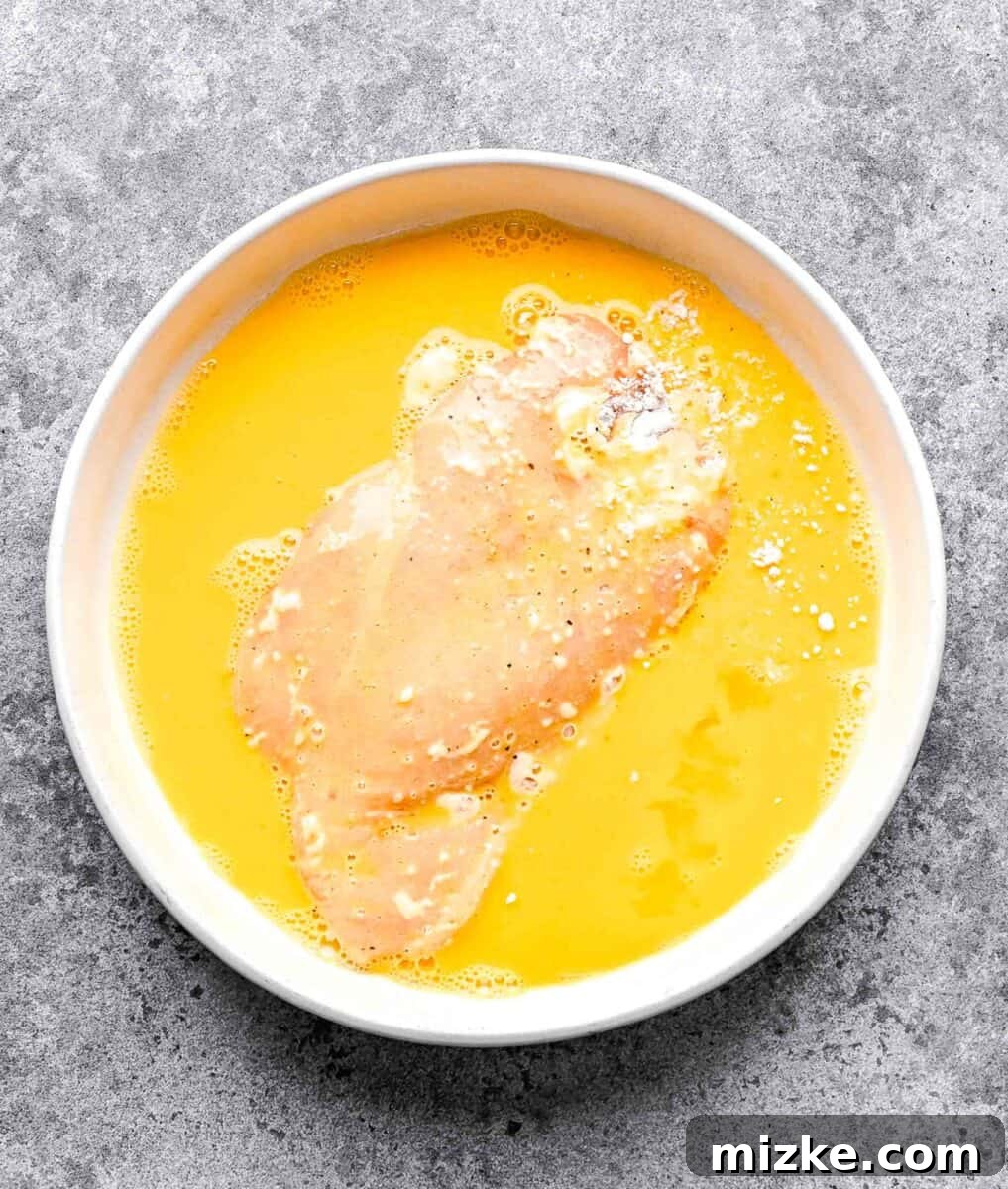
Dredge the Chicken for the Perfect Coating: Take each butterflied chicken breast and dredge it thoroughly (both sides) in the seasoned flour mixture, shaking off any excess. Immediately transfer it to the egg mixture, ensuring it’s fully coated. This two-step process creates a light, flavorful crust.
Pan-Fry to Golden Perfection: Heat the olive oil in a heavy-bottomed skillet (a cast iron skillet works wonders here) over medium-high heat until shimmering. Carefully place the dredged chicken pieces into the hot oil. Sear for approximately 5-6 minutes on each side, or until they achieve a beautiful golden-brown color and are cooked through to an internal temperature of 165°F (74°C). Cook in batches if necessary to avoid overcrowding the pan.
Craft the Signature Lemon-Butter Sauce: Once the chicken is cooked, remove it from the pan and set it aside. Without cleaning the pan (those browned bits are flavor gold!), add the butter and a tablespoon of flour to the skillet. Whisk continuously for about a minute until the mixture is smooth and clump-free, forming a roux. This will be the base of your silky sauce.
Simmer and Thicken: Gradually whisk in the fresh lemon juice, dry white wine, and chicken broth. Add the lemon slices to the pan for an extra burst of flavor and visual appeal. Bring the sauce to a gentle simmer, stirring occasionally, and cook for a few minutes until it thickens to a smooth, velvety consistency that can lightly coat the back of a spoon.
Return and Serve: Gently return the pan-fried chicken breasts to the skillet, nestling them into the simmering sauce. Spoon the sauce generously over each piece of chicken, ensuring it’s beautifully coated. Garnish with a sprinkle of fresh chopped parsley. Serve immediately, perhaps over a bed of creamy mashed potatoes or alongside your favorite pasta.
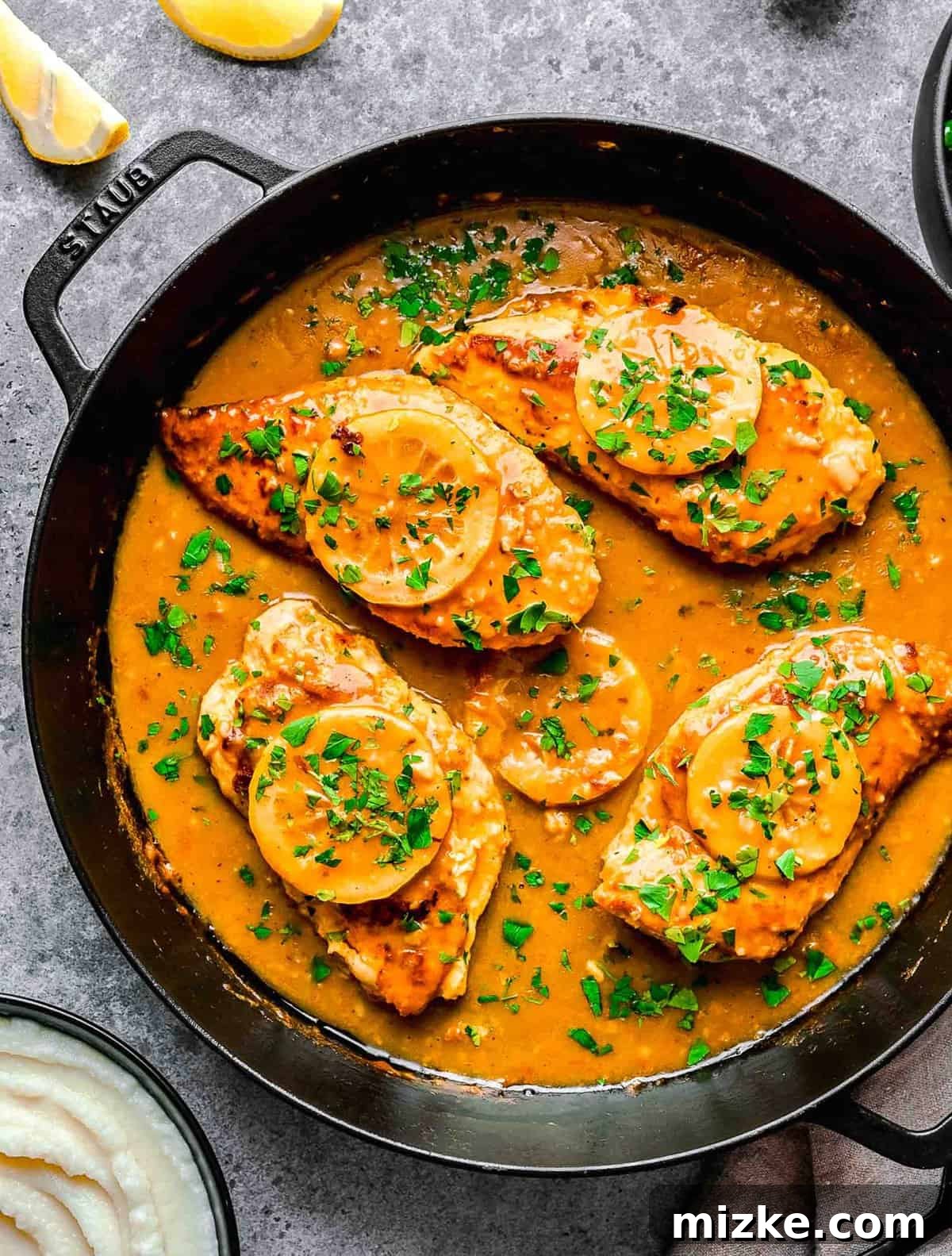
Expert Tips for Chicken Francese Success
To ensure your Chicken Francese turns out perfectly on your very first attempt, take a moment to review these invaluable tips and tricks. They’re designed to set you up for culinary success!
- Ensure Evenly Sized Chicken Pieces: The key to uniformly cooked chicken is to start with pieces of consistent size and thickness. If your chicken breasts are very thick, pound them gently between two sheets of plastic wrap to an even thickness of about ½ inch. This ensures all pieces cook at the same rate, preventing some from drying out while others are still undercooked.
- Achieve the Right Oil Temperature: This is crucial for a crisp, golden breading. Heat the olive oil over medium-high heat until it shimmers but isn’t smoking. Oil that’s too cool will lead to a soggy, greasy coating, while oil that’s too hot will burn the breading before the chicken is cooked through. A drop of water should sizzle immediately when it touches the hot oil.
- Shake Off Excess Flour: After dredging the chicken in the flour mixture, give each piece a gentle shake to remove any excess. Too much flour can result in a thick, pasty coating that won’t crisp up nicely and can make your sauce clumpy.
- Never Crowd the Pan: Resist the urge to cram all the chicken into the skillet at once. If your pan isn’t large enough to accommodate all the pieces with ample space around them, cook the chicken in batches. Crowding the pan lowers the oil temperature and causes the chicken to steam rather than sear, leading to a less desirable, soggy texture.
- Always Use Fresh Lemon Juice: While bottled lemon juice can be convenient, the flavor difference fresh lemon juice makes in this dish is profound. Freshly squeezed lemon juice provides a brighter, more vibrant, and more aromatic tang that is essential for the signature taste of Chicken Francese.
- Don’t Overcook the Chicken: Chicken breasts can dry out quickly. Once they reach an internal temperature of 165°F (74°C), remove them from the pan. The residual heat will continue to cook them slightly, and they will finish cooking when reintroduced to the sauce.
- Whisk the Roux Continuously: When adding the butter and flour to create the roux for the sauce, whisk constantly to prevent lumps. A smooth roux is the foundation for a silky, lump-free sauce.
Delightful Serving Suggestions for Chicken Francese
This mouthwatering chicken dish is incredibly versatile and pairs beautifully with a wide array of side dishes. Here are some of my favorite accompaniments to complete your Italian-inspired meal:
- Over Pasta: Nothing says classic Italian-American comfort food quite like chicken and pasta. The rich, lemony sauce is perfect for tossing with your favorite pasta shape. Try serving it with my Creamy Lion’s Mane Mushroom Pasta, One Pot Pasta with Ricotta and Lemon, or this simple yet flavorful One Pot Garlic Parmesan Pasta. The sauce will cling perfectly to every strand.
- Potatoes: For a hearty and satisfying meal, serve this saucy chicken over steaming hot Garlic Mashed Potatoes. The creamy potatoes beautifully absorb the exquisite lemon-butter sauce. Other fantastic options include my indulgent Scalloped Potatoes or the incredibly flavorful Parmesan Garlic Ranch Butter Smashed Potatoes.
- Crusty Bread: To truly capture every last drop of the delectable sauce, a side of warm, crusty bread is a must. Garlic bread or a classic Italian loaf works wonderfully. Consider making my Kiss Me If You Dare Extra Garlicky and Cheesy Bread or these soft Garlic Herb Parker House Rolls to sop up all that goodness.
- Fresh Green Salad: To add a refreshing contrast and a burst of freshness to your plate, pair your Chicken Francese with a crisp green salad. I’ve been particularly enjoying this bright Vegan Caesar Salad and the elegant Chopped Endive and Romaine Salad. A simple side salad with a light vinaigrette is always a good choice.
- Cooked Vegetables: If salads aren’t your preference, incorporate your vegetables by serving them cooked. Try this irresistibly savory Crazy Roasted Cauliflower, sweet and tender Roasted Parmesan Carrots, or a comforting classic like my Green Bean Casserole. Steamed asparagus or sautéed broccoli also make excellent, light accompaniments.
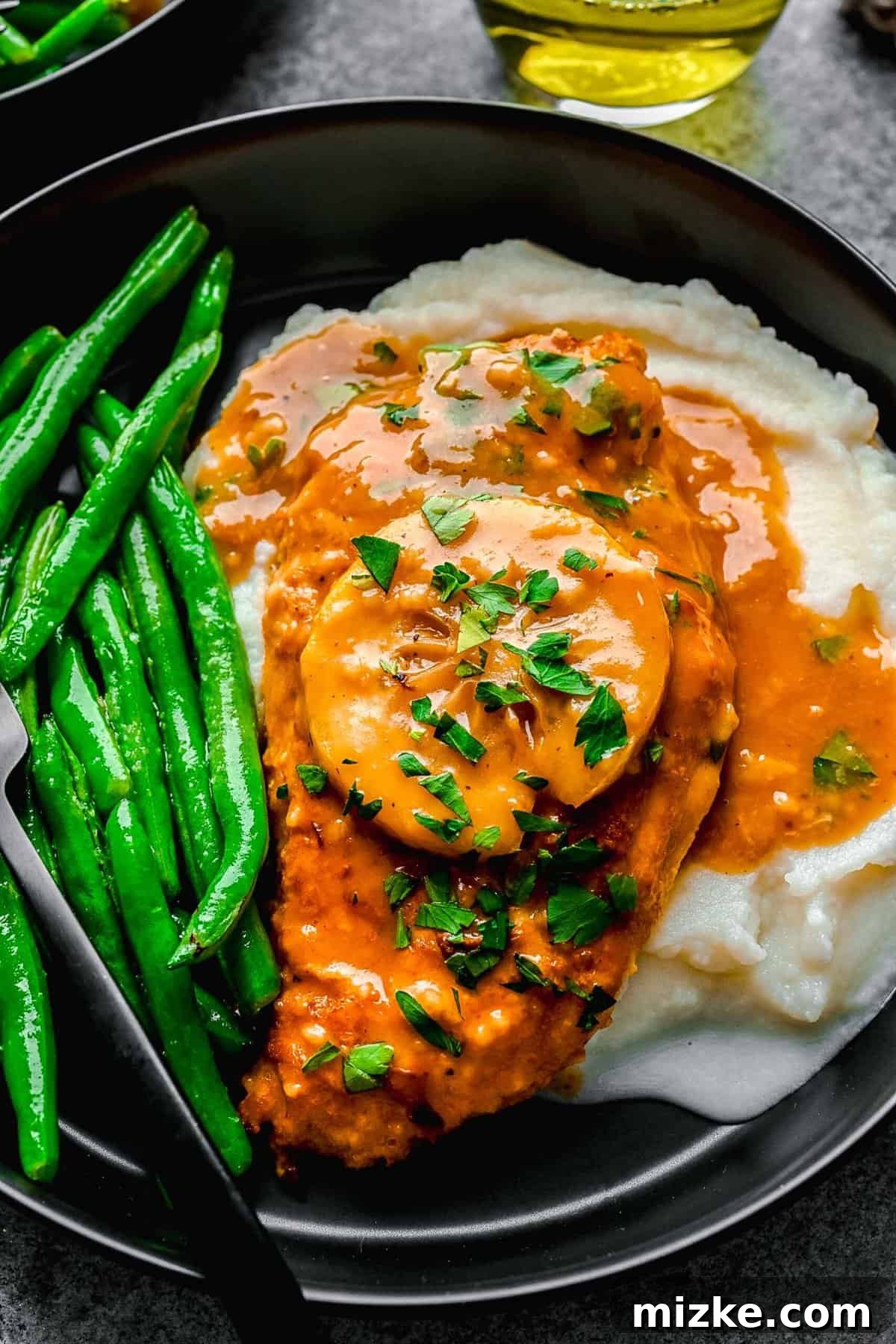
Storing and Reheating Your Leftover Chicken Francese
One of the best things about a delicious meal is enjoying the leftovers! Here’s how to properly store and reheat your Chicken Francese to maintain its wonderful flavor and texture:
Refrigerator Storage: Allow any leftover chicken and its accompanying sauce to cool down completely to room temperature before storing. Transfer them together into an airtight container. Properly stored, Chicken Francese can be kept in the refrigerator for up to 3-4 days. The flavors often meld and deepen overnight, making it just as enjoyable the next day.
Freezer Storage: If you’re looking to extend the life of your leftovers, Chicken Francese freezes well. Once the chicken and sauce have cooled completely, transfer them to a freezer-safe, airtight container or a heavy-duty freezer bag. It can be stored in the freezer for up to 3 months. For best results, thaw the frozen chicken and sauce in the refrigerator overnight before reheating.
To Reheat: For optimal results and to prevent the chicken from drying out, it’s best to reheat Chicken Francese gently. Place the chicken pieces and the sauce in a baking dish. If desired, add a splash of chicken broth or white wine to loosen the sauce if it has thickened too much. Cover the dish tightly with aluminum foil to trap moisture. Bake in a preheated oven at 300°F (150°C) for about 15-20 minutes, or until the chicken is thoroughly heated through and the sauce is bubbling. You can also gently reheat on the stovetop over low heat, stirring occasionally, until warmed through.
Explore More Easy Chicken Recipes
The versatility of chicken truly knows no bounds! While this Italian-American Chicken Francese is undoubtedly a delicious triumph, there are countless other exciting ways to prepare this popular protein. If you loved this recipe, make sure to check out these other fantastic and easy chicken dishes from my kitchen:
- Baked BBQ Chicken Thighs: A sweet and savory delight, perfect for a hearty family meal.
- Air Fryer Chicken Nuggets: Crispy, healthier nuggets that are a hit with kids and adults alike.
- Moo Shu Chicken: A flavorful and vibrant Chinese-inspired dish, easy to make at home.
- Garlic Butter Chicken: A simple yet incredibly rich and aromatic chicken dish.
- Easy Chicken Marsala: Another Italian classic featuring tender chicken in a savory mushroom and Marsala wine sauce.
- Greek Chicken Souvlaki: Marinated and grilled chicken skewers bursting with Mediterranean flavors.
Chicken Francese Recipe
This easy, elegant chicken francese is to die for. Tender chicken breast halves are lightly breaded, pan-fried, and finished in a bright lemon-butter sauce.
By: Julie Chiou
Rating: 4 out of 5 stars (based on 2 votes)
Key Details
- Prep Time: 10 minutes
- Cook Time: 25 minutes
- Total Time: 35 minutes
- Servings: 4 servings
Equipment
- Cast iron skillet
Ingredients
- 2 large chicken breasts, butterflied
- ½ teaspoon salt
- ¼ teaspoon ground black pepper
- ¾ cup (94 g) all purpose flour
- 2 large eggs, beaten
- 2 tablespoons water
- 2 tablespoons olive oil
- 2 tablespoons (28 g) butter
- 1 tablespoon all purpose flour
- 1 lemon, half cut into rounds, the other half juiced
- ½ cup (118 ml) dry white wine
- 1 ½ cup (355 ml) chicken broth
- ¼ cup (15 g) chopped parsley
Instructions
- Butterfly the chicken by slicing each breast in half.
- In a shallow bowl, whisk together salt, pepper, and flour.
- In a separate bowl, whisk together eggs and water.
- Preheat olive oil in a large cast iron skillet over medium-high heat. Dredge each chicken breast in flour, then in the egg mixture. Add directly to the pan. Sear for 5-6 minutes on each side, or until golden brown and cooked through (165 °F / 74 °C internal temp).
- Remove the chicken from the pan and set aside. Add in butter and flour and whisk until no clumps remain.
- Whisk in lemon juice, white wine, broth, and lemon slices. Bring to a simmer and cook for a few minutes, until the sauce starts to thicken. Add back in the chicken and coat with sauce. Serve with chopped parsley.
Nutrition Information (Approximate)
- Serving: 1 serving (900 grams)
- Calories: 404 kcal
- Carbohydrates: 23g
- Protein: 30g
- Fat: 18g
- Saturated Fat: 6g
- Polyunsaturated Fat: 2g
- Monounsaturated Fat: 8g
- Trans Fat: 0.3g
- Cholesterol: 171mg
- Sodium: 830mg
- Potassium: 574mg
- Fiber: 2g
- Sugar: 2g
Disclaimer: This website provides approximate nutrition information for convenience and as a courtesy only. Nutrition information can vary for a variety of reasons. For the most precise nutritional data, use your preferred nutrition calculator based on the actual ingredients you used in the recipe. The default measuring system for this website is US Customary. Unit conversions are provided for convenience and as a courtesy only. While we strive to provide accurate unit conversions, please be aware that there may be some discrepancies.