
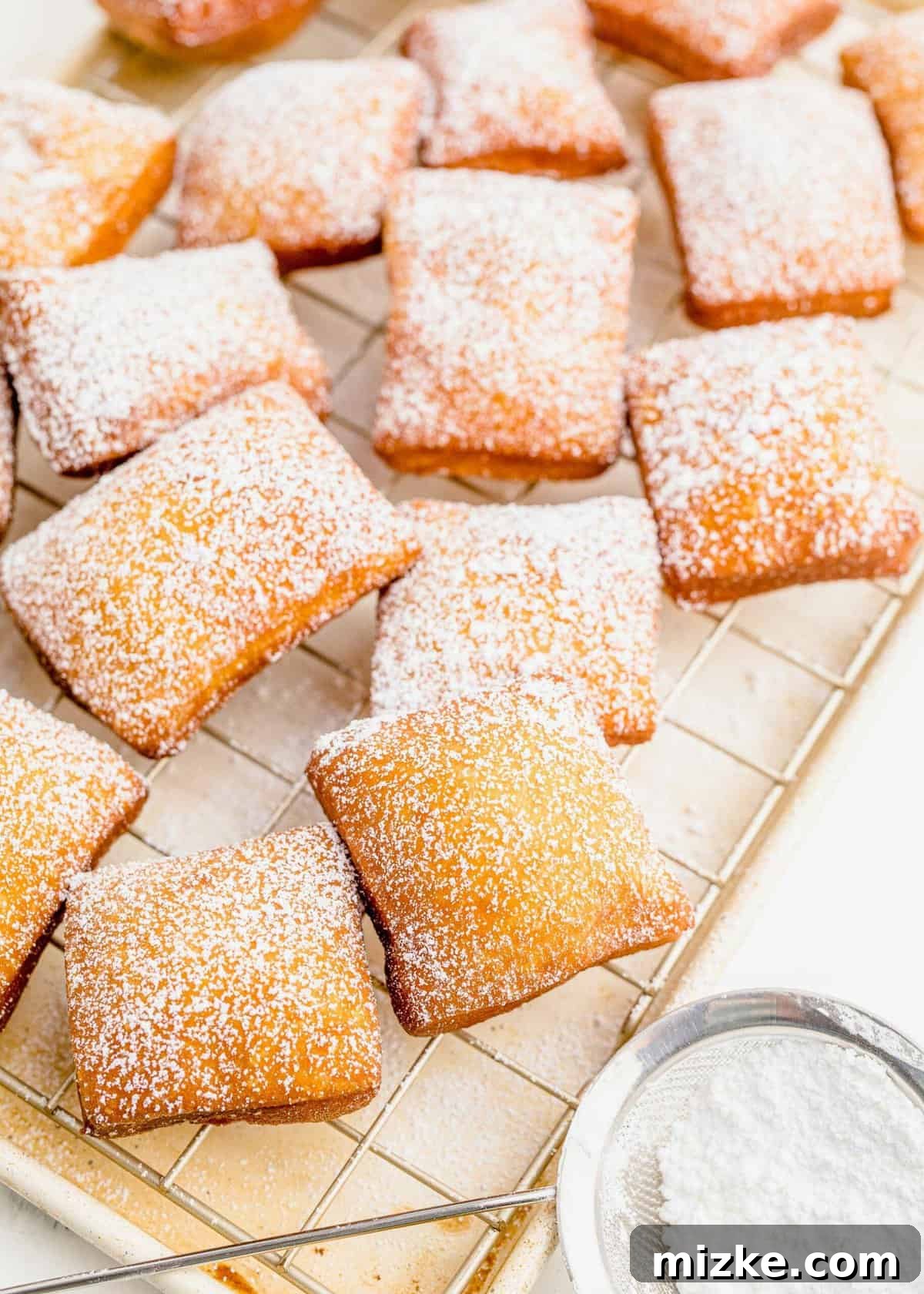
The Ultimate Guide to Homemade Beignets: Bring New Orleans Flavor Home
Transport yourself to the vibrant streets of New Orleans’ French Quarter with every delightful bite of these **Homemade Beignets**. Frying up a fresh batch of these iconic square doughnuts, generously dusted with a mountain of sweet powdered sugar, is a culinary experience that captures the heart and soul of NOLA, no matter where you are. Forget the travel plans and crowded cafés for a moment – the authentic taste of these fluffy, golden pillows of goodness is now within your reach, right in your own kitchen.
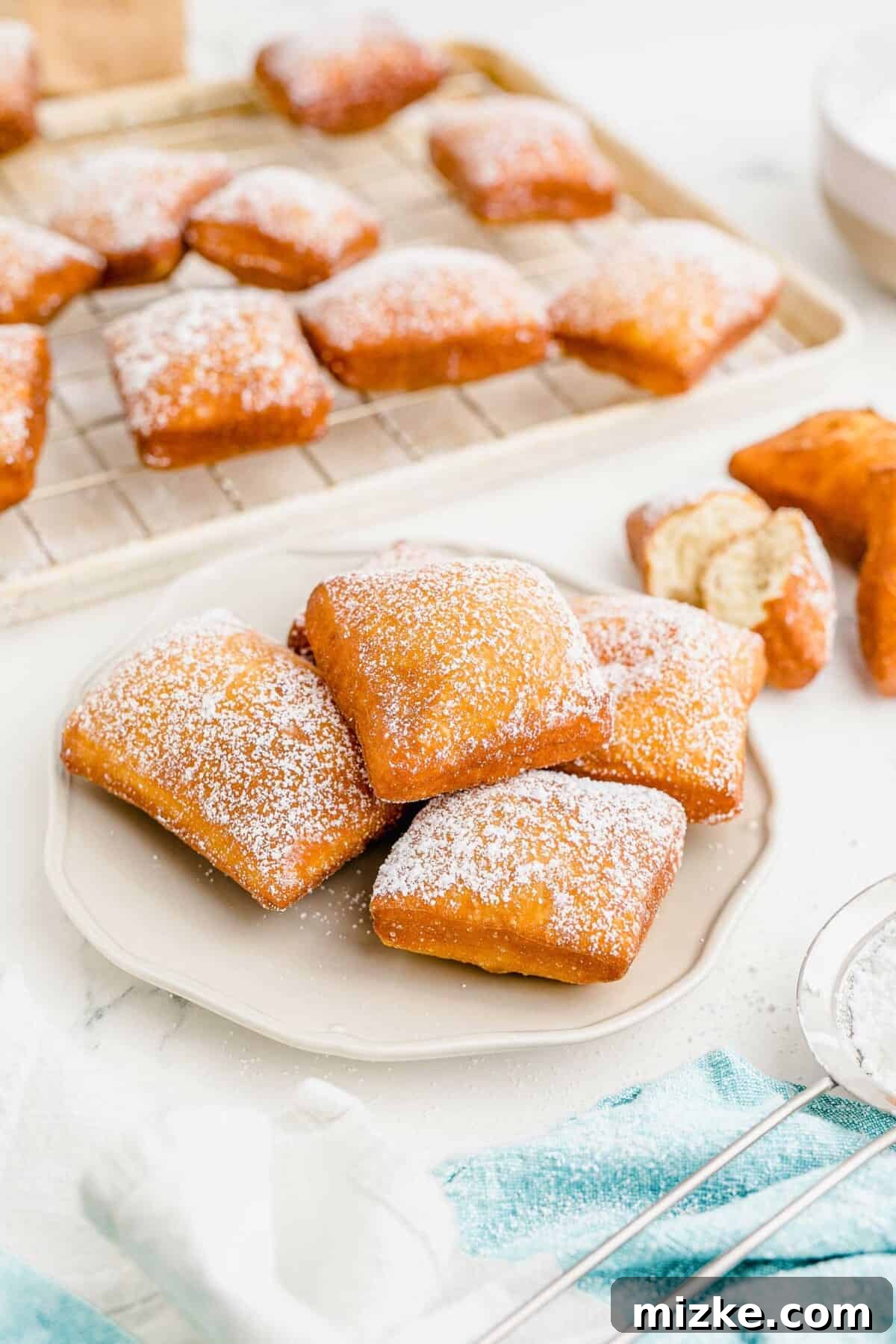
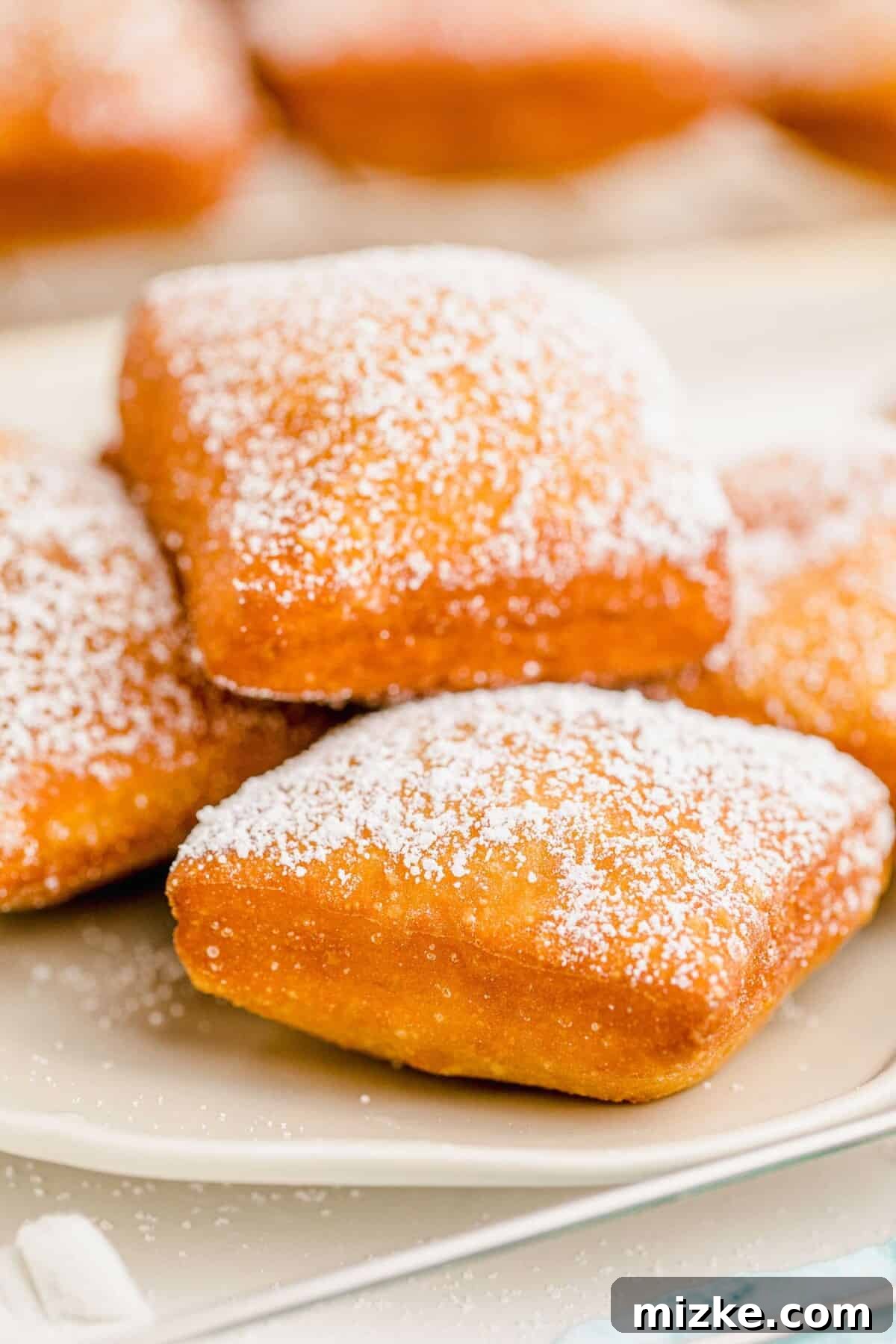
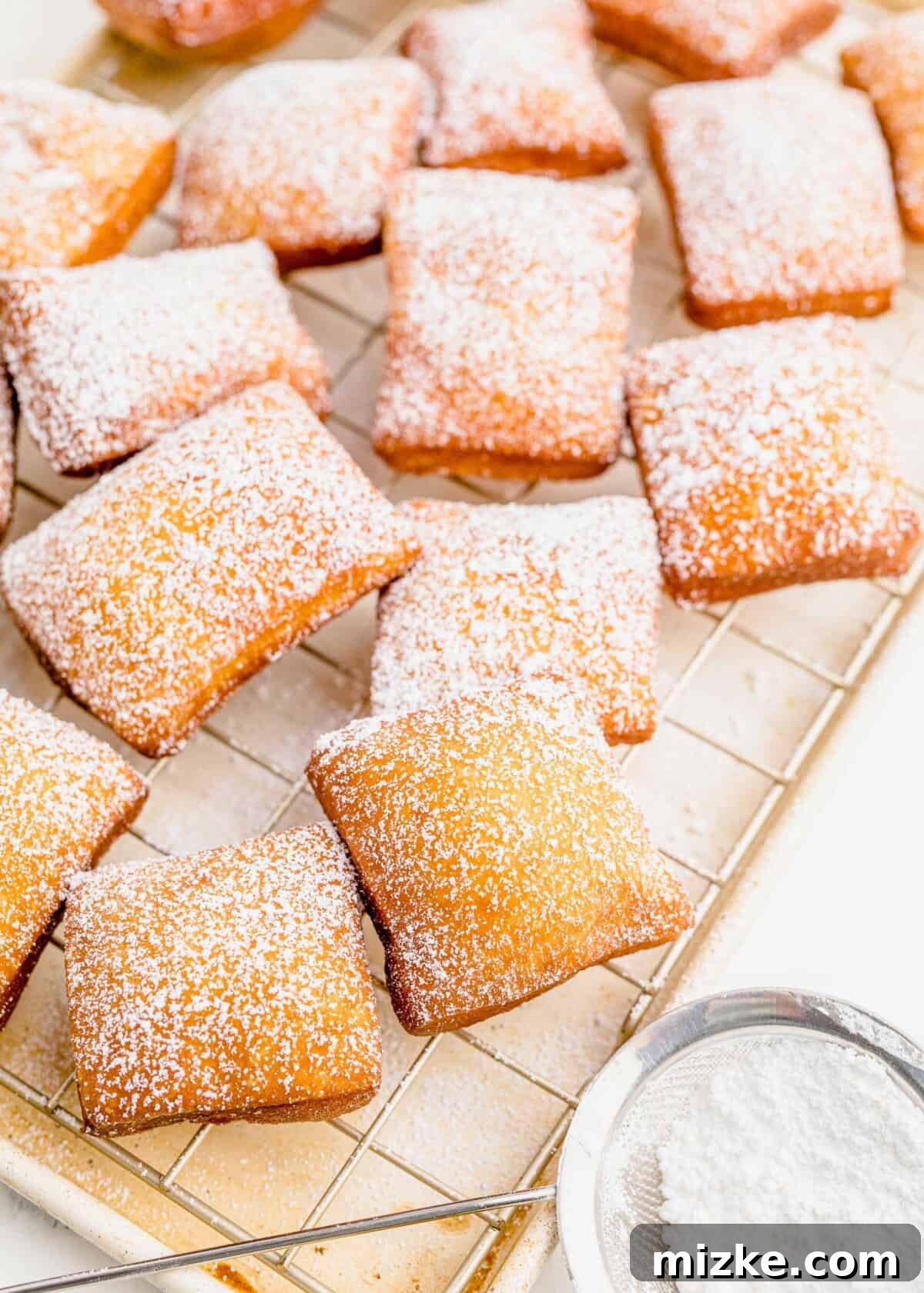
No true New Orleans vacation is complete without indulging in the classic Beignets from renowned spots like Cafe du Monde or Cafe Beignet. However, for those of us who can’t whisk away to Bourbon Street for Mardi Gras, or simply crave that unique NOLA flavor on a whim, creating the BEST beignets at home is an incredibly rewarding adventure. You’ll achieve that quintessential crunch on the outside, giving way to an incredibly soft, airy, and slightly sweet interior. It’s a culinary masterpiece that elevates beyond a simple donut, becoming an unforgettable treat. And of course, the grand finale involves a lavish showering of sweet confectioners’ sugar – because a beignet without its snowy topping is simply incomplete. While I might have gone a touch lighter on the sugar for photography, rest assured, for eating, more is always better!
Beignets (pronounced “ben-yays”) are a type of choux pastry or yeast-leavened fried dough, deeply rooted in French culinary tradition and brought to Louisiana by French colonists. Unlike many other doughnuts, beignets are typically square-shaped with no hole and are known for their incredibly light, airy texture when properly made. They puff up dramatically when fried, creating hollow pockets inside that are perfect for catching and holding onto that generous layer of powdered sugar. This simple yet profound pastry has become synonymous with New Orleans culture, especially during celebratory times like Fat Tuesday and Mardi Gras.
Essential Ingredients for Flawless Homemade Beignets
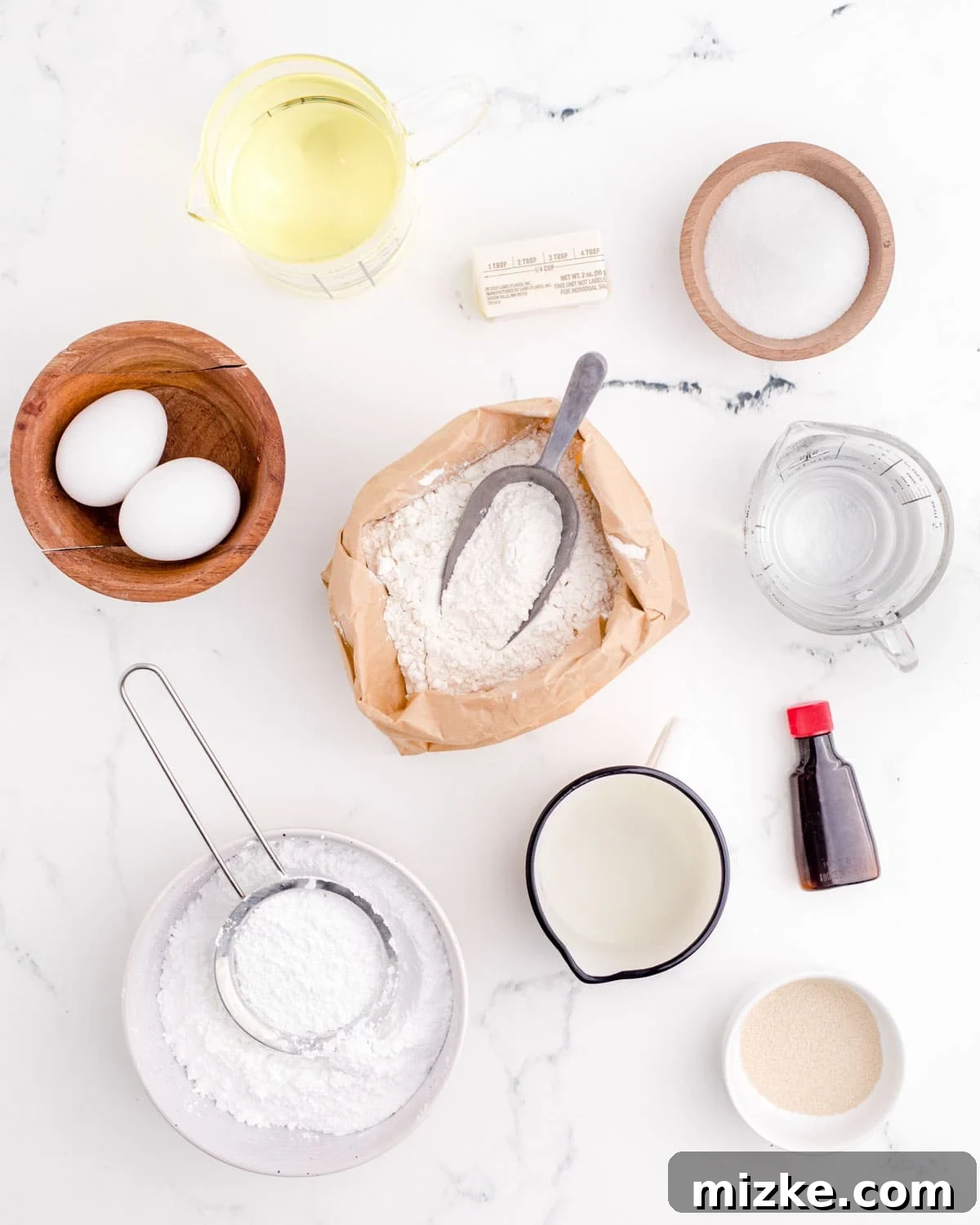
Crafting perfect beignets begins with selecting the right ingredients. Each component plays a vital role in achieving that signature fluffy texture and rich flavor. Here’s what you’ll need and why:
- Warm Water: Crucial for activating the yeast. It should be warm to the touch (around 105-115°F or 40-46°C), not hot, to avoid killing the yeast.
- Active Dry Yeast: The leavening agent that gives beignets their signature airy rise. Ensure it’s fresh and active for the best results. You can find this in the baking aisle of any grocery store.
- Granulated Sugar: Feeds the yeast and adds a subtle sweetness to the dough. No need for anything fancy here, just standard white granulated sugar.
- Eggs: Provide richness, structure, and help bind the dough. Room temperature eggs emulsify better with other ingredients, leading to a smoother, more consistent dough.
- Whole Milk: Contributes to a richer flavor and a tender crumb. Avoid skim or fat-free milk, as the fat content in whole milk is essential for the desired texture and taste. Make sure it’s at room temperature for optimal mixing.
- Pure Vanilla Extract: Enhances the overall flavor profile. Always opt for pure vanilla extract over imitation for the most authentic and robust taste.
- All-Purpose Flour: The primary structural component of the beignets. All-purpose flour provides the right balance of protein to create a tender yet manageable dough. You might need a little extra for dusting or if your dough is too sticky.
- Salted Butter: Adds a delectable richness and moisture to the dough. Using melted salted butter not only incorporates easily but also balances the sweetness. If using unsalted butter, add a pinch of salt to the flour mixture.
- Vegetable Oil for Frying: Essential for deep-frying the beignets to golden perfection. Choose an oil with a high smoke point, such as vegetable, canola, sunflower, or peanut oil. You’ll need enough to ensure the beignets are fully submerged.
- Confectioners’ Sugar (Powdered Sugar): The iconic crowning glory of every beignet! A generous dusting is non-negotiable for that authentic New Orleans experience.
How to Make Homemade Beignets: A Step-by-Step Guide
Follow these detailed steps to create perfectly puffed, golden beignets that will impress everyone!
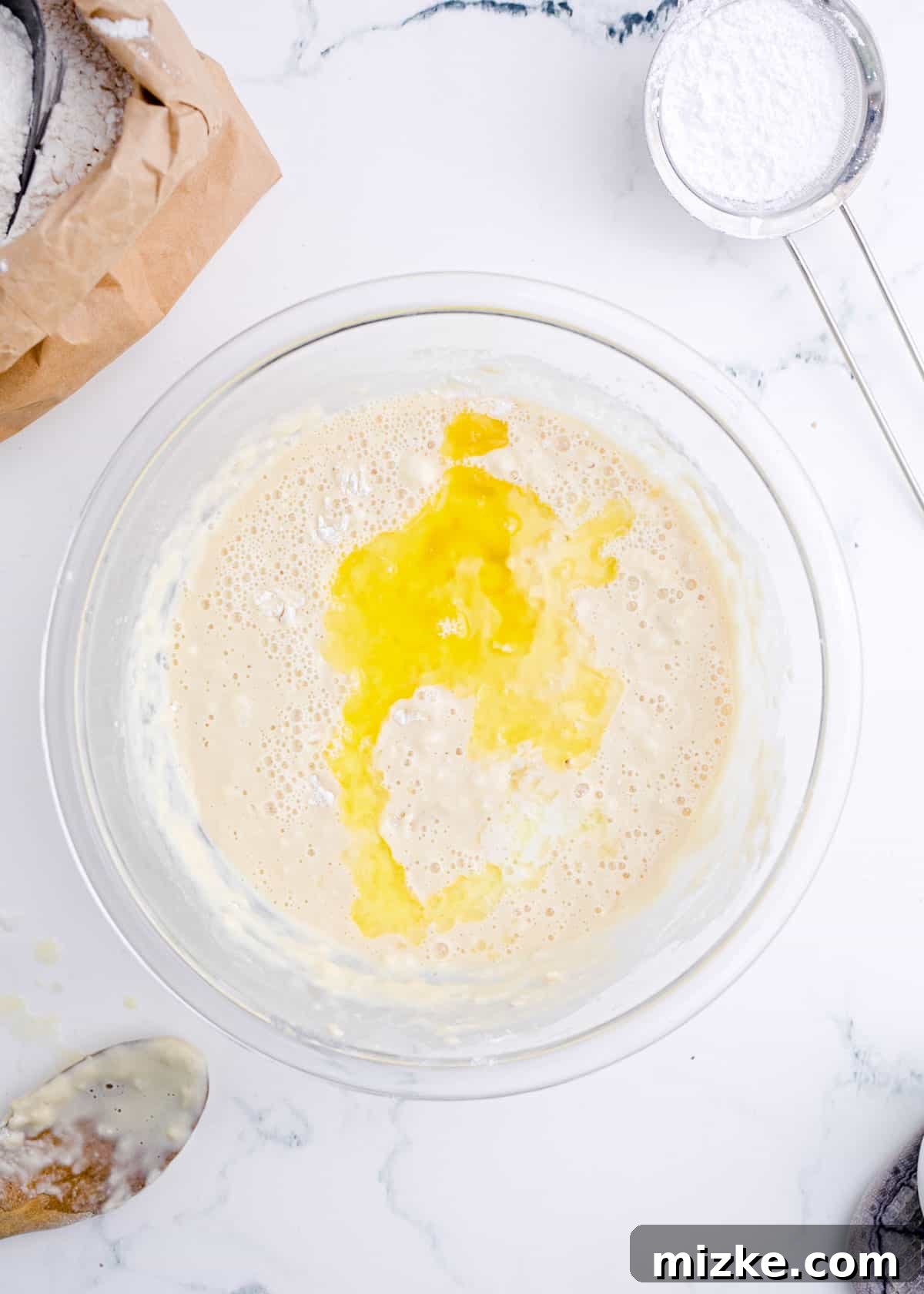
- Activate the Yeast: In a medium-sized mixing bowl, combine the warm water, active dry yeast, and granulated sugar. Give it a gentle whisk and let it sit undisturbed for 5-10 minutes. You’re looking for a slightly foamy or bubbly surface, which indicates your yeast is alive and active. If it doesn’t foam, your water might have been too hot or too cold, or your yeast may be expired.
- Combine Wet Ingredients: Once your yeast is active, whisk in the room temperature eggs, whole milk, and pure vanilla extract until thoroughly combined. This mixture forms the flavorful base of your beignet dough.
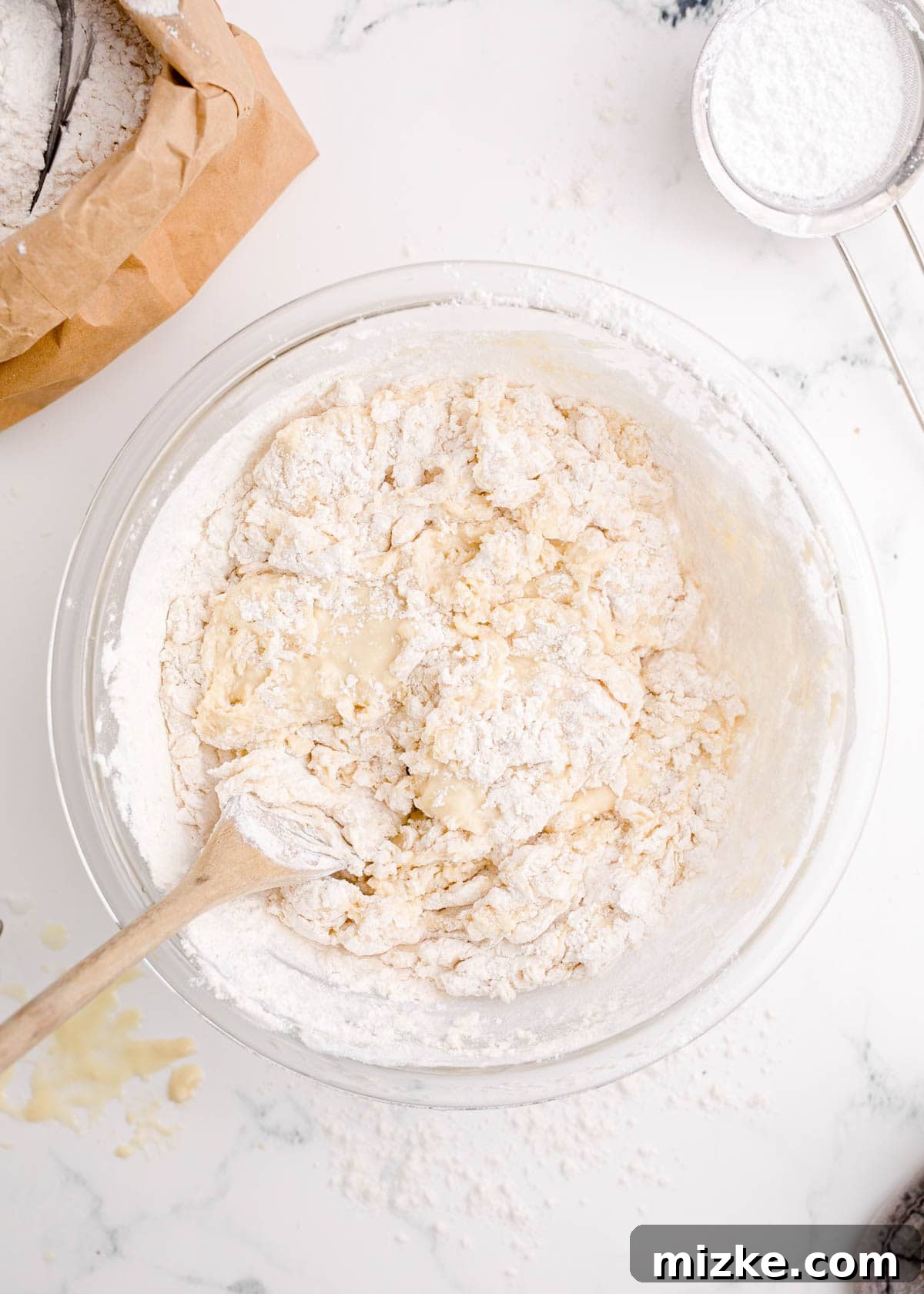
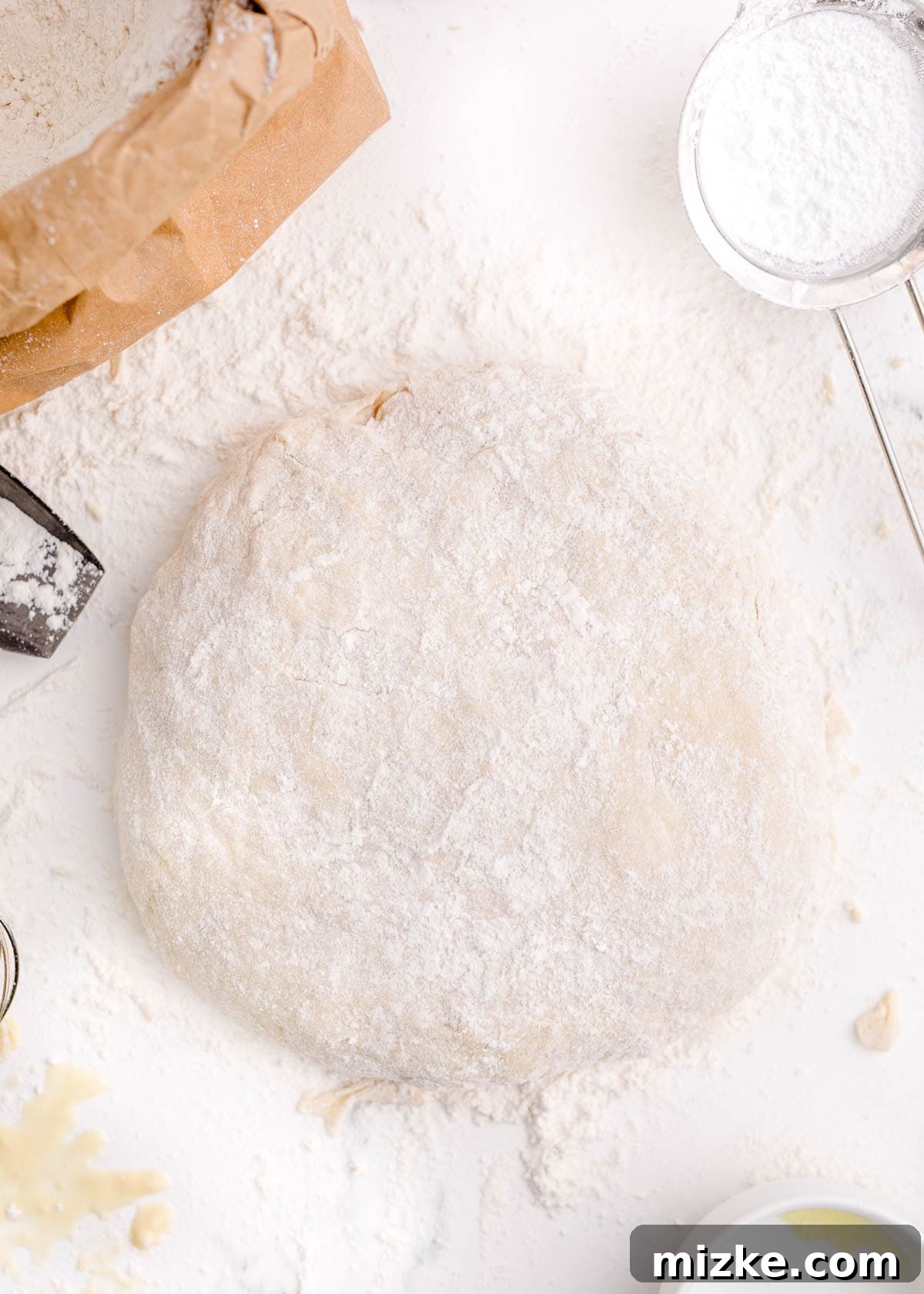
- Form the Dough: Gradually add half of the all-purpose flour to the wet mixture, mixing until just combined. Then, pour in the melted salted butter and incorporate it. Finally, add the remaining flour. Continue to mix, then turn the dough out onto a lightly floured surface and knead it by hand for about 5-7 minutes until you achieve a smooth, elastic dough. It should be soft but not excessively sticky. If it’s too sticky, add a tablespoon of flour at a time until it reaches the right consistency.
- First Rise (Proofing): Lightly oil a clean bowl. Place the kneaded dough in the bowl, turning it once to coat all sides with oil. Cover the bowl tightly with plastic wrap or a clean, damp kitchen towel. Leave the dough in a warm, draft-free place at room temperature (ideally around 70-75°F or 21-24°C). Allow it to rise until it has visibly doubled in size, which typically takes 1-2 hours.
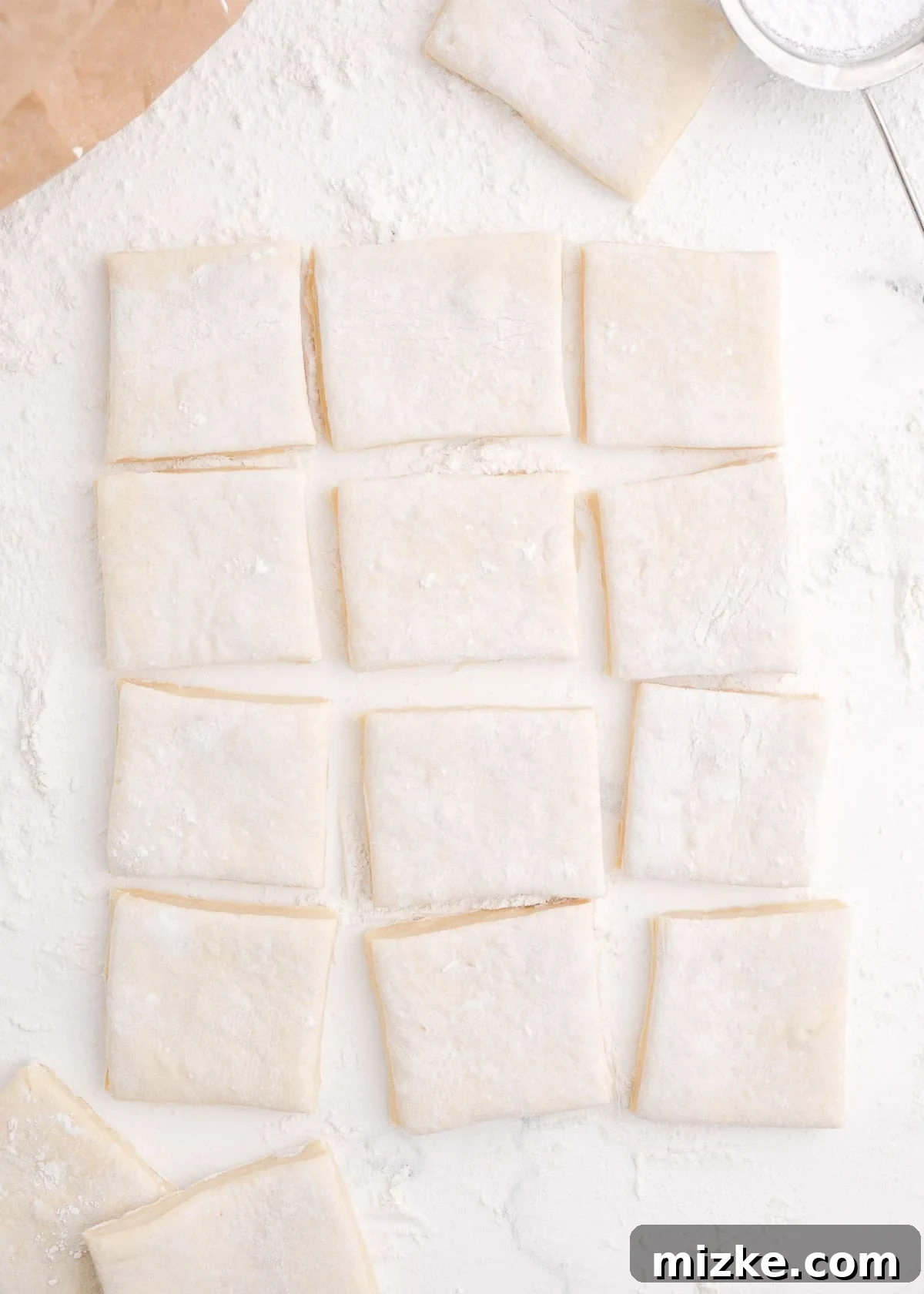
- Roll and Cut: Once the dough has risen, gently punch it down to release the air. Transfer it to a lightly floured work surface. Using a rolling pin, roll the dough out evenly to a thickness of approximately 1/4 inch. Then, using a sharp knife or pizza cutter, cut the dough into 2 1/2 inch squares. This traditional square shape is characteristic of New Orleans beignets.
- Prepare for Frying: In a large, heavy-bottomed pot or Dutch oven, pour at least 2 inches of vegetable oil. Attach a candy/deep-fry thermometer to the side of the pot. Heat the oil over medium-high heat until it reaches a consistent temperature of 370°F (188°C). Maintaining the correct oil temperature is paramount for perfectly cooked beignets – too cold, and they’ll be greasy; too hot, and they’ll burn outside before cooking inside.
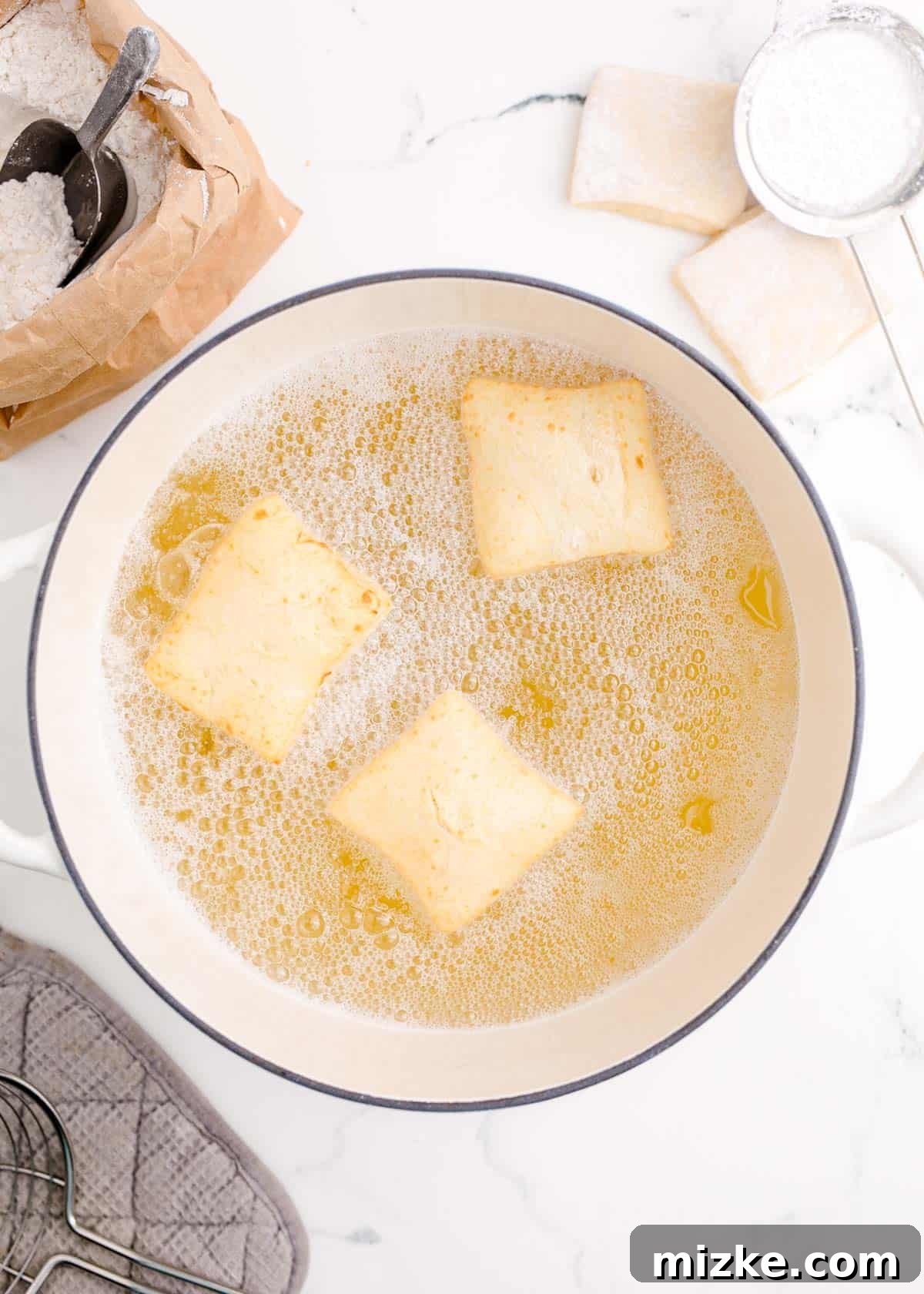
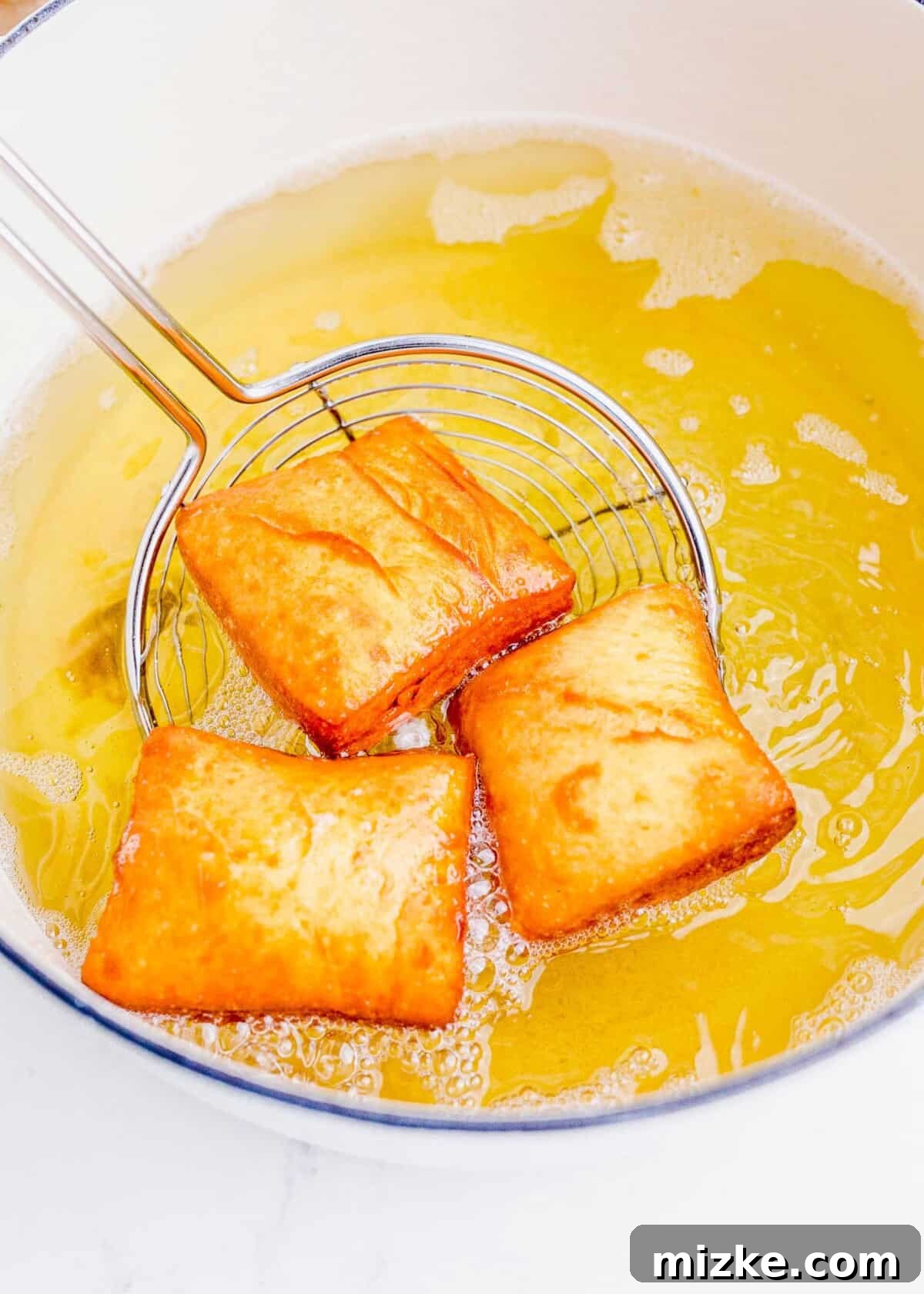
- Fry the Beignets: Carefully drop a few beignet squares into the hot oil, making sure not to overcrowd the pan. They should immediately float to the surface and begin to puff up. Fry for about 1-2 minutes per side, or until they turn a beautiful golden brown. As they fry, you can spoon hot oil over the tops to help them puff evenly. Flip them gently with tongs to ensure both sides are cooked and colored perfectly.
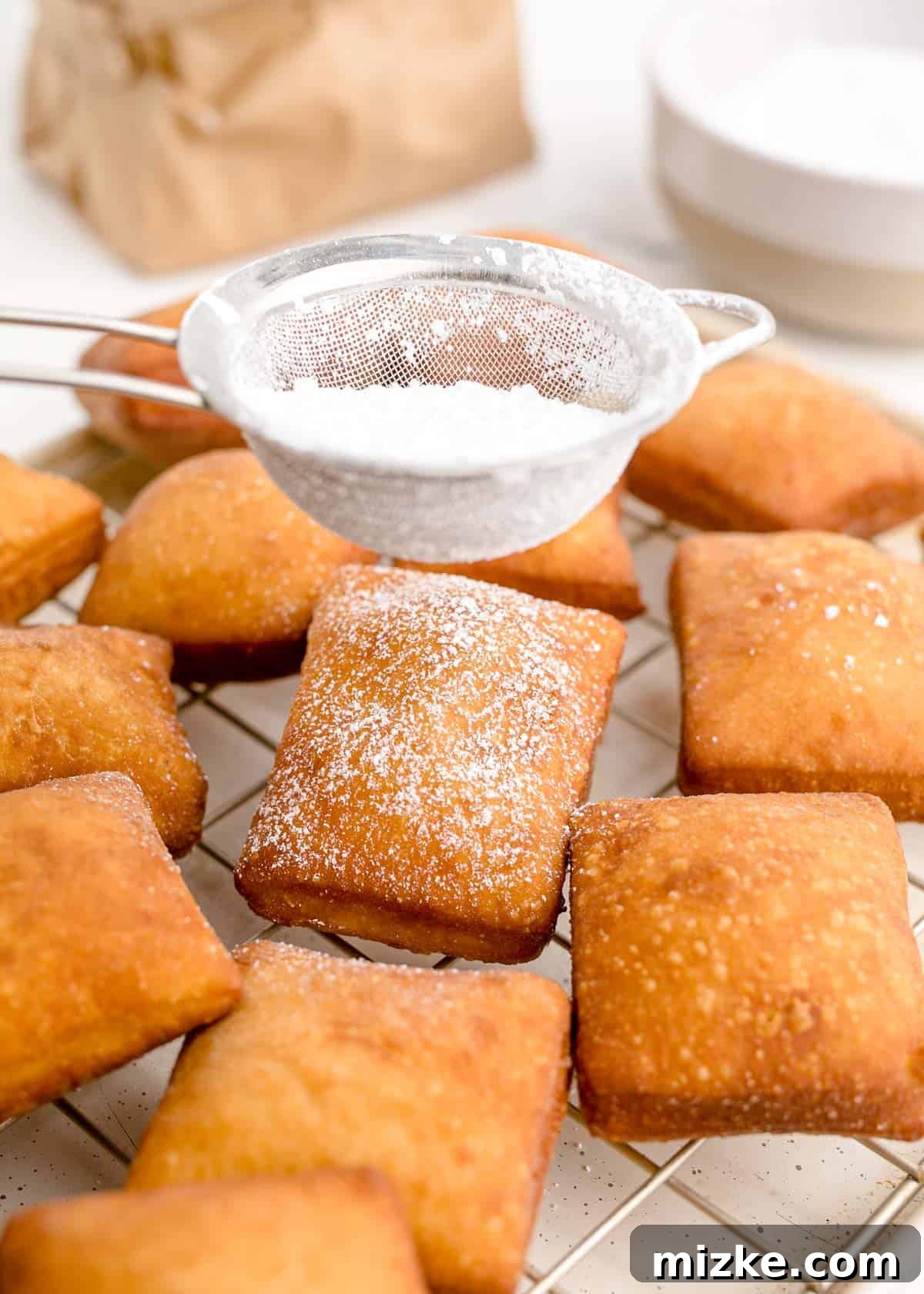
- Drain and Sugar: Once fried, use a slotted spoon or spider to transfer the beignets to a plate lined with paper towels or a wire cooling rack set over a baking sheet. This allows excess oil to drain. While still warm, generously sprinkle them with an excessive, delightful amount of confectioners’ sugar. Do not skimp!
- Serve Immediately: Beignets are best enjoyed fresh and hot, straight from the fryer. The contrast of the warm, fluffy dough and the cool, sweet sugar is simply divine. Enjoy your taste of New Orleans!
Tips for Beignet Perfection
- Yeast is Key: Always check the expiration date of your yeast. If your yeast-water mixture doesn’t get foamy after 5-10 minutes, your yeast is likely dead, and your dough won’t rise. Start fresh with new yeast.
- Room Temperature Ingredients: Ensure your eggs and milk are at room temperature. This allows them to integrate more smoothly into the dough, creating a more uniform texture and facilitating better yeast activity.
- Don’t Rush the Rise: Patience is a virtue when working with yeast dough. Allow the dough to rise fully until it has truly doubled in size. A proper rise is critical for those airy pockets.
- Oil Temperature is Critical: Invest in a good deep-fry or candy thermometer. Maintaining a consistent oil temperature of 370°F (188°C) is the most important factor for non-greasy, perfectly puffed beignets. Too low, and they’ll soak up oil; too high, and they’ll burn outside before cooking through.
- Don’t Overcrowd the Pot: Fry beignets in small batches to maintain the oil temperature. Overcrowding will cause the oil temperature to drop, leading to greasy, heavy beignets.
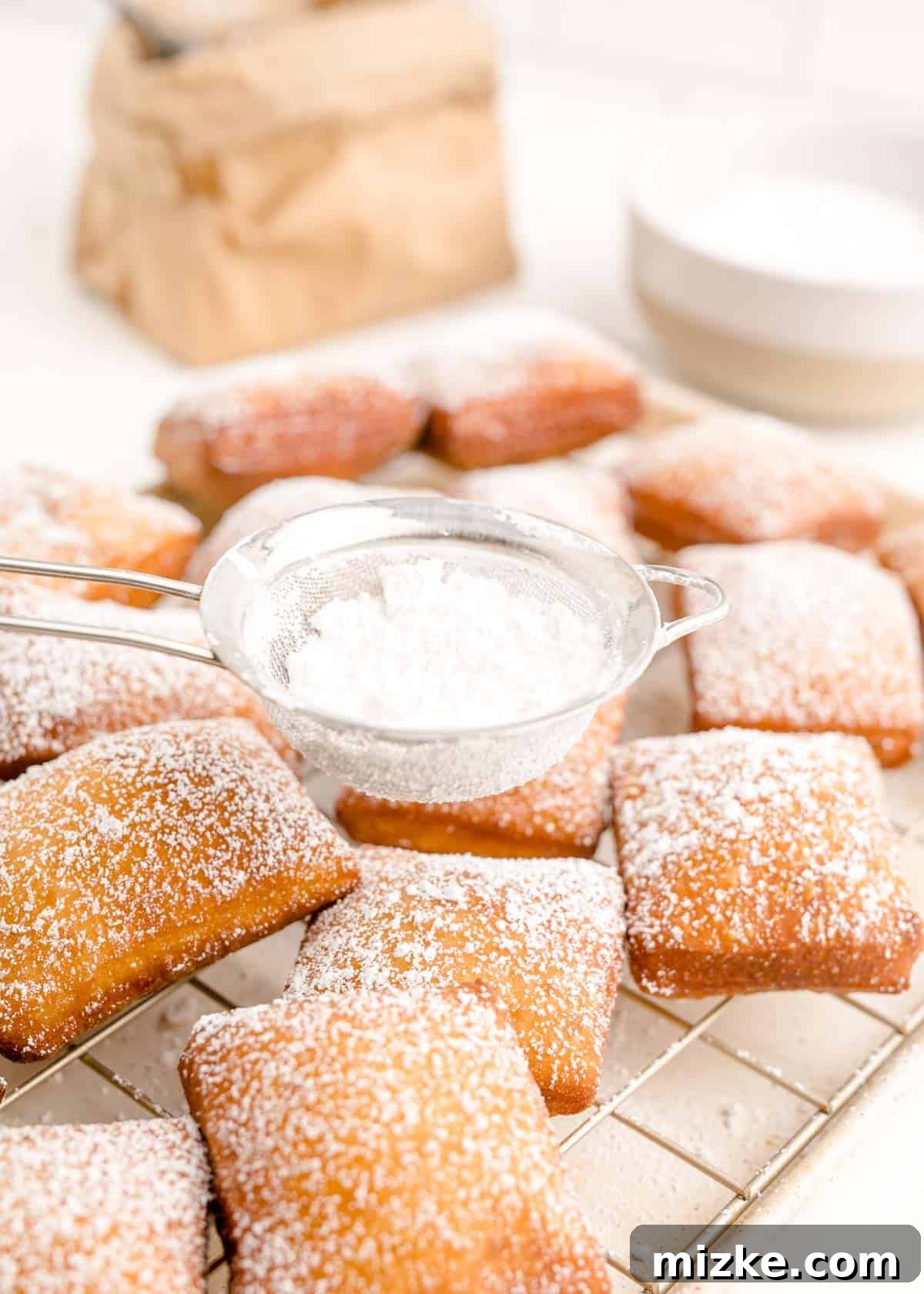
- Generous Powdered Sugar: This isn’t just decoration; it’s part of the authentic beignet experience. Dust them heavily and don’t be shy! A fine-mesh sieve works wonderfully for an even coating.
Frequently Asked Questions About Homemade Beignets
Why didn’t my beignets rise? Did I do something wrong?
This is a common issue often related to your yeast. Firstly, always check the expiration date on your active dry yeast. If it’s past its prime, it won’t be active. Secondly, when you dissolve the yeast and sugar in warm water, it should become visibly foamy or bubbly after 5-10 minutes. If this doesn’t happen, your yeast is likely inactive. The temperature of your water is also critical; it should be warm (around 105-115°F or 40-46°C), not too hot (which can kill the yeast) or too cold (which won’t activate it). Ensure your room temperature is also conducive to rising, avoiding cold, drafty spots.
Can I use a stand mixer to make the dough?
Absolutely! A stand mixer makes the kneading process much easier. Use the dough hook attachment. Mix the ingredients on low speed until they come together, then increase the speed to medium-low and knead for about 5-7 minutes. Continue until the dough pulls cleanly away from the sides of the bowl and is smooth and elastic.
What other oils work well for deep frying beignets?
The key to selecting a good frying oil is its high smoke point and neutral flavor. Excellent alternatives to vegetable oil include canola oil, sunflower oil, peanut oil, or soybean oil. These oils can withstand the high temperatures required for deep frying without burning or imparting unwanted flavors to your delicious beignets.
Can homemade beignets be made ahead of time?
The dough for beignets can certainly be prepared in advance. After mixing, you can place the dough directly into the fridge without an initial warm rise. It will proof slowly overnight (or for up to 2-3 days) in the refrigerator. This slow cold proof can even enhance the flavor! When you’re ready to fry, simply take the dough out, let it come closer to room temperature for about 30 minutes, then proceed with rolling, cutting, and frying as usual. However, once the beignets are fried, they are truly best enjoyed immediately for optimal texture and warmth. They quickly lose their delicate crispness.
My beignets are too brown or soggy – what happened?
This problem almost always points to incorrect oil temperature. The best way to prevent this is to use a frying/candy thermometer and keep it clipped to the side of your pot, constantly monitoring the temperature. If the oil is too hot (above 370°F/188°C), your beignets will brown very quickly on the outside but remain raw or dense inside. If the oil is too cool (below 370°F/188°C), the beignets will absorb too much oil, resulting in a greasy, soggy texture instead of light and airy. Adjust your heat source as needed to maintain a consistent temperature throughout the frying process.
Storage and Reheating Instructions
While beignets are undoubtedly at their peak freshness when served hot from the fryer, you can store leftovers, though their texture will change slightly. Place cooled beignets in an airtight container at room temperature, and they will keep for 2-3 days. For longer storage, you can freeze them for 1-2 months. To reheat, avoid the microwave, as it will make them soggy. The best methods for restoring some crispness are an air fryer (at 350°F/175°C for 3-5 minutes) or an oven (at 350°F/175°C for 5-8 minutes) until warmed through. A fresh dusting of powdered sugar after reheating is highly recommended!
Delightful Serving Suggestions for Your Beignets
Traditionally, beignets are savored with a steaming cup of cafe au lait or strong black coffee, offering a perfect balance to their sweetness. However, don’t limit yourself! These versatile fried pastries can be elevated with various delicious dipping sauces or toppings:
- Classic Coffee Pairing: Recreate the iconic New Orleans experience with a bold cup of coffee or a frothy cafe au lait.
- Rich Caramel Sauce: Drizzle homemade salted caramel sauce over your beignets for an extra layer of indulgence. The salty-sweet combination is irresistible.
- Fruity Jams and Preserves: Serve with a side of your favorite fruit jam or preserves. Blueberry, raspberry, or strawberry jams offer a wonderful tangy contrast.
- Decadent Fruit Fillings: Turn them into a dessert extravaganza by spooning a vibrant strawberry cake filling or similar fruit compote directly on top.
- Chocolate Drizzle: A simple melted chocolate ganache or a warm chocolate fudge sauce can transform beignets into a rich, decadent treat.
- Lemon Curd: For a bright and zesty flavor, serve with a dollop of tangy lemon curd.
Recipe Ideas for a Festive Mardi Gras Party
Planning a Mardi Gras celebration? Beignets are a must-have, but why stop there? Complement your sweet treats with these savory New Orleans-inspired dishes for a truly memorable feast:
- Chicken and Andouille Sausage Gumbo: A hearty, flavorful stew that’s a staple of Cajun and Creole cuisine.
- One Pot Cajun Shrimp Pasta: Quick, easy, and packed with spicy, savory goodness.
- Cajun Brown Butter Scallops: An elegant dish with a kick, showcasing fresh seafood.
- Cajun Chicken Pasta: Creamy, spicy, and satisfying, perfect for a crowd.
Homemade Beignets Recipe
By: Julie Chiou
Enjoy perfectly fried, fluffy, sweet beignets without fighting the crowds on Bourbon Street. This recipe yields authentic New Orleans-style pastries!
Recipe Details
- Prep Time: 20 minutes
- Cook Time: 20 minutes
- Chill Time: 2 hours (minimum)
- Total Time: 2 hours 40 minutes
- Servings: 20 beignets
Equipment You’ll Need
- Candy/Deep-fry thermometer
- Dutch oven or large heavy-bottomed pot
- Large mixing bowls
- Rolling pin
- Sharp knife or pizza cutter
- Slotted spoon or spider
- Wire cooling rack
- Paper towels
Ingredients
- ¾ cup (178 ml) warm water (not too hot)
- 2 ¼ teaspoons active dry yeast
- ⅓ cup (67 g) granulated sugar
- 2 large eggs, at room temperature
- ½ cup (118 ml) whole milk, at room temperature
- ½ teaspoon pure vanilla extract
- 4 cups (500 g) all-purpose flour, plus more for dusting if needed
- 3 Tablespoons (42 g) salted butter, melted
- 4-8 cups (946-1893 ml) vegetable oil for frying (enough for 2 inches deep)
- 2 cups (240 g) confectioners’ sugar, for dusting
Instructions
- Activate Yeast: In a medium bowl, combine the warm water, active dry yeast, and granulated sugar. Let stand for 5-10 minutes until foamy.
- Mix Wet Ingredients: Whisk in the room temperature eggs, whole milk, and vanilla extract until well combined.
- Prepare Dough: Gradually mix in half of the all-purpose flour, then add the melted salted butter, and finally the remaining flour. Knead the dough with your hands on a lightly floured surface for about 5-7 minutes until smooth and elastic. Add a tablespoon of extra flour at a time if the dough is too sticky.
- First Rise: Place the dough in a lightly oiled bowl, cover with plastic wrap or a damp towel, and let rise in a warm, draft-free place for 1-2 hours, or until doubled in size.
- Roll and Cut: Gently punch down the risen dough. On a lightly floured surface, roll the dough to about ¼ inch thickness. Cut the dough into 2 ½ inch squares.
- Heat Oil: Pour 2 inches of vegetable oil into a large, heavy-bottomed pot or Dutch oven. Heat to 370°F (188°C) using a deep-fry thermometer.
- Fry Beignets: Carefully drop a few beignet squares into the hot oil, ensuring not to overcrowd the pot. They should puff up immediately. Fry for 1-2 minutes per side, turning with tongs, until golden brown. Spoon hot oil over the tops as they fry for even puffing.
- Drain: Remove fried beignets with a slotted spoon and place them on a plate lined with paper towels or a wire cooling rack to drain excess oil.
- Dust and Serve: While still warm, generously sprinkle the beignets with confectioners’ sugar. Serve hot and enjoy!
Chef’s Notes
Achieving the perfect beignet largely depends on your oil temperature. Use a candy thermometer and aim for a consistent 370°F. The beignets should puff and turn golden quickly; turn them frequently for an even cook. We’ve found that both a 2-hour room temperature rise and an overnight cold proof in the fridge yield similar excellent results, so feel free to adapt to your schedule.
Nutrition Information (Approximate Per Beignet)
- Serving Size: 1 beignet
- Calories: 180 kcal
- Carbohydrates: 35 g
- Protein: 4 g
- Fat: 3 g
- Saturated Fat: 1 g
- Polyunsaturated Fat: 1 g
- Monounsaturated Fat: 1 g
- Trans Fat: 1 g
- Cholesterol: 21 mg
- Sodium: 26 mg
- Potassium: 55 mg
- Fiber: 1 g
- Sugar: 15 g
Disclaimer: This website provides approximate nutrition information for convenience and as a courtesy only. Nutritional data can vary significantly based on ingredients, brands, and preparation methods. For the most precise nutritional information, please use your preferred nutrition calculator based on the actual ingredients you use in the recipe. The default measuring system used in this recipe is US Customary. Unit conversions are provided for convenience and are approximate; slight discrepancies may occur.