
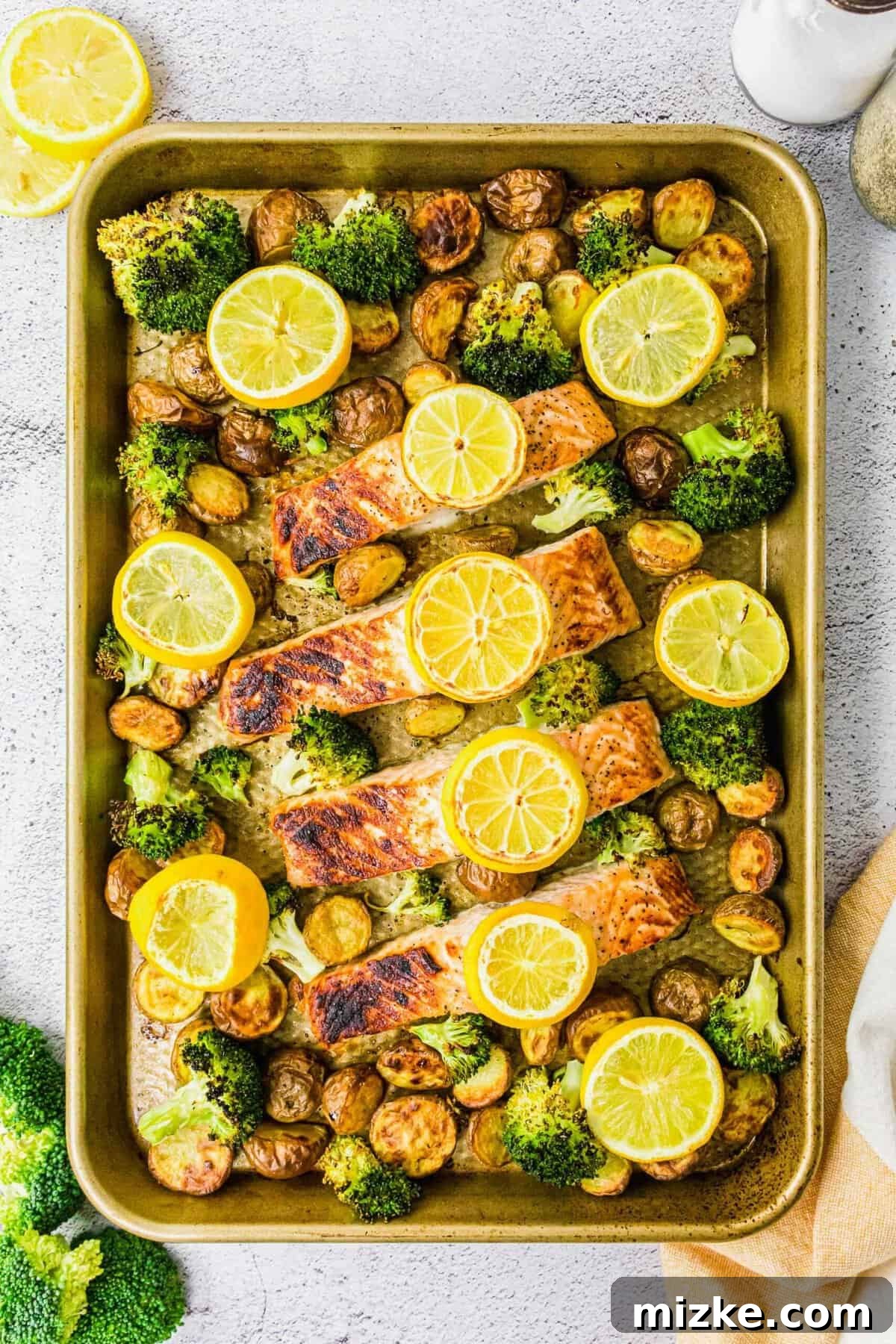
Effortless Weeknight Delight: The Ultimate Sheet Pan Salmon and Vegetables Recipe
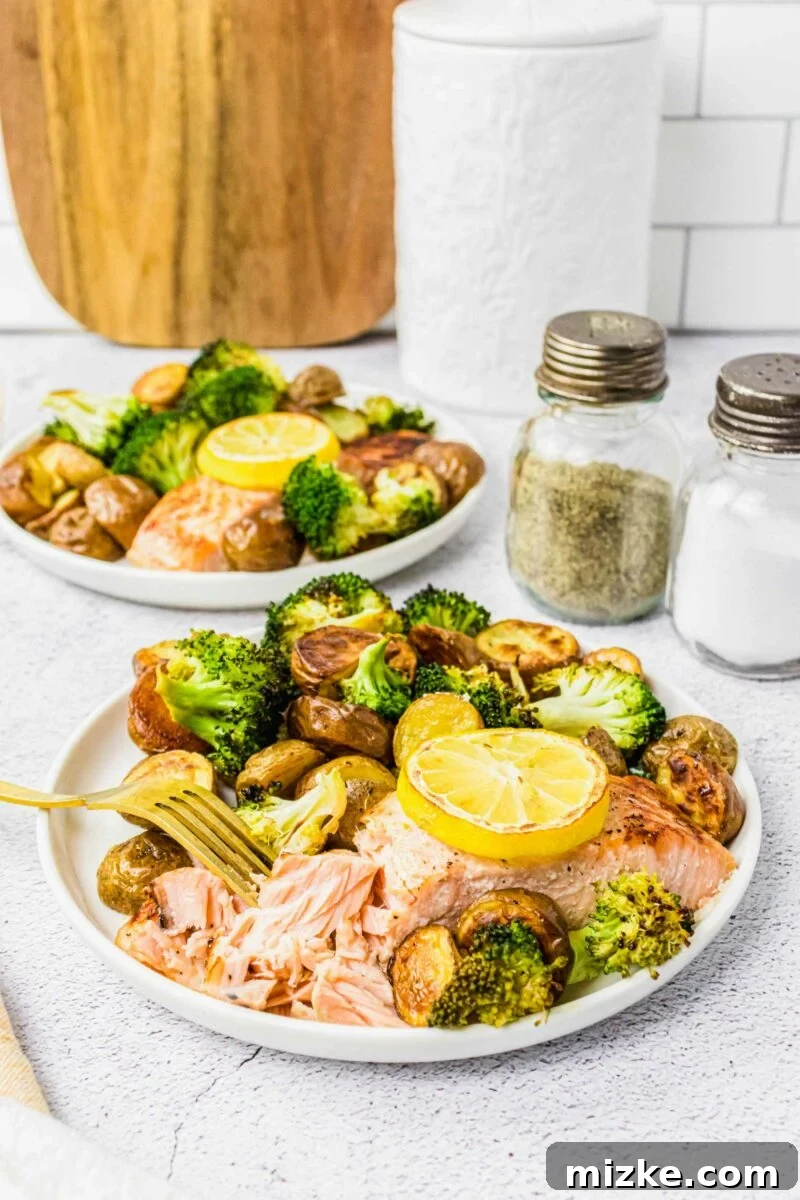
Are you searching for a dinner solution that’s both incredibly delicious and astonishingly simple to prepare? Look no further! This Sheet Pan Salmon and Vegetables recipe is a true culinary gem, poised to become a beloved staple in your busy weeknight routine. Imagine a complete, wholesome meal—packed with flavor and vital nutrients—all cooked on a single baking sheet. The dream of minimal cleanup and maximum taste is now a reality.
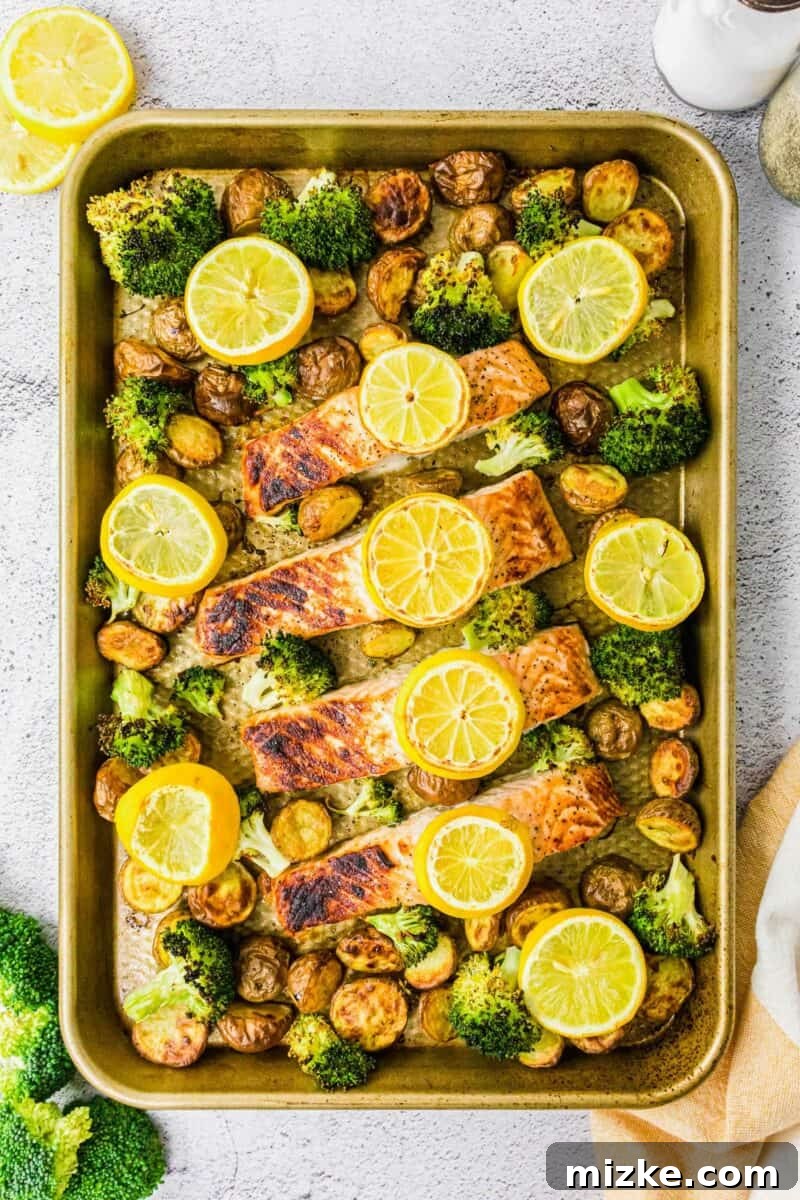
The Magic of One-Pan Wonders: Why Sheet Pan Dinners Reign Supreme
In the realm of easy weeknight dinner recipes, phrases like “one-pot” and “sheet pan” are music to the ears of home cooks everywhere. The sheer convenience of crafting an entire meal using just one baking dish is simply unparalleled. This cooking method isn’t just a trend; it’s a practical approach to modern living that offers a multitude of benefits, making it an indispensable tool for busy individuals and families.
The primary advantage, of course, is the drastically reduced cleanup. Say goodbye to piles of pots, pans, and serving dishes! With a sheet pan meal, you’ll typically have just one pan to wash, sometimes even less if you line it with parchment paper or foil. This efficiency frees up precious time, allowing you to enjoy your evening rather than being chained to the kitchen sink.
Beyond cleanup, sheet pan cooking promotes even cooking and incredible flavor development. As ingredients roast together, their flavors meld beautifully, creating a harmonious and deeply satisfying dish. Vegetables caramelize, developing a delightful sweetness and tender-crisp texture, while proteins like salmon cook perfectly, retaining their moisture and natural richness. It’s a win-win situation for both your taste buds and your schedule.
Why This Sheet Pan Salmon Recipe Will Become Your Favorite
Among the countless sheet pan dinners, this particular salmon and vegetables recipe stands out for two compelling reasons: its irresistible flavor profile and its exceptional nutritional value. It’s a dish that genuinely delights the palate while fueling your body with wholesome goodness.
The star of the show, salmon, is renowned for being an excellent source of Omega-3 fatty acids, which are crucial for heart health and brain function. Paired with vibrant broccoli, a powerhouse of vitamins (especially C and K) and fiber, and hearty potatoes, which provide sustained energy, this meal delivers a balanced array of macronutrients and micronutrients. Every ingredient contributes to a feeling of fullness and satisfaction without being overly heavy.
What truly elevates this dish is the simple yet profound flavor combination. Fresh lemon juice provides a zesty brightness, cutting through the richness of the salmon and butter. A touch of honey adds a subtle sweetness that beautifully complements the savory elements, while rich olive oil and butter ensure everything cooks to perfection and carries the flavors beautifully. A sprinkle of salt and pepper is all it takes to bring out the natural deliciousness of these high-quality ingredients.
Once you experience the speed, simplicity, and incredible satisfaction of this sheet pan dinner, you might find yourself adding it to your weekly meal rotation. It’s a complete and fully rounded dinner, offering a perfect balance of vegetables, carbohydrates, and lean protein. And yes, it bears repeating: you really only have one pan to wash afterwards. If that convenience doesn’t convince you, the mouthwatering taste surely will!
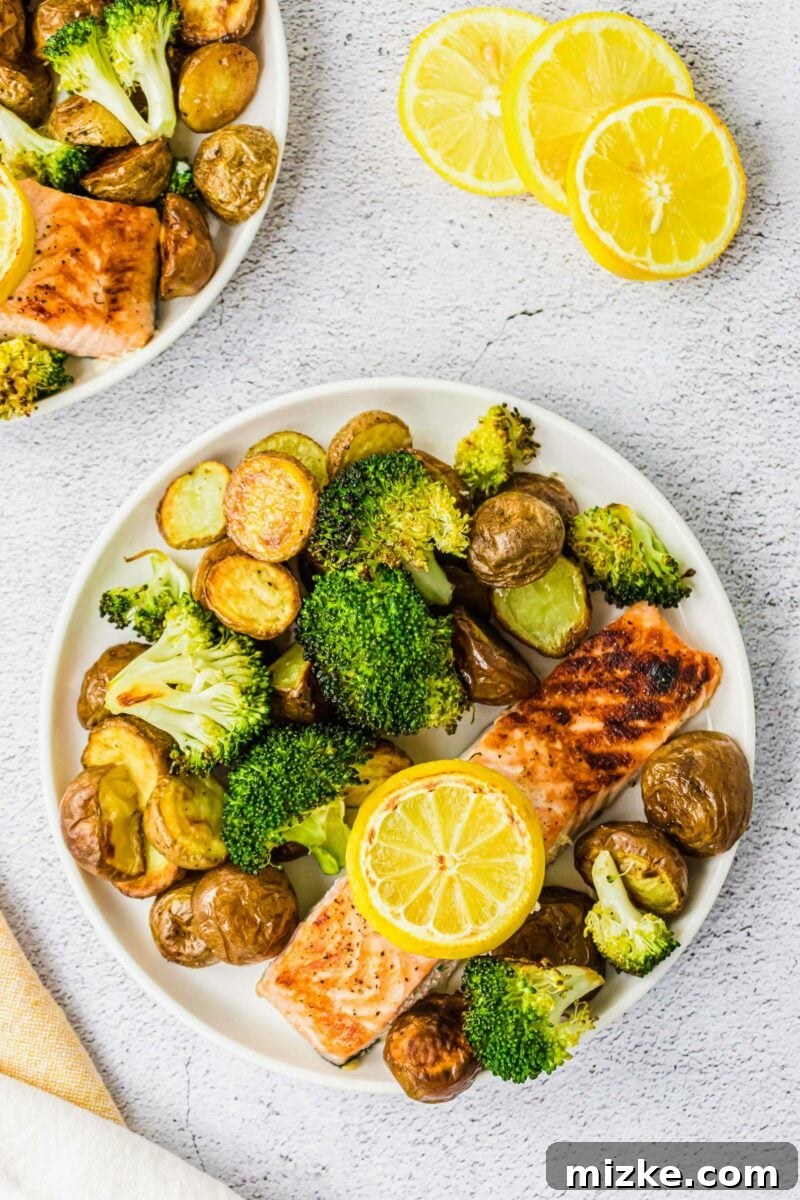
Essential Ingredients for Your Sheet Pan Salmon and Vegetables
Creating this spectacular meal requires only a handful of fresh, high-quality ingredients. Each component plays a vital role in building the layers of flavor and texture that make this dish so memorable.
- Salmon Fillets: Aim for individual portions, ideally around 6 ounces each. Fresh, wild-caught salmon is always preferred for superior flavor and nutritional benefits, but high-quality farmed salmon works wonderfully too. Look for vibrant, firm flesh.
- Broccoli Florets: You can purchase a head of fresh broccoli and chop it yourself into bite-sized florets, or opt for pre-cut bags of broccoli to save time. Ensure the florets are similar in size for even cooking. Freshness is key for crisp-tender results.
- Small Potatoes: Small varieties like creamer potatoes, baby red potatoes, or Yukon Golds are excellent choices. Halving them ensures they cook through and become delightfully tender on the inside with slightly crispy edges. Their waxy texture holds up well to roasting.
- Lemons: You’ll need a couple of fresh lemons. One will be juiced to infuse the vegetables and salmon with bright, acidic notes, while the others will be sliced thinly to add a beautiful presentation and a burst of fresh flavor during the final broiling stage.
- Extra Virgin Olive Oil: A high-quality extra virgin olive oil is essential here, not just for cooking but for its robust flavor contribution. It helps the vegetables crisp up and carries the seasonings beautifully.
- Butter: Whether salted or unsalted, butter adds a rich, luxurious depth to the salmon glaze and helps the vegetables achieve that irresistible golden-brown finish. Adjust salt content accordingly if using salted butter.
- Honey: Choose a good quality honey for its complex sweetness. It balances the acidity of the lemon and creates a beautiful, caramelized glaze on the salmon, distinguishing this dish from simpler preparations.
- Salt and Freshly Ground Black Pepper: These fundamental seasonings are crucial for enhancing all the natural flavors. Always season to taste, and remember that fresh pepper makes a significant difference.
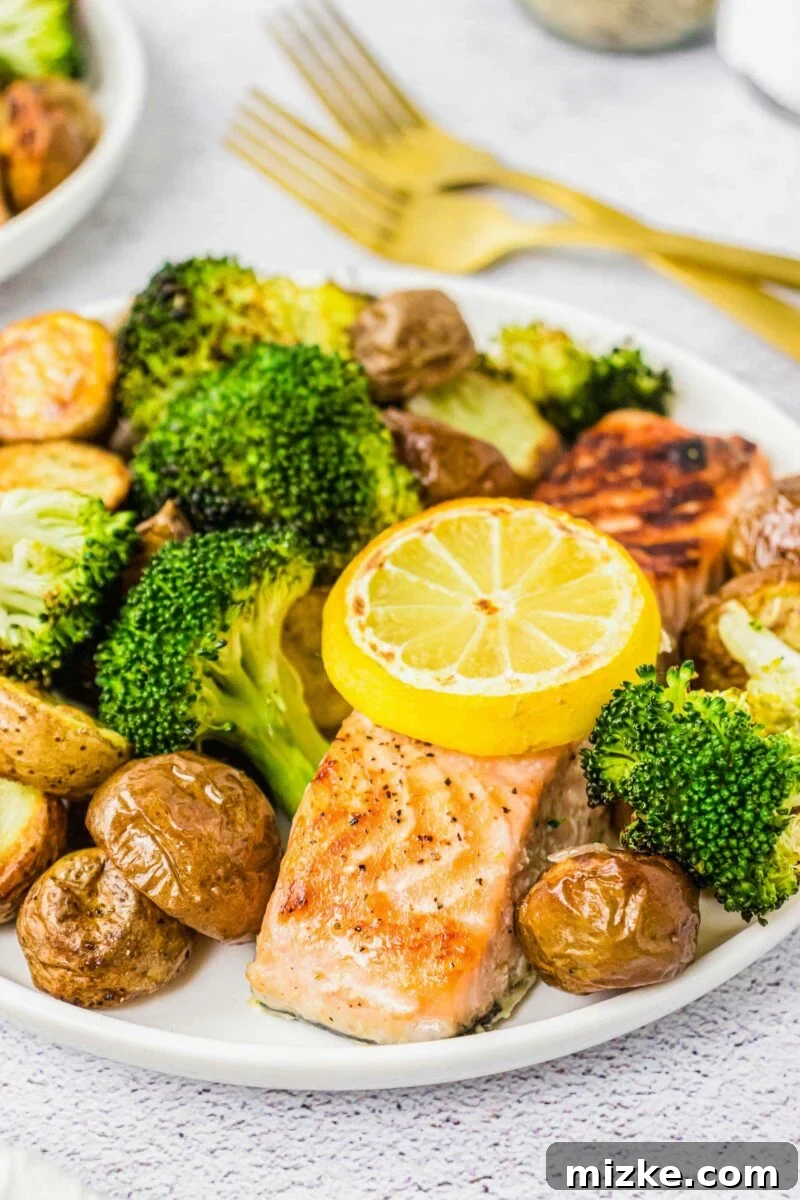
Skin-On or Skin-Off Salmon: What’s the Best Choice?
When preparing salmon, the question of whether to leave the skin on or remove it often arises. The good news is, either option works perfectly well for this sheet pan recipe, but there are subtle differences worth noting.
Many chefs and home cooks prefer cooking salmon with the skin on, especially for baking or pan-searing. The skin acts as a natural barrier, protecting the delicate flesh from drying out and helping it retain moisture and flavor during the cooking process. When baked on a sheet pan, the skin can get delightfully crispy, adding an extra layer of texture. If you choose skin-on fillets, you can easily slide the cooked salmon off the skin before serving, or enjoy the crispy skin if that’s your preference.
However, if you prefer to avoid the skin altogether, feel free to purchase skinless salmon fillets. They will still cook beautifully and taste fantastic. The key is to ensure they are adequately seasoned and coated in the delicious honey-butter glaze to prevent any dryness. Ultimately, the choice comes down to personal preference and what’s most readily available to you.
Customizing Your Vegetables: Expanding Beyond Broccoli and Potatoes
Absolutely! One of the joys of sheet pan cooking is its incredible versatility. While broccoli and potatoes make a fantastic pairing with salmon, you are more than welcome to experiment with other vegetables to suit your taste or what you have on hand.
The key to successful sheet pan roasting with different vegetables is to choose ones that have a similar cooking time to potatoes, or to cut them into appropriate sizes so they cook evenly. Starchy vegetables that roast well include:
- Carrots: Small diced carrots or baby carrots roast beautifully, developing a sweet, tender texture.
- Cauliflower: Florets of cauliflower are a wonderful alternative or addition to broccoli.
- Sweet Potatoes: Cubed sweet potatoes offer a naturally sweet and nutritious twist.
- Asparagus: Add asparagus spears during the last 10-15 minutes of cooking for perfect tenderness.
- Bell Peppers: Sliced bell peppers (any color) add vibrant color and a mild sweetness.
- Zucchini or Yellow Squash: These softer vegetables should be added later in the cooking process, similar to asparagus, to prevent them from becoming overly mushy.
- Brussels Sprouts: Halved Brussels sprouts roast up deliciously, becoming tender with crispy outer leaves.
Remember to adjust cooking times slightly based on the density and size of your chosen vegetables. The goal is for everything to be tender and perfectly roasted by the time the salmon is done.
Enhancing Flavors: Beyond Salt and Pepper
The natural flavors of honey and lemon, enhanced by simple salt and pepper, create a wonderfully balanced profile for this dish. However, if you love to experiment or simply crave a bit more pizzazz, there are plenty of complementary seasonings you can introduce.
- Garlic Powder: A staple in many kitchens, garlic powder adds a warm, savory depth that pairs beautifully with both salmon and roasted vegetables.
- Onion Powder: Similar to garlic powder, onion powder provides an aromatic base that enhances the overall savory notes of the meal.
- Lemon Pepper Seasoning: For an extra citrusy kick, lemon pepper seasoning is a fantastic choice, doubling down on the bright lemon flavor.
- Dried Herbs: Consider a sprinkle of dried dill, thyme, or oregano. Dill, in particular, is a classic pairing with salmon and will elevate the flavor profile beautifully.
- Smoked Paprika: For a hint of warmth and a slightly smoky undertone, a dash of smoked paprika can add an intriguing layer of flavor.
When adding additional seasonings, start with a small amount and adjust to your preference. The goal is to enhance, not overpower, the fresh, natural tastes of the main ingredients.
Expert Tips for Sheet Pan Success
- Don’t Overcrowd the Pan: This is crucial for successful roasting. If your sheet pan is too crowded, the vegetables and salmon will steam instead of roast, leading to soggy results. Use two sheet pans if necessary to ensure everything has enough space.
- Cut Evenly: For consistent cooking, ensure all your vegetables are cut into similar-sized pieces. This helps everything cook at roughly the same rate.
- Preheat Your Oven and Pan: For crispier vegetables, place your empty sheet pan in the oven while it preheats. Adding ingredients to a hot pan helps kickstart the roasting process immediately.
- Line Your Pan: Using parchment paper or aluminum foil (sprayed with cooking spray) will make cleanup even easier and prevent sticking.
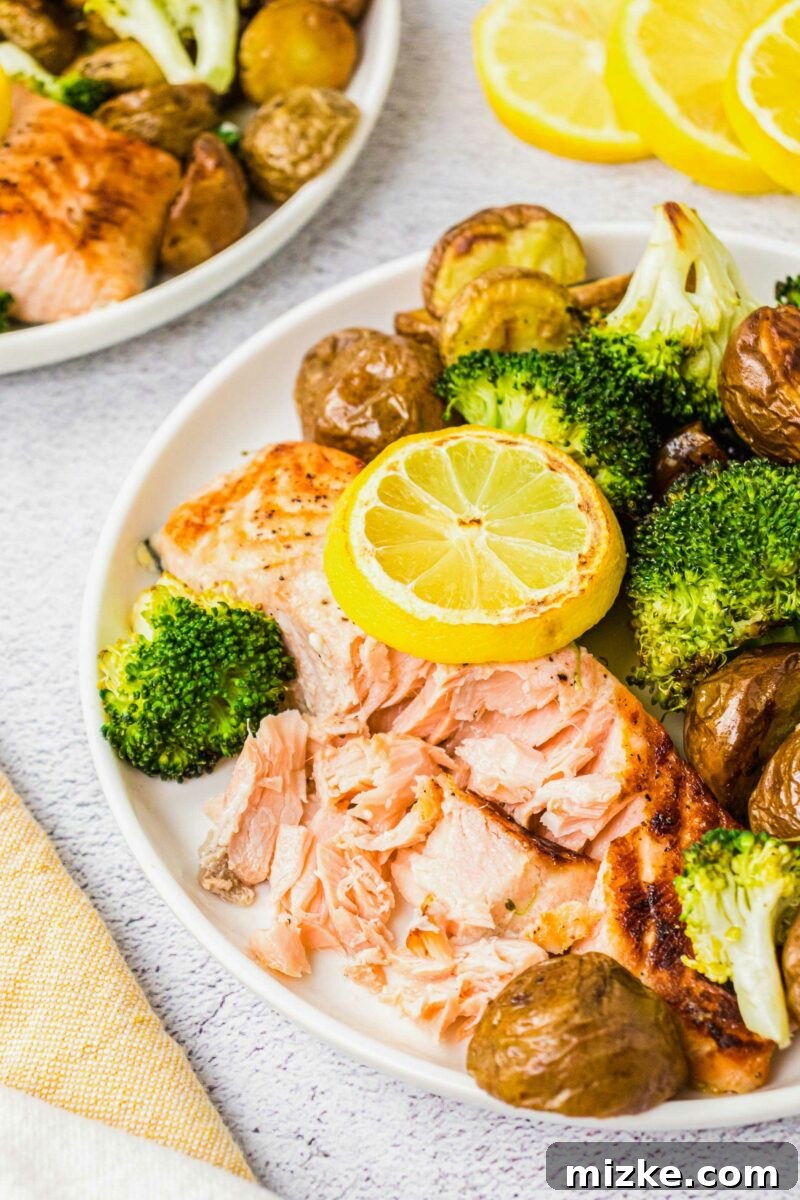
- Check for Doneness: Salmon is cooked when it flakes easily with a fork and reaches an internal temperature of 145°F (63°C). Potatoes should be fork-tender. Broccoli should be bright green and crisp-tender, not mushy.
- Broiling for a Finish: The final broil is key for adding a beautiful golden-brown char and slight crispness to your vegetables and salmon. Watch it closely, as broilers can vary in intensity and food can burn quickly.
Serving Suggestions for Your Sheet Pan Meal
This sheet pan salmon and vegetables recipe is a complete meal on its own, offering a perfect balance of protein, carbs, and veggies. However, if you’re looking to elevate the dining experience or add a little something extra, here are a few ideas:
- Fresh Green Salad: A simple side salad with a light vinaigrette can add freshness and a contrasting texture.
- Quinoa or Brown Rice: For those who desire additional complex carbohydrates, a small serving of cooked quinoa or brown rice makes an excellent accompaniment.
- Crusty Bread: A warm, crusty loaf of bread is perfect for soaking up any delicious pan juices.
- Dipping Sauce: While the salmon glaze is fantastic, a side of Greek yogurt mixed with fresh dill and lemon juice, or a simple aioli, can offer another flavor dimension.
Storage and Reheating Tips
Leftovers of this sheet pan salmon and vegetables are fantastic for meal prep or a quick lunch the next day. Store any cooled leftovers in an airtight container in the refrigerator for up to 2-3 days.
To reheat, the best method is to use your oven or a toaster oven. Place the salmon and vegetables on a baking sheet and reheat at 275°F (135°C) for 10-15 minutes, or until warmed through. This low-and-slow method helps prevent the salmon from drying out. You can also microwave individual portions, but the texture of the salmon and vegetables may be slightly softer.
Explore More Salmon Delights
Have any leftover salmon fillets or simply craving more delicious salmon recipes? Here are a few fantastic ideas to inspire your next meal:
- Roasted Salmon with Green Olive Gremolata
- Air Fryer Honey Sesame Salmon
- Cherry Chipotle Glazed Salmon
- Sugared Soy Sauce Salmon
- Creamy Dill Salmon
Rate
★★★★★
Sheet Pan Salmon and Vegetables
Equipment
-
Large rimmed baking sheet
Ingredients
- 2 cups (420 g) small potatoes, halved
- ½ cup (118 ml) olive oil, divided
- Lemon juice from 1 fresh lemon
- Ground black pepper, to taste
- ¼ cup (57 g) melted butter, divided
- 2 tablespoons honey
- 24 ounces (680 g) salmon fillets, about 6 ounces each
- 2 cups (182 g) broccoli florets
- Salt, to taste
- 3 sliced lemons
Instructions
- Preheat oven to 425 °F (218 °C).
- Take your potatoes and mix them with ¼ cup of olive oil, lemon juice, salt and pepper (to taste). Lay them out on your sheet pan and roast in the oven for 15 minutes.
- While the potatoes are baking, prepare the glaze for the salmon. Combine the honey, 1/8 cup melted butter, and 1/8 cup olive oil together in a small bowl.
- Carefully remove the sheet pan with potatoes from the oven. Add the salmon fillets to the sheet pan, leaving some space between ingredients.
- Using a basting brush, generously coat the salmon with the honey, butter, and olive oil glaze.
- Sprinkle additional salt and pepper over the glazed salmon, to taste.
- Return the sheet pan to the oven for another 5 minutes, or until the potatoes are fork tender.
- Take the sheet pan back out of the oven. Gently turn the potatoes to ensure even browning.
- Add the broccoli florets to the pan, arranging them around the salmon and potatoes.
- Using the basting brush, coat the broccoli with the remaining butter and olive oil mixture.
- While coating the broccoli, switch the oven setting to High Broil.
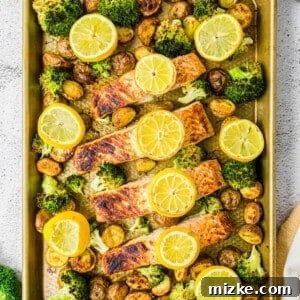
- Place lemon slices directly on each piece of salmon and randomly scatter some over the vegetables on the rest of the pan.
- Return the sheet pan to the oven and allow to broil for 2-3 minutes, or until desired amount of browning and crispness is achieved. You may need to rotate the pan during broiling to avoid burning certain areas. Watch carefully, as broilers work quickly.
- Serve immediately and enjoy your delicious, effortless meal!
Notes
If you cannot find small salmon fillets, you can use a large salmon fillet and cut it into the desired individual sizes. Salmon with the skin on is generally preferred for baking as it helps retain moisture.
For the potatoes, I highly recommend using the bags of small potatoes from brands like The Little Potato Company. They come in various delicious varieties. If using these, about ½ to ¾ of a bag is usually sufficient for four servings.
If fresh broccoli florets are unavailable, broccolini or cutting up your own head of broccoli are great alternatives. Always ensure you use fresh vegetables, as frozen ones tend to release too much water and can lead to a soggy result.
To further assist with cleanup and prevent sticking, you can spray your baking sheet with a non-stick cooking spray or line it with parchment paper or foil before arranging the ingredients.
Nutrition
Calories: 679 kcal
Carbohydrates: 25 g
Protein: 37 g
Fat: 50 g
Saturated Fat: 13 g
Polyunsaturated Fat: 8 g
Monounsaturated Fat: 26 g
Trans Fat: 1 g
Cholesterol: 124 mg
Sodium: 200 mg
Potassium: 1269 mg
Fiber: 4 g
Sugar: 12 g
This website provides approximate nutrition information for convenience and as a courtesy only. Nutrition information can vary for a variety of reasons. For the most precise nutritional data, use your preferred nutrition calculator based on the actual ingredients you used in the recipe.
The default measuring system for this website is US Customary. Unit conversions are provided for convenience and as a courtesy only. While we strive to provide accurate unit conversions, please be aware that there may be some discrepancies.
**Self-Correction/Review:**
1. **SEO friendly:**
* Added `