
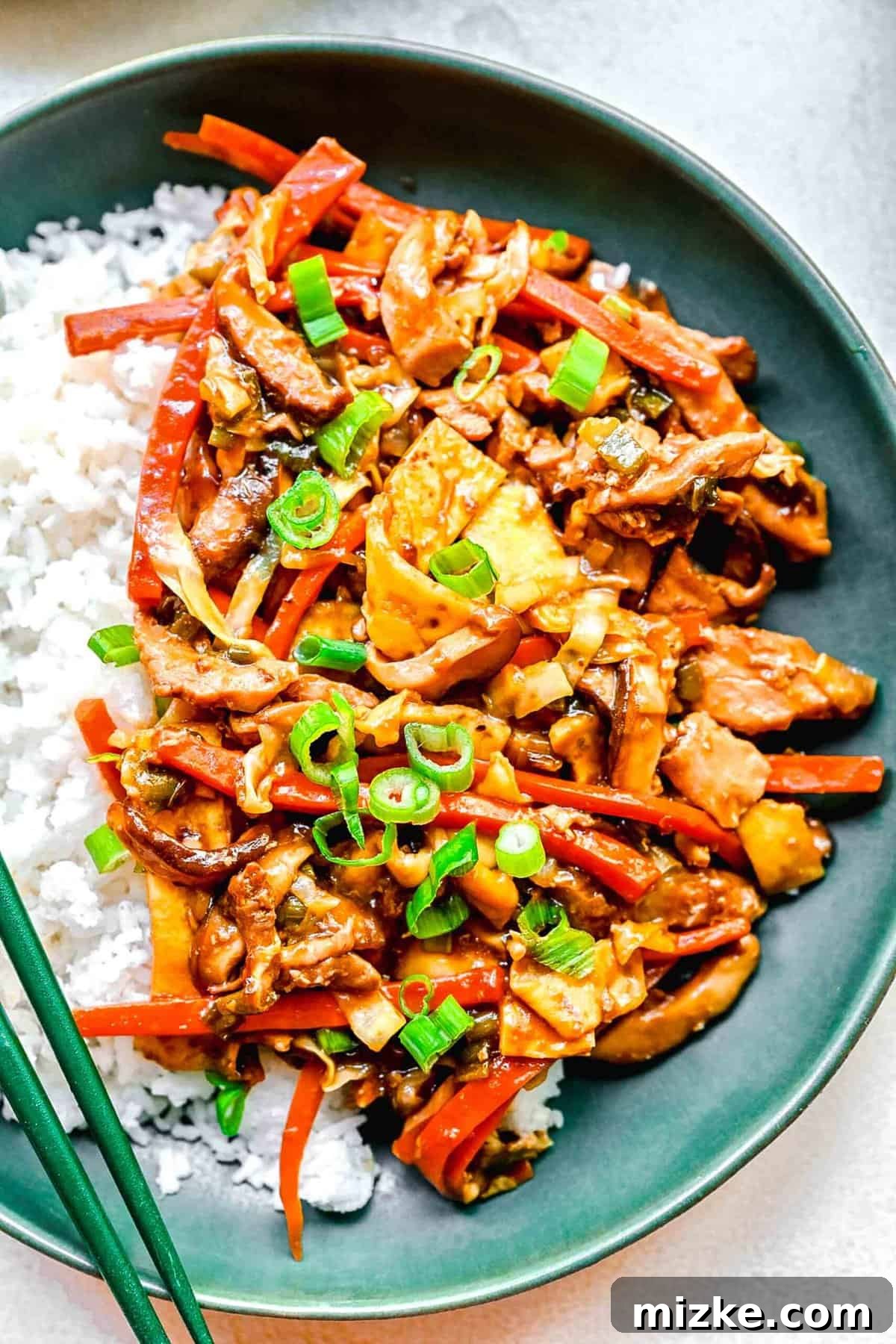
Authentic Moo Shu Chicken Recipe: Your New Favorite Homemade Takeout
Say goodbye to costly takeout and hello to an incredibly delicious, healthier, and surprisingly easy homemade version of your beloved Moo Shu Chicken. This recipe rivals, if not surpasses, the flavors of your favorite Chinese restaurant, bringing that delightful umami-rich experience right into your kitchen. Imagine tender, thin slices of perfectly seared chicken, combined with an assortment of crisp, julienned vegetables and fluffy ribbons of cooked egg, all coated in a vibrant, savory-sweet sauce that tantalizes your taste buds. It’s a complete meal, packed with protein and fresh veggies, making it an ideal choice for a weeknight dinner or a satisfying lunch.
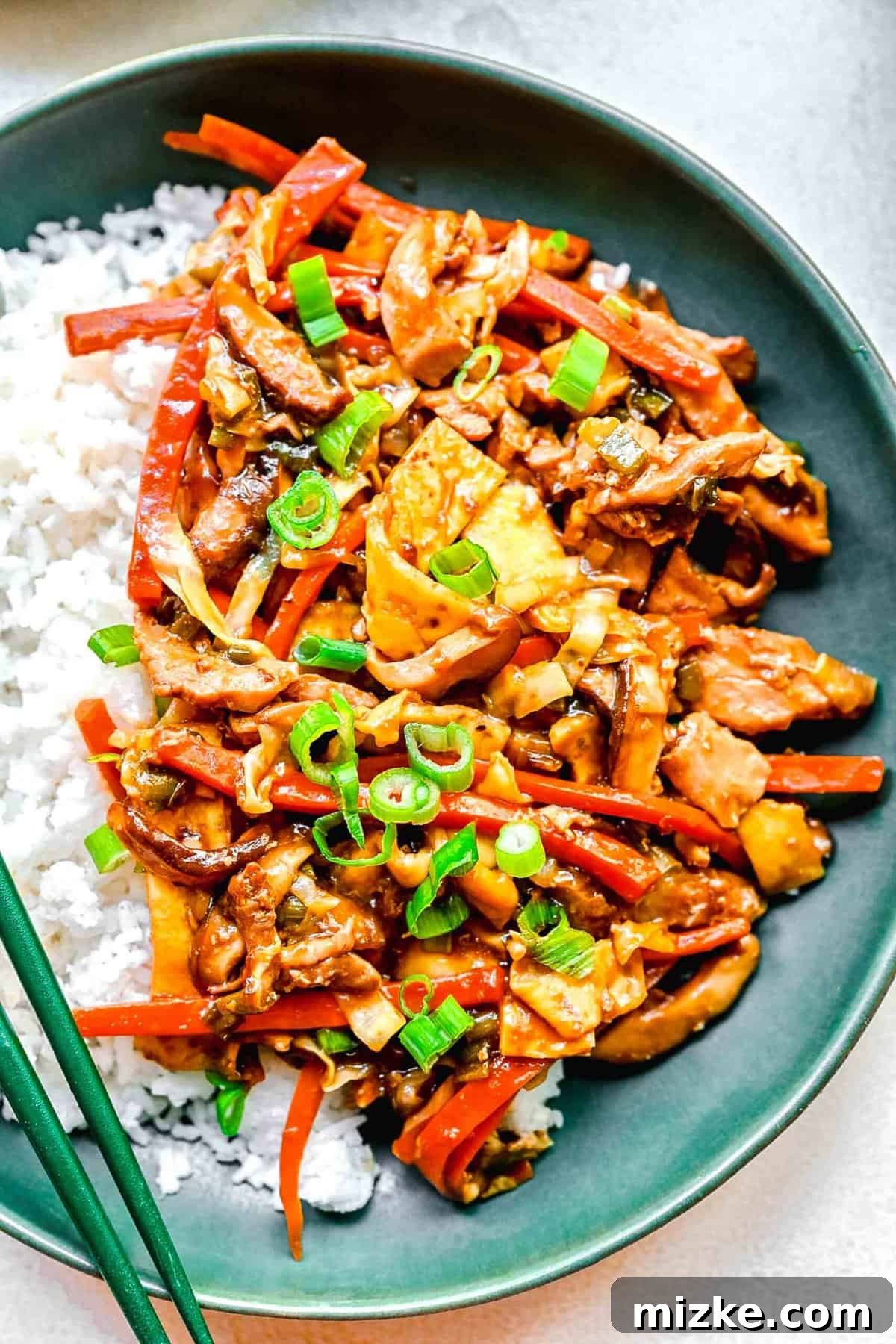
Creating authentic Chinese dishes at home offers numerous benefits. Not only does it allow you to control the quality of ingredients and adjust flavors to your preference, but it also saves significant time and money. This Moo Shu Chicken recipe is a shining example, proving that restaurant-quality flavor is easily achievable. It’s a dish that feels gourmet but requires minimal fuss, ensuring that a celebratory meal can be on your table in under an hour. Get ready to impress yourself and your family with this fantastic, flavor-packed creation!
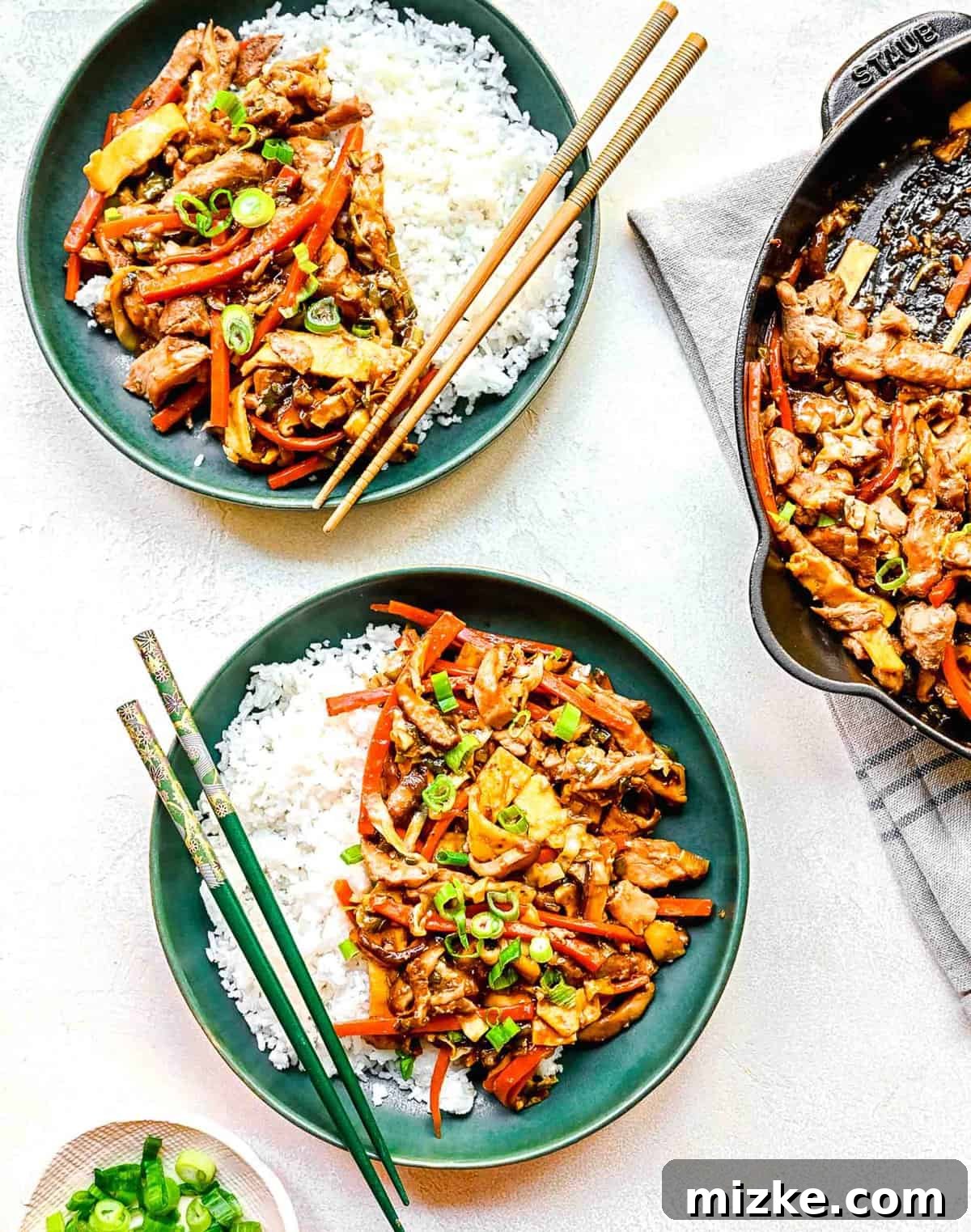
Why You’ll Fall in Love with This Homemade Moo Shu Chicken
There are countless reasons to adore this Moo Shu Chicken recipe, but a few truly stand out:
- Effortlessly Quick and Simple: Forget complicated techniques or endless ingredient lists. This recipe is designed for ease, coming together in just over half an hour. It’s perfect for cooks of all skill levels, from beginners to seasoned chefs looking for a speedy yet spectacular meal.
- Explosion of Flavor: Despite its simplicity, this dish delivers an incredible depth of flavor. The sauce is a masterful blend of umami, with a delightful tang and just the right hint of sweetness, ensuring every bite is a burst of deliciousness. You won’t believe how much flavor is packed into common pantry staples!
- Abundant Vegetables: No need to prepare a separate side salad! This Moo Shu is generously loaded with vibrant vegetables like crunchy carrots, crisp cabbage, and earthy shiitake mushrooms, providing a healthy dose of nutrients and satisfying texture in every mouthful. It’s a fantastic way to enjoy your daily greens.
- Superior to Takeout: Moo Shu Chicken is a classic Chinese restaurant staple, and while delicious, takeout versions can sometimes contain hidden additives or excessive oil. This homemade recipe beautifully recreates all the magical flavors and textures of the traditional dish, but with the added peace of mind that comes from knowing exactly what’s in your food. It’s fresher, healthier, and often tastes even better!
- Customizable and Versatile: This recipe provides a fantastic base that can be easily adapted. Whether you want to swap proteins, add more vegetables, or adjust the spice level, it’s incredibly versatile, allowing you to tailor it to your family’s preferences.
What Exactly is Moo Shu Chicken? Unpacking a Chinese Classic
Moo Shu (also often spelled Mu Shu) chicken is a beloved and iconic dish in Chinese cuisine, particularly popular in American Chinese restaurants. At its heart, it’s a vibrant stir-fry featuring thin slices of chicken (traditionally pork, but chicken is a popular adaptation) that have been lightly marinated and then seared to a beautiful golden crispness. This succulent meat is then tossed with a colorful medley of thinly sliced, al dente vegetables – typically julienned carrots, shredded cabbage, and mushrooms, though variations abound. The entire mixture is then brought together with a distinctive, savory-sweet, umami-rich sauce. A unique characteristic of Moo Shu is the inclusion of scrambled or thinly sliced cooked egg, stirred in at the very end to add an extra layer of flavor, texture, and protein.
Traditionally, Moo Shu dishes are served with delicate, paper-thin Mandarin pancakes (sometimes called Moo Shu wrappers). The idea is to spoon a portion of the stir-fry onto a pancake, perhaps add a dollop of extra hoisin sauce, and then roll it up like a mini burrito to be eaten by hand. While this recipe specifically focuses on chicken, its principles can be easily applied to other proteins. For those who enjoy the classic, explore my Moo Shu Pork recipe, which offers another fantastic way to enjoy this versatile dish.
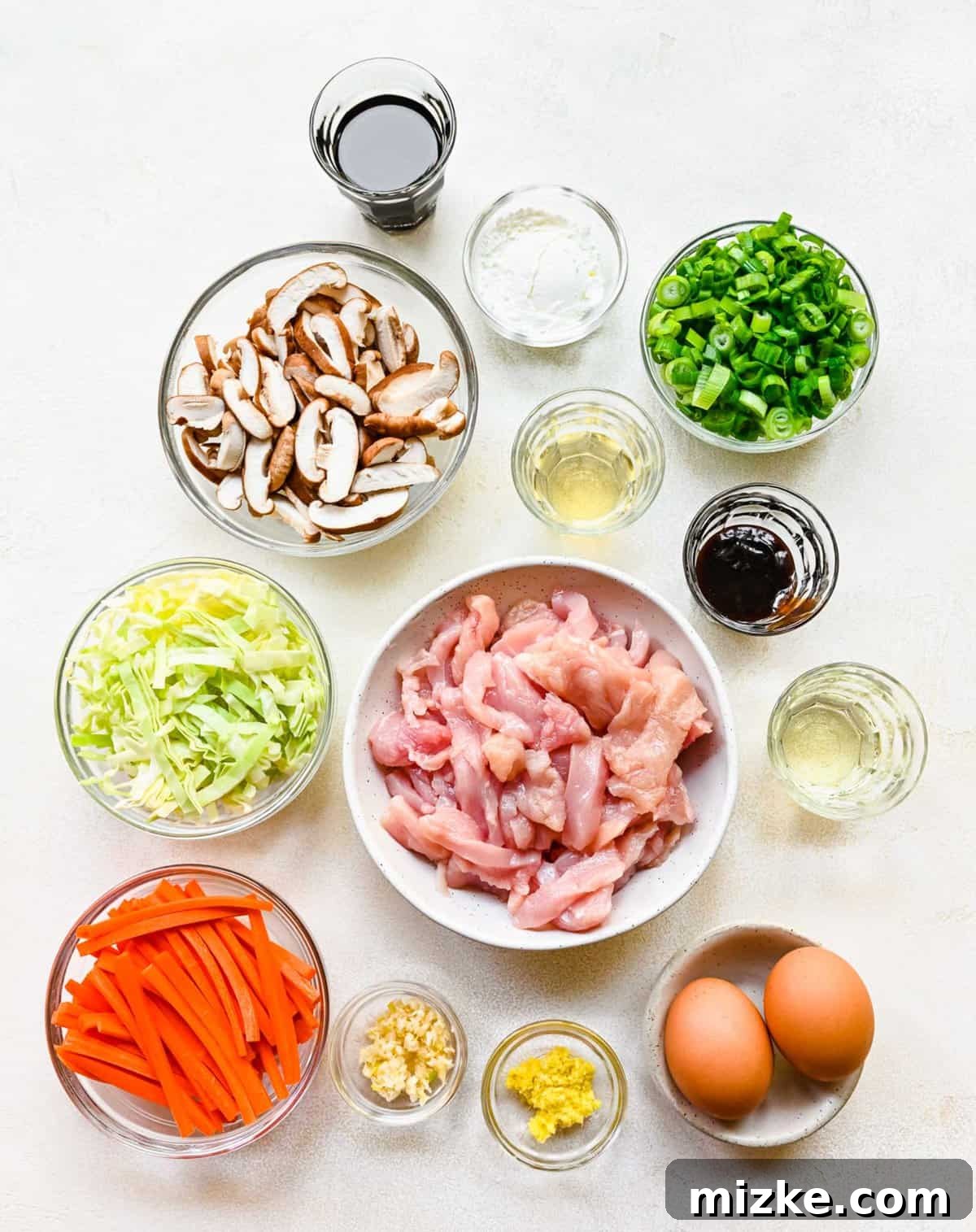
Essential Ingredients for Your Perfect Moo Shu Chicken
One of the best aspects of this Moo Shu Chicken recipe is that it uses readily available ingredients, many of which you might already have in your pantry. Here’s a comprehensive list to guide your grocery shopping, along with tips for selection and potential substitutions. For precise measurements, always refer to the detailed recipe card further down this page.
- Boneless, Skinless Chicken Breasts: The star protein of our dish. It’s crucial to slice them very thinly – about ¼ inch thick – to ensure quick cooking and maximum tenderness. Chicken thighs are an excellent alternative if you prefer a richer, slightly more forgiving meat.
- Eggs: Lightly beaten and quickly cooked, these add a lovely texture and an extra boost of protein and richness to the final dish. Season them simply with salt and pepper before cooking.
- Soy Sauce: A cornerstone of Asian cooking, providing depth and umami. We use both for marinating the chicken and in the sauce. For gluten-free options, liquid aminos or tamari work beautifully as a 1:1 substitute.
- Hoisin Sauce: This thick, fragrant, and slightly sweet sauce is vital for the characteristic flavor of Moo Shu. It’s a staple for Chinese dishes, adding a wonderful complexity.
- Rice Vinegar: Adds a bright, tangy counterpoint to the richness of the other ingredients, balancing the flavor profile of the sauce. Look for unseasoned rice vinegar for the best control over the final taste.
- Cornstarch: Our secret weapon for thickening the sauce, giving it that glossy, restaurant-style consistency. Arrowroot powder is a fantastic natural alternative that works just as well.
- Vegetable Oil: Used for searing the chicken and sautéing the vegetables. Any neutral-flavored oil with a high smoke point, like canola or grapeseed oil, will work. Divided usage ensures proper cooking at different stages.
- Garlic: Freshly minced garlic is essential for building a robust aromatic base for the stir-fry. Do not skimp on this!
- Ginger: Freshly grated or finely minced ginger adds a warm, zesty, and slightly pungent flavor that is quintessential to Asian cuisine. It pairs perfectly with garlic.
- Shiitake Mushrooms: These mushrooms bring a wonderful earthy, umami flavor and a slightly chewy texture. While shiitakes are my top recommendation for their authentic taste, sliced white button or cremini (bella) mushrooms are good substitutes in a pinch.
- Green Cabbage: Thinly sliced green cabbage adds a refreshing crunch and mild sweetness that softens beautifully during stir-frying. It’s a classic Moo Shu ingredient.
- Carrots: Julienne cut carrots not only add a pop of color but also a subtle sweetness and crisp-tender texture. You can buy pre-julienned carrots to save time.
- Green Onions (Scallions): Sliced green onions provide a fresh, pungent finish and garnish, stirred in at the end to retain their vibrant flavor.
Can I Customize the Protein in Moo Shu? Absolutely!
The beauty of Moo Shu is its adaptability. While this recipe highlights chicken, the dish is traditionally made with pork, and it translates beautifully to other proteins. Moo Shu pork is perhaps the most famous variation, offering a rich and savory alternative. Beef, thinly sliced against the grain, would also be a fantastic choice. For our vegetarian and vegan friends, this recipe is easily adapted: firm or extra-firm tofu, pressed and then sliced into thin strips and pan-fried until crispy, or tempeh, cut into similar pieces, would absorb the flavors wonderfully. Whatever protein you choose, remember the golden rule: slice it nice and thin. This ensures it cooks quickly and evenly, achieving that desirable seared exterior without becoming tough, allowing it to meld perfectly with the delicate vegetables and luscious sauce.
How to Make Moo Shu Chicken: A Detailed Step-by-Step Guide
Creating this flavorful Moo Shu Chicken is a straightforward process, broken down into simple, manageable steps. Follow these instructions carefully, and you’ll be enjoying a fantastic meal in no time. For exact measurements, please refer to the recipe card below.
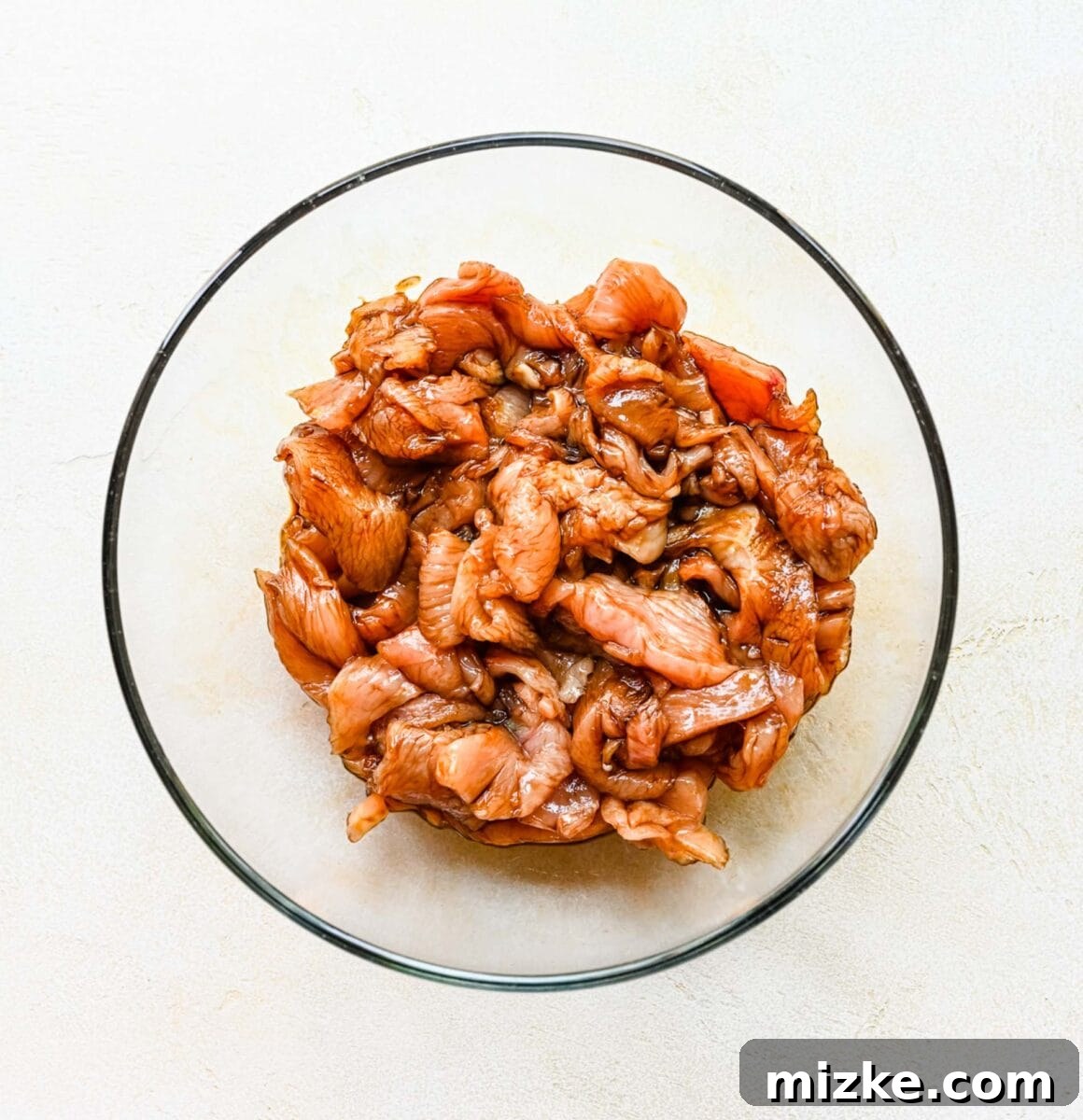
- Step 1: Marinate the Chicken. In a medium bowl, combine your thinly sliced chicken breasts with 2 tablespoons of soy sauce. Toss gently to ensure all chicken pieces are coated. Let this marinate for about 15 minutes while you prepare the other ingredients. This brief marinade helps tenderize the chicken and infuse it with a foundational savory flavor.
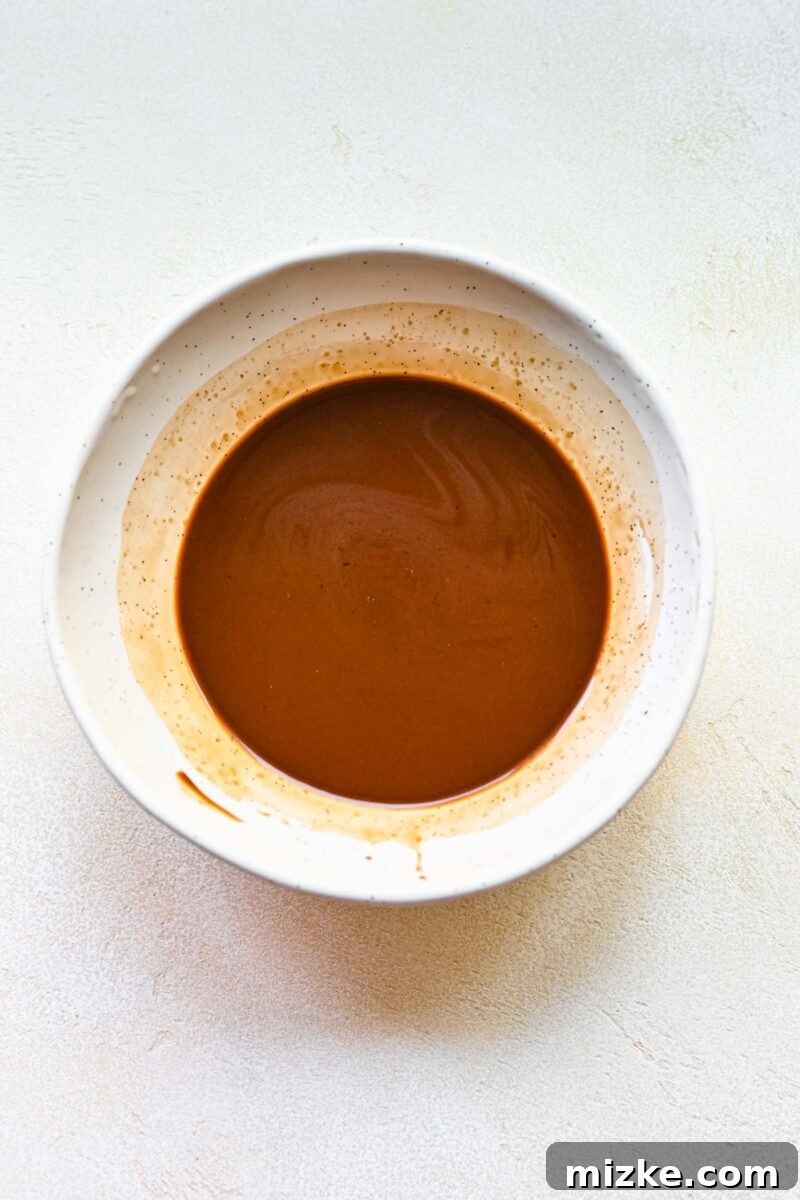
- Step 2: Prepare the Signature Sauce. In a separate small bowl, whisk together the remaining 2 tablespoons of soy sauce, hoisin sauce, rice vinegar, and cornstarch until thoroughly combined and smooth. The cornstarch is crucial here as it will thicken the sauce beautifully once heated. Set this delicious concoction aside; it’s ready for action later.
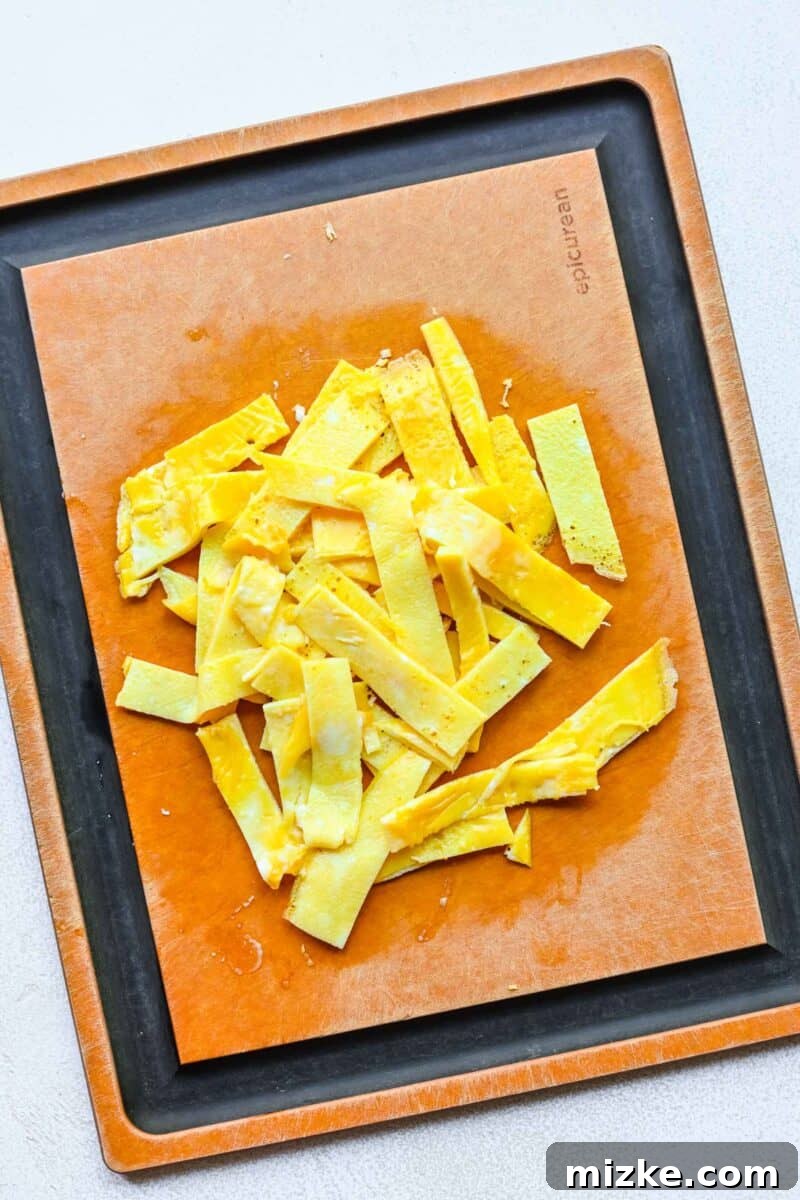
- Step 3: Cook and Slice the Eggs. Heat a small nonstick skillet over medium heat. Once warm, pour in your lightly beaten, seasoned eggs. Allow them to cook undisturbed until the edges are set and the top is mostly firm. Carefully flip the egg patty and cook for just another minute until fully set. Remove from the pan, let it cool slightly, then slice it into thin, ribbon-like strips. These add a wonderful visual and textual element to the dish.
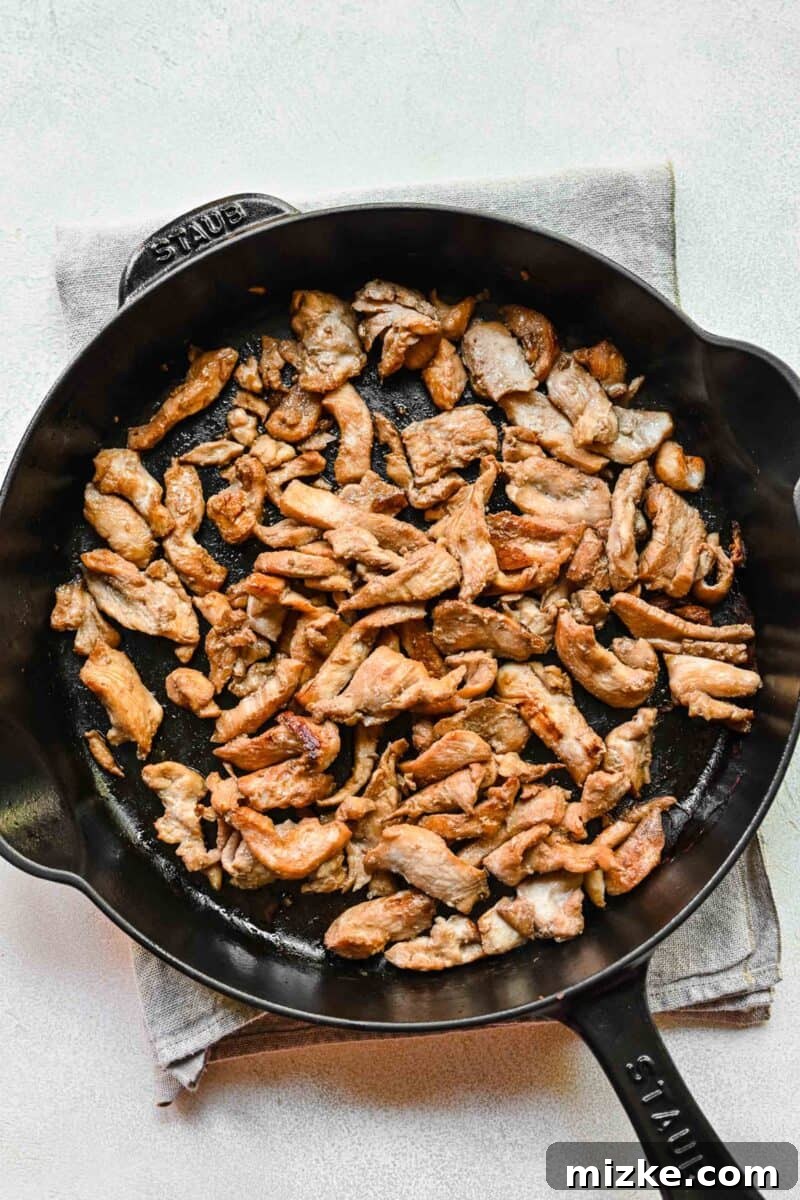
- Step 4: Sear the Chicken. Heat 1 tablespoon of vegetable oil in a large skillet or wok over medium-high heat. Once the oil shimmers, add the marinated chicken in a single layer. Do not overcrowd the pan; cook in batches if necessary to ensure proper searing. Sauté until the chicken is beautifully browned on all sides and cooked through, which should take about 6-8 minutes per batch. Remove the cooked chicken from the pan and set it aside.
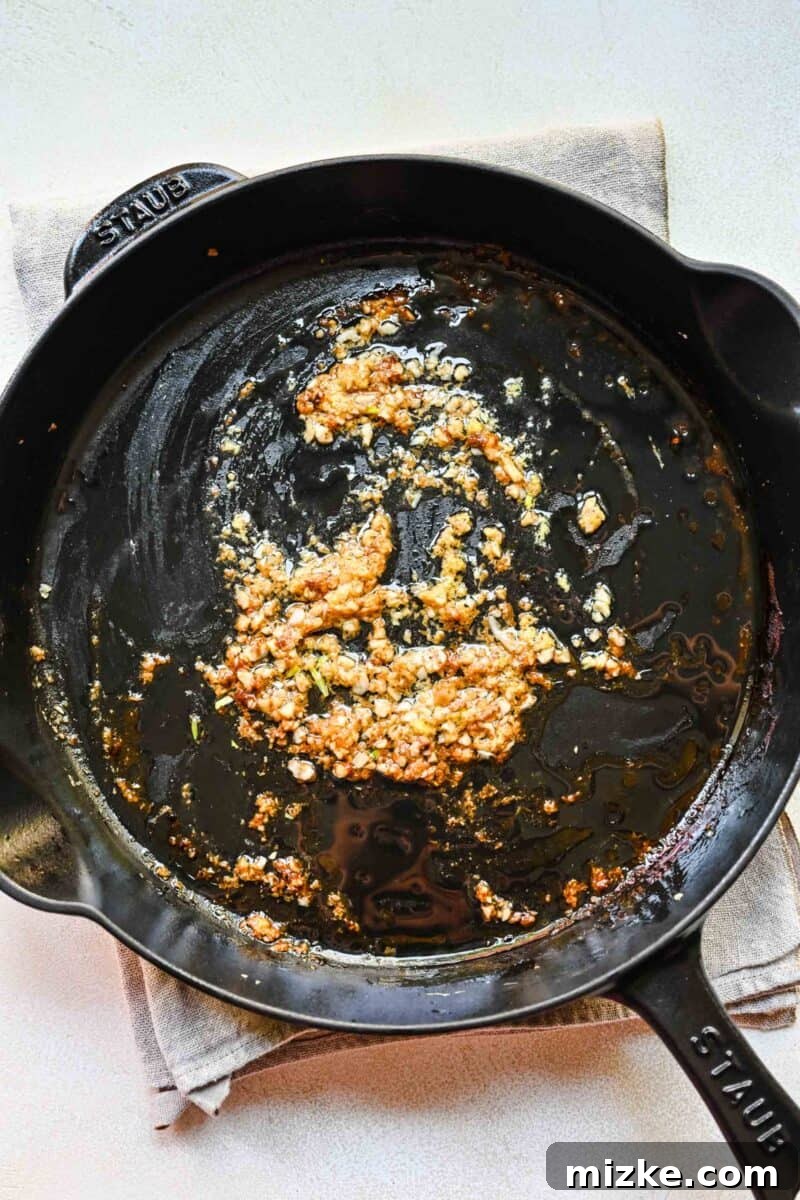
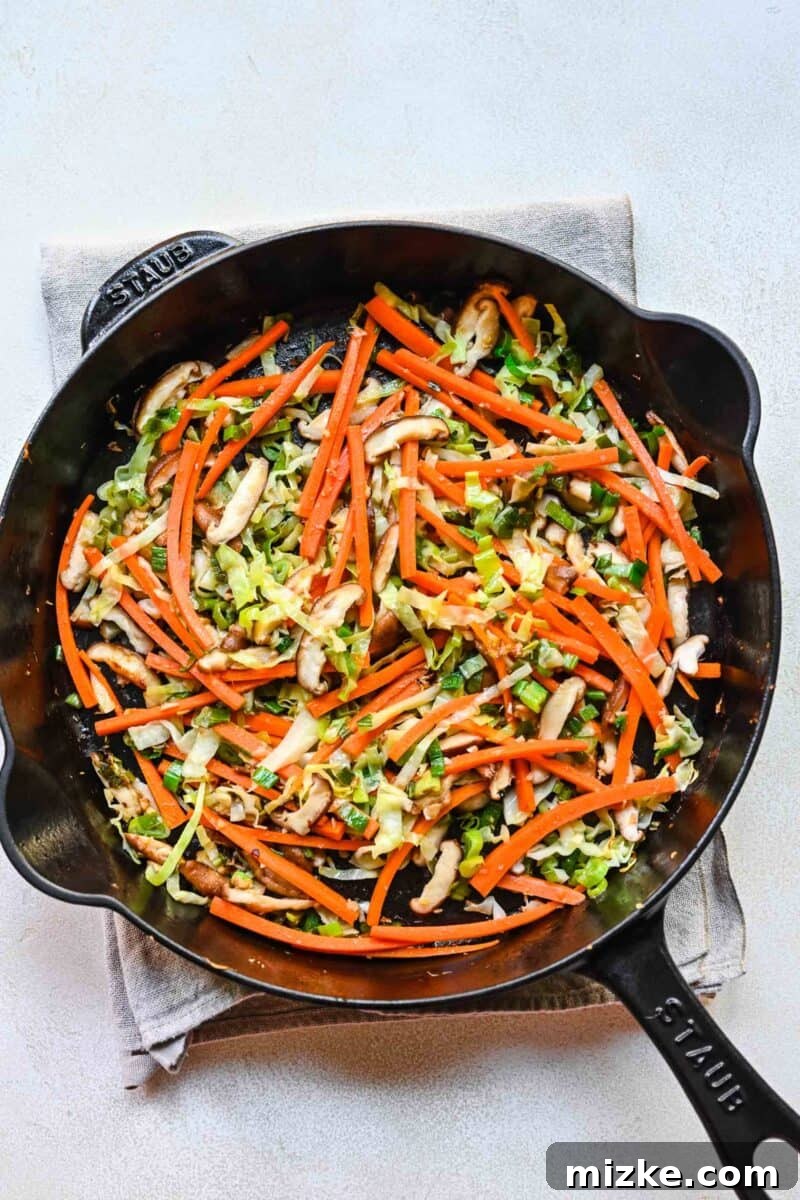
- Step 5: Sauté the Vegetables. Using the same skillet, add the remaining 1 tablespoon of vegetable oil. Reduce the heat slightly to medium. Add the minced garlic and grated ginger, and sauté for about 1 minute until fragrant and aromatic. Be careful not to burn the garlic. Next, add the thinly sliced cabbage, julienned carrots, shiitake mushrooms, and sliced green onions. Stir-fry for 4-6 minutes, or until the vegetables are crisp-tender. You want them cooked but still with a slight bite for optimal texture.
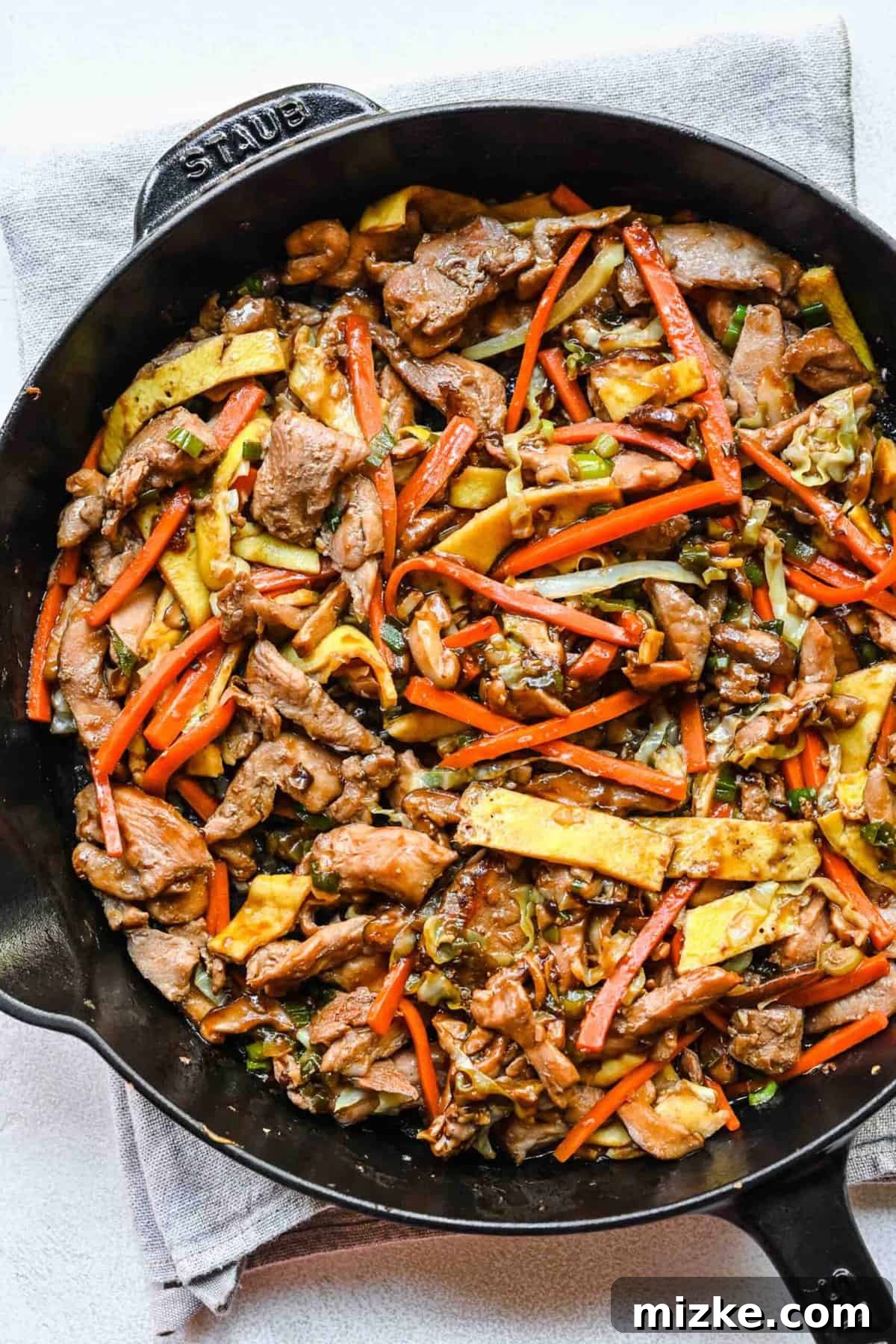
- Step 6: Combine and Thicken. Return the cooked chicken to the skillet with the sautéed vegetables. Give your prepared sauce one last whisk (as cornstarch can settle) and pour it evenly over the chicken and vegetables. Stir everything thoroughly to ensure an even coating. Continue to cook for 3-5 minutes, stirring occasionally, until the sauce thickens to a glossy consistency. Finally, gently stir in the sliced cooked eggs. Serve your magnificent Moo Shu Chicken immediately, while warm and fresh!
Mastering Your Moo Shu: Expert Tips for Success
Achieving restaurant-quality Moo Shu Chicken at home is easier than you think, especially with these tried-and-true tips and tricks. Keep these pointers in mind for a consistently perfect dish:
- Precision in Slicing the Chicken: This is a crucial step! Aim for chicken slices that are consistently thin, around ¼ inch thick. Thinner slices cook quickly and remain incredibly tender. If the chicken is too thick, it will require longer cooking times, which can lead to dry, tough meat. A sharp knife is your best friend here.
- Avoid Overcrowding the Pan: When searing the chicken, resist the urge to cram too many pieces into the skillet at once. Crowding drops the pan’s temperature significantly, preventing the chicken from developing a beautiful sear. Instead of browning, the chicken will steam and release its juices, resulting in a less desirable texture. Cook the chicken in batches if necessary, ensuring each piece has enough space to cook evenly and achieve that desirable golden crust.
- Don’t Overcook the Veggies: The ideal texture for the vegetables in Moo Shu is crisp-tender – cooked enough to be tender but still retaining a pleasant bite. Overcooking them will result in a mushy texture and a loss of their vibrant color and fresh flavor. Typically, 4-6 minutes of vigorous stir-frying is sufficient to reach this sweet spot.
- Allow the Sauce to Thicken Properly: Once you add the chicken and the whisked sauce back to the pan, be patient and allow it a few minutes to cook. The cornstarch in the sauce needs heat to activate its thickening properties. It usually takes 2-3 minutes of simmering and stirring for the sauce to transform into that characteristic glossy, velvety consistency. Don’t rush this step!
- Use a Wok or Large Skillet: A wok is ideal for stir-frying as it provides high, even heat and plenty of space for tossing ingredients. If you don’t have a wok, a large, heavy-bottomed skillet or a high-sided sauté pan will work perfectly. Ensure it’s big enough to comfortably hold all ingredients without crowding.
- Prep Everything Ahead (Mise en Place): Stir-frying is a fast-paced cooking method. Having all your ingredients prepped, measured, and ready to go before you start cooking is essential. This includes marinating the chicken, whisking the sauce, slicing all vegetables, and cooking the eggs. This “mise en place” approach makes the actual cooking process smooth and stress-free.
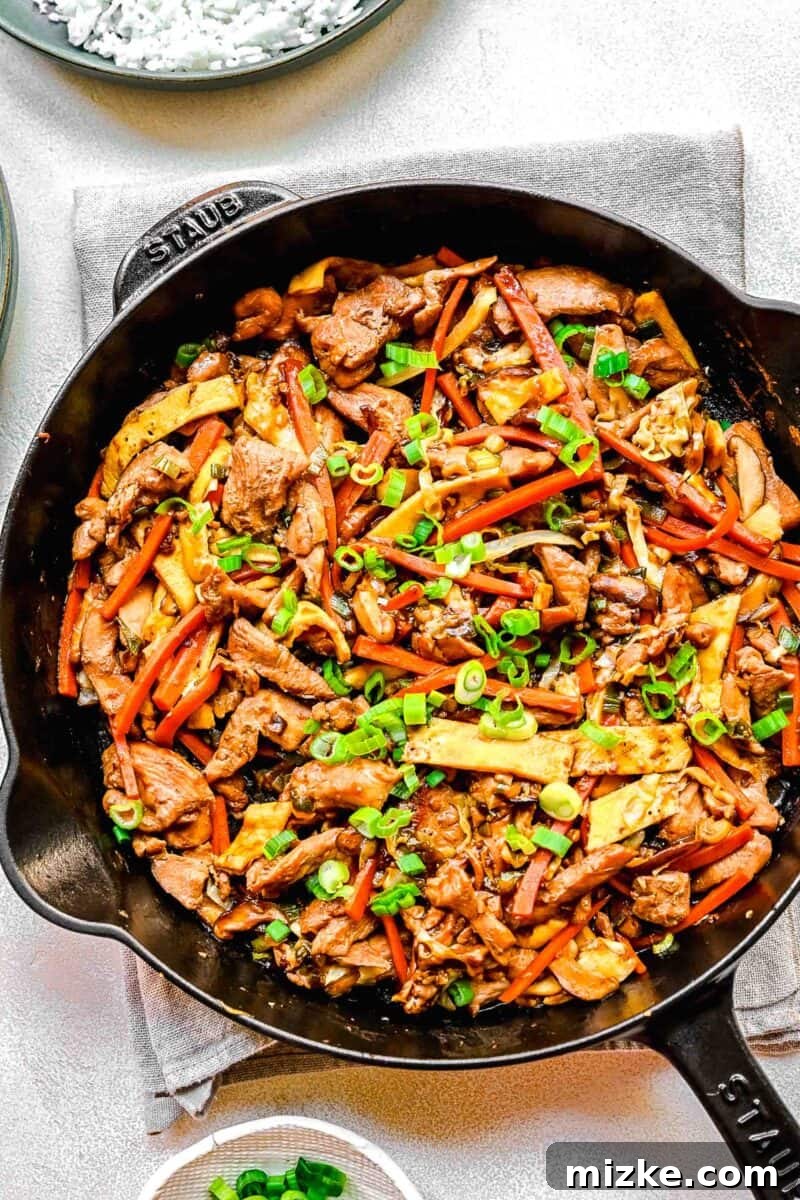
What to Serve with Your Delightful Moo Shu Chicken
This Moo Shu Chicken is undeniably a star on its own, a complete and satisfying meal thanks to its generous protein and vegetable content. However, pairing it with complementary dishes can elevate your dining experience and create a truly memorable feast. Here are some fantastic ideas to inspire your next Chinese-themed meal:
- Traditional Burrito Style: Embrace the authentic experience by serving your Moo Shu with thin, steamed wheat pancakes, often called Mandarin pancakes or Moo Shu wrappers. Spoon the chicken and veggie mixture onto a pancake, add a touch more hoisin sauce if desired, roll it up, and enjoy this delightful dish with your hands.
- Comforting Carb Companions: Allow the rich and savory sauce to permeate and flavor some fluffy steamed white or brown rice. Alternatively, turn your meal into an even heartier affair with Take-Out, Fake-Out: Chicken Fried Rice (feel free to omit the chicken from the fried rice if your Moo Shu is already chicken-based). For a unique and satisfying side, consider serving these soft and pillowy Chinese Steamed Buns (Mantou).
- Refreshing Vegetable Sides: Balance the richness of the Moo Shu with a light and crisp vegetable side. My Chinese Cabbage Stir Fry offers more complementary textures and flavors. For a cool, vibrant contrast, try a Spicy Chinese Cucumber Salad or this incredibly refreshing Smashed Asian Cucumber Salad.
- Delightful Appetizer Pairings: Begin your Chinese culinary journey with some classic appetizers before diving into the main course. Consider savory Shrimp Shumai, perfectly crispy and golden Spring Rolls, or irresistible Crab Rangoon to set the stage for your flavorful Moo Shu Chicken.
Storing and Reheating Your Delicious Moo Shu Chicken Leftovers
Leftovers of this homemade Moo Shu Chicken are just as delightful as the freshly made dish, making it perfect for meal prepping or enjoying a second meal. Here’s how to store and reheat them properly to maintain their fantastic flavor and texture:
Refrigerator: Once your Moo Shu Chicken has cooled completely to room temperature, transfer it to an airtight container. This is crucial for preventing spoilage and maintaining freshness. Seal the container tightly and store it in the refrigerator for up to 4 days. When you’re ready to enjoy this Chinese classic again, transfer your desired portion to a pan or wok. Sauté it over medium heat, stirring frequently, until it’s thoroughly warmed through. Alternatively, for a quicker option, you can reheat it in the microwave at 30-second intervals, stirring in between, until heated evenly. Adding a tiny splash of water or chicken broth can help keep it moist.
Freezer: For longer storage, Moo Shu Chicken freezes remarkably well. Allow the dish to cool completely to room temperature. Then, transfer it to a freezer-safe, airtight container or a heavy-duty freezer bag, ensuring as much air as possible is removed to prevent freezer burn. Store in the freezer for up to 3 months. When you’re craving it again, the best method is to first allow it to thaw completely in the refrigerator overnight. Once thawed, reheat it using the same methods you would for refrigerated leftovers – either in a pan on the stovetop or in the microwave.
More Delightful Chinese Recipes to Explore at Home
There’s immense satisfaction in recreating your favorite Chinese restaurant dishes in the comfort of your own kitchen. Not only is it often a healthier and more affordable choice, but it also allows you to enjoy fresh, delicious meals on your own schedule, often quicker than waiting for takeout. If you loved this Moo Shu Chicken, I encourage you to explore more of my beloved homemade Chinese recipes. Give these a try and expand your culinary repertoire!
- Chinese Salt and Pepper Chicken Wings
- Chinese Sweet and Sour Chicken
- Hunan Beef
- Beijing Beef Panda Express Copycat
- Orange Beef and Broccoli
- Instant Pot General Tso’s Chicken
Moo Shu Chicken Recipe Card
Quick, easy, and so flavorful this moo shu chicken is a must-try. Thin slices of seared chicken are tossed with an assortment of tender cooked veggies and finished in a tangy, savory, ever-so-slightly-sweet sauce.
Prep Time: 20 minutes | Cook Time: 15 minutes | Total Time: 35 minutes | Servings: 4
Ingredients
- 1 pound (454 g) boneless skinless chicken breasts, thinly sliced
- 2 eggs, lightly beaten (season with salt and pepper)
- 4 tablespoons soy sauce, divided
- 2 tablespoons hoisin sauce
- 2 tablespoons rice vinegar
- 2 tablespoons cornstarch (can also use arrowroot powder)
- 2 tablespoons vegetable oil, divided
- 2 cloves garlic, minced
- 1 teaspoon ginger, grated or finely minced
- 1 cup (226 g) shiitake mushrooms, thinly sliced
- 1 cup (70 g) green cabbage, thinly sliced
- 1 cup (128 g) carrots, julienned
- 1 cup (100 g) green onions, thinly sliced
Instructions
- In a large bowl, combine the chicken with 2 tablespoons of soy sauce. Let marinate for about 15 minutes.
- In a separate small bowl, whisk together the remaining 2 tablespoons of soy sauce, hoisin sauce, rice vinegar, and cornstarch. Set aside.
- Heat a small nonstick skillet over medium heat. Once heated, add in the beaten eggs. Let cook (undisturbed) until the edges and top are mostly cooked, then carefully flip and cook until just set.
- Remove from heat and slice into thin strips.
- Heat 1 tablespoon of the vegetable oil in a large skillet or wok over medium heat. Add the marinated chicken and cook until seared on all sides and cooked through (~6-8 minutes). Remove the chicken from the pan and set aside.
- In the same skillet, add the remaining tablespoon of vegetable oil. Add the garlic and ginger and sauté for 1 minute until fragrant.
- Add in the cabbage, carrots, mushrooms, and green onions. Sauté for 4-6 minutes until the vegetables start to get tender.
- Return the cooked chicken to the skillet along with the prepared sauce. Stir well and continue cooking for 3-5 minutes, until the sauce thickens and coats all ingredients. Stir in the sliced cooked eggs and serve warm.
Nutrition Information (Approximate)
Serving: 218 grams, Calories: 313kcal, Carbohydrates: 19g, Protein: 31g, Fat: 13g, Saturated Fat: 2g, Polyunsaturated Fat: 5g, Monounsaturated Fat: 3g, Trans Fat: 0.1g, Cholesterol: 155mg, Sodium: 1333mg, Potassium: 879mg, Fiber: 4g, Sugar: 7g
This website provides approximate nutrition information for convenience and as a courtesy only. Nutrition information can vary for a variety of reasons. For the most precise nutritional data use your preferred nutrition calculator based on the actual ingredients you used in the recipe.
The default measuring system for this website is US Customary. Unit conversions are provided for convenience and as a courtesy only. While we strive to provide accurate unit conversions, please be aware that there may be some discrepancies.