
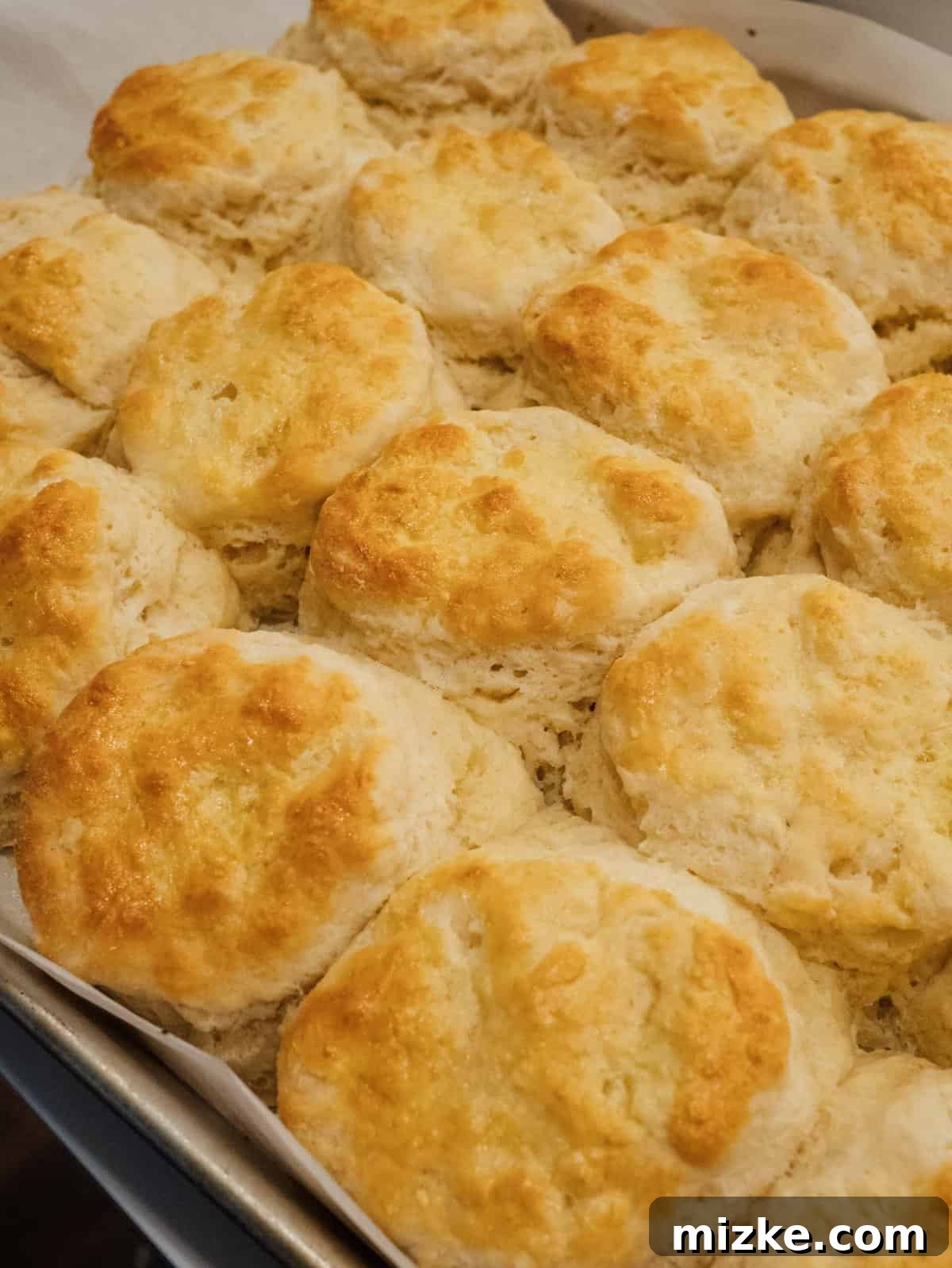
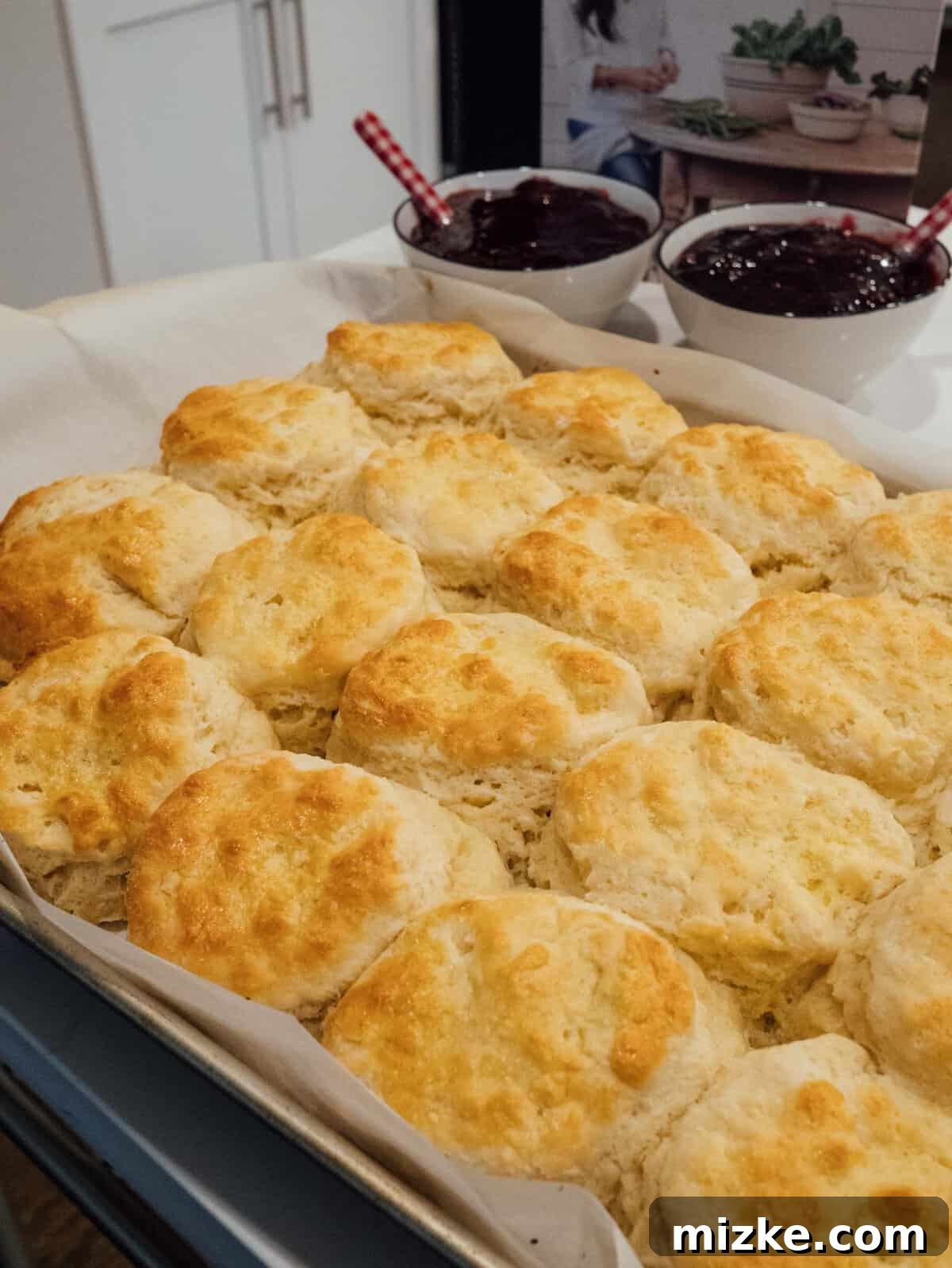
Joanna Gaines’ Fluffy Buttery Biscuits: The Secret to Heavenly Homemade Breakfast
There’s nothing quite like a warm, freshly baked biscuit to start your day or complete a comforting meal. For many, the quest for the perfect biscuit ends in disappointment – either they’re too flat, too dry, or simply lacking that melt-in-your-mouth quality. But what if we told you there’s a recipe that consistently delivers on the promise of fluffy, tender, and incredibly buttery biscuits? And what if that recipe comes from the beloved queen of comfort food herself, Joanna Gaines?
Prepare to have your breakfast table transformed. This isn’t just any biscuit recipe; it’s *the* biscuit recipe. While I wish I could claim credit for this culinary masterpiece, the genius behind these exceptional biscuits belongs entirely to Joanna Gaines. I’m simply a passionate home baker eager to share the incredible joy and deliciousness these biscuits bring. Get ready to experience biscuits that redefine your expectations of homemade perfection.
Understanding the Unique Texture of These Biscuits
Before diving into the magic, it’s crucial to set expectations regarding the texture. If you’re envisioning flaky, layered biscuits that pull apart in delicate sheets, this recipe offers a different, yet equally delightful, experience. Joanna Gaines’ biscuits are characterized by their remarkable tenderness and a slightly denser, doughy center. They are not designed to be a traditional Southern flaky biscuit, but rather a comforting, substantial biscuit that is incredibly moist and rich.
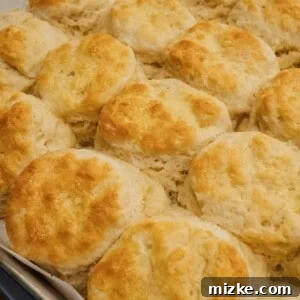
This distinct texture is what makes them so profoundly satisfying. Each bite offers a soft, yielding interior that practically melts in your mouth, enveloped by a lightly golden crust. It’s a texture that speaks of wholesome goodness and homemade warmth, making them perfect for soaking up gravy or simply enjoying with a generous spread of butter and jam. Embrace this unique profile, and you’ll quickly understand why they’ve garnered such a loyal following.
Our Unforgettable Experience: Why These Biscuits Stood Out
From the moment these biscuits emerged from the oven, filling the kitchen with an irresistible aroma of warm butter and baked goodness, we knew we were onto something special. Joanna Gaines is truly brilliant, and this recipe solidifies her status as a culinary icon. These weren’t just good biscuits; they were transcendent. They surpassed every homemade biscuit I’d ever attempted, and frankly, many bakery-bought ones too.
The experience of eating these biscuits transported me straight to a beloved Southern cafe, or even those nostalgic fried chicken fast-food joints known for their surprisingly delicious bread. I know, comparing homemade delights to fast food might seem unconventional, even a little daring! However, I believe this comparison perfectly encapsulates Joanna Gaines’ vision for these biscuits. She wasn’t aiming for fancy or complicated; she aimed for accessible, comforting, and utterly delicious. She wanted to empower home cooks to recreate that familiar, deeply satisfying taste of buttery, tender, fluffy biscuits typically found in cherished diners and family restaurants, right in their own kitchens. And she absolutely nailed it.
The Phenomenal Fluffiness and Buttery Goodness You Can Expect
Joanna Gaines undoubtedly achieved her goal. These biscuits were undeniably melt-in-your-mouth perfection. Their rich, buttery flavor was perfectly balanced, and the fluffy interior was simply addictive. I found myself unable to stop at just one, or even two! Initially, I considered halving the recipe, as it yields a generous 20 biscuits. Looking back, I’m incredibly grateful I didn’t; that would have been a regrettable decision.
In a single sitting, I happily devoured three of these delightful creations. When friends and family gathered, everyone eagerly reached for at least two, praising their extraordinary taste and texture. By the end of the evening, only a handful of biscuits remained – a testament to their universal appeal and deliciousness. This recipe is a guaranteed crowd-pleaser and a must-try for any biscuit enthusiast.
Perfect Pairings: What to Serve with Your Biscuits
These versatile biscuits are a blank canvas for a myriad of delicious toppings. For a truly classic Southern breakfast, I prepared a rich black pepper sausage gravy. The savory, peppery gravy was an ideal complement to the tender biscuits, creating a dish that was both hearty and comforting.
Beyond savory options, biscuits are traditionally served with sweet accompaniments. A dollop of your favorite fruit jam, such as homemade strawberry or peach, is always a winner. Clotted cream, with its rich, velvety texture, is another exquisite choice, though it can be a rare find outside of specialty markets. I even recall struggling to find it once, perhaps due to a surge in demand around a certain royal wedding! If you can’t find clotted cream, a generous pat of good quality salted butter is equally divine.
For an extra touch of indulgence, consider a drizzle of honey, a sprinkle of cinnamon sugar, or even a smear of lemon curd. These biscuits are robust enough to stand up to bold flavors, yet delicate enough to let simple, high-quality ingredients shine.
Effortless Baking: The Simplicity of This Biscuit Recipe
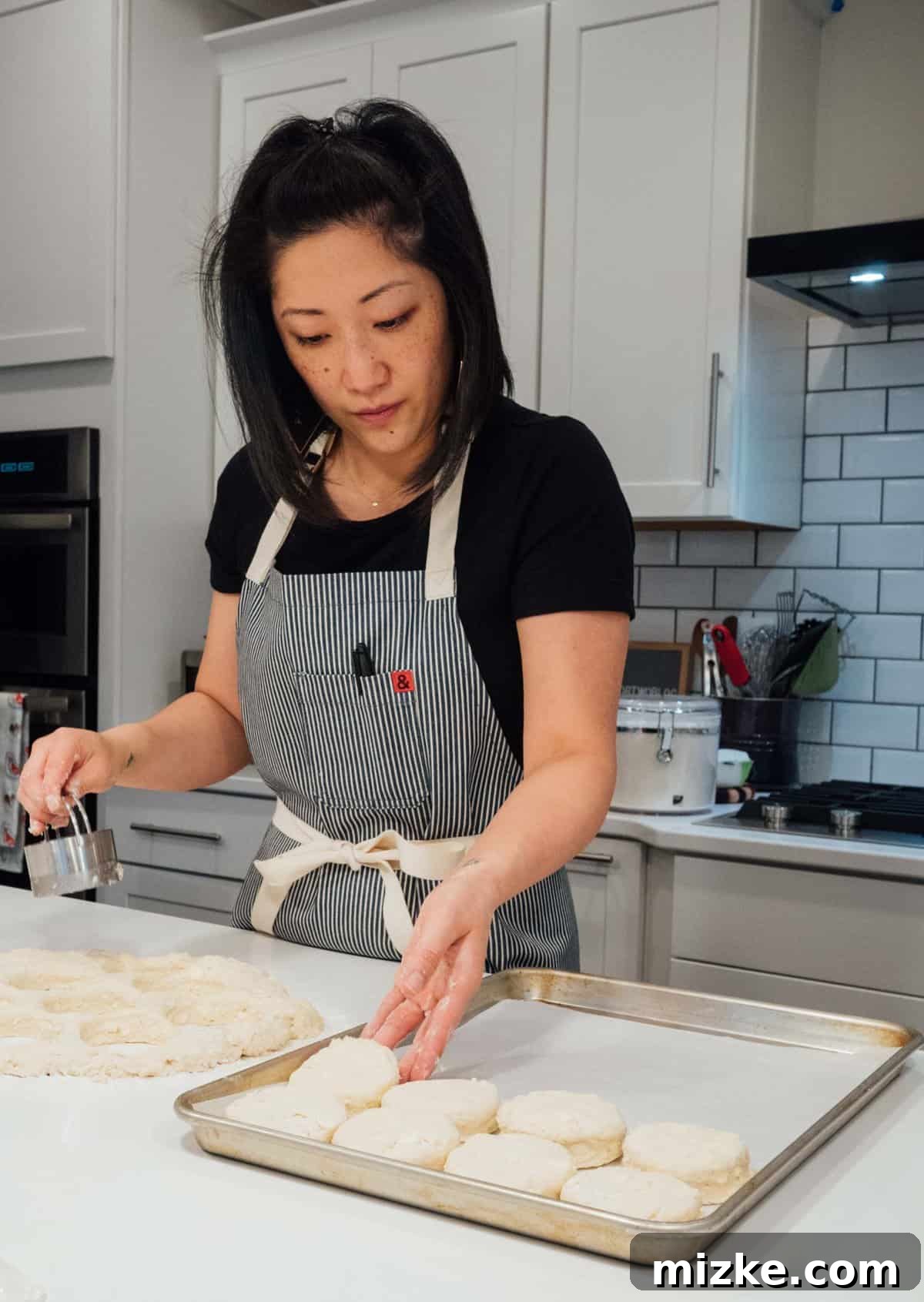
One of the most appealing aspects of Joanna Gaines’ biscuit recipe is its relative ease. The process involves standard baking techniques: combining flour with cold butter using a pastry cutter, followed by the incorporation of eggs and buttermilk. No complicated folding or extensive kneading is required, making it accessible even for novice bakers.
However, a crucial step to remember is the chill time. The dough requires at least 30 minutes in the refrigerator, which is essential for developing flavor and firming up the butter. Keep this in mind if you’re planning these for an early morning breakfast. For ultimate convenience, you can even prepare the dough the night before and store it in the fridge overnight. Just be aware that overnight chilling might slightly impact their maximum rise, though they will still be wonderfully tender and delicious.
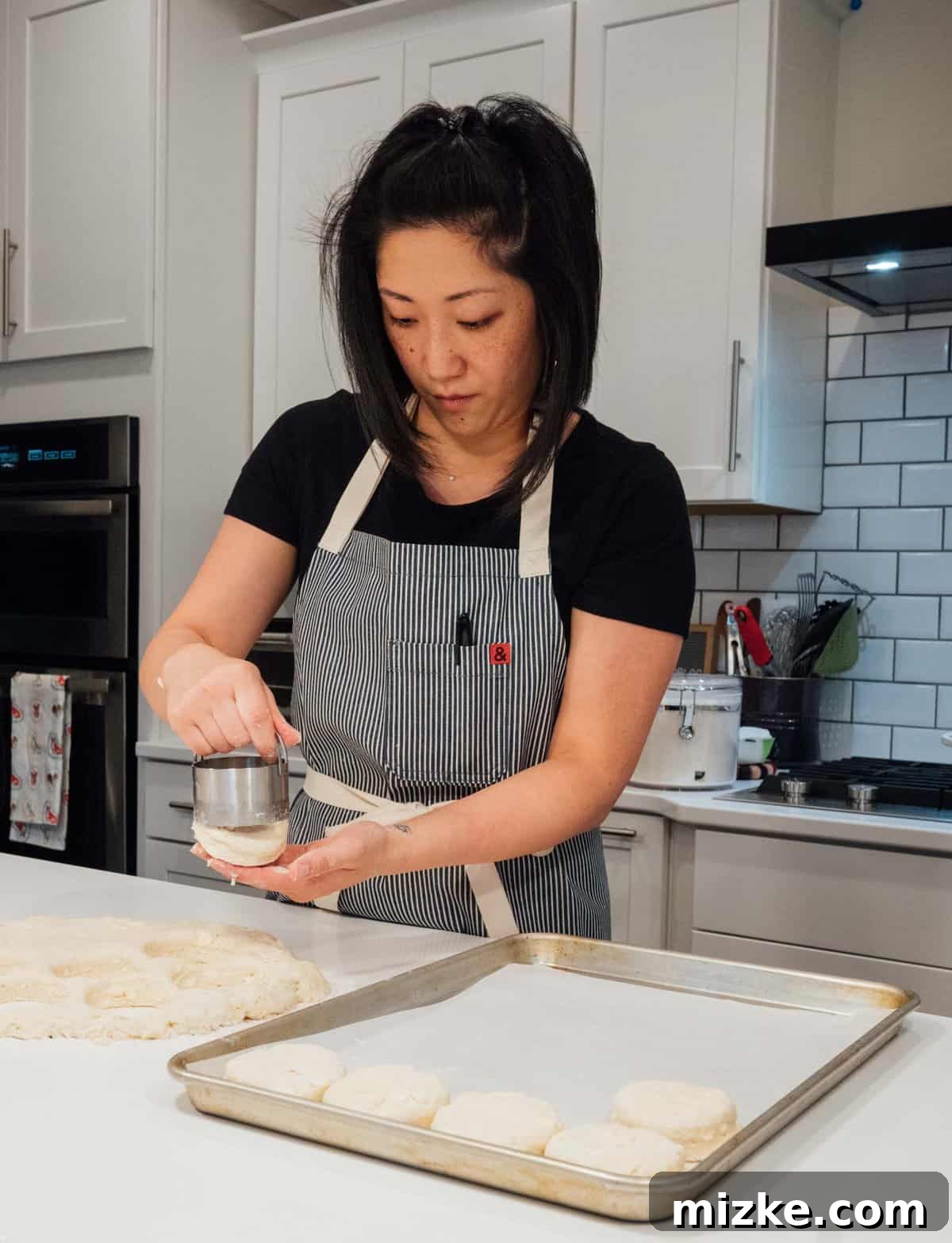
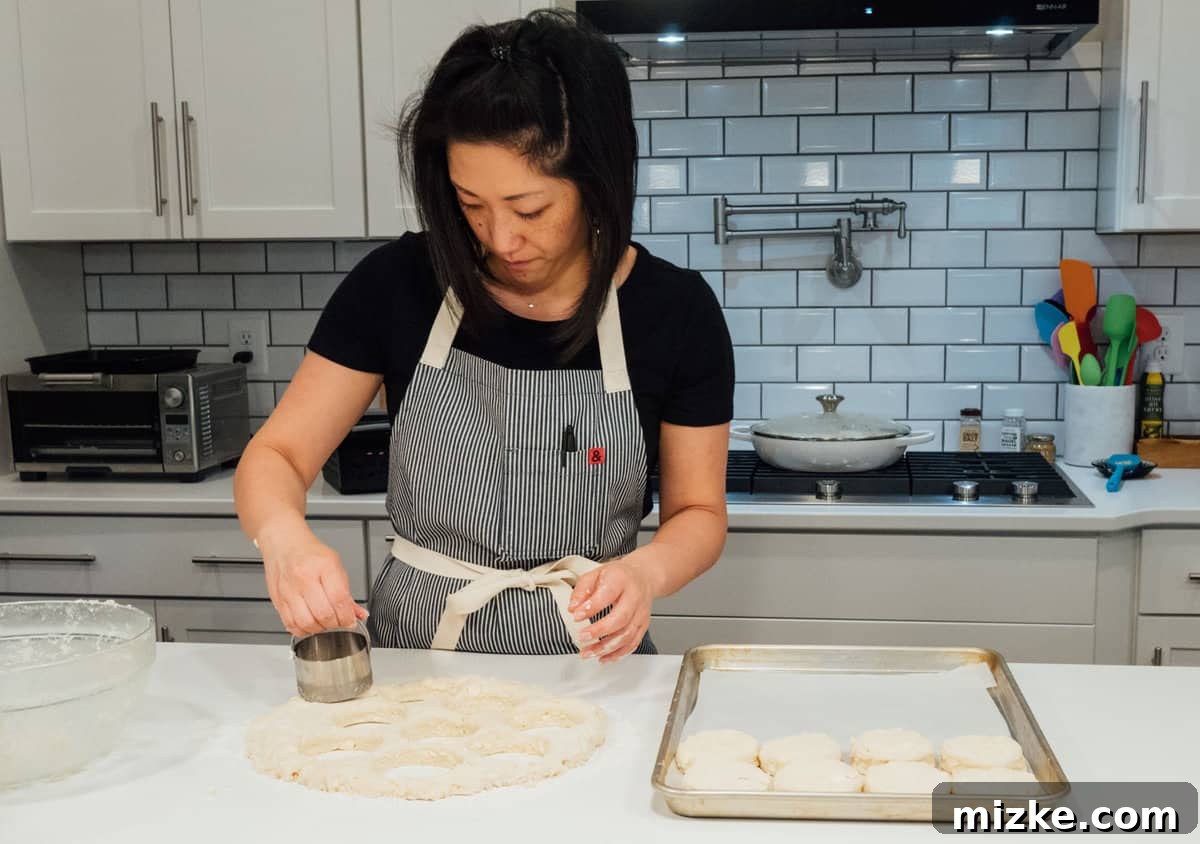
Using a pastry cutter ensures the butter remains cold and integrates into the flour mixture in small, pea-sized pieces. This is vital for creating pockets of steam during baking, contributing to the biscuits’ tender texture. A good quality biscuit cutter will help achieve uniform shapes and sizes, promoting even baking.
Make-Ahead Magic: Can You Freeze These Biscuits?
Absolutely! These biscuits are perfect for freezing, allowing you to enjoy fresh, warm biscuits any day of the week with minimal effort. To freeze them, simply cut out your biscuit shapes and arrange them on a baking sheet lined with parchment paper. If you have ample freezer space, you can freeze them individually on the sheet until solid. Once frozen, transfer the solid biscuits to a freezer-safe plastic bag or airtight container. They can be stored in the freezer for up to three weeks.
When you’re ready to bake, there’s no need to thaw! Simply place the frozen biscuits on a prepared baking sheet, perhaps adding a few extra minutes to the baking time to ensure they cook through and achieve that beautiful golden brown finish. This make-ahead option is a game-changer for busy mornings or unexpected guests.
Is This Truly THE Fluffy Biscuit Recipe You’ve Been Searching For?
Without a doubt, I believe this is the definitive fluffy biscuit recipe. I have made these biscuits countless times, and each batch has consistently delivered on its promise of an exceptional rise and remarkable fluffiness. They always come out tender, soft, and utterly delicious.
However, baking is a precise science, and sometimes, even the best recipes can present challenges. If your biscuits aren’t achieving the desired fluffiness, there are several factors that could be at play. Don’t be discouraged! Below, I’ll address common issues and offer solutions to help you achieve perfect, sky-high, fluffy biscuits every single time.
Achieving an Impressive High Rise!
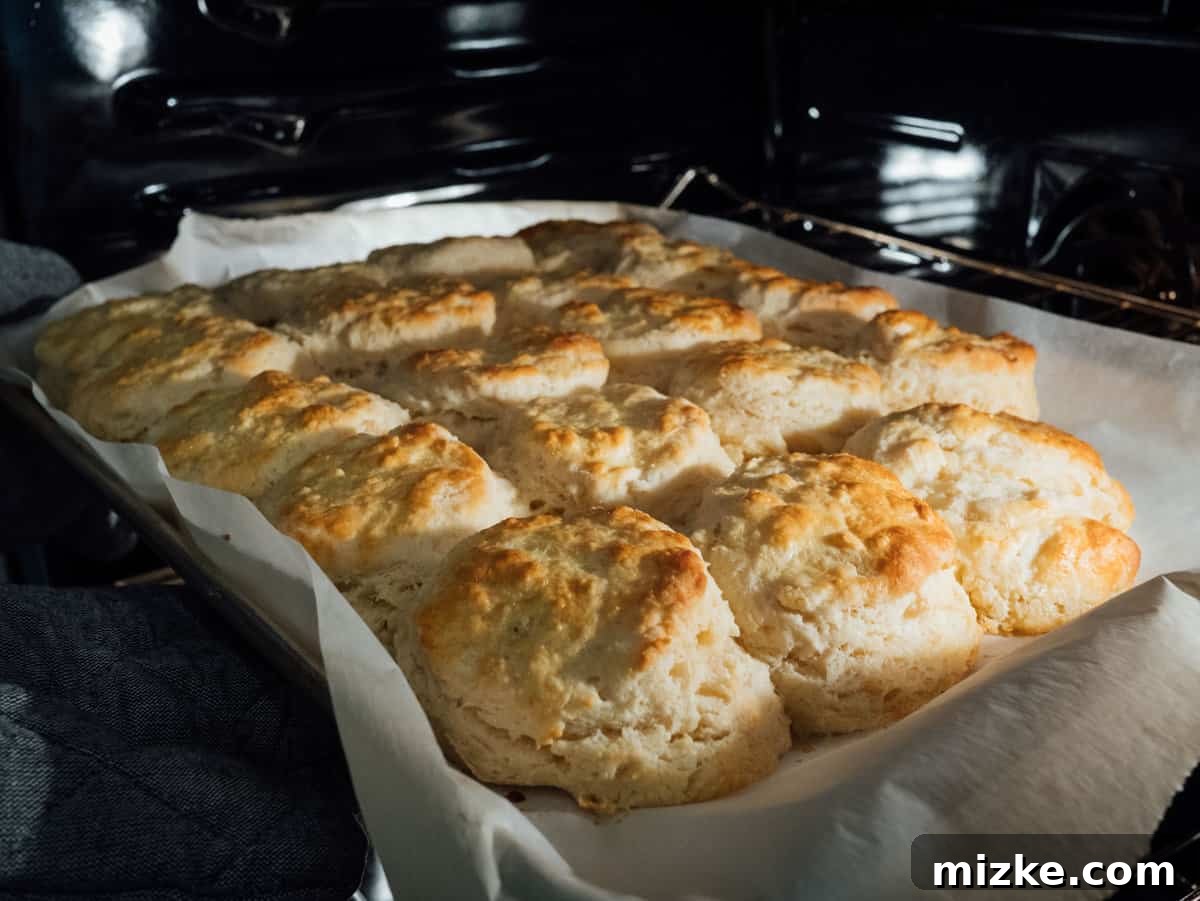
These biscuits truly stand tall, boasting an impressive rise that is a hallmark of their quality. The secret to their stature lies in a powerful combination of leavening agents: using self-rising flour, which already contains baking powder and salt, in conjunction with additional baking powder AND baking soda. This trio creates a robust chemical reaction, producing abundant carbon dioxide bubbles that lift the dough upwards during baking.
Despite their substantial rise, they remain incredibly tender and fluffy, never dry or crumbly. The balance of ingredients ensures a moist interior with a beautiful, golden-brown exterior. The satisfaction of pulling a tray of these magnificent, high-rise biscuits from the oven is unmatched. I genuinely can’t stop dreaming of their perfect texture and flavor!
Troubleshooting: My Biscuits Aren’t Rising High (or are flat)!
It can be disheartening when your biscuits don’t achieve that coveted high rise. Many factors can influence this, and pinpointing the exact cause can sometimes feel like a mystery. Here are some common culprits and how to address them:
- Buttermilk Quality and Quantity: Did you use fresh buttermilk? Buttermilk’s acidity is crucial as it reacts with the baking soda and baking powder to create those essential gas bubbles that contribute to the rise. If your buttermilk is old or you used a substitute that lacks the necessary acidity, the reaction might be insufficient. Also, ensure you’re using the correct amount; too little can make the dough too dry, hindering expansion.
- Age of Leavening Agents: Baking soda and baking powder lose their potency over time. Always check the expiration dates! To test baking soda, mix a teaspoon with a few tablespoons of vinegar; it should bubble vigorously. For baking powder, mix a teaspoon with a few tablespoons of hot water; it should also bubble. If there’s no fizz, it’s time for new leaveners.
- Type of Flour: This recipe specifically calls for self-rising flour, which already contains leavening. Combining it with additional baking powder and soda creates that extra lift. If you used regular all-purpose flour without adjusting the leavening, your biscuits will likely be flat.
- Oven Calibration: Every oven is different, and temperature fluctuations can significantly impact baking. An oven that runs too cool might not activate the leavening agents effectively, leading to a poorer rise. Consider investing in an oven thermometer to ensure your oven is consistently at the correct temperature.
- Overworking the Dough: This is a common mistake! Over-mixing or over-kneading the dough develops the gluten too much, resulting in tough, dense biscuits that won’t rise properly. Handle the dough as little as possible, just enough to bring it together. The goal is a sticky, shaggy mass, not a smooth, elastic one.
- Butter Temperature: Cold butter is non-negotiable for tender, high-rising biscuits. As the cold butter melts in the hot oven, it releases steam, creating pockets of air and layers. If your butter is too warm, it will fully incorporate into the flour, leading to a denser biscuit.
The Science Behind Baking Powder: A Key to Fluffy Biscuits
The type of baking powder you use can make an enormous difference in the fluffiness and rise of your biscuits. As noted by culinary scientist Shirley Corriher, “Baking powders can be fast-acting, slow-acting, or double-acting, depending on the acid or acids they contain.” This distinction is critical for understanding how your biscuits will behave.
Some acids in baking powder react primarily with liquid, while others react with heat. Double-acting powders, the most common type found in grocery stores, typically contain two acids: one that reacts immediately upon contact with liquid, and another that activates when exposed to the heat of the oven. This dual action provides a continuous lift, first in the mixing bowl and then again during baking.
I specifically use double-acting, aluminum-free baking powder in this recipe. Aluminum-free varieties primarily react with liquid and are generally faster-acting. This means that as soon as you combine the liquid (buttermilk, with its inherent acidity) with the dry ingredients, the leavening reaction begins. This necessitates quick work – you need to mix and get your biscuits into a preheated oven promptly, as a significant portion of the gas bubbles are released shortly after mixing. If you delay, you risk losing much of that precious leavening power.
Conversely, some baking powders containing aluminum have a delayed action, with the primary lift occurring once they are in the oven. There’s a definite trade-off to consider based on your baking powder type and speed of execution. If your biscuits consistently come out flat or less fluffy than desired, I strongly encourage you to check the type and freshness of your baking powder. This small detail can be the secret to unlocking the perfect, high-rise biscuit!
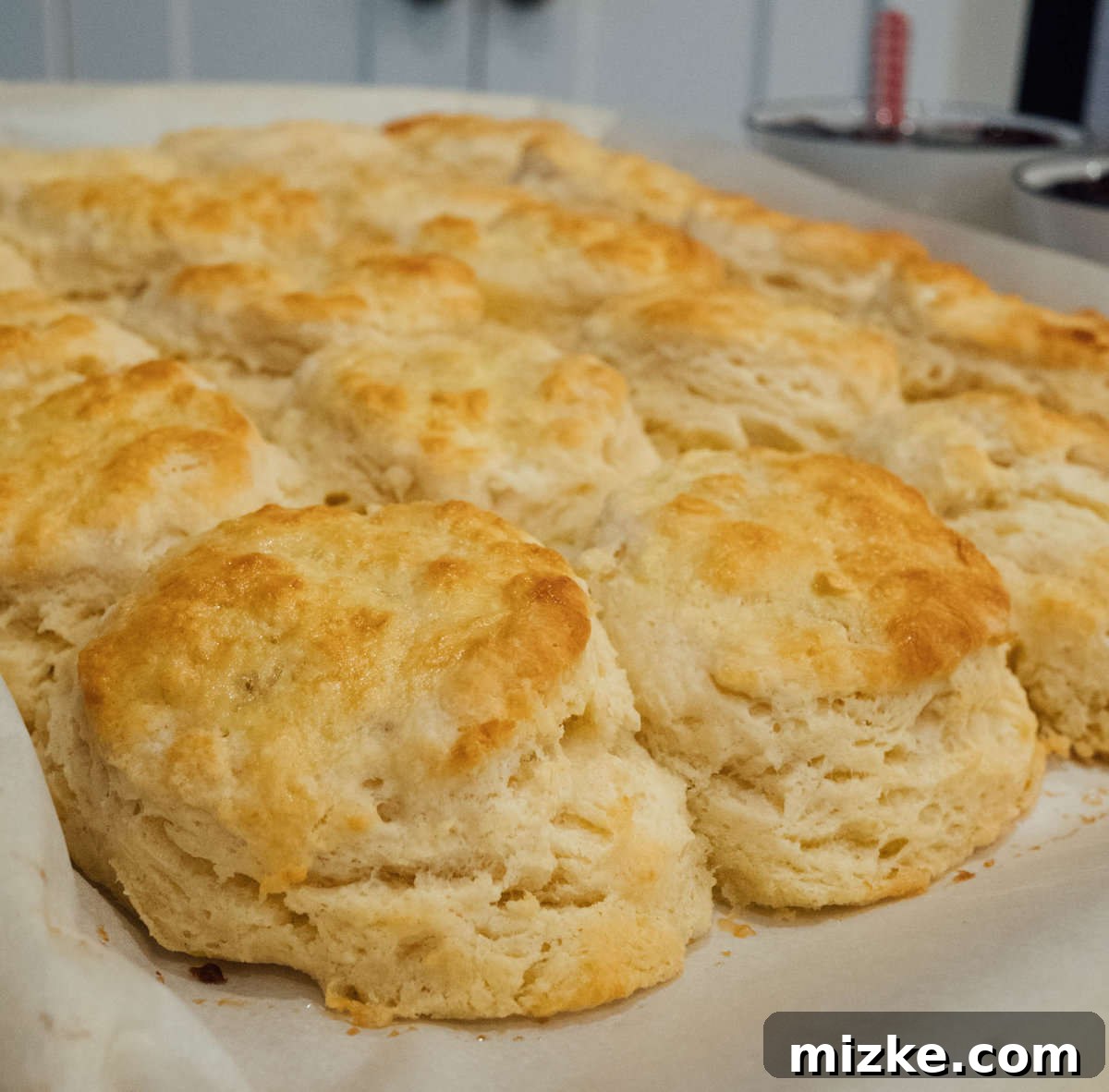
Addressing a Metallic Taste in Biscuits
If you’ve ever experienced an unpleasant metallic or bitter aftertaste in your baked goods, especially biscuits, the culprit is often the baking powder. Many traditional baking powders contain aluminum compounds. While most brands on the market today are aluminum-free, it’s always wise to check the label, especially if you’re using a large quantity of baking powder, as this recipe does.
I highly recommend using an aluminum-free baking powder to avoid this issue entirely. Given the significant amount of leavening used to achieve such a high rise, using aluminum-free ensures a clean, pure flavor that allows the rich butter and buttermilk notes to shine through without any unwelcome metallic undertones.
Salt Preferences: Adjusting to Your Palate
Some bakers might find this recipe “lacks salt.” However, it’s important to remember that this is Joanna Gaines’ original recipe, and I’ve prepared it exactly as written countless times without feeling the need for additional salt. The recipe already incorporates a generous amount of salted butter, along with self-rising flour, which inherently contains salt. Adding more could, in my opinion, lead to an overly salty biscuit.
Salt preference is highly individual and can vary based on dietary habits. If you’re accustomed to foods with higher sodium content, your taste buds might perceive a less salty dish as bland. If, after tasting your first biscuit, you feel it needs more salt, a safer approach is to brush the baked biscuit with a little melted butter and sprinkle a pinch of flaky sea salt or kosher salt on top before enjoying. Alternatively, you can add a small amount of salt to your jam or gravy. This allows you to customize the saltiness to your liking without altering the foundational recipe.
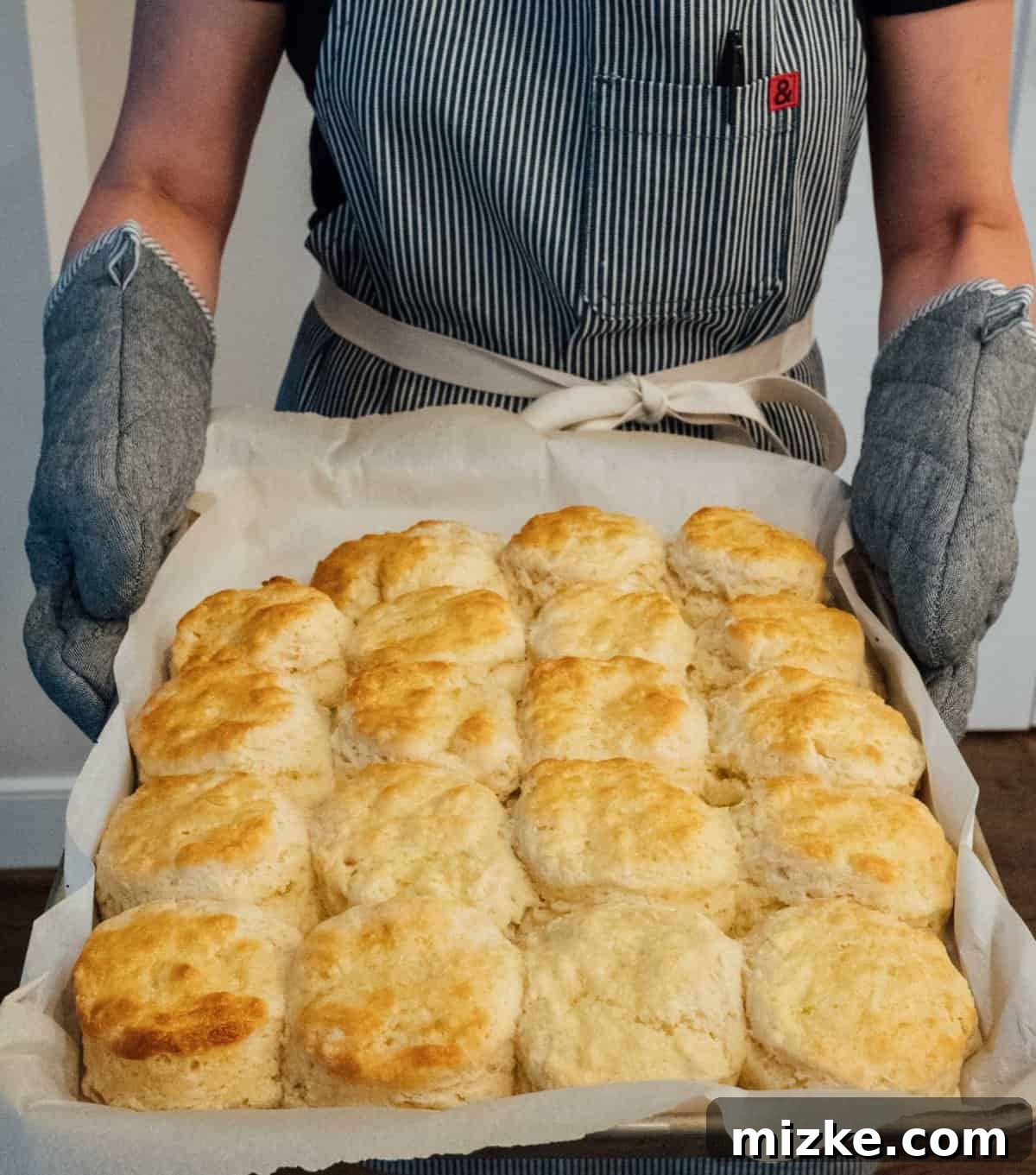
I would have happily kept the entire tray for myself if it hadn’t been for cookbook club – they were just too good to share!
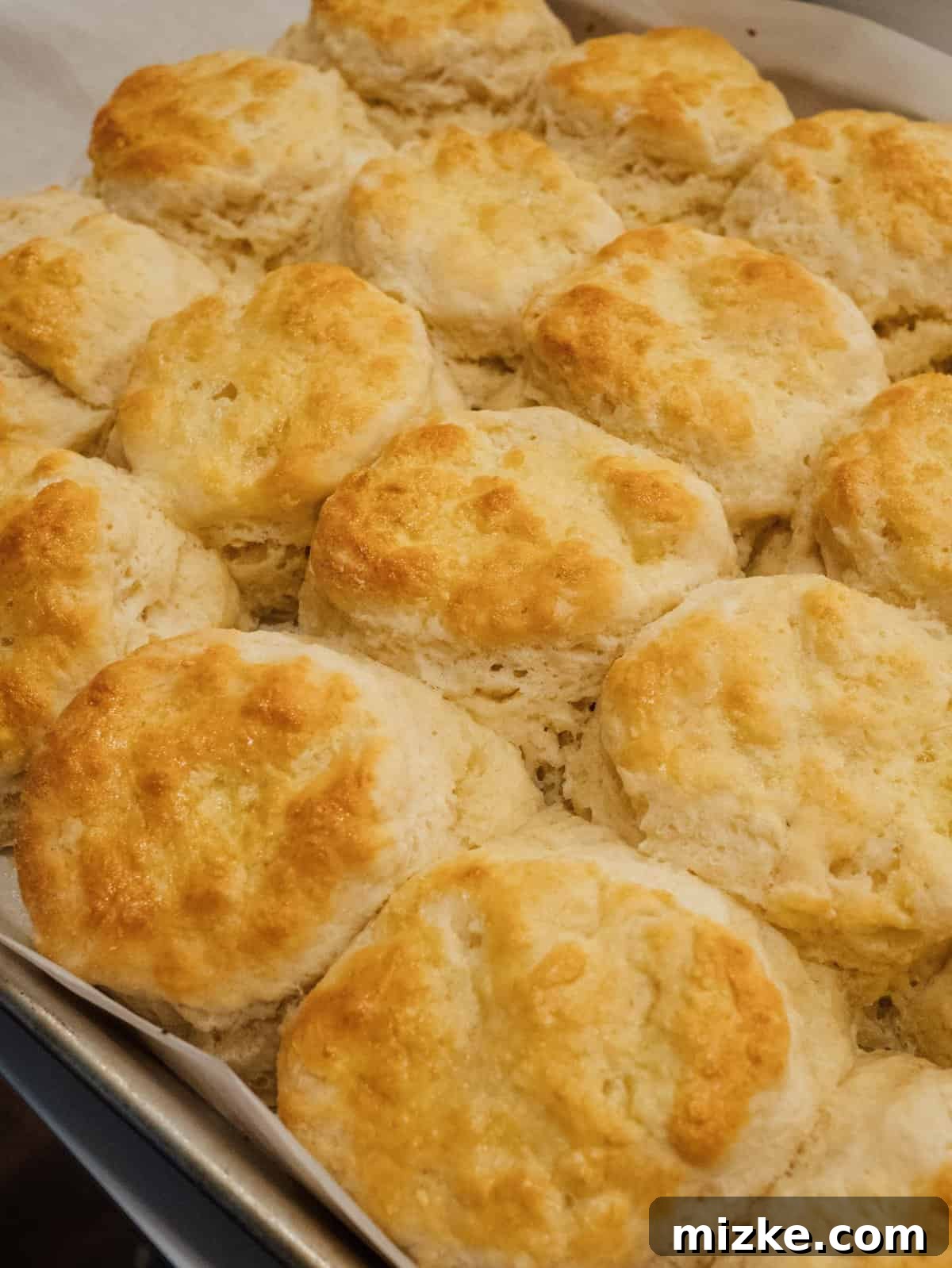
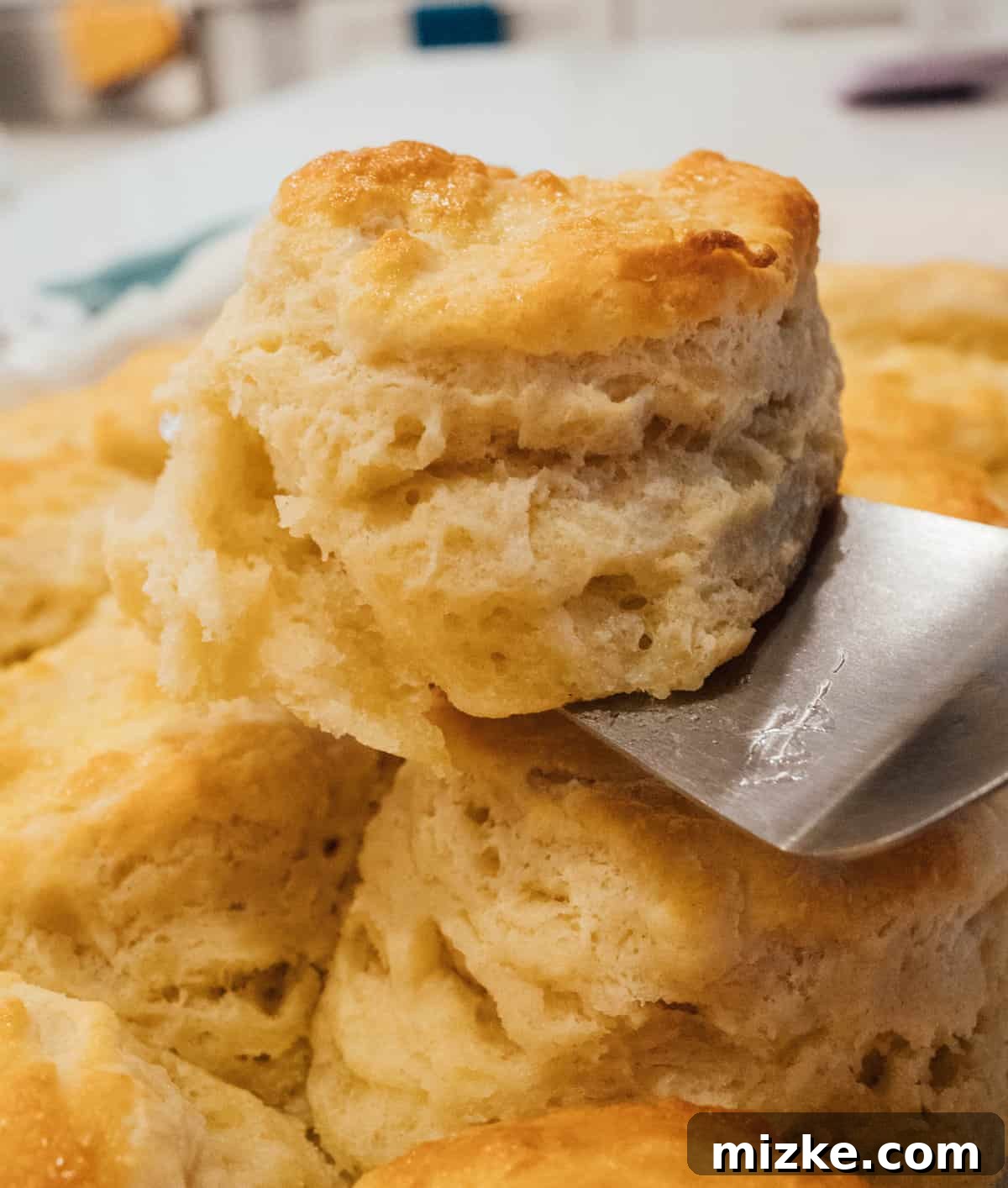
Don’t hesitate any longer. Gather your ingredients this weekend and embark on a baking adventure with these phenomenal biscuits. You absolutely will NOT regret this decision. Not one bit. Prepare for a breakfast experience that will become a cherished tradition.
Complementary Recipes for Your Fluffy Biscuits!
Enhance your biscuit experience with these delightful pairings:
- For a sweet and tangy contrast, serve your biscuits with homemade Blackberry Lemon Jam or a fragrant Blueberry Lavender Jam, perhaps alongside some rich salted butter or even a dollop of elusive clotted cream!
- Seeking a unique flavor kick? A vibrant Jalapeño Mango Jam offers a wonderfully spicy, sweet, and intensely flavorful accompaniment.
- Indulge in the luxurious sweetness of Vanilla Honey Peach Butter for a truly decadent spread that elevates these already amazing biscuits.
Saved
Rate
The Most Fluffy and Buttery Biscuits Ever
Equipment
-
Large rimmed baking sheet
-
Pastry cutter
-
Biscuit cutter
Ingredients
- 4 cups (500 g) self-rising flour, plus more for dusting
- 2 tablespoons baking powder, (see blog post above for more details; use double-acting, aluminum-free baking powder)
- 1 teaspoon baking soda
- ¾ pound (340 g) (3 sticks) SALTED butter, cold, cut into 1/2-inch cubes
- 2 large eggs, beaten PLUS 1 large egg for brushing
- 1 ½ cups (355 ml) buttermilk, plus more as needed and for brushing
Instructions
-
In a large bowl, whisk together flour, baking powder, and baking soda.4 cups (500 g) self-rising flour, 2 tablespoons baking powder, 1 teaspoon baking soda
-
Add the butter and using a pastry blender, cut the butter into the flour until pea-like crumbs form.3/4 pound (340 g) (3 sticks) SALTED butter
-
Stir in the beaten eggs with a wooden spoon until just combined. Then pour in the buttermilk until the dough comes together into a sticky mass. You may need more buttermilk if it’s still too dry and there is flour still at the bottom of your bowl. I ended up having to add in 1/2 cup more. DO NOT add 1/2 cup more all at the same time. Do 1 tablespoon at a time until the right consistency is reached.2 large eggs, 1 1/2 cups (355 ml) buttermilk
-
Cover the bowl and refrigerate for at least 30 minutes.
-
When ready, preheat oven to 400 °F (204 °C) and line a baking sheet with parchment paper.
-
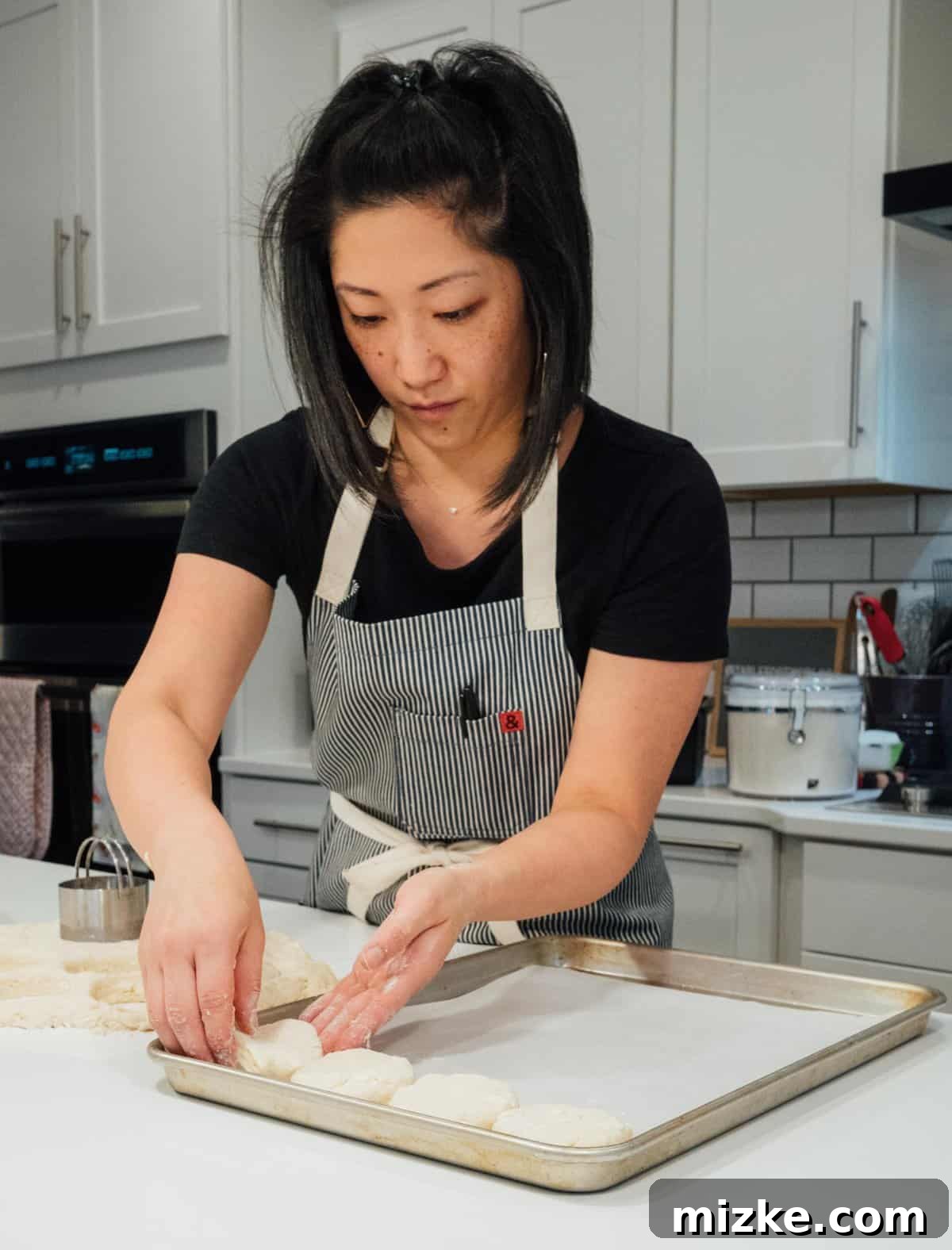
Dust a little flour onto your work surface then put the dough onto the work surface and use your hands (flour them) to press into a round, roughly 14 inch diameter and 1/2 inch thick. See photos in the blog post.
-
Use a floured 2 3/4-inch round biscuit cutter to cut out about 20 biscuits. Reform the scraps of dough into a circle again to cut more.
-
Transfer biscuits to prepared baking sheet and arrange them so they are touching each other. See photos in the blog post.
-
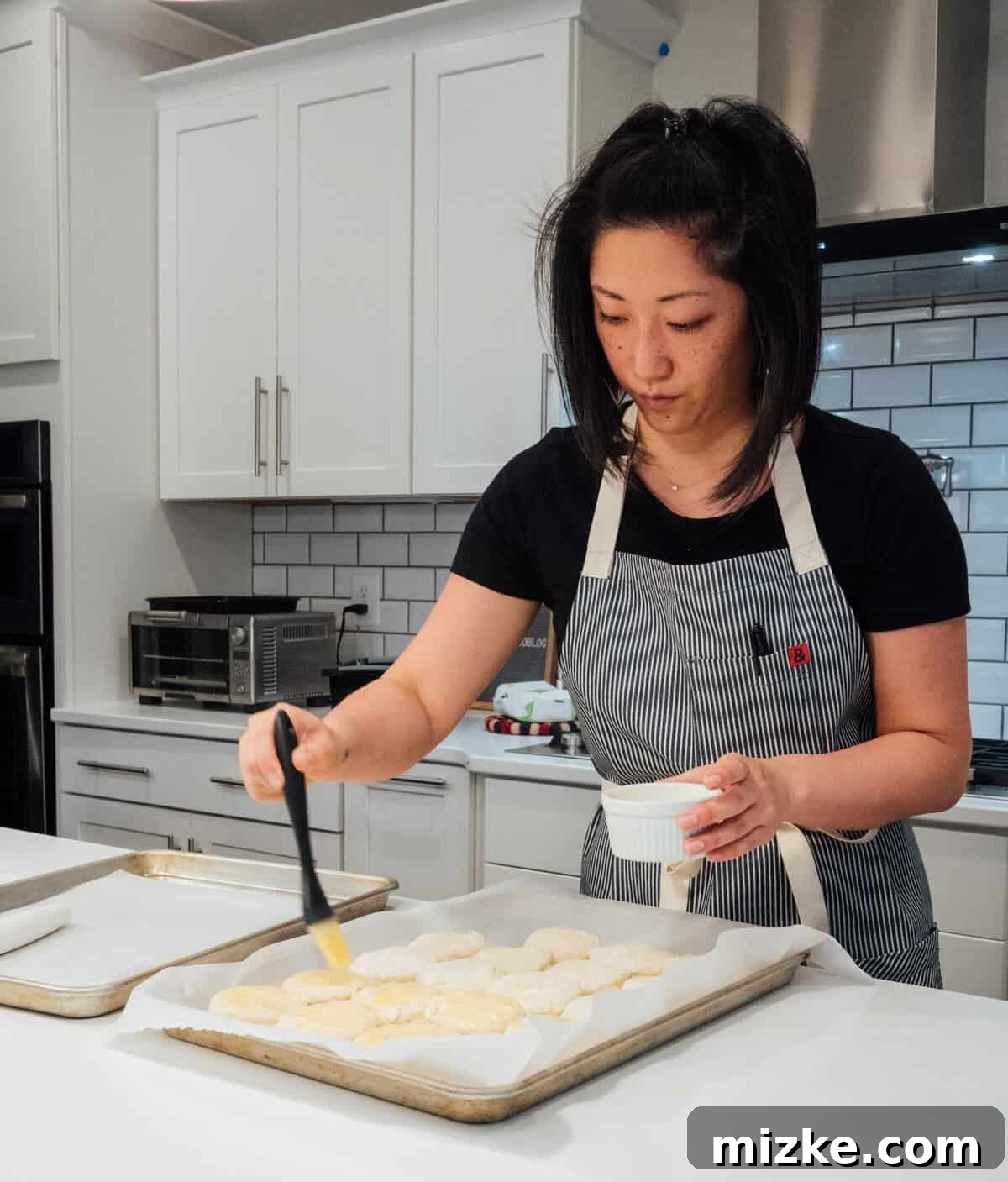
In a small dish, beat together remaining egg and buttermilk then brush on top of the biscuits.
-
Bake for 15-20 minutes, or until the tops are golden brown.
-
Let cool slightly before devouring! They’re best eaten out of the oven, day of.
-
Serve with your favorite sausage gravy, jam, or clotted cream.
Notes
Truthfully, this isn’t my recipe. It’s Joanna Gaines’ and I have made this countless times and haven’t had an issue where it tasted bland.
This recipe uses SALTED butter AND self-rising flour which has salt in it already. It’s hard for me to gauge what someone’s sodium preference is. If you tend to like things saltier, I suggest adding 2 teaspoons of Diamond kosher salt to the dry mixture but again, I haven’t made this with the addition of salt so I can’t be positive it’ll thus come out “too salty.”
Perhaps a safer way is to brush melted butter on top then sprinkle with kosher salt on top after tasting the first biscuit and seeing if you need the additional salt.
From Magnolia Table cookbook by Joanna Gaines
Nutrition
This website provides approximate nutrition information for convenience and as a courtesy only. Nutrition information can vary for a variety of reasons. For the most precise nutritional data use your preferred nutrition calculator based on the actual ingredients you used in the recipe.
The default measuring system for this website is US Customary. Unit conversions are provided for convenience and as a courtesy only. While we strive to provide accurate unit conversions, please be aware that there may be some discrepancies.
There is an affiliate link in this post.