
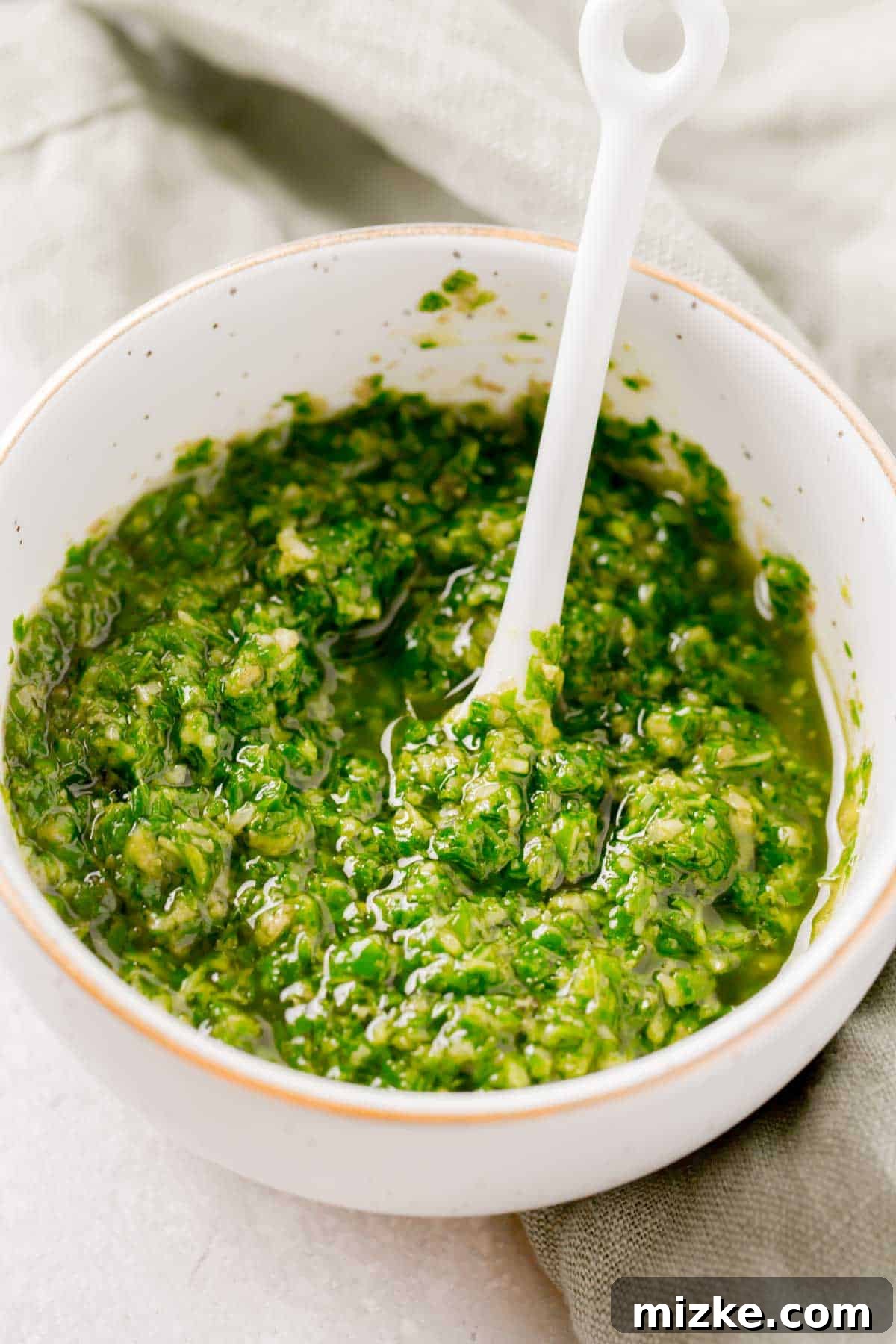
Basil pesto is more than just a sauce; it’s a culinary revelation that has graced kitchens and dining tables for centuries. This vibrant green condiment, bursting with fresh flavors, is incredibly easy to make at home and remarkably versatile. From enhancing simple pasta dishes to elevating gourmet sandwiches and salads, homemade basil pesto is a staple everyone should master. If you’ve never made it, now is the perfect time to discover the joy and simplicity of crafting your own batch of this irresistible Italian classic.
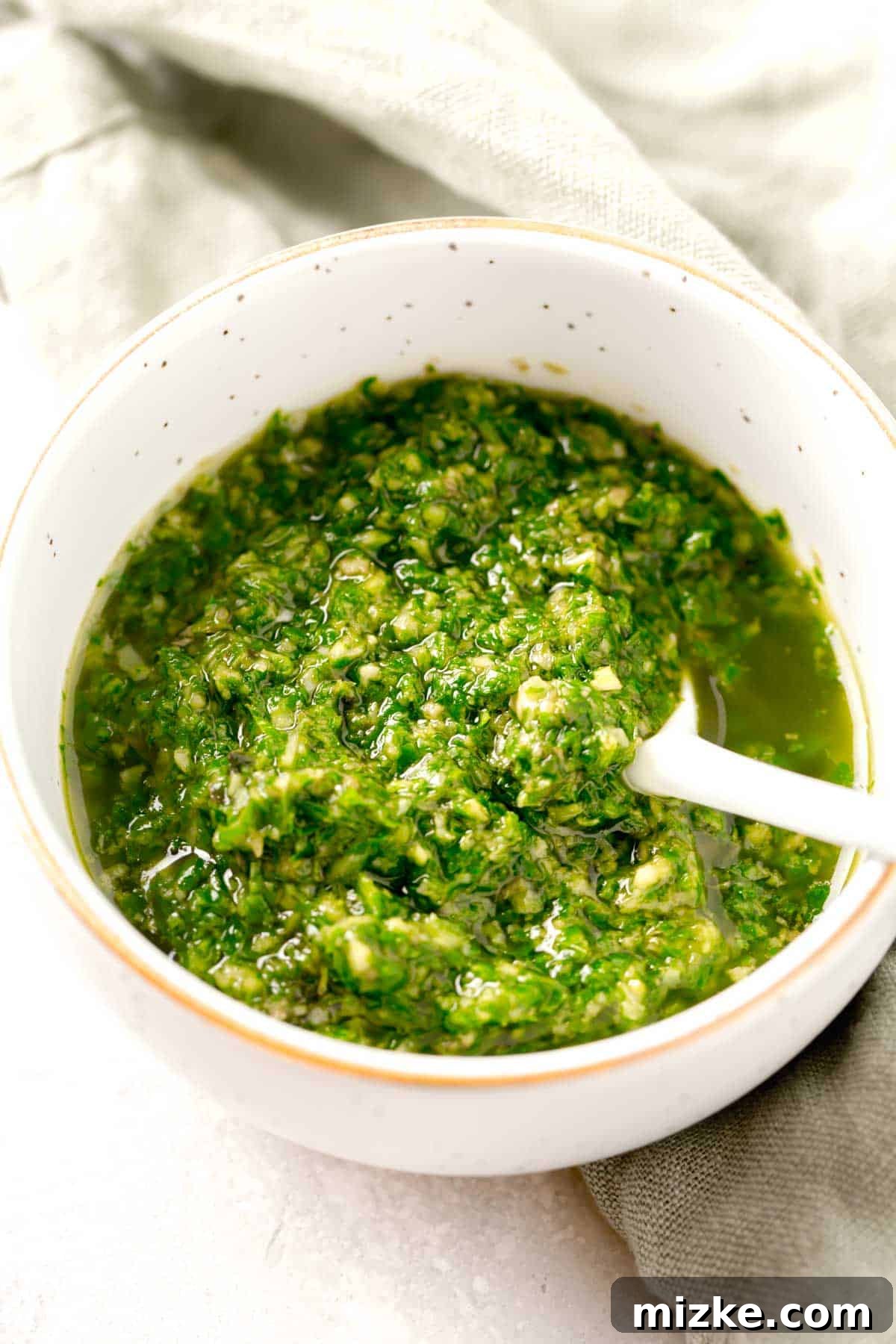
Embracing the Season: The Magic of Fresh Basil
For many home cooks, the arrival of basil plants in local nurseries and grocery stores signals the true start of summer. There’s a special kind of delight in tending to a thriving basil plant, watching its fragrant leaves grow, ready to be plucked and transformed into something extraordinary. I personally love sourcing my basil plants from places like Trader Joe’s; their potted varieties often last me an entire season. Basil is arguably one of the easiest annual herbs to grow, flourishing happily with just a good supply of water and ample sunshine. With these two essential elements, you can ensure your basil plant thrives, providing you with a continuous harvest of aromatic leaves throughout the warmer months.
Imagine stepping onto your patio or into your garden, plucking a handful of glossy green basil leaves, and instantly enhancing a dish. Whether it’s to brighten a savory tart or to add a fresh, herbaceous note to the rich flavors of a pasta, fresh basil delivers an unparalleled aromatic kick. This seasonal abundance of basil often leads to a delightful dilemma: what to do with all this fragrant greenery? My ultimate solution, and indeed my favorite way to celebrate this herb, is by making batch after batch of homemade basil pesto.
What Exactly Is Pesto? A Culinary Definition
Pesto is a classic Italian sauce, originating from Genoa in the Liguria region of Italy. The word “pesto” comes from the Genoese word “pestâ,” meaning “to pound” or “to crush,” traditionally referring to the method of preparation using a mortar and pestle. While modern kitchens often rely on food processors for convenience, the essence remains the same: a harmonious blend of simple, high-quality ingredients.
At its heart, traditional basil pesto, or Pesto alla Genovese, consists of just five core ingredients: fresh basil leaves, fragrant garlic cloves, toasted pine nuts, rich Parmesan cheese (or Parmigiano-Reggiano for authentic flavor), and robust extra virgin olive oil. Each component plays a crucial role in creating the sauce’s distinctive flavor profile and creamy texture. The vibrant green color, pungent aroma, and savory depth make it an indispensable condiment in Italian cuisine and beyond.
Crafting Your Own: How to Make Basil Pesto
Making basil pesto at home is surprisingly simple and incredibly rewarding. Forget the store-bought versions; once you taste homemade pesto, you’ll never go back. The process requires minimal effort, especially with the aid of a food processor. Here’s a detailed breakdown of the steps:
- Gather Your Ingredients: Ensure all your ingredients are fresh and of good quality. For the best flavor, use fresh basil that’s free from blemishes, good quality extra virgin olive oil, and freshly grated Parmesan cheese.
- Preparation is Key: Wash and thoroughly dry your basil leaves. Excess water can dilute the pesto and affect its texture. Peel and lightly smash your garlic cloves. If using pine nuts, consider lightly toasting them in a dry pan for a few minutes until fragrant – this deepens their flavor considerably, though it’s an optional step.
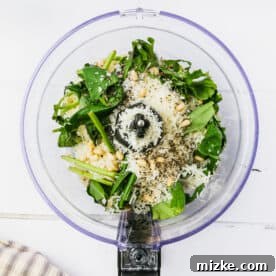
- Assemble in the Food Processor: Add the fresh basil leaves, garlic cloves, pine nuts, and grated Parmesan cheese to the bowl of your food processor. A pinch of salt and black pepper, to taste, should also be added at this stage.
- Process and Drizzle: Begin to pulse the ingredients. As the mixture starts to break down, slowly drizzle in the extra virgin olive oil through the food processor’s feed tube while the machine is running. This gradual addition emulsifies the oil with the other ingredients, creating a smooth, creamy texture.
- Achieve Desired Consistency: Continue processing until you reach your desired consistency. Some prefer a chunkier pesto with more texture, while others opt for a silky-smooth sauce. If you desire a thinner, smoother pesto, simply add a little more olive oil, one tablespoon at a time, until it reaches your preference.
- Taste and Adjust: Once processed, taste the pesto and adjust seasonings as needed. You might want more salt, pepper, or even an extra squeeze of fresh lemon juice to brighten the flavors, though lemon is not traditional.
And just like that, you’ll have a fresh, flavorful batch of homemade basil pesto ready to transform your meals!
Unleashing Versatility: How to Use Basil Pesto
The beauty of basil pesto lies in its incredible versatility. While its pairing with pasta is famously delicious and often the first choice for many, its applications extend far beyond. Here are just a few ways to incorporate this vibrant sauce into your culinary repertoire, adding a burst of fresh flavor to almost any dish:
- Pasta Perfection: The most classic use! Toss freshly cooked pasta with a generous dollop of pesto for a quick and satisfying meal. It’s superb with spaghetti, fusilli, or even in dishes like pesto pasta with potatoes and green beans for a Ligurian touch.
- Elevated Sandwiches & Wraps: Spread pesto on bread or wraps instead of mayonnaise or mustard. It adds a gourmet touch to simple turkey and cheese, or grilled chicken sandwiches. Try it in a cheesy grilled pesto chicken and sun-dried tomato sandwich for an explosion of flavor.
- Salad & Grain Bowl Booster: Mix pesto into your favorite grain bowls for a fresh, herbaceous kick. It works wonders in a 15-minute pesto quinoa bowl or as a dressing for simple green salads.
- Pizza & Flatbread Topping: Use pesto as a base for your pizza instead of tomato sauce, or swirl a dollop over a baked pizza. It’s particularly fantastic on a Caprese pizza with fresh mozzarella and tomatoes.
- Roasted Vegetable Companion: Toss roasted vegetables like bell peppers, zucchini, asparagus, or potatoes with pesto for an instant flavor upgrade. It clings beautifully to the vegetables, adding moisture and zest.
- Eggs & Breakfast Dishes: Swirl a teaspoon of pesto into scrambled eggs, omelets, or serve it alongside fried eggs for a savory breakfast.
- Soups & Stews: Stir a spoonful of pesto into minestrone, tomato soup, or vegetable stews just before serving for an extra layer of flavor.
- Marinades for Meats & Seafood: Use pesto as a marinade for chicken, fish, or shrimp. Its robust flavors infuse the protein with delicious notes, perfect for grilling or baking.
- Dips & Spreads: Mix pesto into cream cheese, hummus, or Greek yogurt for a delightful dip with crackers, crudités, or as a spread for bruschetta.
- Beyond Pasta Salads: While excellent in pasta salads, don’t forget it’s also great in potato salads or chickpea salads.
- Unique Vegetable Pairings: Even unconventional pairings like spaghetti squash with pesto can be incredibly delicious, offering a lighter alternative to traditional pasta dishes.
The possibilities are truly endless, limited only by your imagination. Keep a batch of homemade pesto on hand, and you’ll find yourself reaching for it to brighten countless meals.
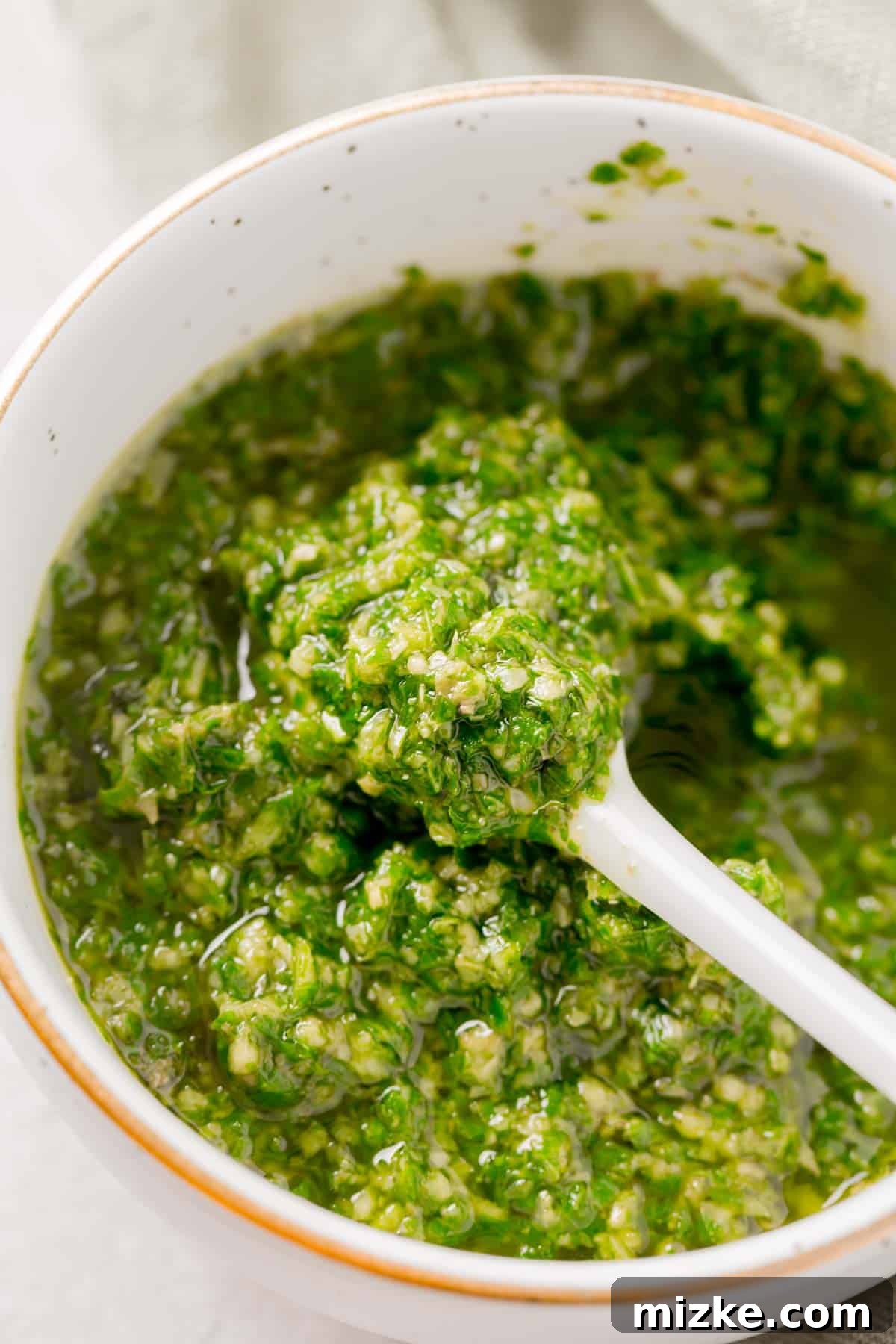
Creative Pesto Variations: Beyond Basil
While classic basil pesto is undeniably delicious, its foundational concept—a blend of fresh herbs or greens, nuts, cheese, garlic, and oil—allows for endless creativity. Once you’ve mastered the traditional recipe, don’t hesitate to experiment with different ingredients to create unique flavor profiles. Here are some inspiring variations to try:
- Roasted Red Pepper Pesto: Swap a portion of the basil for roasted red peppers. This creates a sweet, smoky, and slightly tangy pesto with a beautiful reddish hue, excellent for pastas, spreading on crostini, or as a base for pizza.
- Arugula Pesto: For those who love a peppery kick, replace some or all of the basil with fresh arugula. Arugula pesto offers a vibrant, slightly bitter note that pairs wonderfully with goat cheese in pasta dishes or as a bright addition to sandwiches.
- Parsley or Cilantro Pesto: Substitute basil with fresh parsley or cilantro. A parsley pesto can be very fresh and green, while a cilantro version takes on a more global flavor, perfect for Mexican or Asian-inspired dishes. You can even venture into making a homemade chimichurri, which is essentially a parsley-based pesto, fantastic on grilled steak!
- Sun-Dried Tomato Pesto (Pesto Rosso): This variation is rich and intensely flavorful. Combine sun-dried tomatoes with fresh basil (or even just sun-dried tomatoes), garlic, pine nuts (or walnuts), Parmesan, and olive oil. The result is a vibrant, savory pesto rosso that adds incredible depth to sandwiches, pasta, and roasted vegetables.
- Nutty Substitutions: Pine nuts are traditional, but they can be pricey. Experiment with other nuts like walnuts, almonds, cashews, or pistachios for different textures and flavor nuances. Walnuts add an earthy depth, while pistachios offer a slightly sweeter, richer taste. For a nut-free version, use sunflower seeds or pumpkin seeds.
- Creamy Additions: For an extra creamy and luxurious pesto, blend in half an avocado. This adds a velvety texture and a subtle richness, while also helping to keep the pesto from oxidizing as quickly.
- Spinach Pesto: If you’re looking to boost the nutritional content or prefer a milder flavor, spinach can be incorporated alongside or in place of some basil. It’s a great way to use up wilting spinach and still get a lovely green sauce.
- Vegan Pesto: Easily make pesto vegan by omitting the Parmesan cheese and adding nutritional yeast for a cheesy flavor, or simply increasing the amount of nuts for richness. A dairy-free pesto is just as delicious and versatile.
These variations demonstrate the adaptability of pesto. Don’t be afraid to mix and match herbs, nuts, and even cheeses to find your perfect blend. Each iteration offers a new culinary adventure.
Mastering Pesto Storage: Keeping it Fresh
One of the most common questions about homemade pesto is how to store it effectively to maintain its vibrant green color and fresh flavor. Fortunately, basil pesto is an excellent candidate for preservation, making it possible to enjoy the taste of summer basil all year round. The olive oil in pesto acts as a natural preservative, helping to prevent oxidation (the browning that occurs when basil is exposed to air).
Freezing Pesto for Long-Term Freshness:
Freezing is undoubtedly the best method for long-term storage. It locks in the fresh flavors and colors. I particularly like to store my basil pesto in two-tablespoon portions using silicone freezer trays. These trays are incredibly convenient because they allow you to pop out individual servings as needed, preventing waste and ensuring you always have the perfect amount for a dish. This method is far superior to freezing a large batch, which can be difficult to portion later. Once frozen solid, transfer the pesto cubes to an airtight freezer bag or container. Properly frozen pesto can last for up to 6 months, though for optimal flavor, it’s best consumed within 3-4 months.
When you’re ready to use frozen pesto, simply thaw the desired amount in the refrigerator or gently warm it directly into your hot pasta. For best results, don’t reheat pesto too aggressively, as it can diminish its fresh qualities.
Refrigerating Pesto for Short-Term Use:
If you plan to use your pesto within a week, refrigeration is a perfectly suitable option. Store the pesto in a clean, airtight glass jar. To prevent the top layer from turning brown (oxidizing) in the refrigerator, pour a thin layer of extra virgin olive oil over the surface of the pesto before sealing the jar. This creates a protective barrier, keeping the pesto vibrant and fresh. Gently stir the oil layer back into the pesto before serving. While it can technically last a bit longer, I recommend consuming refrigerated pesto within one week for the best taste and appearance, as I’ve noticed it tends to start browning and losing its peak flavor after that period.
The Nutritional Powerhouse of Pesto
Beyond its incredible flavor, basil pesto offers several nutritional benefits, thanks to its wholesome ingredients. Basil is rich in vitamins K and A, and antioxidants. Garlic is well-known for its immune-boosting and anti-inflammatory properties. Pine nuts provide healthy fats, protein, and magnesium, while extra virgin olive oil is a cornerstone of the Mediterranean diet, lauded for its monounsaturated fats and antioxidants beneficial for heart health. Even Parmesan cheese contributes calcium and protein. Enjoying pesto means not only savoring deliciousness but also nourishing your body with natural, beneficial components.
Print Recipe
Homemade Basil Pesto Recipe
Julie Chiou
5 minutes
5 minutes
Approximately 3-4 ounces
Equipment
-
Food Processor
Ingredients
-
2 cups
fresh basil leaves -
2 cloves
garlic -
¼ cup
freshly grated Parmesan cheese -
¼ cup
pine nuts - Salt and black pepper, to taste
-
¼ cup
extra virgin olive oil, more for a smoother pesto
Instructions
-
Add basil, garlic, Parmesan cheese, pine nuts, salt, and pepper into the bowl of a food processor.

-
Start to process as you slowly drizzle the olive oil through the feed tube. Continue processing until desired consistency is reached. Add more oil for a smoother pesto, if desired.
Nutrition Information (Approximate)
Serving:
1ounce
,
Calories:
277kcal
,
Carbohydrates:
4g
,
Protein:
5g
,
Fat:
28g
,
Saturated Fat:
4g
,
Polyunsaturated Fat:
6g
,
Monounsaturated Fat:
16g
,
Cholesterol:
7mg
,
Sodium:
147mg
,
Potassium:
138mg
,
Fiber:
1g
,
Sugar:
0.5g
This website provides approximate nutrition information for convenience and as a courtesy only. Nutrition information can vary for a variety of reasons. For the most precise nutritional data use your preferred nutrition calculator based on the actual ingredients you used in the recipe.
The default measuring system for this website is US Customary. Unit conversions are provided for convenience and as a courtesy only. While we strive to provide accurate unit conversions, please be aware that there may be some discrepancies.
Why Homemade Pesto is Always Best
While convenience often leads us to store-bought options, there’s an undeniable difference when it comes to homemade basil pesto. The vibrant freshness of just-picked basil, the pungent kick of raw garlic, the subtle creaminess of pine nuts (or your chosen alternative), the salty tang of quality Parmesan, and the fruity notes of extra virgin olive oil all combine to create a symphony of flavors that simply cannot be replicated by mass-produced jars. Store-bought pestos often contain preservatives, artificial colors, and less-than-ideal oils, resulting in a duller color and a muted flavor profile.
Making pesto from scratch also gives you complete control over the ingredients. You can choose organic basil, adjust the amount of garlic to your liking, select your preferred type of cheese, and even control the salt content. This customization ensures that your pesto perfectly suits your taste buds and dietary needs. Plus, the process itself is a therapeutic culinary experience, connecting you more deeply with your food.
Unlock Your Inner Chef: Start Making Pesto Today!
By now, you should be equipped with all the knowledge and inspiration to dive into the world of homemade basil pesto. Whether you’re a seasoned cook or a kitchen novice, this recipe is incredibly forgiving and yields fantastic results every time. Embrace the simplicity of its ingredients and the versatility of its uses. From a quick weeknight pasta to an impressive appetizer, basil pesto will elevate your meals and delight your senses.
Don’t let the seasonal nature of fresh basil limit your enjoyment. With the right storage techniques, you can capture the essence of summer and enjoy this delectable condiment throughout the year. So, grab a bunch of fresh basil, fire up your food processor, and get ready to experience the unparalleled taste of truly homemade basil pesto. Your taste buds (and your meals) will thank you!