
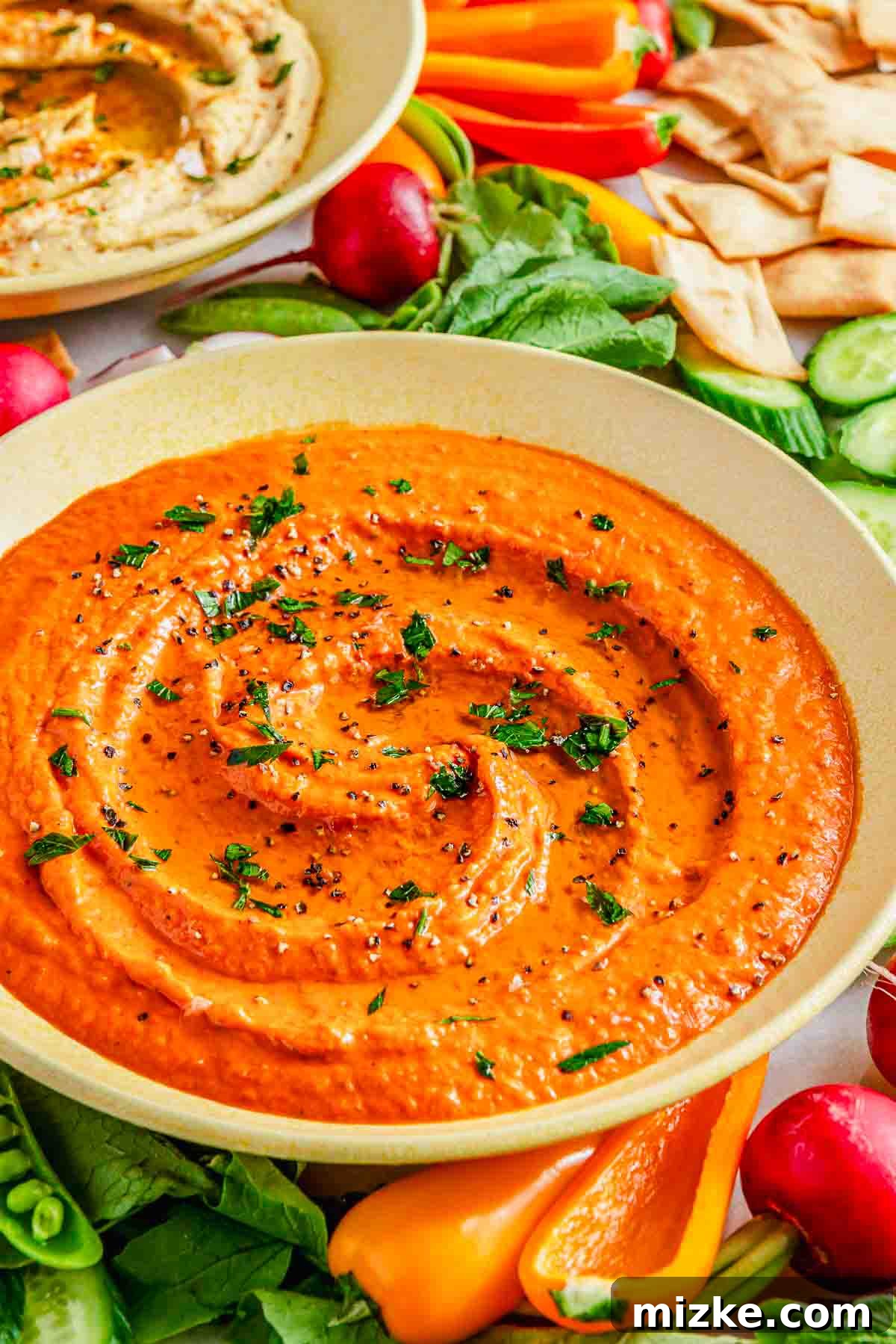
Roasted red pepper hummus is a culinary delight, offering a perfect blend of creamy texture, smoky depth, and vibrant flavor. It’s my ultimate favorite hummus variety, not just for its stunning color that brightens any spread, but for the incredible ease with which such a profoundly flavorful dip can be created right in your own kitchen. Whether you’re planning a gathering, seeking a healthy snack, or just elevating your everyday meals, this homemade roasted red pepper hummus recipe is guaranteed to impress. Forget bland store-bought versions; this recipe delivers a fresh, rich taste that’s simply irresistible.
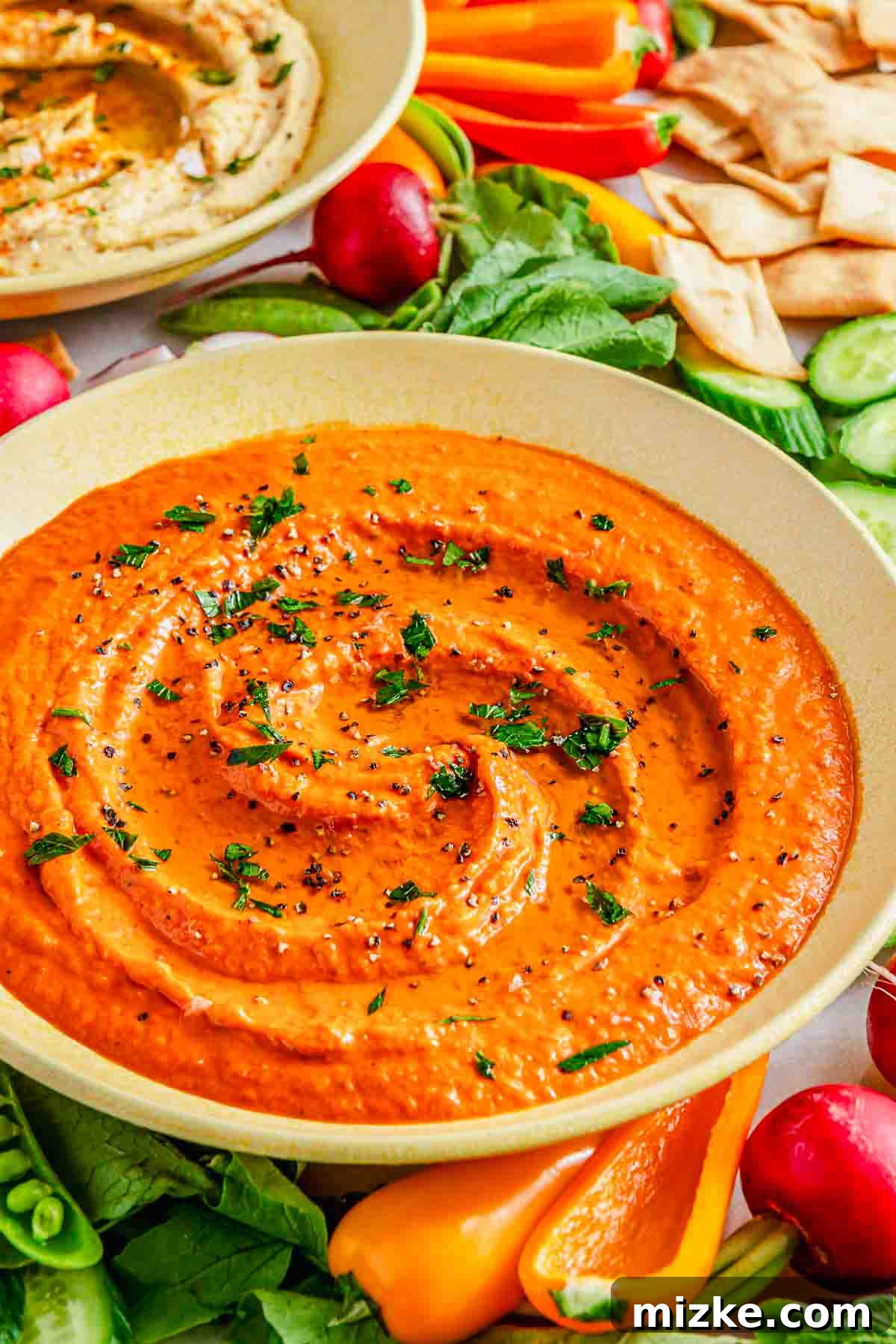
There’s something inherently appealing about roasted red pepper hummus. Whenever I find myself browsing the dip aisle at the grocery store, a tub of this particular flavor is an almost instant addition to my cart. Its unique smokiness, coupled with a subtle sweetness, makes it stand out from other hummus varieties. However, after countless experiments and taste tests, I can confidently say that homemade hummus truly reigns supreme. The texture of homemade hummus is incomparably creamier and smoother than most store-bought options, and the depth of flavor is simply unparalleled. Plus, the astonishing fact that it takes less than 5 minutes to whip up means it’s an absolute no-brainer for a quick, healthy, and delicious addition to any meal or snack.
Of course, life gets busy, and if you’re truly short on time, picking up a good quality brand from the store is perfectly acceptable. There are indeed some genuinely tasty commercial options available that can tide you over. But for those moments when you have a few extra minutes and crave that authentic, fresh taste, making it from scratch is an incredibly rewarding experience that yields a significantly superior product.
The Allure of Homemade Roasted Red Pepper Hummus
Homemade roasted red pepper hummus isn’t just a dip; it’s a testament to how simple ingredients, when combined thoughtfully, can create something extraordinary. The star of the show, roasted red peppers, brings a naturally sweet, smoky, and slightly tangy note that transforms the humble chickpea into a gourmet experience. This vibrant dip is not only bursting with flavor but also offers a beautiful splash of color, making it a feast for both the eyes and the palate. It’s perfect for entertaining, a healthy snack, or a versatile condiment for a variety of dishes. Learning to make it at home gives you full control over the ingredients, allowing you to adjust the flavors and consistency to your exact preference, free from preservatives and unnecessary additives.
Why Choose Homemade Hummus Over Store-Bought?
The decision to make hummus from scratch often comes down to a few key factors that profoundly impact the final product. Firstly, the **texture**. Store-bought hummus, while convenient, often has a thicker, sometimes pasty consistency. Homemade hummus, especially when made with a few simple tricks like peeling chickpeas or using a high-speed blender/food processor, achieves an unbelievably smooth, ethereal creaminess that simply melts in your mouth. This velvety texture is a hallmark of truly excellent hummus.
Secondly, **flavor depth**. Commercial hummus often relies on artificial flavorings or excessive salt to compensate for a lack of fresh ingredients. When you make hummus at home, you’re using fresh lemon juice, high-quality tahini, and freshly roasted (or jarred) red peppers, which collectively create a much more complex and nuanced flavor profile. You can taste each component distinctly, leading to a richer and more satisfying experience.
Finally, **ingredient control and freshness**. Making your own hummus means you know exactly what goes into it. You can opt for organic ingredients, adjust the amount of oil or salt, and avoid any additives or preservatives commonly found in packaged foods. This not only makes for a healthier dip but also ensures the freshest possible taste, elevating your snacking and dining experiences.
Essential Ingredients for Perfect Roasted Red Pepper Hummus
Crafting the perfect roasted red pepper hummus requires a few key players, each contributing uniquely to its signature taste and texture:
- Roasted Red Bell Peppers: These are the undeniable stars, providing that beautiful color and a distinctive sweet, smoky, and slightly tangy flavor. While jarred peppers are convenient and work wonderfully, roasting your own fresh bell peppers at home can elevate the flavor even further (see tip below!).
- Garbanzo Beans (Chickpeas): The creamy base of any hummus. Canned chickpeas are perfectly fine for this recipe; just make sure to drain and rinse them thoroughly. For an ultra-smooth consistency, some people even take the extra step of peeling the skins off the chickpeas, but it’s optional for this recipe.
- Tahini: This sesame paste is crucial for authentic hummus flavor and contributes to its luxurious creaminess. High-quality tahini makes a noticeable difference, so choose a brand that is smooth and not overly bitter.
- Lemon Juice: Freshly squeezed lemon juice brightens the flavors and adds a zesty tang that balances the richness of the tahini and peppers. Don’t skimp on this; fresh is always best!
- Olive Oil: A good extra virgin olive oil not only adds richness and flavor but also helps achieve that desirable loose, pourable consistency. You can adjust the amount to get your hummus exactly how you like it.
- Salt and Pepper: Essential seasonings that bring all the flavors together. Always taste and adjust to your preference.
Recipe Variations: Customizing Your Hummus Experience
One of the best things about making hummus at home is the endless possibilities for customization. While the base recipe for roasted red pepper hummus is fantastic on its own, here are some ideas to tweak it and make it uniquely yours:
- For an extra punch of aromatic flavor, blend in a **fresh garlic clove** or two. Adjust to your preference for a mild or bold garlic kick. Roasted garlic can also be used for a sweeter, more mellow garlic note.
- If you like your hummus even smokier, incorporate a teaspoon of **smoked paprika** into the blend. This deepens the savory notes and enhances the roasted flavor of the peppers.
- For those who love a little heat, become a spice queen (or king!) by blending in a pinch or two of **cayenne pepper**. Start with a small amount and add more until you reach your desired level of warmth. A dash of red pepper flakes also works beautifully.
- **Herbaceous Twist:** Stir in finely chopped fresh parsley, cilantro, or dill after blending for a burst of fresh flavor and a beautiful green garnish.
- **Sun-Dried Tomato Kick:** Add a few sun-dried tomatoes (oil-packed or rehydrated) along with the red peppers for an additional layer of sweet, intense tomato flavor.
- **Spicy Harissa Swirl:** For a Moroccan-inspired kick, swirl a tablespoon of harissa paste into your finished hummus or blend a small amount directly into the food processor.
- **Nutty Crunch Topping:** Top your hummus with toasted pine nuts, chopped pistachios, or a sprinkle of za’atar for added texture and flavor complexity.
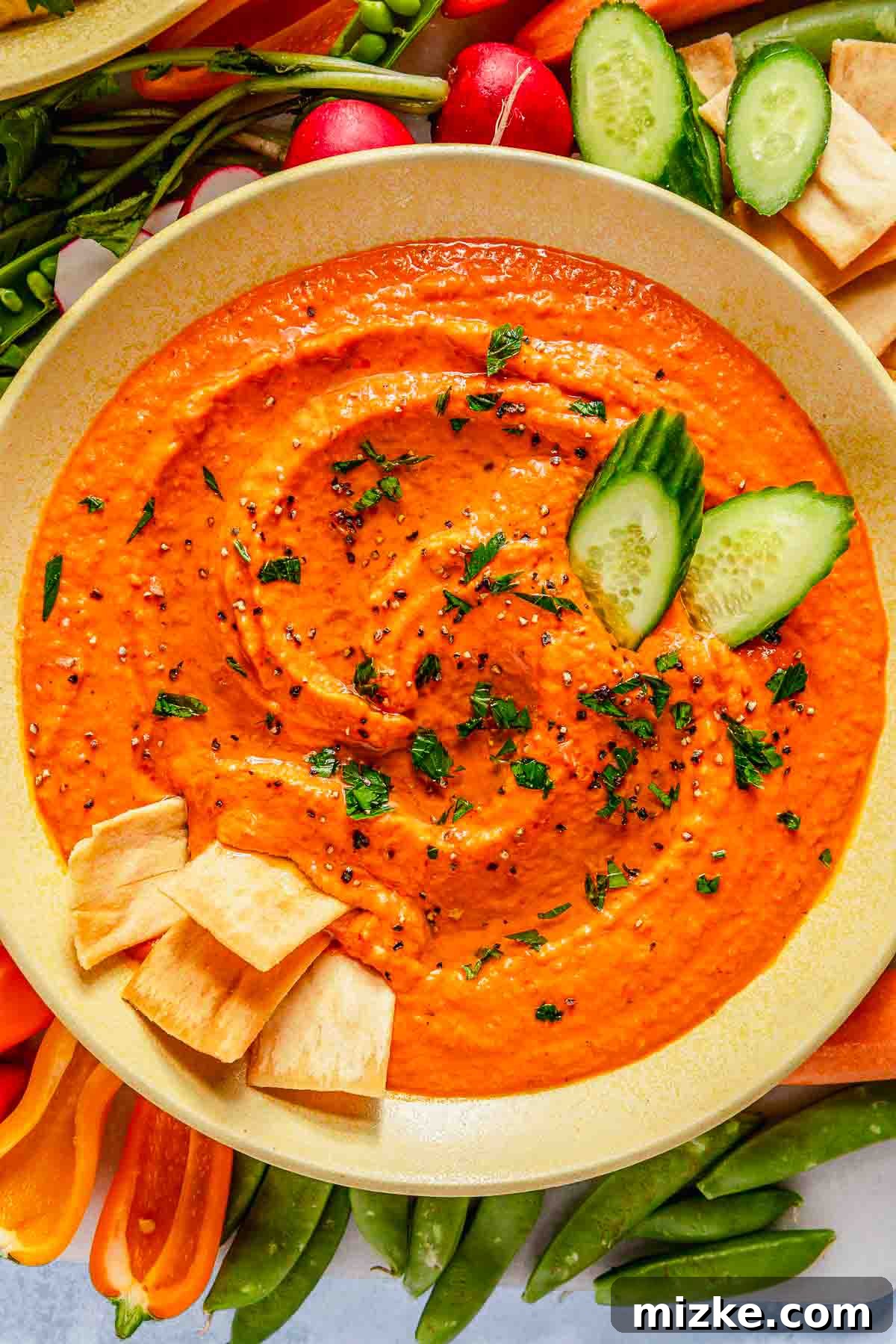
What to Eat with Roasted Red Pepper Hummus: Versatile Serving Ideas
Roasted red pepper hummus is incredibly versatile, making it much more than just a simple dip. Its rich flavor and creamy texture allow it to shine in a multitude of culinary applications. Here are some expanded ideas on how to enjoy this delicious creation:
- Classic Dipping: Serve it alongside crispy air-fried pita chips, warm pita bread, or an assortment of crunchy, cut vegetables like cucumber sticks, carrot and celery sticks, bell pepper strips, and radishes.
- Elevated Appetizer Spreads: Create an impressive mezze platter by pairing red pepper hummus with other delicious dips such as homemade tzatziki and garlic hummus. Add olives, feta cheese, and cherry tomatoes for a complete Mediterranean experience.
- Healthy Sandwich or Wrap Spread: Ditch the mayonnaise! This hummus makes an excellent, flavorful, and healthier alternative for sandwiches and wraps. It’s particularly fantastic as a base for smashed chickpea sandwiches, adding moisture and a burst of flavor.
- Gourmet Bowl Base: Use a generous dollop of red pepper hummus as the creamy foundation for your favorite Middle Eastern-inspired ground beef bowls, grain bowls, or vegetarian power bowls. It adds richness and helps tie all the ingredients together.
- Unique Pizza or Flatbread Topping: Spread it thinly over pita bread or a flatbread base before adding your favorite toppings to make delectable ground lamb and hummus pita pizzas. It acts as a flavorful “sauce” that’s a refreshing change from traditional tomato sauce.
- Eggs’ Best Friend: Serve a spoonful alongside scrambled eggs or a frittata for a savory breakfast or brunch.
- Salad Dressing Alternative: Whisk a bit of hummus with extra lemon juice and olive oil to create a creamy, healthy salad dressing.
- With Grilled Meats or Fish: A dollop of red pepper hummus makes a fantastic accompaniment to grilled chicken, lamb, or fish, adding a refreshing counterpoint to rich flavors.
Storage Instructions & Meal Prep Tips
One of the many benefits of making a batch of roasted red pepper hummus is its excellent shelf life, making it ideal for meal prepping throughout the week. Properly stored, your homemade hummus will remain fresh and delicious for days.
Storage: Store any leftover roasted red pepper hummus in an airtight container in the refrigerator for up to 7 days. To maintain its freshness and prevent it from drying out, you can drizzle a thin layer of olive oil over the surface before sealing the container. This creates a protective barrier and enhances flavor.
Before Serving: When ready to enjoy again, simply remove the hummus from the refrigerator and let it sit at room temperature for about 10-15 minutes to allow it to soften slightly and for the flavors to fully develop. Give it a good stir to re-mix any separated oil or ingredients, ensuring a consistently creamy texture.
Meal Prep: Prepare a larger batch at the beginning of the week and portion it out for quick snacks or additions to lunchboxes. Pair it with pre-cut veggies or whole wheat crackers for an easy, healthy option on the go.
Troubleshooting Common Hummus Issues
Even though homemade hummus is simple, occasionally you might run into minor issues. Here’s how to troubleshoot them:
- Too Thick: If your hummus is too dense, gradually add a tablespoon of cold water or more olive oil while blending until you reach your desired creamy consistency. The secret to ultra-creamy hummus is often a combination of good tahini and enough liquid.
- Too Thin: If it’s too runny, you can try adding a few more chickpeas (or even a tablespoon of tahini) and blending again. Be careful not to add too much at once.
- Gritty Texture: This usually happens if the chickpeas aren’t blended enough, or if the skins haven’t been removed. To fix, continue blending for another minute or two, adding a tiny bit more liquid if needed. For future batches, consider peeling the chickpeas or using hot water during blending to help break them down.
- Bitter Taste: A bitter taste often comes from low-quality tahini or too much tahini. If it’s slightly bitter, a bit more fresh lemon juice or a pinch of sugar can help balance it out. Using a good quality, light-colored tahini can prevent this issue.
- Lacks Flavor: If your hummus tastes a bit bland, it likely needs more salt, lemon juice, or even a touch more tahini. Taste and adjust in small increments until the flavors pop.
Roasted Red Pepper Hummus
By: Julie Chiou
Roasted red pepper hummus is creamy, smokey, and packed with flavor! This is my favorite hummus flavor not only because of the gorgeous color but how easy it is to make such a flavorful dip to serve alongside other dips, pita chips, or vegetables.
Prep Time: 5 minutes
Total Time: 5 minutes
Servings: 6
Equipment
- Food processor
Ingredients
- 2 whole roasted red bell peppers from a jar
- 15 ounces (425 g) canned garbanzo beans, drained and rinsed
- 2 tablespoons tahini
- Juice of 1 lemon
- Salt and pepper, to taste
- ⅛ cup (29 ml) olive oil, more for a creamier, looser consistency
Instructions
-
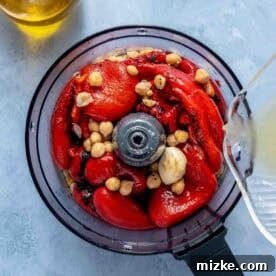
In the bowl of a food processor, add roasted red bell peppers, garbanzo beans, tahini, lemon juice, salt, and pepper.
Ingredients: 15 ounces (425 g) canned garbanzo beans, 2 tablespoons tahini, Juice of 1 lemon, Salt and pepper, 2 whole roasted red bell peppers from a jar

-
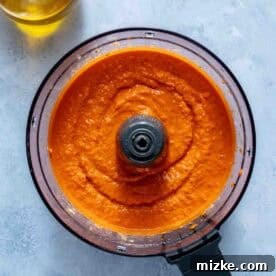
Blend until desired consistency, adding more olive oil through the chute to loosen it up. Pause and scrape down the sides then continue blending until desired consistency is reached.
Ingredients: 1/8 cup (29 ml) olive oil
Nutrition
Serving: 1 serving (103 grams), Calories: 134kcal, Carbohydrates: 11g, Protein: 4g, Fat: 9g, Saturated Fat: 1g, Polyunsaturated Fat: 2g, Monounsaturated Fat: 5g, Potassium: 143mg, Fiber: 4g
Disclaimers
This website provides approximate nutrition information for convenience and as a courtesy only. Nutrition information can vary for a variety of reasons. For the most precise nutritional data use your preferred nutrition calculator based on the actual ingredients you used in the recipe.
The default measuring system for this website is US Customary. Unit conversions are provided for convenience and as a courtesy only. While we strive to provide accurate unit conversions, please be aware that there may be some discrepancies.
Photographs by Jess Gaertner Creative