

Authentic Chinese Curry Pockets: A Taste of Tradition
Chinese Curry Pockets, known as Curry Puffs in some regions or jia li jiao in Taiwanese Mandarin, are a beloved traditional Chinese snack. These exquisite savory pastries feature a robust filling of perfectly seasoned curried beef and tender potatoes, all encased within a golden, flaky pie crust. Baked to absolute perfection, they offer a delightful balance of textures and flavors that will transport your taste buds straight to the bustling streets of Asia.

These delicate and incredibly flavorful curry pockets hold a special place in Chinese culinary traditions. They are a common sight in Chinese bakeries, often enjoyed as a grab-and-go snack, and are a staple on the carts that circulate during traditional Dim Sum services. The comforting aroma and satisfying crunch of these pastries make them an irresistible treat for many.
In Taiwan, they are affectionately called jia li jiao (咖哩餃) and are typically filled with a hearty mixture of curry-spiced ground beef, diced potatoes, and aromatic onions. While some variations might omit the potato, its inclusion adds a wonderful creamy texture and makes the curry pockets significantly more substantial and satisfying. Plus, who can resist the universal appeal of tender, flavorful potatoes complementing a savory filling? This recipe embraces the potato, ensuring a truly filling and delicious experience.
While the rich, aromatic filling is surprisingly straightforward to prepare, the assembly of these delightful Chinese curry pockets does require a bit of patience and practice. To streamline the process and make this traditional snack more accessible for home cooks, this recipe cleverly utilizes pre-made refrigerated pie crusts. This simple shortcut eliminates a significant step, allowing you to focus on the enjoyable process of filling and shaping your pockets.
Don’t be intimidated by the shaping! Once you get the rhythm down, you’ll find the assembly flows quickly and easily. The key to achieving that beautiful, crimped edge is a consistent pinch-and-tuck or pinch-and-fold motion along the border of the dough. This technique not only creates a visually appealing finish but also ensures a secure seal, keeping all that delicious filling perfectly tucked inside. Take your time, enjoy the process, and soon you’ll be creating perfectly shaped curry pockets like a seasoned pro.

Essential Ingredients for Perfect Chinese Curry Pockets
Crafting delicious Chinese Curry Pockets begins with selecting the right ingredients. Here’s a detailed look at what you’ll need to create these savory delights, ensuring maximum flavor and texture. Refer to the full recipe card below for exact quantities and comprehensive instructions.
- Lean Ground Beef: The cornerstone of our savory filling. Opt for lean ground beef to minimize excess grease, ensuring a cleaner flavor and texture. If you prefer, ground pork or chicken can also be used for a different twist.
- Onion: A standard yellow or white onion provides a sweet and aromatic base for the curry filling. Alternatively, you can use shallots for a milder, more delicate onion flavor that complements the curry spices beautifully.
- Potato: Diced potatoes are crucial for adding substance and a wonderful creamy texture to the filling. Russet or Yukon Gold potatoes work exceptionally well here, as they become tender without turning mushy. They absorb the curry flavors beautifully, making each bite even more satisfying.
- Curry Powder: This is where the magic happens! You have the flexibility to choose between mild or hot curry powder, depending on your personal preference for spice. A good quality curry powder blend will offer a complex aromatic profile that defines the taste of these pockets.
- Low-Sodium Soy Sauce: Essential for adding umami and a foundational savory depth to the filling. Low-sodium soy sauce allows you to control the overall saltiness more precisely. Tamari is an excellent gluten-free alternative that delivers a similar rich flavor.
- Kosher Salt: Used to season the filling, enhancing all the other flavors. Adjust to taste, keeping in mind the soy sauce also contributes to the saltiness.
- Refrigerated Pie Crusts: Our secret weapon for convenience! Using pre-made, rolled-out pie crusts significantly cuts down on preparation time without sacrificing flakiness. Look for the kind that comes in a roll, making it easy to cut into circles. You’ll need two packs for this recipe.
- Egg Yolk: A beaten egg yolk creates a beautiful, glossy golden-brown finish on the baked pockets, known as an egg wash. It also helps in sealing the edges and adds a lovely sheen. Ensure it’s just the yolk, without any whites, for the best result.
Crafting Your Own Chinese Curry Pockets: Step-by-Step Guide
Making these delightful Chinese Curry Pockets is a rewarding culinary journey. While we use a convenient shortcut with pre-made pie crusts, feel free to use your favorite homemade pie crust recipe if you prefer, just ensure it yields enough dough for two crusts. Follow these detailed steps for a batch of perfectly flaky, savory pockets.
- Prepare the Crust: Begin by unrolling the refrigerated pie crusts onto your chosen work surface—parchment paper, a silicone mat, or a lightly floured countertop. Using a 3-inch round cookie or biscuit cutter, or even the rim of a small cup, carefully cut out as many circles as possible. Gather the dough scraps, gently re-roll them, and continue cutting circles until you’ve utilized most of the dough, aiming for approximately 50 individual circles. This step requires a bit of repetition but is crucial for consistent pocket size.
- Chill the Dough Circles: Once all your dough circles are cut, arrange them on a plate, ensuring they don’t stick together. Place the plate in the refrigerator. Keeping the dough chilled is vital as it helps maintain its flakiness and makes it easier to handle during assembly, preventing it from becoming too soft or sticky.
- Pre-cook the Potatoes: Dice your potato into small 1-inch cubes. Place these in a small pot, cover with water, and cook until they are just tender when pierced with a fork but still hold their shape. It’s important not to overcook them, as they will be mixed into the filling later, and you want them to maintain some integrity. Drain the cooked potatoes thoroughly and set them aside.
- Sauté the Aromatics: In a large skillet, heat a tablespoon of oil (optional, if beef is lean) over medium heat. Add the diced onions and one tablespoon of your chosen curry powder. Sauté gently until the onions become translucent and start to “sweat,” releasing their natural sweetness and fragrance. This initial sautéing helps to build a foundational layer of flavor.
- Complete the Savory Filling: To the skillet with the onions, add the lean ground beef. Break up the beef with a spoon and cook until it is fully browned, ensuring no pink remains. Stir in the low-sodium soy sauce, kosher salt, and the remaining three tablespoons of curry powder. Mix everything thoroughly, allowing the beef to absorb all the delicious seasonings. Finally, gently fold in the drained, tender potatoes. Mix until they are evenly coated with the curry beef mixture. Remove the skillet from the heat.
- Preheat and Prep: As your filling cools slightly, preheat your oven to 450ºF (232ºC). Prepare two large baking sheets by coating them lightly with cooking spray or lining them with parchment paper. This will prevent the pockets from sticking and ensure even baking.
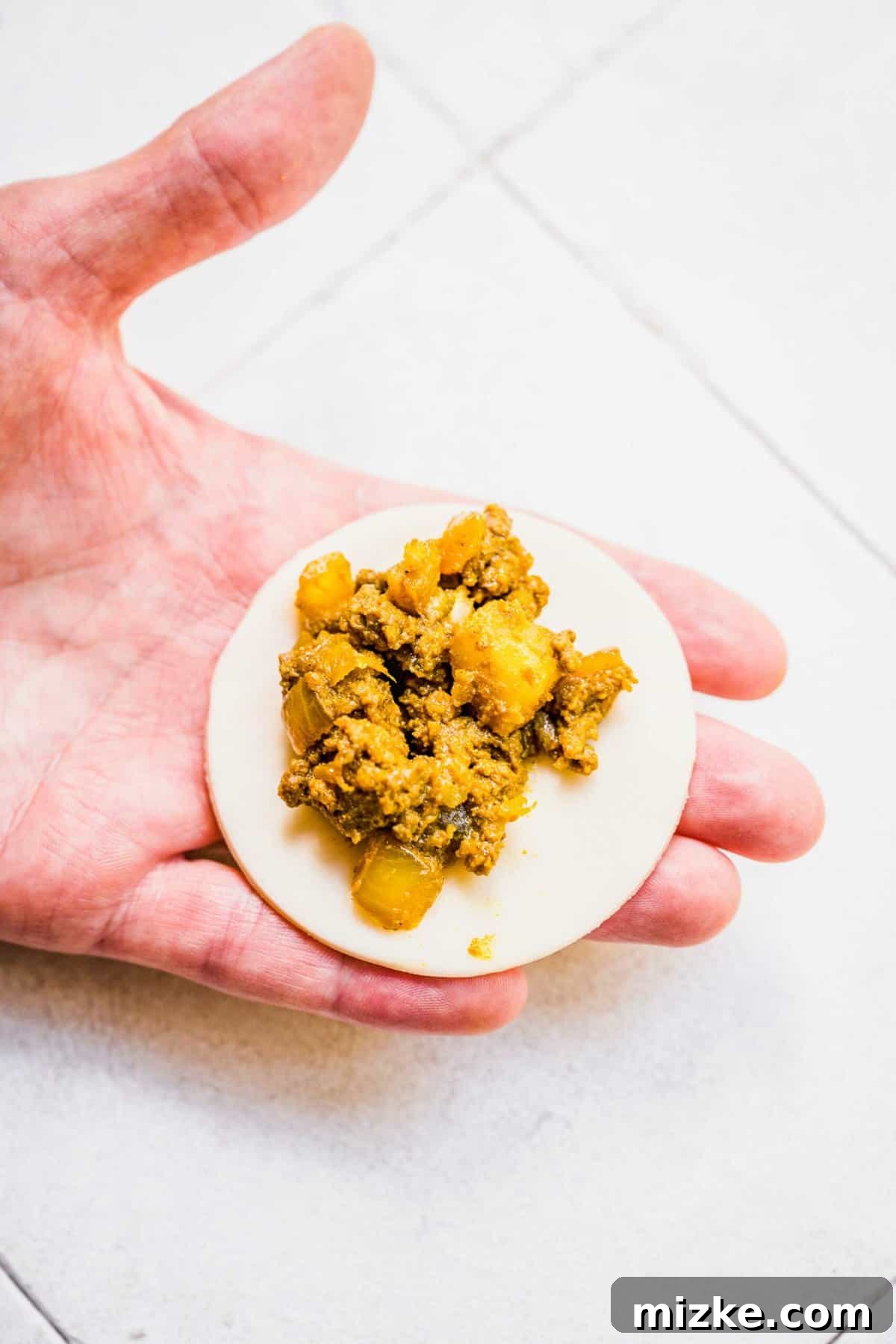
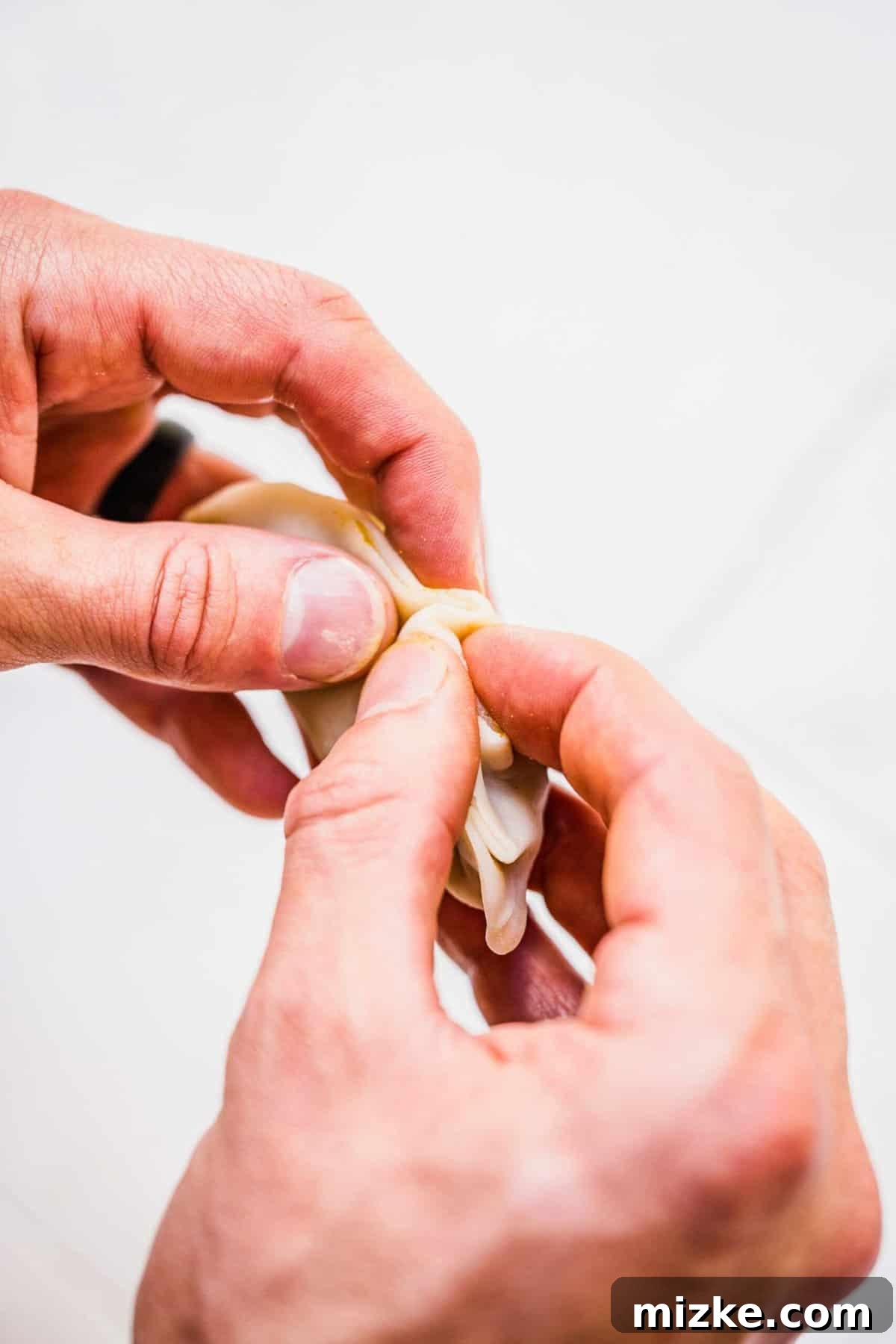
- Assemble the Pockets: Retrieve your chilled dough circles from the refrigerator. For each circle, place about one tablespoon of the prepared curry filling directly in the center. Be careful not to overfill, as this can make sealing difficult. Fold the dough circle in half over the filling, creating a semi-circle shape. Starting from one end, begin the pinch-and-tuck method along the curved edge: pinch a small section of the dough, then fold it slightly inwards (tuck). Repeat this motion all the way to the other end, creating a beautiful, securely crimped border. If needed, gently reshape the pocket to ensure it holds its elegant form.
- Apply the Egg Wash: Carefully transfer the assembled curry pockets to your prepared baking sheets, leaving a little space between each. In a small bowl, whisk the single egg yolk until smooth. Using a pastry brush, gently brush the tops of each curry pocket with the beaten egg yolk. This egg wash is essential for achieving that desirable golden-brown color and a subtle sheen on the crust during baking.
- Bake to Golden Perfection: Place the baking sheets into your preheated oven. Bake for approximately 12 to 15 minutes. Keep a close eye on them; the exact baking time can vary slightly depending on your oven. They are ready when the crust turns a rich, inviting golden brown and appears beautifully flaky.
- Cooling Process: Once baked, remove the Chinese curry pockets from the oven. Allow them to rest directly on the baking sheet for about 5 minutes. This brief resting period helps the pockets set and prevents them from breaking when moved. After 5 minutes, carefully transfer them to a wire rack to finish cooling. Cooling on a wire rack ensures air circulation around all sides, preventing the bottoms from becoming soggy and maintaining their crisp flakiness.

Tips for Perfect Chinese Curry Pockets
To ensure your Chinese curry pockets turn out perfectly every time, keep these expert tips in mind. A little attention to detail can make a big difference in the final product!
- Mastering the Seal: The traditional pinch-and-tuck method creates a beautiful, rustic edge. However, if you find this technique challenging or it’s your first time, don’t worry! You can easily use the tines of a fork to crimp the edges of your folded dough circles. What’s most important is that the crust is securely sealed to prevent the savory filling from escaping during baking, not necessarily the specific method you use to achieve it. A good seal ensures a moist and flavorful interior.
- Avoid Over-filling: It’s tempting to pack each pocket with as much delicious filling as possible, but resist the urge! Over-filling the dough circles is a common mistake that can lead to difficulties in sealing and potentially cause the pockets to burst open during baking. Aim for about one tablespoon of filling per 3-inch circle, leaving enough room around the edges to create a strong, secure seal.
- Patience During Cooling: While the aroma of freshly baked curry pockets is incredibly inviting, patience is key. The exterior of the pockets might feel cool enough to handle after a few minutes, but the interior filling, especially the potatoes and beef, will retain heat for much longer. To prevent burning your mouth and to allow the flavors to meld beautifully, let them rest on the wire racks for at least 10-15 minutes. This cooling time also helps the crust become even flakier and more stable.
- Keep Dough Chilled: Warm dough is sticky and hard to work with. If you’re working in a warm kitchen or taking a break during assembly, place the dough circles and any unused filling back in the refrigerator. This ensures the dough remains firm and easy to handle, contributing to a flakier crust.
- Uniform Cutting for Even Baking: When cutting your dough circles, strive for consistency in size. Uniformly sized pockets will bake more evenly, ensuring that all your curry pockets are perfectly golden and cooked through at the same time.
Delightful Serving Suggestions for Your Curry Pockets
Chinese curry pockets are wonderful on their own as a satisfying snack, a savory appetizer, or a light lunch. Their portability and flavorful nature make them perfect for gatherings, potlucks, or even a picnic. However, if you wish to transform them into a more complete and traditional Chinese or Taiwanese meal, consider pairing them with these complementary dishes:
- Taiwanese Braised Minced Pork (滷肉飯): The rich, savory flavors of lu rou fan offer a wonderful contrast to the spiced pockets.
- Cold Sesame Veggie Noodles: A refreshing side dish that provides a cool, nutty counterpoint to the warm, spicy pockets.
- Mantou 饅頭 (Chinese Steamed Buns): Soft, fluffy steamed buns can be a great textural contrast or an additional carbohydrate to round out the meal.
- Instant Pot Taiwanese Beef Noodle Soup (牛肉面): For a heartier meal, enjoy the pockets alongside a comforting bowl of this aromatic noodle soup.
You can also serve them with a simple dipping sauce like a sweet chili sauce, a dash of sriracha, or even a classic soy-ginger dipping sauce to enhance their flavor even further.

Storing and Reheating Chinese Curry Pockets
Chinese curry pockets are best enjoyed fresh out of the oven, but they also store and reheat beautifully, making them perfect for meal prep or enjoying later. Properly storing them ensures they retain their flavor and quality.
If you find yourself with leftover Chinese curry pockets, allow them to cool completely to room temperature first. Then, place them in an airtight container. They can be safely stored in the refrigerator for up to 5 days. For reheating, the best methods to maintain their flaky crust are either a 350ºF (175ºC) oven or a toaster oven. Bake them for about 8-12 minutes, or until they are heated through and the crust regains its crispness. While you can use a microwave for quicker reheating, be aware that the crust will likely lose its desired flakiness and become softer.
Can Chinese Curry Pockets Be Frozen?
Absolutely! This recipe is incredibly freezer-friendly, allowing you to enjoy homemade Chinese curry pockets whenever a craving strikes. You can freeze them either before or after baking, and they will keep well for up to 3 months.
- Freezing Unbaked Pockets: If freezing before baking, assemble the pockets as instructed, but do not apply the egg wash. Arrange them in a single layer on a baking sheet and freeze until solid (this prevents them from sticking together). Once solid, transfer the frozen pockets to a freezer-safe airtight container or a heavy-duty freezer bag. When you’re ready to bake, you can cook them directly from frozen. Simply place them on a prepared baking sheet, brush with egg yolk, and bake according to the recipe instructions, adding an extra 5-10 minutes to the cooking time to ensure they are fully cooked and golden.
- Freezing Baked Pockets: If you have baked leftovers you wish to freeze, allow them to cool completely. Then, transfer them to a freezer-safe airtight container or bag. To reheat, thaw the frozen, baked pockets in the refrigerator overnight. Once thawed, warm them up in a 350ºF (175ºC) oven or toaster oven until heated through and crispy, following the reheating instructions mentioned above. This is an excellent way to prepare a larger batch and have delicious, traditional snacks ready at a moment’s notice.

Explore More Classic Asian Recipes
If you’ve enjoyed making these Chinese Curry Pockets, you’re ready to explore more delicious and authentic Chinese and Japanese recipes. Expand your culinary repertoire with these fantastic dishes!
- Crispy Chicken Katsu
- Flavorful Three Cup Chicken (San Bei Ji)
- Savory Pork Katsu
Chinese Curry Pockets [咖哩餃]
By: Julie Chiou
Chinese Curry Pockets are a traditional Chinese snack that tucks curried beef and potatoes into pie crust, then bakes them to flaky perfection!
Prep Time: 40 minutes
Cook Time: 15 minutes
Total Time: 55 minutes
Yields: 56 pockets
Equipment
- Biscuit cutter
- Rolling pin
- Large rimmed baking sheet
Ingredients
- 2 packs of refrigerated pie crusts
- 1 large potato, diced into small 1″ cubes
- 1 onion, diced
- 4 tablespoons curry powder, divided
- 1 pound (454 g) lean ground beef
- 4 tablespoons low sodium soy sauce
- 1 teaspoon kosher salt
- 1 egg yolk, beaten, no whites
Instructions
- Unwrap the pie crusts and using a cookie cutter or bottom of a cup, cut out 3″ circles.
- Re-roll the excess pie crusts and cut some more. You should get about 50-60 circles.
- Place the dough circles on a plate and refrigerate them while you prepare the filling.
- In a small pot with water, cook the diced potatoes until just tender. Avoid overcooking them so they don’t fall apart when mixed. Drain well and set aside.
- In a large skillet, sauté the diced onions with 1 tablespoon of curry powder over medium heat until the onions start to sweat and become translucent.
- Add the ground beef, soy sauce, salt, and the remaining 3 tablespoons of curry powder to the skillet. Cook until the beef is thoroughly browned, breaking it up as it cooks. Stir in the drained potatoes and mix well until all ingredients are combined. Remove from heat.
- Preheat your oven to 450ºF (232°C).
- Lightly spray 2 large cookie sheets with cooking spray or line them with parchment paper.
- Take your dough circles out of the fridge and begin assembling your pockets.
- Place about 1 tablespoon of filling in the center of each dough circle.
- Fold each circle in half to create a semi-circle, gently pressing the edges together to seal, but don’t crimp yet. To fully seal the pockets, starting on one end, repeatedly pinch and ‘tuck’ the dough edge until you reach the other end. Reshape gently if needed to ensure a tight seal and a decorative edge.
- Place the assembled curry pockets on the prepared baking sheets. Using a pastry brush, brush the tops of the pockets with the beaten egg yolk for a golden finish.
- Bake for about 12-15 minutes, or until the crust is beautifully golden brown and flaky.
- Let the Chinese curry pockets cool on the cookie sheet for 5 minutes, then transfer them to a wire rack to cool completely.
Notes
Source: The Cooking of Joy
To Store and Reheat: If you have leftover curry pockets, place them in an airtight container in the refrigerator for up to 5 days. Reheat them in a 350ºF (175ºC) oven or your toaster oven for 8-12 minutes for a flaky crust. Microwaving is an option, but the crust will be softer.
Nutrition Information (Approximate)
Per Serving (1 pocket):
- Calories: 46 kcal
- Carbohydrates: 4 g
- Protein: 2 g
- Fat: 2 g
- Saturated Fat: 1 g
- Polyunsaturated Fat: 0.2 g
- Monounsaturated Fat: 1 g
- Trans Fat: 0.03 g
- Cholesterol: 8 mg
- Sodium: 114 mg
- Potassium: 64 mg
- Fiber: 0.4 g
- Sugar: 0.1 g
Disclaimer: This website provides approximate nutrition information for convenience and as a courtesy only. Nutrition information can vary for a variety of reasons. For the most precise nutritional data, use your preferred nutrition calculator based on the actual ingredients you used in the recipe.
The default measuring system for this website is US Customary. Unit conversions are provided for convenience and as a courtesy only. While we strive to provide accurate unit conversions, please be aware that there may be some discrepancies.