

Indulge in the natural sweetness of honeynut squash, perfectly roasted with a comforting blend of cinnamon and rich maple syrup. This incredibly easy and flavorful side dish is destined to become a staple in your autumn and winter meal rotation, offering a delightful balance of sweet and earthy notes.
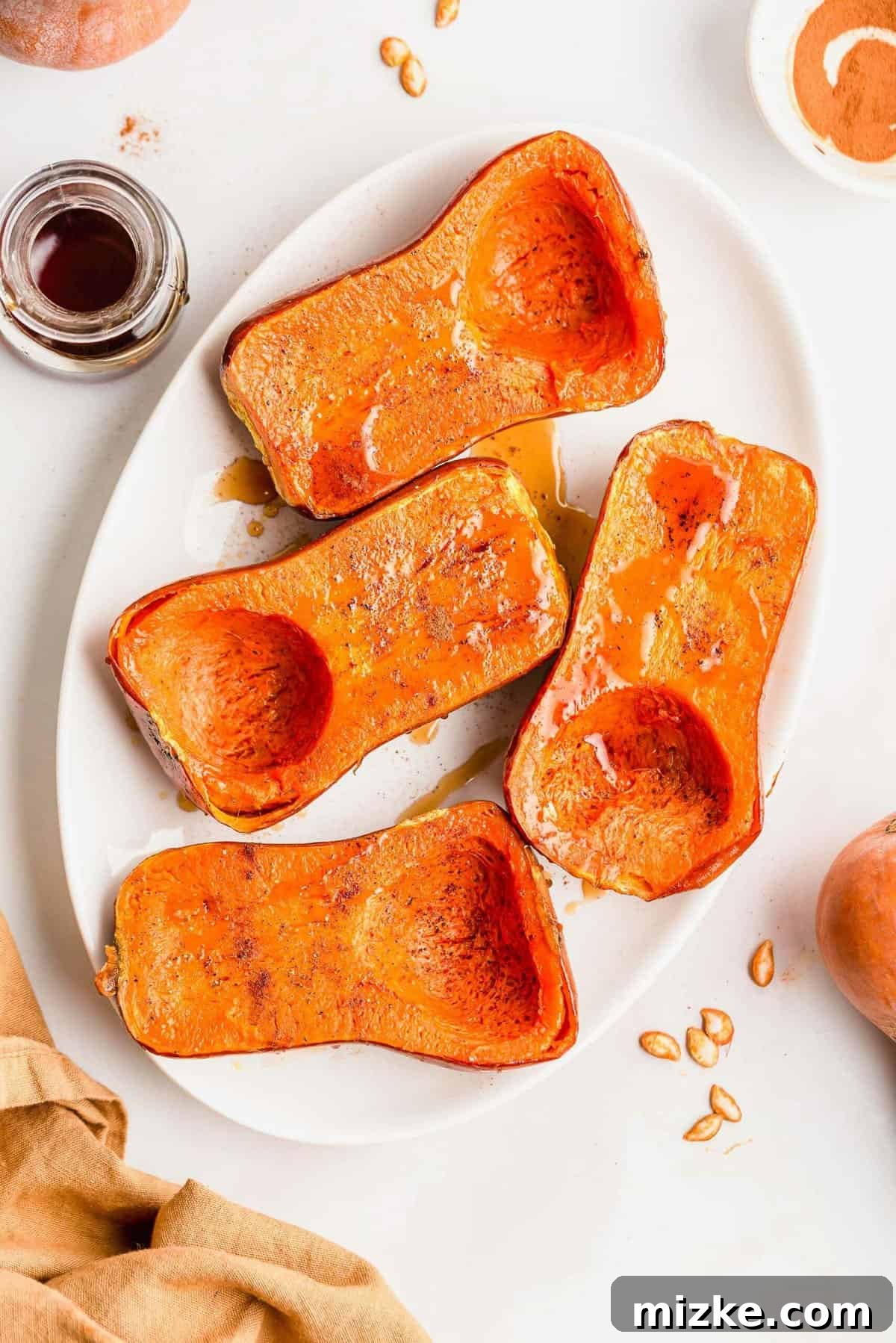
Delightfully Roasted Honeynut Squash with Maple & Cinnamon: Your Essential Fall & Winter Side Dish
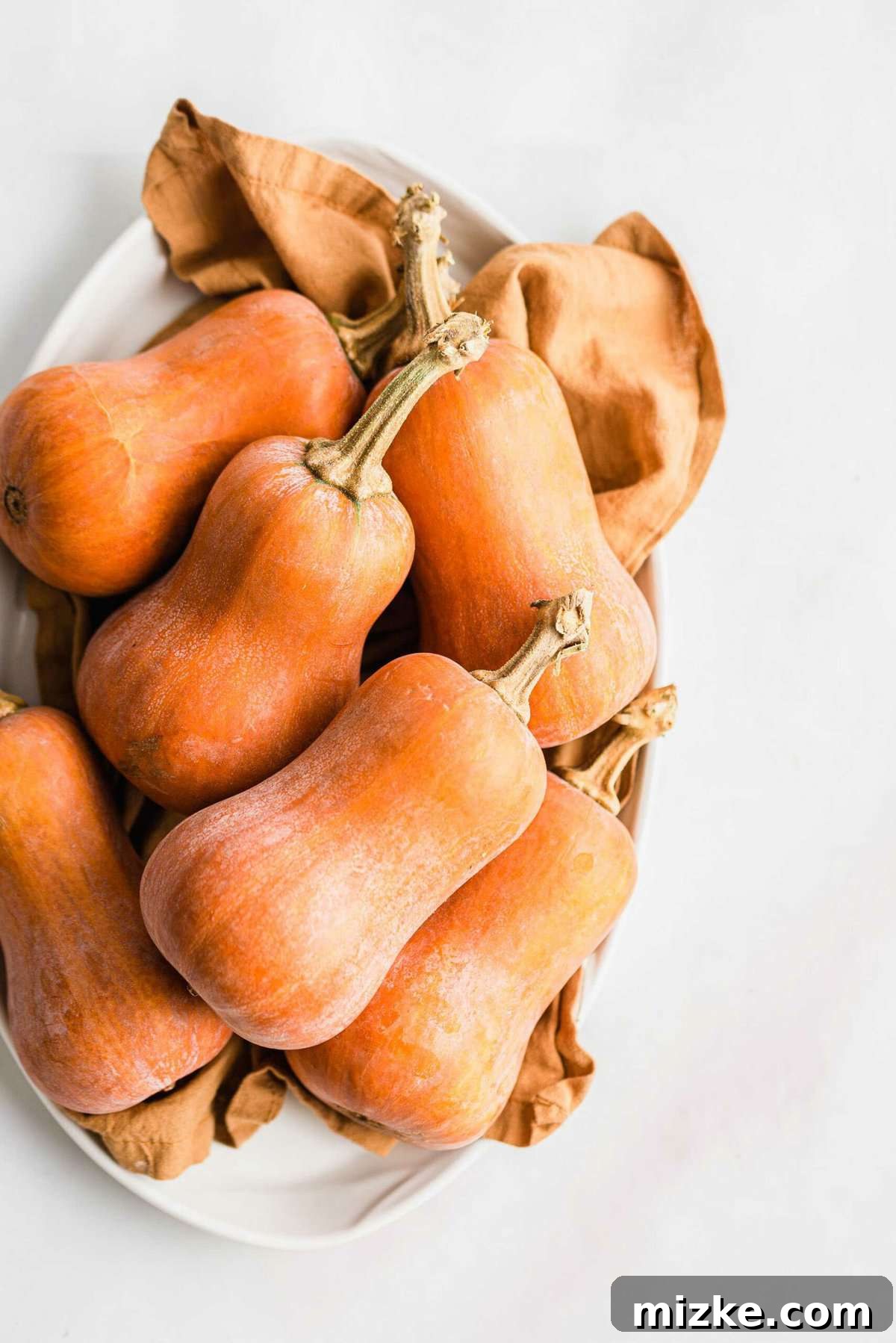
If you’ve yet to experience the culinary delight that is honeynut squash, prepare to be captivated. This charming winter squash, often likened to a miniature butternut squash, boasts a vibrant, deep orange flesh that is inherently sweeter and offers a more concentrated flavor profile than its larger, more common cousin. While butternut squash is a grocery store staple year-round, honeynut squash truly shines during the cooler months, primarily from early fall through winter. This seasonal availability makes right now the perfect time to bring this exquisite vegetable into your kitchen and explore its incredible potential!
When preparing honeynut squash, you have two wonderful culinary paths to choose from: either introduce savory elements to create a harmonious balance or, as we do in this particular recipe, wholeheartedly embrace and enhance its natural sweetness. By pairing the squash with aromatic ground cinnamon and rich, pure maple syrup, we craft a side dish that is undeniably sweet, yet also beautifully earthy, intensely fragrant, and irresistibly caramelized. The resulting flavors are so profoundly satisfying and comforting, making it a truly exceptional addition to any meal, from a casual weeknight dinner to a festive holiday spread.
Why This Roasted Honeynut Squash Recipe Will Become Your Favorite
Beyond its undeniable deliciousness, this roasted honeynut squash recipe offers numerous advantages that will solidify its place as a go-to in your cooking repertoire, especially during the colder months:
- Effortless Preparation: With minimal chopping and simple seasoning, this dish comes together quickly and easily. It’s the perfect solution for busy weeknights when you need a wholesome side or as a stress-free yet elegant addition to a larger holiday meal.
- Naturally Sweet & Nutrient-Dense: Honeynut squash is a nutritional powerhouse, packed with essential vitamins like A and C, along with beneficial fiber and antioxidants. Roasting it with maple syrup and cinnamon naturally highlights its inherent sweetness, allowing you to enjoy a delightful treat with less reliance on processed sugars.
- Incredibly Versatile Pairing: The sweet and earthy flavor profile of this roasted squash makes it an exceptionally versatile side dish. It complements a wide array of main courses, from succulent roasted chicken and tender pork loin to hearty vegetarian stews, grain bowls, and even grilled fish.
- Embrace Seasonal Charm: Incorporating seasonal produce into your diet not only guarantees peak freshness and flavor but often provides more nutritional value. Honeynut squash is a true star of the autumn and winter bounty, bringing vibrant color and cozy flavors to your table.
- A Guaranteed Crowd-Pleaser: Even those who might claim not to be “squash people” often find themselves won over by the delightful flavor, tender texture, and inviting aroma of this perfectly roasted honeynut squash. Its appealing taste makes it a hit with both adults and children alike.
Understanding Honeynut Squash: A Culinary Deep Dive
What Makes Honeynut Squash So Special?
Honeynut squash is a relatively recent innovation in the world of gourds, a hybrid variety specifically bred from butternut squash by scientists at Cornell University. The goal was to create a squash that was not only smaller and more convenient for individual servings but also inherently sweeter, richer in nutrients, and with a more concentrated, complex flavor. They succeeded! Its compact size means you often get individual portions, which is incredibly convenient, reducing waste and simplifying plating. Furthermore, its thin skin is entirely edible once cooked, a major advantage that saves precious prep time and adds to its appeal.
Tips for Finding and Selecting the Best Honeynut Squash
As a seasonal delight, honeynut squash is typically at its peak from late summer through early winter. This is when you’ll find them in abundance at your local farmers markets, specialty grocery stores, and even larger supermarkets. When selecting honeynut squash, look for those that:
- Feel heavy for their size: This indicates a good moisture content and dense flesh.
- Have firm skin: The skin should be hard and resistant to pressure.
- Are free of blemishes: Avoid any squash with soft spots, cuts, mold, or significant bruising.
- Display a deep, even color: A rich, consistent color suggests ripeness and full flavor development.
Don’t worry too much about slight variations in shape; as long as they meet the criteria above, they’ll be delicious!
The Nutritional Benefits of Honeynut Squash
Despite its petite stature, honeynut squash is a nutritional powerhouse. It’s an excellent source of beta-carotene, a powerful antioxidant that the body converts into Vitamin A, essential for good vision, immune function, and skin health. It also provides a good amount of Vitamin C, which supports the immune system, and potassium, important for blood pressure regulation. Furthermore, its high dietary fiber content contributes to digestive health, promotes a feeling of fullness, and helps regulate blood sugar levels. Its natural sweetness means you can enjoy a delicious, healthy treat with less reliance on refined sugars, making it a smart choice for mindful eating.
Essential Ingredients for This Delightful Roasted Honeynut Squash
One of the most appealing aspects of this recipe is its elegant simplicity, requiring just a handful of common pantry staples to complement your star ingredient.
- Honeynut Squash: The undisputed star of our show! As discussed, seek out firm, unblemished squash for the best results. If honeynut squash is unavailable in your area, small butternut squash can serve as a substitute, though you may need to adjust cooking times and anticipate a slightly less sweet flavor profile.
- Extra Virgin Olive Oil: This acts as a superb flavor carrier, helping to distribute the seasonings evenly. More importantly, it facilitates the beautiful caramelization of the squash in the oven, achieving that desirable golden-brown exterior and tender interior.
- Kosher Salt: An absolute essential for enhancing and balancing all the other flavors. Kosher salt has a larger flake and a purer taste compared to standard table salt, which often contains anti-caking agents.
- Freshly Ground Black Pepper: A touch of freshly ground black pepper provides a subtle counterpoint to the sweetness. Its slight pungency and warmth add a layer of complexity that elevates the overall taste experience.
- Ground Cinnamon: A truly warming and fragrant spice that perfectly complements the squash’s natural sweetness. It infuses the dish with an earthy, aromatic depth, evoking cozy fall and winter feelings. For an even richer spice profile, consider adding a pinch of nutmeg or allspice.
- Pure Maple Syrup: This is where the magic happens! Always opt for real maple syrup for this recipe, preferably one labeled “Dark Color and Robust Taste” (which was formerly known as Grade B). Its rich, deep caramel notes are far superior to artificial pancake syrup and truly elevate the dish, creating an irresistible glaze.
Step-by-Step Guide: How to Prepare Delicious Roasted Honeynut Squash
This recipe is remarkably straightforward, making it perfect for complementing a more intricate main course, or simply enjoyed on its own as a wholesome and satisfying side. It pairs exceptionally well with a variety of dishes; for instance, its flavors harmonize beautifully with an Apple Cider Chicken Skillet.
- Preheat Your Oven: Begin by preheating your oven to a robust 425ºF (220ºC). A hot oven is crucial for achieving that lovely caramelization on the squash’s surface and ensuring a wonderfully tender interior. Prepare a large rimmed baking sheet by lining it with parchment paper for easy cleanup, if desired.
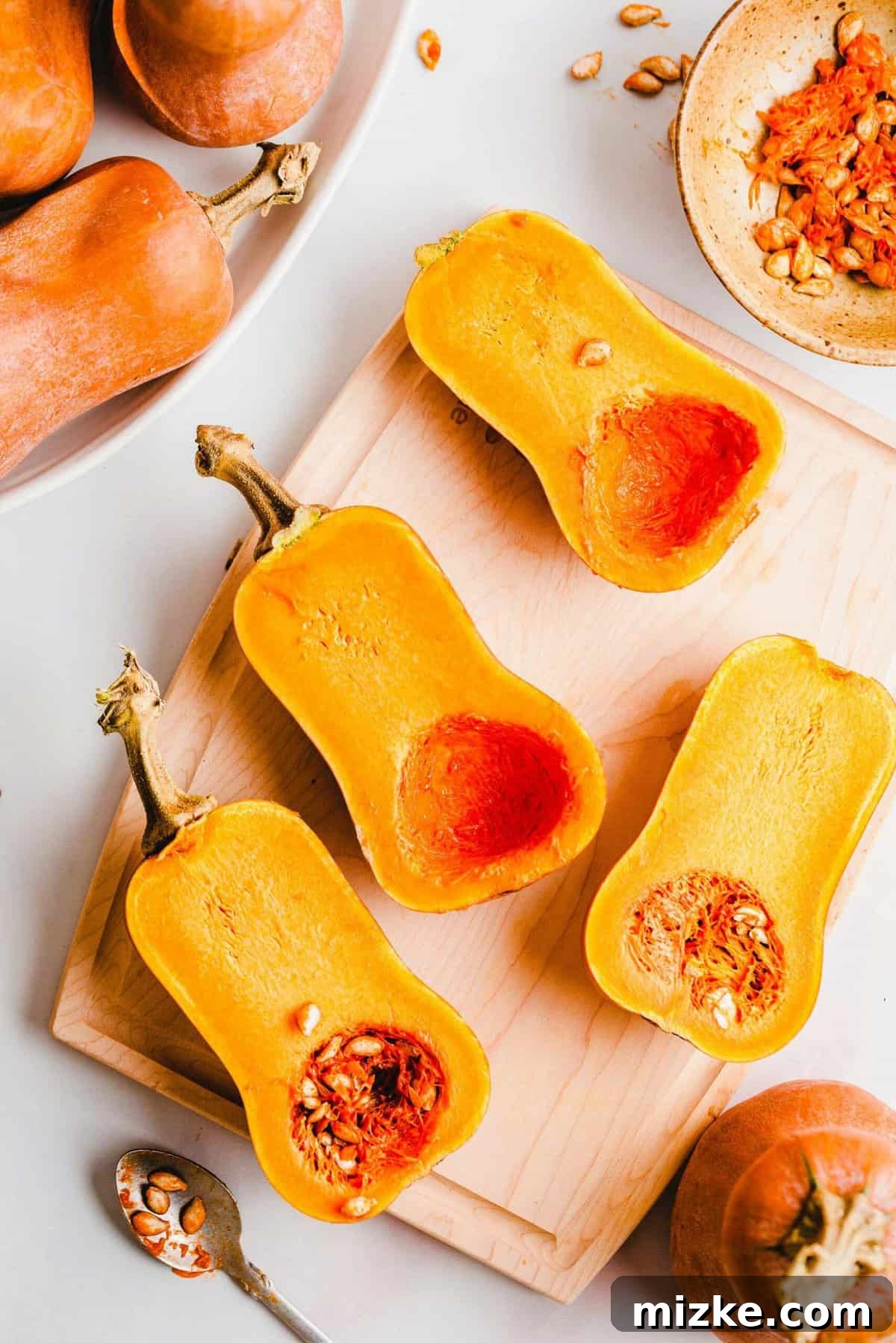
- Prepare the Squash: Carefully slice each honeynut squash in half lengthwise from stem to stern. Using a sturdy spoon (a metal ice cream scoop works wonders here), scoop out all the seeds and any fibrous pulp from the center cavity. You can discard the seeds, or for a zero-waste approach, clean them, toss with a little oil and salt, and roast them separately for a crunchy, nutritious snack!
- Season Generously: Place the squash halves, cut-side up, on your prepared baking sheet. Drizzle the cut surfaces generously with extra virgin olive oil. Then, season them evenly with kosher salt and freshly ground black pepper. This initial seasoning is paramount for building a strong flavor foundation.
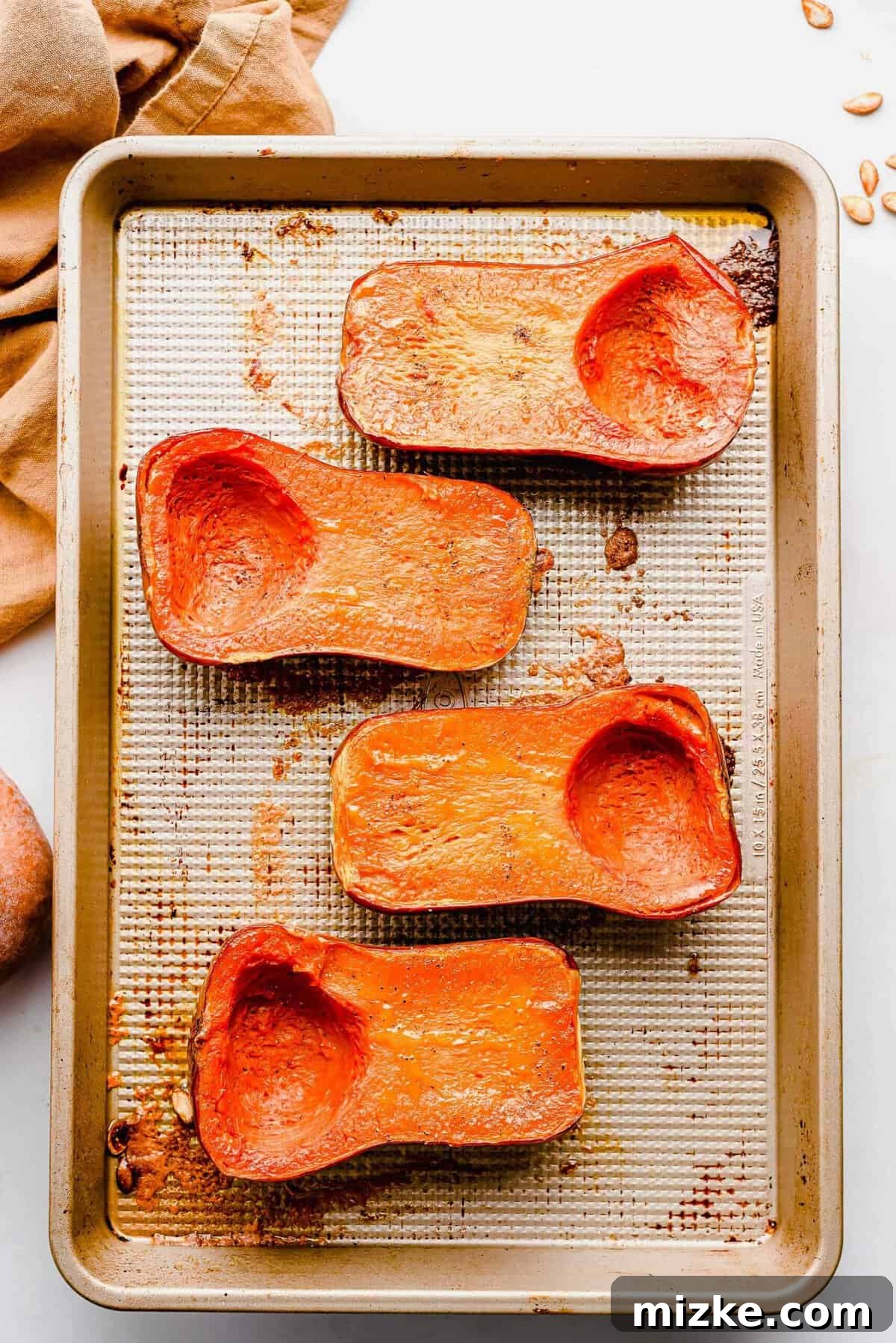
- Initial Bake for Tenderness: Flip the squash halves so they are now cut-side down on the baking sheet. Roasting them this way allows the flesh to steam slightly while it bakes, which helps ensure it becomes wonderfully tender. It also encourages a beautiful golden-brown crust to form on the edges. Bake for approximately 20 to 25 minutes, or until the flesh is easily pierced with a fork without much resistance. Remember that cooking times can vary based on the precise size of your squash and the calibration of your specific oven.
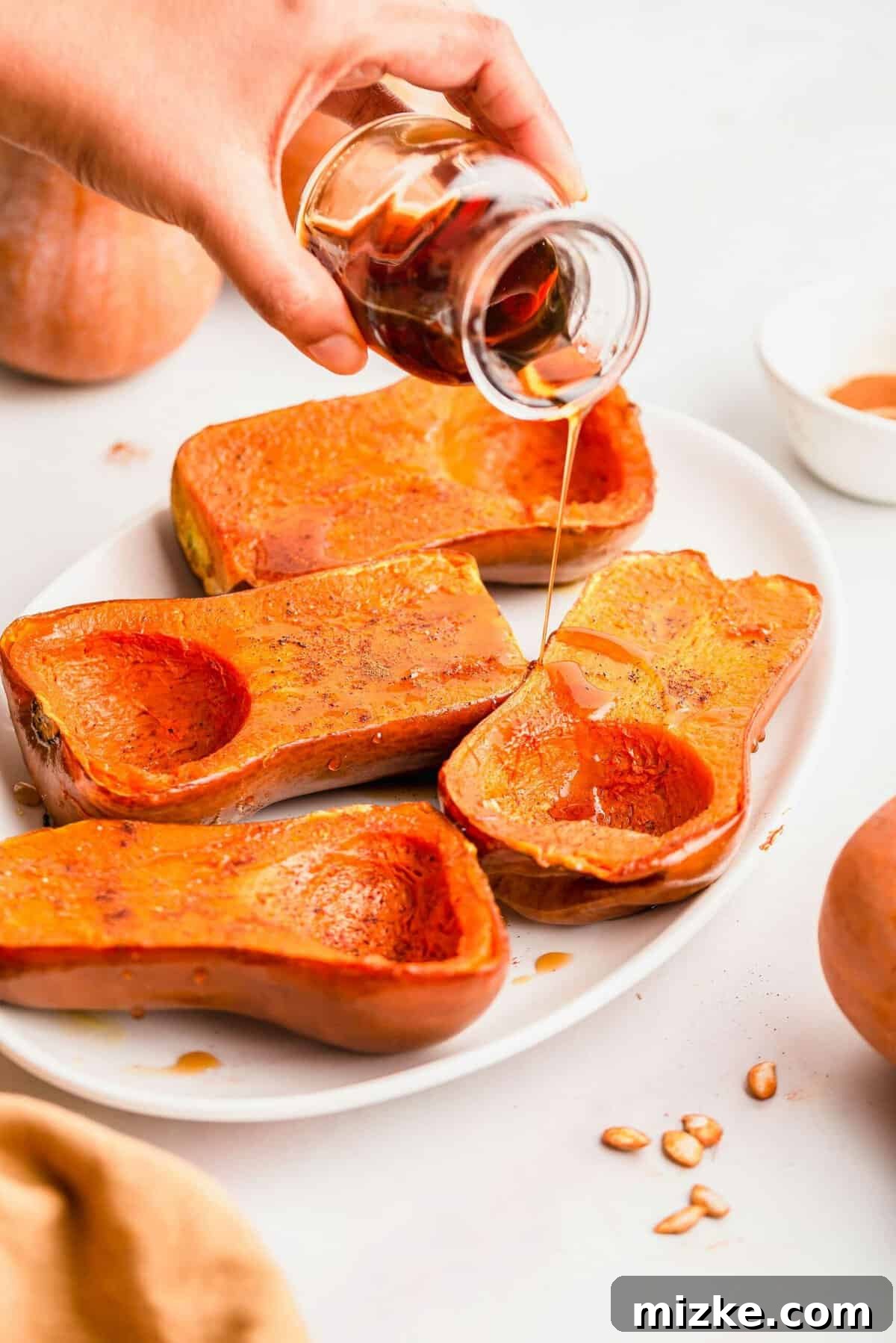
- The Sweet Finish: Once the squash is perfectly tender, carefully remove the baking sheet from the oven. Gently flip the squash halves so they are cut-side up once more. Now, generously drizzle them with your pure maple syrup and sprinkle them with the fragrant ground cinnamon. The residual heat from the freshly roasted squash will help the maple syrup slightly caramelize and allow the cinnamon’s warm aroma to fully bloom.
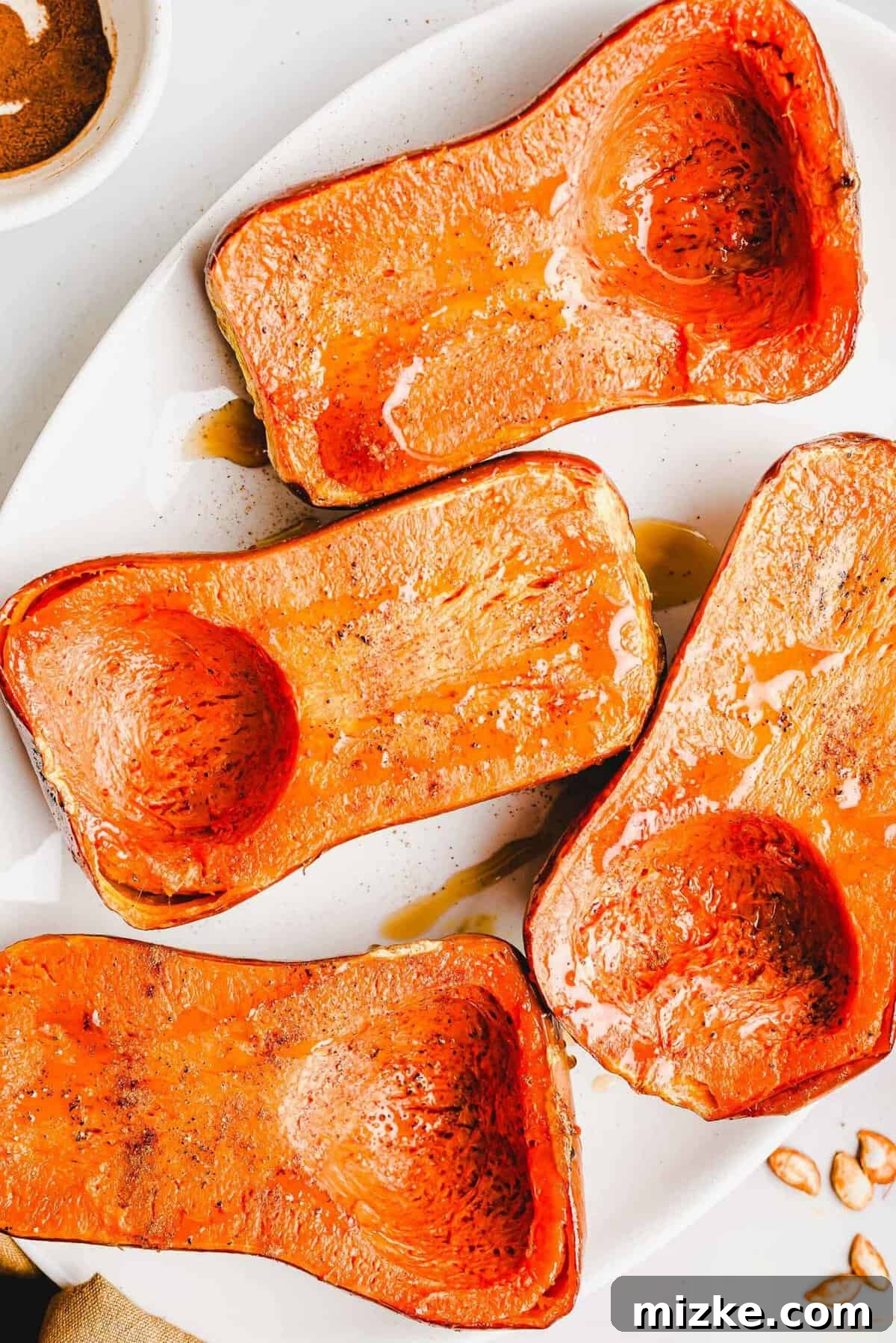
- Serve Immediately: Serve your perfectly roasted honeynut squash warm, allowing guests to scoop out the tender, sweet flesh or enjoy it straight from its delicious, edible skin. The captivating aroma alone is enough to entice everyone to the table!
Expert Tips for Roasting Honeynut Squash Like a Culinary Pro
While honeynut squash is quite forgiving to cook, a few insider tips can significantly elevate your roasting game and ensure perfect, mouthwatering results every single time you prepare it.
To Peel or Not to Peel? Embrace the Edible Skin!
One of the fantastic and most convenient benefits of honeynut squash is its naturally thin, delicate skin, which is entirely edible once thoroughly cooked. Unlike some other more robust winter squash varieties that necessitate laborious and time-consuming peeling, you can confidently roast honeynut squash with its skin completely intact. This not only significantly saves you valuable prep time in the kitchen but also contributes to the squash’s overall nutritional value (as much of the fiber and nutrients are close to the skin) and adds a pleasing, slightly chewy texture that contrasts beautifully with the soft flesh. If, however, you have a strong preference against eating the skin, it is far easier to scoop out the tender, roasted flesh after the squash has been cooked than to attempt to peel it when raw and hard.
Achieving Perfect Tenderness: A Guide to Doneness
While we provide a general guideline of 20-25 minutes at 425ºF (220ºC), it’s crucial to understand that precise roasting times can vary. Factors such as the exact size and thickness of your individual squash pieces, the specific calibration and efficiency of your oven, and even the material and thickness of the baking sheet you use can all influence the cooking duration. The ultimate key indicator for doneness is texture: the squash should be unequivocally “fork-tender.” This means that when you gently insert a fork into the thickest part of the flesh, it should slide in with absolutely no resistance. You might also observe some beautiful caramelization and browning around the edges, which indicates that the natural sugars have begun to develop, intensifying the flavor. Don’t be afraid to give it an extra 5-10 minutes if it still feels firm; a perfectly tender squash is worth the wait.
Creative Ways to Enjoy Your Roasted Honeynut Squash
This roasted honeynut squash recipe provides a wonderfully flavorful and versatile base for numerous culinary explorations, extending far beyond a simple side dish:
- As a Simple Side Dish: The most straightforward way! Enjoy it straight from the oven as a delicious and comforting accompaniment to virtually any main course.
- Mashed or Pureed: For a different texture, scoop out the roasted flesh and mash it thoroughly with a fork, or blend it into a smooth puree using an immersion blender or food processor. Stir in the cinnamon and maple syrup, perhaps adding a pat of butter or a splash of warm cream or milk for extra richness and a silky texture. This makes a fantastic, naturally sweet baby food option or a smooth side for those who prefer softer textures.
- Hearty Soups and Stews: Roasted honeynut squash makes an incredible, naturally sweet foundation for a creamy, comforting autumn or winter soup. Simply combine the pureed squash with vegetable broth, a touch of fresh ginger or a pinch of nutmeg, and simmer until heated through. Garnish with toasted pumpkin seeds or a swirl of cream.
- Salads & Grain Bowls: Cube the cooled roasted squash and add it to a hearty fall salad alongside mixed greens, toasted pecans or walnuts, crumbled goat cheese or feta, and a tangy balsamic vinaigrette. It’s also a fantastic addition to warm grain bowls with quinoa, farro, or wild rice, providing a burst of flavor and nutrition.
- Unexpected Desserts: Don’t limit squash to savory dishes! Its natural sweetness lends itself surprisingly well to dessert applications. Think about incorporating roasted honeynut squash puree into pies (like a pumpkin pie alternative), muffins, quick breads, or even as a base for a spiced custard.
Storing and Reheating Leftovers for Extended Enjoyment
Proper storage is key to ensuring you can enjoy your delicious roasted honeynut squash for several days to come, making it excellent for meal prep.
Store any leftover roasted squash in an airtight container in the refrigerator for up to 3-4 days. For reheating, the microwave is your quickest and most convenient option; simply warm it through in short bursts until it reaches your desired temperature. Alternatively, for a slightly crisper texture (especially if the skin is left on), you can reheat it in a preheated oven at 350ºF (175ºC) for about 10-15 minutes, or until thoroughly warmed through. This method can help revive some of its original roasted characteristics.
Can This Roasted Honeynut Squash Recipe Be Frozen?
Absolutely, this recipe is excellent for meal prep and freezing, allowing you to enjoy the flavors of fall and winter long after the season has passed. To effectively freeze roasted honeynut squash:
- Cool Completely: Allow the cooked squash to cool down completely to room temperature after roasting. This is crucial to prevent ice crystals from forming, which can affect texture.
- Prepare for Freezing: You have a couple of options here. You can freeze the squash halves whole, or for greater versatility and space efficiency, scoop out the tender flesh and mash or puree it before freezing.
- Packaging: Place the cooled squash (whether halves or mashed) in a freezer-safe, airtight container. Alternatively, use heavy-duty freezer bags; if using bags, press out as much air as possible before sealing to minimize the risk of freezer burn.
- Label and Freeze: Clearly label your container or bag with the contents and the date. Freeze for up to 2-3 months for optimal quality and flavor. Beyond this time, it’s still safe to eat but might experience a slight decline in texture.
- Reheating from Frozen: To reheat, first thaw the frozen squash in the refrigerator overnight. Once thawed, you can reheat it in the microwave or oven using the same methods described above for fresh leftovers. If reheating mashed squash directly from frozen, it might take a bit longer and could benefit from a splash of water, vegetable broth, or even milk to prevent it from drying out as it warms.
Recipe Card: Roasted Honeynut Squash

Roasted Honeynut Squash
By: Julie Chiou
Tender, caramelized honeynut squash is elegantly dressed up with sweet maple syrup and warming cinnamon in this cozy and incredibly flavorful side dish.
Cook Time: 25 minutes
Total Time: 35 minutes
Servings: 4 servings
Equipment
- Large rimmed baking sheet
Ingredients
- 2 honeynut squash
- 2 tablespoons extra virgin olive oil
- ½ teaspoon kosher salt
- ¼ teaspoon black pepper
- ⅓ teaspoon ground cinnamon
- 3 tablespoons pure maple syrup (Dark Color and Robust Taste recommended)
Instructions
- Preheat your oven to 425°F (220°C).
- Carefully slice each honeynut squash in half lengthwise. Using a spoon, scoop out the seeds and any fibrous pulp from the center cavity.
- Place the squash halves, cut-side up, on a large rimmed baking sheet. Drizzle generously with olive oil and season evenly with kosher salt and black pepper.
- Flip the squash halves so they are cut-side down on the baking sheet. Bake for about 20 to 25 minutes, or until the flesh is easily pierced with a fork and feels tender.
- Remove the baking sheet from the oven. Carefully flip the squash halves cut-side up. Generously drizzle with maple syrup and sprinkle with ground cinnamon. Serve warm immediately.
Approximate Nutrition Information (per serving)
- Serving Size: 1 serving
- Calories: 103 kcal
- Carbohydrates: 10g
- Protein: 1g
- Fat: 7g
- Saturated Fat: 1g
- Polyunsaturated Fat: 1g
- Monounsaturated Fat: 5g
- Sodium: 2mg
- Potassium: 36mg
- Fiber: 1g
- Sugar: 9g
This nutrition information is an estimate provided for convenience and can vary based on specific ingredients, portion sizes, and preparation methods. For the most precise nutritional data, please use your preferred nutrition calculator based on the actual ingredients you used in your recipe.
Conclusion: A Must-Try Fall & Winter Delight That You’ll Adore
This roasted honeynut squash recipe is truly more than just a simple side dish; it’s an immersive experience of seasonal flavor and comforting warmth that will brighten any meal. Its remarkable ease of preparation, combined with the inherently sweet and earthy notes of the squash, beautifully enhanced by the aromatic maple and cinnamon, makes it an indispensable and highly anticipated addition to your cold-weather cooking repertoire. Whether you find yourself hosting an elaborate holiday feast, preparing a cozy family dinner, or simply seeking a wholesome, delicious, and effortlessly elegant vegetable for a quick weeknight meal, this recipe delivers on all fronts.
So, take a trip to your local market, select some beautiful honeynut squash, and get ready to transform them into a truly delightful culinary treat. You’ll be amazed at how such a simple combination of ingredients can yield such profound and satisfying flavors, making this a recipe you’ll want to revisit again and again.