
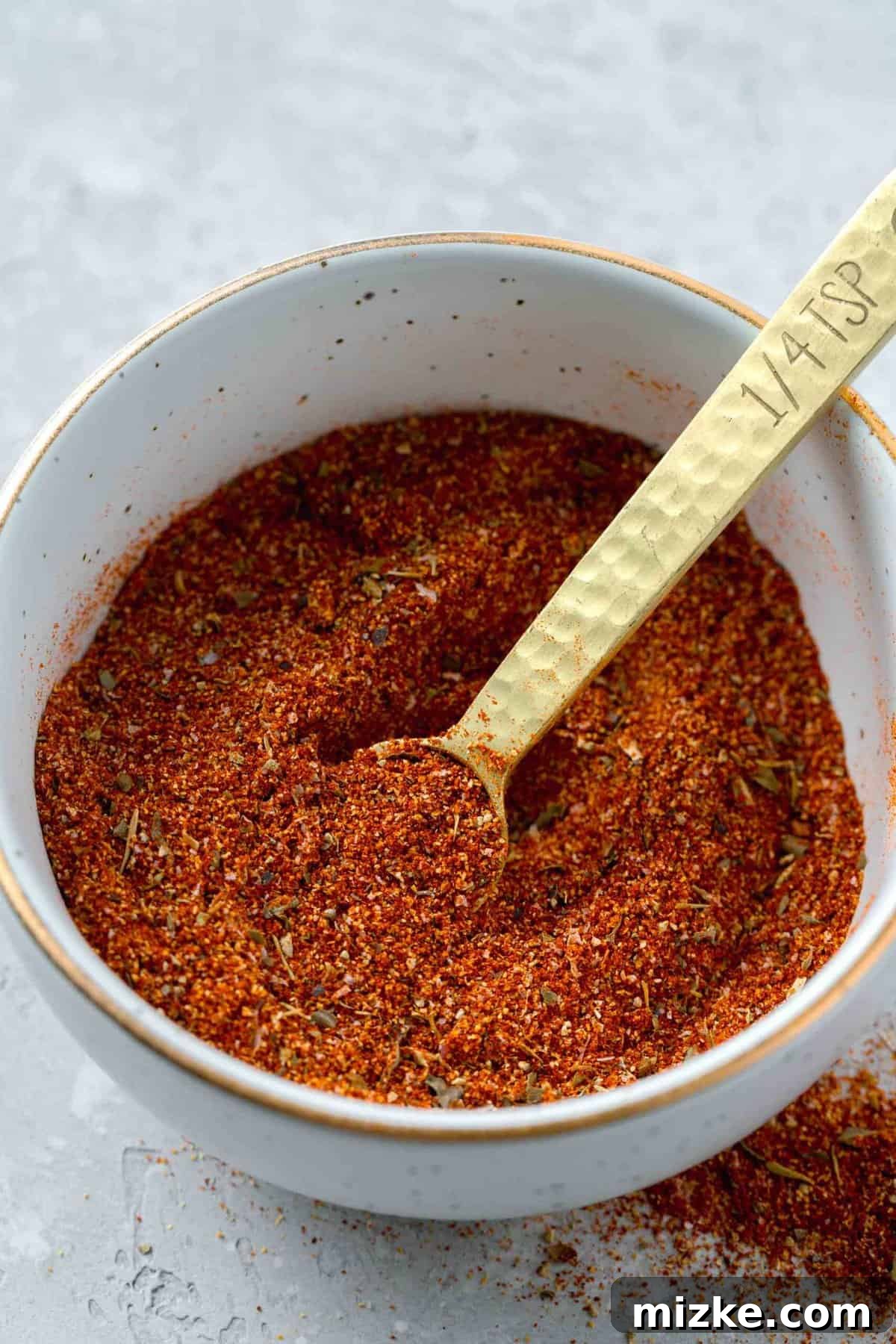
Mastering Flavor: The Ultimate Homemade Blackening Seasoning Recipe
Transform your everyday meals from mundane to magnificent with a batch of this incredible **homemade blackening seasoning**. This robust and versatile spice blend is a secret weapon in any kitchen, ready to infuse a rich, spicy, and savory depth into virtually any dish. Whether you’re aiming to elevate chicken, sizzle a steak, perfect a piece of salmon, or awaken the flavors of various fish fillets and succulent shrimp, this seasoning delivers an unmatched flavor boost. It’s even fantastic for sprinkling on roasted vegetables, adding a gourmet touch to simple sides.
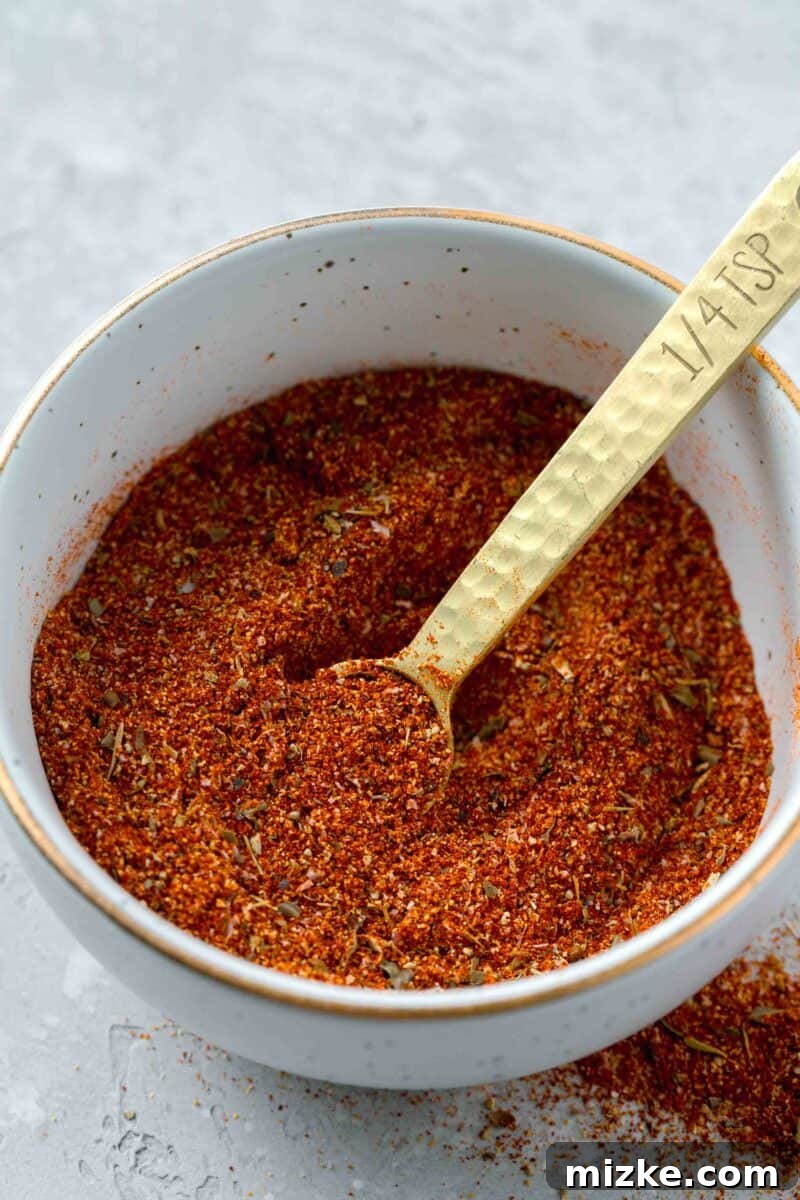
Many of us have savored “blackened” dishes at restaurants, drawn in by the promise of intense, complex flavors. However, not all restaurant interpretations of “blackened” are created equal. Sometimes, it merely refers to food seared until charred. What we’re focusing on here is true blackening: a distinct cooking technique utilizing a specific, powerful blend of herbs and spices that creates an unforgettable flavor profile. This homemade version ensures you get that authentic, deep flavor every time.
The beauty of making your own blackening seasoning at home is the unparalleled control it offers. Forget the guesswork and hidden ingredients of store-bought blends. With this simple recipe, you dictate the spice level and, crucially, the sodium content. This means you can tailor it perfectly to your family’s palate and dietary needs, ensuring a healthier and more satisfying culinary experience. Plus, it’s incredibly easy to prepare a large batch and store it in a small, airtight glass jar in your spice cabinet, always at the ready for your next culinary adventure.
What Exactly is Blackening Seasoning?
Blackening seasoning is a potent mixture of various spices and dried herbs, meticulously combined to create a savory, spicy, and deeply aromatic flavor. Its distinctive name, “blackening,” refers to the cooking process, not the seasoning itself turning black. When food coated in this seasoning is cooked at high heat, traditionally in a cast-iron skillet with a touch of butter, the spices — particularly paprika — caramelize and darken, forming a beautiful, flavorful crust. This technique locks in moisture and creates an intense, smoky, and slightly spicy exterior that is incredibly delicious. It’s less about burning and more about creating a rich, dark crust through high-heat searing.
Blackening vs. Blackened: Understanding the Terminology
It’s a common point of confusion, but the correct term for the spice blend is **blackening seasoning**. The word “blackened” describes the state of the food after it has been cooked using this particular seasoning and technique. So, you use blackening seasoning to make blackened chicken, blackened fish, or blackened shrimp. The seasoning itself is the agent, and the resulting dish is its delicious outcome.
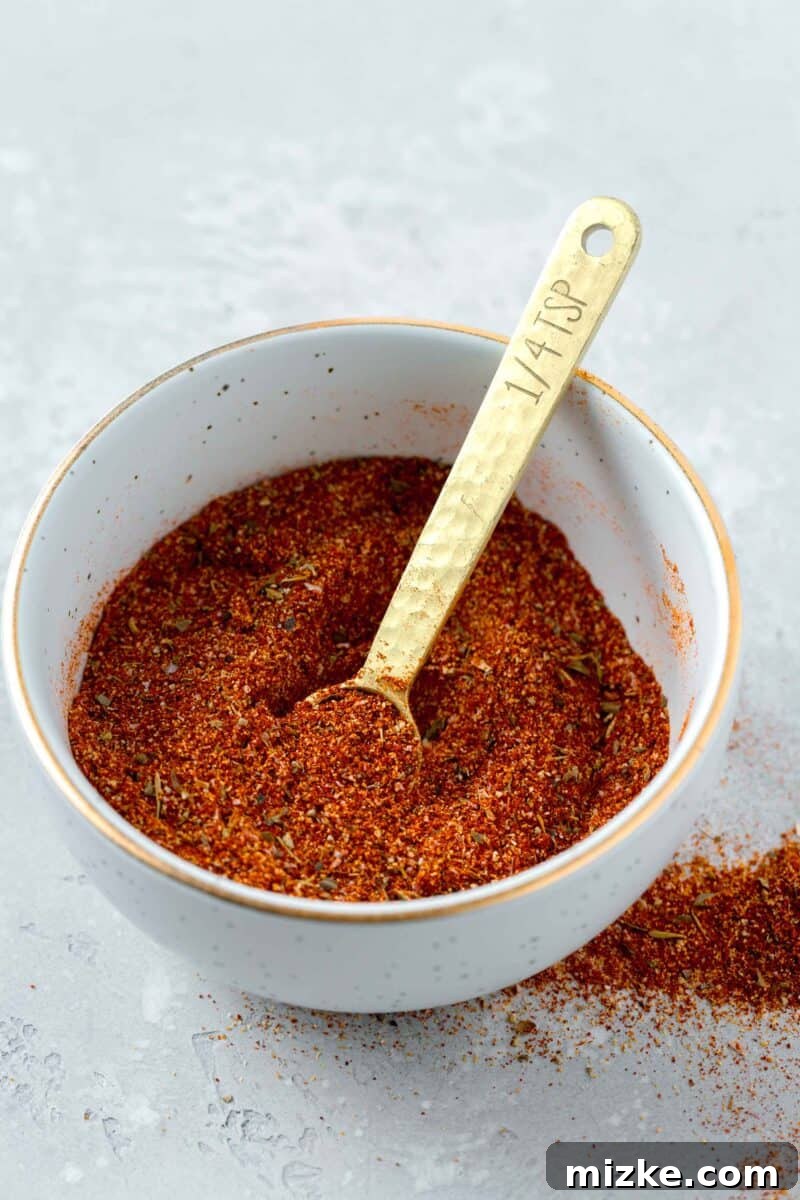
Why You’ll Love Making Your Own Blackening Seasoning
Opting for a homemade spice blend over store-bought alternatives comes with a host of compelling advantages:
- Unrivaled Control Over Flavor and Health: Commercial spice blends often contain excessive amounts of sodium and sometimes unwanted additives or anti-caking agents. When you make your blackening seasoning at home, you are the master of your spice blend. You can adjust the cayenne pepper to achieve your preferred level of heat, ensuring it’s never too mild or overwhelmingly spicy. More importantly, you have complete control over the amount of salt, allowing you to create a delicious seasoning that aligns with your dietary preferences or restrictions. This personalization is a game-changer for anyone mindful of their sodium intake.
- Significant Cost Savings: Buying pre-made seasoning blends can be surprisingly expensive, especially for specialty mixes. By using spices you likely already have in your pantry or purchasing individual spices in bulk, you can drastically reduce the cost. A one-time investment in quality individual spices will yield numerous batches of this incredible seasoning, making it a highly economical choice in the long run. Stored properly, a batch can last up to a year, offering incredible value.
- Superior Freshness and Potency: Spices begin to lose their potency over time once ground. Store-bought blends might have been sitting on shelves for months. Making your own blend ensures you’re working with fresh, vibrant spices, translating directly into a more aromatic, flavorful, and impactful seasoning. The difference in taste is truly noticeable.
- An Impressive and Thoughtful Gift: Beyond its culinary utility in your own kitchen, a beautifully packaged jar of homemade blackening seasoning makes a unique and appreciated gift. Think outside the box during holidays! Just as many enjoy gifting homemade vanilla extract, a gourmet spice blend like this can be a delightful surprise for fellow foodies, friends, and family. Consider pairing it with other homemade blends like fajita seasoning for a complete “spice kit.”
Essential Ingredients for Your Blackening Seasoning
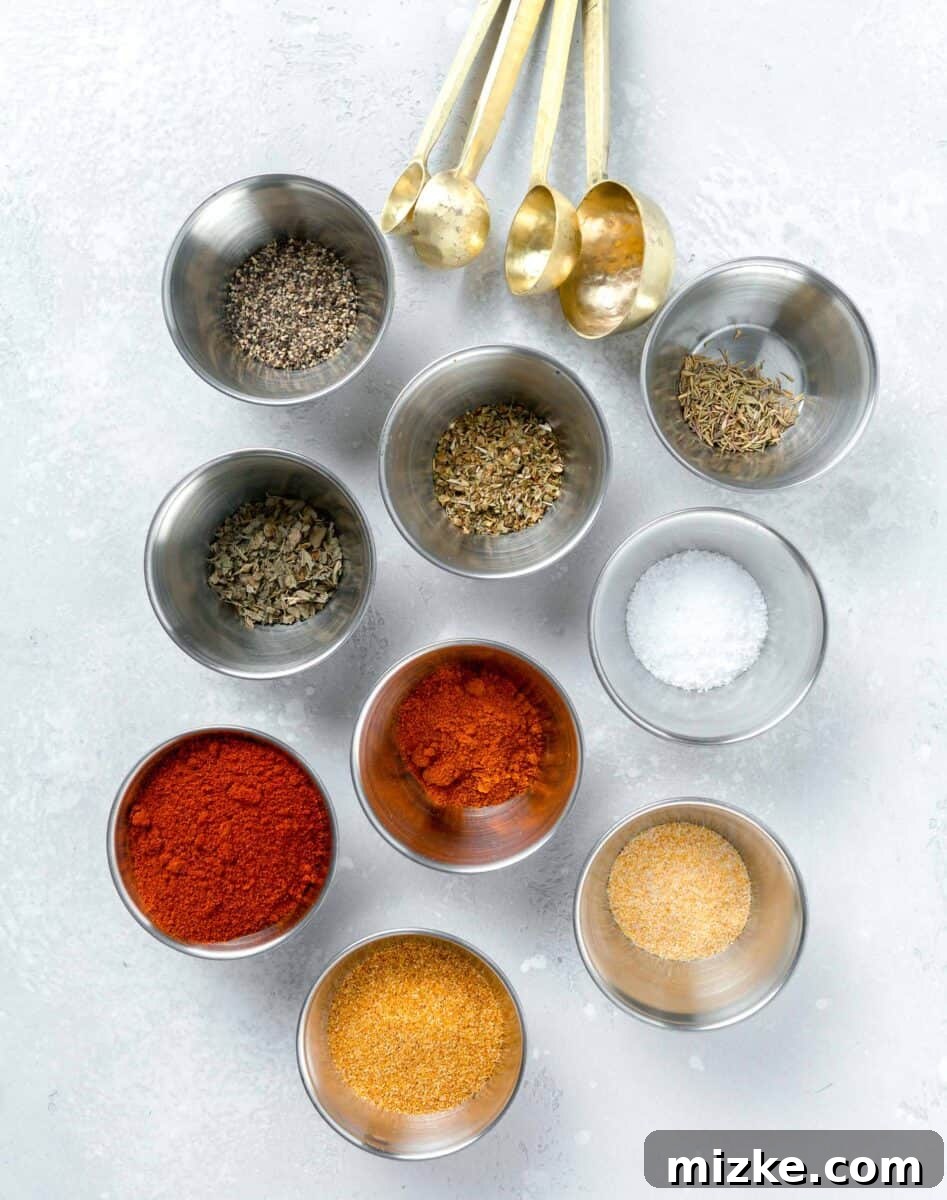
Crafting this flavorful blackening seasoning requires a simple collection of pantry staples. Each ingredient plays a crucial role in building the blend’s signature taste. Here’s a detailed list:
- Smoked Paprika: This is a cornerstone, providing not just rich color but also a deep, earthy, and smoky flavor that is characteristic of blackened dishes.
- Cayenne Pepper: The primary source of heat. Adjust the amount to match your desired spice level – less for mild, more for a fiery kick.
- Toasted Onion Powder: Adds a savory, slightly sweet, and concentrated onion flavor. Regular onion powder can be substituted if toasted is unavailable.
- Garlic Powder: Contributes a fundamental savory depth and aromatic quality that complements all the other spices.
- Black Pepper: Offers a sharp, pungent warmth and a subtle spicy note that rounds out the blend.
- Kosher Salt: Essential for enhancing all the other flavors and providing the necessary salinity. You can adjust this to your taste.
- Dried Oregano: Brings an earthy, slightly bitter, and aromatic herbaceous note.
- Dried Thyme: Adds a delicate, minty, and slightly floral aroma that brightens the blend.
- Dried Basil: Contributes a sweet, peppery, and slightly anise-like flavor, adding another layer of complexity to the herbal notes.
Blackening Seasoning vs. Cajun Seasoning: What’s the Difference?
Blackening seasoning and Cajun seasoning are often confused, and for good reason—they share many common ingredients and a similar culinary heritage rooted in Louisiana cuisine. Both are vibrant, savory, and typically spicy spice blends used to flavor a wide array of dishes. However, there are subtle differences in their typical ratios and overall emphasis.
Cajun seasoning often features a more pronounced heat profile, with cayenne pepper usually taking a starring role alongside black pepper and sometimes white pepper. It tends to be a more all-purpose seasoning for everyday use in Cajun cooking, often applied more liberally to everything from gumbos and jambalayas to fried foods. While blackening seasoning contains many of the same ingredients (paprika, cayenne, garlic, onion, oregano, thyme), its balance is specifically designed to complement the high-heat blackening technique, often with a slightly higher proportion of paprika for color and a specific aromatic balance from the herbs. However, the distinction can sometimes blur depending on the specific recipe or brand. You can certainly use blackening seasoning where you might use Cajun, and vice versa, by adjusting the quantity to control the spice and salt levels.
Effortless Preparation: How to Make Your Blackening Seasoning
Preparing this blackening seasoning is arguably one of the simplest “recipes” you’ll ever encounter. It takes mere minutes to assemble, yet the flavor payoff is immense.
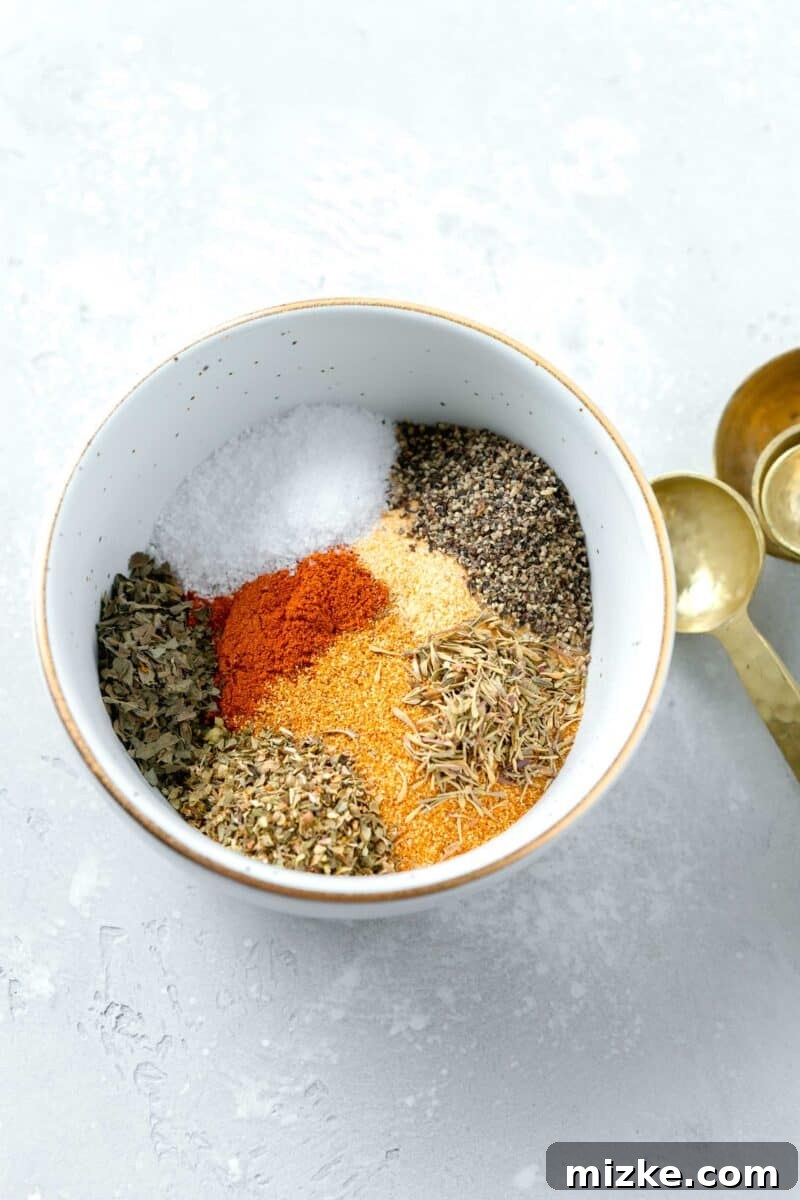
- Combine All Ingredients: In a small mixing bowl, simply add all the measured spices and dried herbs.
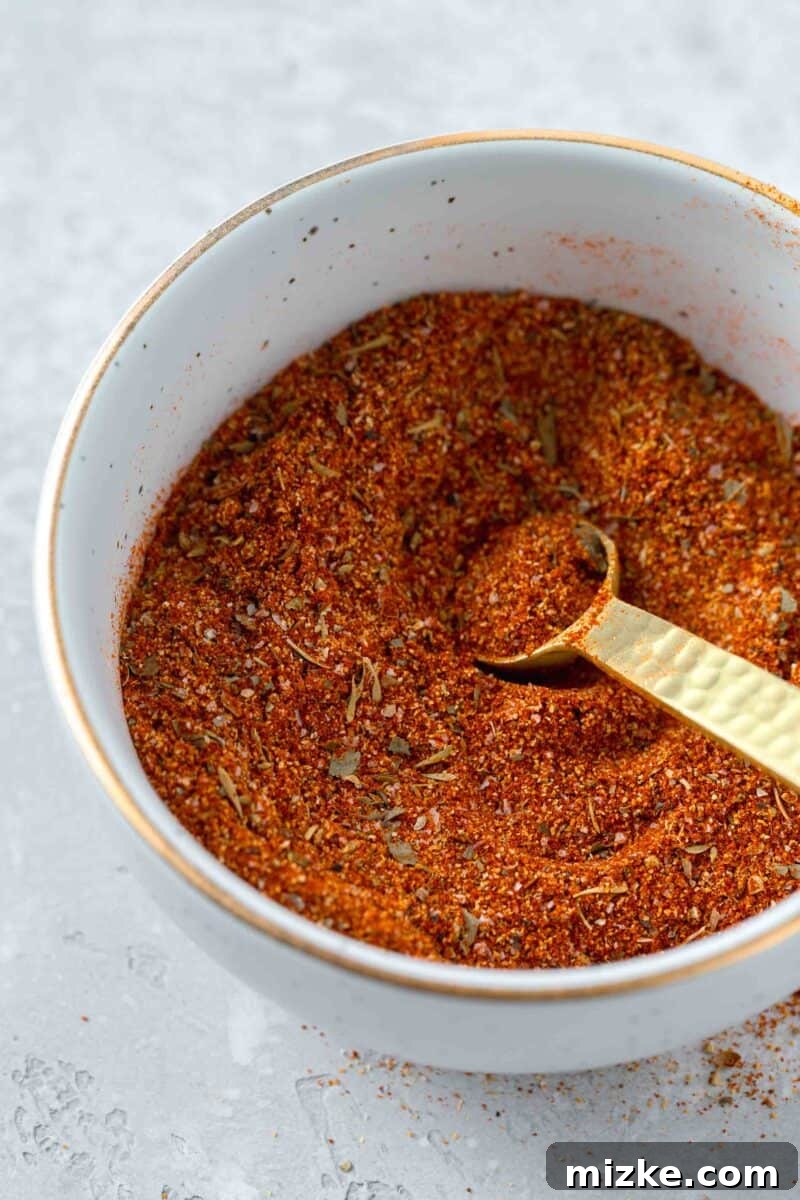
- Mix Thoroughly: Using a spoon or a small whisk, mix everything together until the spices are evenly combined. Ensure there are no clumps and the color is consistent throughout the blend.
- Store for Freshness: Transfer your freshly made seasoning into a small, airtight glass jar with a lid. Store it in a cool, dry place, away from direct sunlight or heat, to preserve its potency. When stored correctly, this homemade blackening seasoning will stay fresh and flavorful for up to 1 year.
Smoked Paprika vs. Regular Paprika: Why it Matters
While both smoked and regular (sweet) paprika come from dried and ground red peppers, their flavor profiles are distinctly different, and this difference significantly impacts the blackening seasoning. Regular paprika offers a mild, slightly sweet, and fruity flavor primarily used for color and a subtle peppery note. **Smoked paprika**, however, brings a much deeper, more complex flavor. It’s made from peppers that have been dried and smoked over oak fires, imparting a rich, intense smokiness that is indispensable for an authentic blackening seasoning.
While you *can* technically swap them, using regular paprika will result in a seasoning that lacks the characteristic smoky depth that makes blackened dishes so captivating. For the best flavor, I highly recommend using smoked paprika, as its unique qualities truly enhance the overall profile of this homemade blend, giving it that extra layer of complexity and richness.
Beyond the Basics: More Ideas for Using Blackening Seasoning
The versatility of this blackening seasoning extends far beyond traditional fish and chicken. Get creative in the kitchen and discover new ways to infuse your meals with its bold flavor:
- Blackened Shrimp Bowls: A fantastic way to enjoy a light yet flavorful meal, perfect for meal prep.
- Ground Beef Fajitas: Add a spoonful to ground beef for a Tex-Mex twist with a spicy kick.
- Shrimp Fajita Bowls: Similarly, this seasoning works wonders on shrimp for a vibrant fajita bowl.
- Grilled Coho Salmon: A perfect complement to the rich flavor of salmon, whether grilled or pan-seared.
- Roasted Vegetables: Toss potatoes, broccoli, cauliflower, bell peppers, or zucchini with olive oil and blackening seasoning before roasting for an incredible side dish.
- Tofu or Tempeh: For plant-based meals, this seasoning can transform bland tofu or tempeh into a flavorful protein component.
- Eggs: Sprinkle a pinch on scrambled eggs, omelets, or even deviled eggs for an unexpected burst of flavor.
- Popcorn: Elevate your snack game by dusting freshly popped popcorn with a touch of blackening seasoning.
- Soups and Stews: Stir a teaspoon into chili, gumbo, or bean soups for an added layer of spice and complexity.
- Marinades and Rubs: Use it as a dry rub for ribs, pork shoulder, or even a whole chicken before grilling or roasting. You can also mix it with a bit of olive oil or citrus juice to create a quick marinade.
Blackening Seasoning
Julie Chiou
5 minutes
5 minutes
2 ounces
Ingredients
- 1 tablespoon smoked paprika
- ½ tablespoon cayenne pepper
- 1 teaspoon toasted onion powder (regular onion powder works too)
- 1 teaspoon garlic powder
- ½ teaspoon ground black pepper
- ½ teaspoon kosher salt
- ½ teaspoon dried oregano
- ½ teaspoon dried basil
- ½ teaspoon dried thyme
Instructions
-
In a small bowl, combine all spices and herbs.
-
Mix thoroughly with a spoon or small whisk until well combined.
-
Pour the spice mixture into a sealable glass jar and store in a cool, dry place for up to 1 year for optimal freshness.
Nutrition
Calories: 35 kcal,
Carbohydrates: 7 g,
Protein: 2 g,
Fat: 1 g,
Saturated Fat: 0.2 g,
Polyunsaturated Fat: 1 g,
Monounsaturated Fat: 0.1 g,
Sodium: 782 mg,
Potassium: 206 mg,
Fiber: 3 g,
Sugar: 1 g
Disclaimer: This nutrition information is approximate and provided as a courtesy only. Nutritional data can vary for many reasons. For the most precise data, please use your preferred nutrition calculator based on the actual ingredients you use.
Final Thoughts on Homemade Blackening Seasoning
Embracing the art of making your own blackening seasoning is a journey towards more flavorful, healthier, and customizable cooking. It’s an empowering step that puts you in control of what goes into your food, eliminating unwanted additives and excessive sodium often found in store-bought versions. From its incredible versatility in enhancing everything from simple proteins to robust vegetables, to its potential as a thoughtful handmade gift, this spice blend offers immense value.
By following this easy recipe, you unlock a world of deep, smoky, and spicy flavors that can transform any meal into a culinary masterpiece. So, gather your spices, mix up a batch, and get ready to experience the unmatched depth and zest that only authentic homemade blackening seasoning can provide. Your taste buds—and your wallet—will thank you!