
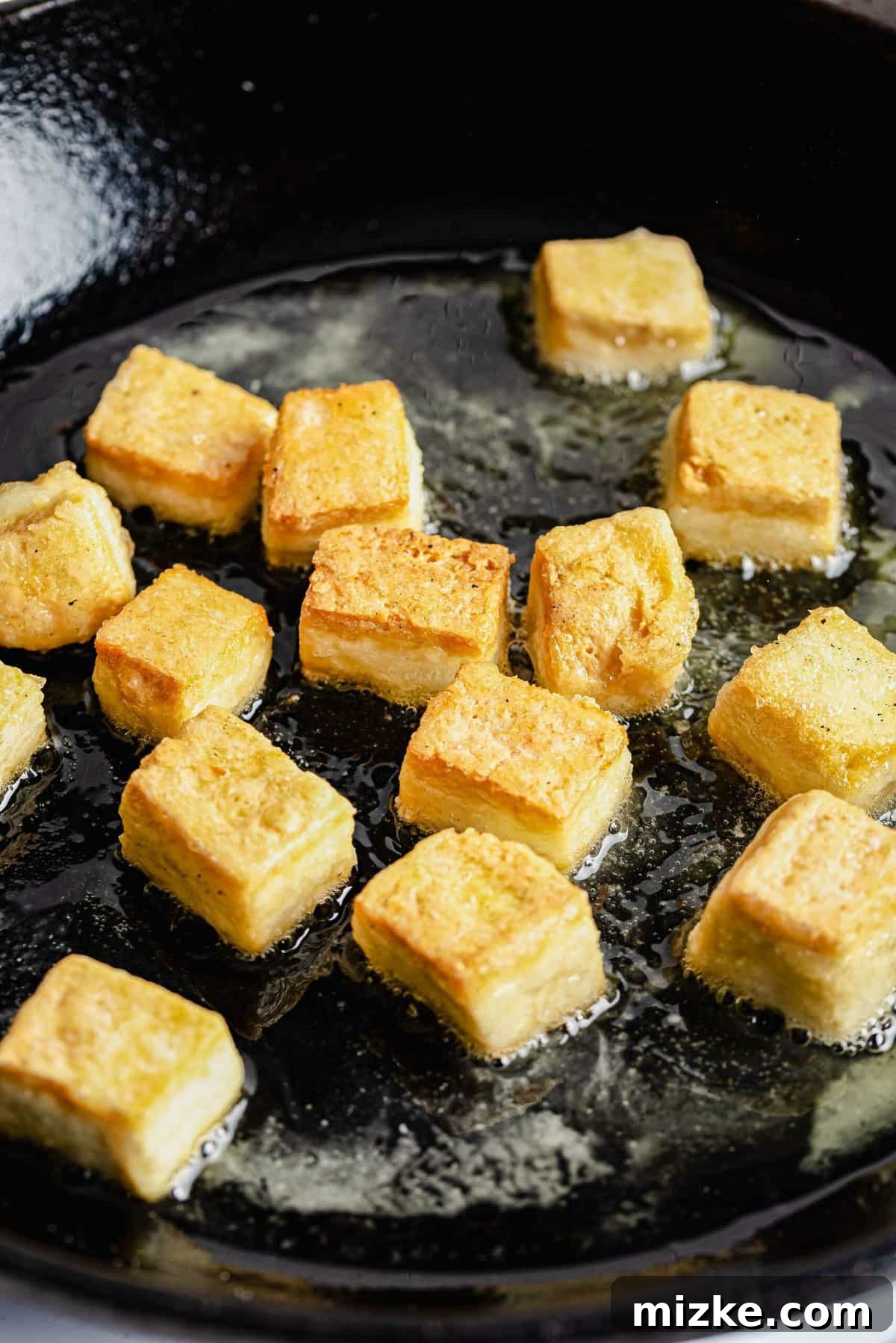
Have you ever wondered how to transform a simple block of tofu into a truly delectable meal? If you’ve been curious about the best ways to prepare and cook tofu, you’ve arrived at the perfect destination! This comprehensive guide will equip you with all the knowledge you need, covering the diverse types of tofu available, the essential preparation steps, techniques for achieving ultimate crispiness when pan-frying, and a collection of the most mouth-watering recipes to inspire your culinary journey.
I genuinely believe in empowering people to explore new culinary experiences and embrace ingredients they might otherwise overlook. For years, I championed the use of pumpkin in savory dishes, challenging the common misconception that it belongs solely in desserts. I dedicated myself to converting Brussels sprouts skeptics into enthusiastic fans and helped many discover the rich flavors of dark meat. My passions even extend to the great soda debate (Coke, always!) and the superiority of fountain drinks over canned ones.
Today, my unwavering enthusiasm is focused on one mission: turning tofu doubters into devout lovers. Of course, if you have a soy allergy, that’s an entirely different discussion. I also understand that for many, it’s often a textural concern. But what if I told you that the secret to enjoying tofu often lies in choosing the right type and preparing it correctly? Let’s delve into how you can unlock the full potential of this incredible plant-based protein.
On a lighter, more personal note, my parents actually nicknamed me “tofu” when I was a child. It was a rather playful, yet slightly demeaning, term born from the fact that I frequently fell ill and was often described as “soft” – metaphorically, like tofu that falls apart at the slightest touch. Little did they know that the “tofu” they nicknamed would grow up to be extra-firm, resilient, and incredibly strong! And now, I’m here to show you how to make your tofu just as firm and delicious.
What Exactly IS Tofu? An Essential Plant-Based Protein
Before we embark on the exciting journey of preparing and cooking tofu, let’s establish a foundational understanding of what this versatile food truly is. Many people recognize tofu by sight but might not know its origins or composition.
Tofu, often referred to as bean curd, is a protein-rich food made by coagulating soy milk and then pressing the resulting curds into solid white blocks of varying softness. The process is quite similar to cheesemaking, but with soybeans instead of dairy. This ancient food originated in China over 2,000 years ago and has been a staple in East Asian cuisines for centuries, celebrated for its nutritional value and adaptability.
Nutritionally, tofu is a powerhouse. It’s an excellent source of complete protein, containing all nine essential amino acids, making it a valuable component of vegetarian and vegan diets. Furthermore, it’s typically low in fat, cholesterol-free, and a good source of iron, calcium, and other minerals, depending on the coagulant used. What truly sets tofu apart in the culinary world is its remarkably neutral flavor profile. This “blank slate” characteristic means tofu readily absorbs the flavors of marinades, sauces, and accompanying ingredients, allowing it to adapt to an incredible array of dishes across global cuisines. It’s more than just a meat substitute; it’s a unique ingredient in its own right, offering a distinct texture and an unparalleled ability to carry flavor.
In Taiwan, for instance, the Shenkeng District has famously earned the title “Tofu Capital” due to its numerous specialized tofu restaurants and street vendors. Virtually every dish in Shenkeng features tofu, showcasing its incredible versatility and deliciousness. This cultural appreciation highlights how transformative proper tofu preparation can be.
I firmly believe that many individuals who claim to dislike tofu simply haven’t experienced it cooked properly – much like those who once scorned Brussels sprouts. The key to unlocking its appeal often lies in selecting the correct type of tofu, mastering its preparation, and employing the right cooking techniques. This guide is designed to help you do just that!
Why Incorporate Tofu into Your Meals? Discover its Many Benefits
If you’re still on the fence about trying or regularly cooking with tofu, let me share a few compelling reasons why you should embrace this fantastic ingredient. It’s not just for vegans or vegetarians; tofu offers something for every palate and lifestyle.
- An Exceptional Plant-Based Protein: Tofu serves as a phenomenal alternative to meat, providing a complete and robust protein source without the saturated fat often found in animal products. As the demand for meatless and plant-based options continues to grow, tofu stands as a time-tested staple in Asian cuisine, offering a sustainable and healthy choice that has been enjoyed for millennia. It’s perfect for those looking to reduce their meat consumption or diversify their protein intake.
- Incredibly Versatile & Flavor-Absorbent: Think of tofu as the ultimate culinary canvas, a true “blank slate” ready to take on any flavor profile you desire. Its spongy, porous texture is a chef’s dream, allowing it to absorb marinades, spices, and sauces with remarkable efficiency. This quality makes it exceptionally adaptable to a vast array of global dishes, from spicy stir-fries and rich curries to savory tacos and sweet desserts. By pairing it with a flavorful sauce, you can truly bring tofu to life, creating dishes that are bursting with taste and aroma.
- An Opportunity for Culinary Exploration: Cooking with tofu offers a wonderful chance to broaden your culinary horizons and experiment with a different type of protein. Even if you’re not strictly vegetarian, integrating tofu into your meal rotation can be a fun and creative way to explore new textures, flavors, and cooking methods. It encourages creativity in the kitchen and can lead to exciting discoveries that enrich your dining experience, proving that healthy eating can also be incredibly delicious.
Choosing Your Tofu: Understanding the Different Varieties
Walking down the tofu aisle at a grocery store, especially an Asian market, can be a bit overwhelming with the sheer number of varieties available. It might seem like there are endless options, but understanding a few key types will simplify your choice. The most important factor isn’t necessarily the brand, but the type or consistency of the tofu.
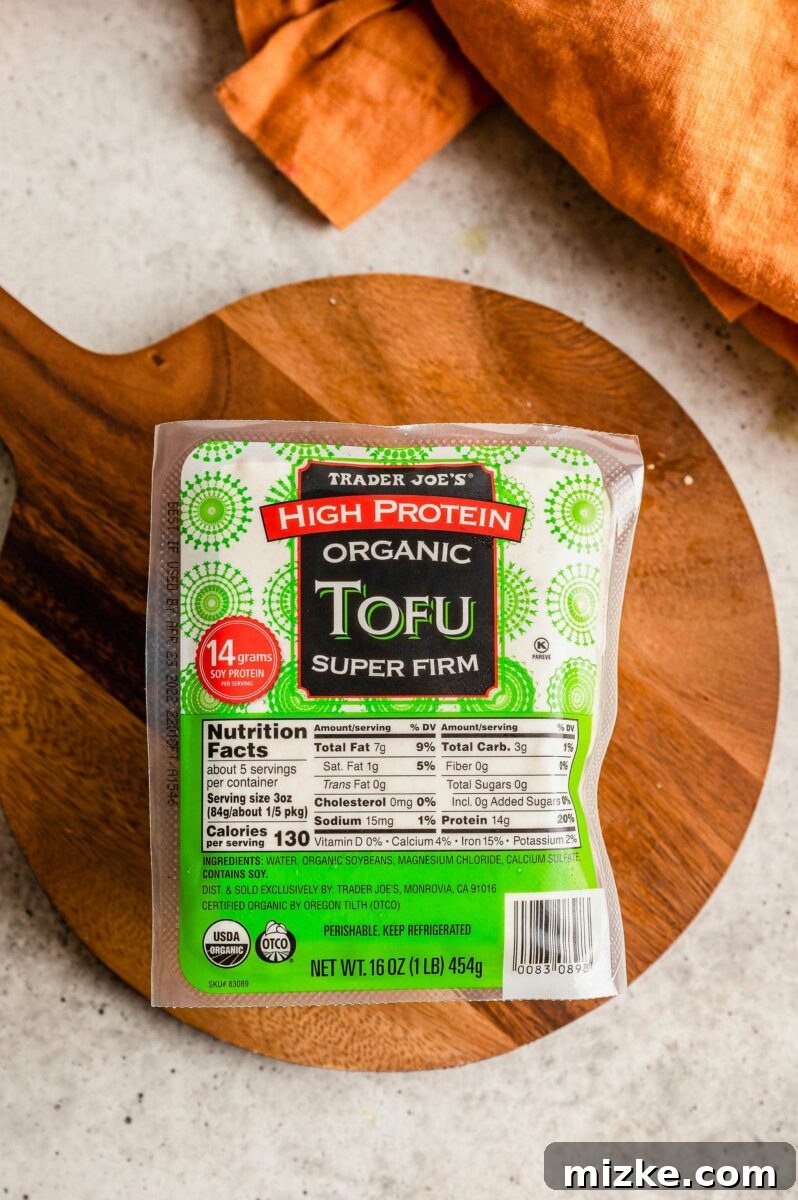
For most savory dishes, particularly when you aim for a crispy texture, extra-firm or firm tofu will be your absolute best friend. These varieties have less water content, making them denser and more resilient to handling and cooking processes.
It’s crucial to steer clear of silken tofu, soft tofu, or any other type that isn’t explicitly labeled “firm” or “extra-firm” for recipes requiring crispy results. Silken tofu, for instance, is incredibly delicate; it will literally disintegrate if you attempt to press or cube it for pan-frying. While silken tofu has its place in creamy sauces, smoothies, some desserts, or traditional miso soup, it is not suitable for achieving a satisfying crisp exterior.
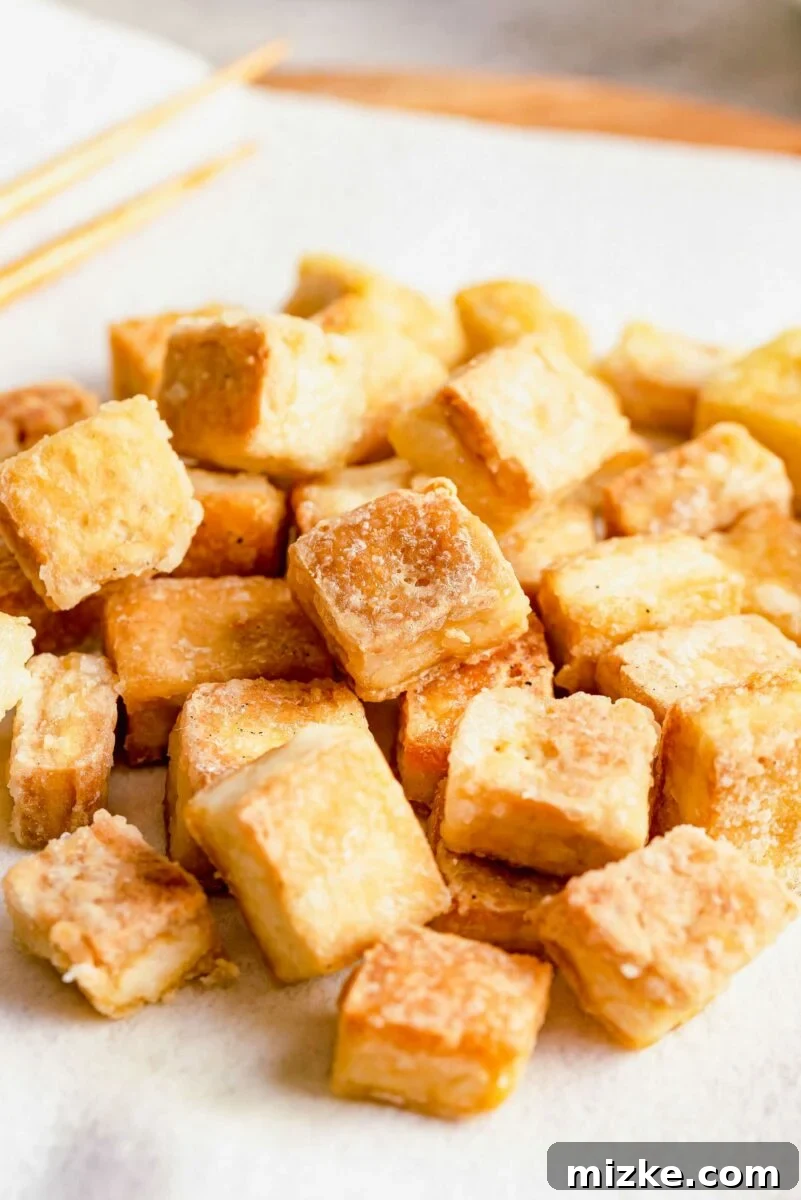
If you can find “extra-firm” tofu, I highly recommend choosing it over just “firm.” The “extra-firm” designation ensures an even lower water content, resulting in a sturdier block that is less prone to crumbling and achieves superior crispiness. The tofu shown in the photo above, for example, is Trader Joe’s High Protein Super Firm Tofu. While the “high protein” is a bonus, I primarily select it because it’s their firmest variety, consistently delivering excellent results for crispy dishes. Look for similar labels like “super firm” or “pressed tofu” as these are often pre-pressed to some extent, saving you a bit of prep time.
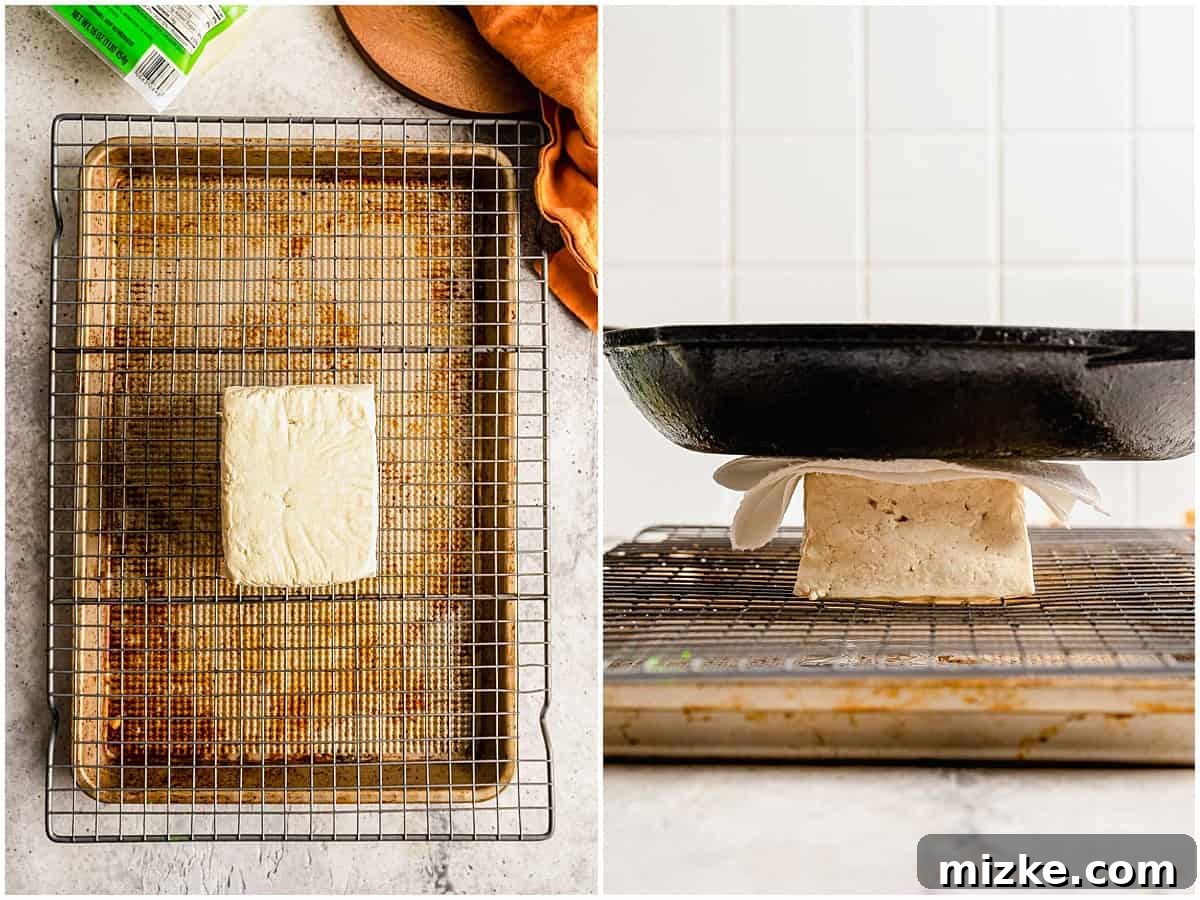
Essential Tofu Preparation: Achieving the Perfect Texture
Tofu typically comes packaged in water, which helps keep it fresh but also means the block absorbs a significant amount of this liquid. To achieve that coveted crispy exterior and ensure your tofu truly soaks up the flavors of your marinade or sauce, the first and most crucial step is to press out this excess water. It might sound daunting, but it’s a simple process of applying pressure to the tofu.
Here’s a detailed, step-by-step guide on how to properly prepare your tofu:
- Set Up for Pressing: Begin by placing your block of tofu on a wire rack. Position this rack over a rimmed baking sheet. This setup allows the expelled water to collect neatly in the baking sheet, preventing a mess. Since you’re working with extra-firm or firm tofu, you won’t have to worry about it squeezing through the grates under pressure. Attempting this with soft or silken tofu, however, would be akin to slicing an egg with an egg slicer – a very messy outcome!
- Apply Pressure (Press It!): To absorb the moisture directly from the top, I like to place a paper towel (or a clean, thin kitchen towel) over the tofu block. This is optional but can help keep your pressing weight clean and soak up some initial liquid. Next, place a heavy, flat object on top of the tofu. A cast-iron skillet, a stack of cookbooks, or even a specialized tofu press works perfectly. The goal is to apply consistent, gentle pressure.
- Let it Rest and Release: Leave the tofu to press for at least 30 minutes. For even crispier results, you can press it for up to an hour, or even longer if you have a dedicated tofu press. After this time, you’ll observe a visible amount of water collected in the baking sheet – perhaps not a flood, but certainly enough to make a difference in your final product.
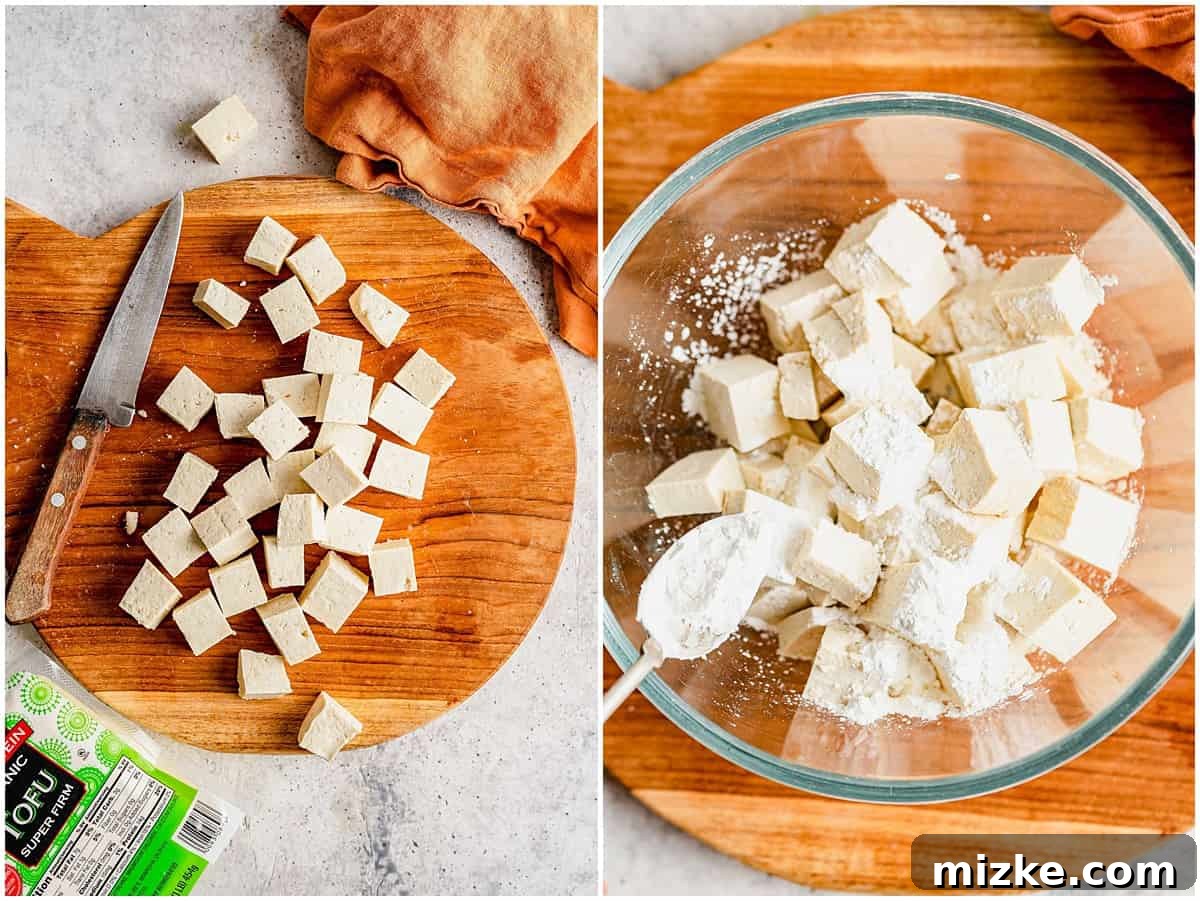
- Cube with Care: Once pressed, gently blot any remaining surface liquid from the tofu with a paper towel. Then, carefully cut the tofu block into your desired shapes and sizes. Cubes (around 1-inch) are excellent for pan-frying, but you can also opt for triangles, sticks, or crumbles, depending on your recipe.
- Coat with Cornstarch for Crispiness: Transfer the cut tofu pieces to a large mixing bowl. Sprinkle 2-3 tablespoons of cornstarch evenly over the tofu. Now, for the coating technique: instead of using your hands, which can be too harsh and potentially break the delicate tofu, hold the bowl by its sides and gently toss the tofu pieces in the air. This method ensures an even, light coating of cornstarch on all sides, which is essential for developing that irresistible crispy crust during cooking.
Pan-Frying Tofu to Golden Perfection: A Step-by-Step Guide
Once you’ve mastered the art of preparing tofu, cooking it to crispy perfection in a pan becomes remarkably straightforward. This fundamental technique is a game-changer, opening up a world of possibilities for regularly incorporating delicious tofu into your meals. Follow these steps, and you’ll be well on your way to enjoying perfectly pan-fried tofu every time.
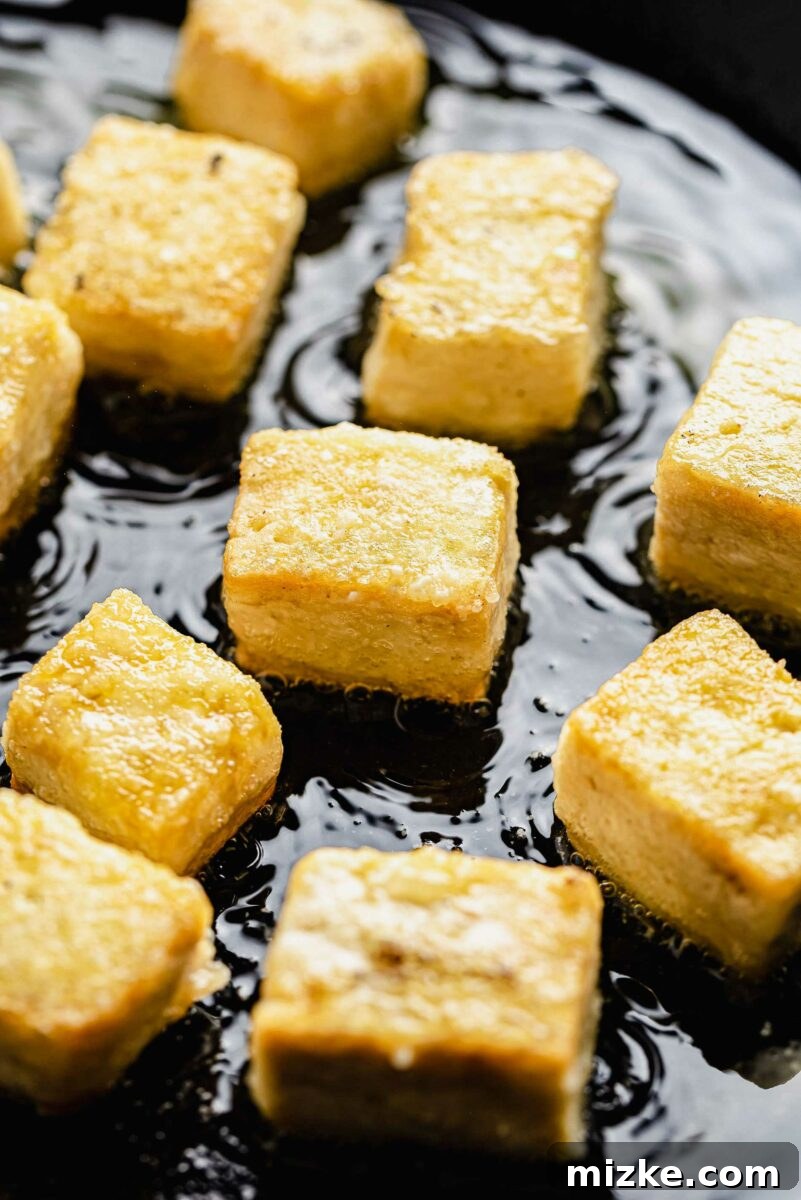
- Preheat Your Pan with Oil: After your tofu is thoroughly coated in cornstarch, heat 1-2 tablespoons of a high-smoke-point oil (like avocado oil) in a nonstick skillet over medium-high heat. Ensure the oil is shimmering but not smoking. A nonstick or ceramic pan is highly recommended for beginners to prevent sticking and ensure even browning.
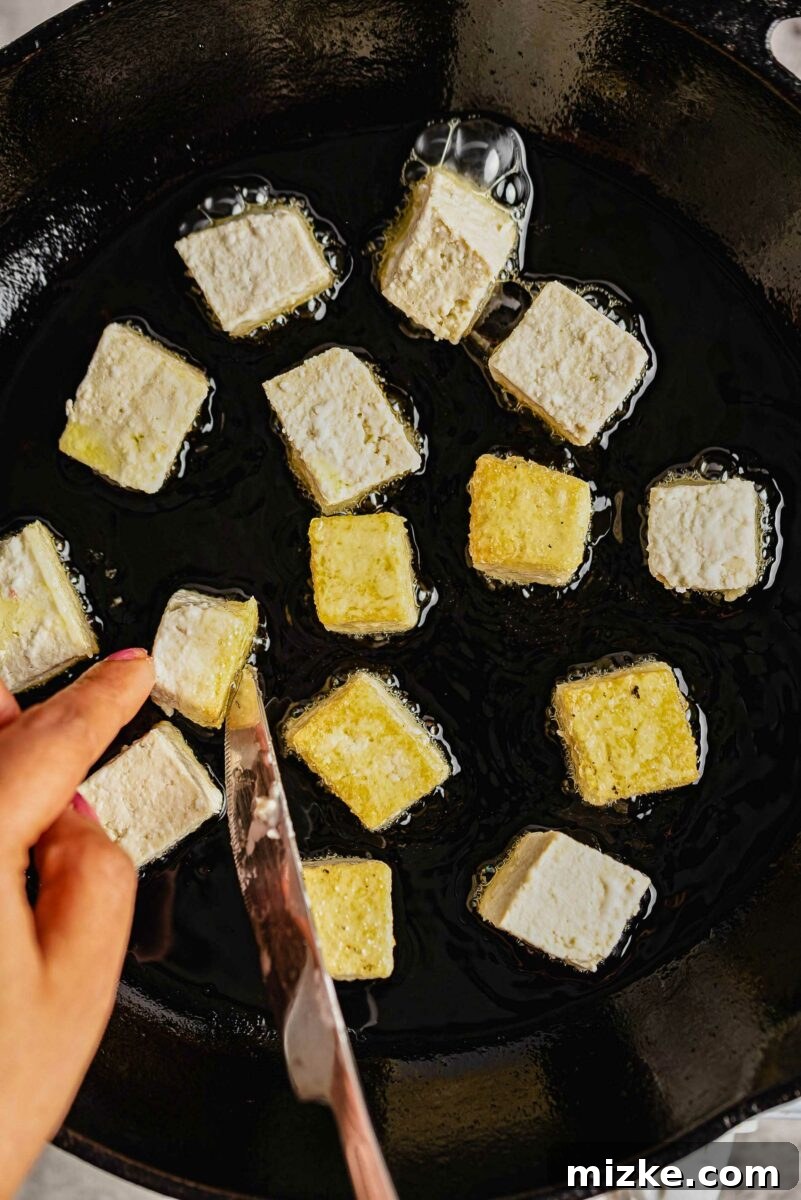
- Carefully Add the Tofu: Once the oil is hot, gently add the cornstarch-coated tofu cubes to the skillet. Avoid overcrowding the pan; work in batches if necessary to ensure each piece has enough space to brown properly. Lightly shake the skillet to help the tofu settle into an even layer, or use tongs or a spatula to arrange the pieces evenly.
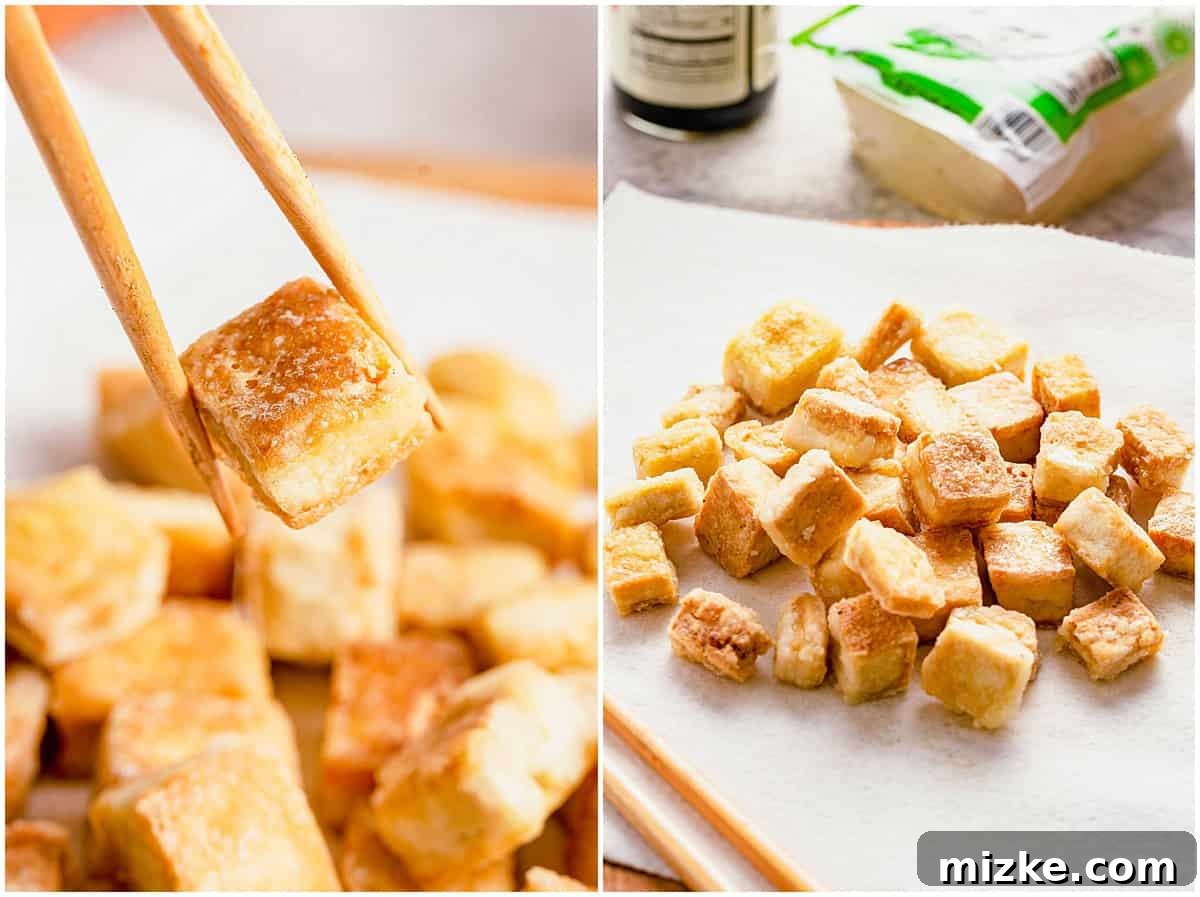
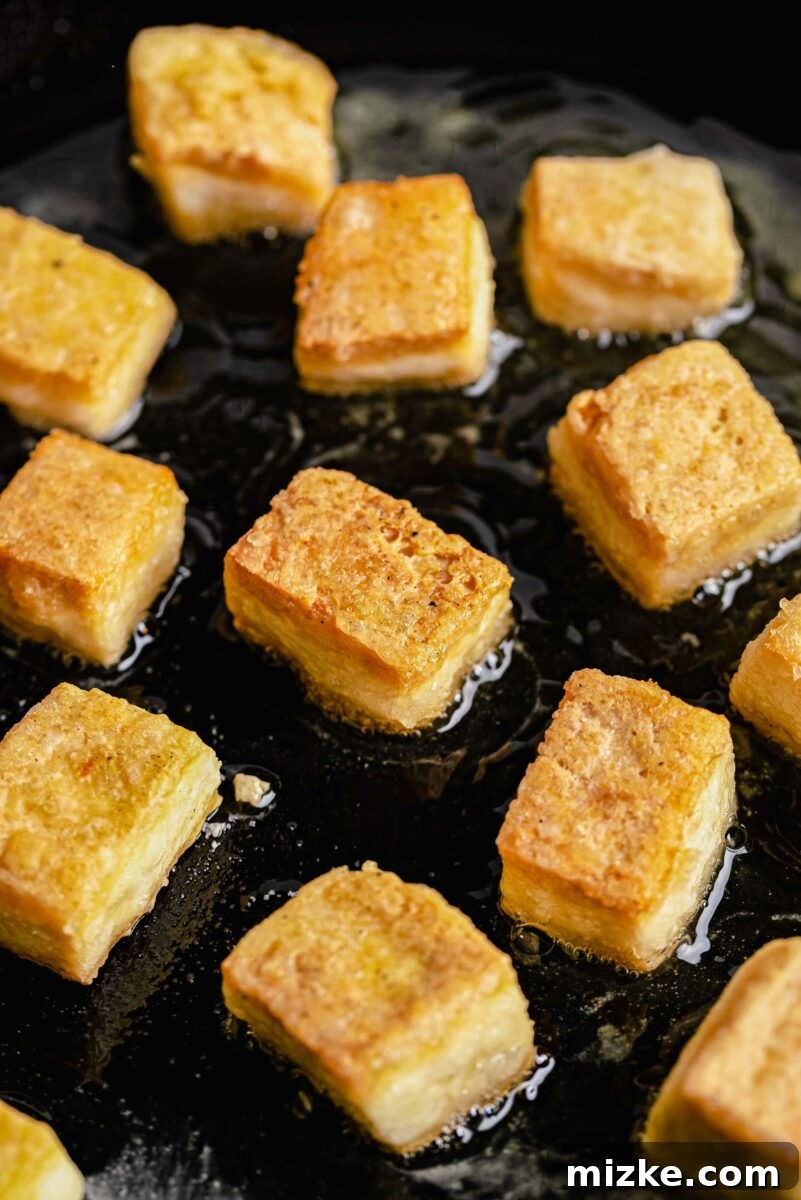
- Cook Undisturbed for Crispiness: Allow the tofu to cook for 3-4 minutes on one side without touching or moving it. This crucial step allows a beautiful golden-brown and crispy crust to form. Resist the urge to poke or stir! Patience here is key to achieving that desired crunch. After 3-4 minutes, use tongs or a spatula to flip each piece to another side. Continue cooking, flipping every 3-4 minutes, until most sides are golden brown and wonderfully crispy. While you can aim to crisp all six sides, focusing on at least two or three well-browned sides is often sufficient for excellent results in many recipes.
Expert Tips for Achieving the Ultimate Crispy Tofu
Making truly crispy tofu is an art, but one that is easily mastered with a few key techniques. Here are my top tips to ensure your tofu reaches its full, crunchy potential, transforming every dish into a delightful experience.
- Choose the Right Pan: For beginners and consistent results, a high-quality nonstick or ceramic pan is highly recommended. These pans minimize sticking, allowing the tofu to develop an even crust without tearing. If you’re more experienced and comfortable with heat management, a well-seasoned cast iron skillet or a stainless steel pan can also work. However, be prepared to use a bit more oil to prevent sticking and monitor the heat closely.
- Select the Ideal Cooking Oil: The type of oil you use significantly impacts crispiness. Opt for a high-temperature cooking oil with a neutral flavor. Avocado oil is an excellent choice as it boasts a high smoke point, meaning it can withstand the higher heat required for searing tofu without burning or imparting off-flavors. Other good options include grapeseed oil or refined coconut oil. While olive oil can be used, its lower smoke point means you might need to cook the tofu longer at a slightly lower temperature to prevent scorching, which can affect the crispiness.
- Ensure an Even, Single Layer: This tip is paramount for crispy tofu. When placing tofu in the pan, arrange the pieces in a single, even layer. Do not overcrowd the skillet or stack pieces on top of each other. Each piece needs direct contact with the hot surface to cook and crisp up properly. Overcrowding lowers the pan’s temperature and steams the tofu instead of frying it, resulting in a soggy texture.
- Resist the Urge to Touch (Initially!): This is perhaps the most critical rule for achieving a golden-brown crust on any food, be it searing meats, crisping potstickers, or creating tender fall-off-the-bone ribs. Once the tofu is in the hot pan, leave it alone! Allow it to cook undisturbed for the recommended 3-4 minutes per side. Constantly moving or flipping the tofu prevents the Maillard reaction (the chemical process responsible for browning and flavor development) from occurring, resulting in pale, less flavorful, and less crispy tofu.
- Flip for Multi-Sided Crispness: After the initial 3-4 minutes on one side, carefully flip each tofu piece to expose a new side to the hot pan. Continue this process, cooking each side for 3-4 minutes until it turns golden brown and crispy. While technically tofu has six sides, trying to perfectly crisp every single one can be quite time-consuming. In most cases, achieving a beautiful crisp on at least two or three major surfaces is more than enough to provide a satisfying texture contrast within your dish. Don’t feel pressured to get all six!
Inspiring Tofu Recipes to Elevate Your Weeknight Dinners
As we’ve discussed, tofu itself possesses a mild flavor, which means its true culinary magic shines when it’s paired with delicious sauces and seasonings. The beauty of tofu lies in its ability to take on the character of whatever flavors you introduce to it. You’re in luck, because my site features a fantastic collection of recipes, complete with incredible sauces, that transform simple tofu into extraordinary weeknight meals. Get ready to discover your new favorite plant-based dishes!

Sweet and Sour Tofu
View Recipe
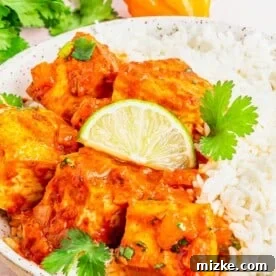
Tofu Coconut Curry
View Recipe
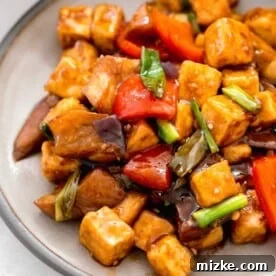
Eggplant Tofu (Panda Express Copycat)
View Recipe
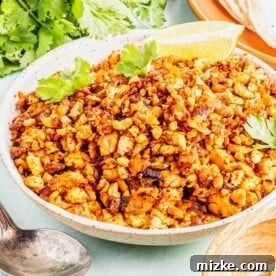
Tofu Chorizo
View Recipe
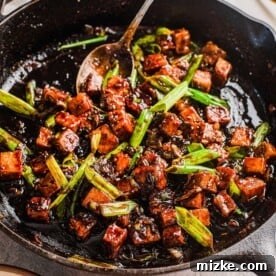
Black Pepper Tofu
View Recipe
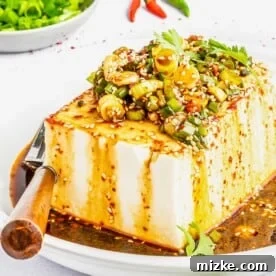
Chilled Silken Tofu
View Recipe

Crispy Buffalo Tofu Fries
View Recipe
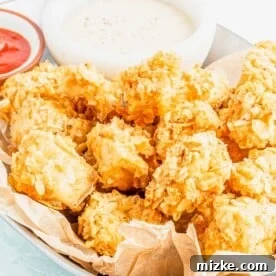
Crispy Popcorn Tofu
View Recipe
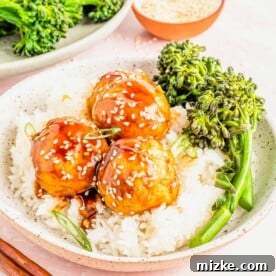
Teriyaki Tofu Meatballs
View Recipe
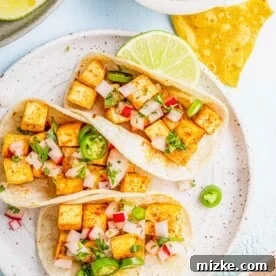
Tofu Street Tacos
View Recipe
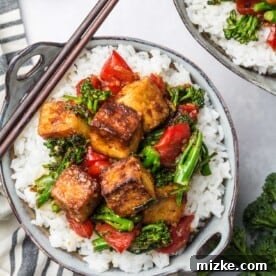
Spicy Tofu Stir Fry
View Recipe
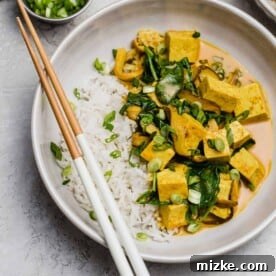
Tofu and Shiitake Coconut Curry Bowls
View Recipe
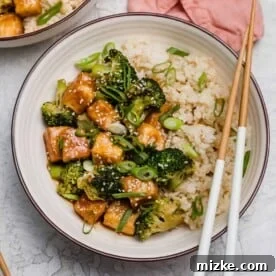
Teriyaki Tofu and Broccoli Bowls
View Recipe
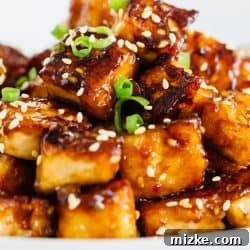
Sesame Garlic Fried Tofu Recipe
View Recipe
As you can now clearly see, tofu is far from bland or boring. It is a truly versatile ingredient, offering endless possibilities once you understand how to properly prepare and cook it. I am constantly experimenting and discovering new, creative ways to incorporate tofu into my daily meals, and I encourage you to do the same!
I sincerely hope this comprehensive guide on how to cook tofu has been immensely helpful in demystifying this wonderful plant-based protein. Your culinary adventures with tofu are just beginning! Please feel free to share any questions or thoughts in the comments section below, and I will do my absolute best to provide you with helpful answers and further guidance.