
Revered for their distinct umami flavor and a captivating history deeply rooted in Asian culinary traditions, shiitake mushrooms have long been a staple in kitchens across the East. While historically most prevalent in countries like Japan, China, and Korea, these remarkable fungi are now rapidly gaining global recognition, captivating the palates of chefs and home cooks worldwide. This comprehensive guide will take you on a journey through the fascinating origins of shiitake mushrooms, delve deep into their impressive array of nutritional benefits, and equip you with practical tips and creative ideas to effortlessly incorporate them into your daily cooking. Prepare to unlock the full potential of this unique ingredient and transform your dishes with its rich, savory essence.
What Exactly Are Shiitake Mushrooms?
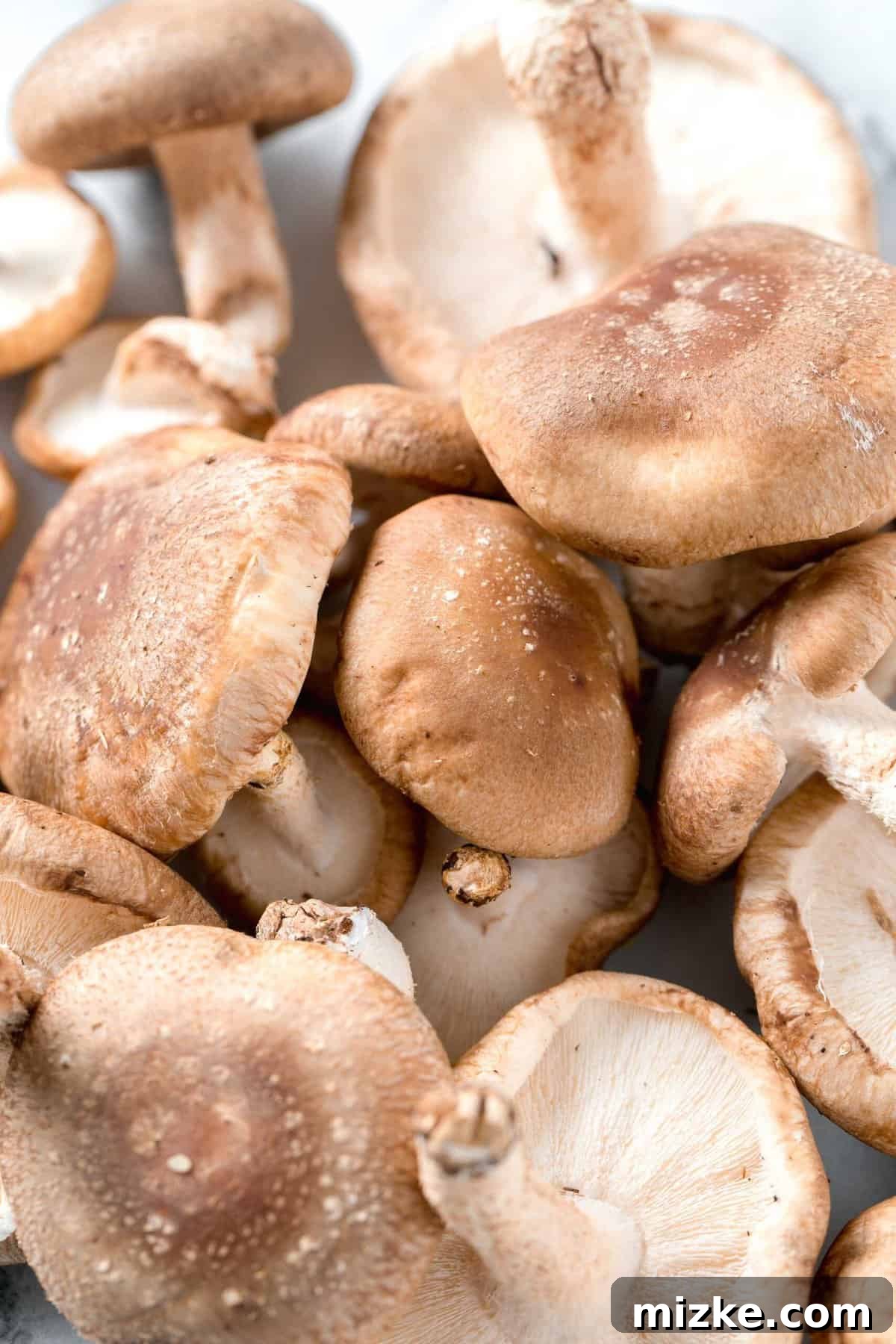
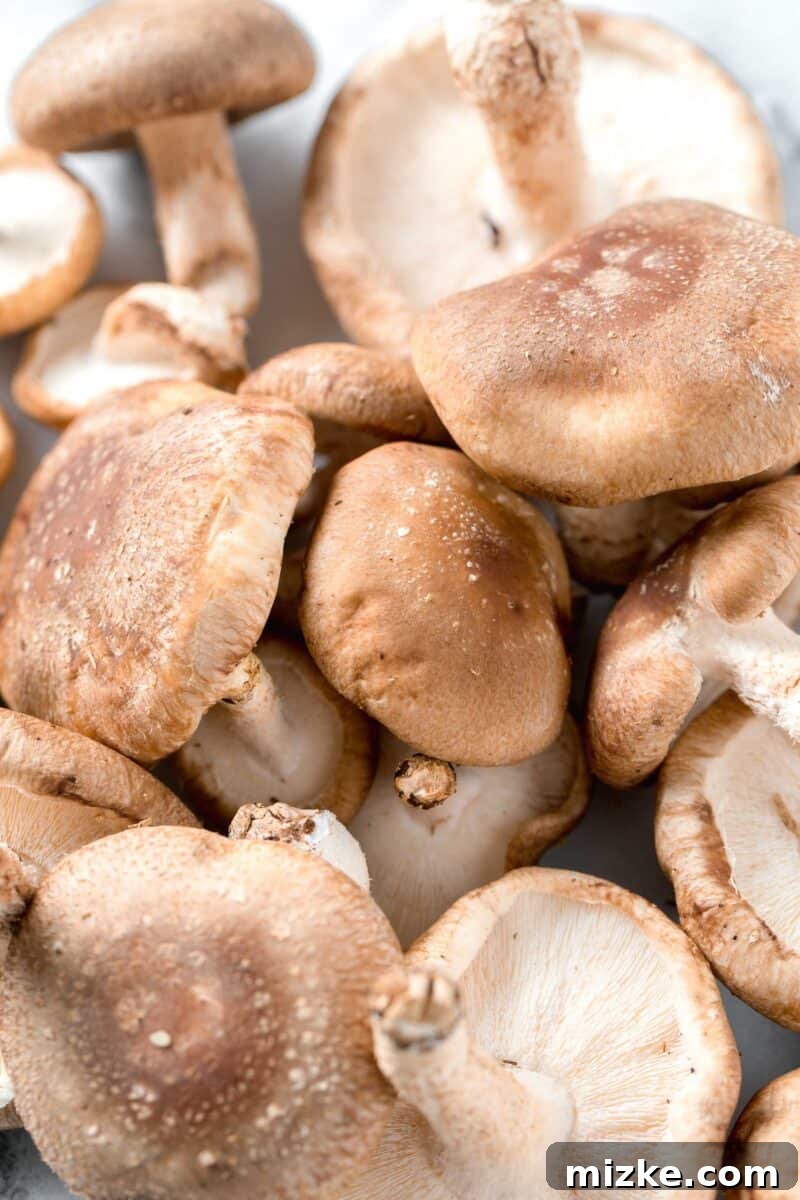
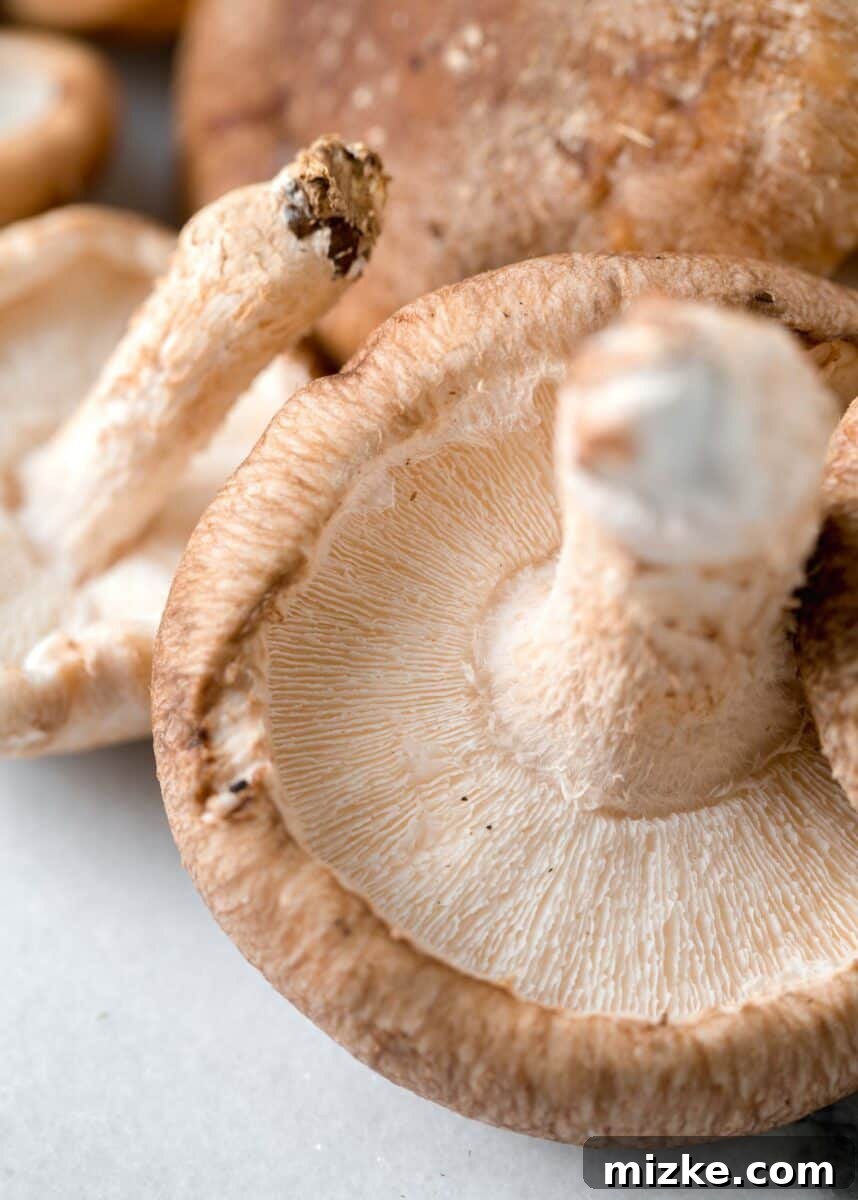
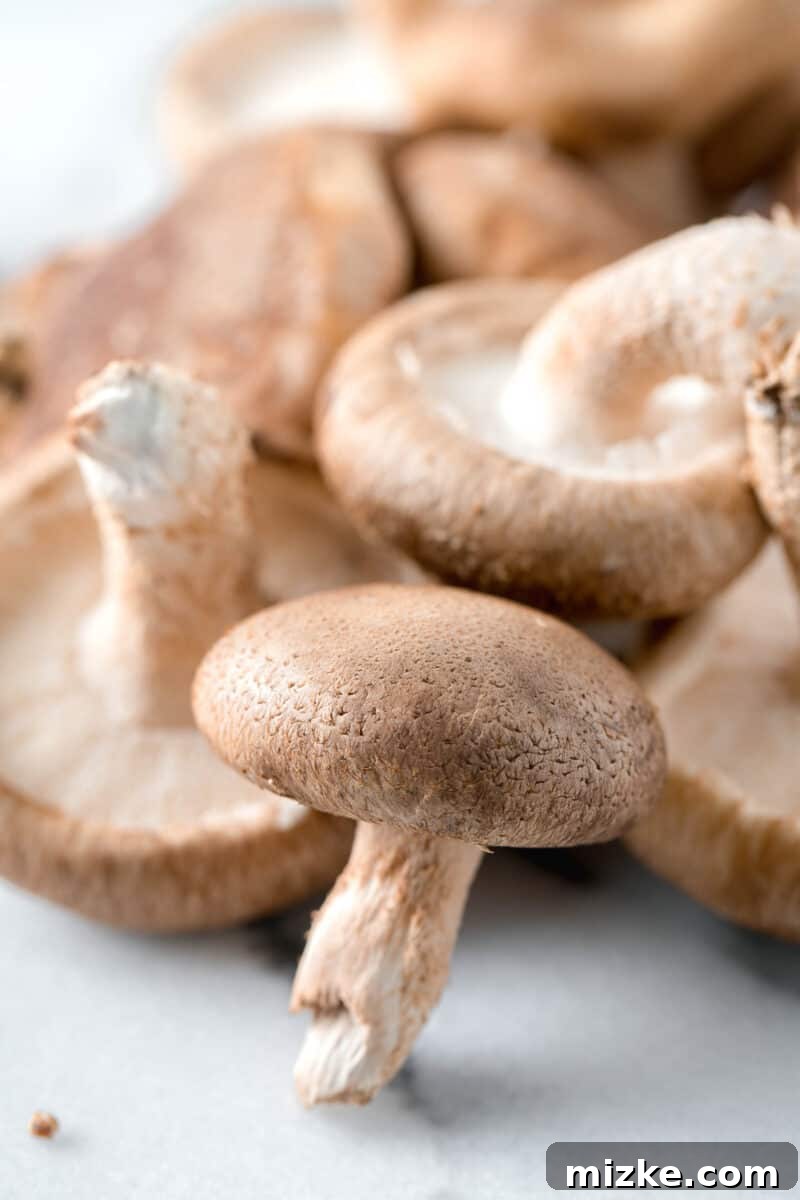
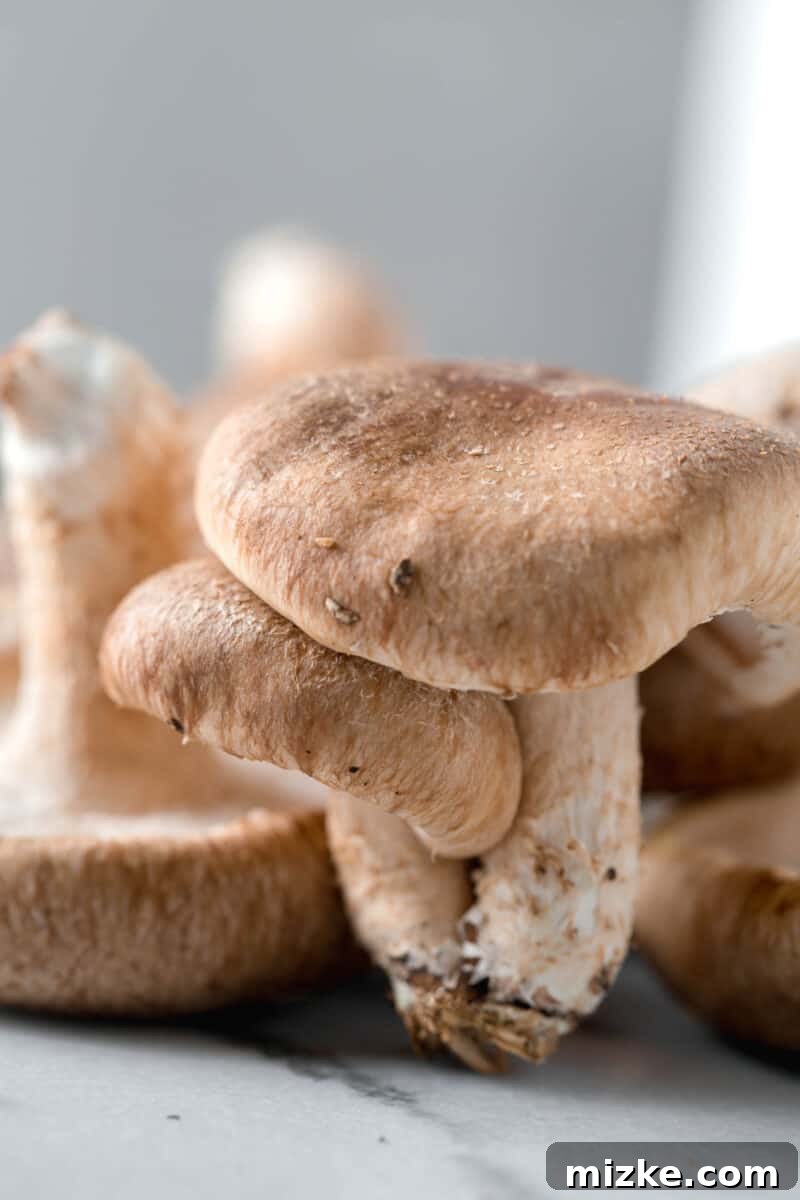
Scientifically identified as Lentinula edodes, shiitake mushrooms are a highly prized edible fungus native to East Asia. Their cultivation and consumption date back thousands of years, primarily across the mountainous regions of Japan, China, and Korea. Unlike many other mushrooms, shiitakes possess a truly distinctive appearance that makes them easily recognizable. They typically feature a convex to broadly umbrella-shaped cap, ranging in color from light to dark brown, often adorned with characteristic white or cream-colored flecks or cracks that deepen with maturity. The caps can vary in size, from small buttons to large, several-inch wide specimens, with delicate gills underneath and a sturdy, fibrous stem. Their texture is firm and meaty, offering a satisfying chew that distinguishes them from many other varieties.
Visually, shiitake mushrooms present a striking contrast to other popular fungi, such as the shaggy, cascading tendrils of lion’s mane mushrooms. Their unique earthy brown cap and the subtle, almost velvety texture of their exterior make them instantly identifiable to those familiar with them. This distinctive look, coupled with their robust structure, contributes to their appeal in diverse culinary applications, providing both visual interest and textural depth to any dish they grace.
Unraveling the Origin of the Name “Shiitake”
The intriguing name “shiitake” is a direct derivation from the Japanese language, perfectly encapsulating the mushroom’s natural habitat. The first component, “shii” (椎), refers to a specific type of deciduous tree, Castanopsis cuspidata, commonly known as the chinquapin or shii tree. These evergreen broadleaf trees are endemic to Japan and other parts of East Asia, providing the ideal growing medium for wild shiitake mushrooms. The second part of the name, “take” (茸), is simply the Japanese word for “mushroom.” Therefore, when combined, “shiitake” translates quite literally to “mushroom that grows on the shii tree.” This etymology not only highlights the mushroom’s geographical origins but also underscores its intimate relationship with its natural environment, where it thrives by decomposing the wood of these specific trees.
What Distinctive Flavor Do Shiitake Mushrooms Offer?
Shiitake mushrooms are celebrated for their remarkably unique and complex flavor profile, a defining characteristic that sets them apart in the culinary world. Many describe their taste as deeply savory, rich, and intensely umami – a fundamental taste sensation often described as meaty or brothy. Beyond this profound umami, shiitakes also carry pronounced earthy and woody notes, reminiscent of the forest floor where they naturally grow. When cooked, these flavors deepen and become even more concentrated, often developing a subtle smokiness that is entirely natural and not at all artificial. This smoky quality is distinct from liquid smoke; instead, it’s an organic, grounding aroma that enhances their overall profile. Their firm, meaty texture also contributes significantly to the eating experience, providing a satisfying bite that holds up well in a variety of dishes, from delicate broths to hearty stir-fries. Dried shiitake mushrooms, in particular, offer an even more concentrated and intense flavor, making them a preferred choice for many traditional Asian recipes where a robust taste is desired.
Exploring the Impressive Health Benefits of Shiitake Mushrooms
Beyond their exceptional taste, shiitake mushrooms are lauded for their impressive nutritional composition and a wealth of potential health benefits, making them a valuable addition to a balanced diet. They are a treasure trove of vitamins, minerals, and unique bioactive compounds.
Disclaimer: The information provided here is for educational purposes only and should not be considered a substitute for professional medical advice, diagnosis, or treatment. Always consult with a qualified healthcare provider before making any decisions related to your health or incorporating new supplements.
Immune System Support
One of the most widely recognized benefits of shiitake mushrooms lies in their ability to support immune function. They contain potent polysaccharides, particularly beta-glucans like lentinan, which are known to enhance the immune system. These compounds work by modulating immune cell activity, helping to protect cells from damage and boosting the production and activity of white blood cells, which are crucial for fighting off infections and illnesses. Regular consumption may help the body mount a stronger defense against pathogens.
Rich in Essential Nutrients
Shiitake mushrooms are an excellent source of several vital vitamins and minerals. They are particularly rich in B vitamins, including B2 (riboflavin), B3 (niacin), B5 (pantothenic acid), and B6, which play crucial roles in energy metabolism, nerve function, and red blood cell production. They also provide significant amounts of copper, an essential mineral for healthy bones, nerves, and immune function, and selenium, a powerful antioxidant that protects cells from oxidative damage. Furthermore, shiitakes contain dietary fiber, supporting digestive health and promoting satiety, and are a source of zinc, potassium, and even ergothioneine, a powerful antioxidant.
Anti-Inflammatory Properties
The polysaccharides and other unique compounds found in shiitake mushrooms are also associated with notable anti-inflammatory properties. Chronic inflammation is linked to numerous health conditions, and incorporating foods with natural anti-inflammatory effects, like shiitakes, can contribute to overall well-being. These compounds may help to reduce inflammatory markers in the body, potentially mitigating the risk of various inflammatory diseases.
Heart Health and Cholesterol Management
Emerging research suggests that shiitake mushrooms may contribute to cardiovascular health. Compounds such as eritadenine have been identified for their potential to help lower cholesterol levels. Additionally, their fiber content can aid in reducing the absorption of dietary cholesterol, while their antioxidant properties help prevent oxidative damage to blood vessels, all contributing to a healthier heart.
Antioxidant Powerhouse
Shiitakes are packed with antioxidants, including selenium, ergothioneine, and various phenolic compounds. Antioxidants are vital for combating free radicals in the body, unstable molecules that can cause cellular damage, contributing to aging and chronic diseases. By neutralizing free radicals, shiitake mushrooms help protect your cells and support overall cellular health.
Mastering the Art of Preparing Shiitake Mushrooms for Cooking
Proper preparation is key to unlocking the full flavor and texture of shiitake mushrooms. The method varies slightly depending on whether you’re using fresh or dried varieties.
Preparing Fresh Shiitake Mushrooms
Unlike many vegetables, fresh mushrooms generally do not require rinsing or washing under running water. Mushrooms are porous and can absorb water, which dilutes their flavor and makes them less able to brown nicely when cooked. Fresh shiitakes are typically quite clean, often with minimal dirt. To clean them, simply use a soft brush or a damp paper towel to gently wipe away any visible debris from the caps and stems. A quick tap against the sink can also dislodge loose dirt. Once cleaned, the stems are often removed as they can be tough and fibrous, though they can be saved and added to stocks or broths for extra flavor. The caps are then ready for slicing, chopping, or using whole, depending on your recipe.
Preparing Dried Shiitake Mushrooms
Dried shiitake mushrooms are a popular ingredient in many Asian cuisines, prized for their intensely concentrated flavor, which is often deeper and more umami-rich than fresh ones. To use dried shiitakes, you must first rehydrate them. Place the dried mushrooms in a bowl and cover them with hot (but not boiling) water. You can also use cold water, which takes longer but can result in a more even rehydration and potentially a richer flavor. Allow them to soak for at least 20-30 minutes, or until they become tender and pliable. For best results and maximum flavor extraction, soak them for several hours or even overnight in the refrigerator. Once rehydrated, gently squeeze out any excess liquid. The soaking liquid itself is a concentrated umami broth and should be strained and reserved for use in your recipe, adding incredible depth of flavor to soups, sauces, or braises. The stems of dried shiitakes are also quite tough and should be removed after rehydration, but like fresh stems, they can be used to enrich stocks.
Optimal Storage for Freshness and Longevity
Proper storage is essential to maintain the freshness, flavor, and texture of your shiitake mushrooms. Storing them incorrectly can lead to rapid spoilage and a loss of their desirable characteristics.
Storing Fresh Shiitake Mushrooms
To maximize their shelf life, fresh shiitake mushrooms should be stored in a paper bag inside the refrigerator. The paper bag allows for essential airflow, preventing moisture buildup that can accelerate spoilage. Crucially, avoid storing them in a sealed plastic bag. Plastic traps moisture and creates condensation, which will cause the mushrooms to become slimy and spoil much faster. When stored properly in a paper bag in the crisper drawer of your refrigerator, fresh shiitake mushrooms can typically last up to two weeks, and sometimes even longer, while retaining their quality. Check them periodically and discard any that show signs of sliminess, dark spots, or an off-odor.
Storing Dried Shiitake Mushrooms
Dried shiitake mushrooms boast an impressively long shelf life due to the removal of moisture. They should be stored in an airtight container or a sealed bag in a cool, dark, and dry place, such as a pantry or cupboard. When stored correctly, dried shiitakes can last for over a year, making them a fantastic pantry staple to always have on hand for a burst of umami flavor.
Where to Source Your Shiitake Mushrooms
The increasing popularity of shiitake mushrooms means they are now widely accessible, both in fresh and dried forms, in various retail environments.
Local Grocery Stores
Most well-stocked local grocery stores and supermarkets will carry fresh shiitake mushrooms in their produce section, often alongside other specialty mushrooms. You might also find dried shiitake mushrooms in the international or Asian foods aisle, or sometimes with other dried herbs and spices.
Farmer’s Markets
If you’re looking for exceptionally fresh and possibly locally grown shiitakes, farmer’s markets are an excellent resource. Many local mushroom vendors cultivate shiitakes and offer them directly to consumers, ensuring peak freshness and quality.
Asian Grocery Stores
Asian grocery stores are a prime destination for both fresh and, especially, dried shiitake mushrooms. These stores often boast a much larger variety of dried shiitake mushrooms, ranging in size, grade, and origin, catering to the extensive use of this ingredient in traditional Asian cooking. You’ll find them in bulk or pre-packaged, offering numerous options for every culinary need. They will also typically carry fresh shiitakes, often at competitive prices.
Creative Ways to Cook with Shiitake Mushrooms
Shiitake mushrooms are incredibly versatile, and their firm, meaty texture, combined with their potent umami flavor, makes them suitable for a vast array of cooking methods and culinary applications. Whether fresh or rehydrated, they add depth and richness to almost any dish. Here are some popular cooking methods and ideas for incorporating them into your meals:
Sautéing and Stir-Frying
Sautéing shiitakes in a hot pan with a little oil brings out their earthy notes and creates a beautifully browned exterior. They are a classic addition to stir-fries, absorbing the flavors of the sauce and adding substantial texture. Simply slice or quarter them and cook until tender-crisp.
Roasting
Roasting shiitakes with a drizzle of olive oil, salt, and pepper intensifies their flavor and gives them a slightly crispy edge. They make a fantastic side dish or a flavorful addition to grain bowls and salads.
Grilling
Large shiitake caps can be grilled whole or skewered, offering a smoky, meaty alternative for vegetarian barbecues. Marinate them briefly before grilling for an extra burst of flavor.
Frying
Sliced shiitakes can be pan-fried until crispy, making a delightful garnish or a flavorful component in sandwiches and wraps.
Boiling and Simmering
Shiitakes, especially dried and rehydrated ones, are excellent in soups, stews, and broths. They release their rich umami into the liquid, forming a flavorful base. They are indispensable in Japanese miso soup, Vietnamese pho, and various Chinese herbal soups.
Soups, Stews, and Sauces
Their ability to imbue liquids with a deep, savory flavor makes them perfect for enriching stocks, gravies, and sauces. Add sliced shiitakes to cream sauces for pasta or vegetable gravies for a vegetarian umami boost.
Fillings and Stuffings
Chopped shiitakes can be incorporated into stuffings for poultry, vegetables, or dumplings. Their meaty texture adds substance and flavor to vegetarian patties or meatless meatballs.
Their robust flavor and satisfying texture make shiitake mushrooms an indispensable ingredient for enhancing a wide variety of dishes, adding a gourmet touch and a wealth of nutrients. Here are some specific recipes where shiitake mushrooms truly shine:
- Taiwanese Braised Minced Pork (滷肉飯): Shiitakes lend their deep umami to this classic savory pork dish.
- Sticky Rice: Rehydrated shiitakes add a chewy, flavorful element to this comforting staple.
- Chicken Lettuce Wraps: Diced shiitakes add an earthy richness to the filling, complementing the chicken beautifully.
- Mushroom Risotto: Shiitakes are a star in risotto, providing a luxurious texture and profound mushroom flavor.
- Crispy Golden Spring Rolls: Finely chopped shiitakes enhance the savory filling of these delightful rolls.
- Chicken Lo Mein: Sliced shiitakes add a satisfying chew and umami depth to this popular noodle dish.