
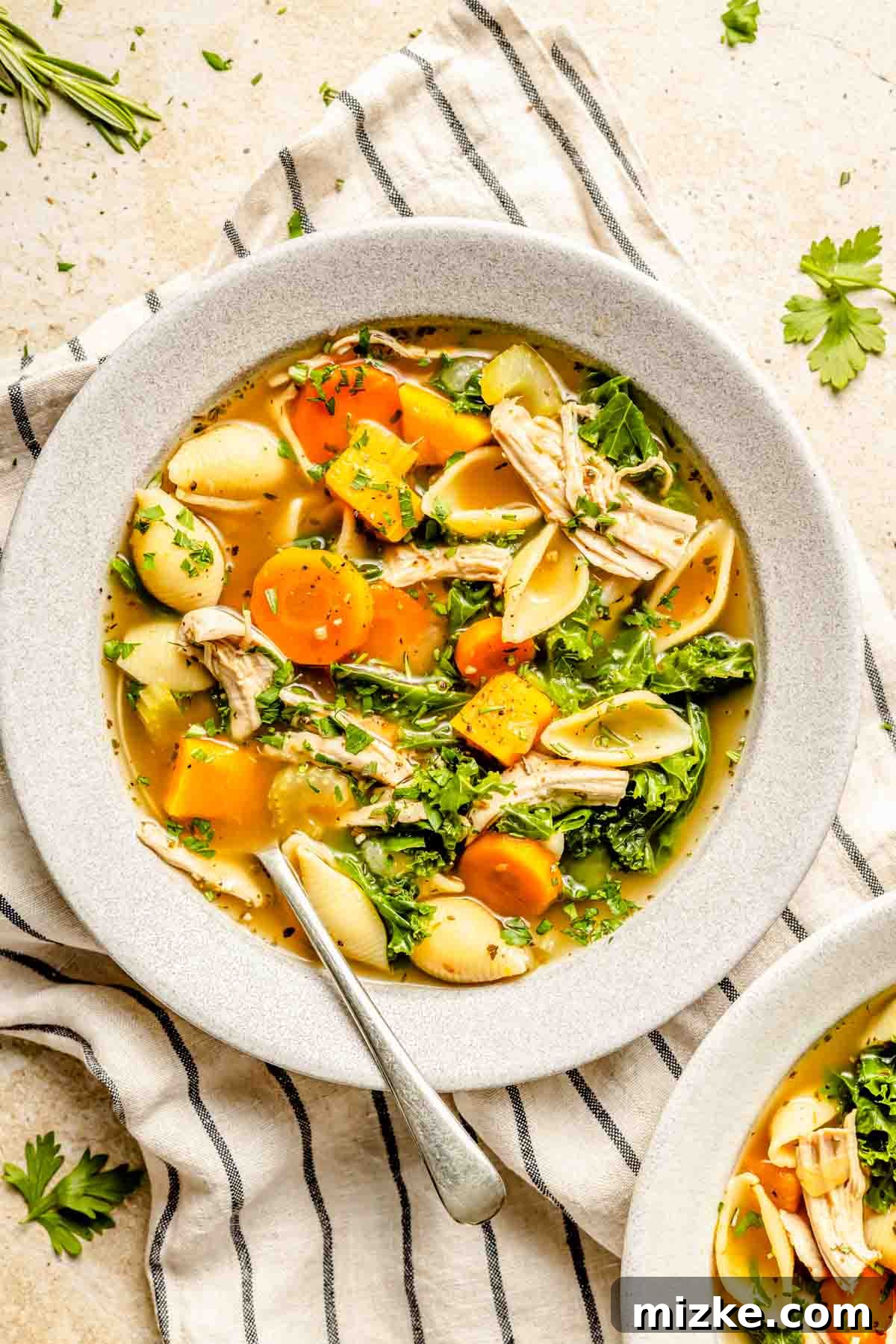
Hearty & Healthy Leftover Turkey Vegetable Soup: A Cozy Post-Holiday Meal
After the grand feast of Thanksgiving, or any occasion featuring a delicious turkey, you might find yourself with an abundance of leftovers. While turkey sandwiches are a classic, why not transform that succulent poultry into something truly comforting, nourishing, and incredibly flavorful? This **Turkey Vegetable Soup** is the ultimate solution, hitting all the right notes for a lighter meal after indulgence, a cozy evening by the fire, or simply when you crave a wholesome, vegetable-forward dish that warms you from the inside out.
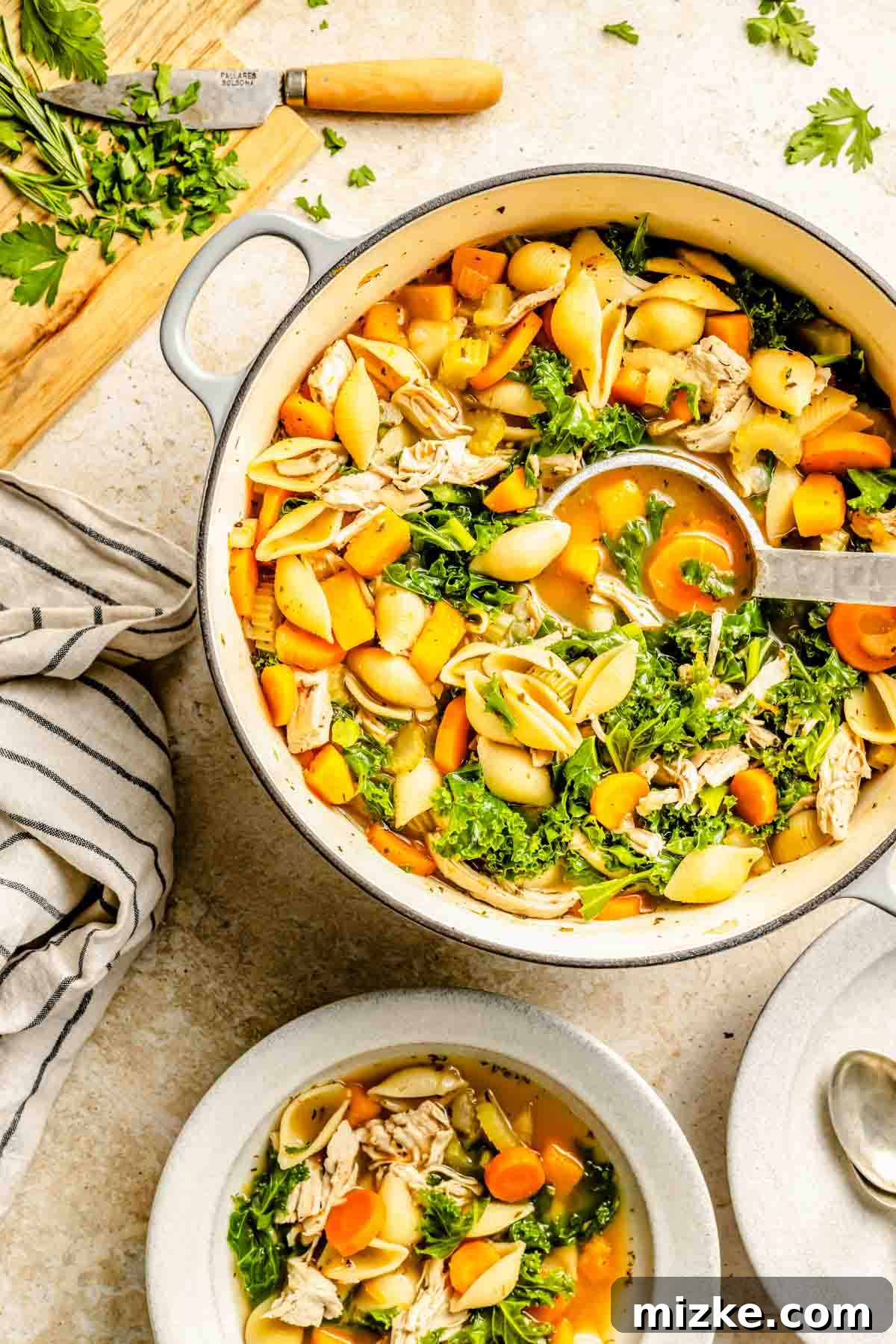
Transforming Holiday Leftovers: The Ultimate Turkey Vegetable Soup
If you’re anything like me, the week following a holiday like Thanksgiving is when culinary creativity truly blossoms. With plenty of leftover turkey at hand, the possibilities are endless. Instead of letting it go to waste, this homemade turkey vegetable soup provides a fantastic and healthy way to repurpose your holiday bird. Turkey is incredibly versatile, easy to shred or slice, and can be incorporated into countless dishes. Beyond this delectable soup, consider transforming your leftovers into creative meals such as skillet turkey pot pie, savory baked turkey and cheddar cranberry sandwiches, or a creamy wild rice soup (easily adapted with turkey). For a more adventurous twist, these turkey chilaquiles offer a unique flavor experience.
However, for sheer comfort and wholesome goodness, nothing beats a bowl of this turkey vegetable soup. It’s designed to be a lighter alternative to heavier holiday meals, brimming with a vibrant medley of fresh, seasonal vegetables, tender shredded turkey, and a rich, aromatic broth. While we love the textural contrast that shell pasta adds to each spoonful, you can easily omit it if you prefer to keep this recipe low-carb or gluten-free. Should you choose to skip the pasta, we highly recommend increasing the quantity of vegetables to ensure every ladle-full is packed with satisfying ingredients and robust flavor.
Why You’ll Love This Healthy & Hearty Soup
- Perfect for Leftovers: A brilliant way to reduce food waste and extend the enjoyment of your holiday turkey, giving it a delicious second life.
- Nutrient-Packed: Loaded with a vibrant array of fresh vegetables, this soup is a powerhouse of essential vitamins, minerals, and fiber, contributing to a truly wholesome meal.
- Lean Protein Source: Turkey provides high-quality lean protein, making this soup incredibly satisfying and an excellent component of a balanced diet.
- Incredibly Customizable: This recipe serves as a fantastic foundation, allowing you to easily adapt ingredients based on what you have on hand, seasonal availability, or your specific dietary preferences.
- Comforting & Flavorful: A warm, savory broth, deeply infused with fragrant herbs and spices, creates an incredibly comforting and delicious experience, perfect for warming up on chilly days or after a long day.
- Freezer-Friendly: An excellent option for meal prepping, allowing you to batch cook and store portions to enjoy homemade goodness on busy weeknights or whenever a craving strikes.
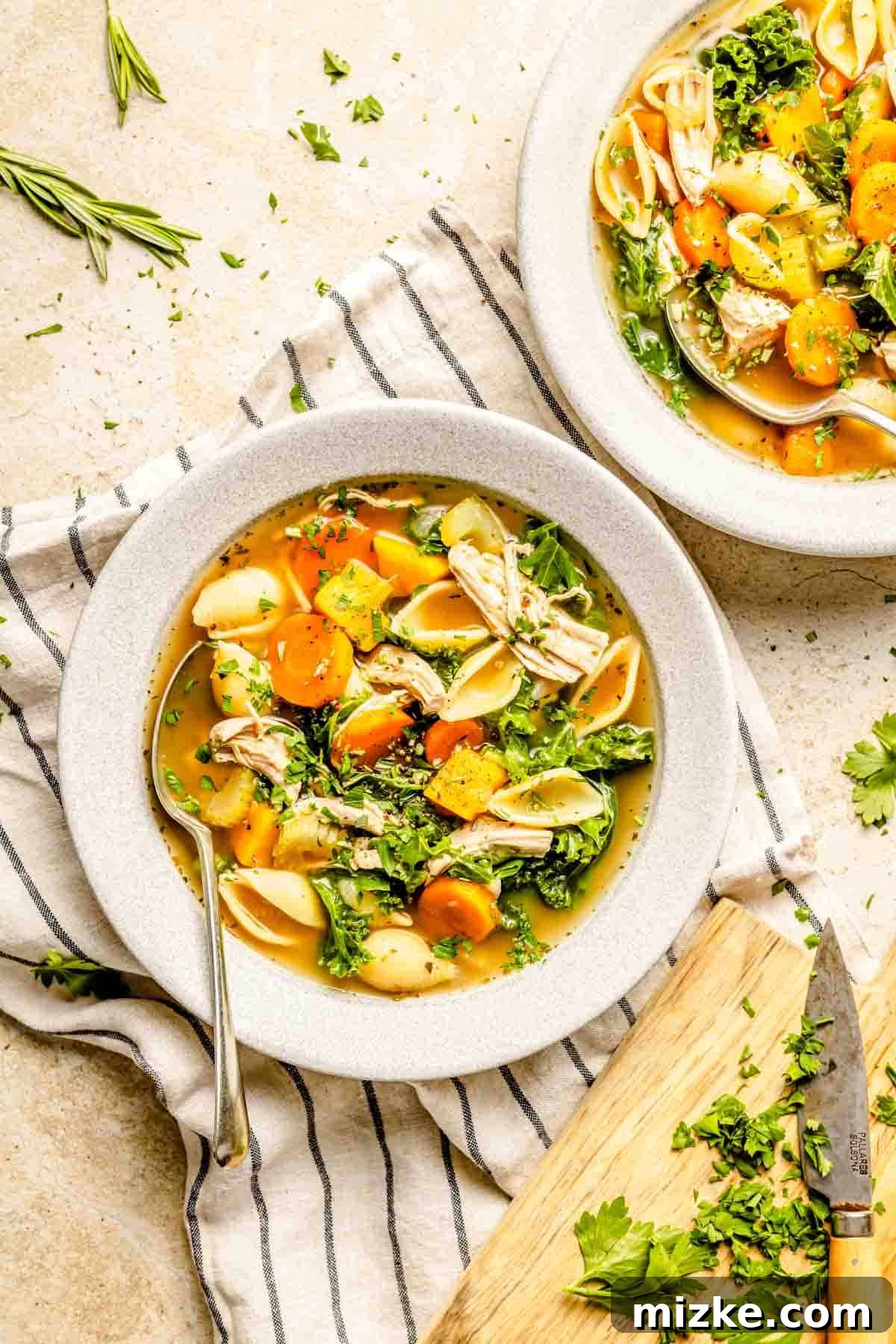
Recipe Tips & Expert Substitutions for Your Perfect Soup
Crafting the perfect turkey vegetable soup is all about balancing flavors and textures, and making it uniquely yours. Here are some pro tips and substitution ideas to help you customize this recipe, ensuring a delicious and satisfying experience every time:
- Choosing Your Pasta Shapes: When adding pasta to soup, you’ll generally want to use **short-cut pasta shapes** rather than long strands. Varieties like shells (as used here), elbows, orzo, ditalini, or small macaroni work exceptionally well. Their compact size makes them easier to eat with a spoon and ensures they cook evenly in the broth. The crucial step is to cook the pasta until it’s just *al dente* – tender but still firm to the bite. Overcooked pasta can quickly become mushy and absorb too much liquid, significantly altering the soup’s consistency. If you’re planning to freeze portions of the soup with pasta, consider cooking the pasta separately and adding it upon reheating, or slightly undercooking it before freezing (more on this in the storage section below). For a gluten-free option, use your favorite gluten-free short-cut pasta, adjusting cooking times as per package directions.
- Selecting Hearty Vegetable Options: This soup thrives on a variety of hearty vegetables that can stand up to simmering without breaking down into a soft puree. Root vegetables and winter squashes are ideal choices. Beyond the carrots, celery, and butternut squash specified in the main recipe, consider adding or substituting other robust options:
- **Sweet potatoes** (diced into ½-inch cubes) will add a touch of sweetness and vibrant color.
- **Parsnips** (peeled and diced) offer an earthy, slightly sweet flavor similar to carrots.
- **Turnips** (peeled and diced) provide a mild, slightly peppery note.
- **Red or Yukon Gold potatoes** (diced, no need to peel if organic) contribute a creamy texture.
- **Acorn squash** or **delicata squash** (peeled, seeded, and diced) offer similar richness to butternut squash.
These vegetables will add wonderful depth of flavor and maintain their structure throughout the cooking process. If you wish to include quicker-cooking or more delicate vegetables like peas, corn, or diced zucchini, stir them in during the last 5-10 minutes of cooking to prevent them from becoming overcooked and losing their vibrancy.
- Incorporating Leafy Greens: Adding leafy greens is an excellent way to boost the nutritional value and introduce a lovely fresh element to the soup. While kale is a fantastic choice for its texture and robust flavor, feel free to use your favorite dense greens:
- **Lacinato (dinosaur) kale** works beautifully, offering a slightly milder flavor and a more tender texture once cooked compared to curly kale.
- **Baby spinach** is another excellent, incredibly quick-cooking option; add it right at the end, just before serving, as it wilts almost instantly with the residual heat.
- **Swiss chard** (stems removed and chopped) or **collard greens** (finely chopped) would also be delicious, though collards might require a slightly longer simmer to tenderize fully.
It’s generally best to avoid very delicate greens like iceberg lettuce or romaine, as they will break down too quickly and lose their desirable texture and flavor in the hot soup. Always add your chosen greens towards the very end of the cooking process, allowing them just enough time to wilt and become tender-crisp.
- Broth Choices for Deeper Flavor: The foundation of any great soup is its broth. Using homemade turkey broth (especially if made from your Thanksgiving turkey carcass) will infuse the soup with the most authentic and deep turkey flavor. However, high-quality store-bought chicken broth or vegetable broth works perfectly well. Opt for low-sodium versions to better control the overall seasoning and saltiness of your soup, allowing you to adjust it to your taste.
- Herb and Spice Variations: The recipe features a classic, aromatic blend of dried thyme, sage, and oregano, beautifully complemented by a bay leaf. Feel free to adjust these quantities to your personal preference or experiment with other herbs. A touch of dried rosemary, added sparingly, can introduce another layer of autumnal flavor. For those who enjoy a little heat, a pinch of red pepper flakes can be added when sautéing the aromatics.
- No Leftover Turkey? No Problem!: If you’re craving this comforting soup but don’t have any cooked turkey on hand, it’s incredibly easy to adapt. You can cook boneless, skinless chicken breast or thighs, shred them, and use them in place of turkey for a similar result. A store-bought rotisserie chicken is also a fantastic and quick substitute. For a wholesome vegetarian version, simply omit the turkey entirely and ensure you’re using vegetable broth, then add a can of drained and rinsed cannellini or great northern beans for extra protein and heartiness.
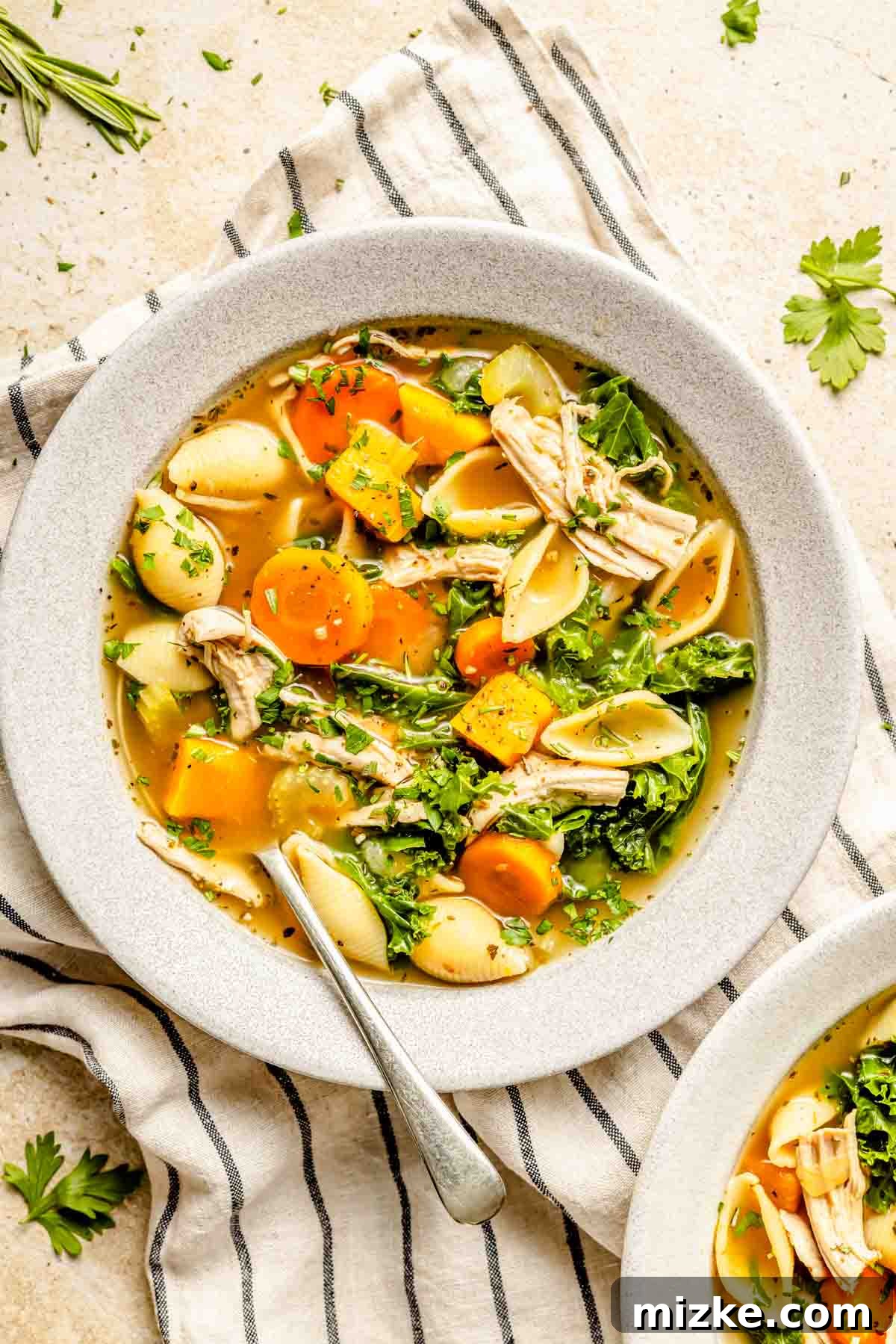
Storage and Reheating Instructions for Lasting Enjoyment
Proper storage is essential to prolong the freshness of your homemade turkey vegetable soup, and knowing the best reheating methods ensures you enjoy it at its peak taste and texture every time.
Refrigeration:
Once your soup has cooled to room temperature (this is important to prevent bacterial growth and safely cool the soup), transfer it into an airtight container. Stored correctly, this delicious soup will remain fresh and flavorful in the refrigerator for up to **5 days**. This extended shelf life makes it an excellent candidate for meal prep, providing convenient and nourishing meals throughout your week.
When it comes to reheating, we strongly recommend using the **stovetop** rather than a microwave. Reheating on the stovetop allows for gentle, even heat distribution, which helps to preserve the delicate flavors of the broth and prevents the vegetables and pasta from becoming overcooked, mushy, or rubbery. Simply place the desired portion of soup in a saucepan over medium-low heat, stirring occasionally, until it is thoroughly warmed through and simmering gently. If you notice the soup has thickened considerably or if the pasta has absorbed a significant amount of liquid, feel free to add a splash more broth or water to achieve your preferred consistency. It’s common for pasta, after sitting in liquid for an extended period, to become slightly softer and more “bloated” compared to when it was freshly cooked. Rest assured, this is a normal occurrence and does not detract from the soup’s overall flavor.
Freezing for Future Meals:
Turkey vegetable soup is remarkably freezer-friendly, making it an ideal candidate for batch cooking and long-term storage. To ensure the best possible quality upon reheating, particularly regarding the texture of the pasta, follow these steps:
- **Pre-Freezing Pasta Strategy**: Before the pasta in the main batch of soup is completely done cooking (aim for when it’s still quite firm, or *al dente* minus one or two minutes of its recommended cooking time), carefully remove the portion of soup you intend to freeze. This proactive step helps prevent the pasta from becoming overly soft or mushy when reheated later.
- **Container Preparation**: Transfer this slightly undercooked soup portion into high-quality freezer-safe containers. Remember to leave a small amount of headspace at the top of the container, as liquids expand when they freeze.
- **Cooling & Freezing**: Allow the soup to cool completely to room temperature before securely sealing the containers and placing them in the freezer. Properly frozen, your turkey vegetable soup can be stored for up to **3 months**, providing a convenient and delicious meal solution for future busy days.
You can then continue cooking the remainder of the soup (the portion you’re not freezing) until the pasta is perfectly tender, then serve as usual.
To reheat from its frozen state, simply place the frozen block of soup (you might need to run the container under warm water to release it) into a pot on the stovetop. Reheat over medium heat, stirring occasionally and gently breaking up the frozen chunks as it thaws, until it is fully warmed through and simmering gently. Just like with refrigerated soup, you may find it beneficial to add a bit of extra broth or water to adjust the consistency, especially if the pasta has soaked up additional liquid during freezing and thawing.
Turkey Vegetable Soup Recipe
By: Julie Chiou
Loaded with fresh veggies, shredded turkey, and herbaceous flavor, you really can’t go wrong with this nutritious and hearty soup!
Equipment
- Dutch oven or large heavy-bottomed soup pot
Ingredients
- 1 tablespoon olive oil
- ½ white onion, diced
- 2 cloves garlic, minced
- 1 bay leaf
- 1 teaspoon kosher salt
- 1 teaspoon dried thyme
- 1 teaspoon dried sage
- 1 teaspoon dried oregano
- ½ teaspoon ground black pepper
- 8 cups (1893 ml) turkey or chicken broth
- 3 carrots, peeled and diced into ½” pieces
- 3 celery stalks, diced into ½” pieces
- 2 cups (280 g) butternut squash, cut into ½” cubes
- 8 ounces (227 g) shell shaped pasta (or other short-cut pasta)
- 2 cups (199 g) shredded cooked turkey
- 2 cups (134 g) chopped kale (or baby spinach)
Instructions
-
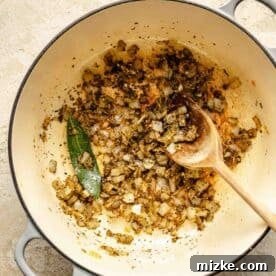
Add the olive oil to a deep soup pot or Dutch oven and place it over medium heat. Once the oil is shimmering, add the diced white onion and cook, stirring occasionally, until it becomes translucent and softened, which typically takes about 5 minutes.

Sautéing the aromatics and herbs to build a rich flavor base. -
Stir in the minced garlic, bay leaf, kosher salt, dried thyme, dried sage, dried oregano, and ground black pepper. Continue to cook for another 2 minutes, stirring constantly, until the garlic becomes fragrant and the dried herbs release their aromatic oils. Be careful not to burn the garlic.
Pouring in the savory broth to begin the simmering process. -
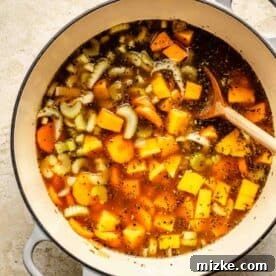
Pour in the turkey or chicken broth. Increase the heat to high and bring the broth to a rolling boil. Once boiling, reduce the heat to medium-low, cover the pot, and let it simmer gently for 30 to 45 minutes, or until the butternut squash and carrots are tender when pierced with a fork.
Vegetables simmering until tender, absorbing all the delicious flavors. -
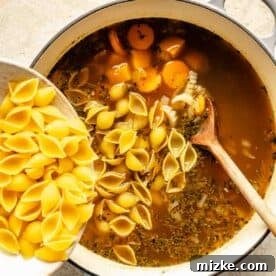
Increase the heat back to high and bring the soup to a boil again. Add the shell-shaped pasta and cook uncovered, stirring occasionally to prevent sticking, until the pasta is tender to your liking (al dente). Cooking time will vary based on the type of pasta; refer to package instructions for approximate cooking times.
Adding pasta to the boiling soup to cook until al dente. -
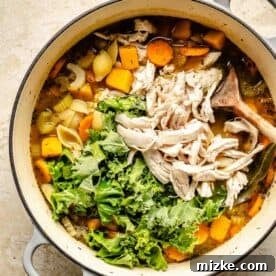
Once the pasta is cooked, remove the pot from the heat. Stir in the shredded cooked turkey and the chopped kale. The residual heat from the hot soup will be sufficient to warm the turkey through and wilt the kale to a tender consistency.
Finishing the soup by incorporating the tender turkey and fresh kale. -
Taste the soup and adjust seasoning if necessary, adding more salt or pepper to your preference. Divide the hearty turkey vegetable soup into individual bowls and serve immediately. Garnish with freshly minced parsley for a touch of vibrant color and freshness, if desired.

Nutrition Information (Approximate)
Serving: 1 serving (389 grams)
- Calories: 202 kcal
- Carbohydrates: 30g
- Protein: 11g
- Fat: 4g
- Saturated Fat: 1g
- Polyunsaturated Fat: 1g
- Monounsaturated Fat: 2g
- Trans Fat: 0.01g
- Cholesterol: 23mg
- Sodium: 1214mg
- Potassium: 399mg
- Fiber: 3g
- Sugar: 4g
This website provides approximate nutrition information for convenience and as a courtesy only. Nutrition information can vary for a variety of reasons. For the most precise nutritional data, please use your preferred nutrition calculator based on the actual ingredients you used in the recipe.
Serving Suggestions & Perfect Pairings
This hearty Turkey Vegetable Soup is incredibly satisfying on its own, easily serving as a complete and wholesome meal. However, it can be elevated and made even more delightful with the right accompaniments:
- Crusty Bread or Rolls: A classic pairing! A warm, crusty baguette, sourdough, or homemade dinner rolls are perfect for soaking up every last drop of the flavorful broth.
- Buttery Cornbread: A slice of warm, slightly sweet cornbread offers a delightful textural contrast and a comforting sweet-savory balance to the savory soup.
- Gooey Grilled Cheese Sandwich: The ultimate comfort food duo! A classic grilled cheese sandwich is an irresistible companion to any vegetable-based soup.
- Simple Side Salad: For a lighter touch, a crisp green salad tossed with a bright vinaigrette dressing can add a refreshing counterpoint to the richness of the soup.
- Gourmet Garnishes: Don’t underestimate the power of a good garnish to enhance both the visual appeal and the flavor profile. Freshly minced parsley (as suggested in the recipe), snipped chives, a swirl of plain sour cream or Greek yogurt for a creamy tang, a sprinkle of grated Parmesan cheese, or even a handful of homemade croutons can elevate your bowl.
Frequently Asked Questions About Turkey Vegetable Soup
- Can I make this soup vegetarian or vegan?
- Absolutely! To make it vegetarian, simply omit the turkey and use vegetable broth. For added protein and heartiness, you can incorporate a can of drained and rinsed cannellini beans, chickpeas, or lentils. For a vegan version, ensure your broth is vegetable-based and avoid any dairy-based garnishes like sour cream.
- What if I don’t have cooked turkey? Can I use raw turkey?
- Yes, you certainly can! If starting with raw turkey breast or thighs, dice them into small, bite-sized pieces (about 1-inch). You can then sear them in the Dutch oven with a little olive oil before adding the onions. Cook until nicely browned on all sides, then remove and set aside. Add the cooked turkey back into the soup along with the pasta or at the very end, as instructed. Alternatively, you could cook a turkey breast specifically for this soup by poaching or roasting it until tender, then shredding it.
- Do I have to use a Dutch oven?
- While a Dutch oven is highly recommended for its excellent heat retention and even cooking, any large, heavy-bottomed soup pot with a tight-fitting lid will work perfectly fine for preparing this recipe. The key is to have enough space for all the ingredients and broth to simmer comfortably.
- Can I add other vegetables?
- Definitely! This recipe is incredibly flexible and forgiving when it comes to vegetable additions. Feel free to incorporate other sturdy vegetables like diced potatoes, zucchini (add towards the end to prevent mushiness), green beans, or even some frozen peas or corn during the last few minutes of cooking. The more vegetables you add, the more nutritious and flavorful your soup will be!
- How can I make the soup creamier?
- For a creamier texture, you have a few options. You can remove about 1-2 cups of the cooked soup (focusing on the vegetables), blend it until completely smooth using an immersion blender or a regular blender, and then stir it back into the pot. This naturally thickens the soup without adding dairy. Alternatively, for a richer taste, stir in a splash of heavy cream, half-and-half, or full-fat coconut milk (for a dairy-free option) at the very end of cooking, just before serving. Be careful not to boil the soup vigorously after adding cream to prevent it from curdling.
This Turkey Vegetable Soup is more than just a clever way to utilize leftovers; it’s a heartfelt celebration of wholesome ingredients and comforting flavors. Whether you’re seeking a lighter meal after holiday indulgence, a nourishing weeknight dinner, or simply a bowl of warmth on a chilly day, this versatile soup delivers satisfaction and deliciousness in every spoonful. Give it a try, customize it to your heart’s content, and enjoy the cozy goodness!