

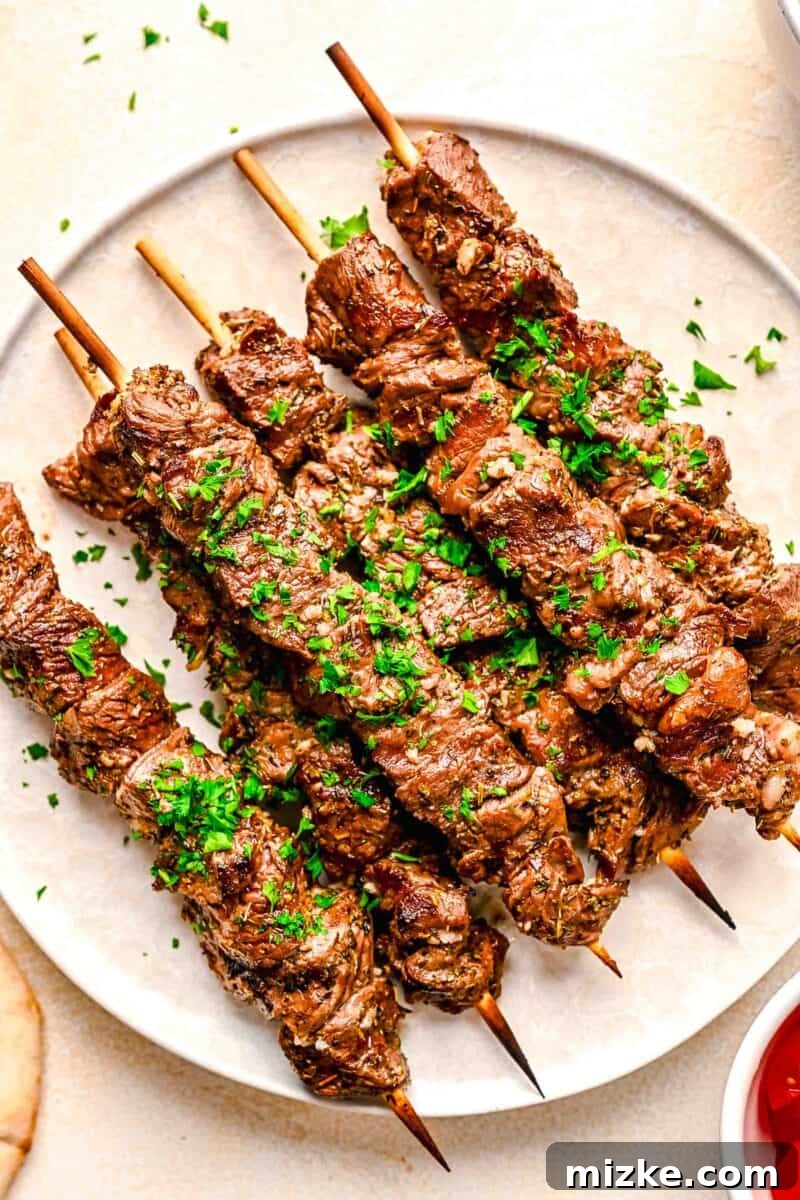
Greek Beef Souvlaki offers a delightful twist on the renowned Greek chicken souvlaki, bringing the vibrant essence of Hellenic cuisine straight to your home. Both versions share the spirit of classic street food: succulent pieces of marinated meat, expertly skewered and cooked to perfection over an open flame or on a grill. The rich, robust flavor of beef, infused with a zesty and aromatic marinade, creates an unforgettable culinary experience that’s both authentic and incredibly satisfying. Prepare to transport your taste buds to the sun-drenched shores of Greece with every delicious bite!
Unveiling the Flavors: Key Ingredients for Greek Beef Souvlaki
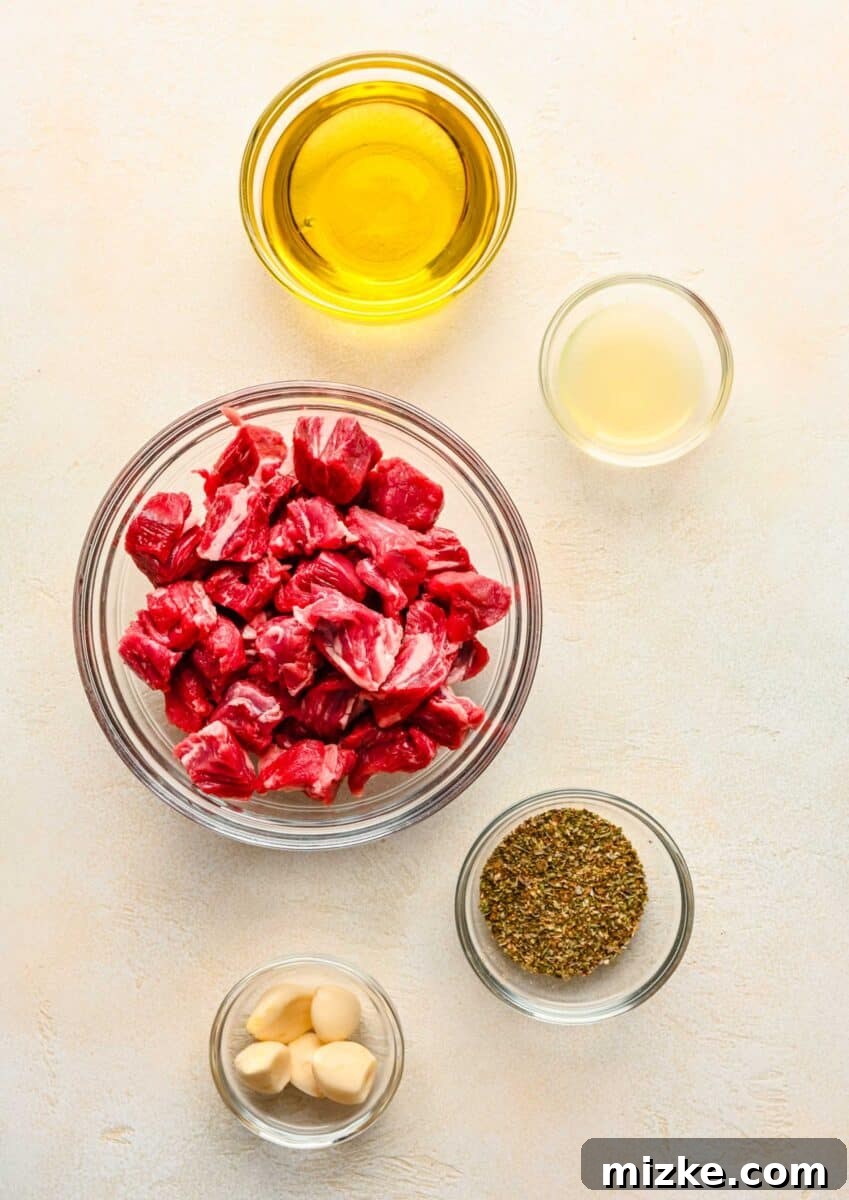
Crafting exceptional Greek Beef Souvlaki begins with selecting the finest ingredients and understanding their role in building that signature Mediterranean flavor profile. Each component contributes to the marinade’s ability to tenderize the beef and imbue it with irresistible zest and aroma.
- Olive Oil: The foundation of any good Greek marinade, high-quality extra virgin olive oil not only binds the flavors together but also helps keep the beef moist and tender during grilling, preventing it from drying out.
- Fresh Lemon Juice: This is a non-negotiable ingredient for authentic Greek flavor. Freshly squeezed lemon juice provides crucial acidity, which tenderizes the meat while imparting a bright, zesty tang that cuts through the richness of the beef.
- Garlic: A generous amount of finely minced fresh garlic is essential. It delivers a pungent, savory depth that is characteristic of Greek cuisine, complementing the lemon and herbs beautifully.
- Greek Seasoning: This spice blend is the heart and soul of souvlaki. It typically combines dried oregano, thyme, marjoram, salt, pepper, and sometimes a hint of cinnamon or nutmeg. My personal favorite Greek seasoning blend is a staple in my pantry, used generously on nearly everything. If you prefer a more hands-on approach, my homemade Greek seasoning recipe is equally fantastic and allows you to customize the blend to your preference. Both store-bought and homemade options work interchangeably to deliver that authentic taste.
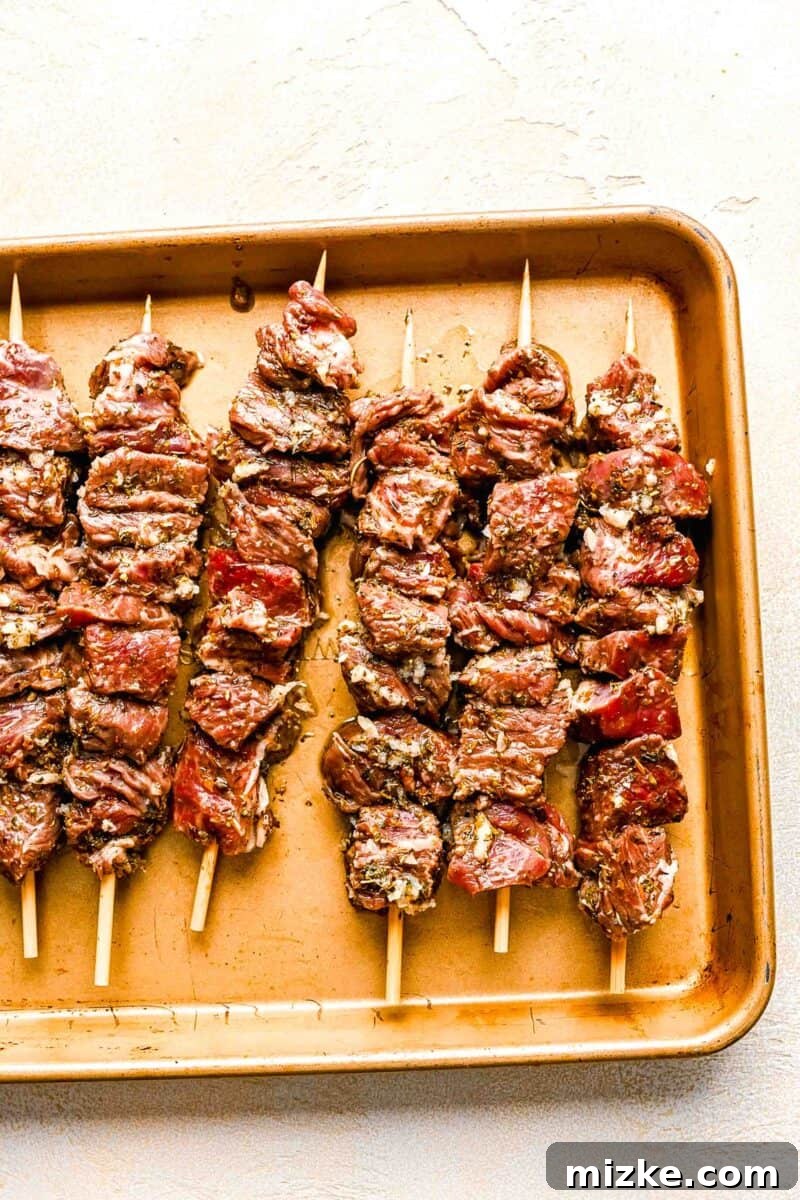
- Beef Chuck Roast: For the best souvlaki, choose a good quality beef chuck roast. This cut, when trimmed of excess fat and cubed into bite-sized pieces, becomes incredibly tender and flavorful after a proper marinade and grilling. Its marbling ensures juiciness, making it ideal for skewering and high-heat cooking.
Beef Souvlaki: Creative Variations and Customizations
While classic Greek Beef Souvlaki is a culinary delight on its own, there are many ways to adapt this dish to suit different tastes and dietary preferences. Don’t hesitate to get creative with your skewers and marinades!
If red meat isn’t your preference, or you’re simply looking for a lighter option, then chicken souvlaki is an excellent alternative. The same vibrant Greek marinade works beautifully with chicken breast or thigh, yielding equally tender and flavorful results.
To incorporate more vegetables into your meal and create a colorful, balanced skewer, consider adding chunks of fresh produce directly onto the beef souvlaki. Red bell pepper, green zucchini, and red onion are fantastic choices that cook simultaneously with the beef, absorbing the marinade’s flavors and adding a delightful crunch. Other great options include cherry tomatoes, mushrooms, or even thick slices of eggplant. Remember to cut vegetables into pieces roughly the same size as the beef so they cook evenly.
The marinade itself offers a canvas for customization. While the core ingredients—olive oil, lemon, garlic, and Greek seasoning—are fundamental, you can certainly adjust the quantities or introduce new elements. Feel free to add more fresh garlic for an extra kick, or even a pinch of garlic powder for a slightly different garlic essence. A touch of dried mint or fresh dill can add another layer of traditional Greek aroma. For a slightly spicy twist, a dash of red pepper flakes can be a welcome addition.
Frequently Asked Questions About Greek Beef Souvlaki
The primary distinction between a kabob (or kebab) and souvlaki lies in their geographical origin and specific culinary traditions. Kabobs are a broad category of skewered meat dishes originating from the Middle East, Central Asia, and South Asia, encompassing a wide variety of preparations. Souvlaki, on the other hand, is distinctly Greek. While both involve skewered and grilled meat, kabobs often feature a more diverse range of spices and frequently include vegetables directly on the skewer alongside the meat. Traditional Greek souvlaki typically focuses solely on the marinated meat, with vegetables served as a side or sometimes on separate skewers.
While a quick marinade of 30 minutes will certainly impart some flavor, for maximum tenderness and a deeply infused taste, it’s highly recommended to marinate the beef for at least 3 hours. The acidity from the lemon juice and the enzymes in the olive oil and garlic need time to work their magic, breaking down the beef fibers and allowing the robust Greek seasonings to fully penetrate the meat. For the most exceptional results, consider marinating the beef overnight, up to 12-24 hours, in the refrigerator.
If you’re unable to find a pre-made Greek seasoning blend, don’t fret! You have a couple of excellent options. You can easily make your own Greek seasoning from scratch using common pantry herbs like dried oregano, thyme, marjoram, a pinch of salt, and black pepper. This allows for full control over the flavor profile. Alternatively, while they will yield slightly different flavor profiles, Italian seasoning or Herbs de Provence can serve as acceptable substitutes in a pinch. However, for that truly authentic Greek taste, making your own blend is highly encouraged. You’ll likely find yourself making souvlaki often once you master the seasoning!
Wooden skewers are prone to burning, especially over high heat, because the dry wood can easily ignite. To prevent this, it’s crucial to soak your wooden skewers in water for at least 30 minutes (or preferably an hour) before threading your meat onto them. This allows the wood to absorb moisture, making them much more resistant to charring or burning when exposed to the grill’s heat. As a convenient alternative, you can always opt for metal skewers, which are reusable and completely eliminate the risk of burning.
Achieving your preferred beef doneness is key to a perfect souvlaki. Here’s a general guide for internal temperatures:
- Rare: 125°F (52°C) – Center is cool red.
- Medium-rare: 130-135°F (55-57°C) – Center is warm red.
- Medium: 135-145°F (57-63°C) – Center is warm pink.
- Medium-well: 145-155°F (63-68°C) – Center is slightly pink.
- Well done: 155°F (68°C) and above – Center is gray/brown, no pink.
Always use a reliable meat thermometer inserted into the thickest part of the beef for the most accurate reading.
Storage Instructions for Leftover Souvlaki
Should you have any delectable Greek Beef Souvlaki left over, proper storage ensures it remains delicious for future enjoyment. Once the grilled beef has cooled completely to room temperature (this is important for food safety), transfer it to an airtight glass container with a secure lid. It can then be stored in the refrigerator for up to five days. When you’re ready to reheat, you have several options: simply pop it into an air fryer for a crispy exterior, warm it gently in the microwave, or use a toaster oven until it’s just heated through, ensuring it doesn’t dry out.
Serving Suggestions for a Complete Greek Feast
Greek Beef Souvlaki is incredibly versatile and pairs wonderfully with a variety of traditional accompaniments, creating a truly authentic Mediterranean dining experience. Here are some of the best ways to serve your homemade souvlaki:
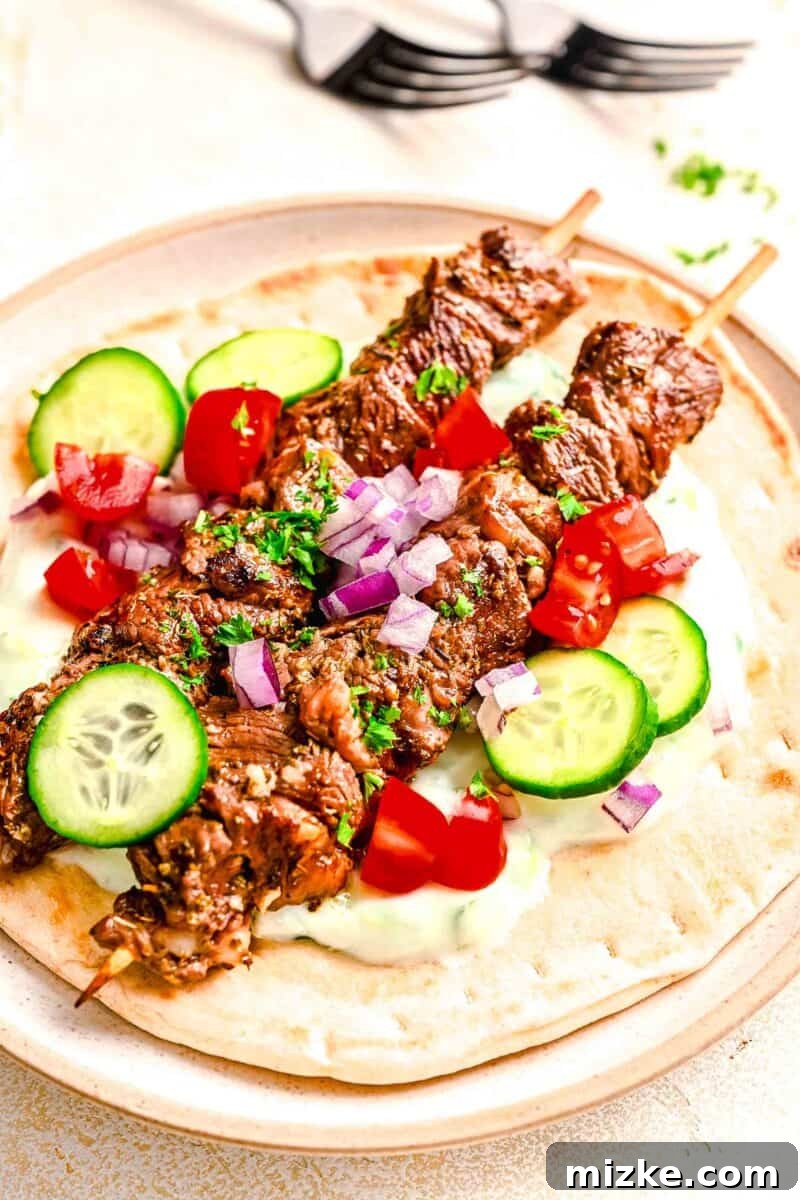
- Pita Bread: Traditionally, souvlaki is served nestled in warm, soft pita bread. The pita acts as a perfect vessel, soaking up all the delicious juices and flavors from the meat and sauces.
- Tzatziki Dip: A generous dollop of homemade Tzatziki Dip is absolutely essential. This creamy, refreshing cucumber-yogurt sauce provides a cool contrast to the savory beef and a burst of fresh flavor.
- Cucumber Tomato Salad: A crisp and refreshing Cucumber Tomato Salad (often with red onion and a simple lemon-olive oil dressing) adds a vital element of freshness and crunch, balancing the meal beautifully.
- Hummus: For an extra layer of richness and flavor, a side of creamy Hummus is always a welcome addition. Its earthy chickpea flavor complements the grilled beef perfectly.
- Pita Chips: Instead of, or in addition to, soft pita, crunchy Air Fryer Pita Chips are fantastic for dipping into tzatziki or hummus.
Don’t have pita bread on hand? No problem! You can easily make Homemade Naan for a similar soft, chewy bread experience, or even use Flour Tortillas as a convenient substitute. Round out your meal with some fluffy rice or a simple side of roasted potatoes for a truly satisfying and complete Greek feast!
Print Recipe
Greek Beef Souvlaki
Julie Chiou
10 minutes
15 minutes
3 hours
3 hours
25 minutes
4
Equipment
-
Outdoor grill
-
Skewers (wooden or metal)
Ingredients
-
2
tablespoons
olive oil - Juice of 1 lemon (freshly squeezed)
-
4
garlic cloves,
finely minced -
2
tablespoons
Greek seasoning
-
1 ½
pounds
(680 g)
chuck roast,
trimmed and cubed into bite-sized pieces -
Fresh parsley,
for garnish
Instructions
-
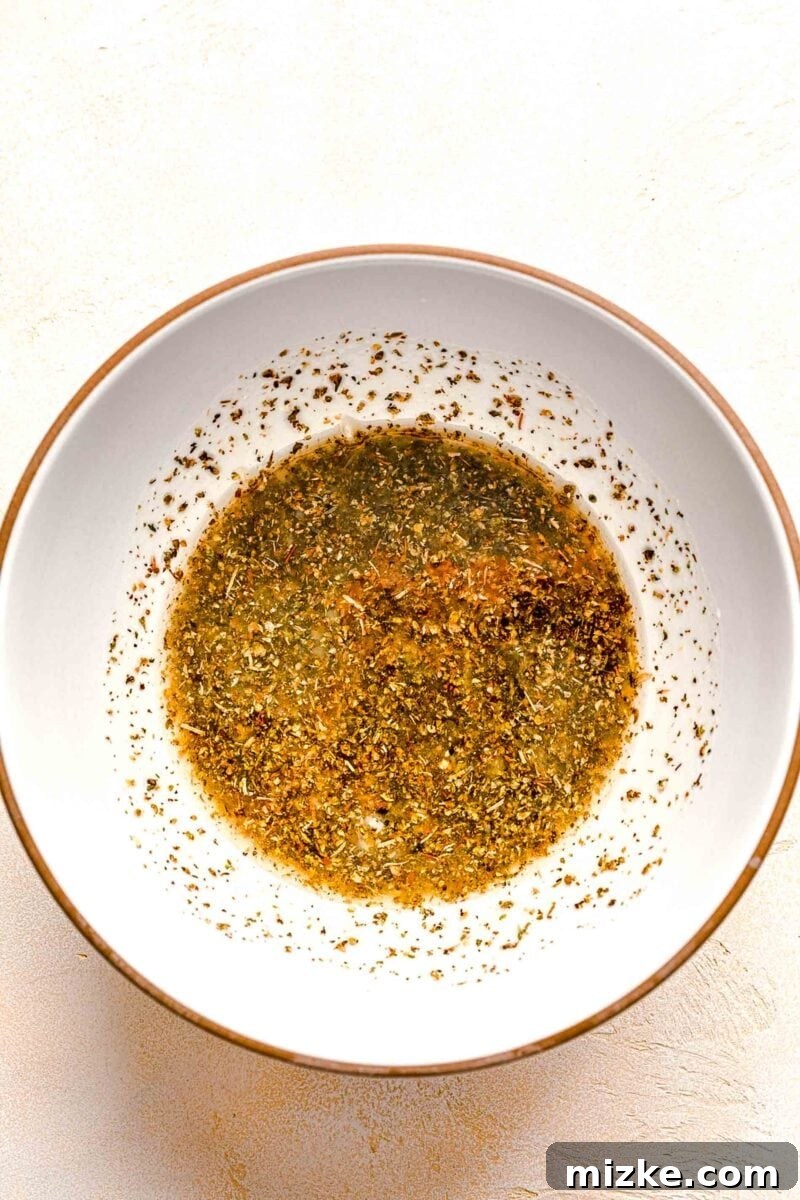
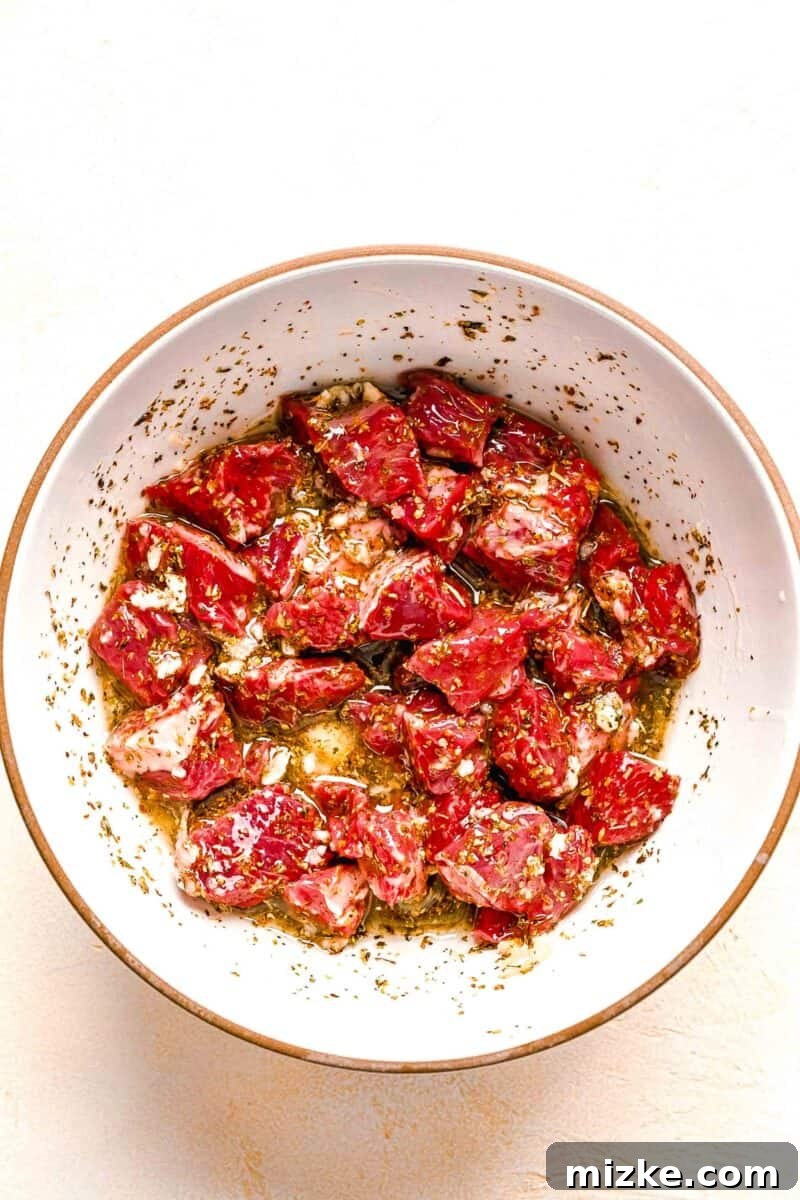
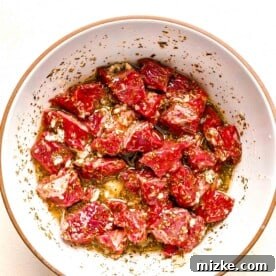
In a large bowl, combine the olive oil, lemon juice, minced garlic, and Greek seasoning to create the marinade. Add the cubed beef pieces to the bowl. Using your hands or a spoon, toss everything together until the beef is fully and evenly coated in the marinade. Cover the bowl and refrigerate for a minimum of 3 hours to allow the flavors to meld and tenderize the meat.2 tablespoons olive oil, Juice of 1 lemon, 4 garlic cloves, 2 tablespoons Greek seasoning, 1 ½ pounds (680 g) chuck roast

-
Preheat your outdoor grill to high heat. While the grill is heating, if you are using wooden skewers, immerse them in water for at least 30 minutes. This prevents them from burning on the grill. If you are using metal skewers, you can skip this soaking step.
-
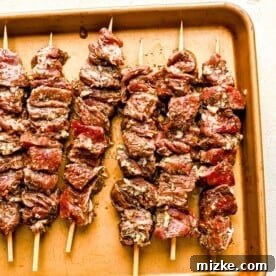
Carefully thread the marinated beef pieces onto your prepared skewers. We found that 8-inch wooden skewers work well for this recipe, allowing for a good portion of meat per skewer.
-
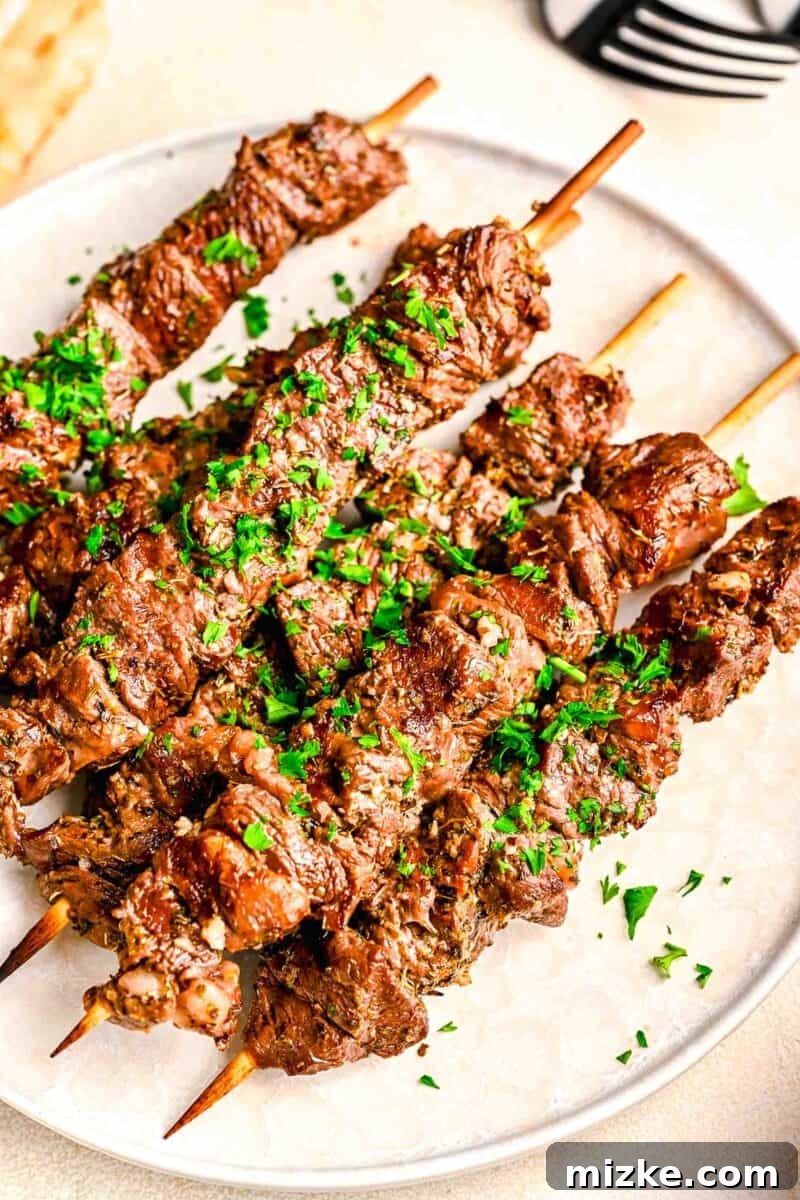
Place the skewered beef directly on the preheated grill. Grill for 2-3 minutes per side, rotating frequently, until the beef reaches your desired level of doneness (refer to the doneness guide in the FAQs or Notes section). Once cooked, remove the skewers from the grill and let them rest for a few minutes before carefully removing the beef from the skewers and plating. This resting period helps the juices redistribute, ensuring tender and flavorful meat.
-
Before serving, sprinkle generously with freshly chopped parsley for a pop of color and fresh herbaceous flavor.Fresh parsley
-
Serve your delicious Greek Beef Souvlaki immediately with traditional accompaniments such as fluffy rice, creamy tzatziki sauce, warm pita bread, thinly sliced red onions, and a fresh Greek salad. Enjoy your homemade Greek feast!
Notes
Beef Doneness Levels for Grilling:
Rare: 125°F (52°C) – Cool red center
Medium-rare: 130-135°F (55-57°C) – Warm red center
Medium: 135-145°F (57-63°C) – Warm pink center
Medium-well: 145-155°F (63-68°C) – Slightly pink center
Well done: 155°F (68°C) and above – Gray/brown center, no pink
Always use an instant-read thermometer for accurate results to ensure your beef is cooked to your preferred level of doneness.
Nutrition Facts (Approximate per Serving)
Serving:
1
skewer (146 grams)
,
Calories:
196
kcal
,
Carbohydrates:
1
g
,
Protein:
24
g
,
Fat:
10
g
,
Saturated Fat:
2
g
,
Polyunsaturated Fat:
1
g
,
Monounsaturated Fat:
6
g
,
Trans Fat:
0.01
g
,
Cholesterol:
73
mg
,
Sodium:
132
mg
,
Potassium:
432
mg
,
Fiber:
0.1
g
,
Sugar:
0.03
g
This website provides approximate nutrition information for convenience and as a courtesy only. Nutrition information can vary for a variety of reasons. For the most precise nutritional data use your preferred nutrition calculator based on the actual ingredients you used in the recipe.
The default measuring system for this website is US Customary. Unit conversions are provided for convenience and as a courtesy only. While we strive to provide accurate unit conversions, please be aware that there may be some discrepancies.