
In today’s fast-paced world, managing a healthy lifestyle can feel like a constant battle, especially when it comes to meal preparation. We’re often left scrambling for quick solutions, which frequently leads to unhealthy choices or last-minute takeouts. But what if there was a simpler, more organized way to approach your daily meals? Enter **Meal Prepping**, a revolutionary habit that transforms chaotic kitchens into hubs of efficiency and healthy eating. If you’re looking to reclaim your evenings, save money, and elevate your diet, then mastering the art of meal prep is your ultimate secret weapon. Let’s dive deep into why meal prepping is not just a trend, but a sustainable lifestyle change that can dramatically improve your well-being.
Mealtime doesn’t have to be a source of daily stress or a chaotic rush against the clock. When you embrace a thoughtful plan and have ingredients prepped and ready, life becomes significantly smoother and more manageable. Imagine coming home after a long, demanding day, and instead of facing a mountain of cooking and chopping, you simply assemble or quickly heat a delicious, nutritious meal. This isn’t a pipe dream; it’s the everyday reality for those who consistently practice effective meal preparation.
The Unparalleled Benefits: Why Meal Prepping is a Game-Changer
The importance of meal prepping extends far beyond mere convenience. It’s a strategic approach to managing your diet, budget, and precious time. By dedicating a small amount of effort upfront, you unlock a cascade of benefits that make healthy living accessible and enjoyable.
1. Significant Time Savings Throughout the Week
This is arguably the most immediate and impactful benefit. Meal prepping makes the actual act of cooking much faster. The proof is in the pudding – or, in this case, in the prep work. I once timed my breakfast routine, a meal I love to make substantial. It used to take me a full 40 minutes because I had to meticulously wash, dry, and chop all my vegetables from scratch every morning. After adopting a meal prep routine, that time was slashed to a mere 25 minutes. Why? Because I simply grab pre-washed and pre-chopped veggies from their containers and head straight to the stove. That’s a 15-minute saving every single morning, totaling over an hour saved on breakfast alone each week! Multiply that across lunch and dinner, and the cumulative time saving is truly transformative.
When you set aside just one day—let’s say a couple of hours on a Sunday—to prepare as many ingredients as possible for the entire week, you eliminate the daily grind of prep work. This means no more tedious chopping, washing, or measuring before you even start cooking. You’re essentially skipping straight to the stove or oven, which makes cooking after a long, exhausting day go incredibly faster. Dinner on the table faster? Absolutely, sign me up!
2. Empowering Healthier Eating Habits
One of the biggest hurdles to maintaining a healthy diet is convenience. When hunger strikes, and you haven’t planned ahead, the easiest option often becomes the least healthy: takeout, processed snacks, or quick-fix meals loaded with unhealthy fats and sugars. Meal prepping eradicates this problem by ensuring that wholesome, nutritious options are always within arm’s reach. Having healthy meals ready to go means you’re less likely to succumb to impulse eating or unhealthy temptations. It empowers you to make conscious, beneficial food choices, helping you stick to your dietary goals, whether it’s weight management, increasing vegetable intake, or simply eating more home-cooked meals.
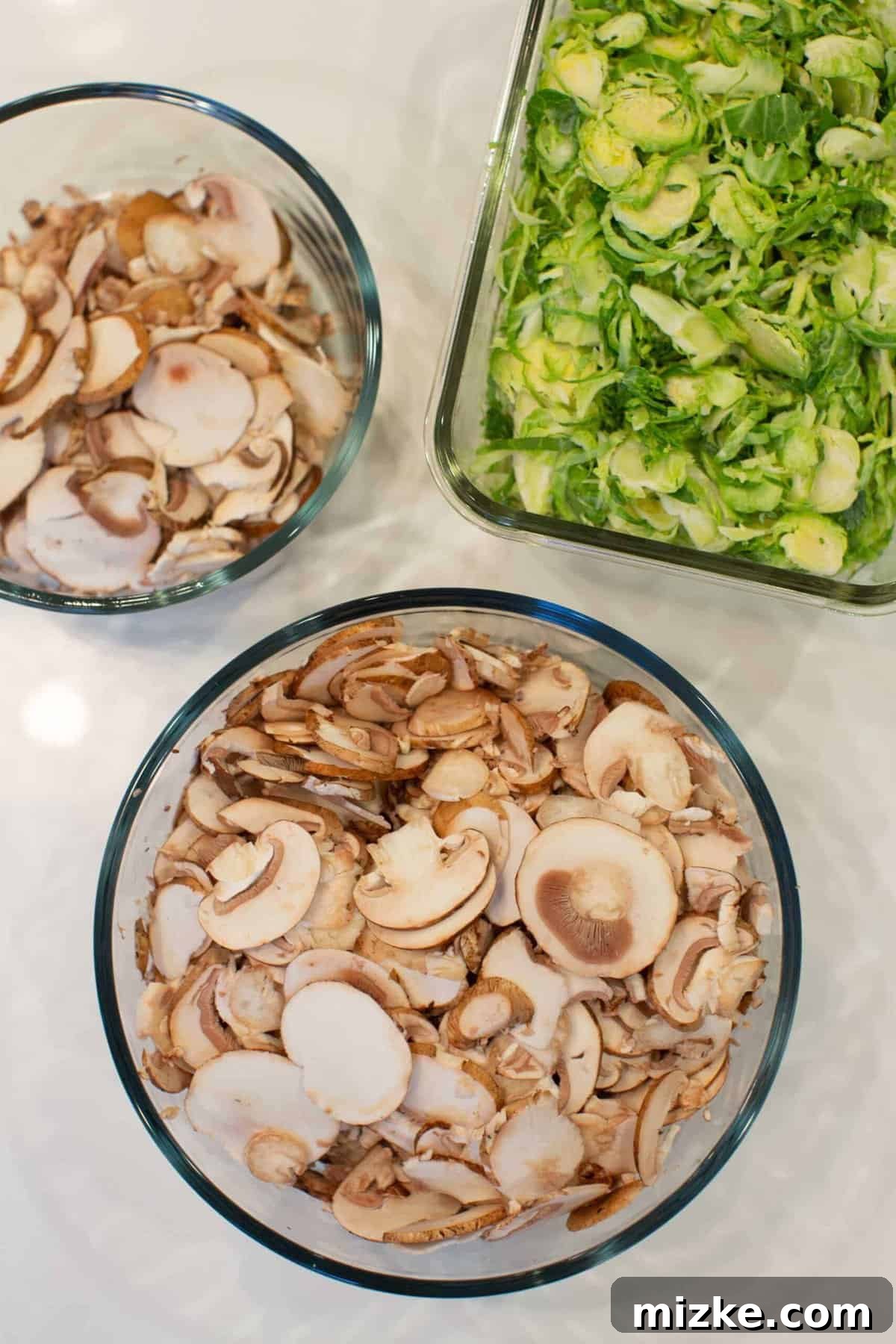
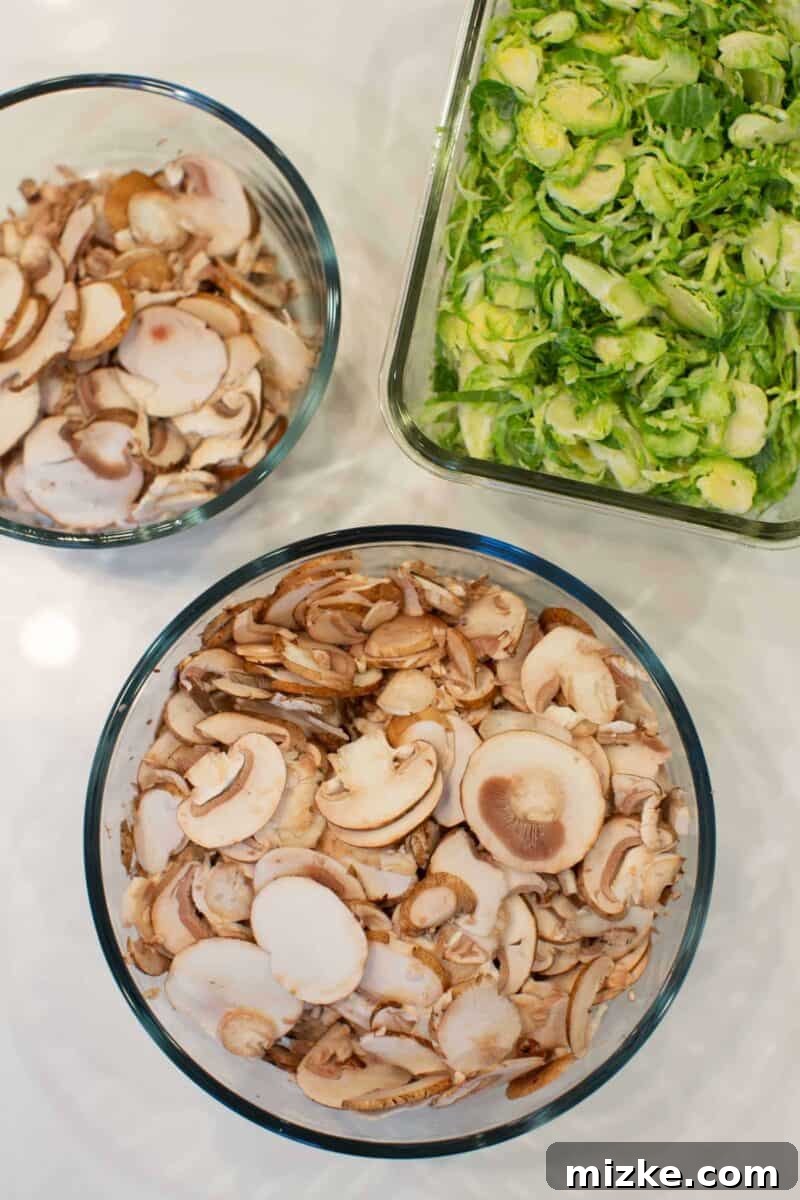
Consider the example of mushrooms. These versatile fungi can be quite time-consuming to prepare just before cooking. You need to gently wipe each one individually with a paper towel, then meticulously slice them thinly. During your designated prep day, you can accomplish all of this in one go. Once cleaned and sliced, store them properly in an airtight glass container, and on the day you plan to use them, all you have to do is retrieve them from the fridge and toss them into your skillet. This simple act of foresight not only saves time but also ensures that healthy ingredients are readily available when inspiration (or hunger) strikes.
3. Significant Cost Savings and Reduced Food Waste
Meal prepping is a powerful tool for your wallet too. When you plan your meals, you buy only what you need, reducing impulse purchases at the grocery store. Moreover, by preparing and storing ingredients efficiently, you dramatically cut down on food waste. How many times have fresh vegetables languished in your fridge, only to spoil before you had a chance to use them? With meal prep, every ingredient has a purpose. Vegetables, once washed and sliced, won’t spoil quickly, provided they are dried thoroughly and stored in a tight container. I often place a sheet of paper towel on top of my container to absorb any excess moisture, ensuring my produce stays crisp and fresh for longer. This proactive approach ensures that your groceries are utilized to their fullest potential, saving you money and contributing to a more sustainable kitchen.
4. Stress Reduction and Mental Clarity
The mental burden of deciding what to cook every single day, followed by the actual cooking process, can be exhausting. Meal prepping alleviates this “decision fatigue.” When your meals are planned and largely prepared, you free up mental space and energy that can be channeled into other aspects of your life. This sense of organization and control brings a profound calm to your evenings and mornings, making your daily routine feel less like a sprint and more like a smooth, enjoyable journey. It’s about creating peace in your kitchen and, by extension, in your life.
Getting Started with Meal Prep: A Practical Guide
While the idea of meal prepping might seem daunting at first, especially for beginners, it’s a habit that becomes second nature with practice. The key is to start small and find a routine that works for you. I typically like to prep most of the ingredients I’ll be using during the week. This involves meticulously washing and chopping all my vegetables and sometimes even pre-cooking certain proteins. It does take some time to truly get into the groove, but once you experience the undeniable benefits of speed and convenience, you’ll wonder how you ever managed without it.
My Weekly Meal Prep Ritual: A Step-by-Step Approach
My personal meal prep routine is ingrained into my weekly schedule. Every Saturday morning, I dedicate time to grocery shopping, carefully selecting all the ingredients I’ll need for the upcoming week. This consistent schedule helps maintain discipline and ensures I always have fresh produce on hand.
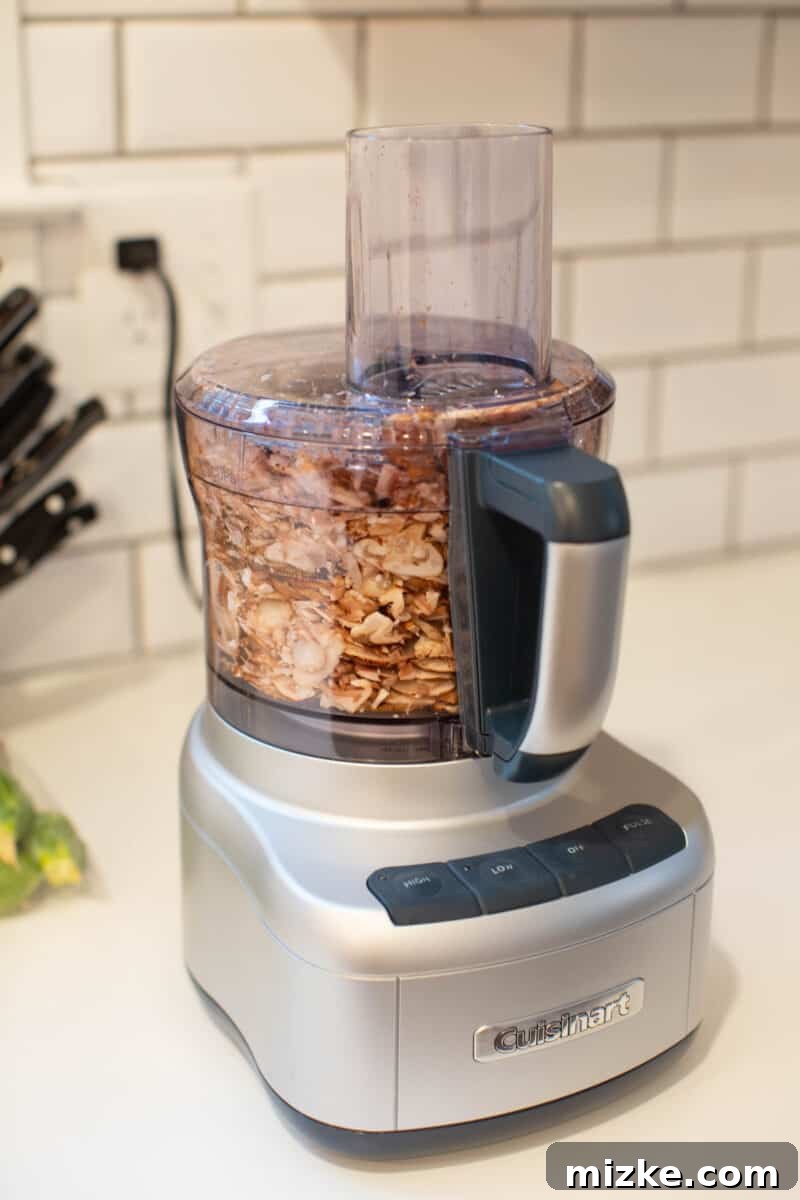
Upon returning home, I immediately unpack all my groceries. This is when the magic begins. I whip out my trusty food processor – a meal prep essential – along with a selection of glass containers, and commence the washing and chopping process. It’s an efficient assembly line. I’m often surprised at how quickly I get through everything; it honestly only takes me about an hour to complete all the major prepping for the week.
What to Prep (and What Not To)
The goal is to do as much as you *can* ahead of time. This typically includes:
- Washing and chopping vegetables: Carrots, bell peppers, onions, broccoli, cauliflower, zucchini, leafy greens, mushrooms.
- Pre-cooking grains: Quinoa, brown rice, farro. These are perfect for quick additions to salads or as side dishes.
- Preparing proteins: Grilling chicken breast, hard-boiling eggs, cooking ground meat, or simply portioning raw meat for quick cooking later.
- Making dressings and sauces: Many homemade dressings can last several days in the fridge.
- Portioning snacks: Nuts, seeds, chopped fruits.
Of course, there will always be some things that are best prepared fresh or can’t be prepped ahead of time. For instance, measuring out chicken stock, opening a can of beans, or slicing an avocado that oxidizes quickly are tasks best left for the moment of cooking. The idea isn’t to prep absolutely everything, but rather to tackle the most time-consuming and repetitive tasks that will provide the biggest return on your investment of time.
Essential Meal Prep Tools and Storage Tips
To maximize the longevity and freshness of your prepped ingredients, proper storage is paramount. Investing in quality tools and containers makes a world of difference.
Containers are Key
I highly recommend using airtight glass containers. Glass doesn’t absorb odors or stains, is microwave and oven-safe (without the lid), and is more environmentally friendly than plastic. While plastic containers are lighter and often more affordable, ensure they are BPA-free and have a tight seal. Regardless of the material, an airtight seal is crucial for keeping food fresh and preventing spoilage.
Pro Tip for Keeping Greens Fresh Longer
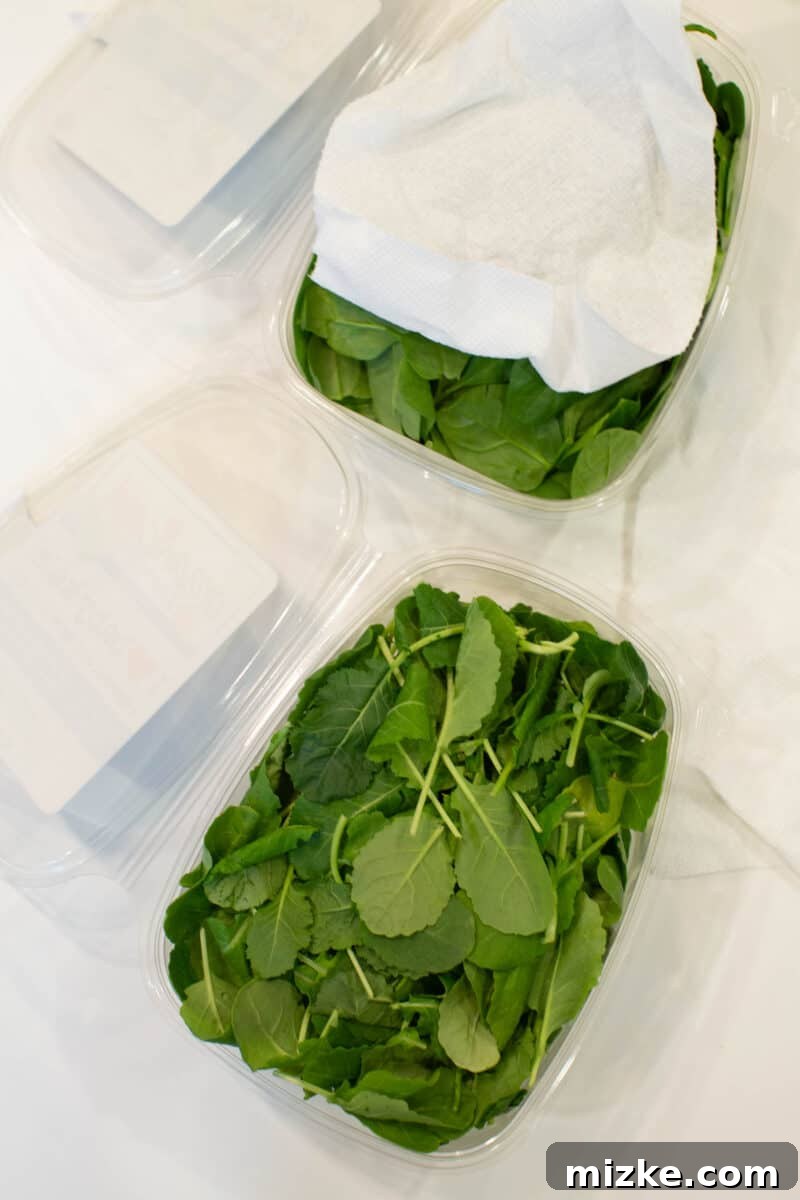
Leafy greens are often the first to wilt, but with a simple trick, you can significantly extend their lifespan. As soon as I bring greens home from the grocery store, I follow this method: I place a sheet of paper towel on top of the greens inside their container, then I turn the entire container upside down and place it in the fridge. This genius technique helps keep greens fresh for twice as long. The paper towel actively captures any excess moisture that would otherwise cause your greens to become soggy and mushy. It’s a game-changer for salad lovers!
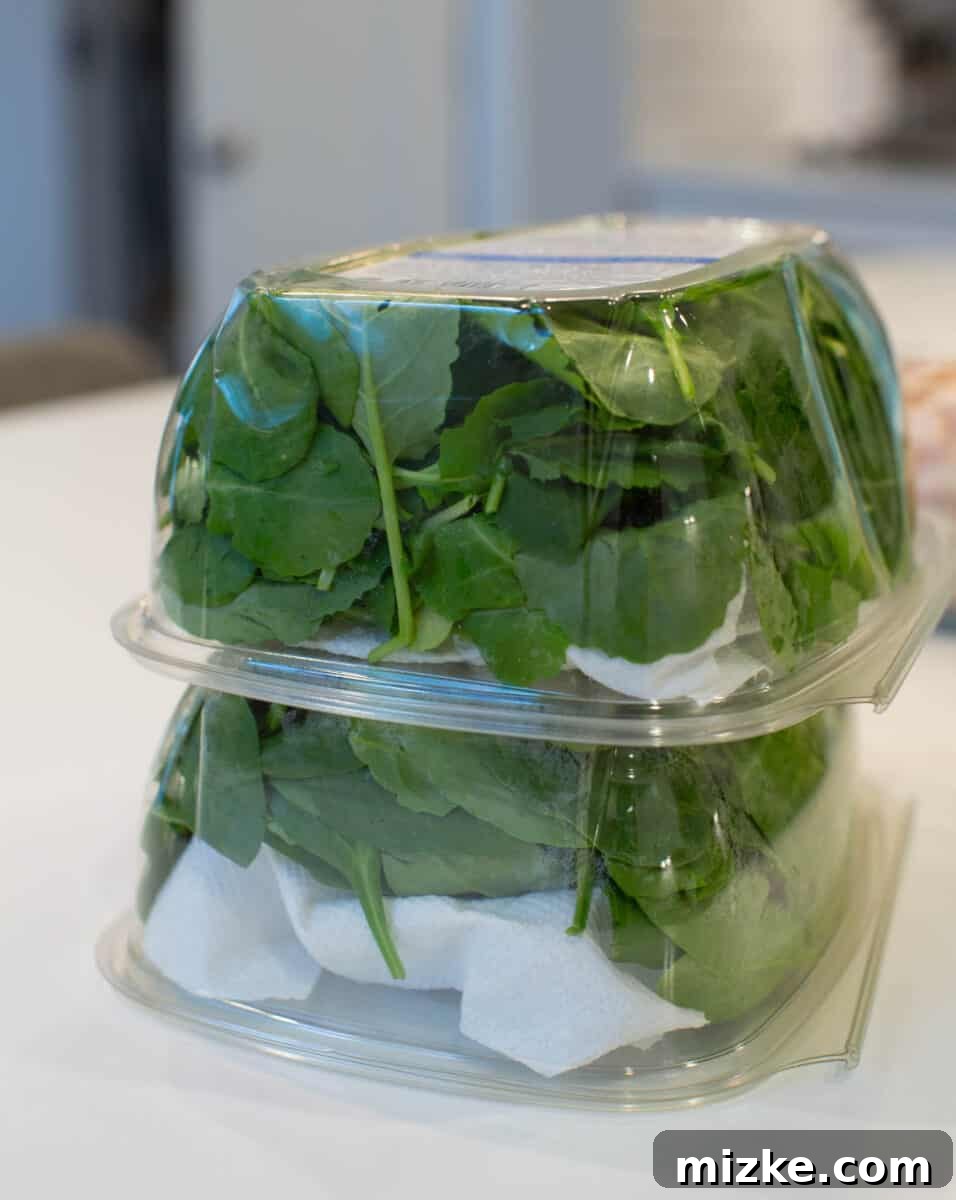
To maintain peak freshness, make it a habit to change the paper towel every few days. This ensures that any new condensation is absorbed, keeping your greens vibrant and crisp right up until you’re ready to enjoy them.
Making Meal Prep a Sustainable Habit
While the benefits are clear, consistency is what truly makes meal prep impactful. Start gradually. Don’t feel pressured to prep every single meal for the entire week from day one. Begin with prepping breakfasts or lunches, or just your vegetables for dinner. As you gain confidence and experience the immediate rewards, you can gradually expand your efforts. Find your “prep day” – whether it’s Sunday, Monday, or another day that fits your schedule – and commit to it. This routine will quickly transform from a chore into a highly anticipated and rewarding part of your week.
Remember, meal prepping is about efficiency and empowerment, not perfection. There will be weeks when you can only do a little, and that’s perfectly fine. The goal is to make healthy eating easier and more accessible, adapting the strategy to fit your life, not the other way around. Be flexible, learn what works best for you and your family, and don’t be afraid to experiment with different recipes and techniques.
Woohoo! So that’s a comprehensive rundown on the incredibly beneficial practice of meal prepping. It’s more than just preparing food; it’s about preparing for a healthier, less stressful, and more organized life. I genuinely hope this guide was not only helpful but also incredibly motivating for you to embark on your own meal prepping journey. Happy prepping!