
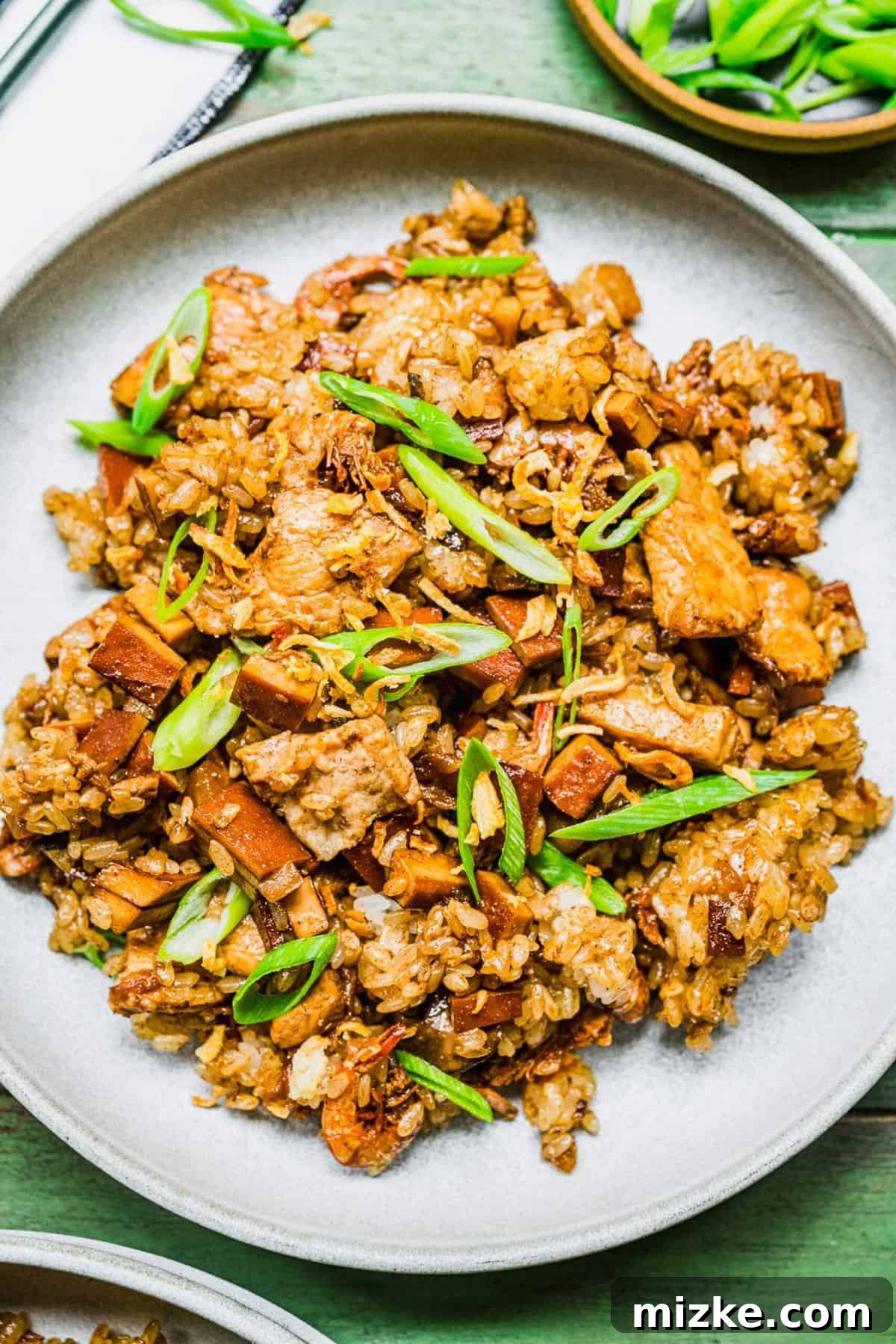
Authentic Taiwanese Sticky Rice (You Fan): A Savory & Flavorful Delight
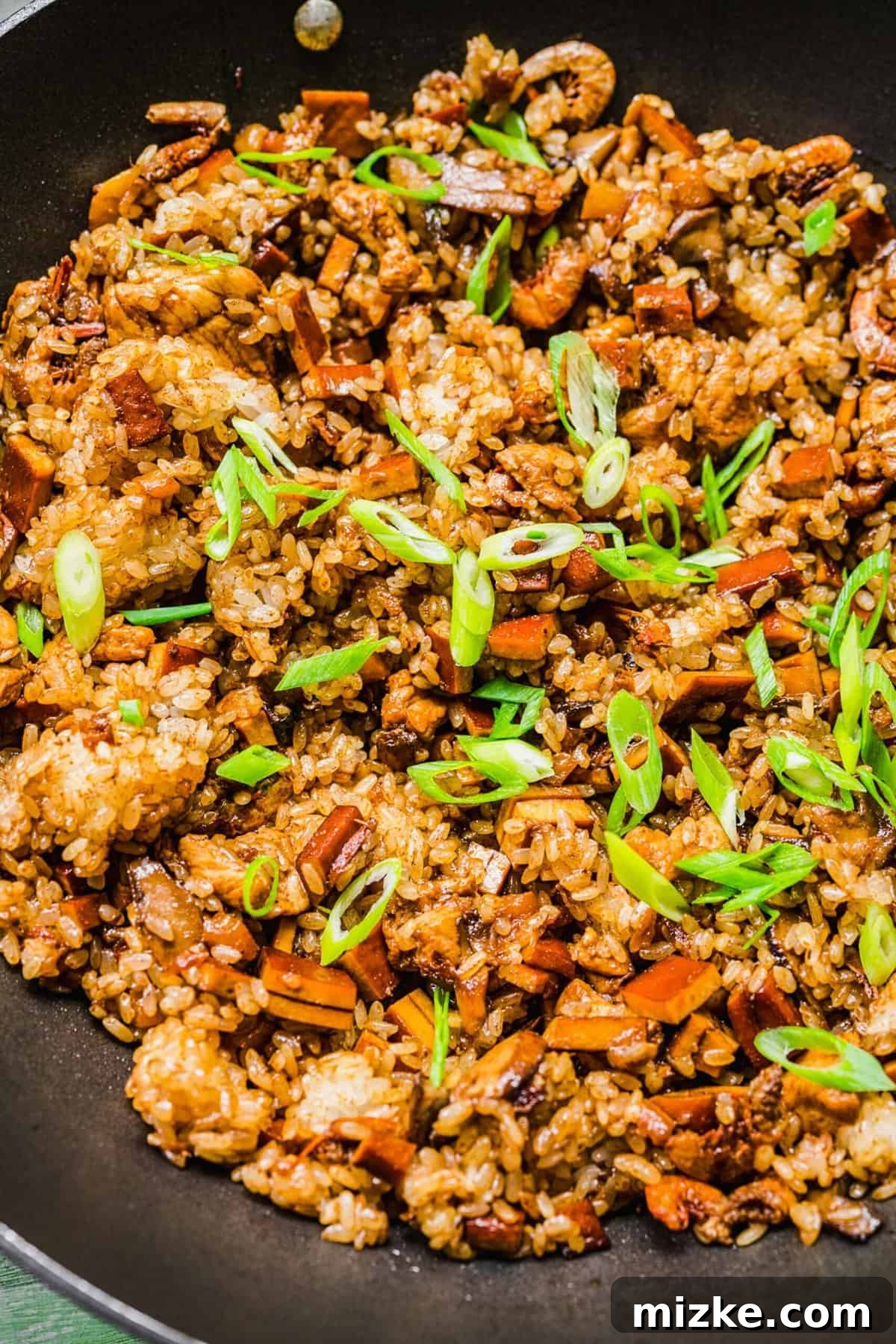
Prepare to embark on a culinary journey with this authentic Taiwanese Sticky Rice, affectionately known as You Fan (油飯). This cherished dish beautifully marries the subtly sweet, chewy texture of glutinous rice with a rich medley of savory ingredients, all harmonized by the aromatic dance of five-spice powder and a hint of white pepper. It’s a flavor explosion that evokes warmth, comfort, and the true essence of Taiwanese home cooking.
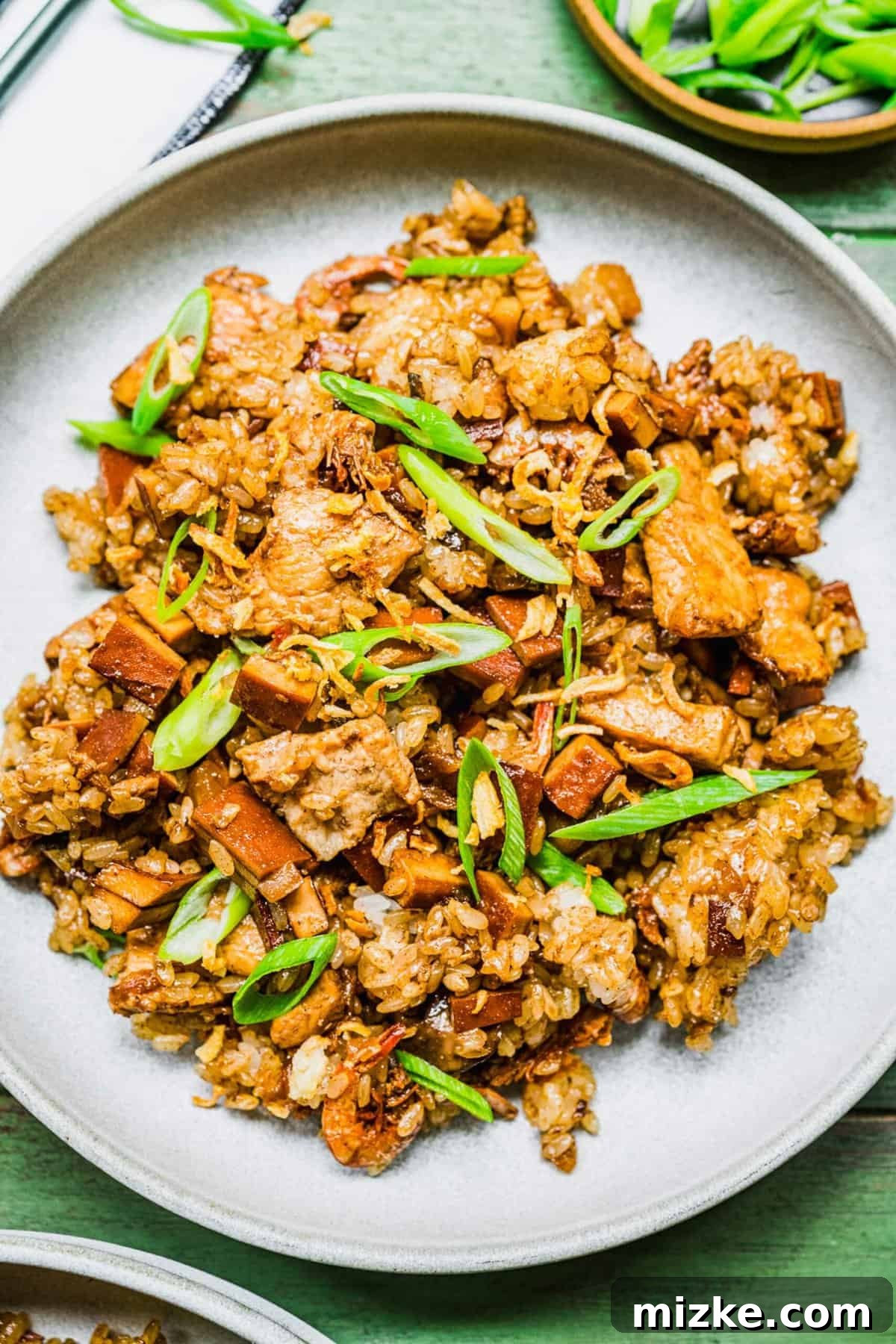
Much like many beloved Taiwanese recipes shared on this blog, this particular sticky rice recipe has been passed down through generations in my family, perfected over countless meals. If you’ve yet to experience the unique charm of you fan, you owe it to yourself to seek it out at an authentic Chinese or Taiwanese restaurant. Better yet, dive into the delightful process of making it yourself right in your own kitchen!
What truly sets this dish apart is the irresistible combination of its soft, fluffy yet delightfully chewy texture, complemented by the enchanting aroma of five-spice seasoning. Growing up, this was a staple at our family table, a dish I fondly remember enjoying almost every weekend. Its comforting presence and incredible flavor made it an instant favorite, and you’ll be surprised at how accessible it is to recreate.
One of the beauties of Taiwanese sticky rice is its versatility. While traditional ingredients provide a truly authentic experience, you can easily customize it to suit your palate or what’s available in your local Asian market. However, certain elements are non-negotiable for that signature taste: the profound depth of five-spice powder and the delicate warmth of white pepper are the true “magic ingredients” that elevate this dish from merely good to absolutely unforgettable. Do not substitute them!
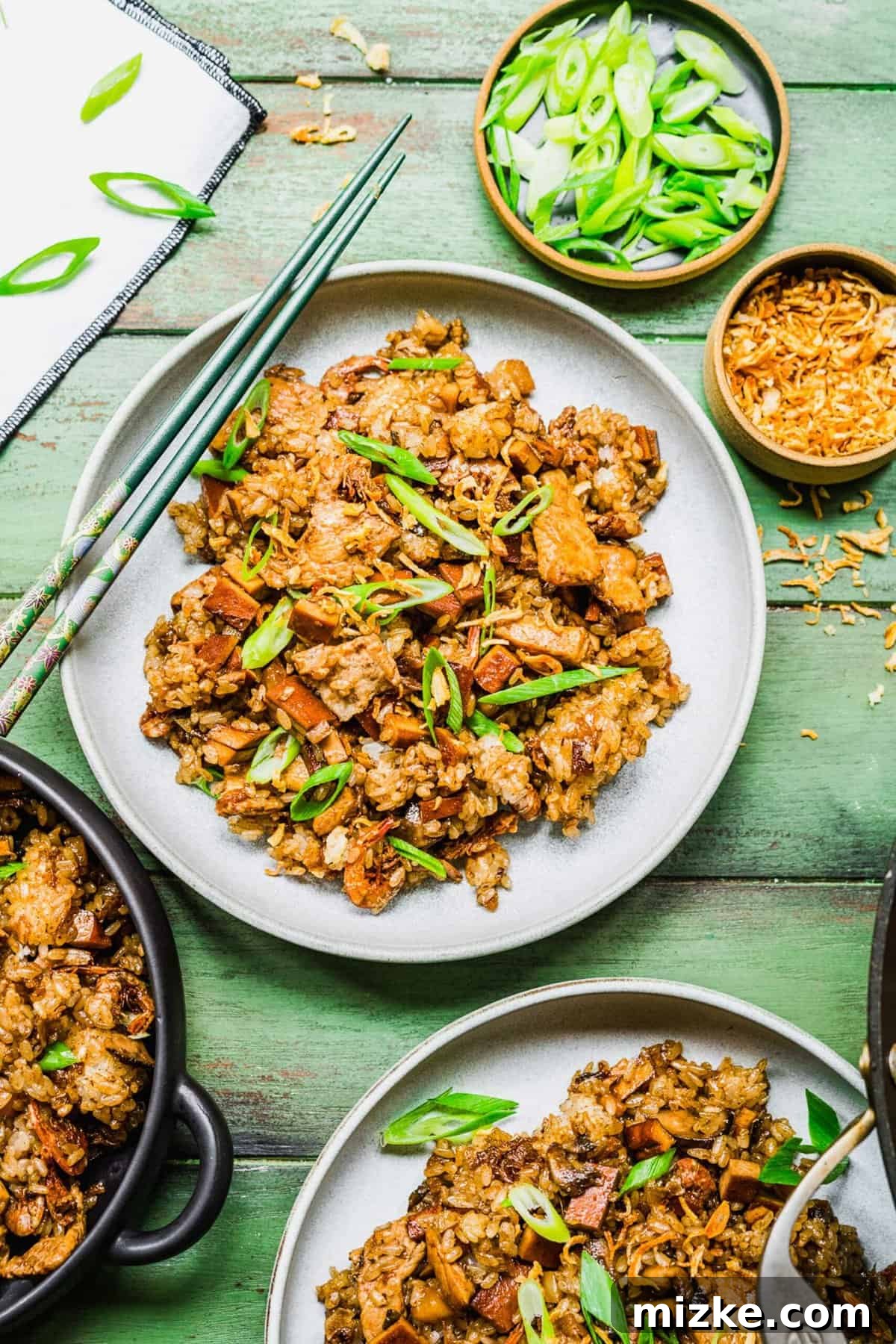
The Essential Ingredients for Taiwanese Sticky Rice
Crafting the perfect You Fan begins with selecting the right ingredients. Each component plays a crucial role in building the layered flavors and unique texture of this iconic dish. Below is a comprehensive list, with notes on where to find them and why they matter. Remember, for precise quantities and step-by-step instructions, you can refer to the detailed recipe card at the end of this article.
- Sweet Rice (Glutinous Rice): This is the cornerstone of our sticky rice. Also known as “sticky rice” or “glutinous rice,” its high amylopectin content gives it that characteristic chewy, sticky texture when cooked. Regular long-grain or short-grain rice simply won’t yield the same results, so don’t attempt to substitute it. Look for it in Asian supermarkets, often labeled as “sweet rice” or “glutinous rice.”
- Water: Essential for soaking and cooking the rice to perfection. The method of adding water gradually is key to achieving the ideal texture.
- Spiced Tofu (Dou Fu Gan): These firm, seasoned tofu pieces add a wonderful savory depth and a pleasant chewiness. You’ll typically find them in the refrigerated section of Asian markets. If access is limited, marinated tofu cutlets from regular grocery stores can be a suitable substitute, though the flavor profile might differ slightly.
- Shiitake Mushrooms: Both fresh and dried shiitake mushrooms are fantastic. Dried shiitakes offer a more intense, umami flavor once rehydrated. Their earthy notes are a classic pairing with sticky rice.
- Fried Onions: These crispy, aromatic morsels are a simple yet impactful addition, contributing a sweet, savory crunch and an undeniable fragrance. You can buy them pre-fried in jars at Asian markets or easily make your own by thinly slicing and frying shallots until golden brown and crispy.
- Dried Shrimp: A quintessential ingredient in many Taiwanese and Chinese dishes, dried shrimp infuse the sticky rice with a concentrated burst of briny, umami flavor. Look for them in the dried goods section of Asian groceries or online. Don’t skip these; they’re vital for the authentic taste.
- Preserved Radishes (Choy Poh or Preserved Daikon): These salty, crunchy, and slightly sweet preserved daikon radish pieces provide a fantastic textural contrast and a complex savory punch. They are available in vacuum-sealed packages at Asian markets or specialty online stores. They might be labeled as “preserved daikon.”
- Pork Tenderloin: Lean, tender, and quick-cooking, pork tenderloin absorbs the flavors of the sauce beautifully. It adds a hearty, satisfying element to the dish without being overly fatty.
- Low-Sodium Soy Sauce: The primary seasoning, providing savory, umami notes. Using low-sodium allows for better control over the dish’s saltiness, letting you adjust to taste.
- Five-Spice Powder: This magical blend is the heart of You Fan’s aromatic profile. Typically comprising star anise, cloves, Chinese cinnamon, Sichuan pepper, and fennel seeds, it delivers a complex, warm, and fragrant essence that is uniquely Asian. Its distinct character is irreplaceable.
- White Pepper: Often overlooked, white pepper is distinctly different from black pepper. It possesses a milder heat and a more earthy, nuanced aroma that complements the five-spice powder and other savory ingredients without overpowering them. It’s a subtle but crucial element in Taiwanese cuisine.
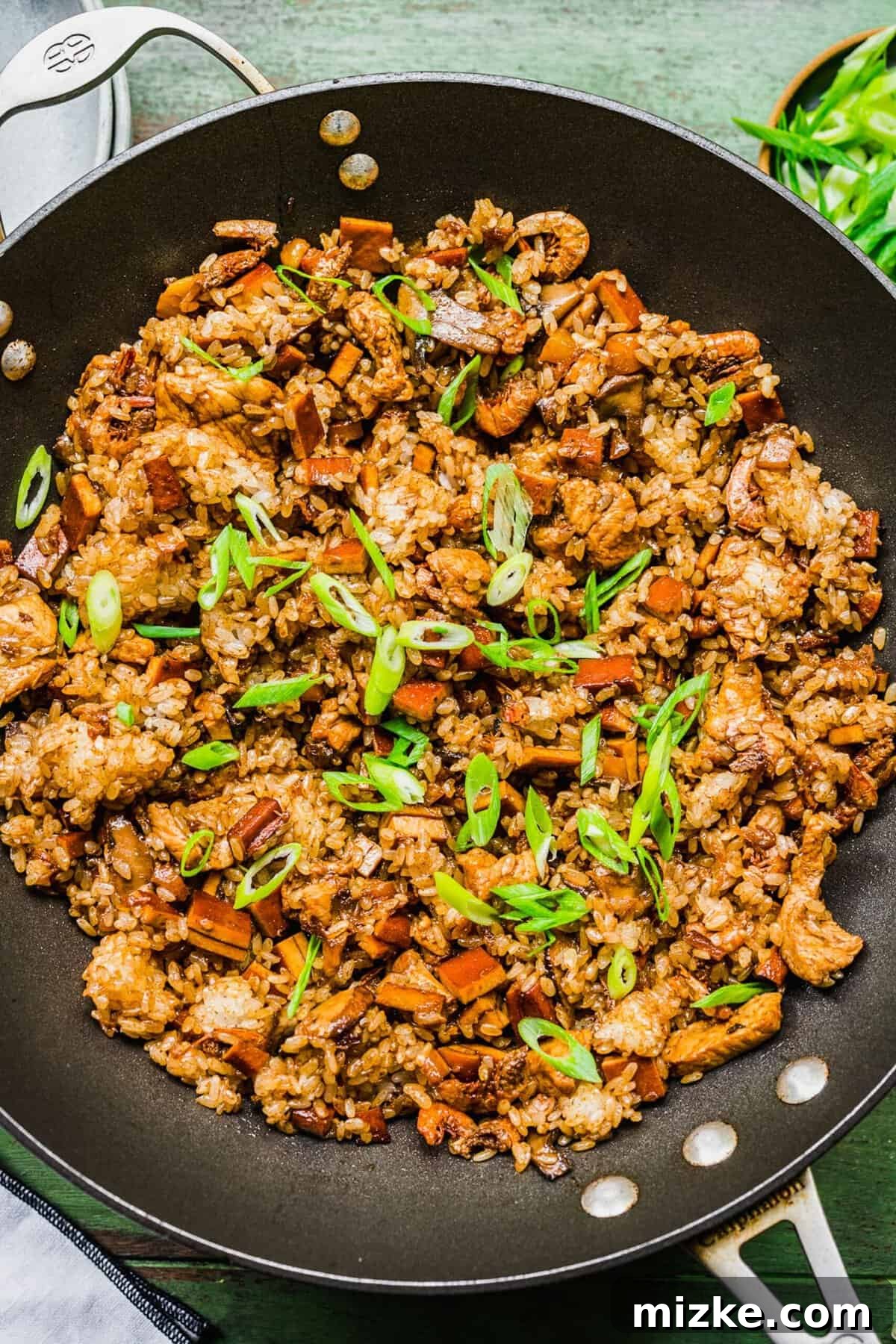
How to Master Authentic Taiwanese Sticky Rice
While making authentic Taiwanese sticky rice, or You Fan, requires a bit of planning due to an overnight soak, the actual cooking process is straightforward and incredibly rewarding. The key to success lies in understanding the nuances of glutinous rice and patiently building layers of flavor. Here’s a detailed breakdown of the steps:
Step 1: The Essential Overnight Soak. This preliminary step is absolutely crucial and cannot be skipped. Place your sweet (glutinous) rice in a large bowl or an airtight container. Pour in enough cold water to fully submerge the rice by at least one to two inches. Cover the container and let the rice soak overnight, or for a minimum of 8-12 hours. Soaking significantly reduces cooking time and helps the rice achieve its characteristic chewy yet tender texture, preventing it from becoming overly hard or mushy.
Step 2: Preparing the Rice for Cooking. After its long soak, the rice will have absorbed a considerable amount of water and plumped up. Carefully transfer the soaked rice to your rice cooker. It’s best to use a slotted spoon or your clean hands to scoop the rice, deliberately leaving the soaking liquid behind. You don’t want to carry over excess water into the rice cooker at this stage, as precise water control is vital for sticky rice.
Step 3: Cooking the Sticky Rice in Stages. This isn’t your typical “set it and forget it” rice cooking. Add only 1/4 cup of fresh water to the rice cooker with the soaked rice. Turn the rice cooker on. Approximately halfway through its cooking cycle (or when you notice steam diminishing), open the lid and gently stir the rice with a spatula or rice paddle. This ensures even cooking and prevents scorching. Once the rice cooker indicates it’s finished its first cycle, let the rice rest, covered, for at least 10 minutes. This resting period allows the steam to redistribute, further tenderizing the grains. After 10 minutes, open the cooker, give the rice another gentle stir, then add another 1/4 cup of water. Close the lid and cook again until this added water is fully absorbed and the rice is perfectly sticky and chewy.
No Rice Cooker Alternative: Steaming. If you don’t own a rice cooker, worry not! You can absolutely achieve perfectly cooked sticky rice by steaming it. Simply prepare your rice as described in Step 1. Then, line a steamer basket with cheesecloth or a damp cloth, add the soaked rice, and steam over boiling water for about 20-30 minutes, or until tender and sticky. You might need to add a splash of water and stir halfway through, similar to the rice cooker method.
Step 4: Sautéing the Flavorful Filling. While your rice is busy cooking, it’s time to prepare the savory heart of the You Fan. Heat a large wok or a spacious, heavy-bottomed pan over medium-high heat. Add a tablespoon of cooking oil, then toss in the diced spiced tofu, sliced shiitake mushrooms, fried onions, dried shrimp, diced preserved radishes, and the sliced pork tenderloin. Sauté these ingredients for a few minutes, stirring frequently, until the pork is lightly browned and the aromatics are fragrant.
Step 5: Seasoning the Filling. Once your filling ingredients are nicely sautéed, add 1 tablespoon of low-sodium soy sauce, 1/2 tablespoon of the five-spice powder, and the white pepper. Continue to cook for approximately 3 minutes, stirring constantly, allowing the spices to bloom and meld beautifully with the other components. The aroma will be incredible at this point!
Step 6: Combining and Finishing. Once the sticky rice is fully cooked and perfectly textured, add it directly into the wok with your savory filling. Use a spatula or wok ladle to gently fold and stir everything together, ensuring the rice is thoroughly coated with the delicious mixture. Now, add the remaining soy sauce and five-spice powder. Taste and adjust the seasonings as needed – this is where you can truly make it your own. If you prefer a richer flavor, a touch more soy sauce or a pinch of five-spice can be added. Continue to cook for about 5 more minutes, stirring to prevent sticking and allowing all the flavors to fully incorporate. Serve immediately, piping hot.
Tips for Perfecting Your Taiwanese Sticky Rice
Achieving the ideal Taiwanese sticky rice is a delightful endeavor, and these expert tips will help ensure your dish is a resounding success every time:
- Patience with Soaking: The overnight soak for the glutinous rice is non-negotiable. It dramatically impacts both cooking time and the final texture, ensuring the rice becomes chewy without being tough or raw in the center. Don’t rush this step.
- Gradual Water Addition is Key: Unlike regular rice, glutinous rice absorbs water differently. Adding all the water at once can lead to a soupy mess or unevenly cooked grains. The “risotto-style” gradual addition, as outlined in the recipe, allows the rice to absorb moisture slowly, resulting in the perfect sticky, individual grain texture.
- Embrace Customization, But Respect the Essentials: This is a versatile dish! Feel free to experiment with different proteins like diced chicken, pork belly (for a richer flavor), or even a vegetarian version with extra mushrooms and plant-based protein. Some variations include dried scallops or bonito flakes instead of shrimp, or a hint of oyster sauce alongside the soy sauce for added umami. However, always prioritize the five-spice powder and white pepper for their signature aroma and taste.
- Quality of Ingredients Matters: Since there are relatively few ingredients, the quality of each one shines through. Invest in good quality glutinous rice, fresh shiitake mushrooms, and authentic Taiwanese dried shrimp and preserved radishes for the best flavor.
- Evenly Dice Ingredients: For a harmonious texture and even cooking, ensure that your spiced tofu, shiitake mushrooms, pork, and preserved radishes are diced into roughly similar, small pieces. This makes for a more pleasant eating experience.
- Pre-heat Your Wok Properly: A hot wok or pan ensures that the ingredients sizzle and develop good flavor (Maillard reaction) rather than steaming. This is particularly important when sautéing the pork and aromatics.
- Don’t Overcook the Filling: The filling ingredients only need a few minutes to cook through and become fragrant. They will continue to cook slightly when combined with the hot rice. Overcooking can make them tough or diminish their individual flavors.
- Taste and Adjust: Seasoning is highly personal. Always taste your sticky rice after combining everything and before the final 5 minutes of cooking. Adjust soy sauce, five-spice, or white pepper to your preference. Some might like it a bit saltier, others more peppery.
Serving Suggestions for Taiwanese Sticky Rice
Taiwanese sticky rice is a hearty and flavorful dish that can stand alone, but it truly shines when paired with other authentic Taiwanese specialties. Here are some complementary dishes that will complete your meal:
- Scallion Pancakes (蔥油餅): The crispy, savory layers of scallion pancakes provide a wonderful textural contrast to the soft, chewy rice. They are perfect for dipping into any leftover sauce or simply enjoyed side-by-side.
- Three Cup Chicken (三杯雞): This iconic Taiwanese dish, with its rich sauce made from soy sauce, sesame oil, and rice wine, is an ideal partner for You Fan. The bold, aromatic flavors of the chicken perfectly complement the savory rice.
- Spicy Chinese Cucumber Salad: For a refreshing counterpoint, a crisp and tangy cucumber salad dressed with garlic, chili, and vinegar offers a bright, palate-cleansing element that cuts through the richness of the sticky rice.
- Mantou 饅頭 (Chinese Steamed Buns): Soft, fluffy steamed buns are excellent for soaking up any remaining sauce from the sticky rice, providing a comforting and simple carbohydrate to round out the meal.
- Clear Broth Soup: A simple, light clear broth soup with vegetables or thin slices of pork can be a wonderful accompaniment, offering a soothing balance to the rich sticky rice.
- Taiwanese Pickled Vegetables: Often served with heavier dishes, pickled vegetables offer a zesty, tangy kick that can refresh the palate between bites of You Fan.
Storing and Reheating Leftover Sticky Rice
Properly storing cooked rice is essential for food safety, as rice can harbor bacteria if not cooled quickly. If you find yourself with delicious leftovers of Taiwanese sticky rice, follow these guidelines to keep it fresh and safe:
Immediately after serving, if you anticipate leftovers, spread the remaining sticky rice in a thin layer on a clean sheet pan. This maximizes surface area and allows it to cool down rapidly. Once the rice has cooled completely (ideally within one hour), transfer it to an airtight container. Stored correctly in the refrigerator, Taiwanese sticky rice will remain fresh and safe to eat for 3 to 4 days. When reheating, simply place a portion in a microwave-safe bowl, add a tablespoon or two of water to prevent drying, cover, and microwave until thoroughly heated through.
Can I Freeze This Recipe?
Yes, Taiwanese sticky rice freezes beautifully, making it an excellent candidate for meal prepping. To freeze, spread the freshly cooked sticky rice in an even layer on a parchment-lined sheet pan while it is still warm. Place the sheet pan directly into the freezer. Once the sticky rice is fully frozen (this helps prevent clumping), transfer the individual portions or the entire batch to a freezer-safe bag or an airtight container. It can be stored in the freezer for up to 2 months without significant loss of quality. To reheat from frozen, you can either microwave it directly with a splash of water, or steam it until it’s tender and hot.
Taiwanese Sticky Rice (You Fan) Recipe
By: Julie Chiou
Taiwanese sticky rice is the perfect combination of sweet and savory flavors, and it’s easy to make at home!
Prep Time: 25 minutes
Cook Time: 15 minutes
Total Time: 40 minutes (excluding soaking time)
Servings: 6 servings
Ingredients
- 2 cups (370 g) sweet rice
- ½ cup (118 ml) water, divided
- 8 ounces (227 g) spiced tofu, diced
- 4 ounces (113 g) shiitake mushrooms, sliced
- ¼ cup (14 g) fried onions
- ¼ cup (59 g) dried shrimp
- ½ cup (58 g) diced preserved radishes
- ¾ pound (340 g) sliced pork tenderloin
- 3 tablespoons low-sodium soy sauce, divided
- 1 tablespoon five-spice powder, divided
- 2 teaspoon white pepper
Instructions
- Soak Rice: Place sweet rice in a large airtight container and cover with water (about 1-2 inches above the rice). Soak overnight (8-12 hours) to significantly reduce cooking time and improve texture.
- Prepare Rice for Cooking: Using a slotted spoon or your hands, carefully transfer the soaked rice to a rice cooker, leaving the soaking liquid behind.
- Cook Rice: Add 1/4 cup of fresh water to the rice cooker. Turn on the cooker. Halfway through the cooking cycle, open the lid and gently stir the rice. Once the cooker indicates it’s finished, let the rice sit for 10 minutes (covered) before opening. After 10 minutes, open, stir again, add another 1/4 cup of water, and cook until all water is absorbed and the rice is sticky and tender. (Alternatively, you can steam the sticky rice if you don’t have a rice cooker.)
- Cook Filling: While the rice cooks, heat a large wok over medium-high heat. Add the diced tofu, shiitake mushrooms, fried onions, dried shrimp, preserved radishes, and sliced pork tenderloin. Sauté for a few minutes until the pork is lightly browned and ingredients are fragrant.
- Season Filling: Add 1 tablespoon of the low-sodium soy sauce, 1/2 tablespoon of the five-spice powder, and all of the white pepper to the wok. Cook for about 3 minutes, stirring constantly, until very fragrant and well combined.
- Combine Ingredients: Once the sticky rice is done, add it directly into the wok with the cooked filling. Gently fold and stir to incorporate all the ingredients thoroughly.
- Final Seasoning and Serve: Add the remaining soy sauce and five-spice powder. Taste and adjust seasonings as needed. Continue to cook for about 5 more minutes, stirring, to ensure all flavors meld beautifully. Serve hot and enjoy!
Notes
Storing leftover rice is critical for food safety. Spread hot leftovers on a sheet pan to cool quickly. Once cooled, transfer to an airtight container and refrigerate for up to 3-4 days. Reheat in the microwave, adding a splash of water if needed.
Nutrition
Serving: 1 serving
Calories: 362 kcal
Carbohydrates: 48 g
Protein: 27 g
Fat: 6 g
Saturated Fat: 2 g
Polyunsaturated Fat: 2 g
Monounsaturated Fat: 2 g
Trans Fat: 0.02 g
Cholesterol: 149 mg
Sodium: 691 mg
Potassium: 411 mg
Fiber: 3 g
Sugar: 1 g
This website provides approximate nutrition information for convenience and as a courtesy only. Nutrition information can vary for a variety of reasons. For the most precise nutritional data use your preferred nutrition calculator based on the actual ingredients you used in the recipe.
The default measuring system for this website is US Customary. Unit conversions are provided for convenience and as a courtesy only. While we strive to provide accurate unit conversions, please be aware that there may be some discrepancies.
In conclusion, this homemade Taiwanese Sticky Rice (You Fan) recipe offers a delightful and authentic culinary experience, bringing the rich flavors and comforting textures of Taiwan right into your home. With its savory blend of ingredients and the aromatic magic of five-spice and white pepper, it’s a dish that promises to impress and satisfy. Don’t be intimidated by the soaking time; the preparation itself is straightforward, and the result is a truly memorable meal. We encourage you to try this recipe, experiment with your favorite additions, and share the joy of this beloved Taiwanese classic with family and friends. Happy cooking!