
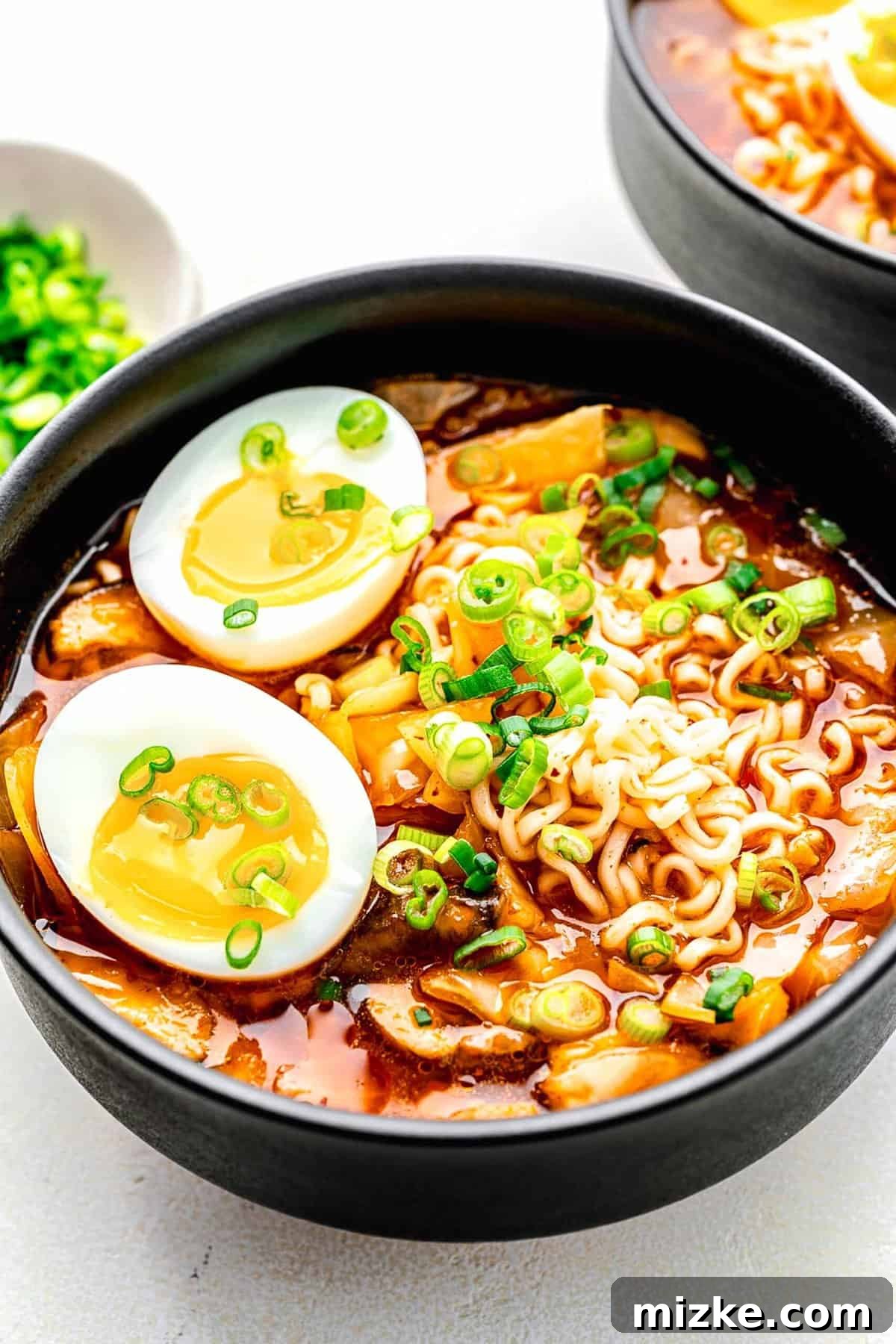
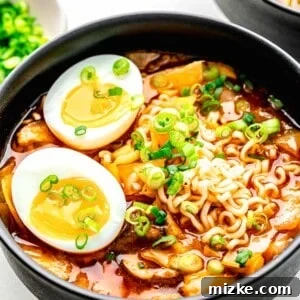
Kimchi ramen is an irresistibly flavorful Korean-inspired soup that can be effortlessly prepared in just 30 minutes. This delightful dish combines tender ramen noodles and perfectly sautéed shiitake mushrooms within a savory-sweet, subtly spicy broth infused with the distinctive taste of kimchi. Crowned with a perfectly cooked soft-boiled egg and vibrant green onions, it transforms into a complete and satisfying meal that’s both quick and incredibly delicious.
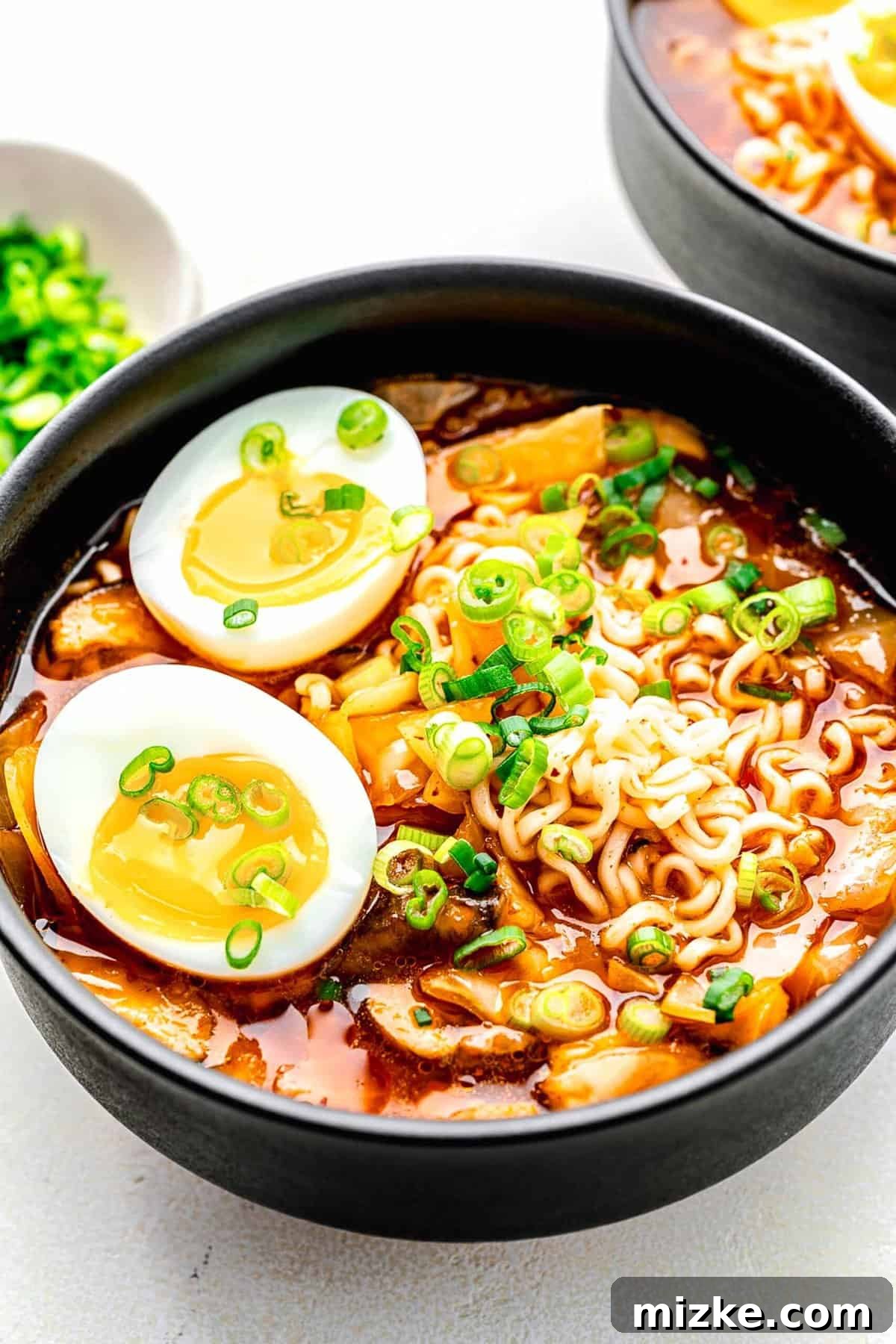
Let’s be honest, instant ramen, while convenient, can sometimes lack the depth and excitement we crave. The wonderful news is that it’s incredibly simple to elevate it into something extraordinary. This 30-minute kimchi ramen recipe is a prime example, taking humble instant noodles and transforming them into a unique, dynamic flavor explosion in hardly any time at all. Prepare yourself for a culinary journey that will undoubtedly become a new favorite.
The heart of this slurp-able soup is its richly flavored broth, which serves as the perfect backbone for the entire dish. It’s meticulously crafted with a harmonious blend of authentic gochujang paste, aromatic fresh garlic, tangy kimchi juice, and umami-rich soy sauce. The result is a complex profile that is deeply savory, delightfully sweet, and just spicy enough to awaken your palate without overwhelming it. The exact spice level can be tailored to your preference, largely depending on the type of kimchi you choose. Floating within this exquisite broth, you’ll find a generous portion of firm yet tender ramen noodles, along with sautéed garlic and chunks of vibrant kimchi. Each bowl is then elegantly topped with a creamy soft-boiled egg and thinly sliced, brightly flavored green onions, adding both texture and visual appeal.
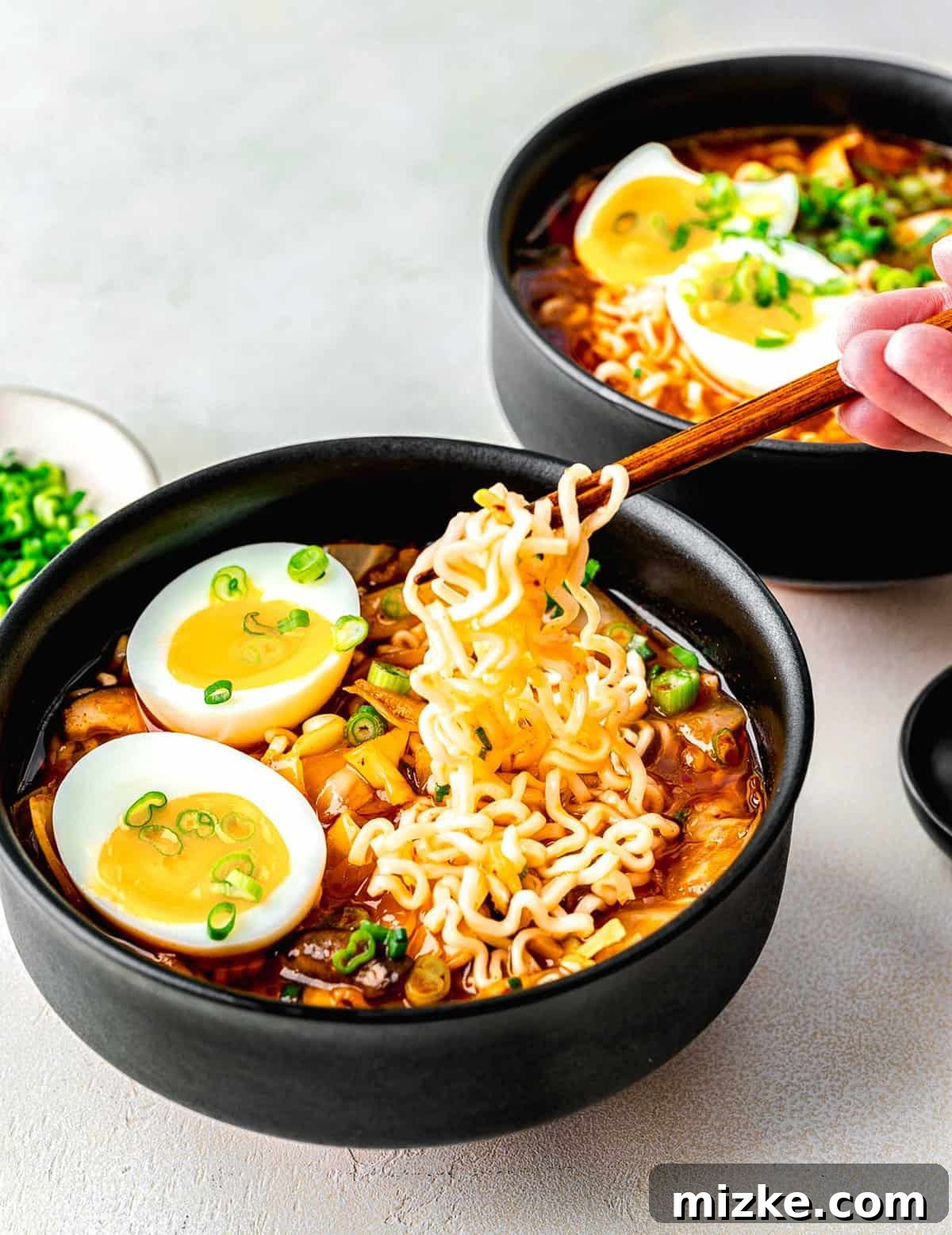
Why This Kimchi Ramen Recipe Will Become Your Go-To
This sensational kimchi noodle soup is more than just a meal; it’s an experience waiting to happen and might just become a new weeknight staple in your home. Still not convinced? Here’s a deeper dive into why we believe you’ll absolutely adore it:
- Unbeatably Quick and Easy: Life is busy, and sometimes you need a delicious meal without spending hours in the kitchen. This recipe delivers just that, promising a gourmet-level ramen experience ready in a mere 30 minutes. With only a few straightforward steps, it’s an ideal dish for home cooks of all skill levels, from beginners looking for an impressive yet simple meal to seasoned chefs seeking a speedy weeknight solution.
- Explosion of Dynamic Flavors: Prepare your taste buds for an adventure! This ramen boasts an incredible depth of flavor that is anything but one-note. The meticulously crafted broth strikes a perfect balance, combining the rich umami notes of soy sauce and broth, the fiery kick of gochujang, and the subtle sweetness and tang from the kimchi and its juice. It’s a truly mouthwatering symphony that will leave you craving more.
- Customize Your Spice Level: One of the best aspects of this recipe is its adaptability to diverse spice tolerances. Whether you prefer a gentle warmth or a fiery inferno, you’re in control. Opt for a mild kimchi for a more subtle heat, or embrace the burn with a spicy variety. Furthermore, you can easily fine-tune the soup’s intensity by adjusting the amount of gochujang paste you incorporate, or by adding a dash of sriracha for an extra kick.
- Endless Customization Possibilities: This kimchi ramen serves as a fantastic canvas for your culinary creativity. The opportunities for personalization are virtually limitless when it comes to toppings and add-ins. Beyond the classic soft-boiled egg, consider enriching your bowl with ingredients like crisp bok choy, nutrient-rich mung bean sprouts, or any other additions that tantalize your palate. For a wealth of inspiring ideas, be sure to explore the “Recipe Tips & Variations” section below!
Unpacking Kimchi Ramen: A Flavorful Fusion
Kimchi ramen is a glorious, Korean-inspired interpretation of the beloved classic ramen noodle soup. At its core, it’s a comforting bowl featuring perfectly cooked ramen noodles, savory sautéed mushrooms, fragrant garlic, and generous chunks of fermented kimchi. These ingredients luxuriate in a slightly sweet, tangy, and invigoratingly spicy broth that truly sets this dish apart. If your usual instant ramen routine has grown predictable, or if you’re simply eager to explore new and exciting flavors, then this kimchi noodle soup is an absolute must-try. It offers a refreshing departure from the ordinary, promising a deeply satisfying and vibrant meal that celebrates the bold spirit of Korean cuisine.
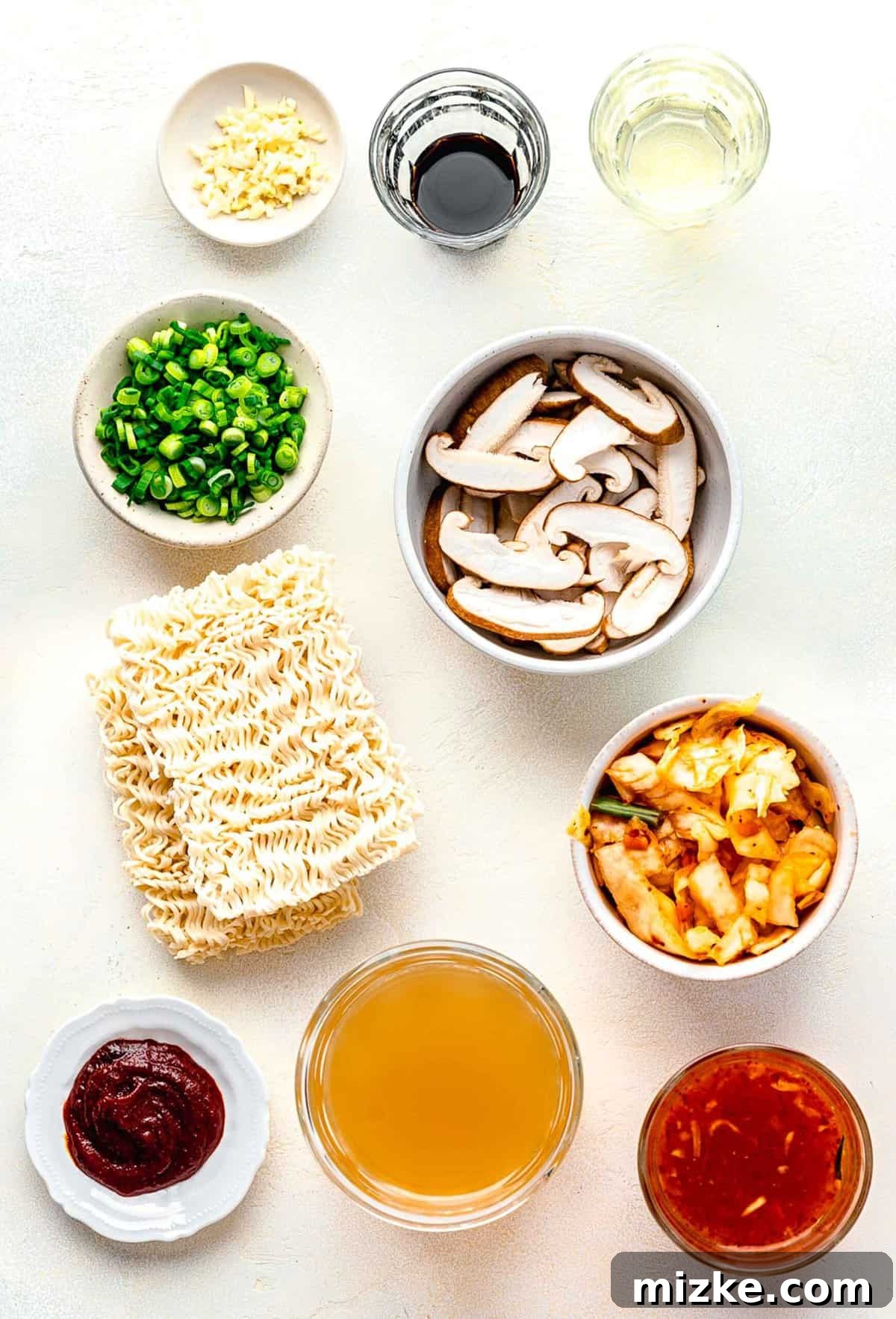
Essential Ingredients for Your Flavor-Packed Kimchi Ramen
Gathering the right ingredients is the first step to creating this incredible kimchi ramen. Each component plays a crucial role in building the layered flavors of this soup. Below is a comprehensive list, but remember to refer to the full recipe card further down for precise measurements and detailed instructions:
- Vegetable Oil: A neutral cooking oil like canola oil, avocado oil, or sunflower oil is perfect for sautéing, allowing the other flavors to shine without interference.
- Shiitake Mushrooms: These mushrooms add a wonderful umami depth and earthy texture to the soup. While I adore them, if mushrooms aren’t your preference, feel free to omit them entirely or substitute with another vegetable like thinly sliced carrots or bell peppers.
- Fresh Garlic: Minced garlic forms the aromatic foundation of our broth, infusing it with its pungent and comforting essence. Don’t skimp on the fresh stuff for best results!
- Kimchi: The star of the show! You can embark on an adventure and make your own homemade kimchi, or easily pick up a quality package from your local Asian market or grocery store. When buying, pay attention to labels indicating mild, medium, or spicy, and choose one that aligns with your desired heat level for the ramen.
- Liquid from Kimchi: This tangy, probiotic-rich juice is a secret weapon, adding an incredible depth of fermented flavor and a subtle tang to the broth. Simply drain it from your kimchi jar before adding the vegetable matter.
- Soy Sauce: Essential for that savory, umami punch. If you’re avoiding soy, liquid aminos or tamari (for gluten-free) make excellent substitutes without compromising flavor.
- Gochujang Paste: This Korean fermented chili paste is non-negotiable for authentic flavor. It provides a unique balance of sweet, savory, and spicy notes, giving the broth its characteristic warmth and depth. Adjust the amount to control the heat.
- Chicken Broth: Forms the liquid base of the soup. You can prepare your own rich chicken broth for unparalleled flavor, or use a good quality store-bought version. For dietary flexibility, feel free to substitute with beef broth or a robust vegetable broth.
- Instant Ramen Noodles: While this recipe uses instant ramen noodles for convenience and speed, we highly recommend discarding the accompanying flavor packet. Our homemade broth is so much more superior and nuanced!
- Green Onions (Scallions): Sliced green onions provide a fresh, crisp, and slightly pungent garnish, adding a burst of color and a pleasant bite to the finished dish.
- Soft-Boiled Eggs: A truly quintessential ramen topping. The creamy, runny yolk of a soft-boiled egg perfectly complements the rich broth. Alternatively, an easy-over egg or a poached egg would also be wonderfully delicious.
Crafting Your Kimchi Ramen: Step-by-Step Guide
Get ready to create a truly delicious ramen dish that’s guaranteed to become a new favorite, all within a speedy 30 minutes! Follow these simple steps for success. For more precise measurements and detailed instructions, scroll down to the full recipe card below.

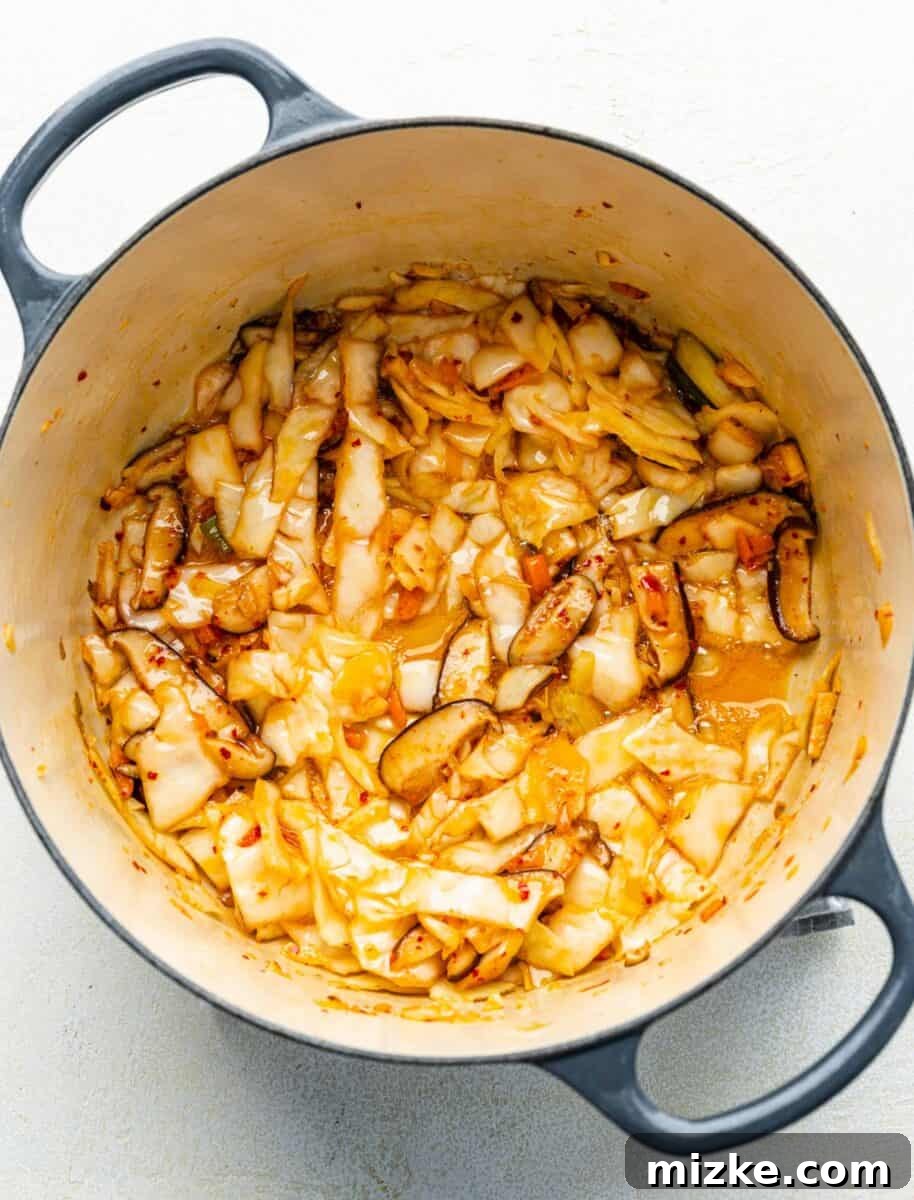
- Prepare and Sauté the Aromatics and Veggies: Begin by heating the vegetable oil in a small, sturdy pot over medium heat. Once shimmering, add your thinly sliced shiitake mushrooms. Sauté them for about 3-4 minutes, allowing them to soften and develop a beautiful light brown color, which deepens their umami flavor. Next, add the minced garlic to the pot and continue to sauté for just 1 minute until fragrant, being careful not to burn it. Finally, stir in the chopped kimchi and cook for an additional 2-3 minutes, letting its tangy flavors meld with the sautéed mushrooms and garlic. This step creates a robust, flavorful base for your soup.
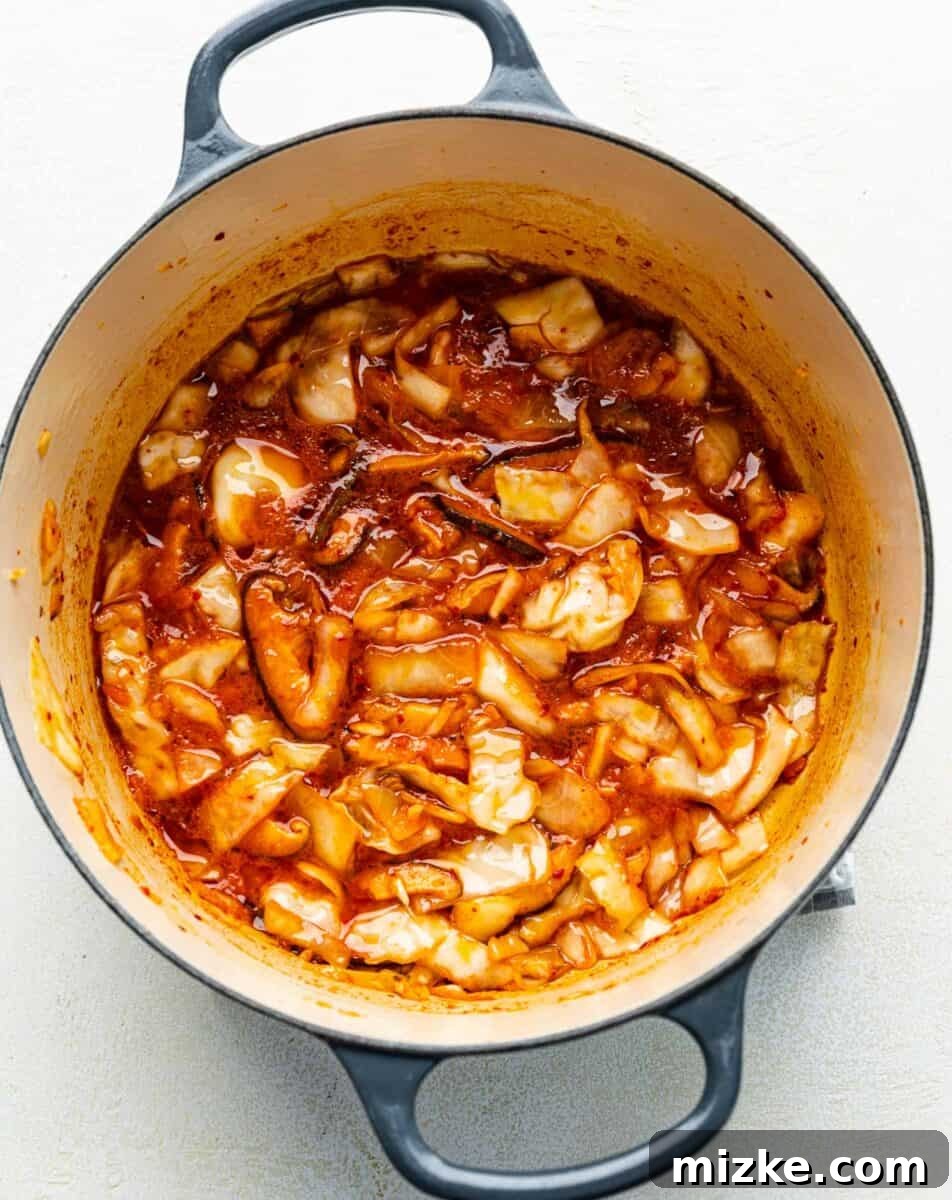
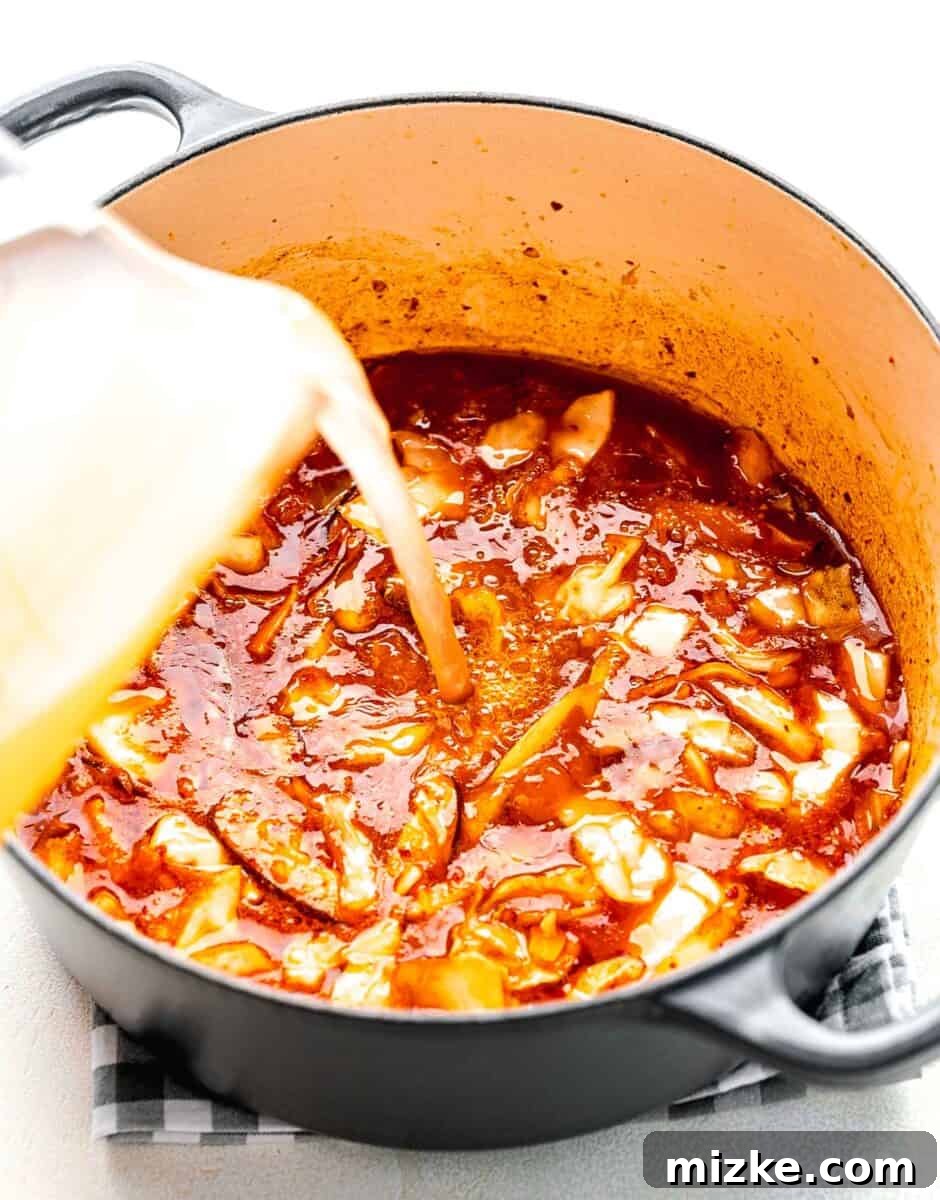
- Craft the Flavorful Broth: To the sautéed mixture, add the precious kimchi liquid, soy sauce, and the essential gochujang paste. Stir all these ingredients together thoroughly until they are well combined and the gochujang paste has fully dissolved into the mixture. Now, pour in the chicken broth and bring the entire soup to a rolling boil. Once boiling, reduce the heat to low, cover the pot, and let it gently simmer for 5-10 minutes. This simmering time is crucial, allowing all the magnificent flavors to deepen and harmonize, creating a rich and aromatic broth.
- Prepare the Ramen Noodles: While your broth is simmering, cook your instant ramen noodles according to the package directions. Most instant ramen cooks quickly, typically in just 2-3 minutes. Once al dente, drain the noodles thoroughly to remove any excess water. Remember, we are only using the noodles, not the seasoning packet that comes with them.
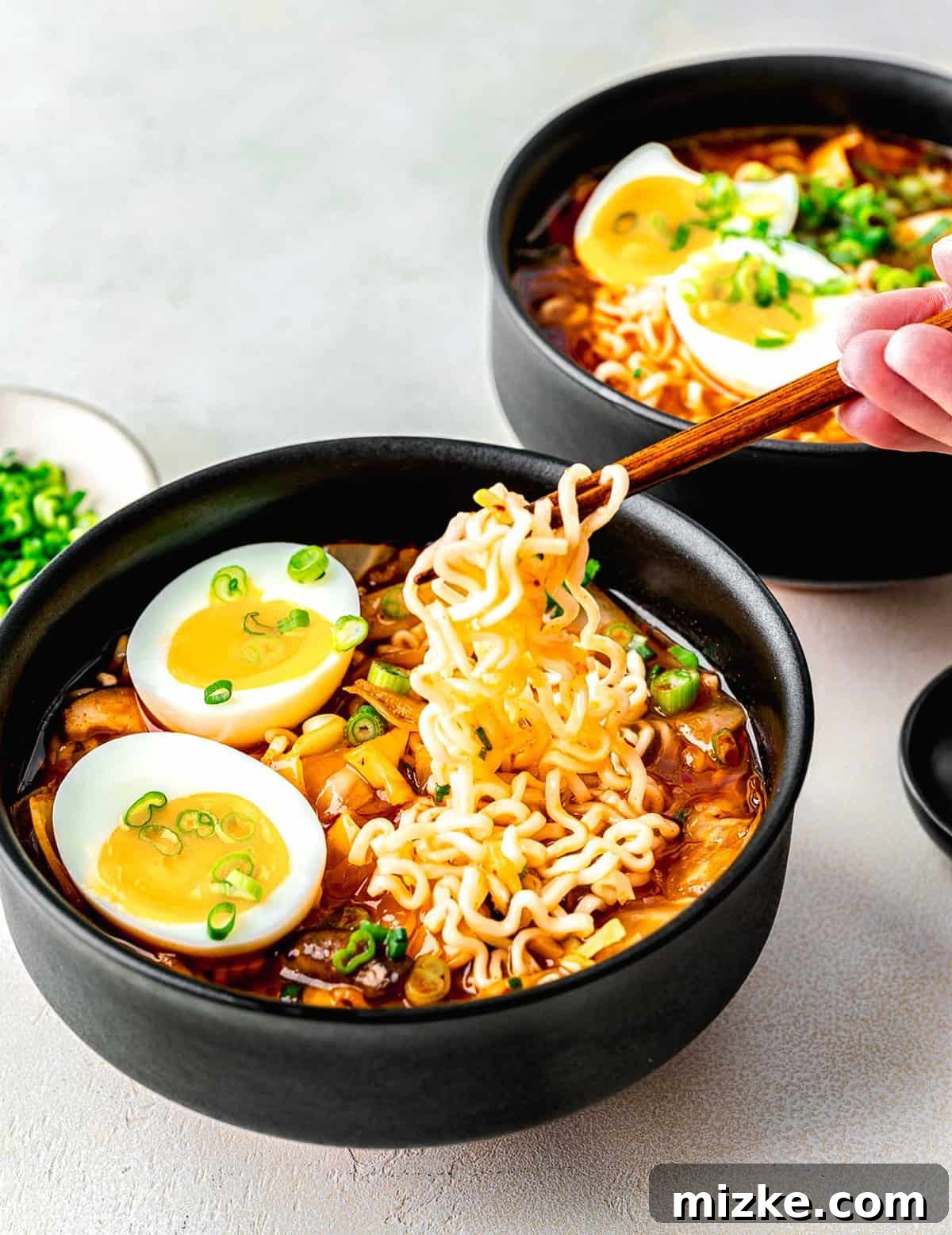
- Assemble Your Kimchi Ramen: The final and most exciting step! Carefully divide the perfectly cooked ramen noodles evenly between two serving bowls. Ladle the hot, flavorful kimchi broth over the noodles, ensuring each bowl gets a good share of the kimchi and mushroom pieces. Finally, artfully top each bowl with sliced green onions and your beautifully prepared soft-boiled egg. Serve immediately and savor every spoonful of your homemade masterpiece!
Expert Tips & Creative Variations for Your Kimchi Ramen
This kimchi ramen recipe is designed to be wonderfully straightforward and easy to execute, ensuring a delicious outcome every time. However, a few simple tips can elevate your ramen from great to truly exceptional. Plus, if you’re feeling adventurous, I’ve included some fun variations to spark your creativity and help you make this dish uniquely your own!
- Ditch the Seasoning Packet: This is a crucial tip! If your instant ramen came with a packet of seasoning, please, toss it out. Our carefully crafted, homemade broth is packed with nuanced flavors – the artificial taste of the instant seasoning would only detract from it, throwing off the delicate balance we’ve worked to achieve.
- Ensure a Full Boil for Noodles: For perfectly cooked noodles, always make sure the water you’re using comes to a full, vigorous boil before adding the ramen. If the water isn’t hot enough, the noodles will absorb too much liquid and become gummy and soggy, which is far from ideal for a satisfying ramen experience.
- Avoid Overcooking Your Ramen: The goal here is al dente – noodles that are tender but still have a slight chew. Remember that the ramen will continue to soften as it sits in the hot broth. If you overcook it initially, it will become mushy by the time you’re ready to eat, so keep a close eye on it!
- Boost Your Protein: To transform this already hearty soup into an even more substantial and filling meal, consider adding a protein source. Cubed and pan-fried tofu is an excellent vegetarian option. For meat lovers, shredded cooked chicken, thinly sliced beef (such as bulgogi cuts), or tender slices of pork would work beautifully. If you’re feeling ambitious, try my Pork Katsu or Chicken Katsu for a truly indulgent topping.
- Experiment with Different Veggies: While shiitake mushrooms are a personal favorite for their rich umami, this recipe is incredibly versatile. Feel free to incorporate other vegetables that you enjoy! Thinly sliced carrots, vibrant bell peppers, or even tender baby corn can be added to the pot before sautéing the mushrooms. Alternatively, steamed broccoli florets or snap peas can be stirred in just before serving for added freshness and crunch.
- Incorporate Fresh Greens: For an extra boost of nutrients and a lovely wilted texture, stir a handful or two of fresh spinach or some chopped bok choy into the simmering soup during the last few minutes of cooking. The heat of the broth will gently wilt them, infusing the soup with their subtle flavors.
- Explore Other Fun Toppings: Unleash your inner ramen artist with a variety of exciting toppings! Crunchy mung bean sprouts, sliced water chestnuts for a textural contrast, or bright green edamame can add both flavor and a delightful chewiness to your dish. A drizzle of toasted sesame oil or a sprinkle of sesame seeds can also enhance the aroma.
- Amp Up the Spice: If you’re a true spice enthusiast and the broth’s inherent warmth isn’t quite enough, there are several ways to intensify the heat. Add an extra tablespoon (or more!) of gochujang paste, sprinkle in some red chili flakes, or finish your bowl with a generous dash of sriracha or chili oil. Choosing a spicier variety of kimchi will also naturally increase the overall heat of the soup.
Perfect Pairings: What to Serve with Kimchi Noodle Soup
While this kimchi ramen is undeniably delicious and satisfying all on its own, pairing it with another Asian-inspired dish or two can transform your meal into a delightful feast. Here are some of my favorite accompaniments that perfectly complement the rich flavors of this noodle soup:
- Fresh and Crisp Veggie Sides: Balance the warmth and richness of the ramen with a refreshing vegetable side. Consider a vibrant Smashed Asian Cucumber Salad for a cool, tangy contrast, a simple yet flavorful Chinese Cabbage Stir Fry, or some perfectly seasoned Garlic Roasted Green Beans for a touch of healthy greenery.
- Delightful Appetizer Introductions: Set the stage for your ramen with a tantalizing appetizer. A plate of lightly steamed edamame offers a simple, healthy start. For something more substantial, try delicate Shrimp Shumai or classic gyoza, especially when dipped in The Best Dumpling Sauce you’ve ever tasted!
- Hearty Asian-Inspired Mains: If you’re serving the kimchi ramen as a flavorful side dish, consider pairing it with a robust main course. It beautifully complements the savory notes of Korean Beef Bulgogi, the crispy goodness of Chicken Katsu [チキンカツ], or the rich, peppery flavors of Bo Luc Lac (Vietnamese Shaking Beef).
Storing & Reheating Your Kimchi Ramen for Future Enjoyment
Should you find yourself with the delightful dilemma of leftover kimchi ramen, fret not! It’s easy to store and reheat, allowing you to savor its flavors another day. First, ensure the soup cools completely to room temperature. Before adding any fresh toppings like the soft-boiled egg or sliced scallions, transfer the soup (broth and noodles together) to an airtight container. It can then be stored safely in the refrigerator for up to 4 days, or in the freezer for up to 3 months. When you’re ready to enjoy your delicious leftovers, allow the soup to thaw in the refrigerator overnight if it was frozen. Then, transfer it to a pot and gently reheat it over medium heat on the stovetop until it’s warmed through to your desired temperature. Once piping hot, serve it in a fresh bowl, add a newly soft-boiled egg and a sprinkle of sliced scallions, and dive right into that comforting warmth once more.
Expand Your Culinary Horizon: More Asian-Inspired Recipes
Has this incredible kimchi ramen recipe ignited a passion for Asian cuisine within you? If your taste buds are now craving more flavors from across Asia, I’ve got a treasure trove of recipes for you to explore. From comforting curries to exotic cocktails, there’s something to satisfy every craving. Here are some of my personal favorites that I highly recommend you try:
- Katsu Chicken Curry
- Buldak Ramen
- Crispy Golden Spring Rolls
- Chè Thái Recipe (Vietnamese Fruit Cocktail)
- Mantou 饅頭 (Chinese Steamed Buns)
- Hunan Beef
Print Recipe
Kimchi Ramen
Julie Chiou
10 minutes
20 minutes
30 minutes
2
servings
Ingredients
- 2 tablespoons vegetable oil
- ¾ cup (170 g) thinly sliced shiitake mushrooms
- 2 cloves garlic, minced
- 1 cup (115 g) kimchi, chopped
- ½ cup (118 ml) liquid from kimchi
- 1 tablespoon soy sauce
- 1 tablespoon gochujang paste
- 4 cups (946 ml) chicken broth
- 6 ounces (170 g) instant ramen, (they come in 3 ounce packets so you will need 2 of them)
- ½ cup (50 g) thinly sliced green onion
- 2 soft-boiled eggs
Instructions
-
Heat vegetable oil in a small pot over medium heat. Add mushrooms and sauté for 3-4 minutes, until softened and starting to brown. Add garlic and continue cooking for 1 minute until fragrant.2 tablespoons vegetable oil,
¾ cup (170 g) thinly sliced shiitake mushrooms,
2 cloves garlic -
Add in chopped kimchi and continue cooking for 2-3 minutes, stirring occasionally.1 cup (115 g) kimchi
-
Add in kimchi liquid, soy sauce, and gochujang paste. Stir well to combine. Pour in chicken broth and bring the soup to a boil. Reduce heat to low and simmer for 5-10 minutes, allowing flavors to meld.½ cup (118 ml) liquid from kimchi,
1 tablespoon soy sauce,
1 tablespoon gochujang paste,
4 cups (946 ml) chicken broth -
Meanwhile, cook instant ramen noodles according to package directions until al dente. Drain thoroughly and set aside. (Discard any seasoning packets that came with the ramen).6 ounces (170 g) instant ramen
-
Divide the cooked ramen noodles between two serving bowls and carefully pour the hot broth over the noodles.
-
Garnish each bowl generously with thinly sliced green onion and a soft-boiled egg. Serve immediately and enjoy!½ cup (50 g) thinly sliced green onion,
2 soft-boiled eggs
Nutrition
Serving:
1bowl
Calories:
279kcal
Carbohydrates:
16g
Protein:
13g
Fat:
20g
Saturated Fat:
4g
Polyunsaturated Fat:
9g
Monounsaturated Fat:
5g
Trans Fat:
0.1g
Cholesterol:
173mg
Sodium:
2629mg
Potassium:
621mg
Fiber:
4g
Sugar:
6g
This website provides approximate nutrition information for convenience and as a courtesy only. Nutrition information can vary for a variety of reasons. For the most precise nutritional data use your preferred nutrition calculator based on the actual ingredients you used in the recipe.
The default measuring system for this website is US Customary. Unit conversions are provided for convenience and as a courtesy only. While we strive to provide accurate unit conversions, please be aware that there may be some discrepancies.